Free written scope consultation - allowances, timeline, and change-order rules on paper before a single trade is scheduled
Styles & brands we work with
- Kitchen remodeling
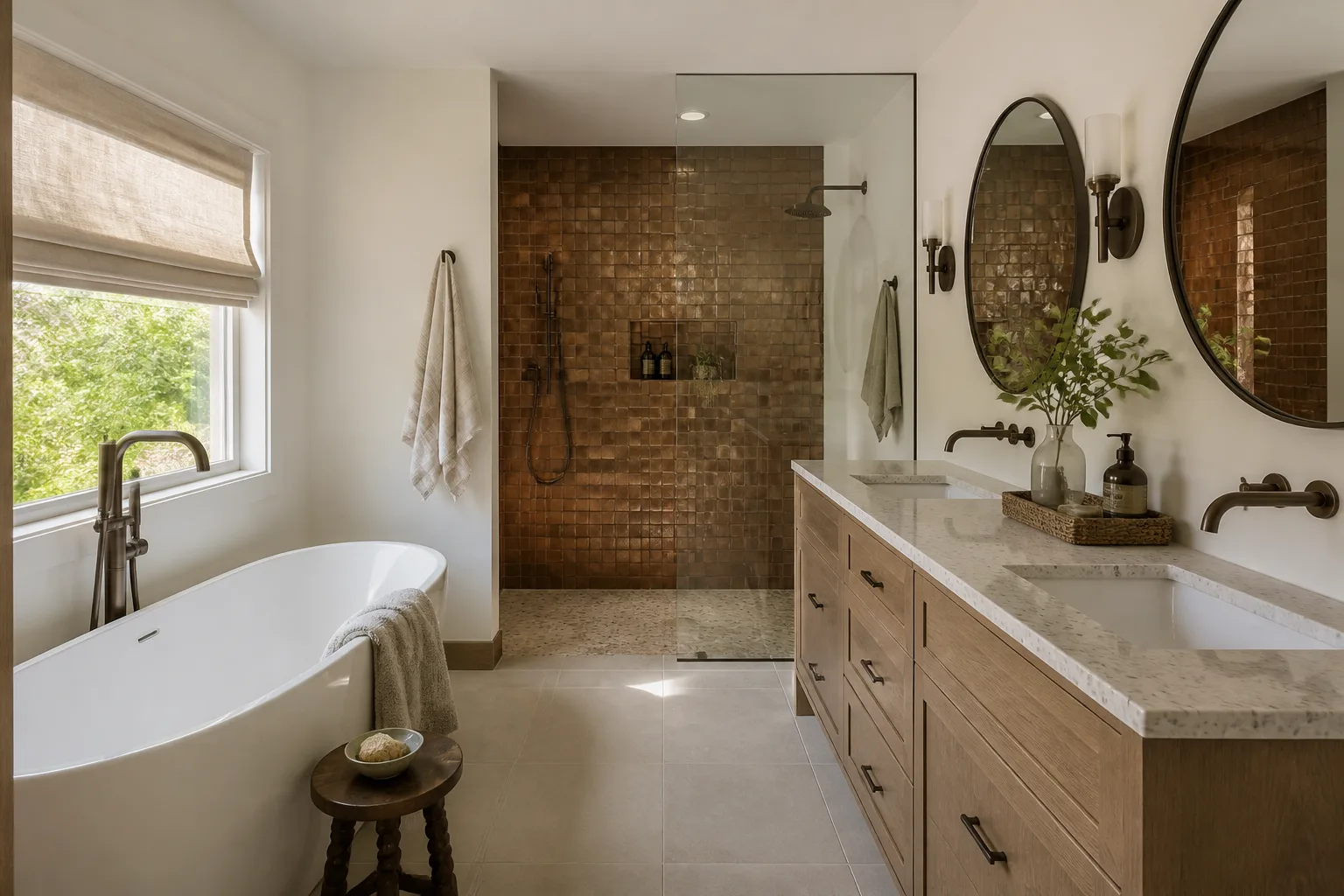
- Bathroom remodeling
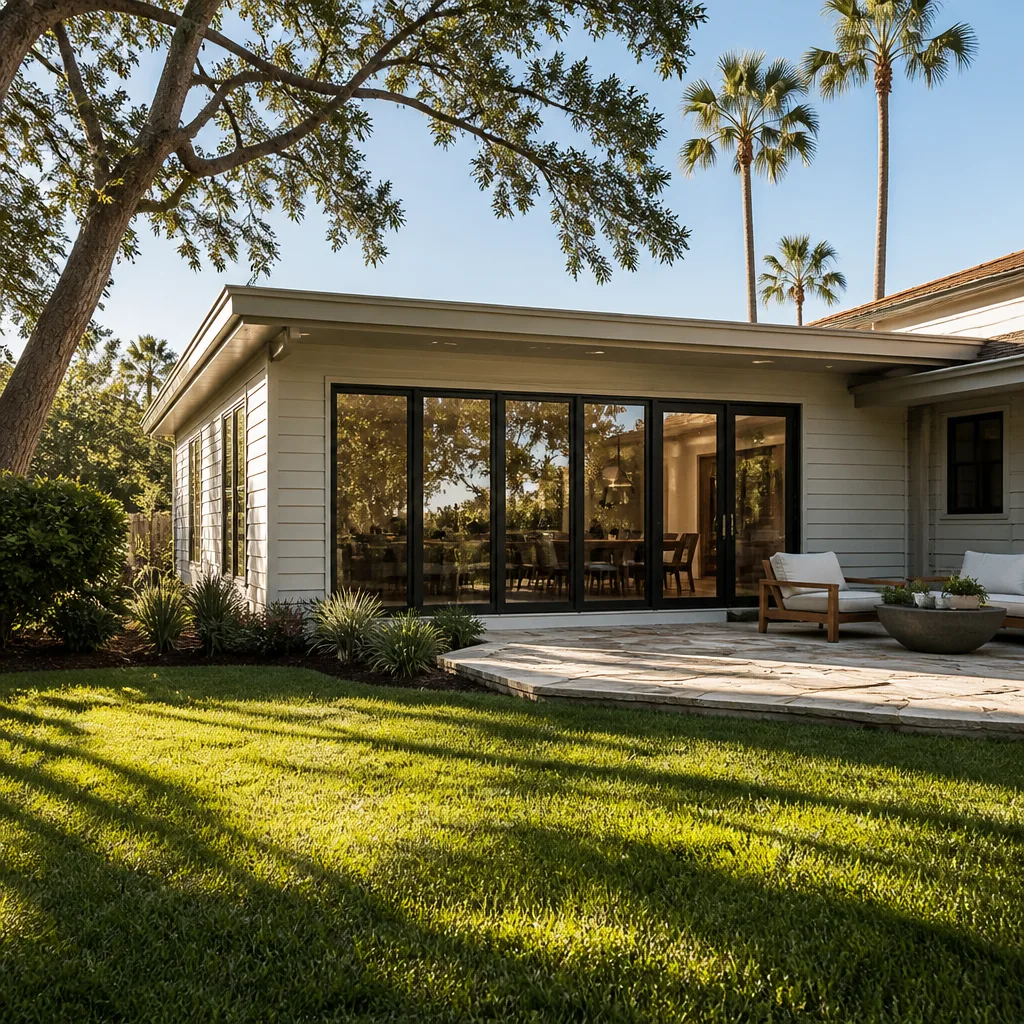
- Home additions & ADU
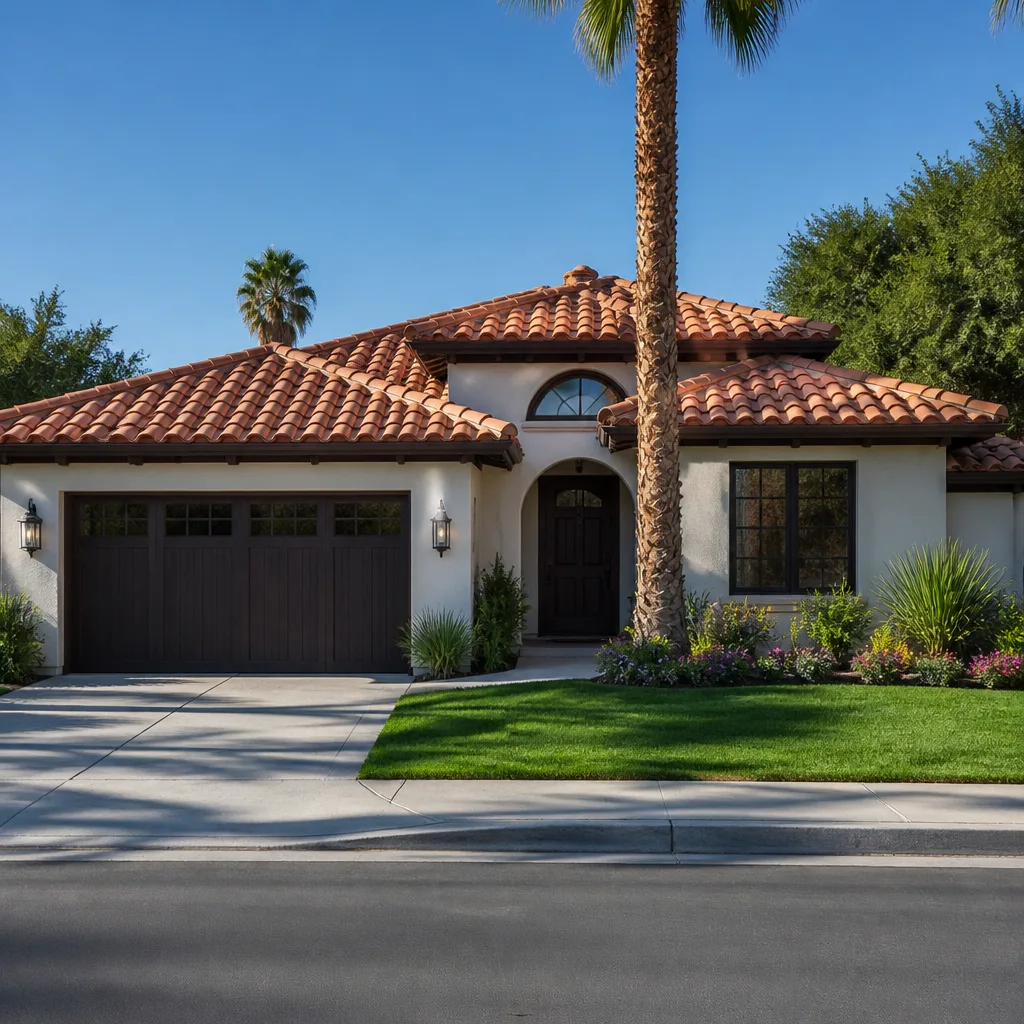
- Roofing
- Windows & doors
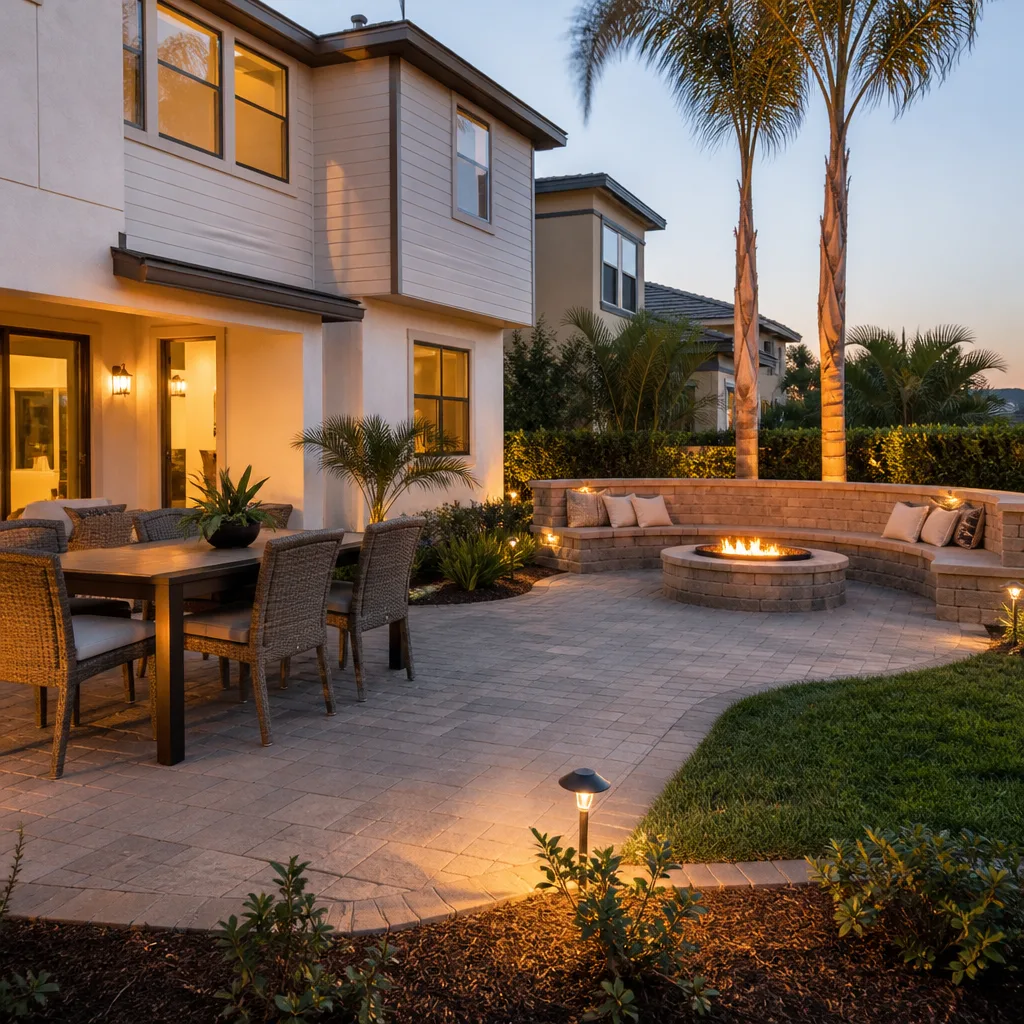
- Driveway & pavers
- Fence
See the difference
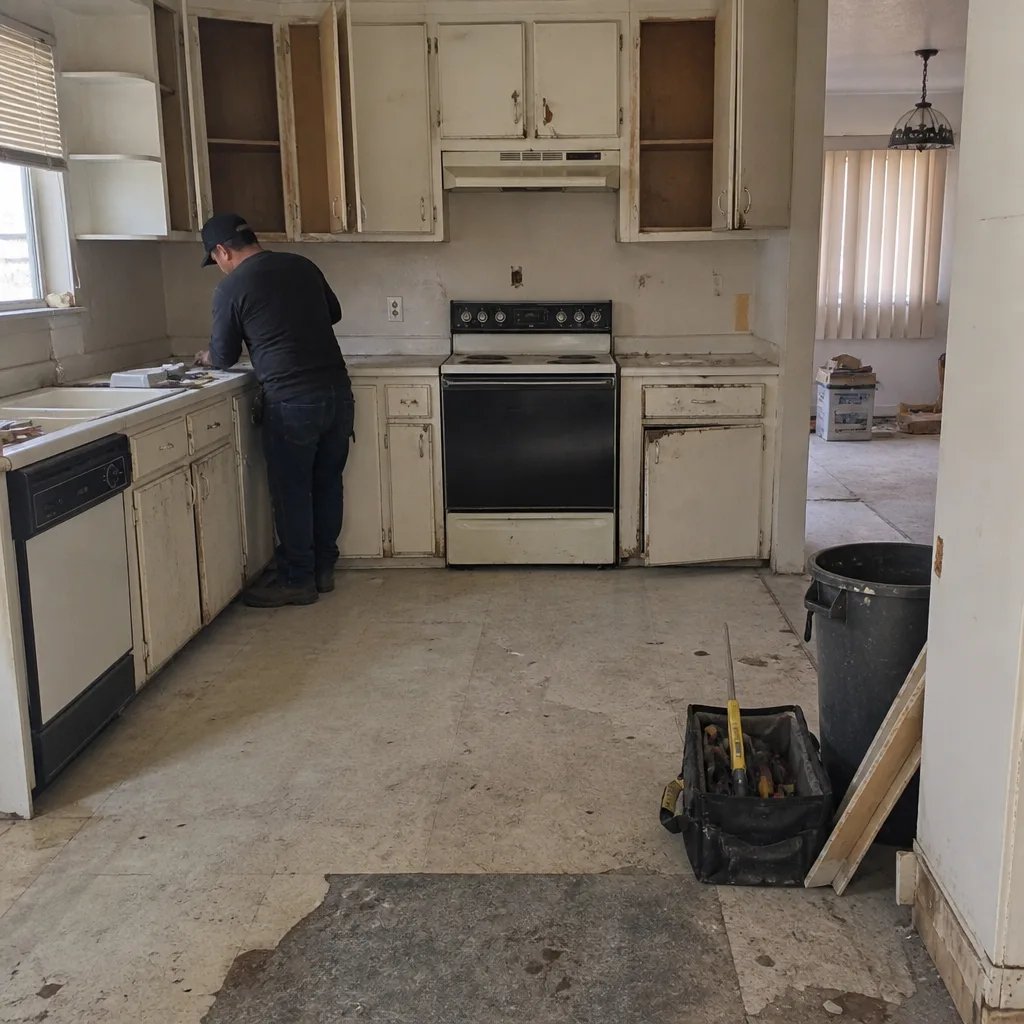 Before
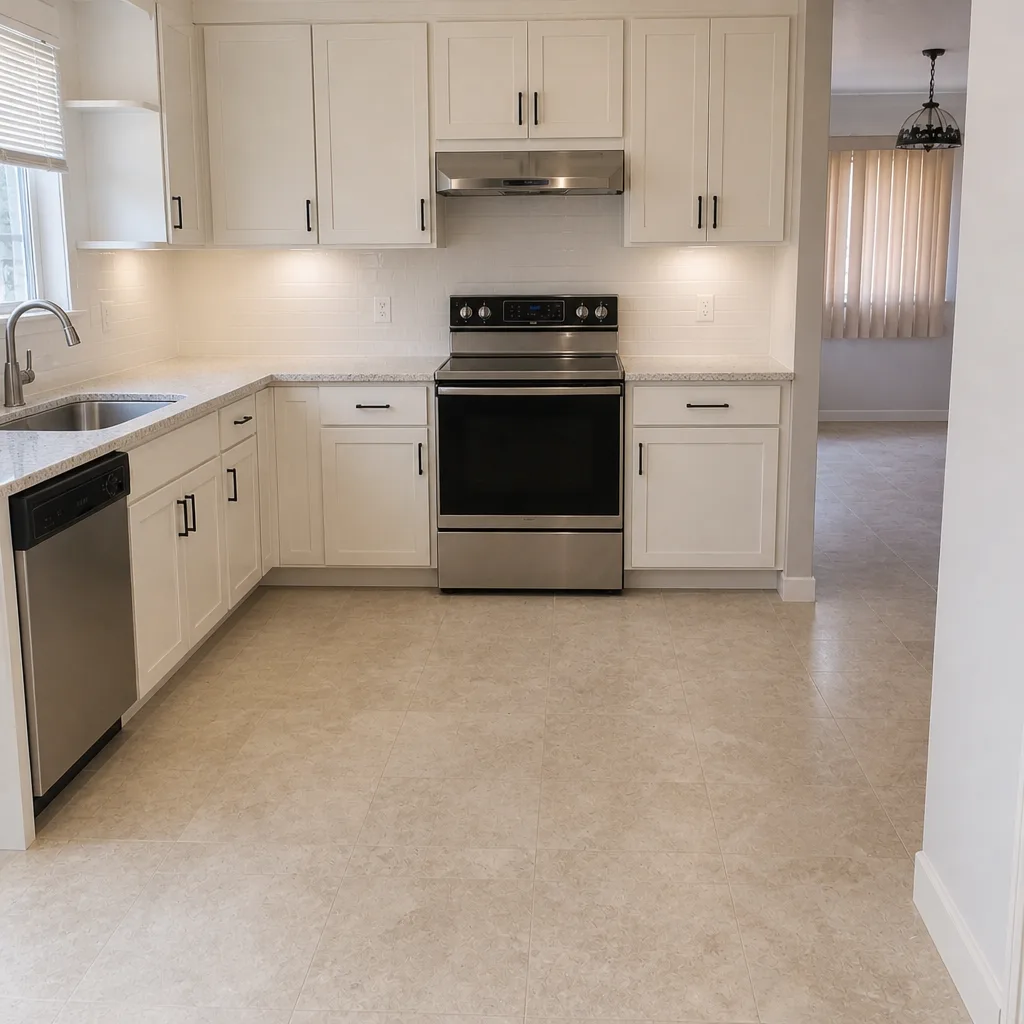 After
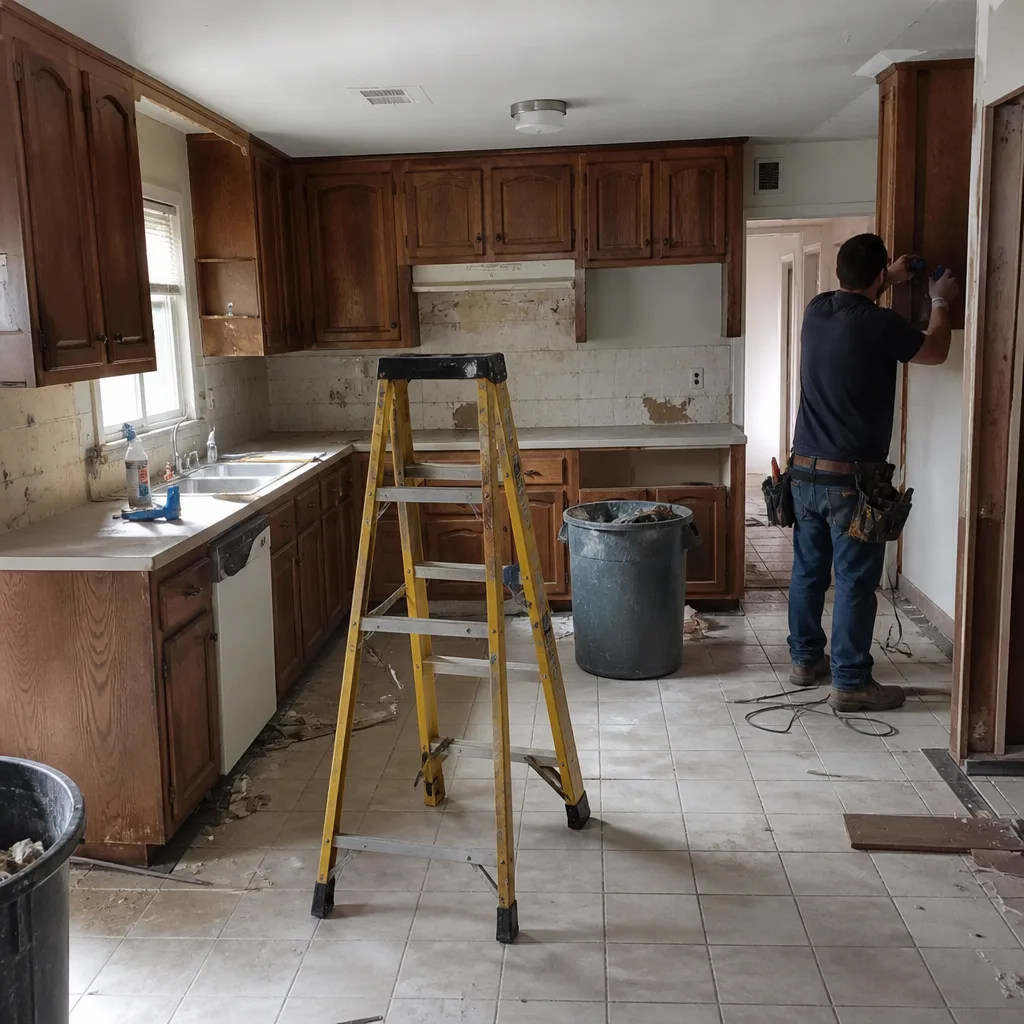 Before
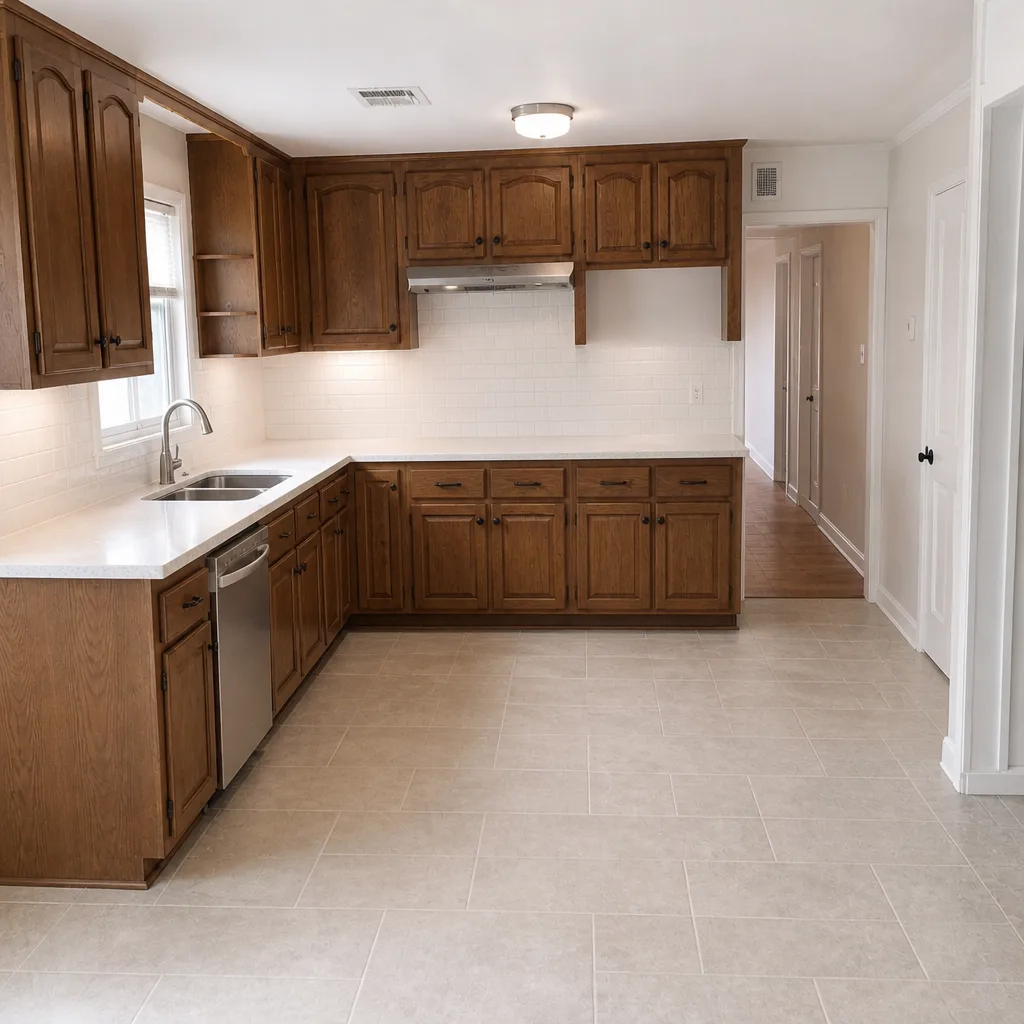 After
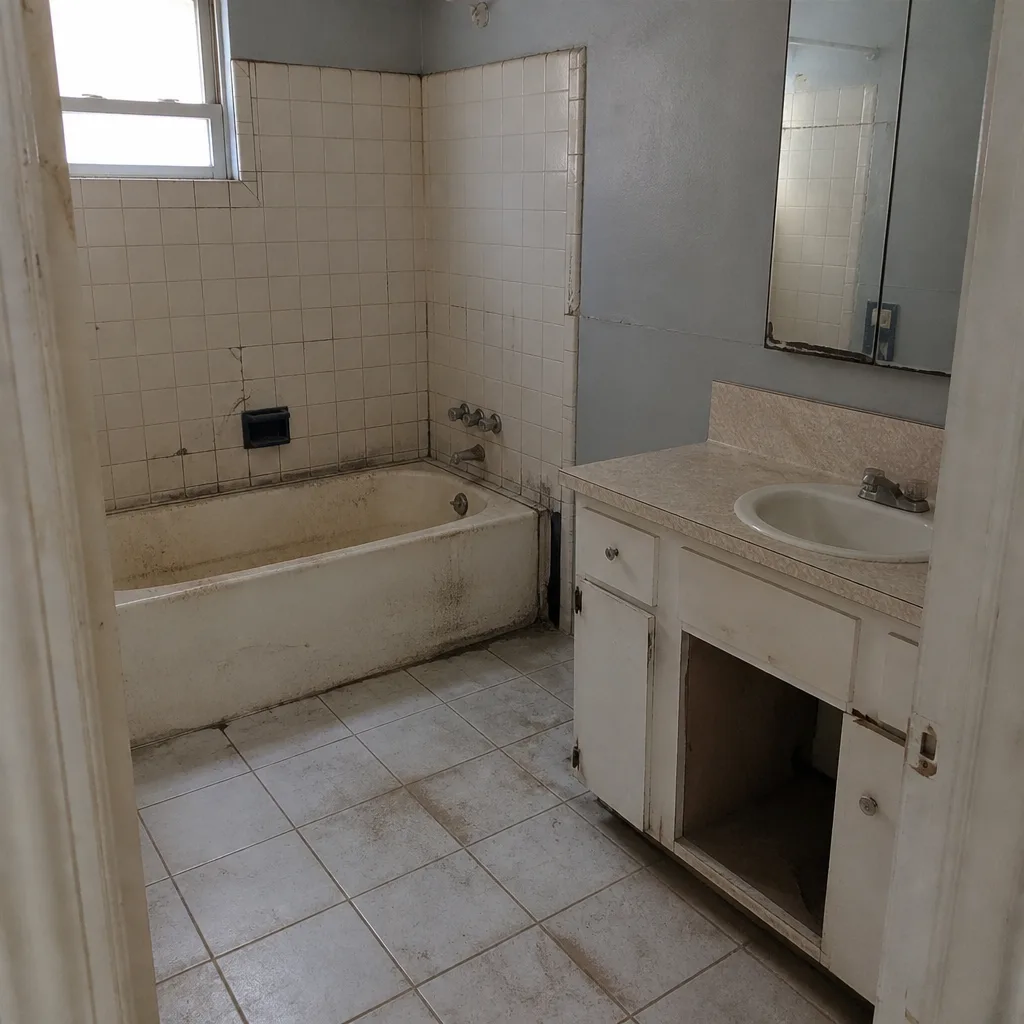 Before
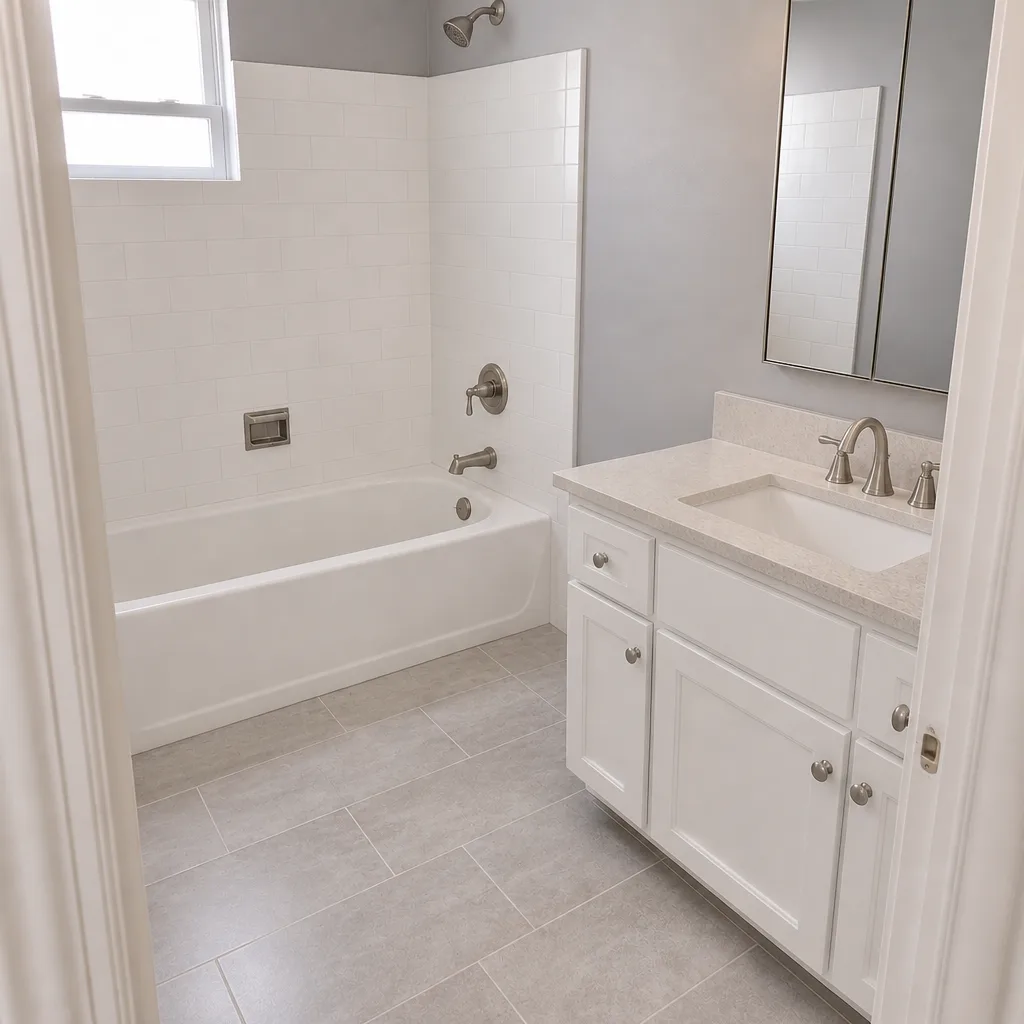 After
Tile vs Vinyl Plank Kitchen Flooring in Spring Valley, NV: Choose LVP Unless You Want the Cool Underfoot Feel and Will Pay for a Proper Subfloor
For most Spring Valley kitchens, we recommend luxury vinyl plank over porcelain tile. The reason isn’t looks or budget alone (though LVP installs for roughly $5-$9 per square foot versus $10-$18 for tile with a crack isolation membrane). It’s that a floating LVP floor decouples from the concrete slab underneath, and that slab has been expanding and contracting through 25+ Mojave summers. Rigid tile transfers every bit of that movement straight to the grout lines. Call (888) 329-9414 for a free floor assessment and we’ll walk your kitchen slab with you before either product goes down.
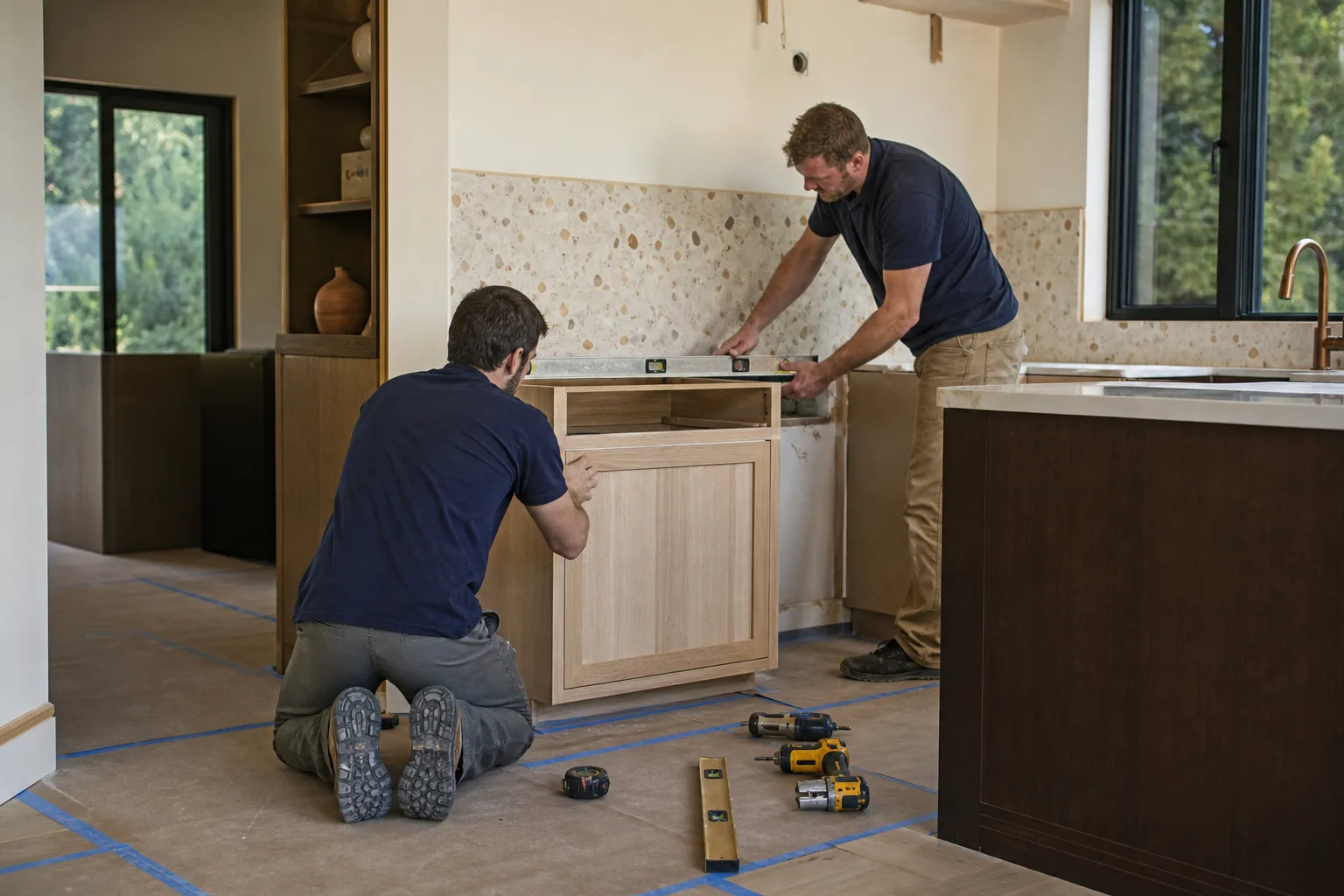
Why a Spring Valley Slab Changes the Answer
Most Spring Valley housing stock went up between the 1990s and 2000s: stucco-and-tile tract homes and gated subdivisions sitting at the edge of the Mojave on expansive desert soils. That means the concrete under your kitchen is 20 to 30 years old and has lived through summer highs that routinely top 110°F and winter nights that drop to freezing. That swing is hard on a slab. Out on the slopes near Rhodes Ranch and the western edge of Spring Valley, expansive soils combine with monsoon downpours to move things further, and we regularly see foundation and driveway cracking in those pockets that simply doesn’t show up on the flat alluvial ground of central Las Vegas.
Here’s what that means in practice: a slab that has settled by a fraction of an inch will still flex underfoot. Tile can’t flex. It has no give. When the slab moves even a hair, the stress has to go somewhere, and it goes to the grout and the tile face. That’s not a scare tactic, it’s physics, and it’s the single most common reason we get called back to a kitchen floor that looked perfect two years ago and now has a spiderweb of cracks radiating from the center of the room.
What “crack isolation membrane” actually does
Porcelain tile over a Spring Valley slab requires a crack isolation membrane, a thin sheet or troweled layer that sits between the concrete and the thinset. It absorbs minor differential movement so the tile assembly doesn’t inherit the slab’s stress. We use products like Quikrete and Sakrete’s self-leveling underlayments and patch compounds to prep the substrate, and the membrane goes on top. This step adds roughly $1.50-$2.50 per square foot. Skipping it is the leading cause of grout cracking within 2-3 years in homes near Rhodes Ranch, where the expansive soils are most active. If a tile quote for your Spring Valley kitchen doesn’t mention a membrane, that’s the number to ask about before you sign.
What to Look For in Each Option
The tile vs. LVP decision comes down to three things in Spring Valley: how level your slab is, how much thermal movement you’re willing to engineer around, and how you actually want the floor to feel under bare feet in July.
- LVP (floating): Decouples entirely from the slab, tolerates minor differential movement, and handles the extreme thermal swing without the cupping and gapping that plagued first-generation vinyl planks. Modern rigid-core LVP is a different product than what your neighbor installed in 2008.
- Porcelain tile: Cooler underfoot thanks to thermal mass, which is a genuine comfort win in a Spring Valley kitchen when it’s 110°F outside. That benefit only arrives if the slab is flat. An unlevel slab negates it and turns the floor into a crack-collection surface.
- Subfloor prep on either: Grinding, patching, or self-leveling is a real line item. On a 25-year-old slab it’s usually necessary. Ask whether it’s included.
We handle both materials on our Kitchen Remodeling in Spring Valley projects, and we quote them the same way: true installed cost, membrane and leveling included. If you’re planning a broader redo, our Kitchen Remodeling page covers the full scope, and you can start from the home page to see how flooring fits into the bigger picture.
How Much Does Each Option Cost in Spring Valley?
LVP installation in Spring Valley typically runs $5-$9 per square foot installed. Porcelain tile with crack isolation membrane runs $10-$18 per square foot installed. Those are true installed numbers that include prep, and the gap is real. A 200-square-foot kitchen lands somewhere around $1,000-$1,800 for LVP versus $2,000-$3,600 for tile done correctly.
| Line item | LVP (installed) | Porcelain tile (installed) |
|---|---|---|
| Material + labor | $4-$7/sq ft | $8-$15/sq ft |
| Crack isolation membrane | Not required | $1.50-$2.50/sq ft |
| Subfloor leveling / prep | $0.50-$2/sq ft | $0.50-$2/sq ft |
| Removal of old flooring | $1-$2/sq ft | $1-$3/sq ft |
| Typical all-in | $5-$9/sq ft | $10-$18/sq ft |
A full kitchen remodel tied to the flooring swap runs $14,000-$45,000 in Spring Valley depending on cabinets, counters, and layout changes. We price with no-hassle upfront pricing: the number you see is the number you pay, both flooring options presented as line items so you’re comparing real installed costs and not material-only figures that balloon after demo. Financing is 0% for 18 months, and projects over $10,000 get $1,000 off.
Our Recommendation, and When We’d Say Otherwise
Choose LVP in most Spring Valley kitchens, especially in homes near Rhodes Ranch and the western edge where expansive soils are most active. Go with porcelain tile only if two conditions hold: your slab checks out reasonably level, and you’ll pay for the crack isolation membrane to be installed correctly. If both are true, tile gives you a cooler floor in summer and a lifetime-of-the-home material. If either is shaky, LVP is the smarter money.
Groundwork Construction Co. of Spring Valley stands behind both with our 730-Day Done Right Promise: if it’s not done right, we make it right. Our technicians have up to 12 years of experience, they’re background-checked, and they arrive in uniform. Calls are answered by a live person, 24/7, so you’re never stuck in voicemail on a Sunday night.
FAQs
Rigid-core LVP lasts 15-25 years in a typical Spring Valley kitchen; properly installed porcelain tile can last 50+. The catch is that “properly installed” is doing heavy lifting for tile on a desert slab. An LVP floor that outlives a cracked tile floor isn’t unusual here, and that’s the honest answer.
It can, and the fix is the crack isolation membrane. Homes near Rhodes Ranch sit on expansive soils that move with moisture, and that movement cracks grout within 2-3 years when the membrane is skipped. With the membrane, tile performs well. If your slab already shows settlement cracks, call (888) 329-9414 for a free assessment before choosing tile.
No, and it’s usually the opposite problem. Tile feels cooler in summer thanks to thermal mass, while LVP stays closer to room temperature. At 110°F outside, “cooler” tile is a comfort win, but only when the subfloor is flat and the tile is bonded properly. An unlevel slab negates the benefit entirely.
Most LVP installations finish in a single visit; tile typically runs 2-3 days with cure time. We quote the timeline honestly with the price. Estimates are free, and financing at 0% for 18 months is available if you want to spread the cost.
If you’d rather have it looked at, Groundwork Construction Co. of Spring Valley offers a no-pressure assessment in Spring Valley. We’ll check slab flatness, weigh LVP against tile for your specific kitchen, and hand you upfront pricing with every line item spelled out. Call (888) 329-9414 for a free estimate.
Written by the team at Groundwork Construction Co. of Spring Valley, serving Spring Valley, NV.