
Free written scope consultation - allowances, timeline, and change-order rules on paper before a single trade is scheduled
Styles & brands we work with
- Kitchen remodeling
- Bathroom remodeling
- Home additions & ADU
- Roofing
- Windows & doors
- Driveway & pavers
- Fence
See the difference
 Before
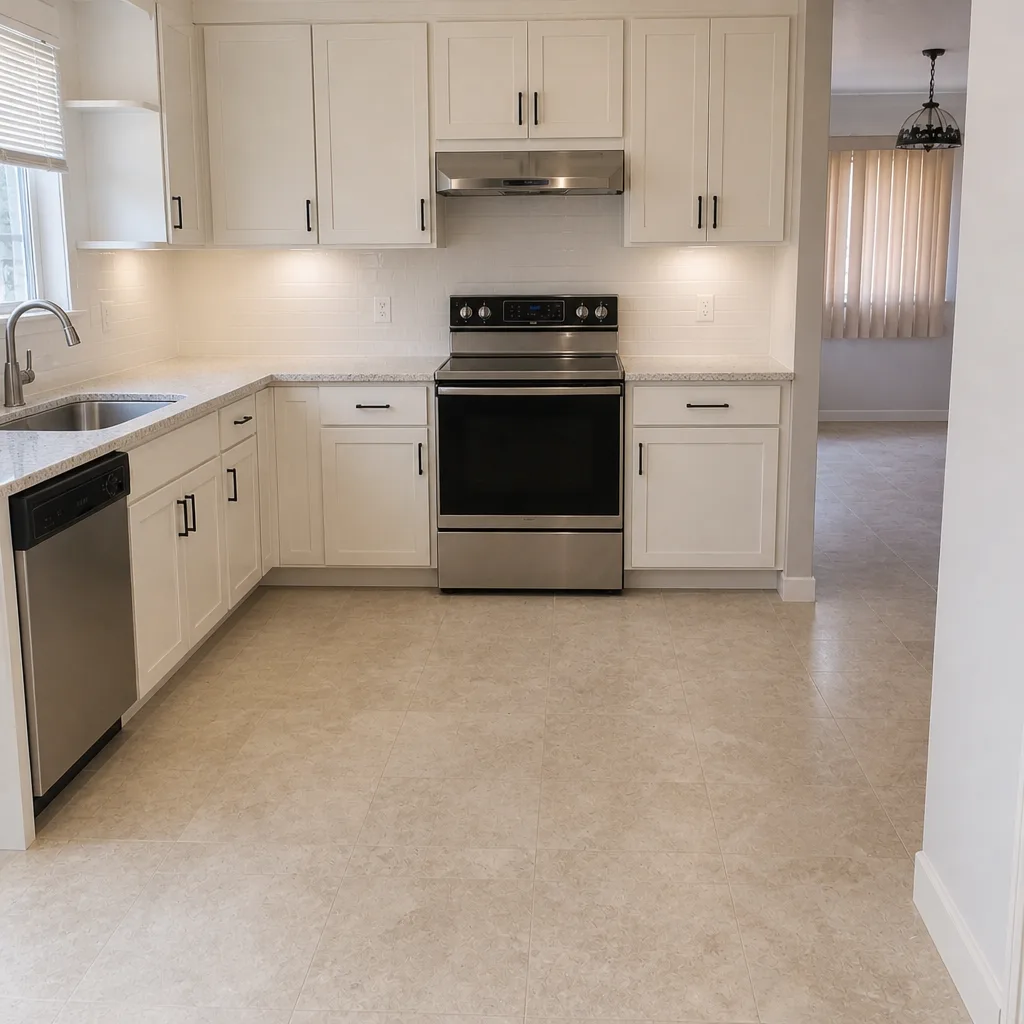 After
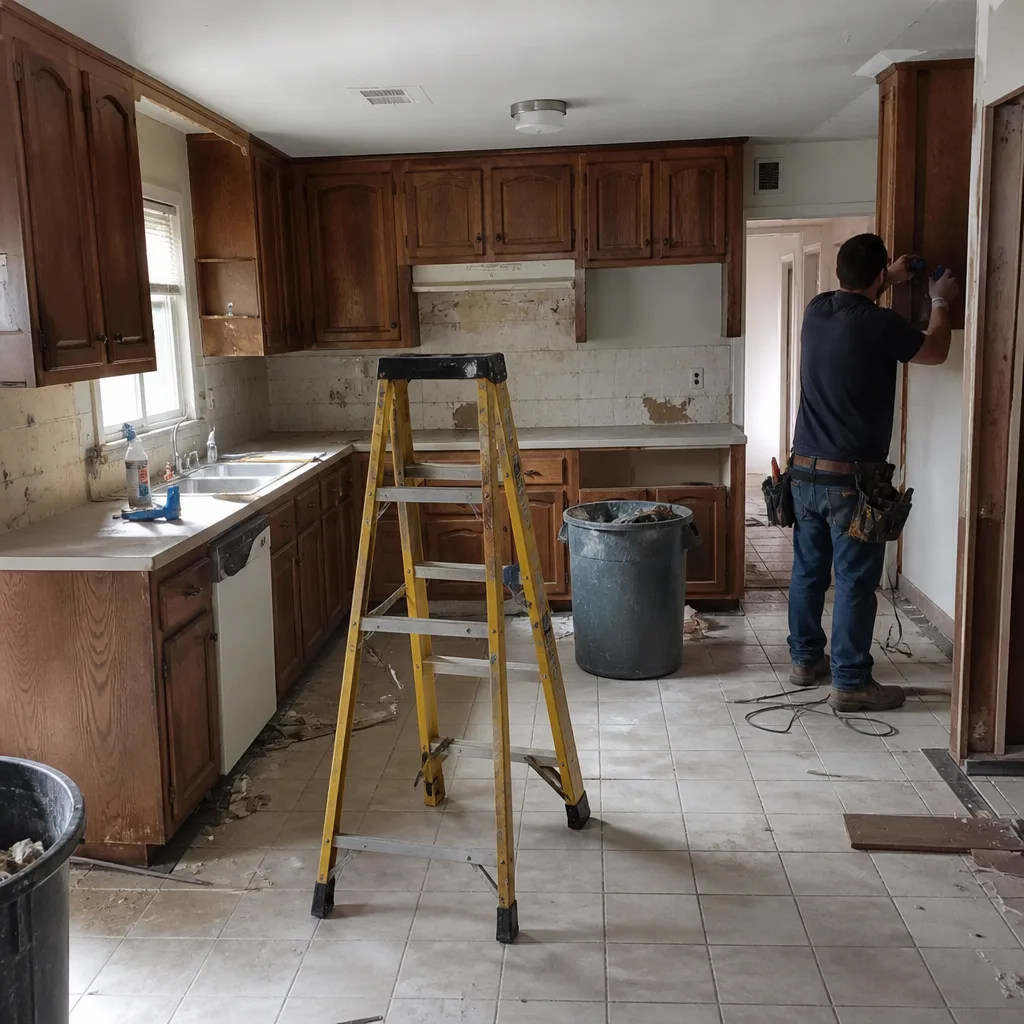 Before
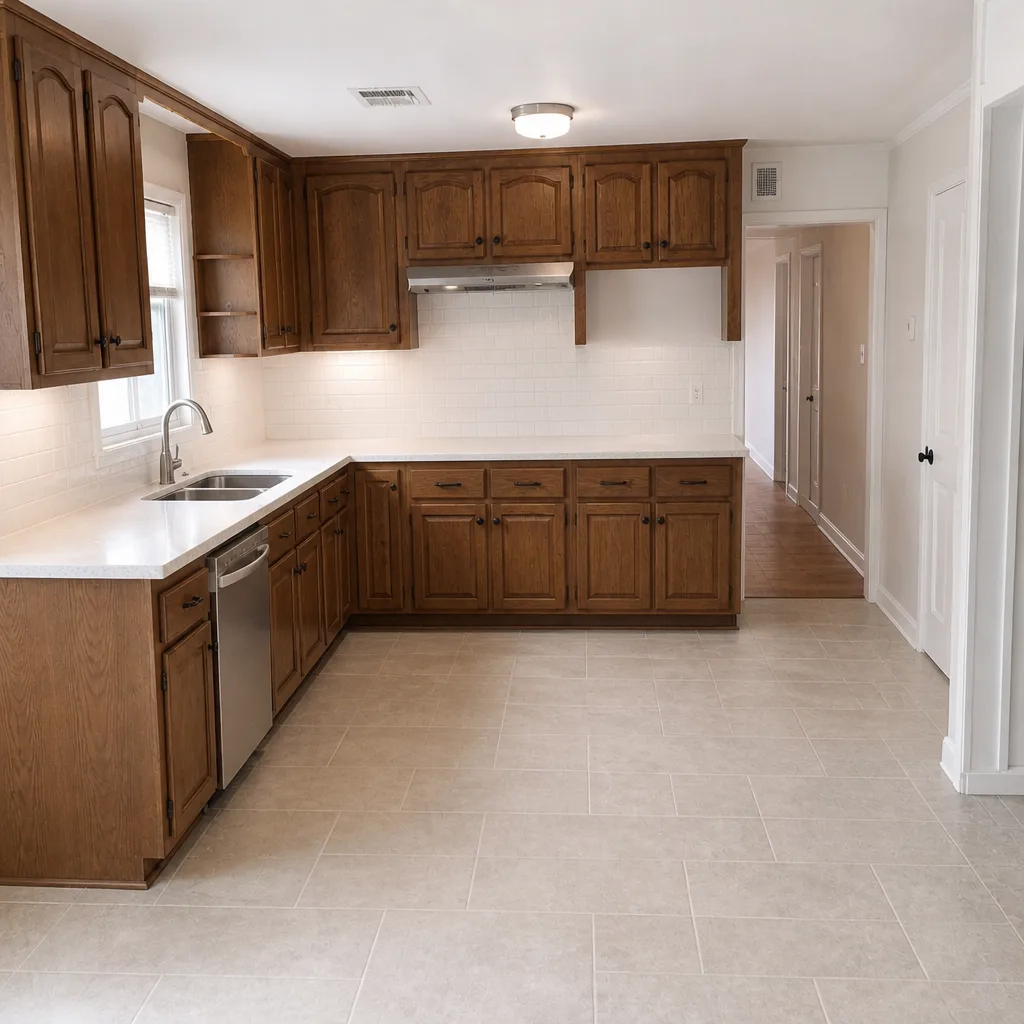 After
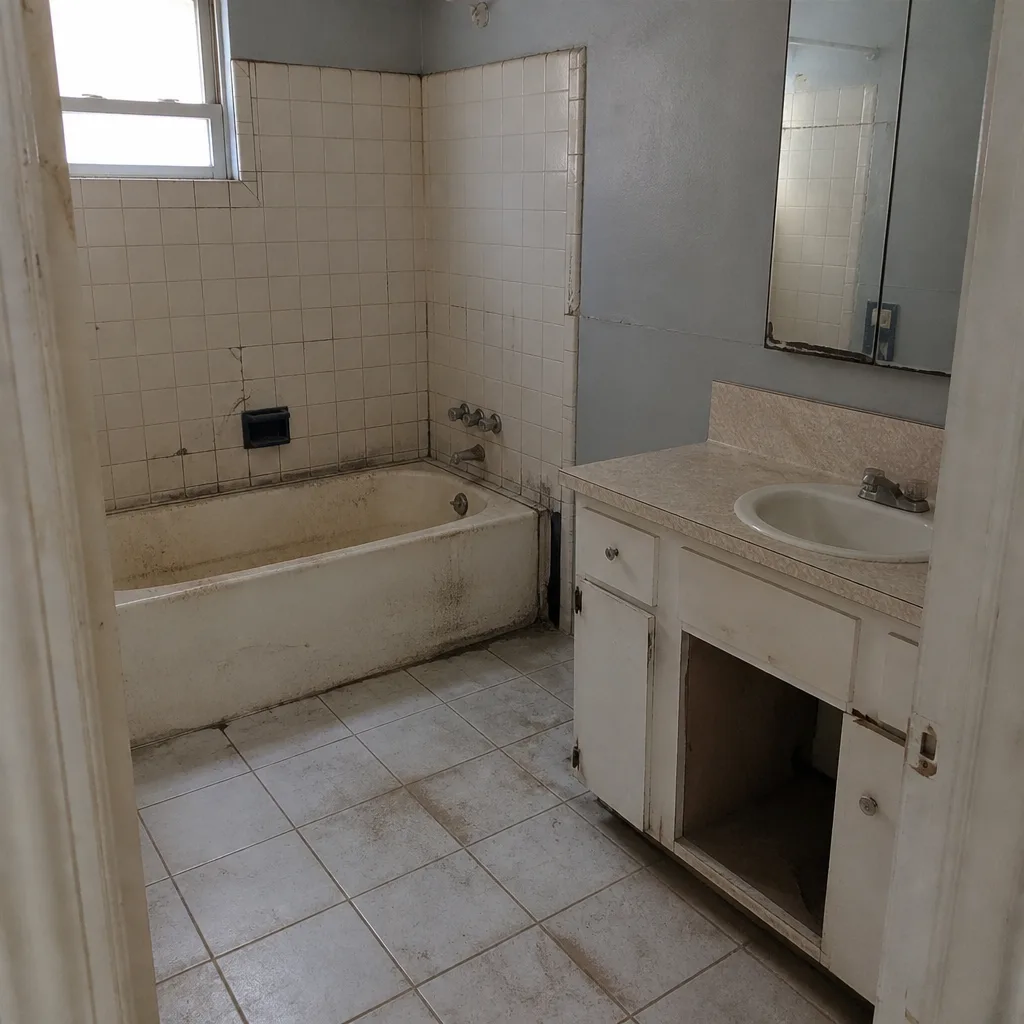 Before
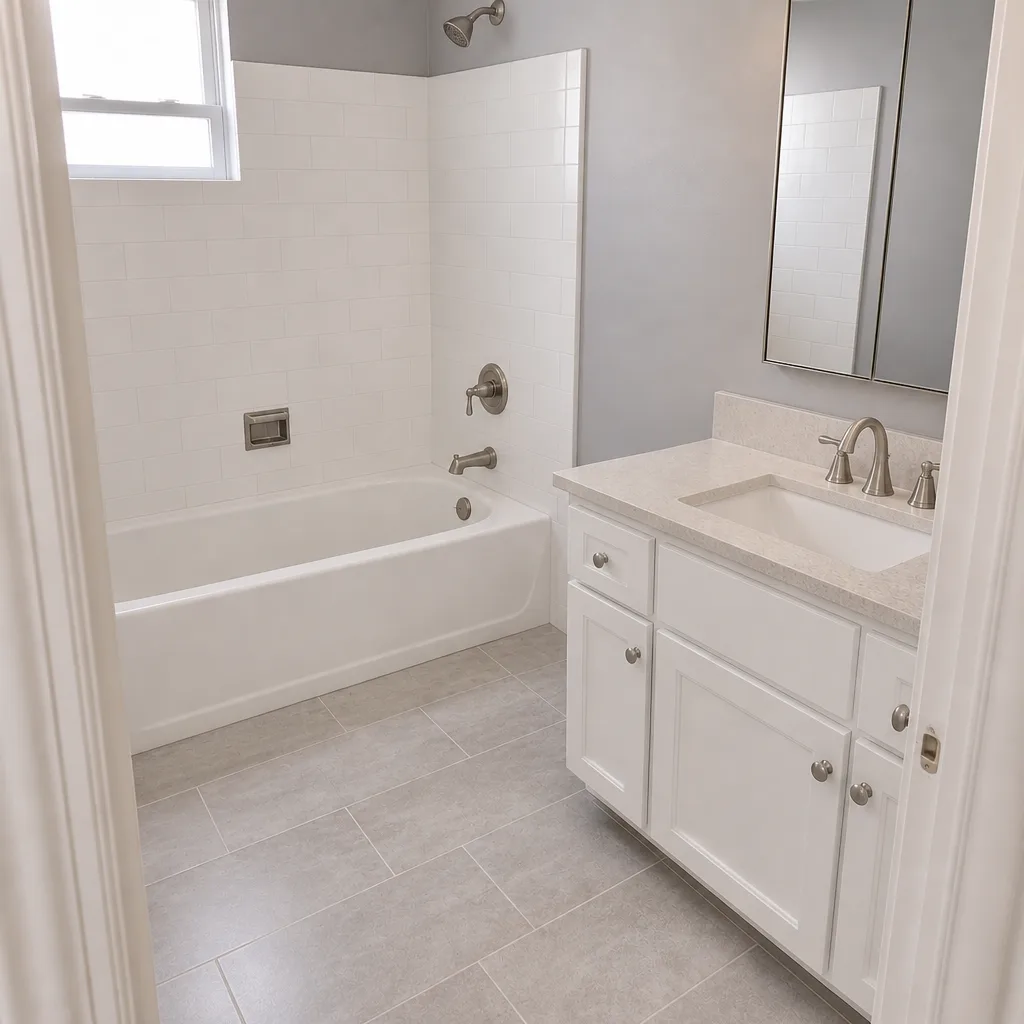 After
Tile Roof Repair Cost in Spring Valley, NV: What You’ll Actually Pay
Tile roof repair in Spring Valley, NV typically runs $600-$2,500 for a real repair, though a tile-only swap of one or two broken pieces can land closer to $150-$500. Here’s the part most quotes skip: if your home was built in the 1990s, the concrete tile is probably fine while the underlayment beneath it is already past its 20-25 year service life. Call Groundwork Construction Co. of Spring Valley at (888) 329-9414 for a free estimate that inspects what’s under the tile, not just what’s cracked on top.
The $600-$2,500 range isn’t wide because we’re being vague. It’s wide because tile repair in Spring Valley splits into two very different jobs, and the number you get depends entirely on which one your roof actually needs.
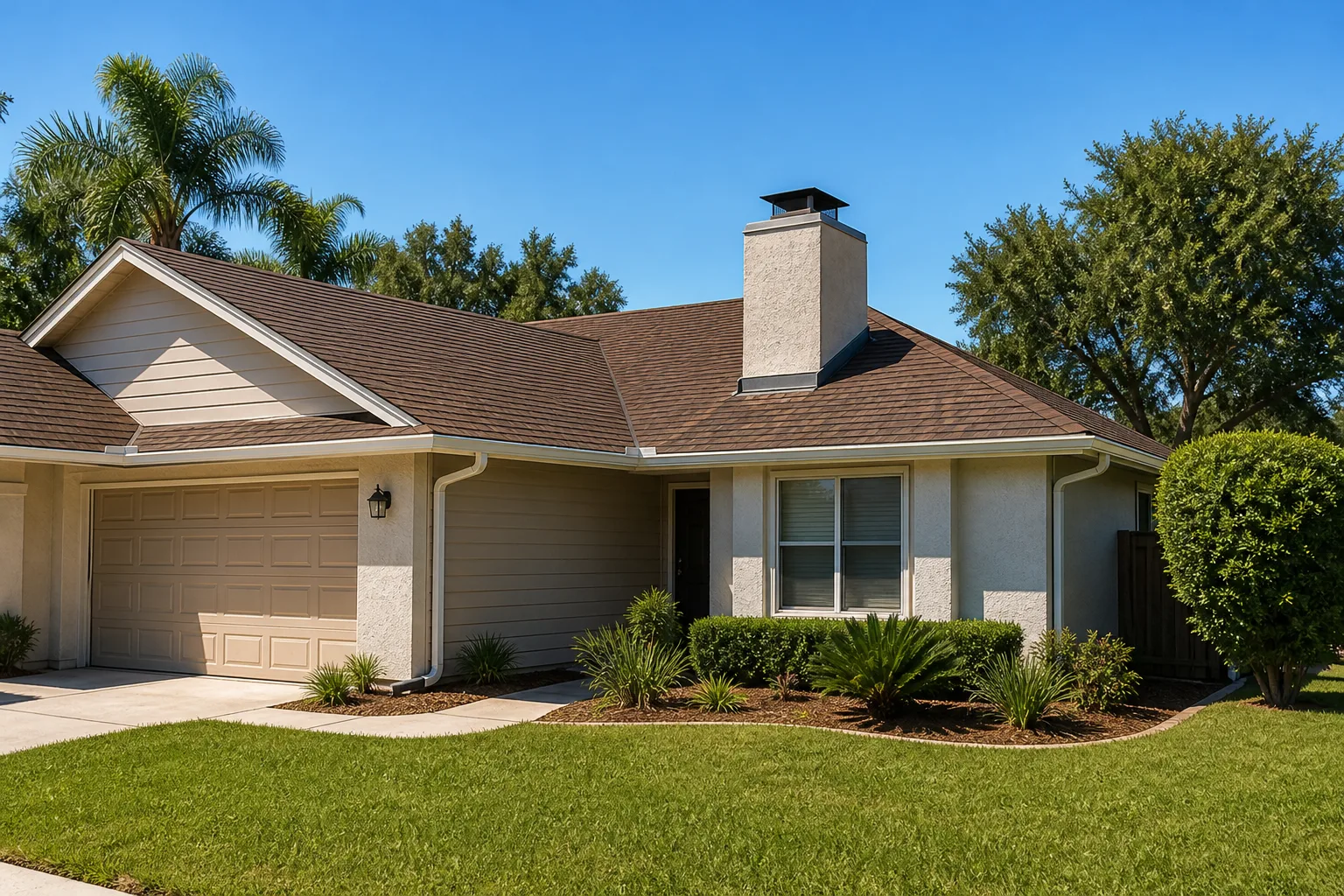
Symptom vs. Cause: Why the Cracked Tile Isn’t the Real Problem
Every week we climb onto Spring Valley roofs where a homeowner points at three or four slipped concrete tiles and assumes that’s the whole job. Sometimes it is. But on a 1995 stucco-and-tile tract home, those cracked tiles are usually the first visible sign that the felt or synthetic sheet underneath has gone brittle and started to tear around the fasteners.
That distinction matters because it changes the cost conversation completely:
- Tile-only repair ($150-$500 per section): appropriate when the roof is under roughly 15 years old, the underlayment still has flexibility, and the damage is isolated to impact or a wind-lifted field of tiles near a ridge.
- Underlayment-inclusive repair ($600-$2,500): appropriate when the tile comes up and the membrane beneath crumbles or tears at the edges. This is where most 1990s Spring Valley roofs land once a leak shows up.
- Staged or full replacement ($8,000-$20,000): appropriate when underlayment failure is widespread, and patching one section just moves the leak three feet over.
Replacing a few tiles without checking underlayment condition is a repair that buys you months, not years. On a roof that’s already cooked through, the second leak is usually following the first within a season.
How Spring Valley Heat Rewrites the Underlayment Clock
Underlayment manufacturers rate their product at 20-25 years, but those ratings assume a milder climate than the one sitting on top of your house. Spring Valley sits in the Mojave at roughly 2,300 feet, where summer highs routinely pass 110°F and UV exposure is relentless. The thermal swing is the real culprit: attic decks hitting 150°F or higher in July and dropping toward freezing on winter nights. That expansion and contraction cycle, repeated a few thousand times, is what embrittles the membrane long before the calendar says it should.
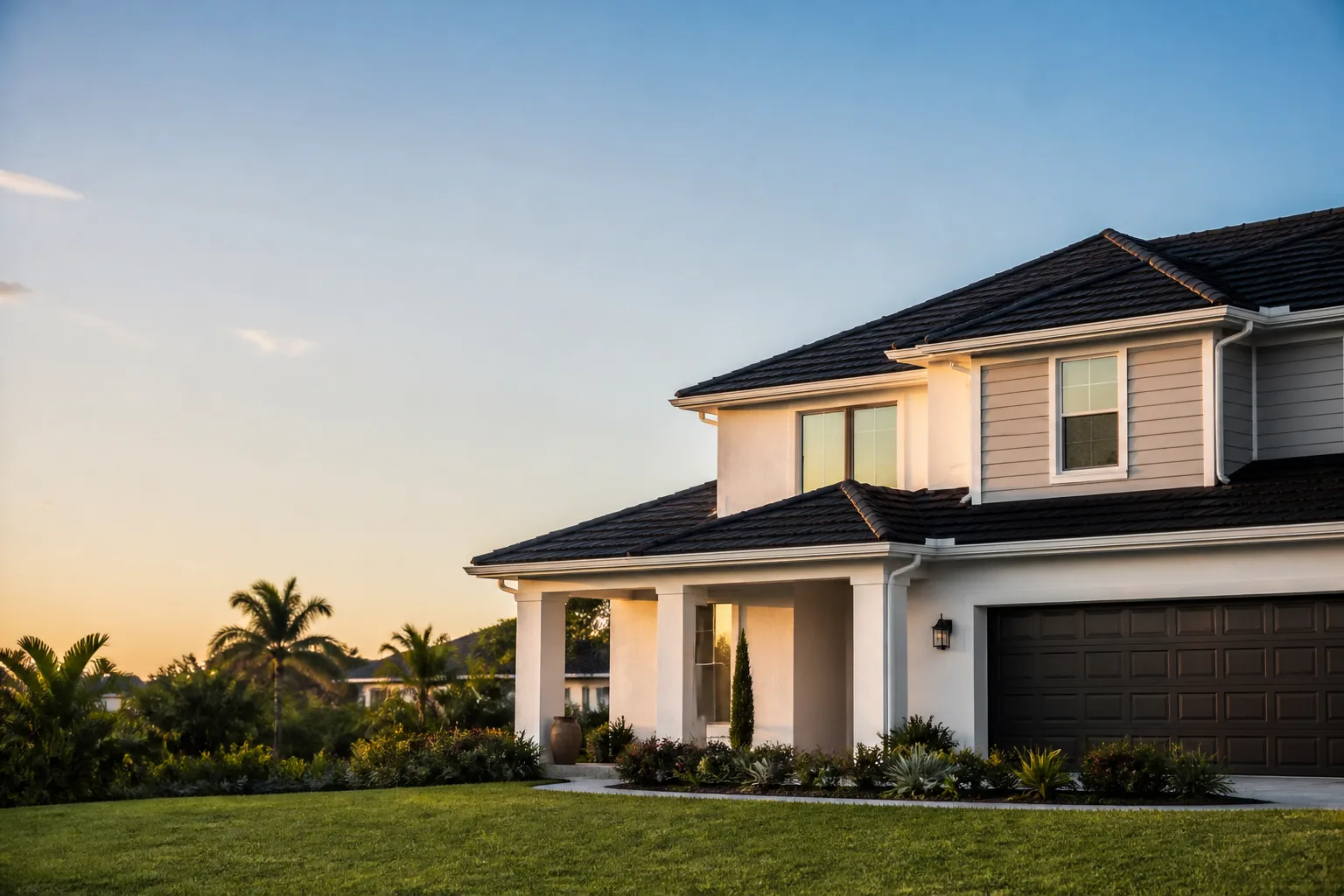
Combine that with this city’s housing stock. Spring Valley filled in during the 1990s and 2000s with gated master-plan subdivisions of stucco exteriors and concrete tile roofs on slab-on-grade foundations. That means a huge share of the local roof inventory is hitting the age where the underlayment underneath the tile is at or past its rated life right now. A tile roof on a 1998 build isn’t a young roof anymore, even if the tile itself looks solid from the driveway.
This is also why roof maintenance here is a recurring need rather than a one-time fix, and why our Roofing team treats underlayment age as the first question on every tile repair call. You can see how this fits into the broader Spring Valley service area picture if you’re weighing repair against other mid-life projects on the same home.
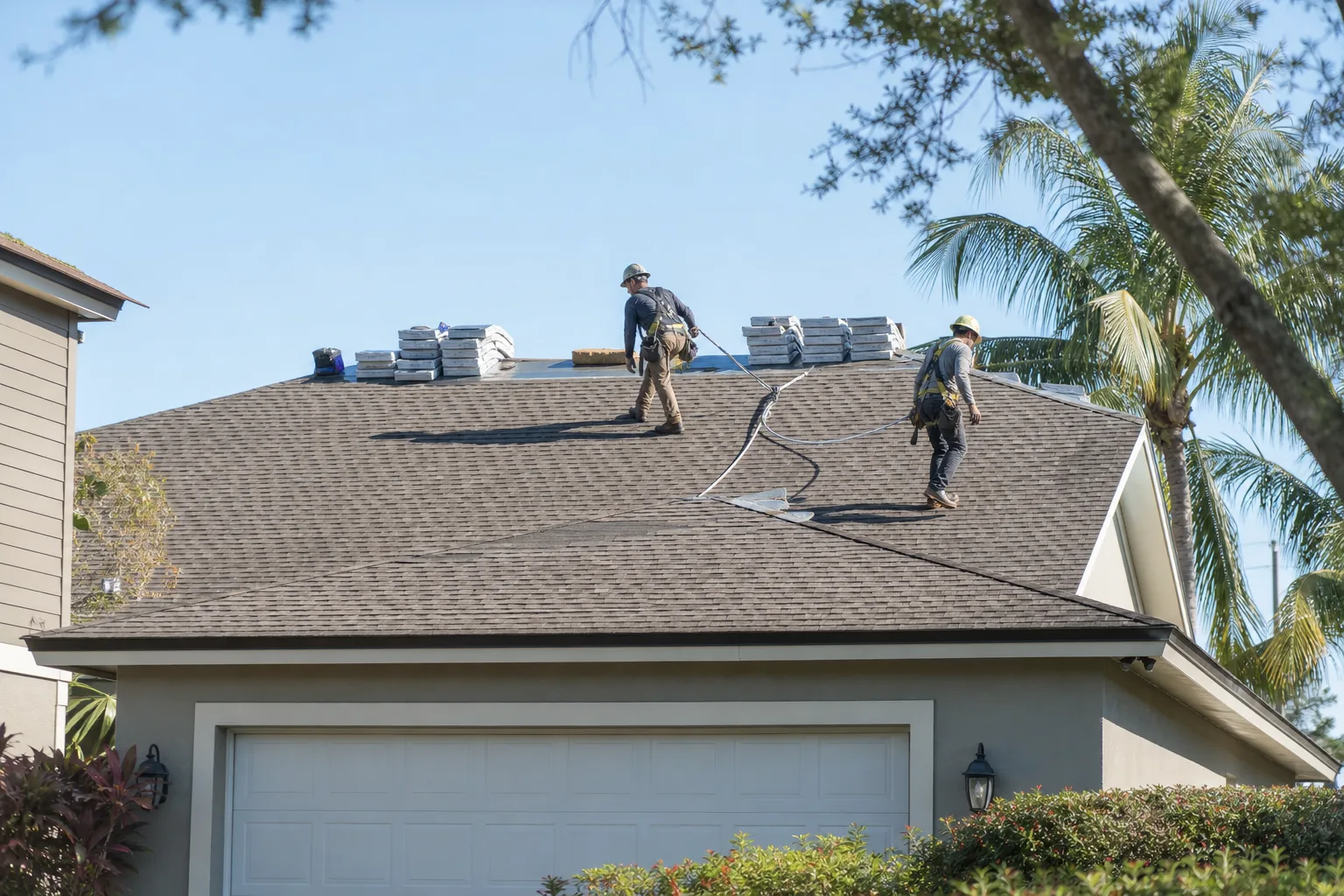
What a Real Inspection Looks Like Before Anyone Quotes You a Price
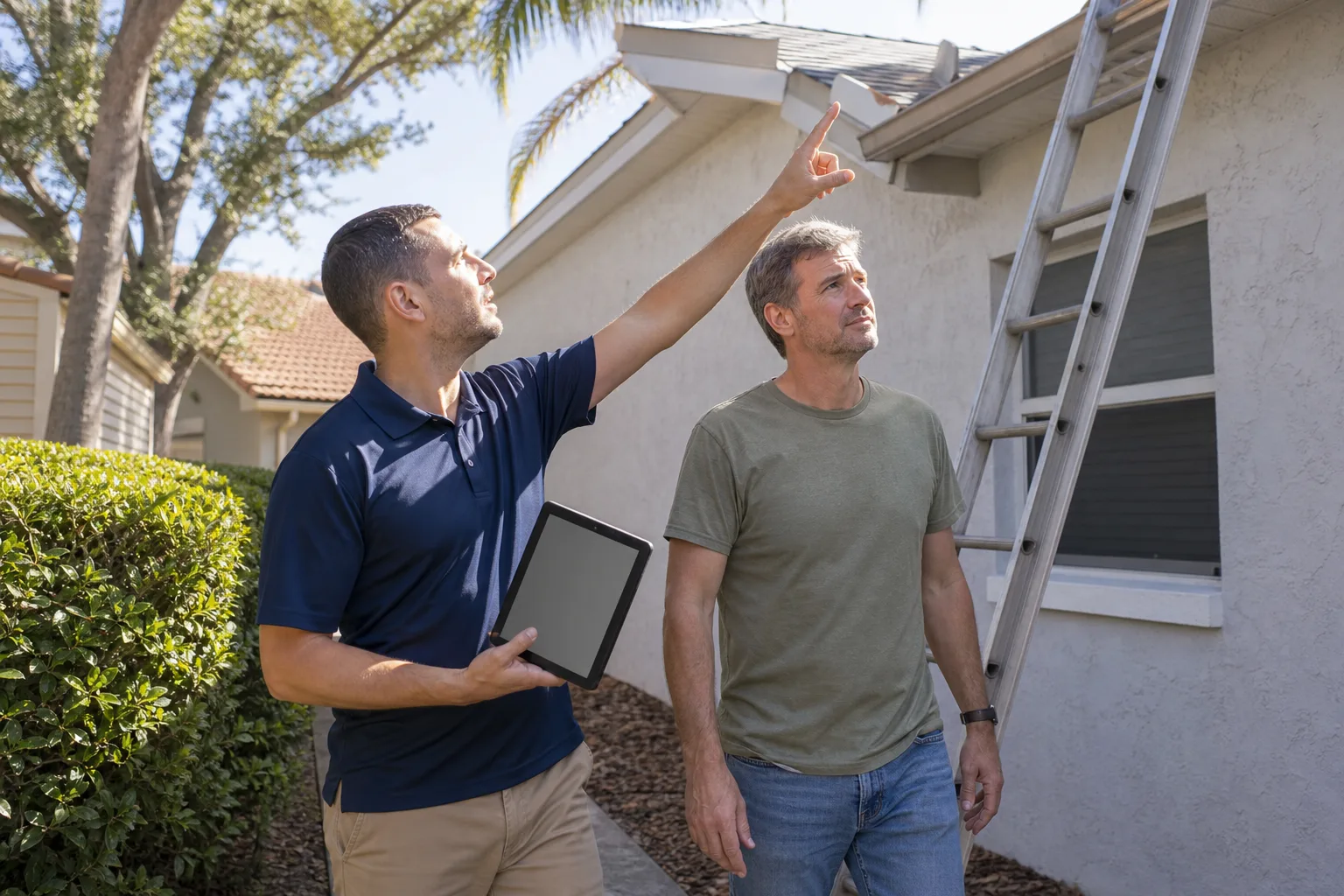
A competent tile repair estimate in Spring Valley starts with more than counting broken tiles from a ladder. Here’s the sequence our technicians work through, and what to expect if you call a contractor who isn’t just chasing a quick patch:
- Field check from the ridge down. Lifting a sample of tiles in a few zones to feel whether the underlayment is still pliable or has gone stiff and cracked around the fasteners.
- Attic-side inspection. Looking for staining or daylight along the deck, which tells us where water is actually getting in versus where the tile looked bad.
- Flashing and penetration review. Vents, valleys, and chimney lines, where leaks cluster on tile roofs regardless of underlayment age.
- Roof age correlation. Matching what we see to the build era of the home, since a 1990s Spring Valley underlayment behaves very differently from a 2010 one.
That inspection is what separates a $400 patch from a $2,500 repair that actually holds. It’s also where background-checked, uniformed technicians matter on your property, and it’s how we keep the quote honest: the number we write down is the number you pay.
Material selection runs through the same lens. We work with trusted tile suppliers so a color-matched replacement is available without guesswork, which brings us to a wrinkle a lot of generic quotes ignore.
HOA Rules That Change Your Repair Timeline and Cost
Most Spring Valley housing sits inside gated master-plan subdivisions, and many of those communities have architectural review rules that dictate what your roof can look like after a repair. Some require color-matched tile from an approved supplier, and some require the ARC to sign off on the material before work begins. That adds lead time and a line item that a generic repair quote won’t mention.
If your visible tile is a discontinued profile, matching it means sourcing from a supplier who still carries that color and shape, and waiting on that order before the crew can close up the roof. We build that lead time into the schedule up front rather than discovering it halfway through the job. Knowing the HOA scope before the estimate is the difference between a repair that passes review and one that gets red-tagged after the fact.
Tile Roof Repair Cost in Spring Valley: Line-Item Ranges
Here’s what the work actually breaks down to in this market. Your final number depends on the scope the inspection turns up.
| Repair item | Typical cost range |
|---|---|
| Single tile or small section replacement | $150-$500 |
| Multi-section tile repair | $600-$2,500 |
| Underlayment-inclusive repair, one area | $600-$2,500 |
| Full roof repair (leaks, flashing, penetration) | $400-$1,800 |
| Staged or full tile roof replacement | $8,000-$20,000 |
Two things drive where you land. First, roof age: a 1998 home in a gated subdivision is the classic candidate for underlayment-inclusive work, while a 2012 home is usually a tile-only fix. Second, HOA material requirements, which can add cost and delay if a color match has to be ordered.
For larger scopes, the standing offers help: 0% financing for 18 months and $1,000 off projects over $10,000 make a staged repair or a planned replacement easier to absorb than a surprise lump sum. And the 730-Day Done Right Promise covers the work: if the repair fails inside that window, we make it right. A one-time patch with no written coverage means you absorb every bit of risk when the next monsoon rolls through in July and finds the weak spot.
When Is It Worth Repairing vs. Replacing?
Repair makes sense when the underlayment still has life left and the damage is localized; replace when the membrane is failing across the roof. If a roof is 25 years old and this is your second leak in a year, throwing a $1,000 patch at it just delays the inevitable. A staged replacement lets you spread the cost, and the upfront pricing means the number you see is the number you pay.
The good news on Spring Valley tile roofs: the concrete tile itself often outlasts two or three underlayment cycles, so replacement usually means new underlayment and keeping your original tile where it’s sound. That’s a real cost saver compared to a full tear-off and re-tile, and it’s the kind of thing a thorough inspection will tell you before you commit.
FAQs
Tile roof repair in Spring Valley typically costs $600-$2,500 for a real repair that includes underlayment work, or $150-$500 for a simple tile-only swap. Full replacement runs $8,000-$20,000. Call (888) 329-9414 for an exact quote, and know that estimates are free and the inspection checks underlayment condition, not just cracked tiles.
Because the underlayment under those tiles has likely reached the end of its 20-25 year rated life, and Spring Valley’s 110°F+ summers push it there faster than milder climates do. The tile is the symptom; the membrane is the cause. Call (888) 329-9414 and we’ll inspect from the attic side to confirm before quoting.
Repairing is cheaper when the underlayment still has life and the damage is localized, while replacement is the better value once the membrane is failing across the roof. A 25-year-old roof with a second leak in a year is usually replacement territory. Call (888) 329-9414 for a free estimate that tells you which side you’re on.
Often yes, and calls are answered by a live person 24/7, so you’re never stuck in a voicemail black hole waiting until Monday. Reach us at (888) 329-9414 and we’ll schedule the inspection and free estimate around your availability.
Get a Straight Answer on Your Tile Roof Repair Cost
Whether it’s a handful of cracked tiles or a 1990s underlayment that’s run out of time, the only way to know your real number is a proper inspection. Groundwork Construction Co. of Spring Valley shows up with background-checked technicians, gives you upfront pricing, and backs the work with our 730-Day Done Right Promise. Call (888) 329-9414 for a free estimate and a straight answer.
Written by the team at Groundwork Construction Co. of Spring Valley, serving Spring Valley, NV.
What Our Customers Say
"The finished work is exactly what we wanted. It did run about three weeks over, mostly waiting on a cabinet delivery that was out of his hands, though I would have liked more updates during that stretch."
- Dev Sharma"He pulled the permits himself, scheduled every sub and ran the inspections. I made one decision a week and otherwise stayed out of it, which is exactly what I was paying for."
- Robert Sullivan"He told me one part of what I wanted was a bad idea structurally and offered an alternative instead of just taking the money."
- Angela Wong