







Free written scope consultation - allowances, timeline, and change-order rules on paper before a single trade is scheduled
Styles & brands we work with
- Kitchen remodeling
- Bathroom remodeling
- Home additions & ADU
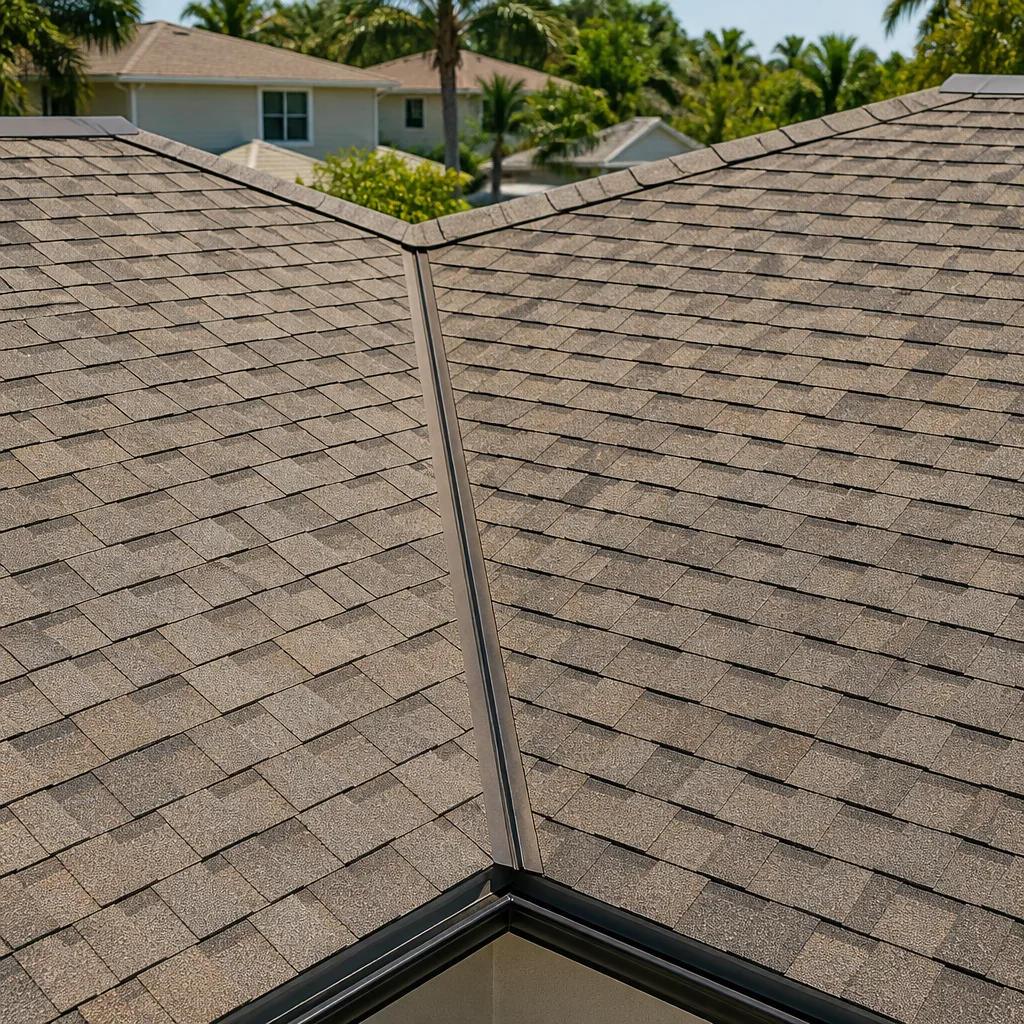
- Roofing
- Windows & doors
- Driveway & pavers
- Fence
See the difference
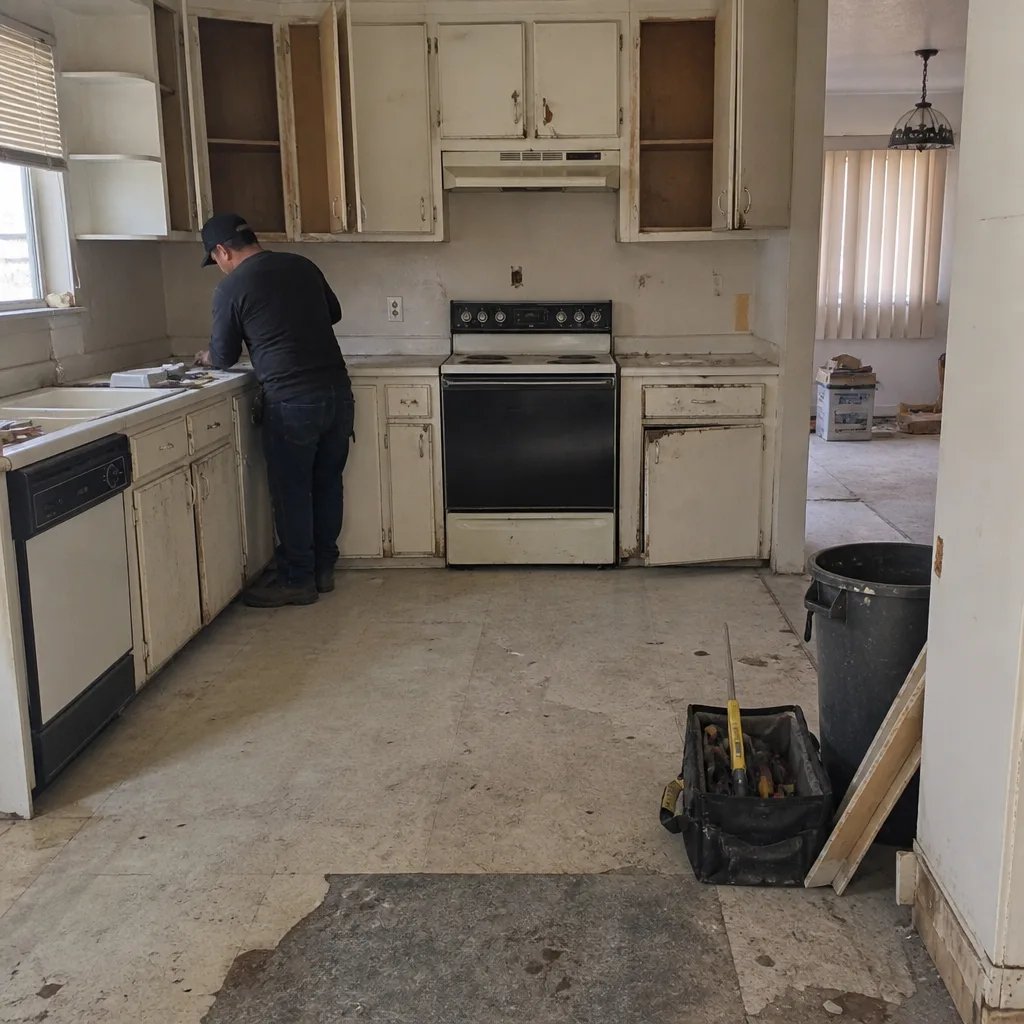 Before
 After
 Before
 After
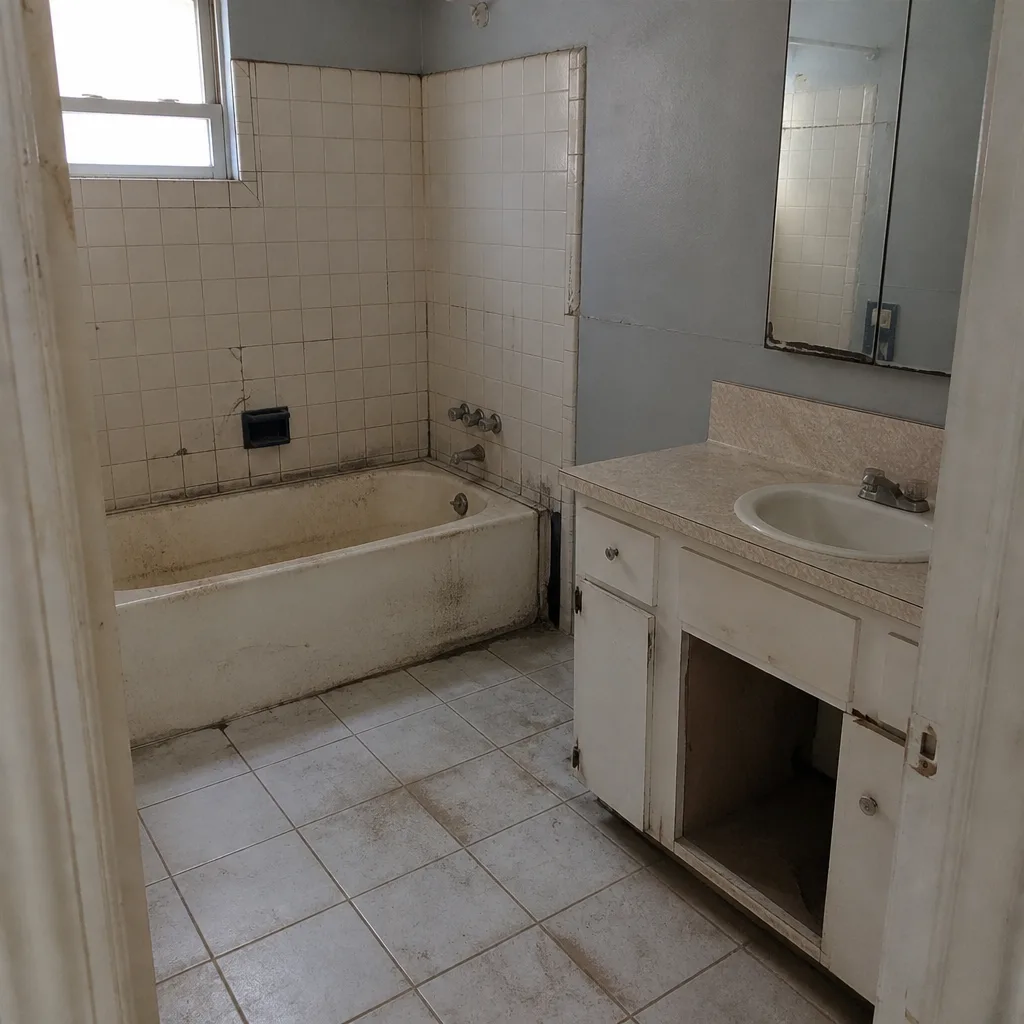 Before
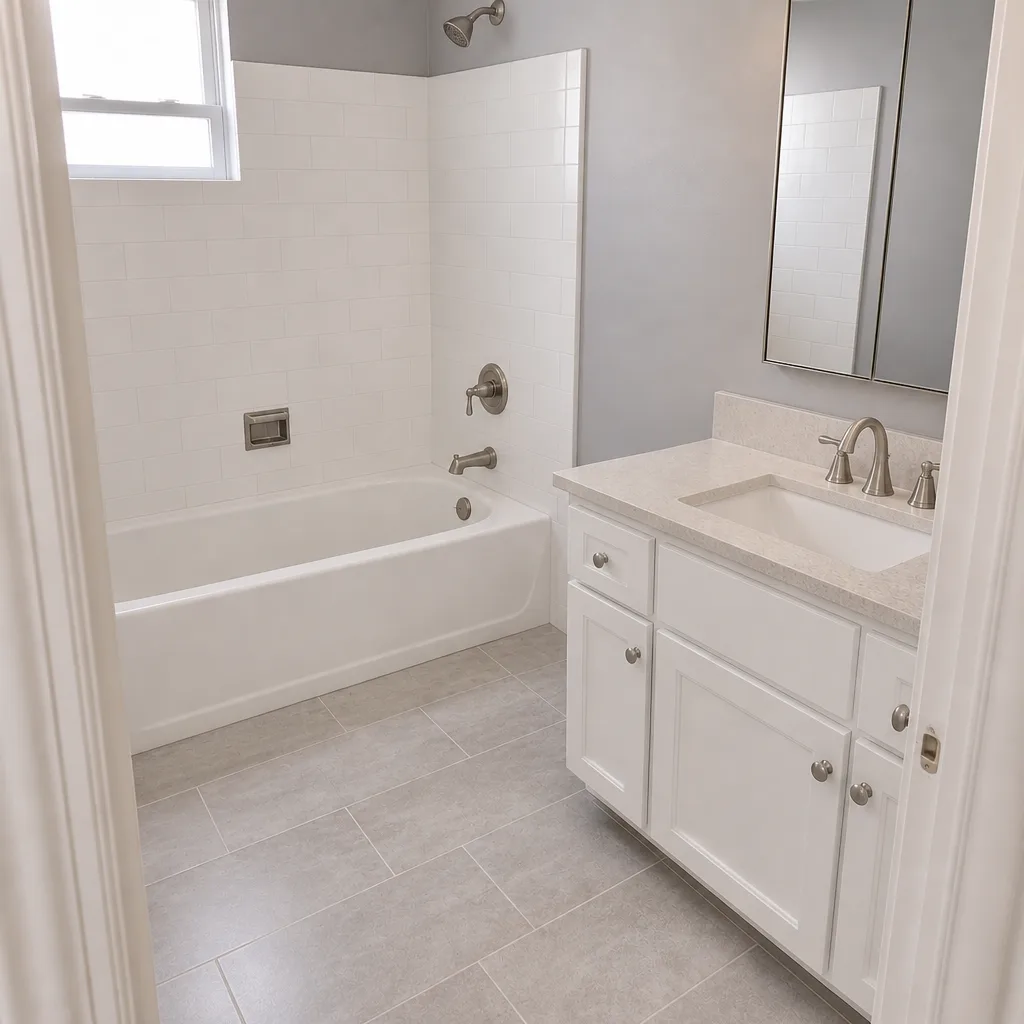 After
How to Find a Roof Leak on a Spring Valley Concrete Tile Home
To find a roof leak, start at the ceiling stain, go into the attic, and follow the roof structure uphill from the wet spot until you find where water is actually entering – not straight up from the stain. On Spring Valley’s concrete tile roofs, that entry point is often 6 to 10 feet away from the drip you see inside, so the usual “look directly above the stain” approach misdiagnoses the problem more often than it solves it. If water is actively coming in right now, call Groundwork Construction Co. of Spring Valley at (888) 329-9414 – a live person answers around the clock.
Here’s why the geography of a leak matters so much in this city, and how to trace one without wasting a weekend on the roof.

Why “trace it up from the stain” fails on a Spring Valley tile roof
Most leak guides were written for asphalt shingles, where a cracked or missing shingle usually lets water drop almost straight down. Concrete tile doesn’t work that way. Each tile is a rigid barrier, but the underlayment beneath it is the real waterproofing layer. In a 1990s tract home – and most of Spring Valley is exactly that – that underlayment is now 25-plus years old and brittle. When a tile cracks or lifts, water slips underneath and then travels sideways across the dried felt, following the slope of the framing rather than dropping straight through.
So you get a ceiling stain in a hallway while the actual breach sits over a bedroom. Guess wrong and you’ll pay to replace tiles in the wrong place while the water keeps coming back after the next storm. This lateral travel is the single most common reason a leak “returns” after a repair that looked correct.
The tile-specific way to trace a leak
The method below is how an experienced roofer approaches it. Tracing from the attic is a homeowner-safe step; getting up on the tile itself is not something to attempt on your own, for reasons covered below.
- Mark the stain. Note its exact location on the ceiling and check the attic directly above it. A dry stain with no active wetting tells you something different than one that’s actively spreading.
- Follow the rafter run uphill. In the attic, find the wet rafter or deck area and follow it upslope – not straight up. Water runs along the wood before it soaks through to the ceiling.
- Look for staining past the wet spot. Deck staining and water marks often extend well beyond where the rafter feels damp. Keep going uphill until the marks stop.
- Check for light gaps and crumbled felt. Any daylight coming through the deck, or felt that’s compressed or crumbled near a penetration, is a strong candidate for the entry point.
- Match the attic location to the exterior. Once you know roughly where on the roof the water is entering, that’s the spot a roofer needs to inspect from above – not the spot above the stain.
When you’ve narrowed it down from inside, our team can confirm it on the exterior and quote the fix. Groundwork’s Roofing service handles tile repairs and underlayment work across Spring Valley, from small isolated patches to full replacement.
The three spots most Spring Valley tile roofs leak first
Leaks on 1990s stucco-and-tile homes cluster in predictable places. Knowing where to look saves time and usually points straight at the culprit.
- Failed ridge cap mortar. The mortar bedding the tiles along the ridge dries out and cracks under our thermal swing – 110°F summers down to near-freezing winter nights – and monsoon rain drives straight in along the ridge line.
- Deteriorated pipe boot flashing. The rubber collar around plumbing vents hardens and splits with UV exposure. These are small, cheap parts that fail silently, and the water runs under the tile before surfacing indoors.
- Cracked hip tiles at the eave-to-slope transition. The hip-to-slope corner is where tiles get the most stress from wind and expansion, and where cracked tiles channel water under the field. Generic leak guides rarely name this spot because it’s specific to tile and hip roofs.
On the western edge of Spring Valley, near Rhodes Ranch, expansive desert soils add their own wrinkle: ground movement and slab cracking shift framing enough to open new gaps at flashings – so a leak can appear in a home where the roof itself hasn’t changed. That’s a local pattern you won’t find in a national leak guide.
Monsoon leaks behave differently than slow leaks – and need a different test
A slow drip that needs a garden hose test to reproduce is easy to chase with water over an hour. Monsoon leaks are not. They arrive with high-volume rain blown sideways, pour through for twenty minutes, then stop completely – and the stain dries by morning, so a hose test applied the next weekend finds nothing. That’s why the “spray water and watch” approach fails on a tile roof during the off-season.
What works instead is identifying the candidate leak points above and inspecting them directly, rather than trying to recreate the storm. A daytime hose test can still help on a known suspect area, but it won’t rule out a monsoon leak. If your leak only shows up during storms – especially at night or on a weekend – that timing is the clue, and it’s also the moment to call. Groundwork answers live, 24/7, so when water is entering a Spring Valley home during a storm, you reach a person, not voicemail.
What you can safely check from the ground – and when to stop
Ground-level inspection is safe and useful. From a distance, you can scan the ridge line for missing or lifted cap tiles, check the hip tiles at the corners for visible cracks, and look for any tiles that are visibly out of line. Binoculars help more than you’d think on a two-story home.
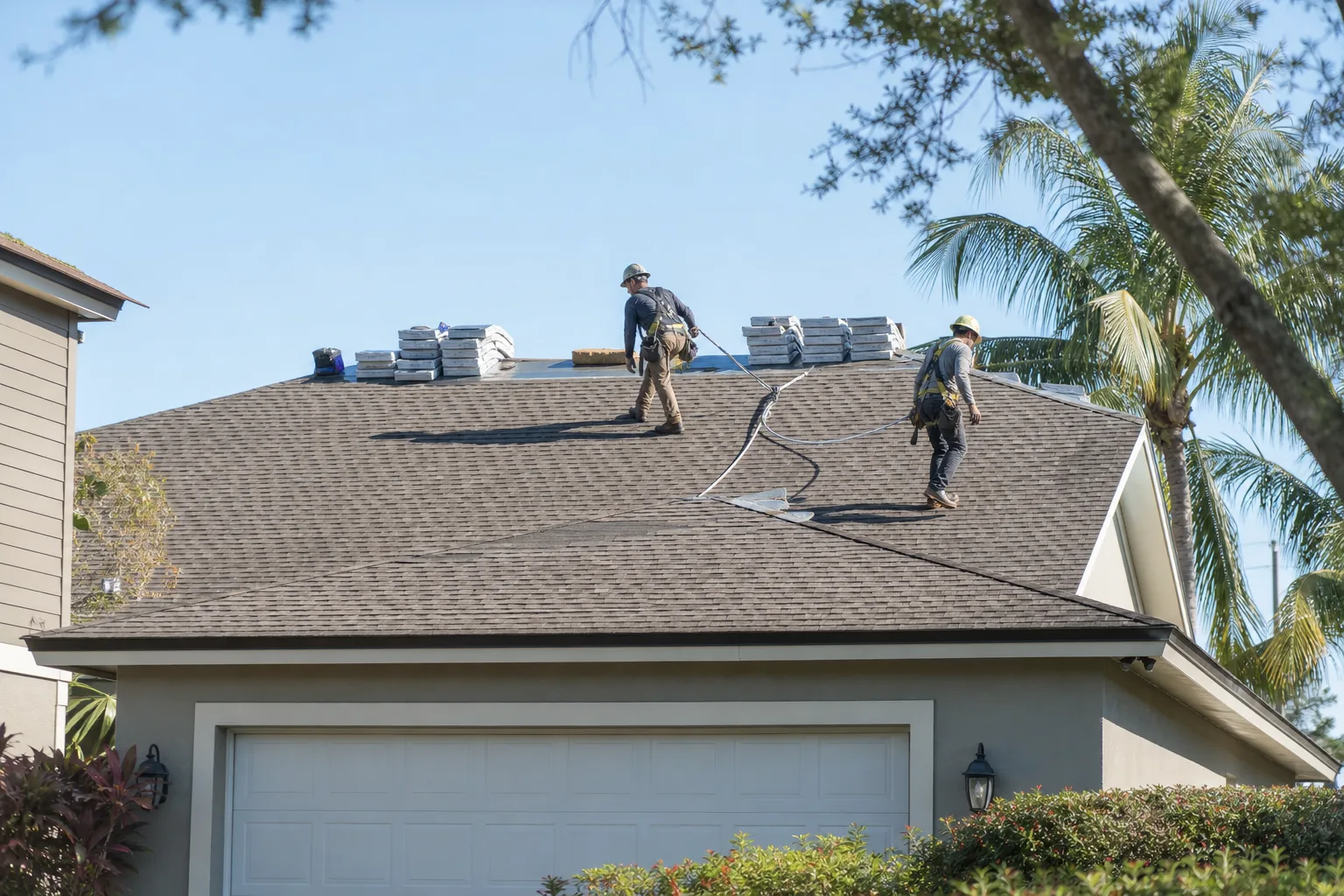
What you should not do is walk a concrete tile roof yourself. Tiles crack underfoot and those cracks become new leak points, so the very inspection can worsen the problem – and ladder work on tile is dangerous. For anything above the eave, bring in a trained roofer. Our technicians have up to 12 years of experience and are background-checked and uniformed, arriving in a marked vehicle to inspect from the roof safely.
What roof and leak repairs run in Spring Valley
Understanding the cost before you call makes the conversation easier. Here’s what Spring Valley homeowners typically see, with upfront pricing and no surprises:
| Service | Typical Range |
|---|---|
| Targeted roof leak repair | $400-$1,800 |
| Tile roof repair (cracked, lifted, or failed tiles) | $600-$2,500 |
| Full roof replacement | $8,000-$20,000 |
Most isolated leaks fall in the repair range. When the underlayment is failing across the whole roof – which happens on 25-year-old tile – repair becomes a stopgap and replacement makes more financial sense. We use GAF and CertainTeed systems and back the work with our 730-Day Done Right Promise: if it isn’t done right, we make it right. When a full replacement is on the table, the $1,000 Off Projects Over $10,000 promotion and 0% financing for 18 months help keep a large job manageable.
Common local scenarios we see in Spring Valley
A freshened stain after the first big monsoon storm, with the spot dry two days later, usually points to ridge cap mortar – not a hole in the field. A leak that shows up in the same corner every summer tends to be a cracked hip tile. And a slow, constant drip that appears even in dry weather often traces to a split pipe boot that’s been failing quietly for a season. Same city, three different diagnoses – which is why the attic walk matters more than a quick look at the ceiling.
If you want a second set of eyes, or you’ve traced the leak as far as the attic allows, our Spring Valley service area team is a call away.
FAQs
No – stopping a leak from inside the house is not a real repair. Sealants applied to the attic side of the deck only trap water in the structure and let rot spread. The fix has to happen on the roof at the actual entry point. Call (888) 329-9414 for a free assessment and an exact quote.
Roof leak repair in Spring Valley typically runs $400-$1,800, while tile-specific repairs such as cracked or lifted tiles fall in the $600-$2,500 range. Full replacement, when underlayment has aged out, runs $8,000-$20,000. Call (888) 329-9414 for a free estimate – the number we quote is the number you pay.
A returning stain usually means the first repair addressed the spot above the drip rather than the actual entry point, which on tile roofs often sits several feet away. Because water travels under the tiles, only the true breach matters. Call (888) 329-9414 and we’ll trace it from the deck up.
Yes – our phones are answered by a live person 24/7, so a leak that shows up mid-storm at night or on a weekend gets a real response, not voicemail. Call (888) 329-9414 and we’ll help you move fast while the water is active.
If you’d rather have it looked at, Groundwork Construction Co. of Spring Valley offers a no-pressure assessment in Spring Valley – call (888) 329-9414 for a free estimate and design consult.
Written by the team at Groundwork Construction Co. of Spring Valley, serving Spring Valley, NV.