
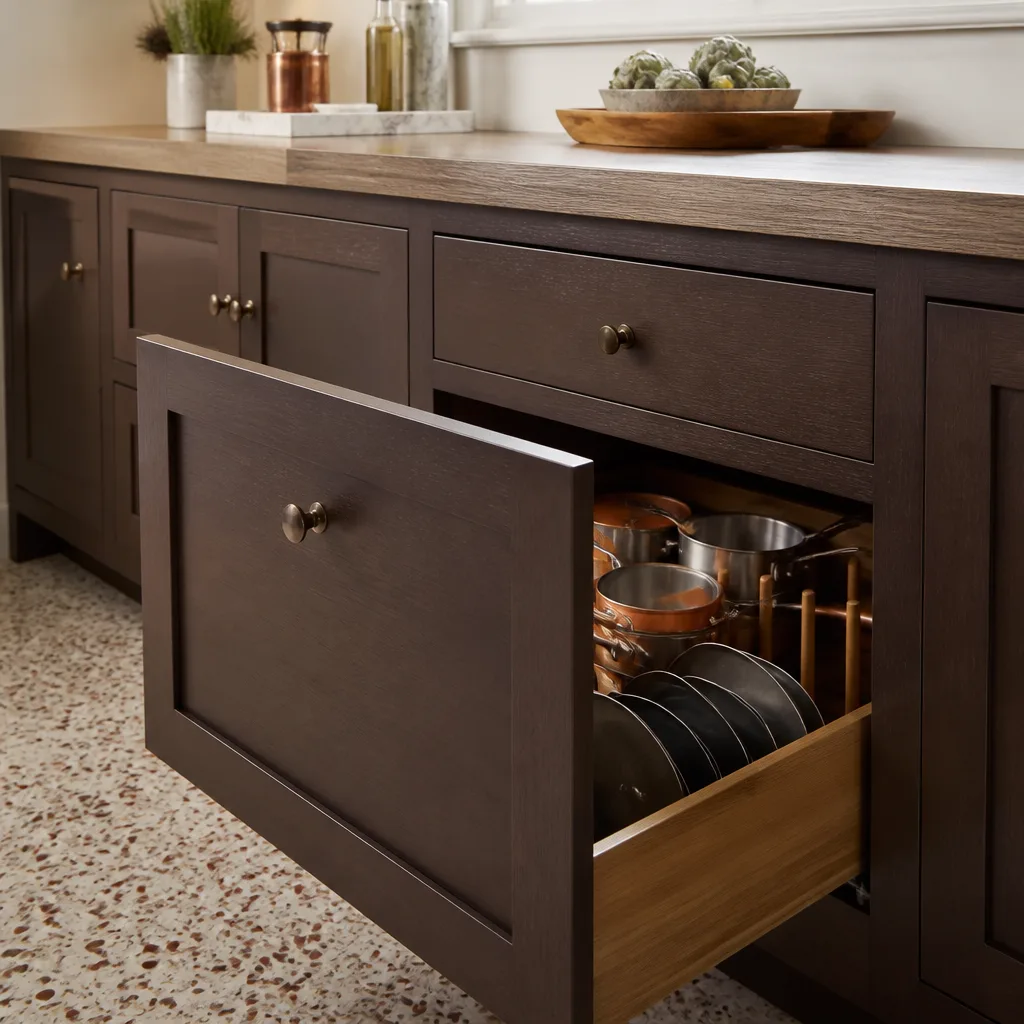





Free written scope consultation - allowances, timeline, and change-order rules on paper before a single trade is scheduled
Styles & brands we work with
- Kitchen remodeling
- Bathroom remodeling
- Home additions & ADU
- Roofing
- Windows & doors
- Driveway & pavers
- Fence
See the difference
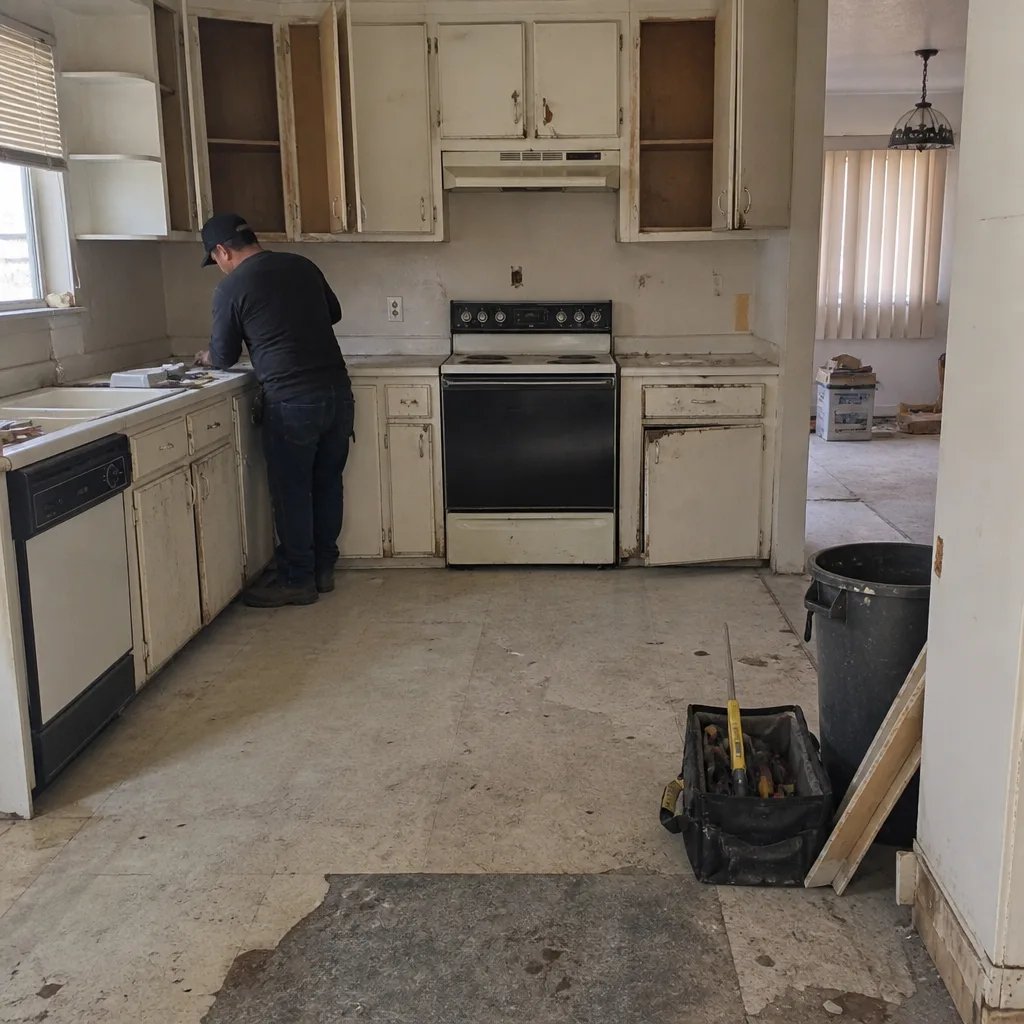 Before
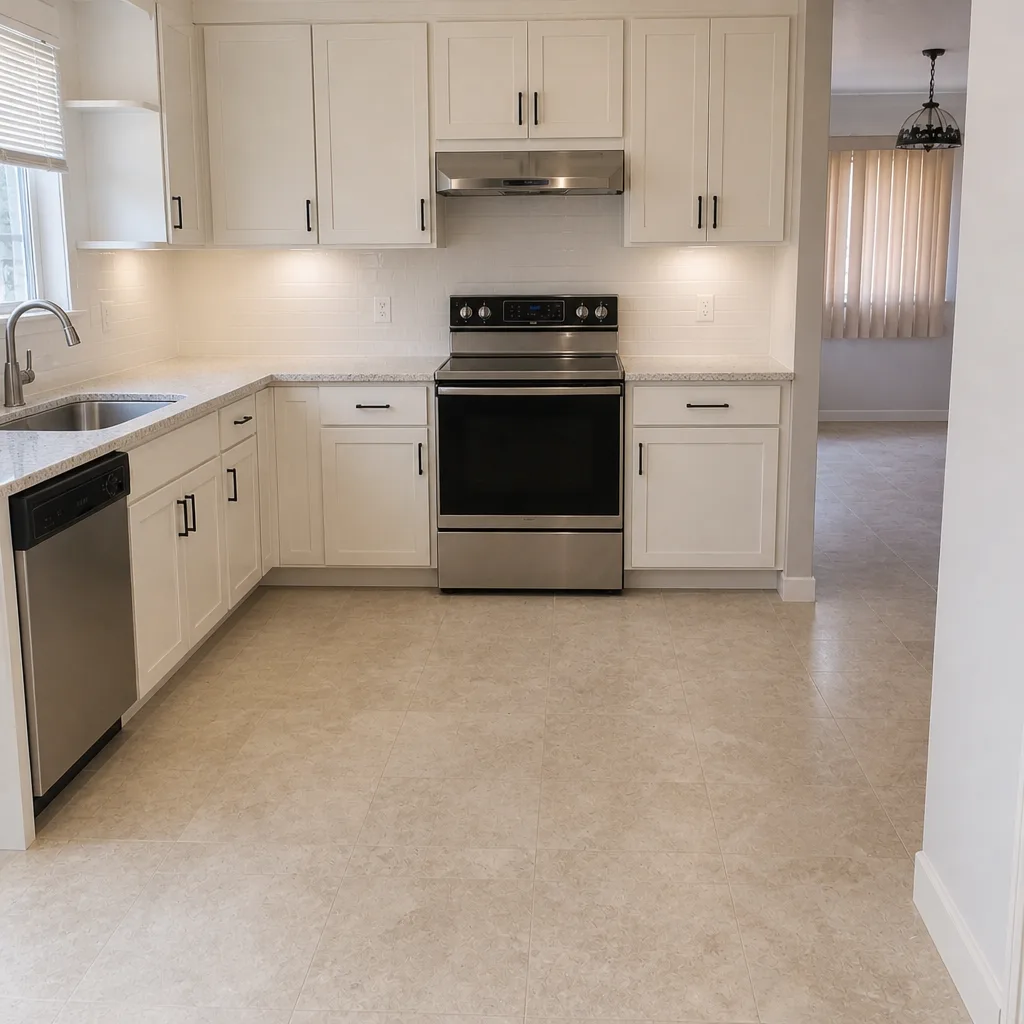 After
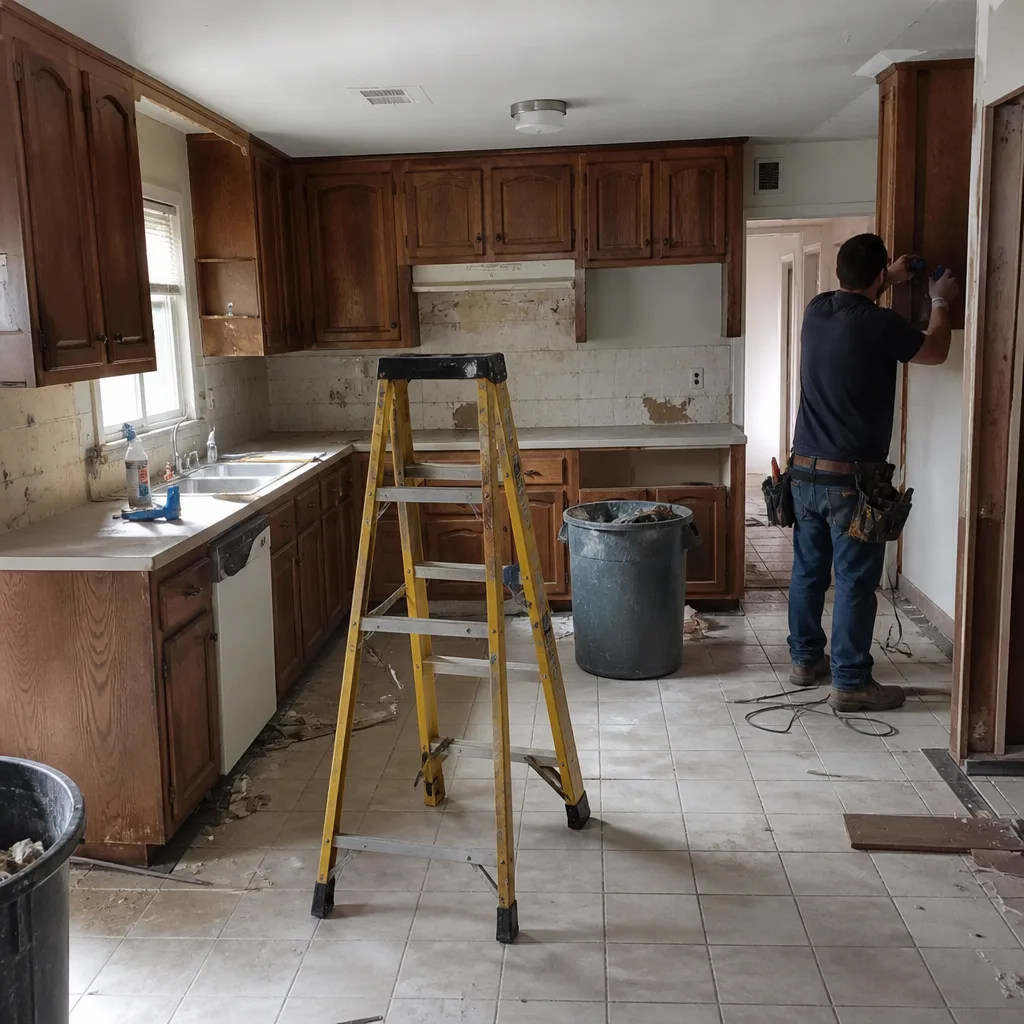 Before
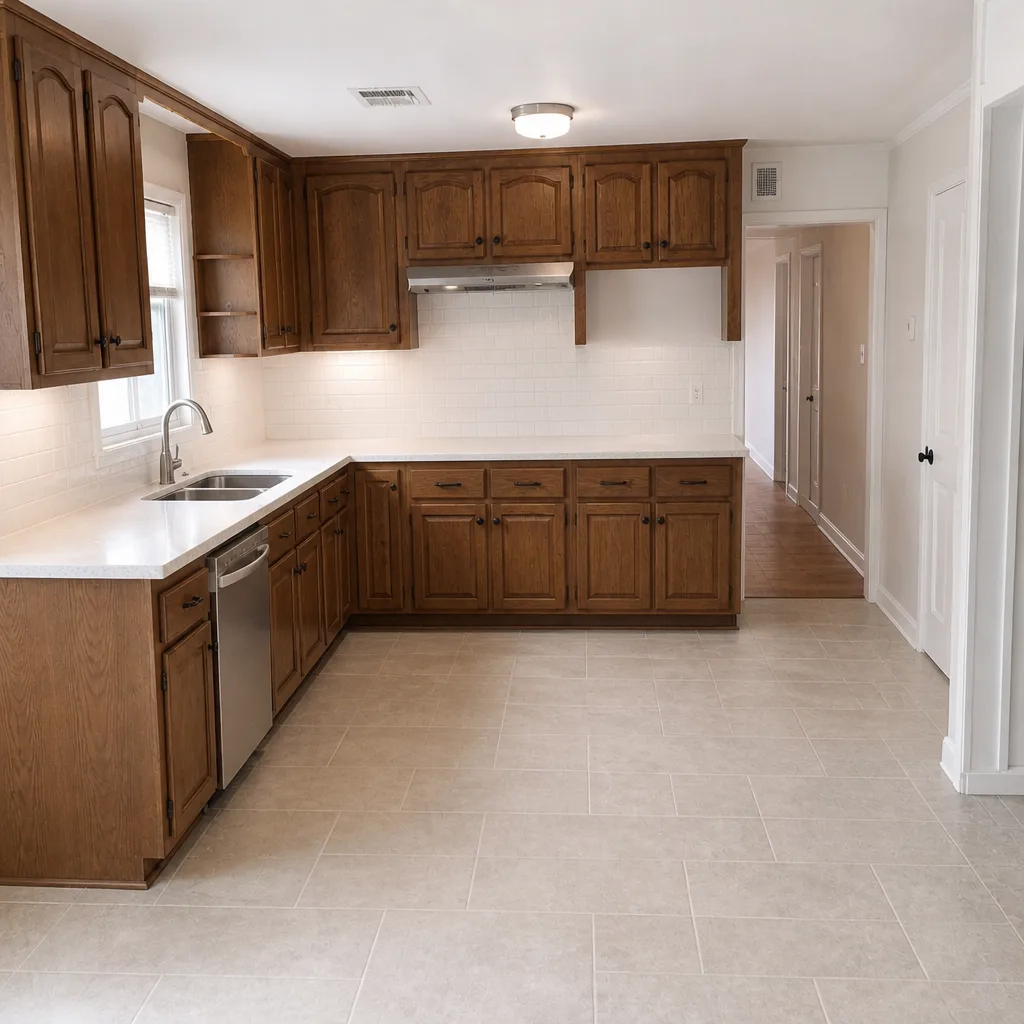 After
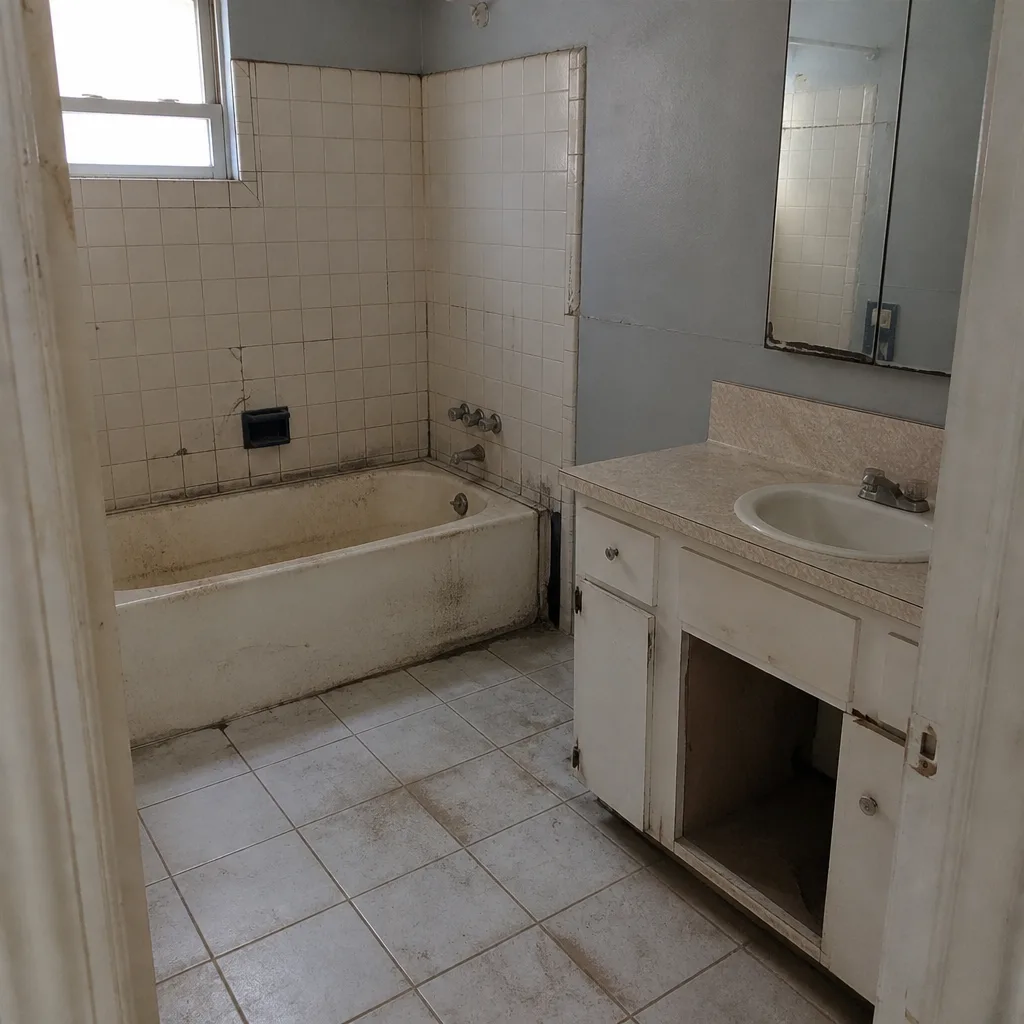 Before
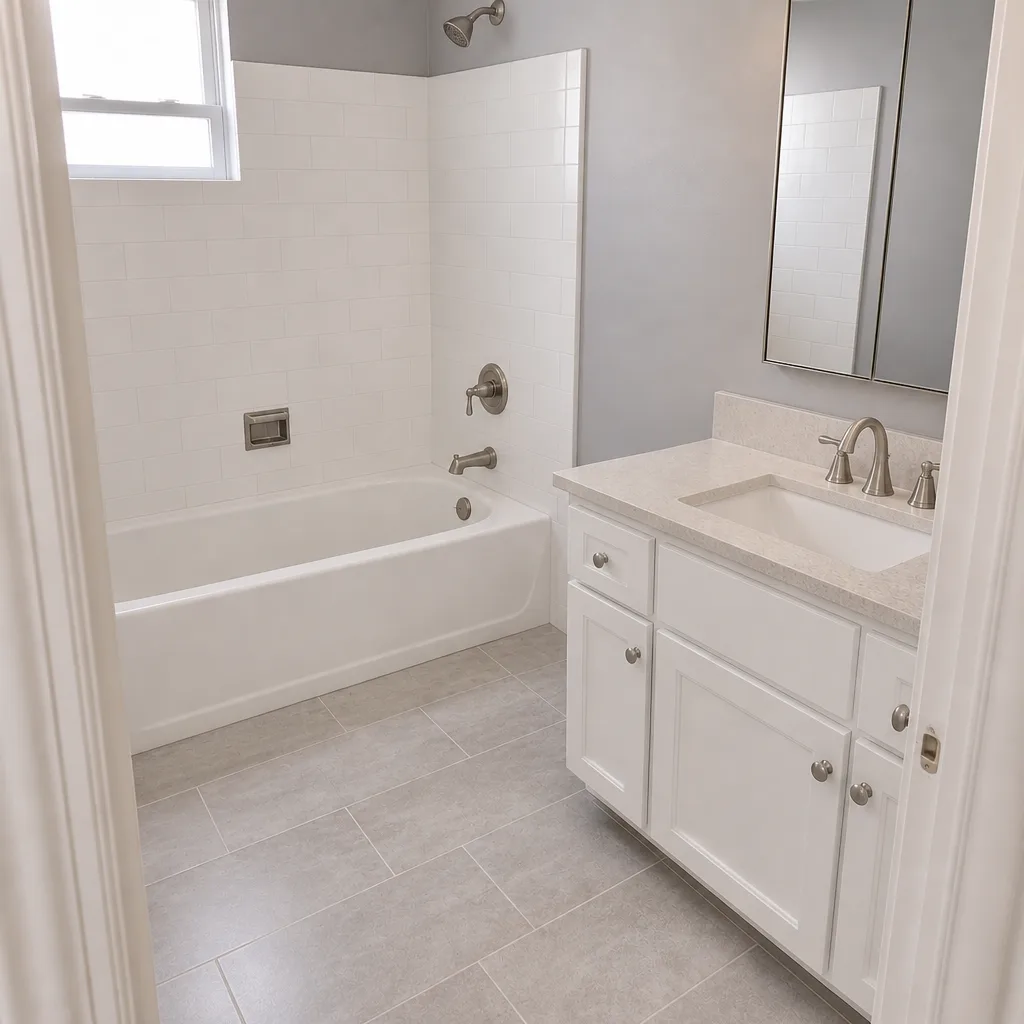 After
What Causes Roof Leaks in Spring Valley, NV? Thermal Cycling, Not Storms
The most common cause of roof leaks in Spring Valley is aged underlayment, followed by failed pipe boot flashing, cracked ridge cap mortar, lifted hip tiles, and failed stucco-to-roofline transitions. Las Vegas thinks of roof failures as storm damage. Here they’re almost always thermal fatigue. In Spring Valley, a stretch of 110°F August afternoons cycling down to near-freezing winter nights wears out underlayment, flashing and sealant faster than any roofing spec sheet predicts, and the pieces give out together, not one at a time. If you’re seeing a stain spread across a ceiling, call Roofing at (888) 329-9414 and we’ll trace it to the actual failure point rather than the spot it drips.
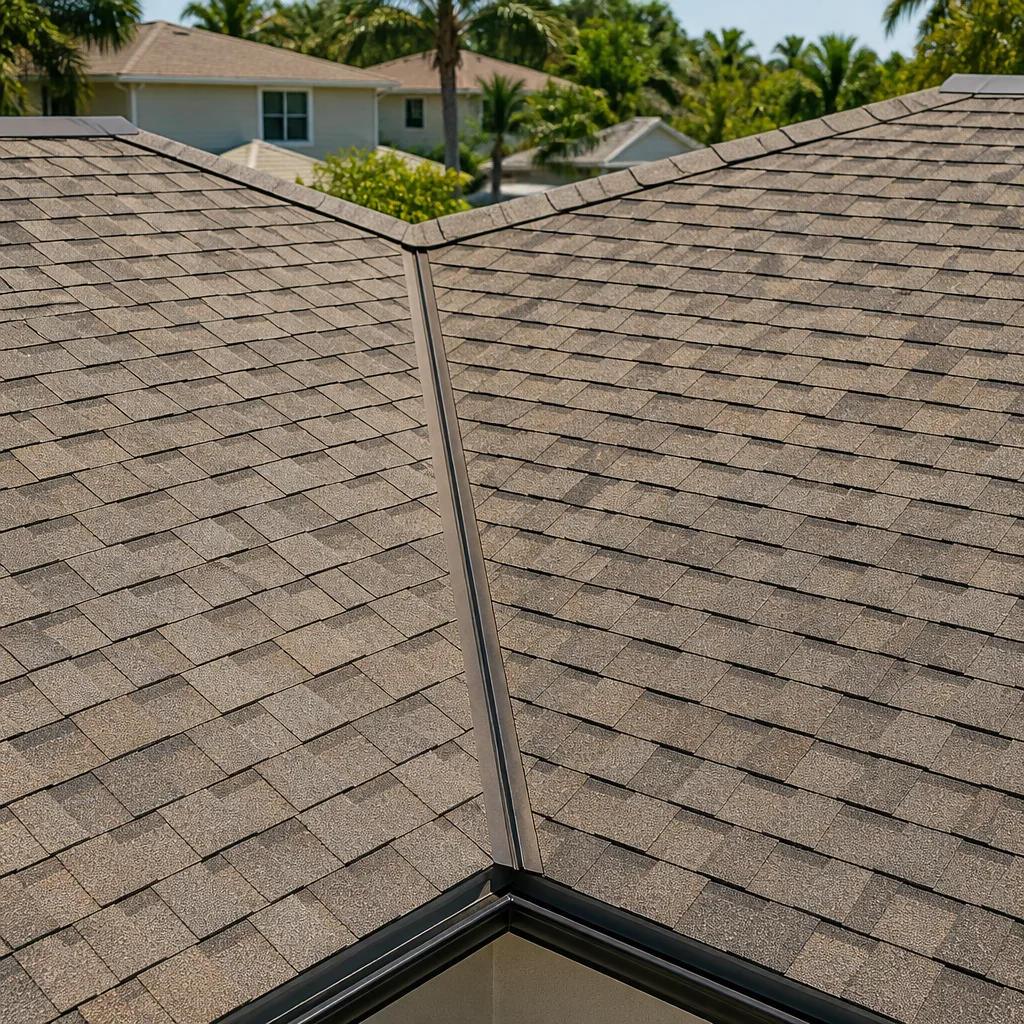
Why Spring Valley Roofs Fail Differently Than the Rest of the Desert
Spring Valley sits at roughly 2,300 feet, higher than the valley floor and higher than most of the desert cities roofing products get rated against. That elevation buys cooler nights. It also means night-to-day temperature swings of 40°F or more are routine here, and those swings are the whole story.
Every material on a roof expands in the heat and contracts in the cold. Sealant stretches, mortar flexes, flashing metal moves a hair. Do that twice a day for twenty years and small movements turn into hairline cracks. Product literature assumes a gentler cycle pattern than Spring Valley actually delivers, so materials here reach end-of-life earlier than their rated lifespan. That’s why a concrete tile roof in Spring Valley often springs its first real leak at 20 to 25 years, with tiles that still look perfectly intact from the driveway.
Most of Spring Valley’s housing stock is 1990s-2000s tract homes in stucco-and-tile subdivisions. Plenty of them sit at the edge of the Mojave where expansive desert soils shift with the seasons and monsoon runoff, and the slopes out toward Rhodes Ranch see that soil movement in the form of driveway and slab cracks as well as roof envelope stress. Expansive soils matter for your walls and flatwork. On the roof, the enemy is temperature.
The Five Roof Leak Causes We Find Most Often in Spring Valley
After enough inspections on Spring Valley roofs, the failure order stops being a mystery. Here’s what we find, most frequent first:
- Aged underlayment (thermal degradation). The waterproof layer under your tile cures, dries and cracks from years of heating and cooling. It’s the number-one source of slow, hidden leaks because the tile above it hides the problem.
- Failed pipe boot flashing (UV brittleness). Those rubber boots around plumbing vents bake under brutal UV until the rubber goes chalky and splits. A split boot lets water straight down a vent pipe and into the attic.
- Cracked ridge cap mortar (freeze-thaw cycling). Mortar along the ridge and hips takes the most thermal movement of anything on the roof. It cracks, then wind-driven rain finds the gap.
- Lifted hip tiles from monsoon wind uplift. Monsoon gusts get under tile edges and pop them loose. Once a tile lifts, the underlayment below is exposed to direct sun and fails quickly.
- Failed EIFS-to-roofline transitions. Where synthetic stucco meets the roof, the sealant joint at the top of a wall moves with the heat and eventually opens. Water tracks behind the stucco and shows up as a ceiling stain far from the actual gap.
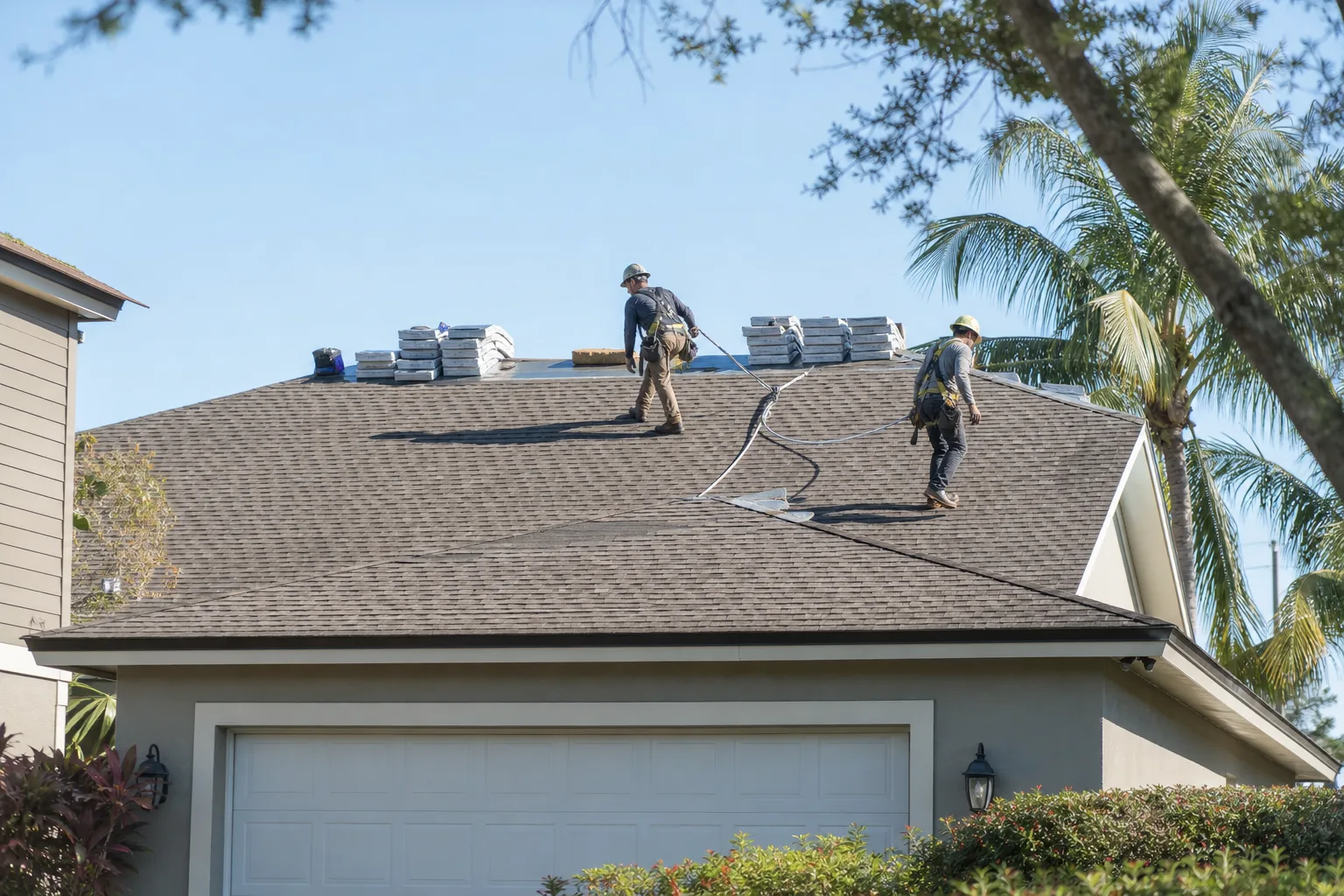
The Monsoon Test: Why a Roof Leaks in August but Passed Inspection in May
Light rain barely tests a roof. It runs downhill and drains off before it can find a crack. A monsoon does the opposite. High-volume rain arrives with wind behind it, pushing water sideways into flashing joints, lifted tile edges and cracked mortar that stay dry during a calm drizzle. That gap between “dry-season okay” and “monsoon leak” is the single most common reason a Spring Valley homeowner is surprised by water on a ceiling in July.
What we look for on a monsoon-season inspection is wind-driven exposure: loose hip tiles and their underlayment condition, flashing terminations, and every sealant joint facing the prevailing storm direction. Our technicians have up to 12 years of experience on local roofs, which matters mostly because we know which failure patterns to look for first here.
Deferred Maintenance and the 2000-Era Home Problem
A large share of Spring Valley homeowners bought their homes within the last five years, and much of that housing went up around 2000. What that means in practice: you may own a roof whose underlayment and flashing are already at end-of-life, and a standard home inspection won’t always catch it. Inspectors check visible surfaces. They rarely pull tiles or probe underlayment. So a buyer can inherit a roof that looks fine from the ground and is months from its first leak.
If you don’t know your roof’s history, it’s worth having the underlayment and flashing assessed directly rather than waiting for a ceiling stain to announce the problem.
What Roof Leak Repair Costs in Spring Valley
Repair pricing here tracks the cause, not the stain. A split pipe boot is a quick fix. A failed section of underlayment means lifting and resetting tile, which costs more. These ranges reflect the current Spring Valley market:
| Service | Typical Spring Valley Cost |
|---|---|
| Roof repair (single leak, common causes) | $400-$1,800 |
| Tile roof repair | $600-$2,500 |
| Roof replacement | $8,000-$20,000 |
| Metal roof installation | $15,000-$40,000 |
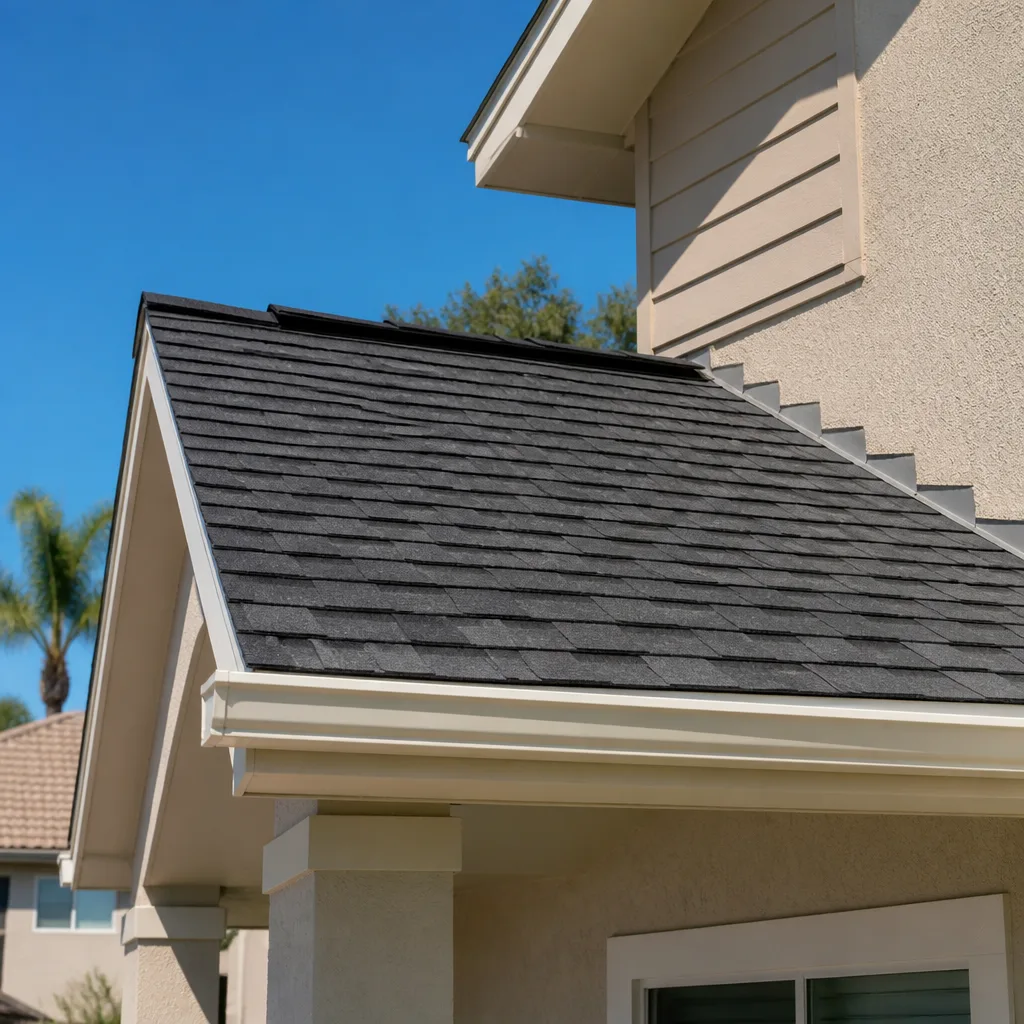
Roof repairs on Groundwork Construction Co. of Spring Valley projects carry the 730-Day Done Right Promise: if the repair doesn’t hold, we make it right. Pricing is upfront, so the number you see is the number you pay, and we offer 0% financing for 18 months plus $1,000 off projects over $10,000 when the fix turns out to be a full replacement. We install with brands like Boral and CWS tile and Owens Corning systems, chosen so the material matches the thermal load your roof actually carries. You can see how this plays out across our Spring Valley service area.
How a Leak Diagnosis Works (and Why It Matters)
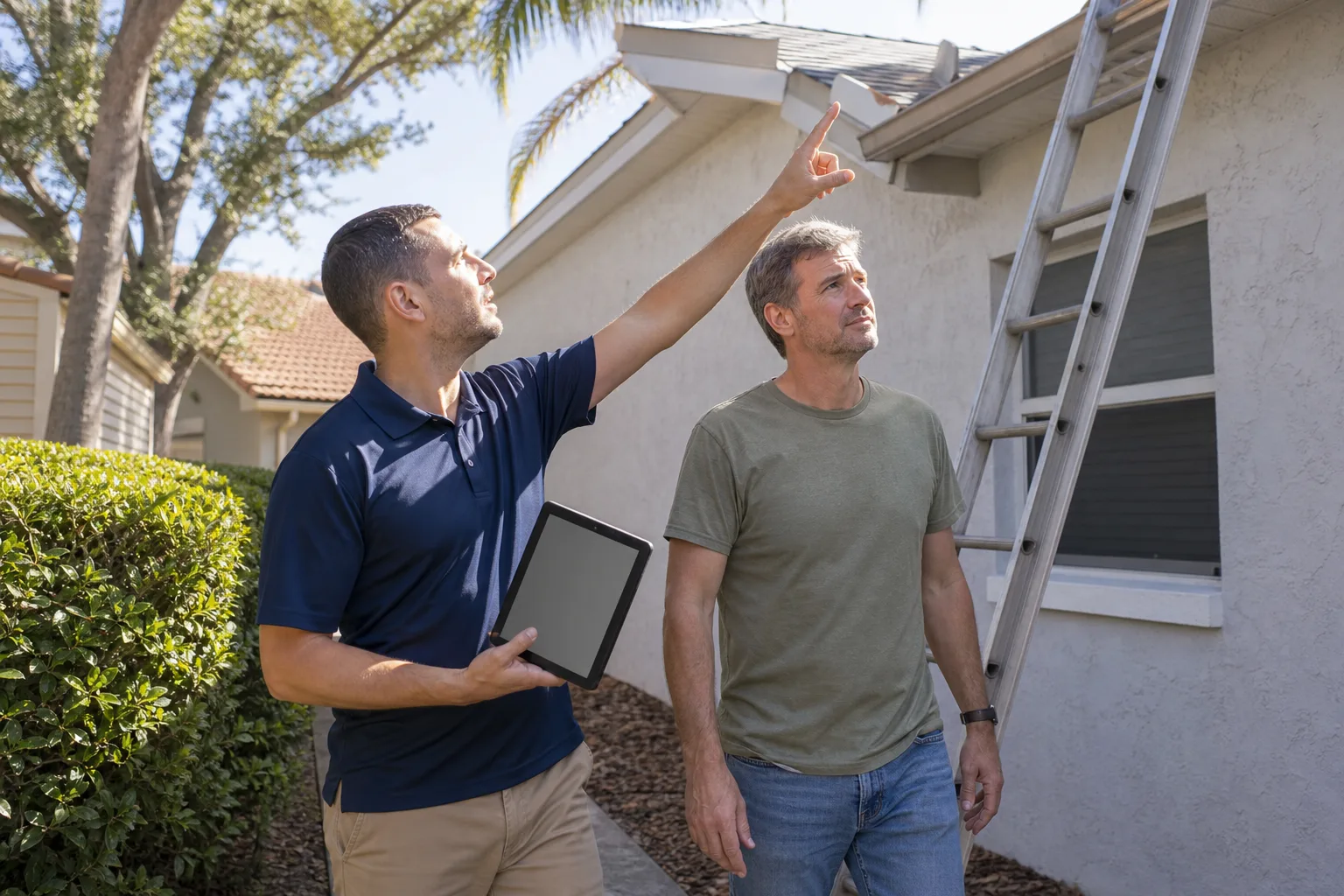
Finding the cause is separate from fixing it, and skipping the diagnosis is how people end up paying twice. When we assess a Spring Valley roof, we trace the water to its entry point rather than sealing the ceiling stain and hoping.
- Interior tracing. Where the stain sits tells us roughly where water entered, but never exactly. We confirm from above.
- Flashing and boot inspection. We check every pipe boot, valley and wall transition for UV cracking and open sealant.
- Mortar and tile check. Ridge caps and hip tiles get tested for looseness and mortar cracks.
- Underlayment assessment. In the age range of most Spring Valley roofs, we look specifically at underlayment condition even where no leak has appeared yet.
Then we put the diagnosis and the repair plan in writing, with warranty coverage behind it. A repair receipt with no accountability for whether the leak actually stopped isn’t worth the paper. A trained professional should always handle roof work at height, and that goes double on tile, where the surface is easy to damage and the fall risk is real. This isn’t a job for a weekend ladder.
Key takeaways:
- Spring Valley leaks are driven by thermal cycling, not storm damage.
- Underlayment and flashing tend to fail together at 20-25 years.
- 2000-era homes can hide end-of-life underlayment from a standard inspection.
- A calm-weather inspection doesn’t prove a monsoon-ready roof.
FAQs
Aged underlayment is the most common cause of roof leaks in Spring Valley, followed by failed pipe boot flashing. Both fail because of thermal cycling rather than any single storm. If a ceiling stain is spreading, call (888) 329-9414 for a diagnosis before the damage reaches the drywall.
Your roof likely leaks during monsoons because wind-driven, high-volume rain pushes water into flashing and mortar gaps that light rain never reaches. A roof can pass a dry-season inspection and still fail its first heavy storm. Call us for a wind-exposure assessment with an upfront quote.
Underlayment on a Spring Valley tile roof typically lasts 20 to 25 years, shorter than its rated lifespan because of the area’s 40°F-plus temperature swings. The tile often looks fine when the underlayment underneath is already failing. We can assess yours and quote a repair or replacement to the dollar.
Repair is cheaper when the leak traces to one failed component, like a pipe boot for $400 to $1,800, while replacement runs $8,000 to $20,000 when underlayment or flashing is failing across the roof. The right call depends on the age of your underlayment. Call (888) 329-9414 for a free estimate with no pressure either way.
If you’d rather have it looked at, Groundwork Construction Co. of Spring Valley offers a no-pressure roof assessment in Spring Valley. We answer the phone with a live person, 24/7, and we’ll tell you in writing what’s causing the leak and what it takes to fix it. Call (888) 329-9414 for your free estimate.
Written by the team at Groundwork Construction Co. of Spring Valley, serving Spring Valley, NV.