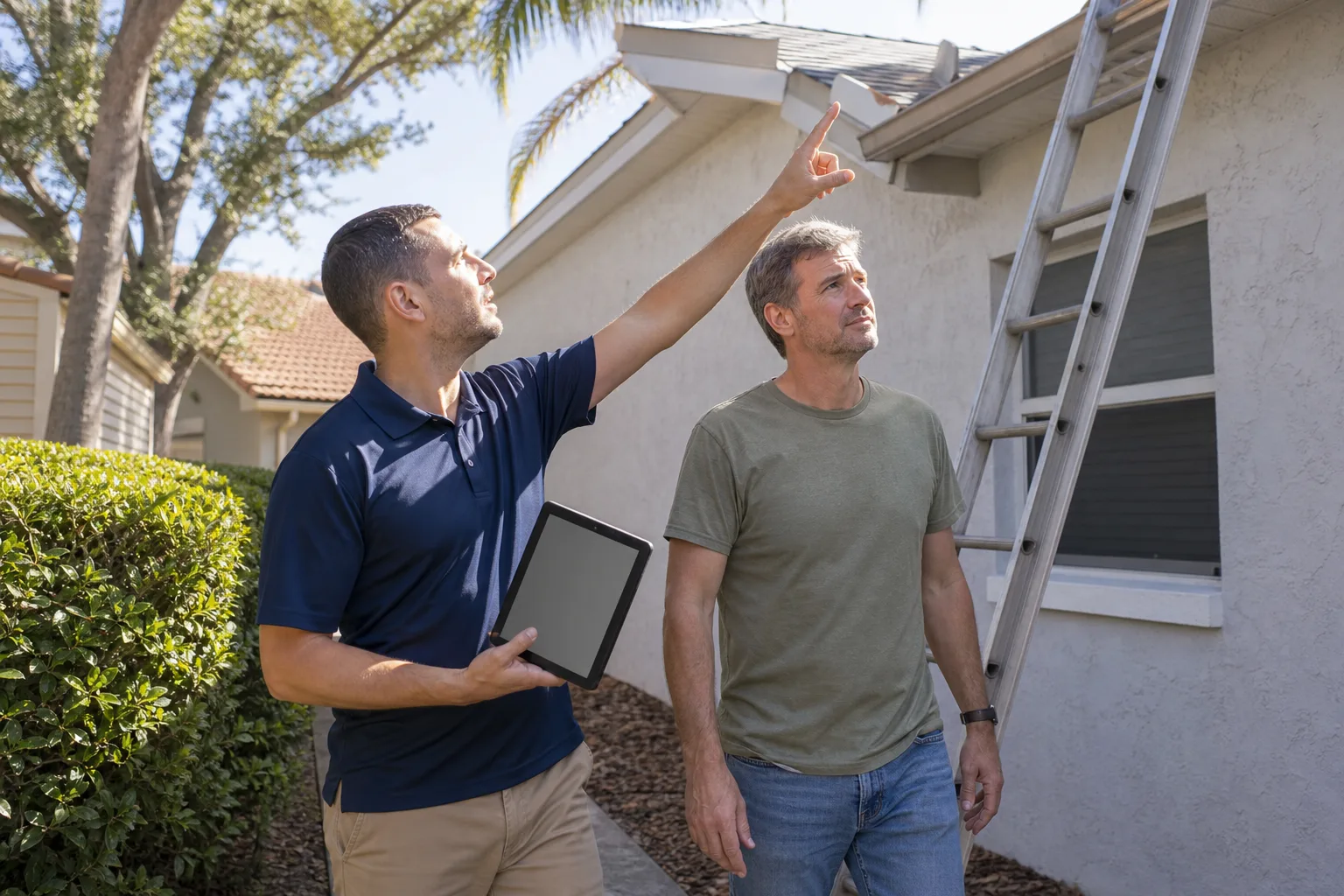

Free written scope consultation - allowances, timeline, and change-order rules on paper before a single trade is scheduled
Styles & brands we work with
- Kitchen remodeling
- Bathroom remodeling
- Home additions & ADU
- Roofing
- Windows & doors
- Driveway & pavers
- Fence
See the difference
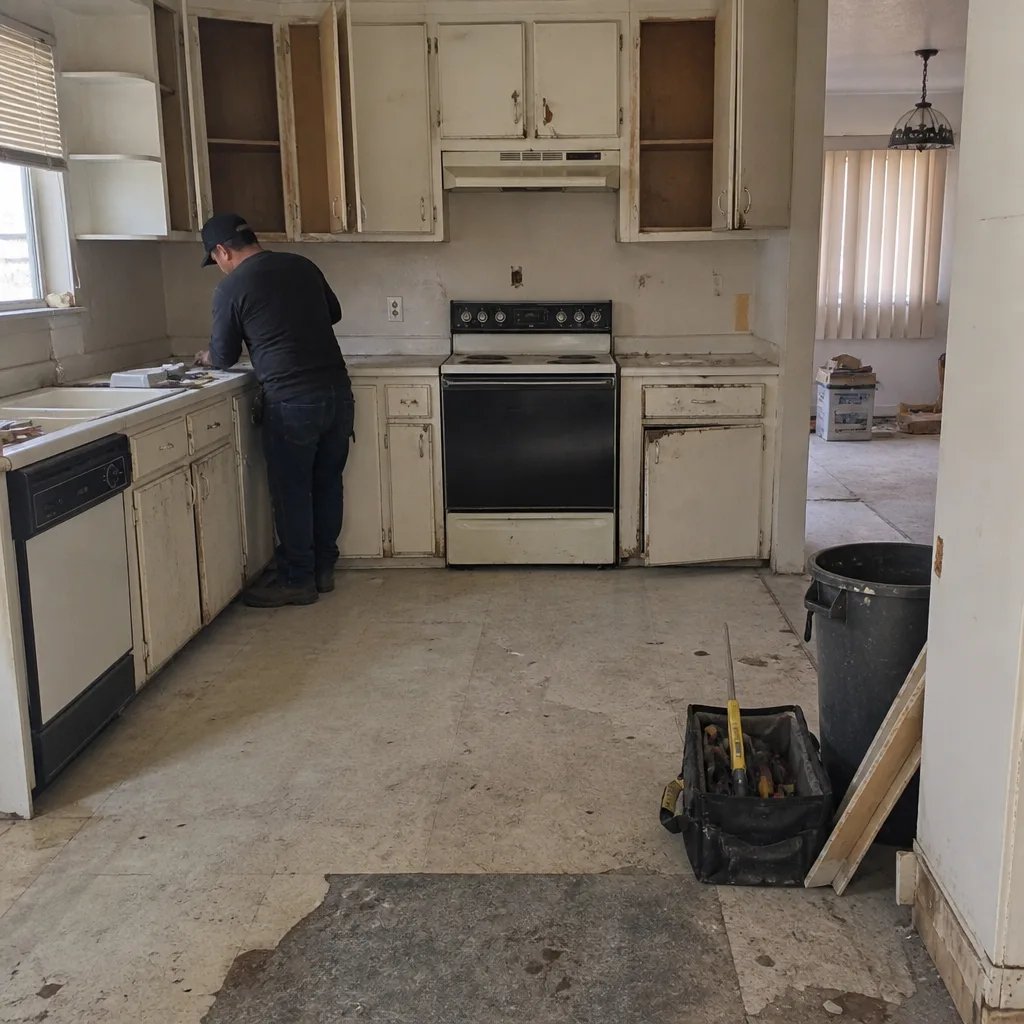 Before
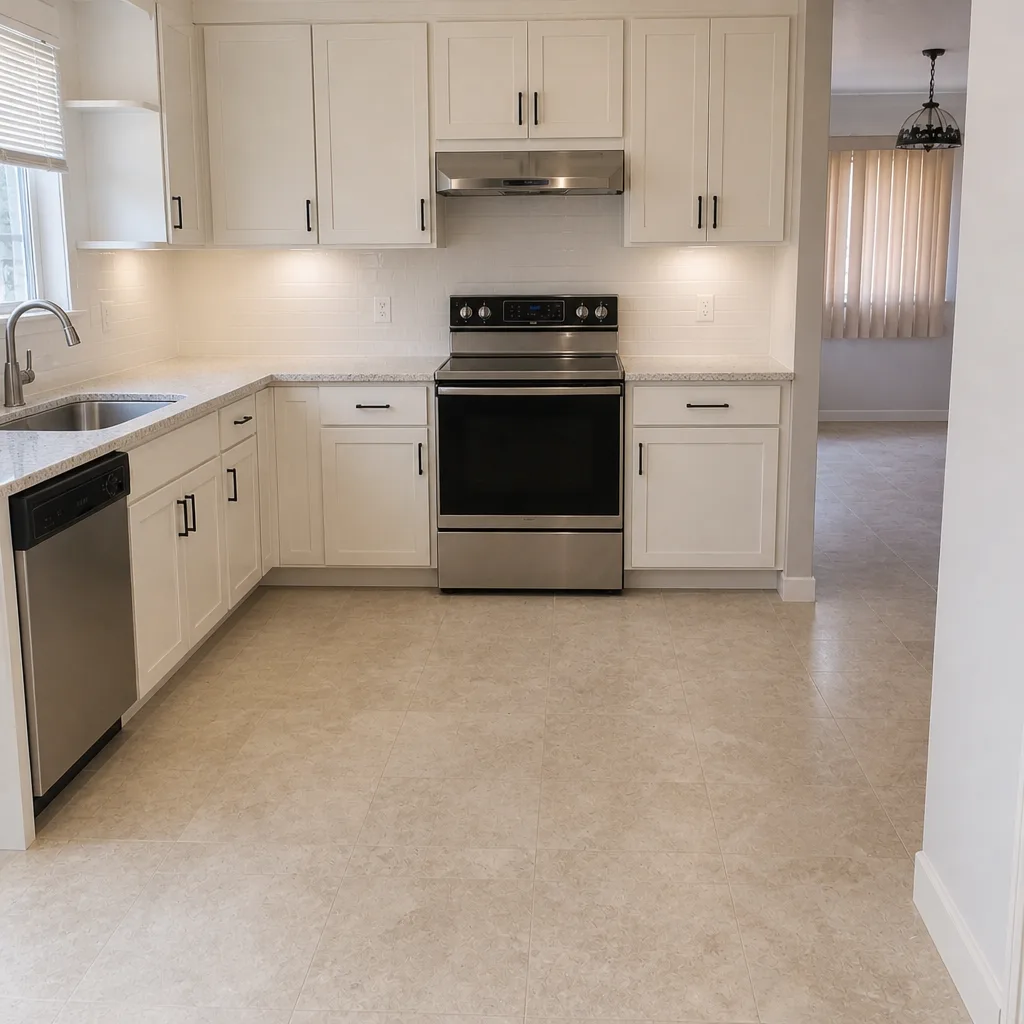 After
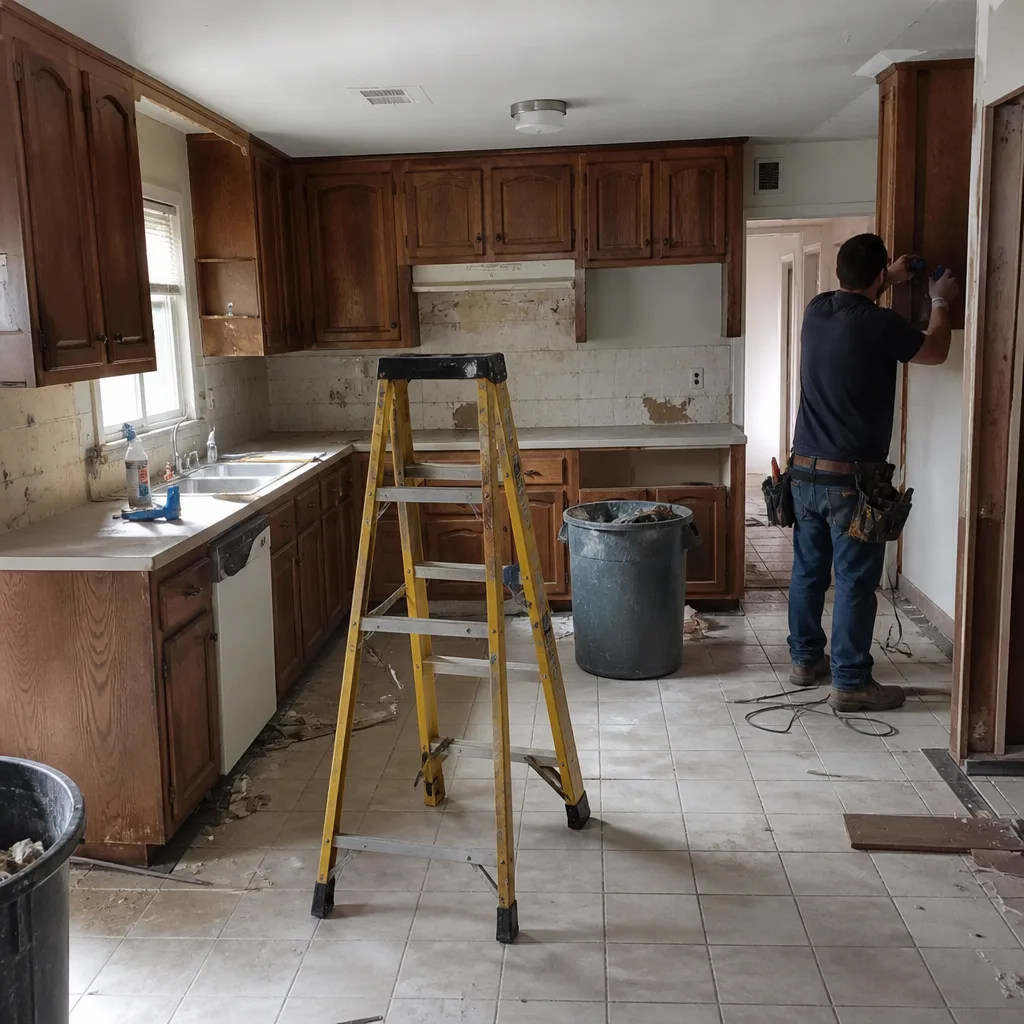 Before
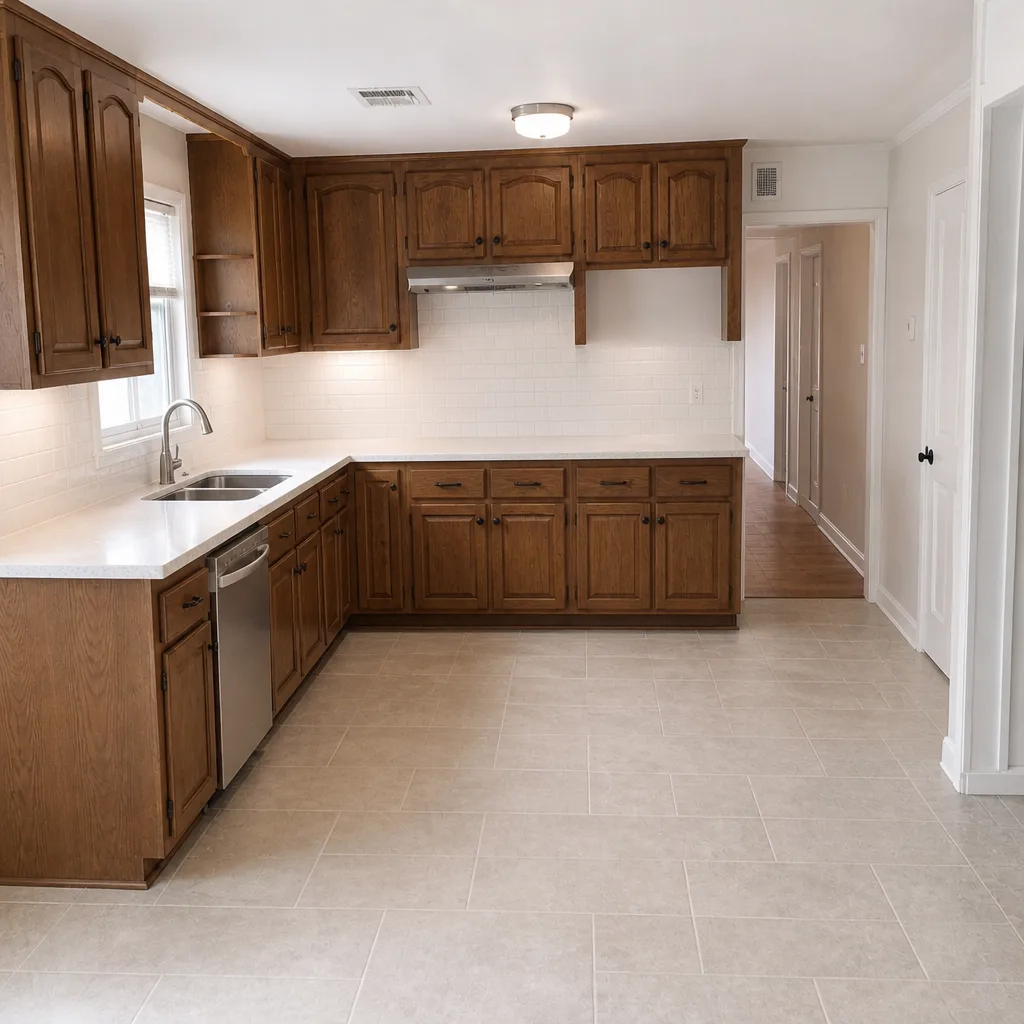 After
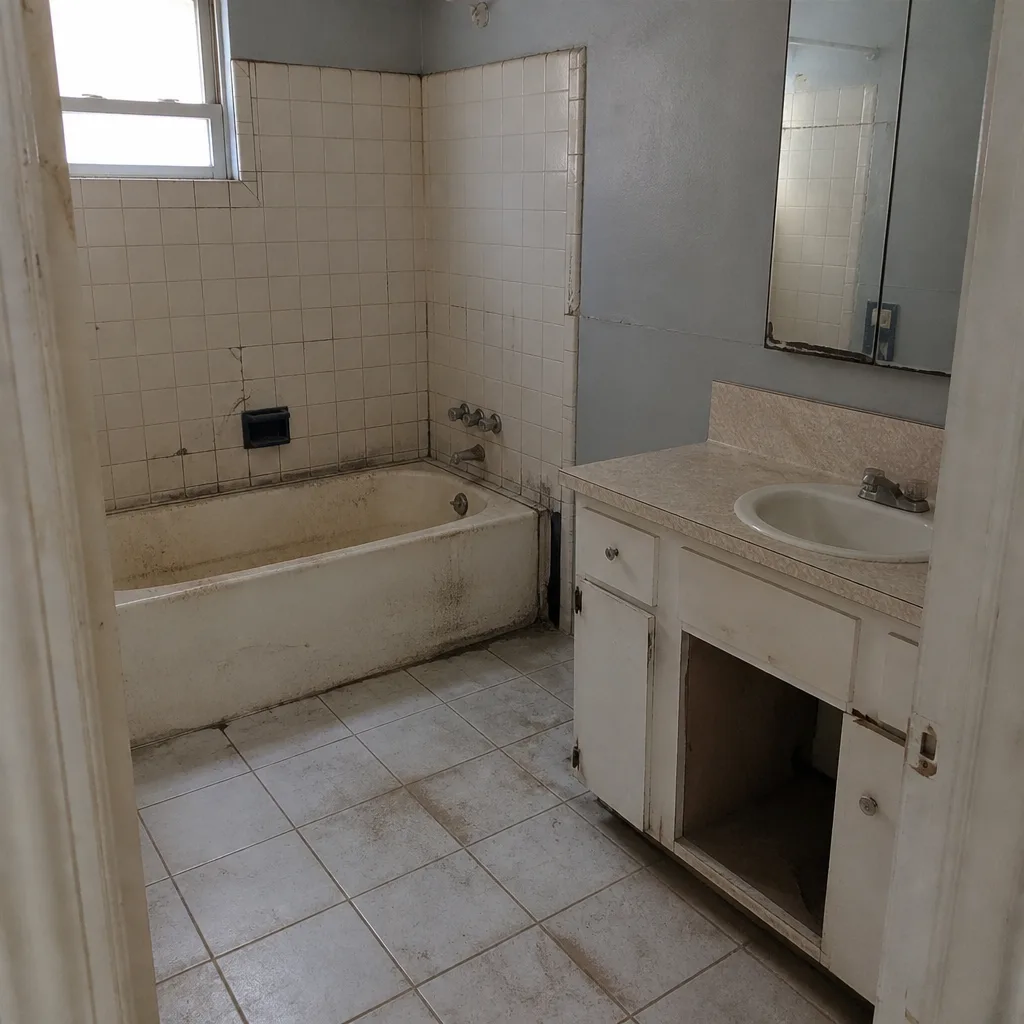 Before
 After
Clay vs Concrete Roof Tiles in Spring Valley, NV: Choose Concrete Unless You’re Chasing a Specific Look
For most Spring Valley homeowners, concrete tile is the right call: it can last 50 years, it weighs less than clay, and it stands up to Mojave heat. But the honest answer is that on a 1990s Spring Valley roof, the tile choice barely matters compared to the underlayment underneath it. This page lays out a decision framework for the clay vs concrete roof tile question in Spring Valley, and how we help at Groundwork Construction Co. of Spring Valley, so you can weigh the options without guesswork. Call our Spring Valley service area at (888) 329-9414 for a free estimate.
The tile you choose is only half the story. How that roof was built in Spring Valley matters more.
Spring Valley’s Concrete Tile Roofs Were Built for the Desert
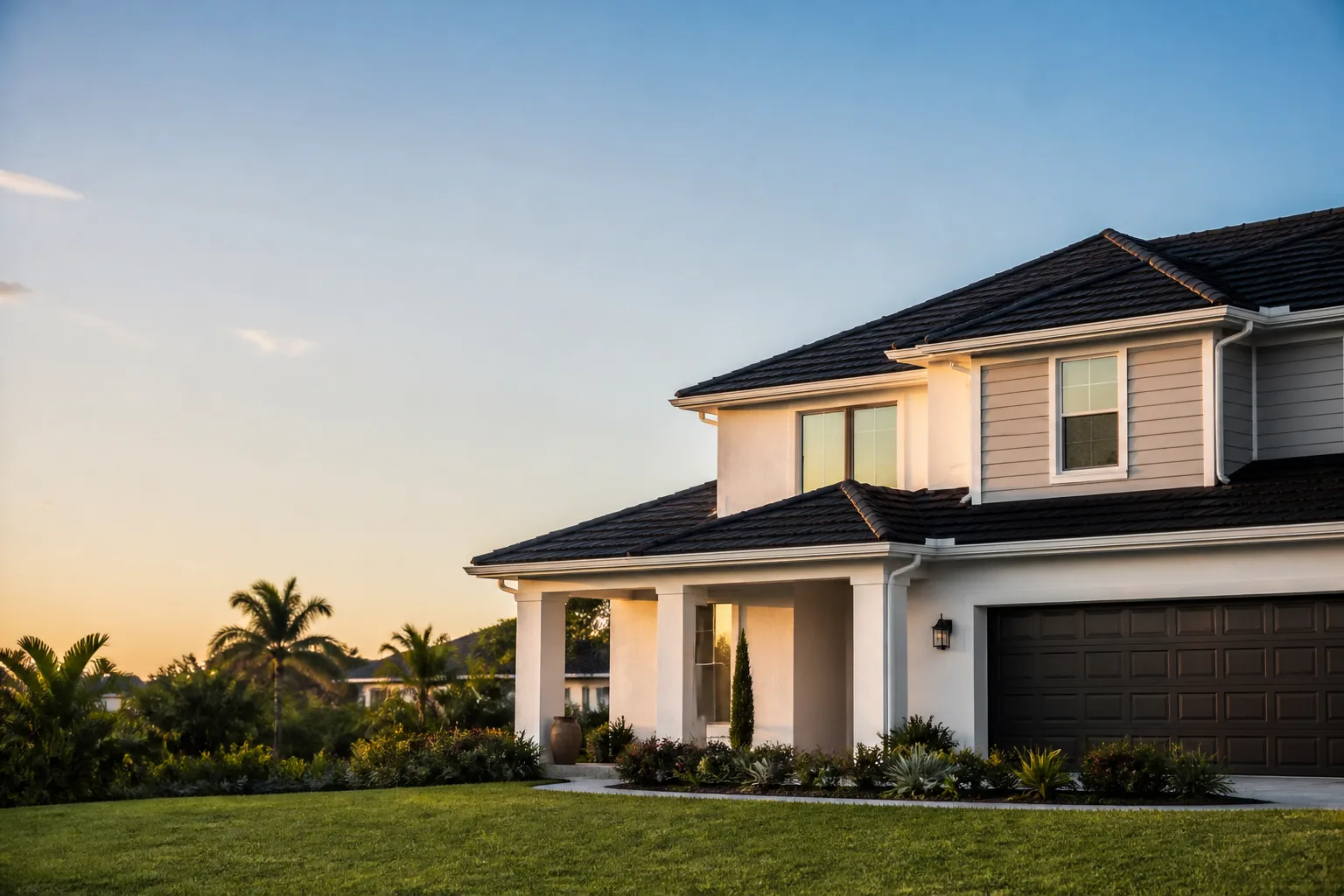
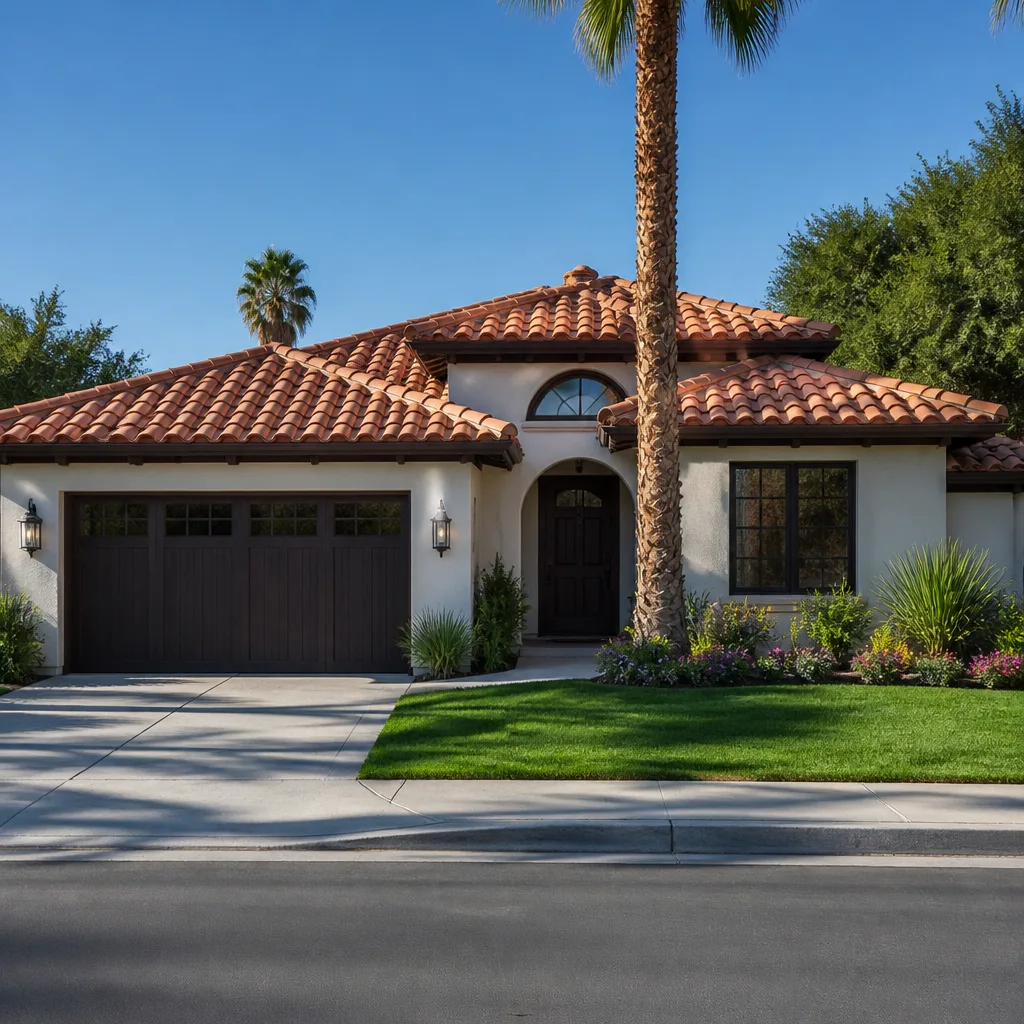
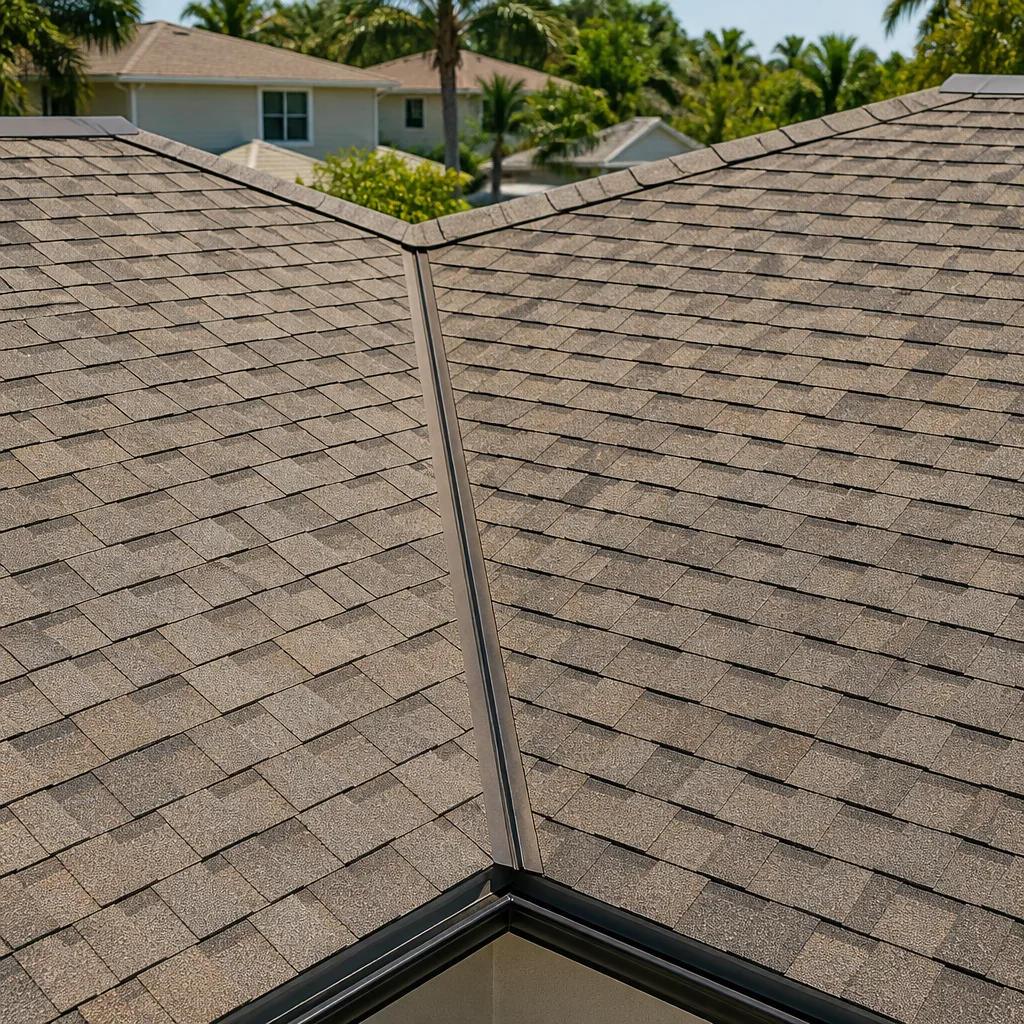
Spring Valley’s housing stock is overwhelmingly 1990s and 2000s tract homes: stucco on the outside, concrete tile on the roof, slab-on-grade underneath. Clay barely shows up in the tract inventory here, so the clay vs concrete roofing question is mostly a local comparison of what you can actually install, not a debate over what’s already overhead. Concrete is the regional standard for a reason. The lighter tile weight fits the 2×4 rafter framing standard on 1990s production builds. Nothing gets stressed the way it would under heavier clay.
What concrete tile doesn’t escape is thermal cycling. Spring Valley sits at roughly 2,300 feet, and between summer days above 110°F and winter nights near freezing, that’s an enormous daily and seasonal swing. Concrete expands and contracts more than clay under that kind of stress, which is why Spring Valley roofers see more cracked field tiles and split ridge caps than you’d find in coastal California markets. That cracking is normal wear, not a defective material. It’s also not the reason most Spring Valley roofs start leaking.
The Real Question Isn’t Tile. It’s What’s Underneath It
Most Spring Valley concrete tile roofs from the 1990s build-out look fine from the street. The tile can last 50 years. The underlayment beneath it was designed to last about 20. That gap is why roofs leak. The original 20-lb felt underlayment on those roofs is now 20 to 30 years old, and you can’t see it from the curb. It’s also no surprise given Spring Valley’s climate. Sun and extreme heat break down felt far faster than in milder parts of the country, so a roof that looks intact in 2026 is very often already past its dry-out point underneath.
On a 1990s or 2000s Spring Valley home, full tile replacement usually isn’t necessary. The tile can often go back on after the underlayment is replaced, as long as the tiles themselves check out. The underlayment almost always is. That’s the opposite of what most comparison guides tell you, and it’s the call more Spring Valley homeowners should be making.
Clay vs Concrete Roof Tiles Side by Side
Here’s how the two stack up for a Spring Valley roof, keeping in mind that on a 1990s home you may be reusing tile instead of buying new:
| Feature | Concrete Tile | Clay Tile |
|---|---|---|
| Typical lifespan | 40-50 years | 50+ years |
| Weight per square foot | Lighter | Heavier |
| Thermal expansion | Expands and contracts more | More dimensionally stable |
| Performance in Mojave heat | Well suited | Well suited |
| Fit for 1990s 2×4 framing | Yes | Often needs structural review |
| Overhead in Spring Valley track homes | Dominant | Rare |
Clay makes sense if you want the look, or if your roof already has clay you want matched. For everyone else in Spring Valley, concrete tile delivers the durability that matters here without the extra weight on the roof structure.
Underlayment Spec Is Where Roofs Are Won or Lost
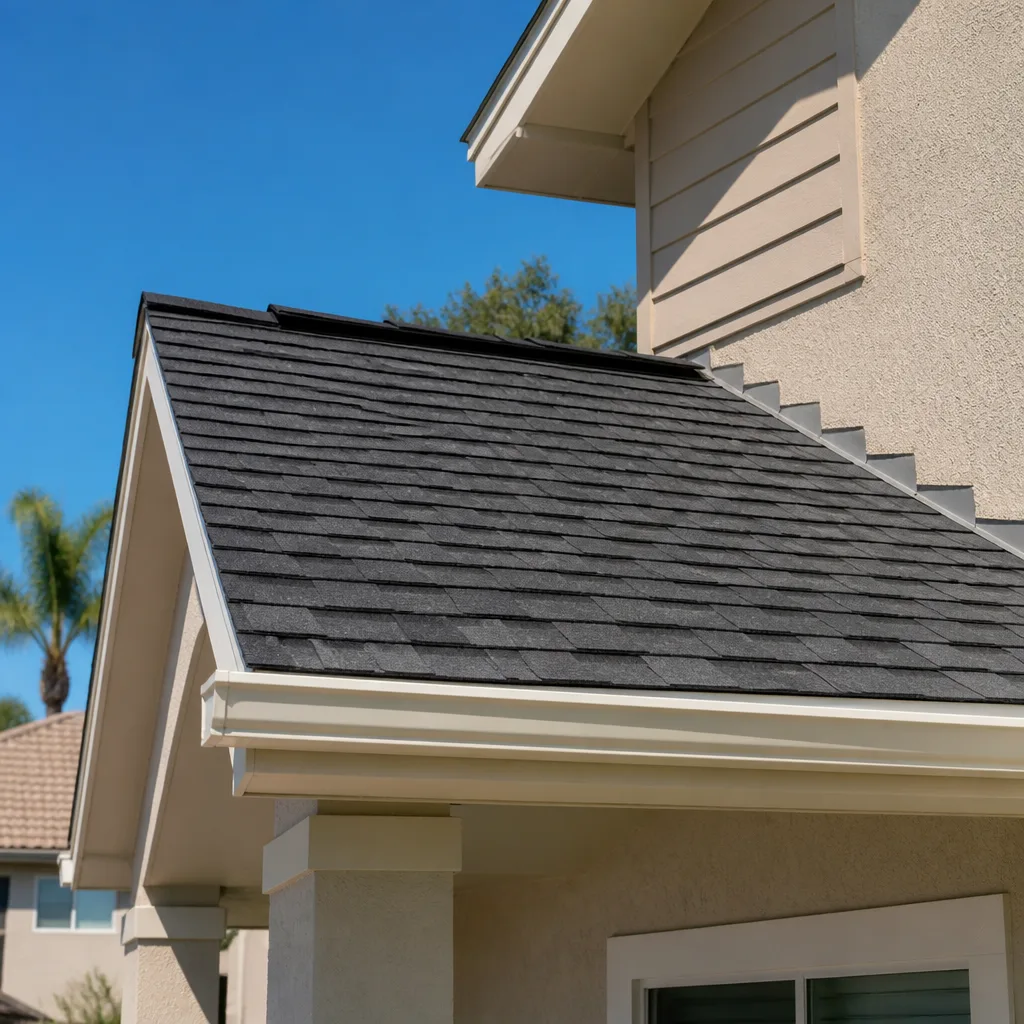
Original 20-lb felt was the builder’s choice, not the best one. A 30-lb felt or a synthetic underlayment holds up far better against UV and heat, and that’s the layer that keeps water out of your attic. That’s where the Roofing work really separates good roofs from average ones. We install GAF and Owens Corning underlayment systems, with documented product warranties behind them, instead of builder-grade felt that quietly ages out from day one. You’re not just buying a warranty on the labor; you’re getting a real warranty on the material too.
On the tile side, well-known brands like Boral and Tamko make concrete tiles that handle the desert sun, and those are the kind of products we work with. If the underlayment is getting replaced, this is the moment to look at it: the tiles come up anyway, so there’s no extra labor of tearing off a roof twice.
What This Costs in Spring Valley
A tile roof repair on a Spring Valley home typically runs $600-$2,500. A full roof replacement, including tile and underlayment, runs $8,000-$20,000. But for most 1990s Spring Valley roofs, the right scope is:
- Underlayment replacement only: usually the right call when the tile is still sound.
- Spot tile repair: for the cracked field tiles and broken ridge caps common after years of thermal cycling, from $600 to $2,500.
- Full replacement: usually needed when the tile itself is beyond repair, not just the underlayment.
We quote upfront, so the number you see is the number you pay. There’s also 0% financing for 18 months, which does a lot to put a full underlayment replacement on a 2,000 sq ft Spring Valley roof within reach. $1,000 off projects over $10,000 helps too. The goal isn’t to sell you the biggest job. It’s to keep you from paying for a full re-tile when only the layer you can’t see is failing.
Common Spring Valley Scenarios
Here’s what we run into on Spring Valley roofs, and what usually makes sense:
- The 1990s home with a slow ceiling stain. The tile looks fine, but water is getting past dried-out felt. Underlayment replacement, with the existing tile reused, is the usual fix.
- Cracked and slipped ridge caps. Common after years of swing between hot days and cold nights. A tile repair, not a whole new roof.
- A homeowner who wants the clay look. A structural check comes first, because older framing doesn’t always want the extra weight.
- A recent HOA-approved addition or patio cover. New underlayment means the roof over that addition gets the same protection as the rest of the house.
FAQs
Concrete is the better choice for most Spring Valley homes, because it’s lighter and fits the standard framing on 1990s builds. Clay lasts a touch longer and holds its shape under temperature swings, but the weight difference matters more here, and the Mojave heat treats both well.
Tile roof repair in Spring Valley typically runs $600-$2,500, depending on how many tiles are cracked and how much underlayment is exposed. A full roof replacement runs $8,000-$20,000, but if only the underlayment has failed, you may not need a full replacement at all. Call (888) 329-9414 for a free estimate.
Usually not. On most Spring Valley 1990s and 2000s roofs, the concrete tile itself is still good and can go back on after the underlayment is replaced. That saves money and keeps a roof that’s built to last, backed in writing.
The clearest signs are ceiling stains, water marks in the attic, or a roof that’s 20 to 30 years old with no record of an underlayment replacement. Since you can’t see felt from the ground, an inspection is the only sure way. Call (888) 329-9414 and we’ll take a look.
If you’d rather have it looked at, Groundwork Construction Co. of Spring Valley offers a no-pressure assessment in Spring Valley. Calls are answered by a live person 24/7, so you can ask your clay vs concrete question any time. Call (888) 329-9414. Every project is backed by our 730-Day Done Right Promise.
Written by the team at Groundwork Construction Co. of Spring Valley, serving Spring Valley, NV.