Free written scope consultation - allowances, timeline, and change-order rules on paper before a single trade is scheduled
Styles & brands we work with
- Kitchen remodeling
- Bathroom remodeling
- Home additions & ADU
- Roofing
- Windows & doors
- Driveway & pavers
- Fence
See the difference
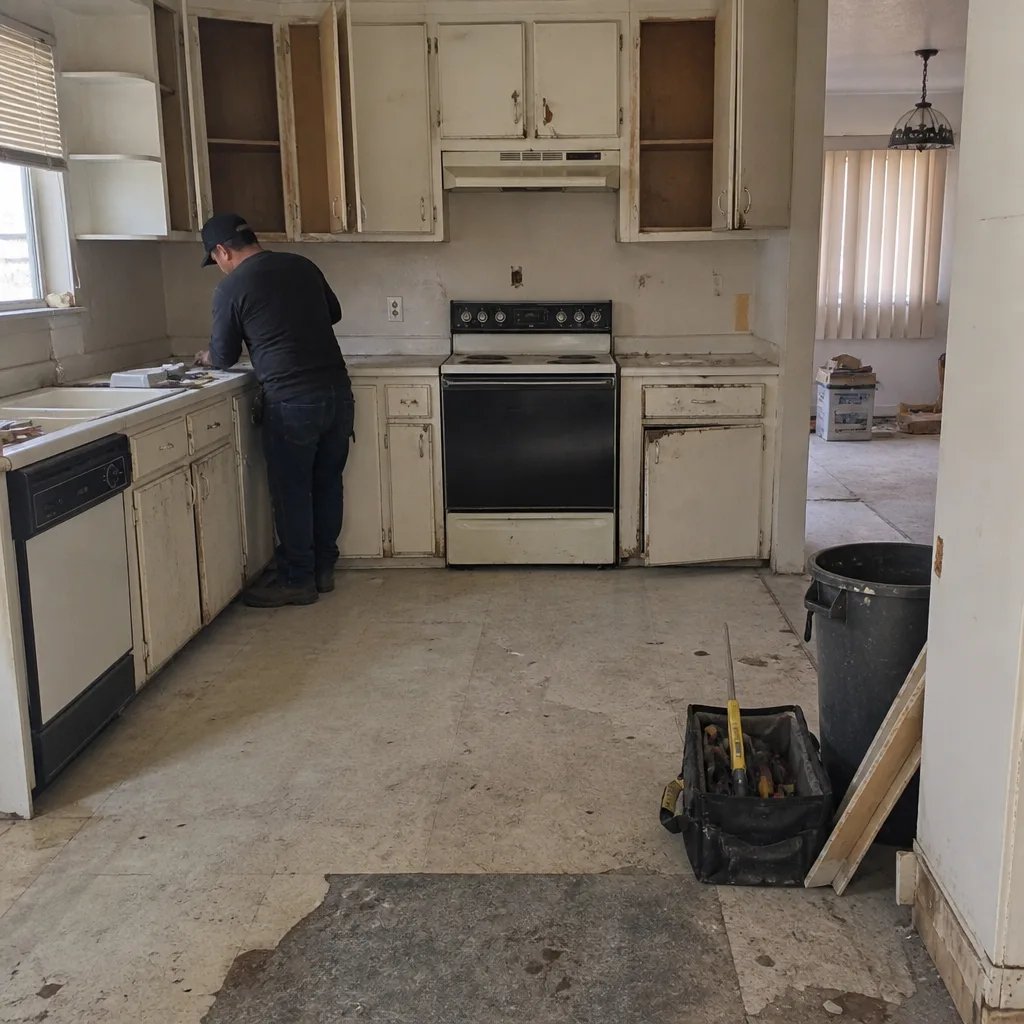 Before
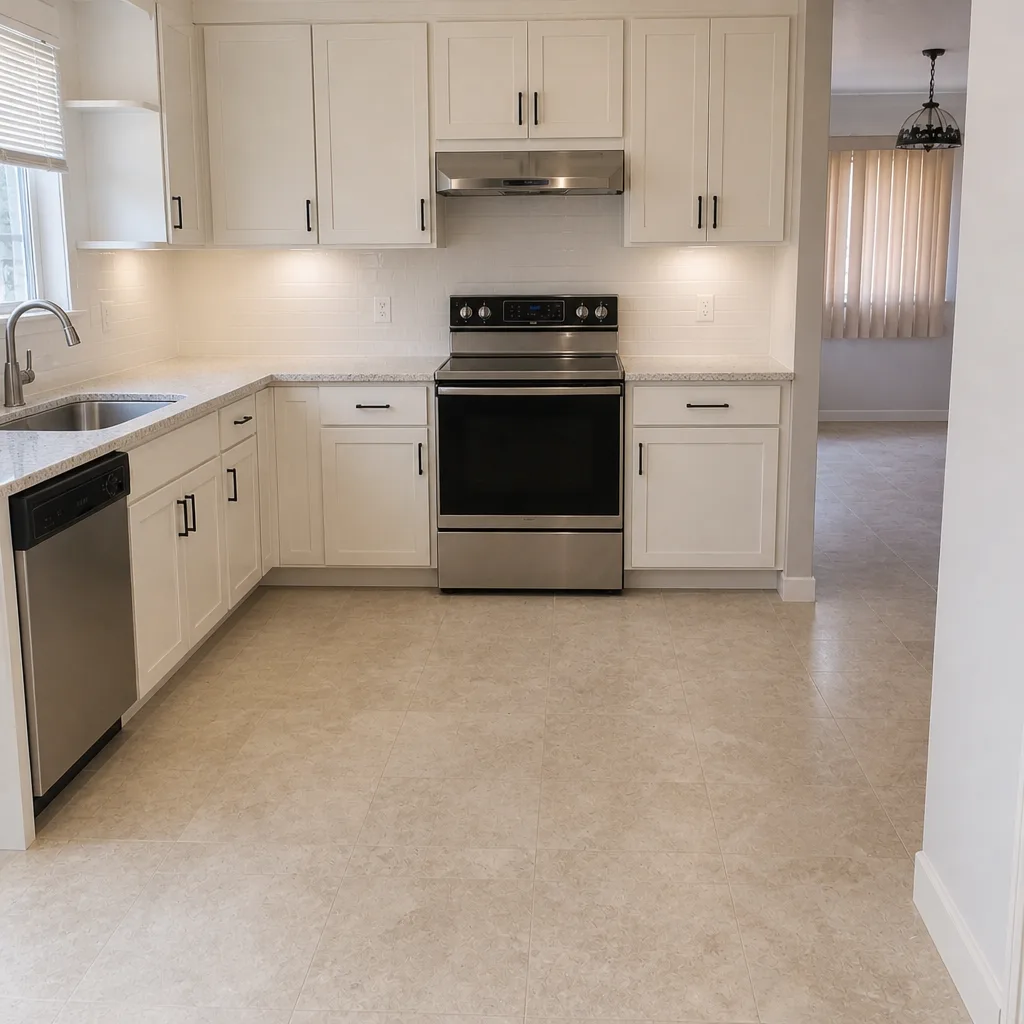 After
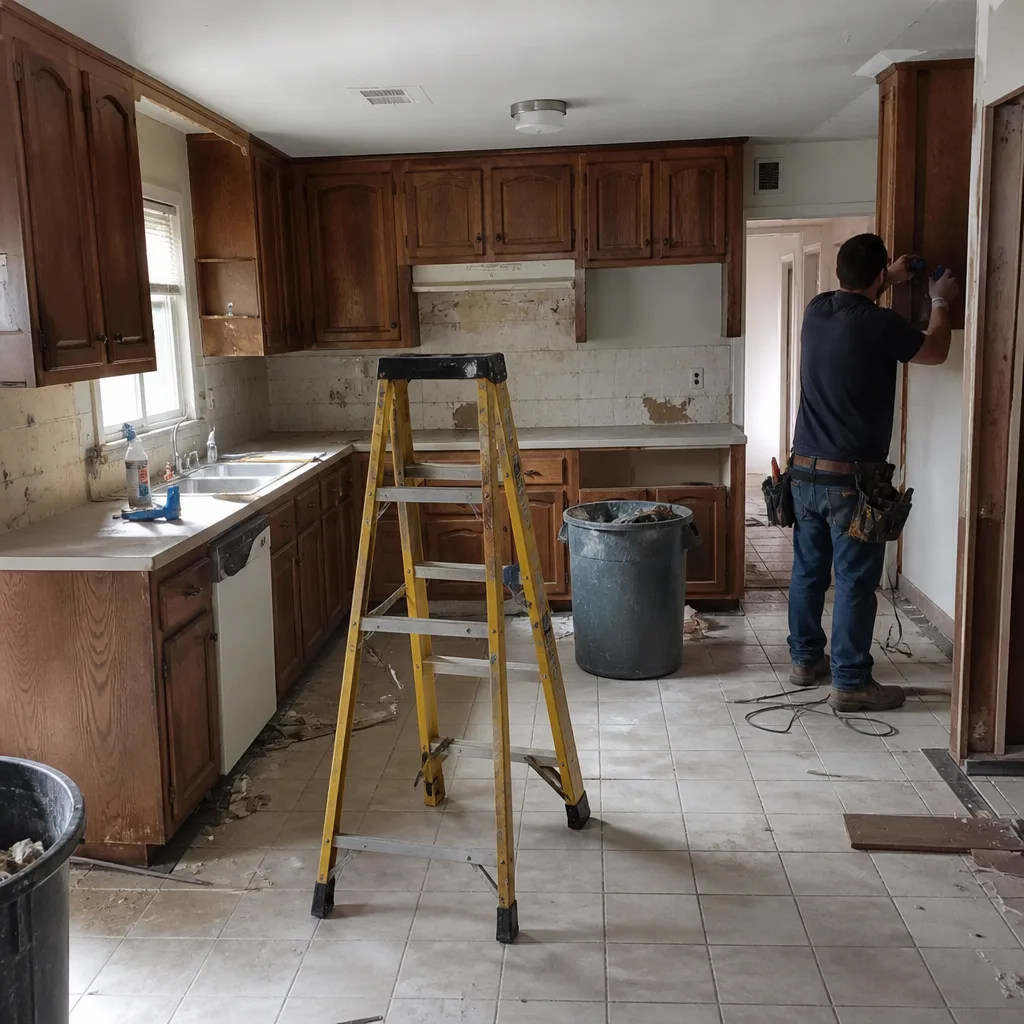 Before
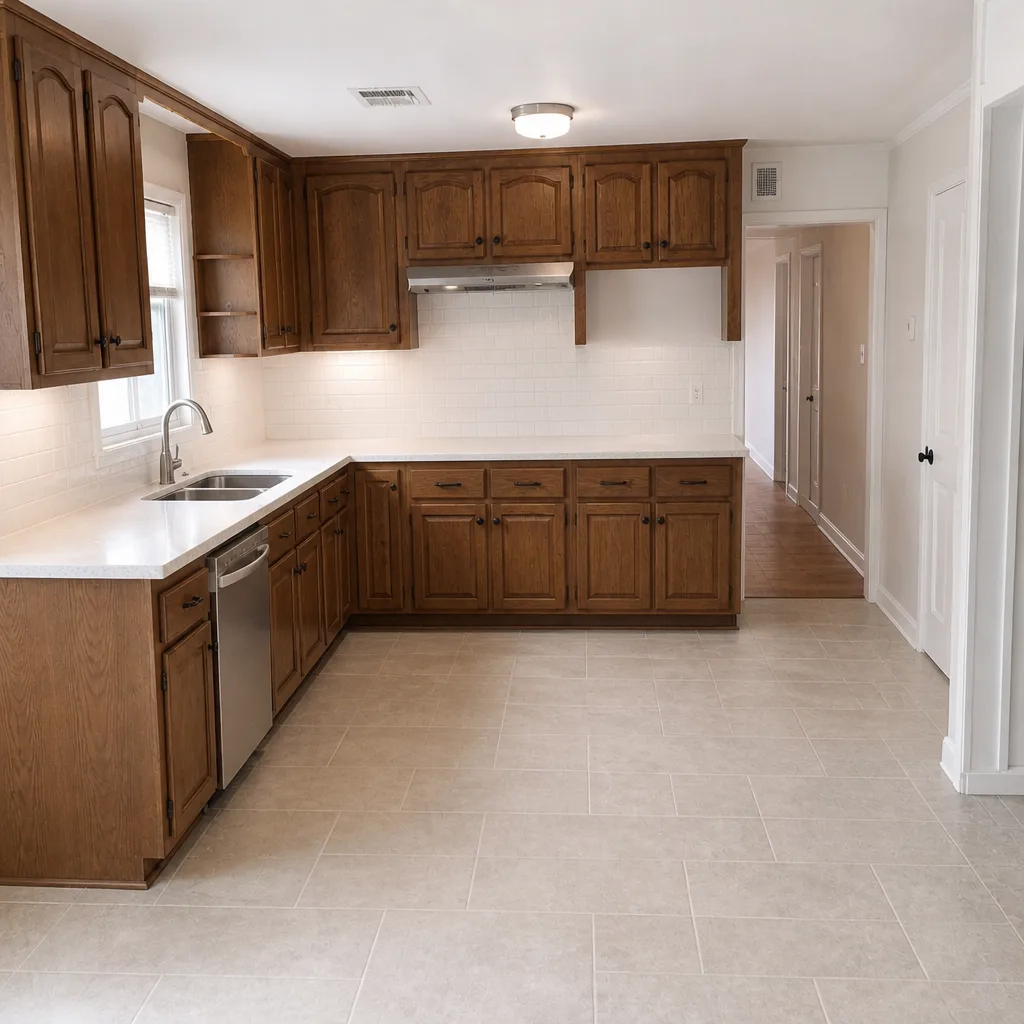 After
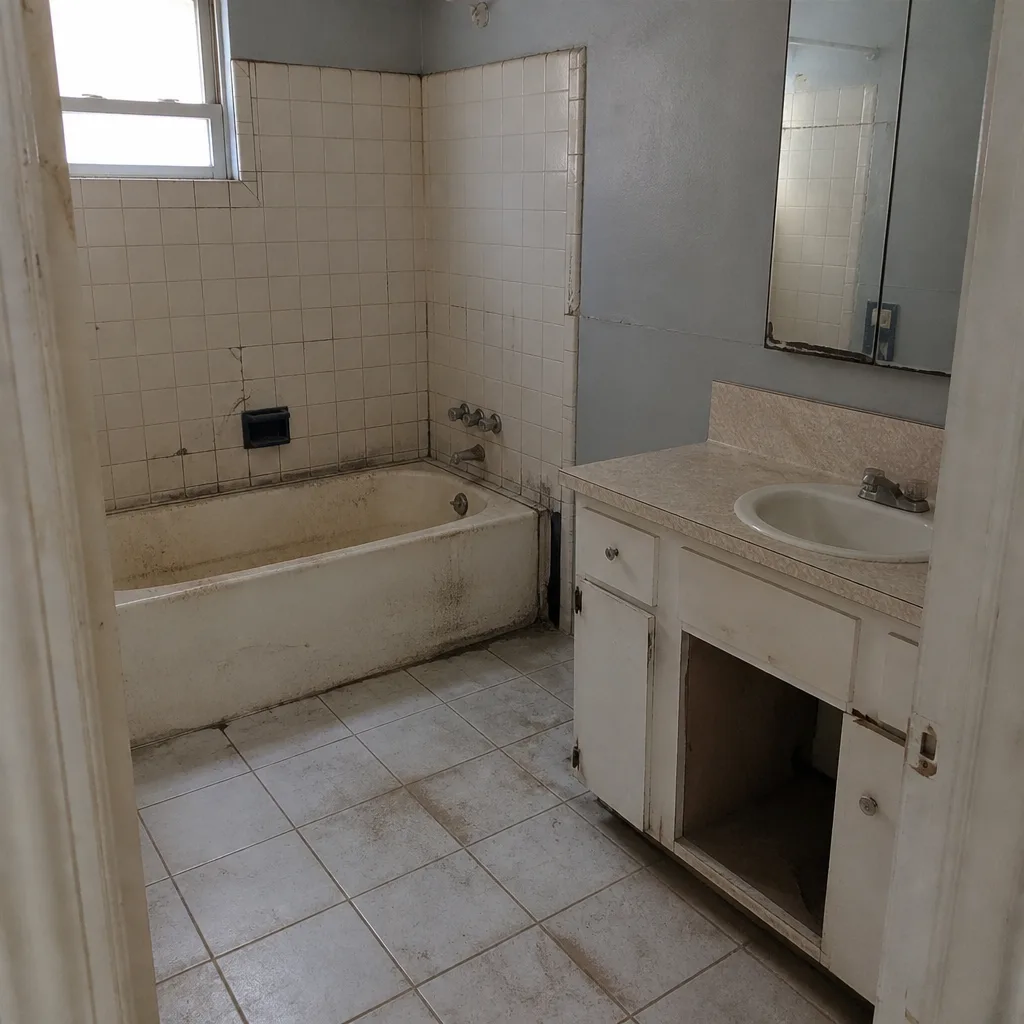 Before
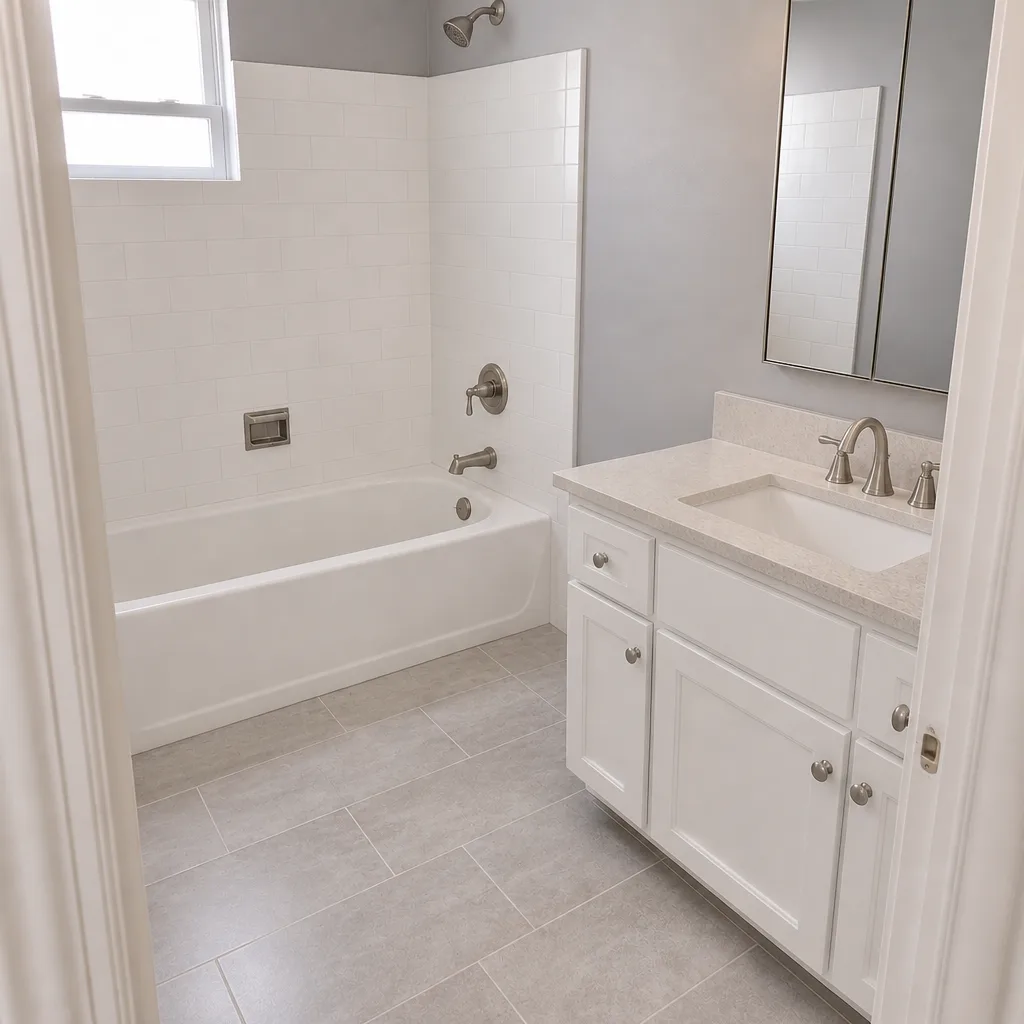 After
What Is Low-E Glass, and Why Does the Type Matter More in Spring Valley Than Almost Anywhere?
Low-e glass is window glass with an invisible metallic oxide coating that reflects infrared radiation, and which type you get matters enormously in Spring Valley: solar-control low-e (SHGC around 0.20-0.27) blocks incoming desert heat, while passive low-e (SHGC 0.40+) is built to admit solar heat for cold climates and will work against you here. If a window salesperson quotes you “low-e glass” without naming the Solar Heat Gain Coefficient, ask them to start over. A passive coating that’s right for Minnesota lets in exactly the solar gain a Spring Valley home spends $300 a month fighting in July. Want a straight read on the windows you’re considering? Call (888) 329-9414 and we’ll tell you what the specs actually mean.
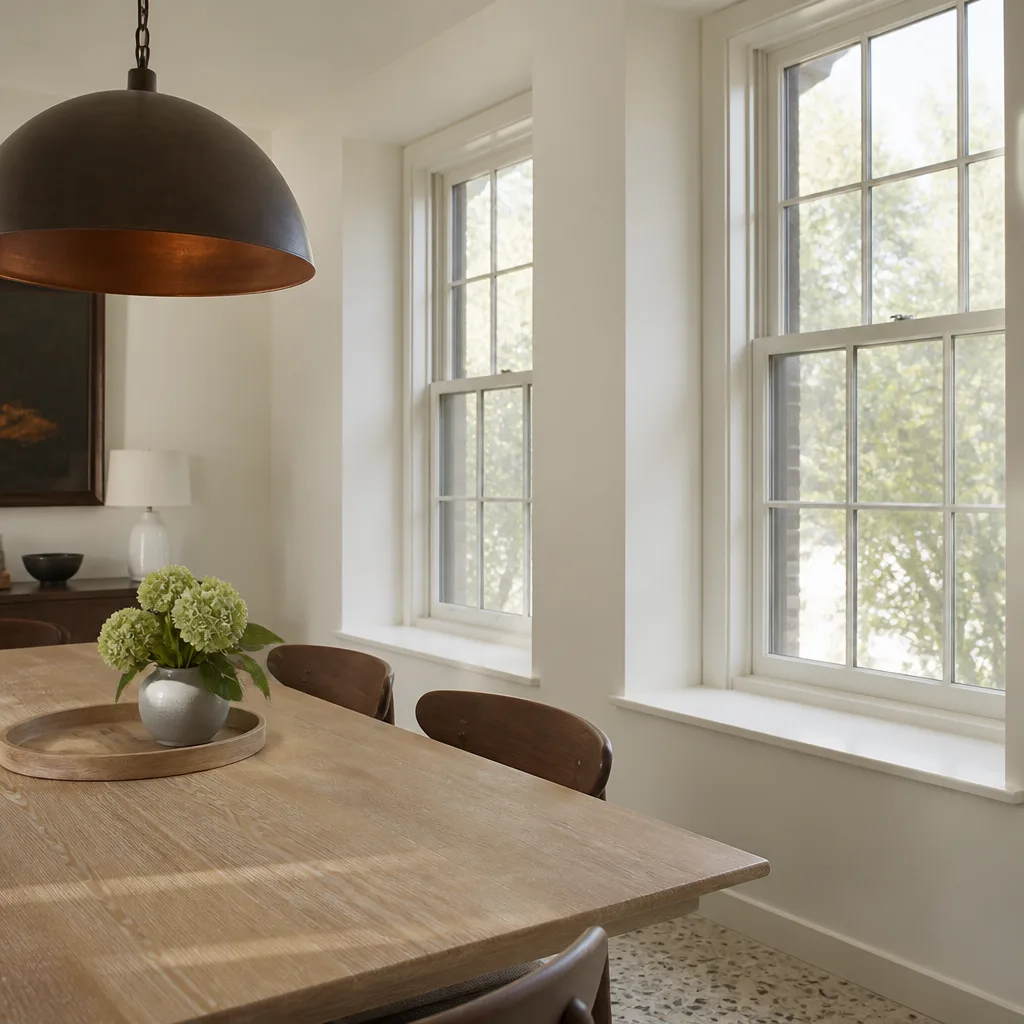
The Two Low-E Types, and Why the Wrong One Costs You Money in Spring Valley
The confusion starts here: “low-e” is a family of coatings, not one product. The coating reflects radiant heat, but manufacturers tune it to either keep solar energy out or let it in. In a place that’s hotter than it is cold, that tuning is the whole ballgame.
Spring Valley sits in the Mojave at roughly 2,300 feet, with summer highs above 110°F and a climate that generates around 3,200 cooling degree days against fewer than 1,500 heating degree days. A passive low-e coating is designed to reduce winter heating bills by admitting solar heat. That trade makes sense in Boise. It’s backwards in Spring Valley, where the expensive bill comes in July and the goal is to stop heat before it crosses the glass. A solar-control coating with a low SHGC pushes back roughly 70% to 80% of that incoming solar radiation before it ever becomes a cooling load.
The number that tells you which type you’re holding is SHGC. Below 0.30 signals a solar-control coating; above 0.40 signals passive. And emissivity (ε) is the second number: the lower it goes, the more infrared radiation the coating reflects. Quality desert-spec window lines, like Andersen’s Low-E4 and Low-E4 SmartSun, run below ε 0.05. When we spec a project through our Windows & Doors service, those are the numbers on the table, not a vague “low-e” on a bid.
What Specs Should a Spring Valley Window Actually Carry?
ENERGY STAR places Las Vegas and Spring Valley in the South/Southwest climate zone. To qualify there, a window should hit a U-factor of 0.25 or lower and an SHGC of 0.25 or lower. Those two numbers should appear on the NFRC label of every window a contractor proposes for your home, and you should ask to see the sticker spec sheet before the order is placed, not after the windows arrive on the truck.
| Spec | Target for Spring Valley | Why It Matters |
|---|---|---|
| SHGC (Solar Heat Gain Coefficient) | 0.25 or lower | Blocks desert solar gain and cuts cooling load |
| U-factor | 0.25 or lower | Controls heat transfer through the glass assembly |
| Emissivity (ε) | Below 0.05 | Reflects interior infrared radiation |
| UV blocking | 95% or higher | Protects flooring, furnishings, and sealants |
| ENERGY STAR zone | South/Southwest | The qualifying baseline for this climate |
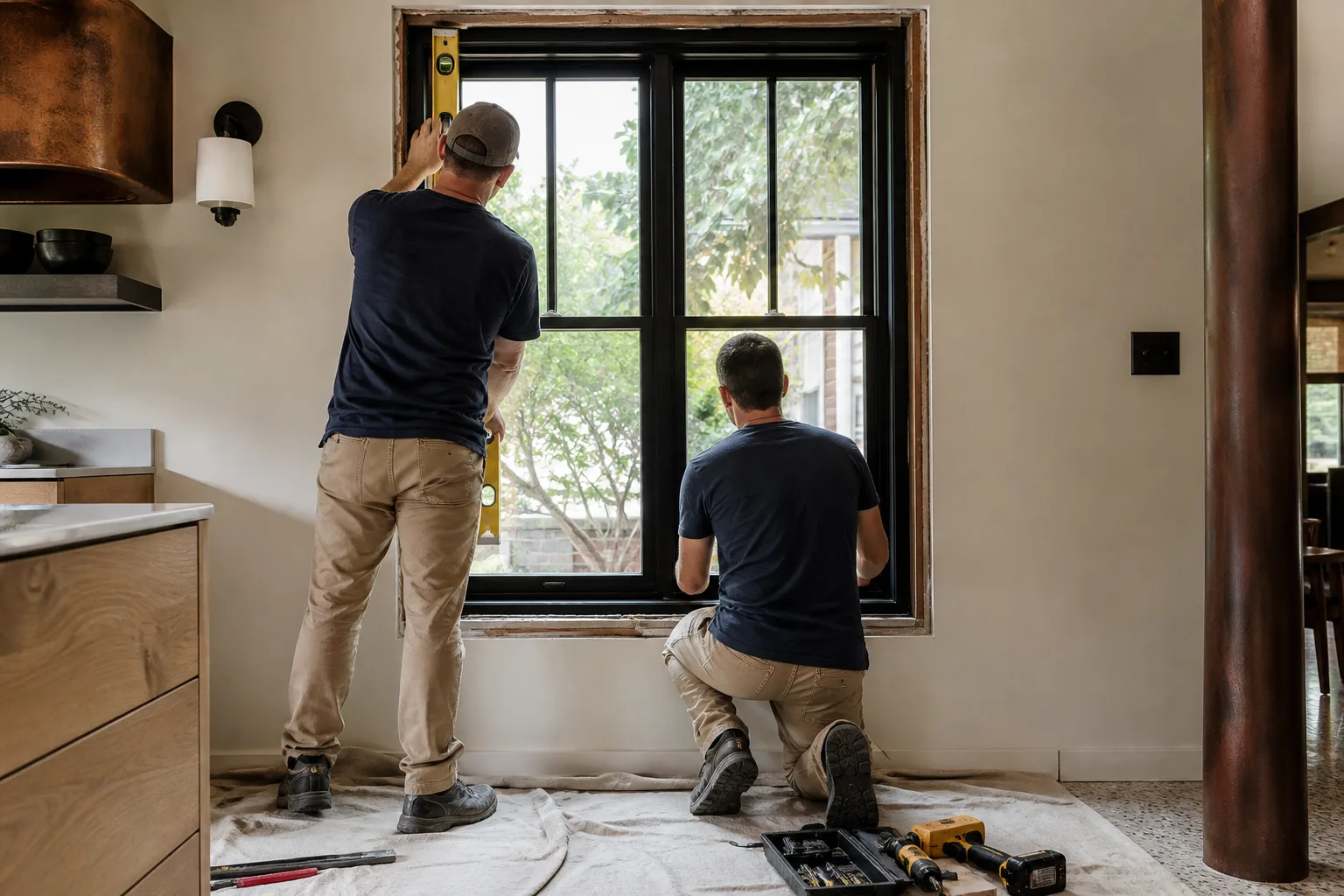
UV Blocking Is the Low-E Benefit Spring Valley Homeowners Overlook
Everyone knows low-e helps with cooling bills. Fewer people connect it to the sun damage you can see and touch. The same UV that fades upholstery and wood flooring does slow, invisible work on the outside of your home: it breaks down stucco caulk and window sealants. In a Spring Valley tract home full of 1990s and 2000s stucco, that degradation shows up as cracked caulk lines and failed perimeter seals sooner than it would in a milder climate. Glass that blocks 95%+ of UV reduces both the fading inside and the frequency of exterior resealing outside.
That’s part of why we focus on the whole envelope, not just the pane. Windows, roof, and exterior sealants all take the same Mojave beating, and we cover all of it from foundation to finish line.
How Heat Cycling Shows Up in Spring Valley Windows
The brutal swing from 110°F summer afternoons to near-freezing winter nights accelerates thermal expansion and contraction. On the slopes near Rhodes Ranch and the western edge of Spring Valley, desert expansive soils combine with monsoon downpours to shift foundations, and that movement is hard on window frames and seals. Add roofline heat to the mix and you get seal failures and fogging on older dual-pane units. Swapping to properly rated low-e glass is often the moment a homeowner also has us recheck the roof and adjacent sealants, because the same sun and swing have been working on both. Most window replacements for these homes run homeowners between $4,500 and $15,000, and we’ll give you that number upfront and stand behind it under our 730-Day Done Right Promise.
Common Local Scenarios
- A 2005 stucco home near Rhodes Ranch with fogging dual-pane windows and a July cooling bill that keeps climbing. We pull the NFRC specs, confirm solar-control low-e with a low SHGC, and note the failing caulk while we’re on the ladder.
- A gated subdivision home facing west where afternoon sun cooks the living room. The fix is the right SHGC on that exposure, not just “low-e” slapped on every panel.
- A homeowner who got a bid quoting passive low-e across every window and wants a second read. We’ll show you why that coating is the wrong direction for this climate and what it would cost you in summer.
- A mid-life renovation where kitchens, bathrooms, and windows are all in the plan. One contractor from foundation to finish line, coordinated so the window order lands at the right phase.
Why Groundwork for Spring Valley Windows
Groundwork Construction Co. of Spring Valley specifies Andersen and Marvin window lines with documented SHGC and U-factor ratings built for Mojave performance, and we show you those numbers before anything is ordered. Our technicians have up to 12 years of experience, they’re background-checked and arrive in uniform, and calls are answered by a live person 24/7. Upfront pricing, 0% financing for 18 months, and $1,000 off projects over $10,000 make a full window upgrade workable without hidden surprises. Every job is backed by our 730-Day Done Right Promise: if it’s not done right, we make it right. If you’re also weighing a home improvement plan around the windows, we can look at it as one project. Curious what fits your Spring Valley service area? We’ll walk the whole scope with you.
FAQs
Low-e glass is glass with a thin metallic oxide coating that reflects infrared heat while still letting light through. It works like a one-way filter for radiant energy: it keeps heat on the side you want it and reflects it away from the side you don’t, which is why the specific coating has to match your climate.
Passive low-e is designed to admit solar heat and cut winter heating bills, which is the opposite of what Spring Valley needs. With around 3,200 cooling degree days and brutal summer highs, admitting solar gain means more air conditioning work and a higher electric bill; solar-control low-e with an SHGC of 0.25 or lower is the right call here.
Ask for the SHGC, U-factor, and emissivity numbers and check them against the NFRC label before the order is placed. A solar-control coating reads an SHGC below 0.30, and desert-quality lines like Andersen’s Low-E4 SmartSun run emissivity below 0.05. If a bid just says “low-e” with no numbers, it’s not a spec yet. Call (888) 329-9414 and we’ll review the quote with you.
Yes, and it’s a real benefit in this climate. Glass that blocks 95% or more of UV slows the fading of flooring and furniture indoors and reduces the breakdown of exterior caulk and window sealants, which saves you on resealing over the life of the windows.
Window replacement in Spring Valley typically runs $4,500 to $15,000 depending on the number of units and the specs you choose, and impact-rated window installation runs $8,000 to $25,000. Call (888) 329-9414 for an exact quote; estimates and design consults are free.
If you’d rather have it looked at, Groundwork Construction Co. of Spring Valley offers a no-pressure assessment in Spring Valley. We’ll read the specs, show you the numbers, and tell you straight what your windows need. Call (888) 329-9414 to get started.
Written by the team at Groundwork Construction Co. of Spring Valley, serving Spring Valley, NV.