Free written scope consultation - allowances, timeline, and change-order rules on paper before a single trade is scheduled
Styles & brands we work with
- Kitchen remodeling
- Bathroom remodeling
- Home additions & ADU
- Roofing
- Windows & doors
- Driveway & pavers
- Fence
See the difference
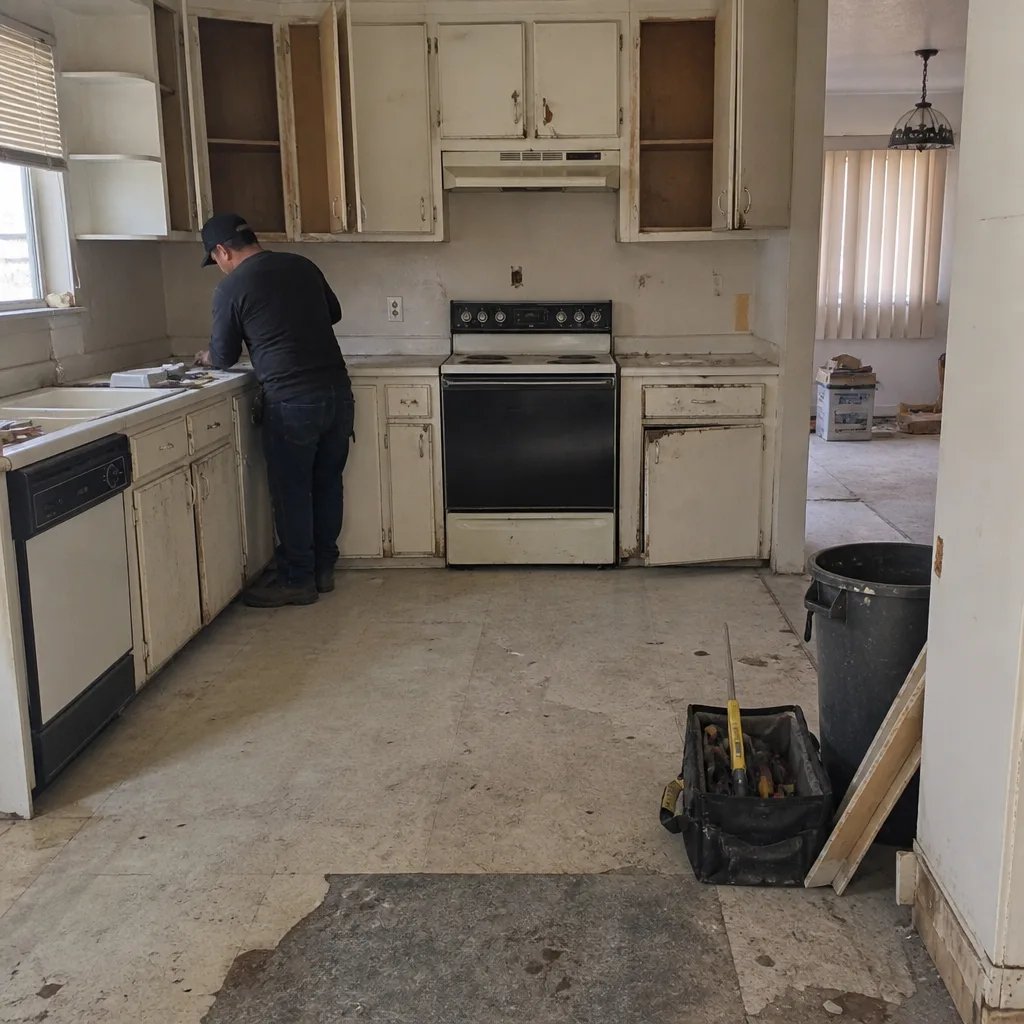 Before
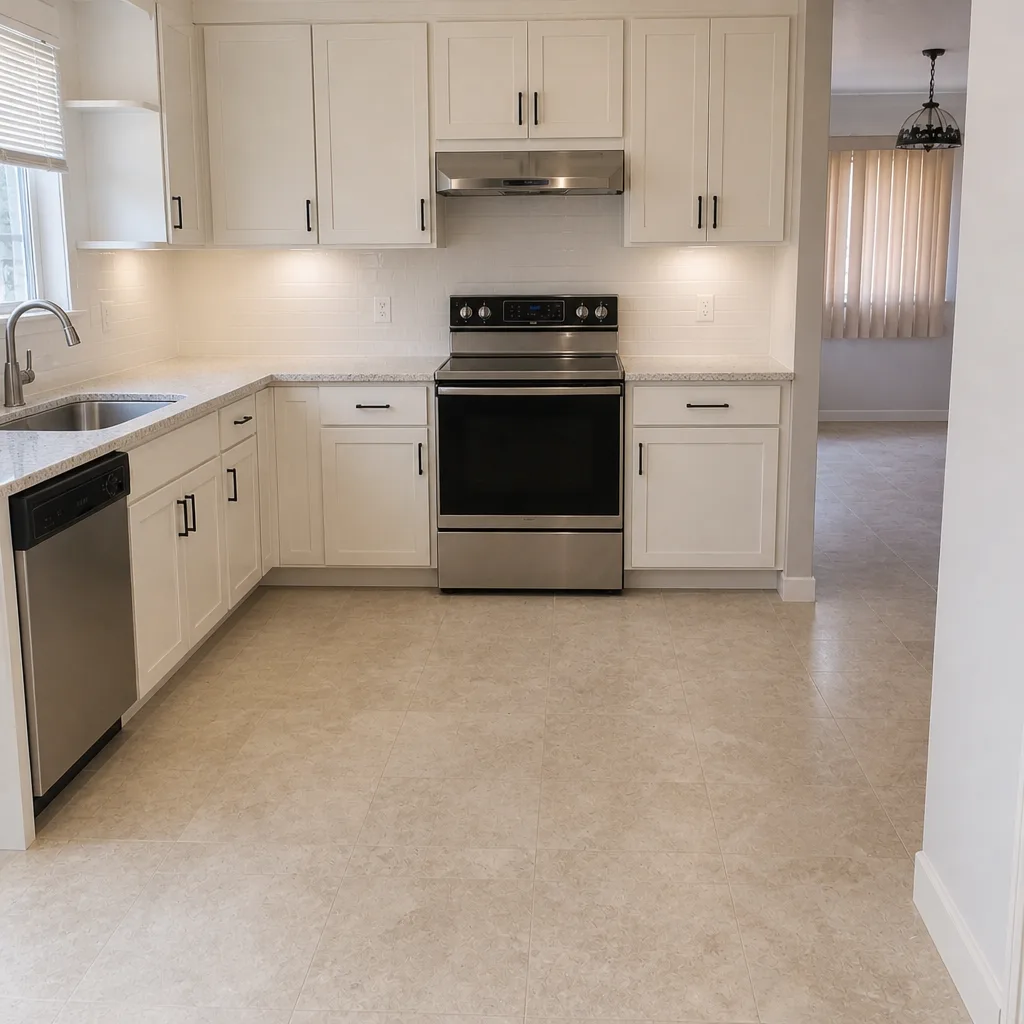 After
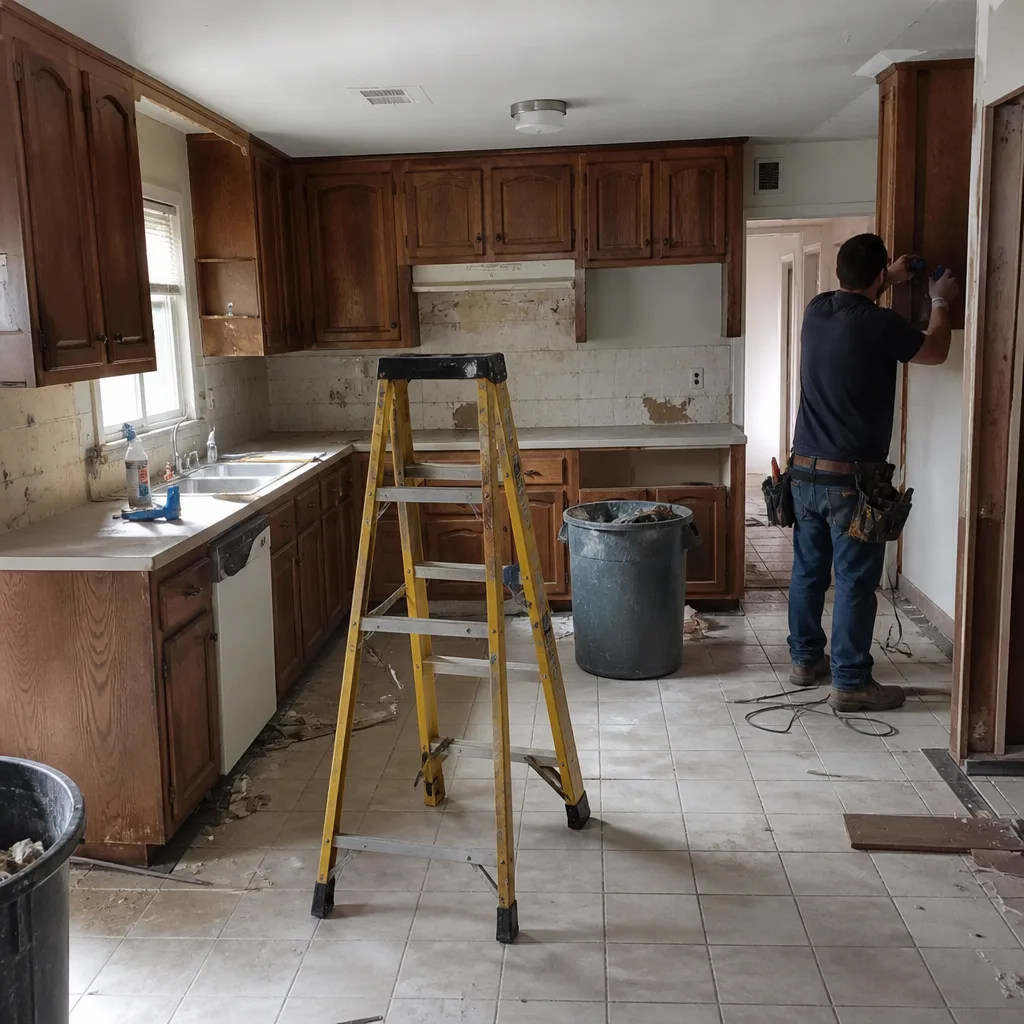 Before
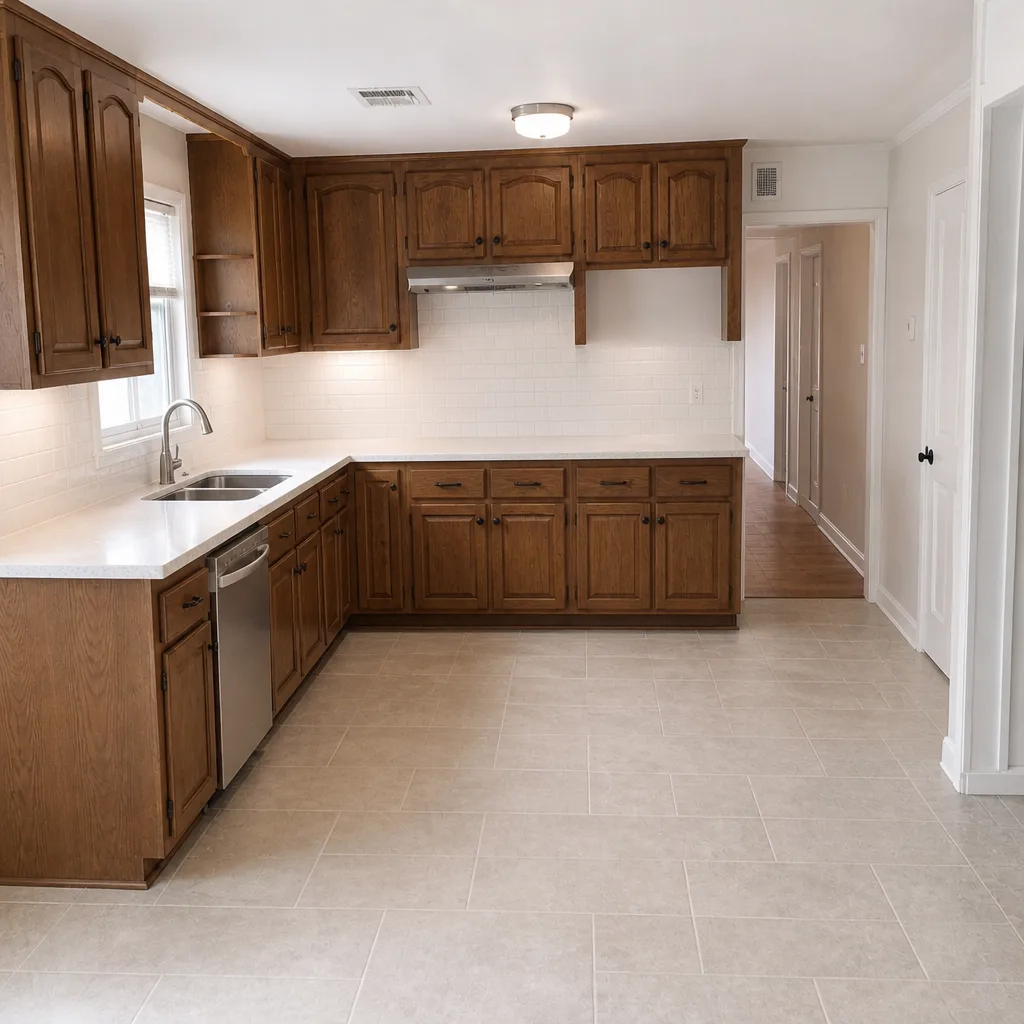 After
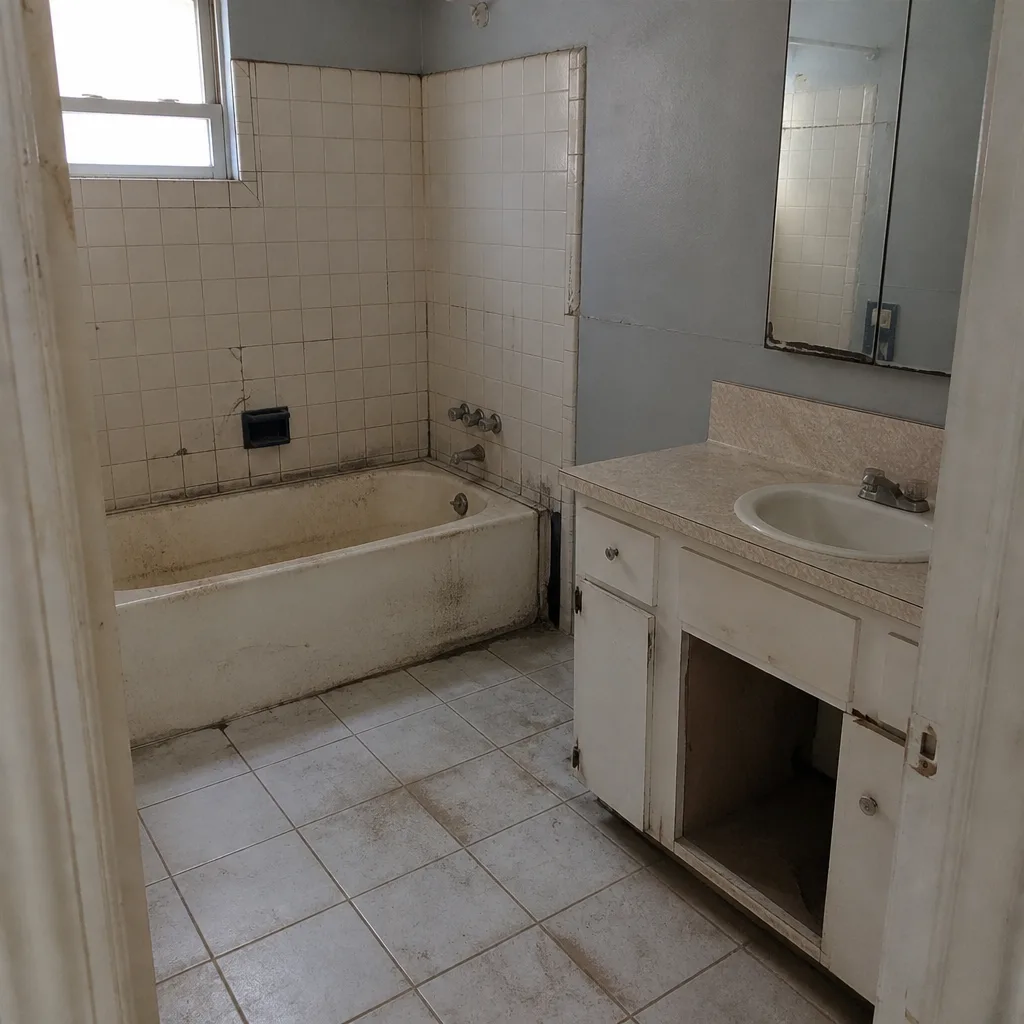 Before
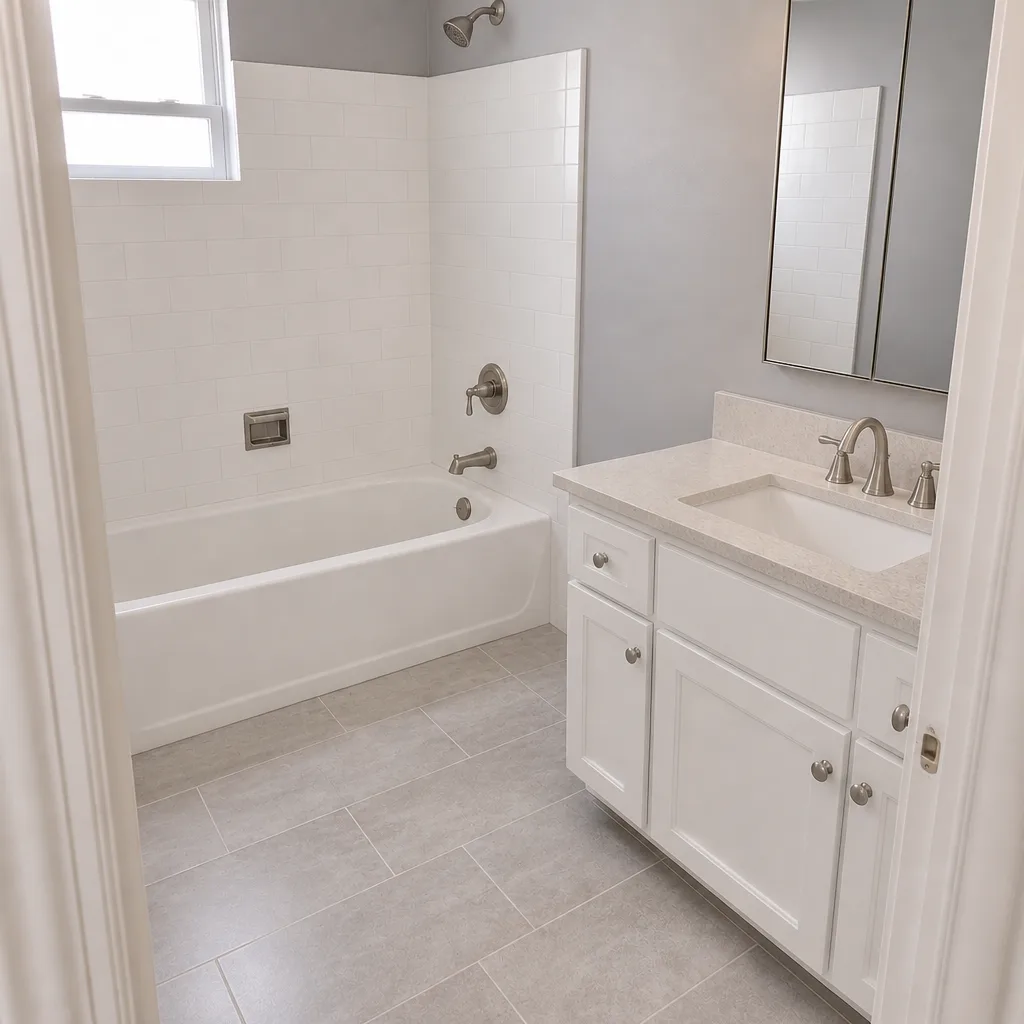 After
Window Design Pressure Ratings Explained for Spring Valley, NV Homes
A design pressure (DP) rating tells you how much wind load a window can handle before it flexes, leaks, or fails. The number runs from DP15 up to DP50 and higher, and it bundles three tests into one figure: structural strength, water resistance, and air infiltration. Most DP-rating guides are written for Florida hurricane zones. Here’s what those numbers actually mean when your windows face 110°F summers, near-freezing nights, and Mojave wind gusts in Spring Valley, NV. If you want the ratings on your own windows checked before you buy, call (888) 329-9414 and we’ll walk the specs with you.
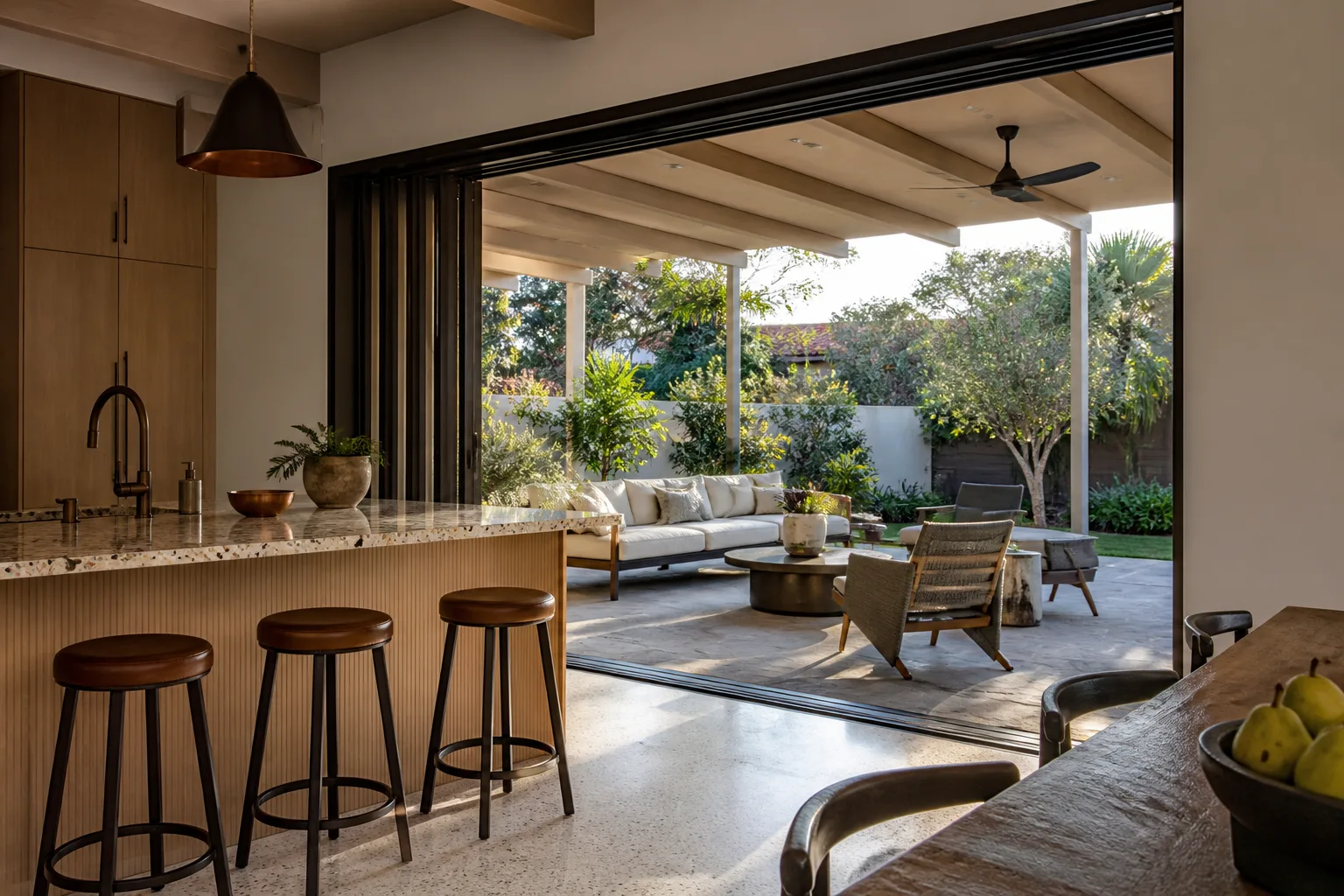
The short answer, then the desert twist
DP is a pressure number measured in pounds per square foot (psf). Wind pushing against the glass is positive pressure; the suction pulling it back out is negative pressure. A window rated DP40 is tested to withstand 40 psf of that push and pull without permanent damage. The higher the DP, the stronger the frame, the tighter the seals, and the better it holds up when the weather turns.
Where Spring Valley homeowners get misled is the assumption that desert means calm. It doesn’t. The western edge of Spring Valley near Rhodes Ranch sits at the foot of open ground where monsoon-season outflow winds and summer gusts load windows hard, and those gusts arrive at the worst possible time – right after a week of 110°F afternoons has already stressed the frame and seals. A window that’s only rated to hold a light coastal breeze is doing different work out here.
Why thermal swing matters as much as wind
Wind is the load a DP rating measures. Heat is what wears the window down between wind events. Spring Valley regularly swings 40°F or more in a single day – brutal afternoon highs that push glass and frames to expand, then near-freezing winter nights that pull them back. That cycle repeats thousands of times over a window’s life.
Every one of those cycles works the seals, the glazing gaskets, and the spacer system between panes. Builder-grade frames with thin walls and cheap spacers give up faster. A higher DP-rated frame (thicker extrusion, better internal reinforcement) and a low-expansion spacer system hold their shape through the cycling instead of slowly loosening. That’s why the premium for a stronger window pays back here in a way it wouldn’t in a mild climate – you’re buying decades of not chasing drafts.
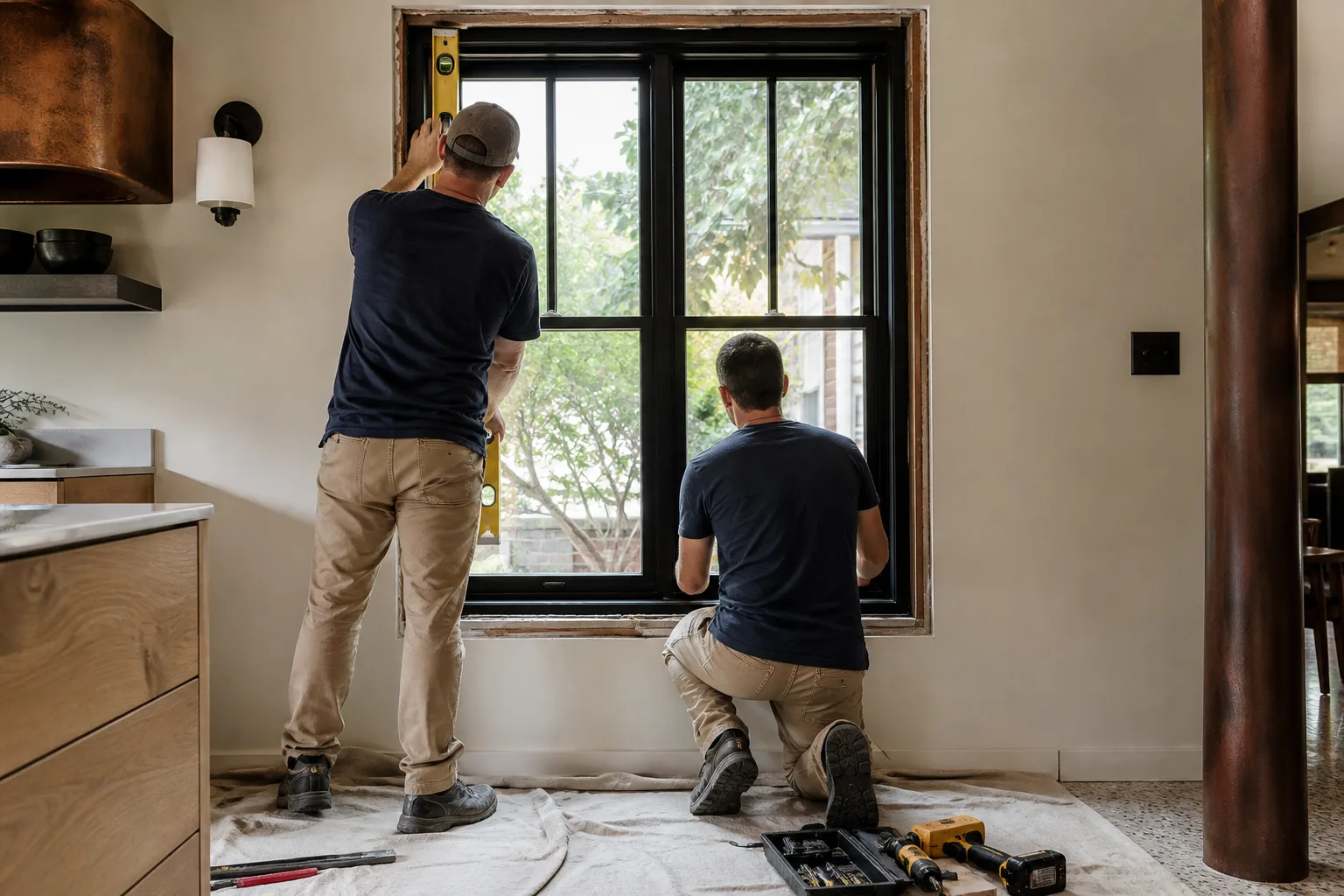
What those 1990s and 2000s tract homes actually have
Most of Spring Valley’s housing went up in the 1990s and 2000s as stucco-and-tile tract homes in gated master plans. Those builds were fitted with builder-grade aluminum-frame windows chosen to clear minimum code, not to perform across a desert envelope. They often carry DP ratings that look fine on paper for a protected site but leave little margin for a west-facing wall taking a monsoon gust after a heat wave.
Here’s the operator detail most guides skip: on a spec sheet, two windows can both say “energy-efficient” and carry wildly different DP ratings. The number you want is printed in the product data, usually right next to the U-factor and SHGC. If a sales rep can’t tell you the DP rating on the exact unit going into your wall, that’s your signal to slow down.
A real benchmark: what Andersen and Marvin offer
Instead of vague performance claims, compare actual numbers. The Windows & Doors lines we install include Andersen and Marvin, and both publish DP ratings you can hold a quote against.
- Andersen – the 400 Series and A-Series lines commonly reach DP40 to DP50 in standard configurations, with impact-rated options pushing higher for the walls that take the worst of it.
- Marvin – the Elevate and Essential collections typically land in the DP35 to DP50 range depending on size and operating style, with reinforced frames that handle the thermal cycling well.
- Larger units and wider expanses of glass carry lower DP ratings than small ones in the same line, so the rating on the brochure isn’t always the rating on your oversized picture window.
Those ranges give you something concrete to ask for. A DP40 window is a meaningfully stronger product than a DP25 builder unit, and on a Spring Valley wall that difference shows up in drafts, water intrusion, and how long the seals last.
Common local scenarios we run into
A west-facing great room in a 2003 tract home. Afternoon sun and monsoon gusts hit the same wall. The original aluminum sliders have loosened at the frame and the DP rating was never high enough for that exposure. We spec a higher-DP replacement and review the rating on paper before anything is ordered.
A Rhodes Ranch slope lot. Expansive desert soils and summer downpours move the ground, and that movement shows up at window openings as racking and seal gaps. A stronger frame tolerates that flex better than a thin builder unit.
A homeowner replacing “for energy efficiency” and getting talked into glass upgrades only. The glass matters, but if the frame and spacer are still builder-grade, the DP rating and the thermal-cycling performance don’t improve. We review the whole assembly, not just the pane.
How Groundwork prices windows differently
Upfront pricing, no surprises, means the spec sheet is reviewed with you before a contract is signed – including the exact DP rating going into each opening. You shouldn’t be discovering your window’s rating in a warranty dispute two years later. Every install is backed by the 730-Day Done Right Promise: if it’s not done right, we make it right. Our technicians have up to 12 years of experience, and calls are answered by a live person 24/7. Replacement windows in Spring Valley typically run $4,500-$15,000; impact-rated units run $8,000-$25,000 depending on count and rating. Financing at 0% for 18 months and $1,000 off projects over $10,000 are standing offers, and estimates are free.
Want to see how this fits the rest of your home’s exterior work? Start at our home page or check the Spring Valley service area for what we cover locally.
FAQs
For most Spring Valley homes, aim for DP40 or higher on exposed walls, and don’t go below DP35 on protected elevations. West-facing walls taking monsoon gusts and full afternoon sun benefit most from the stronger rating. Bring us your window count and wall exposures and we’ll tell you which ratings make sense.
Yes – Spring Valley’s thermal swing and Mojave wind events load windows harder than the “calm desert” reputation suggests. The 40°F-plus daily swings stress frames and seals, and a higher DP-rated frame with a low-expansion spacer lasts noticeably longer through those cycles. A low-DP builder window works harder here than it was built for.
Look for “Design Pressure” or “DP” followed by a number, usually next to the U-factor and SHGC. That number is the tested pressure load in psf. Check it against the exact size and style you’re buying, since larger units often carry a lower rating than the small sample on the brochure.
We can. We’ll review the frame, seals, and glazing for signs the thermal cycling has caught up with them, and compare what’s installed against the rating your walls actually need. Call (888) 329-9414 for a free estimate – we’ll give you a straight answer before you spend anything.
If you’d rather have it looked at, Groundwork Construction Co. of Spring Valley offers a no-pressure assessment in Spring Valley – call (888) 329-9414 for a free estimate.
Written by the team at Groundwork Construction Co. of Spring Valley, serving Spring Valley, NV.