Free written scope consultation - allowances, timeline, and change-order rules on paper before a single trade is scheduled
Styles & brands we work with
- Kitchen remodeling
- Bathroom remodeling
- Home additions & ADU
- Roofing
- Windows & doors
- Driveway & pavers
- Fence
See the difference
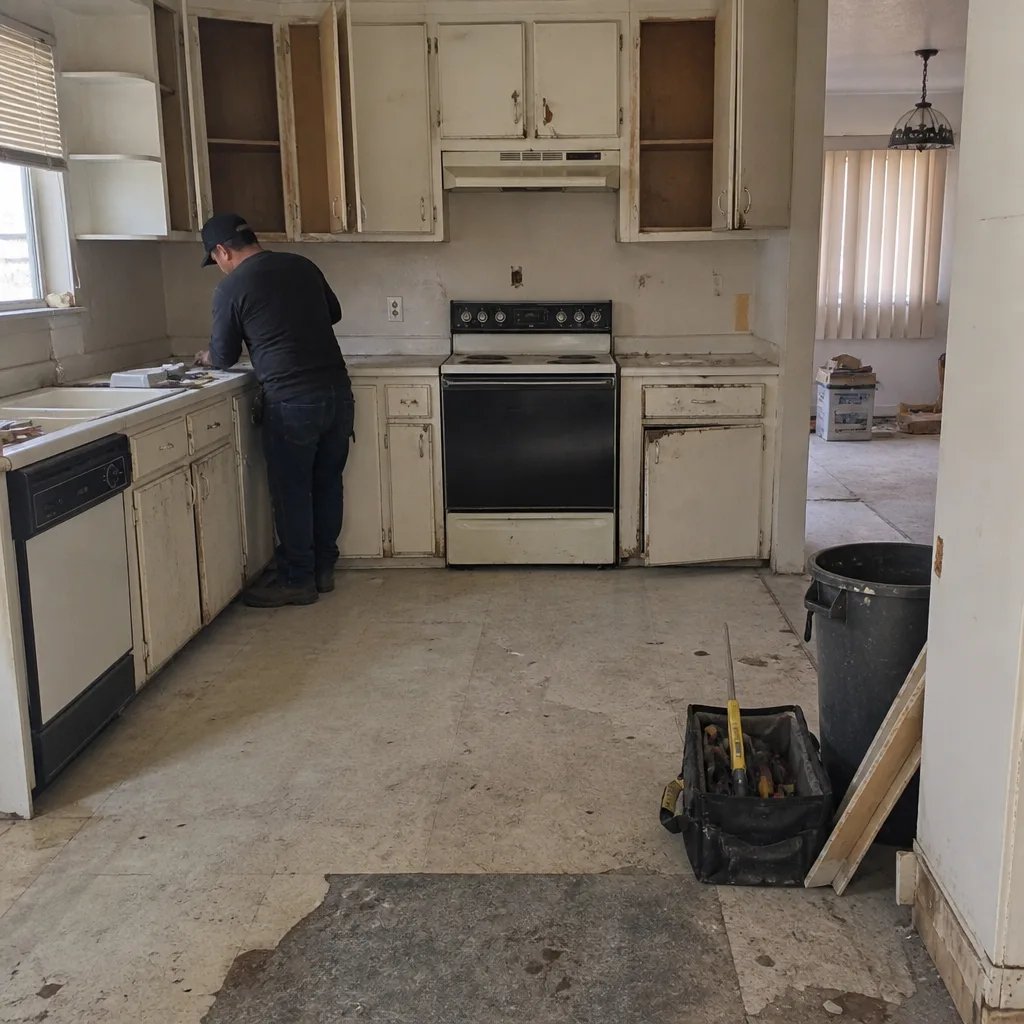 Before
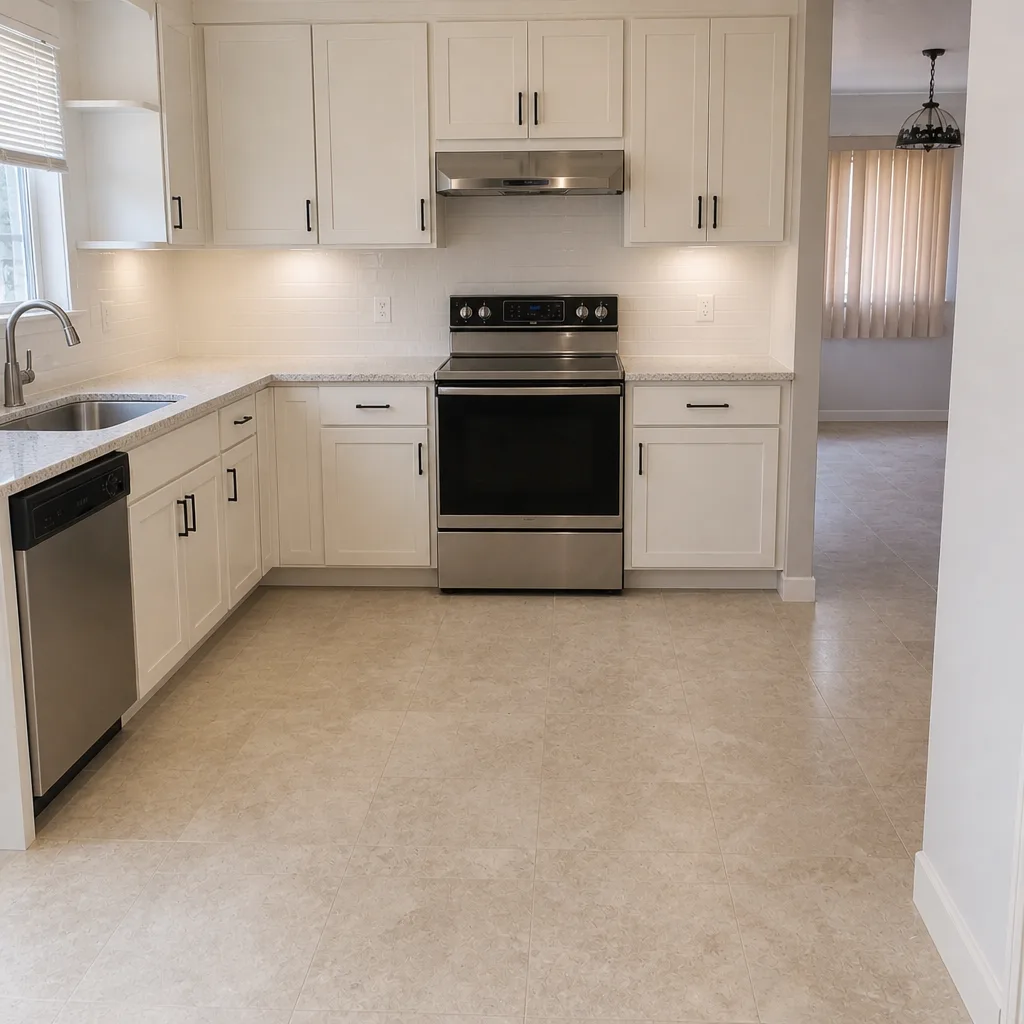 After
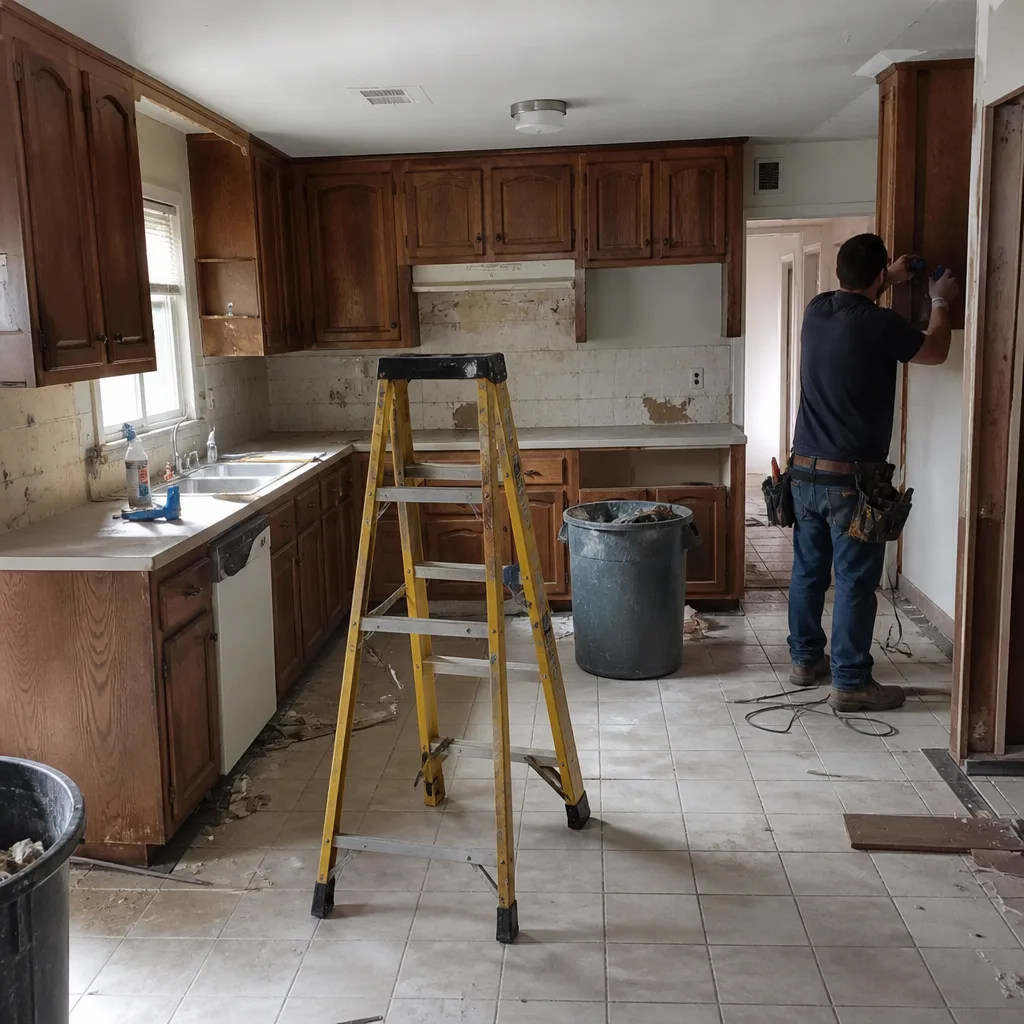 Before
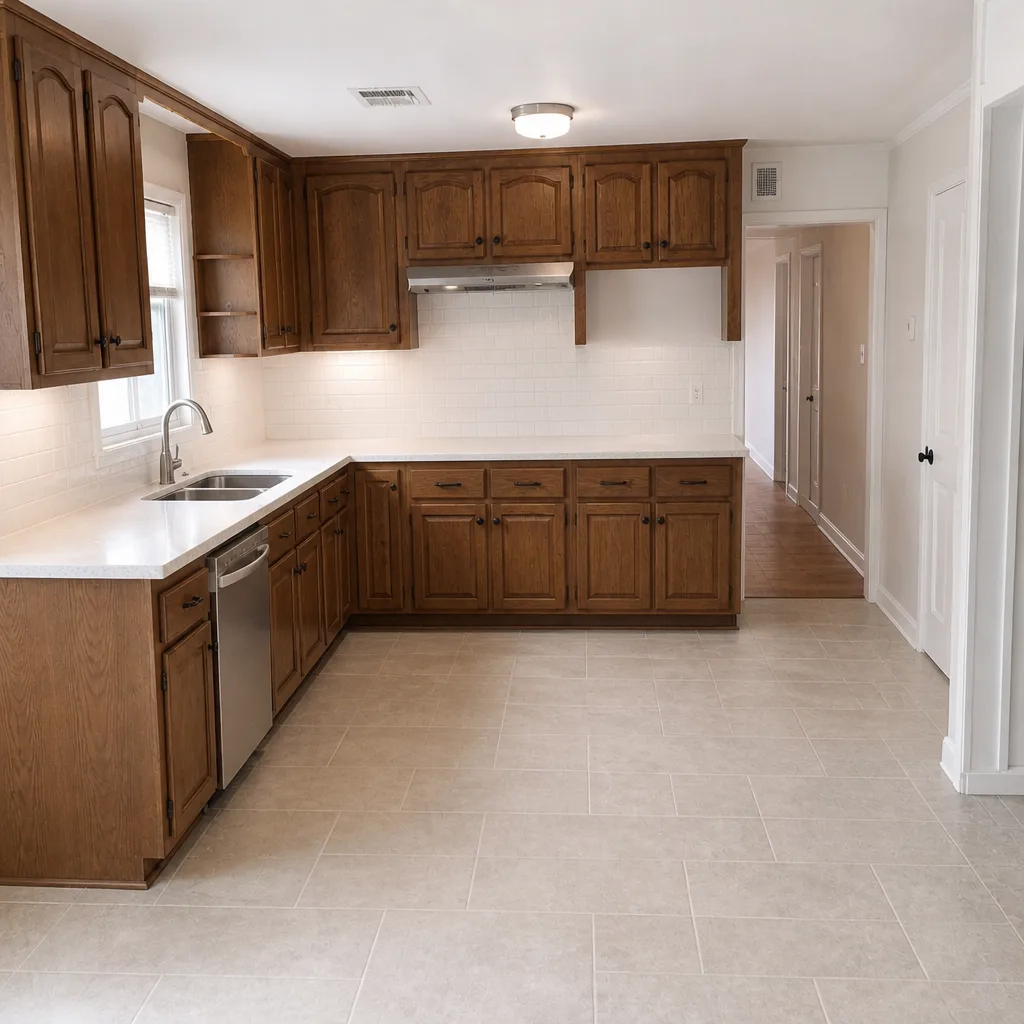 After
 Before
 After
How Deep Should Fence Posts Be in Spring Valley, NV? The Short Answer
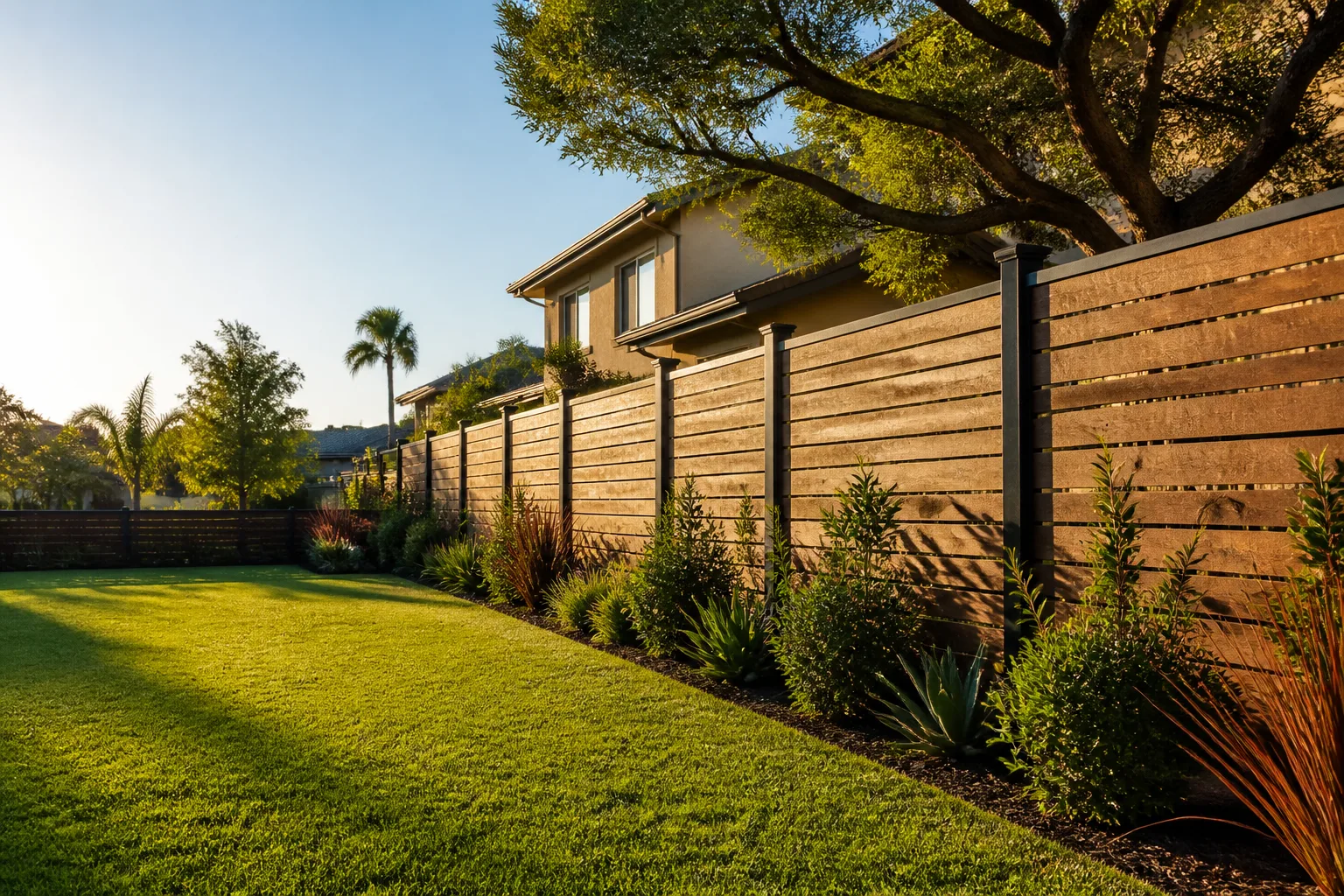
Set fence posts a minimum of 36 inches deep in Spring Valley, and go to 42 inches for a 6-foot privacy fence on the expansive desert soils near Rhodes Ranch and the western slope communities. The textbook “one-third of post height” rule that works in Ohio fails here, because monsoon saturation and 110°F thermal cycling move the ground in ways that shallow footings can’t handle. If you’d rather not gamble on a fence that leans within three summers, call Groundwork Construction Co. of Spring Valley at (888) 329-9414 for a free estimate.
That’s the number most homeowners need. The rest of this page explains why it’s higher than what a national building guide tells you, what changes the calculation on your specific lot, and where a do-it-yourself approach quietly goes wrong before the first board is even nailed up.
Key Takeaways
- Standard minimum depth in Spring Valley: 36 inches. Use 42 inches for 6-ft privacy panels on expansive-soil lots.
- Corner and gate posts need at least 1.5× the line-post depth because they carry swing torque and panel tension.
- Caliche hardpan sits at 18-24 inches on many Spring Valley parcels. The footing must punch through it, not rest on top.
- A wider bell-shaped footing base resists desert soil expansion, not just frost heave.
- Every post Groundwork sets is verified by soil conditions on site, not by a formula from a book.
Why the 1/3 Rule Breaks Down in Spring Valley
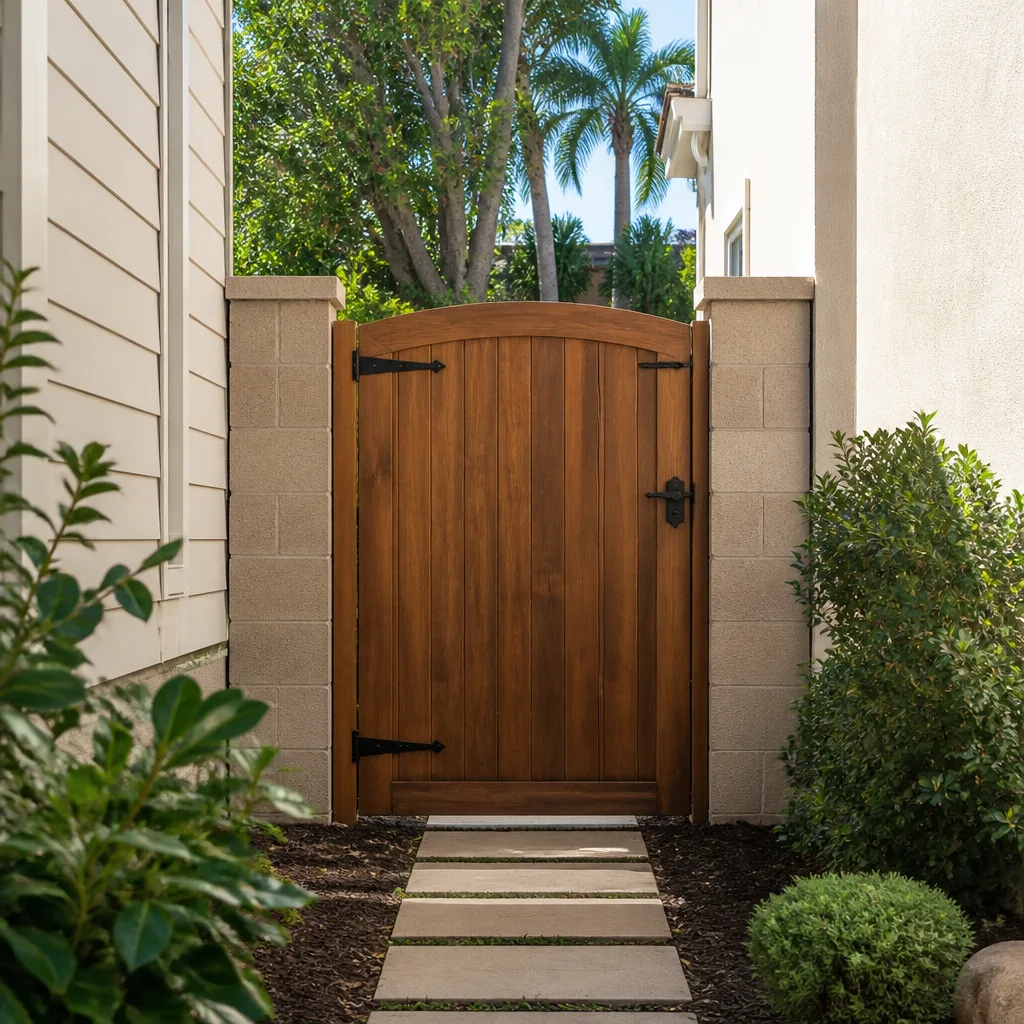
The 1/3 rule assumes stable soil. In Spring Valley, the soil is not stable. These Mojave lots sit on expansive desert ground that absorbs water when the summer monsoon dumps an inch in an hour, swells, and then shrinks hard as the ground bakes back out in July’s 110°F heat. Clay-heavy soils near Rhodes Ranch and along the western slope communities push laterally against anything buried in them. A post set 24 inches down in that ground holds fine for a season or two, then the cycle gets it.
Fences fail here in a specific, predictable way: the post doesn’t snap, it tilts. Once one post leans, the panels rack, the gate drags, and the whole run goes. We’ve seen it across the 1990s-2000s tract-home subdivisions that make up most of Spring Valley’s housing stock, where the original builder-grade fences are now deep into their second decade and showing the result.
Deeper is the fix, and 36 inches is the floor rather than the target. For a 6-foot privacy fence, 42 inches is what we recommend on the lots that move the most. That extra 6 inches of embedment does two things: it reaches past the topmost soil layer that does the most swelling, and it puts more concrete surface area against the surrounding soil so expansion pressure spreads out instead of levering the post loose.
Caliche: The Spring Valley Surprise at 18 to 24 Inches
Here’s the problem most guides never mention. On many Spring Valley parcels, diggers hit caliche hardpan somewhere between 18 and 24 inches. It feels like hitting rock, and a lot of homeowners stop there and call it good. That’s the worst possible outcome: the post ends up sitting in loose sand above a dense natural layer that won’t bond with the concrete around it. The footing has nothing solid to grip, and the first real monsoon proves it.
The right approach is to punch through the caliche rather than perch on it. That may mean a digging bar, a rotary hammer, or a slow afternoon, but the concrete has to reach real soil and lock into it. Every fence job is different, which is exactly why Groundwork’s crews set posts based on the soil they actually find on site, not a depth pulled from a national chart. That judgment is backed in writing by our 730-Day Done Right Promise: if it’s not done right, we make it right.
Why the Footing Gets Wider at the Base
Bell-bottom footings, wider at the base than the shaft, are standard in cold climates to resist frost heave. Spring Valley doesn’t get the deep freezes that drive that spec, but the wide base earns its keep here for a different reason: it turns back soil expansion. When monsoon water swells the ground, a bell-bottom footing has a broad concrete shoulder pushing back against the surrounding soil in every direction. A straight-sided hole with a straight-sided post gives the swelling soil a clean path to lift and tilt.
Winter nights here drop to freezing and summer days top 110°F, and that swing is relentless. It works on stucco, flatwork, and fence footings alike, which is why exterior maintenance in Spring Valley is a recurring need rather than a one-time fix. A properly shaped footing is how you keep that cycling from turning into a leaning fence. It’s the same long-horizon thinking that runs through all our work, from fencing to home envelope repairs.
Corner and Gate Posts: The 1.5× Rule
Corner and gate posts carry at least 1.5× the depth of the line posts between them. That rule holds everywhere, but the reason it matters in a desert swing climate is worth spelling out:
- Gate torque. A hinged gate swings out and back thousands of times. Each swing levers the post slightly, and in soil that has already loosened from swelling, small levers add up.
- Panel tension. Corner posts anchor the run in two directions at once, so they take the accumulated pull of every panel behind them.
- Thermal movement. The extreme daily swing in Spring Valley works the hardware and the post joint, so a post set only as deep as its neighbors wobbles that much sooner.
If a gate post goes 36 inches on a lot where line posts go 36, expect the gate to sag first. Give the post the extra depth it earns and the gate hangs true.
What a Spring Valley Fence Actually Costs
Concrete numbers help. Here’s what fence installation runs in Spring Valley, including the deeper footings this soil demands:
| Line item | Typical range in Spring Valley |
|---|---|
| Vinyl fence installation | $3,500-$9,000 |
| Aluminum fence installation | $4,000-$10,000 |
| Overall fence project (this page’s lead range) | $3,500-$9,000 |
Depth drives cost more than material does. A run of posts that has to punch through caliche and go 42 inches with bell-bottom footings takes longer and uses more concrete than one set 24 inches in soft loam. That’s part of why a Spring Valley fence quote reads higher than a quote from a flatter, older-soil neighborhood in central Las Vegas. Upfront pricing, no surprises, is how we quote every project, and our 0% financing for 18 months plus $1,000 off projects over $10,000 spreads the cost of doing it right.
When it’s time to build, we set quality materials from partners like James Hardie alongside the structural work, so the fence isn’t the only part of the property built to last. If you’re comparing options, our Fence Installation service page covers materials and panel styles in detail, and the full Fence Installation in Spring Valley page walks through what a local install involves.
Common Local Scenarios
The gated tract-home lot in the western slope communities. Builder-grade fence from the early 2000s, posts set shallow by the original installer, and now leaning after a couple of heavy monsoon seasons. The fix is pulling the old footings, punching through caliche, and resetting to 42 inches with a wider base.
The corner lot near Rhodes Ranch. More wind exposure and more gate traffic, so the corner and gate posts get 1.5× depth while the line posts stay at the 36-inch minimum. The gate stays aligned and the run stays square.
The back wall replacement after a fence blow-down. A wind event takes a panel out and the homeowner finds the post footing was sitting on top of a caliche layer. This one gets dug properly the second time, which is the whole point.
Any of these sound familiar? Call our team and we’ll tell you straight what your fence needs.
Frequently Asked Questions
For a 6-foot privacy fence, set posts a minimum of 36 inches deep, and go to 42 inches on expansive-soil lots in Spring Valley. The extra depth reaches past the swelling top layer and gives the footing more surface to resist soil movement. Call (888) 329-9414 for an exact recommendation based on your lot.
You need to dig through it. Caliche hardpan sits at 18-24 inches on many Spring Valley parcels, and a post that stops on top of it sits in loose sand that won’t bond with the concrete, so the footing fails at the first monsoon. The right move is to punch through to solid soil and set the post to full depth, or call us and let our crews handle it.
Fence installation in Spring Valley typically runs $3,500-$9,000, with vinyl in that same range and aluminum running $4,000-$10,000. Depth and soil conditions drive the final number more than material does. Call (888) 329-9414 for a free, no-hassle quote.
Yes. We offer free estimates and can assess whether your posts are set deep enough or already leaning from soil movement. Our technicians have up to 12 years of experience, and every project is backed by our 730-Day Done Right Promise. Call (888) 329-9414 to book a visit.
Get It Set Right the First Time
If you’d rather have it looked at, Groundwork Construction Co. of Spring Valley offers a no-pressure assessment in Spring Valley. We’ll check your soil conditions, tell you what depth your posts actually need, and back the work with our 730-Day Done Right Promise. Call (888) 329-9414 for a free estimate - calls are answered by a live person, 24/7.
Written by the team at Groundwork Construction Co. of Spring Valley, serving Spring Valley, NV.