


Free written scope consultation - allowances, timeline, and change-order rules on paper before a single trade is scheduled
Styles & brands we work with
- Kitchen remodeling
- Bathroom remodeling
- Home additions & ADU
- Roofing
- Windows & doors
- Driveway & pavers
- Fence
See the difference
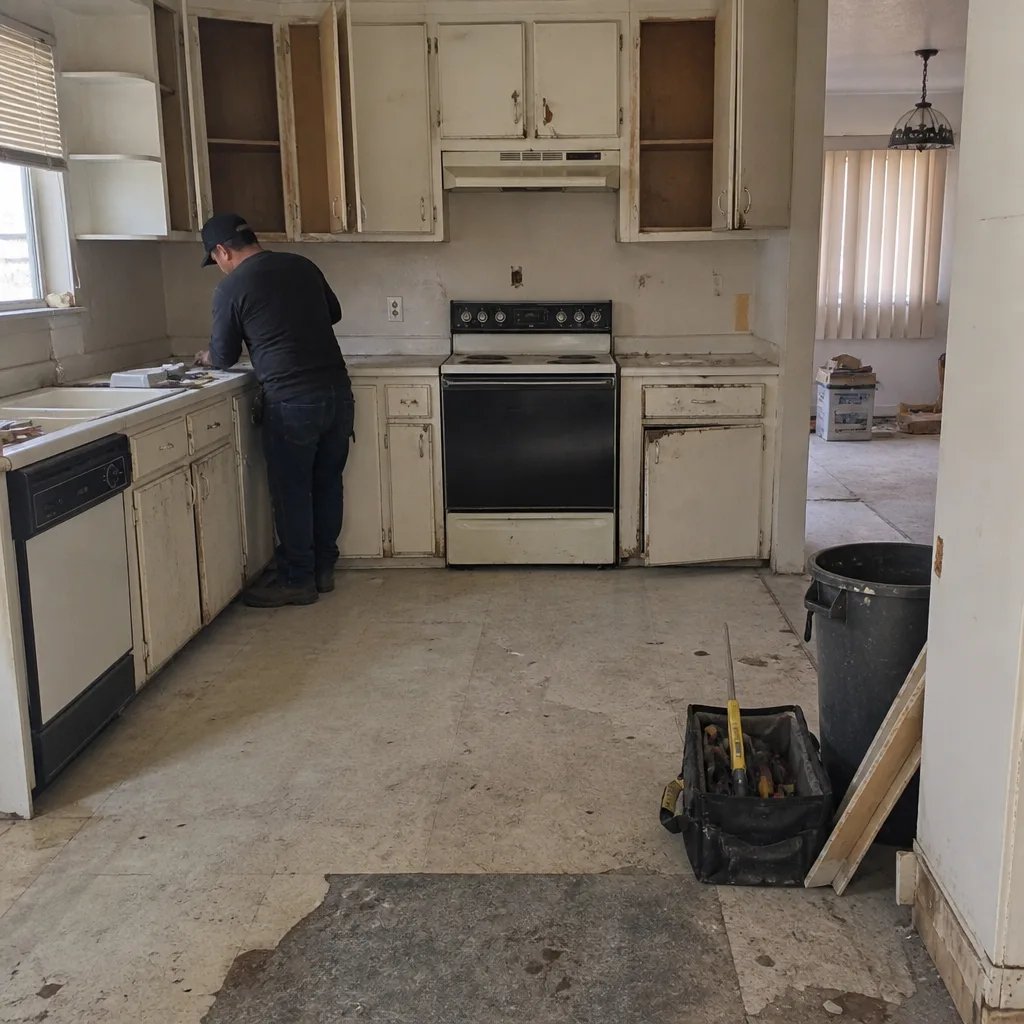 Before
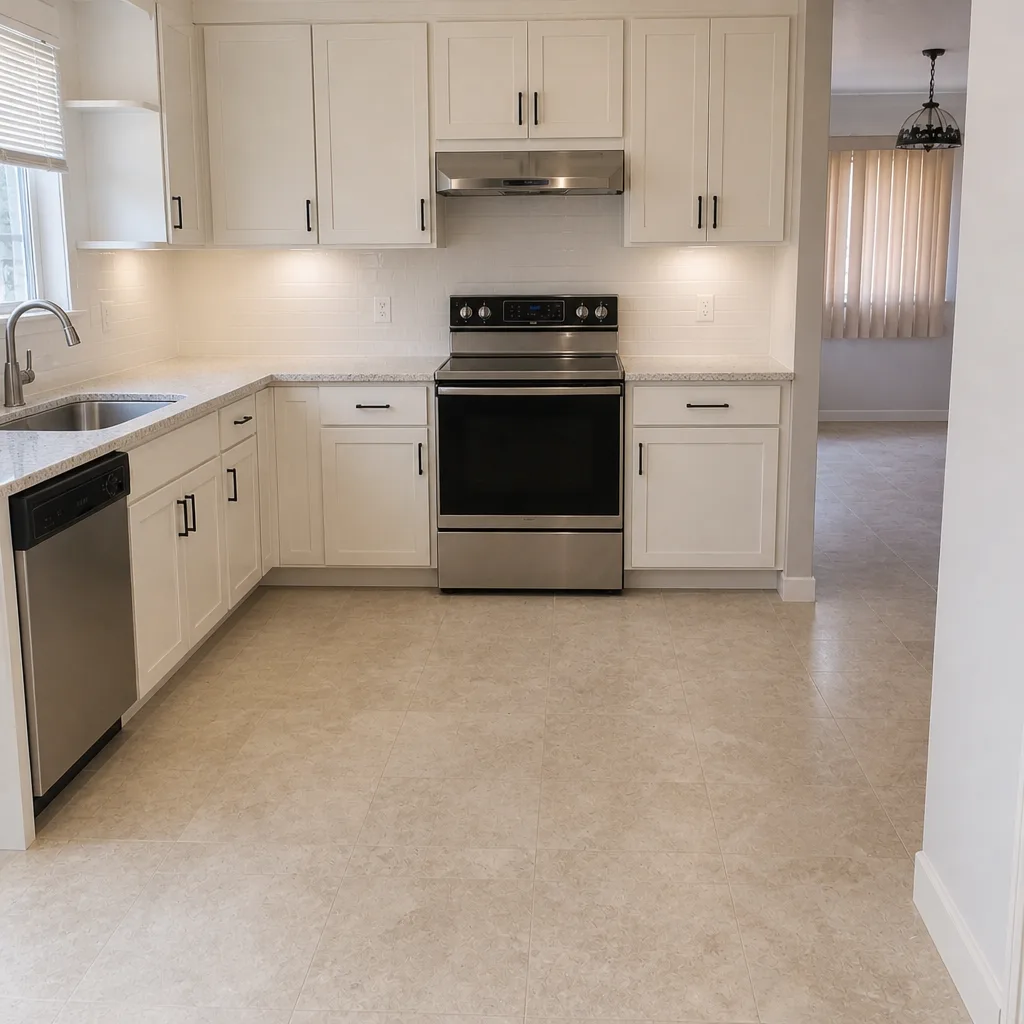 After
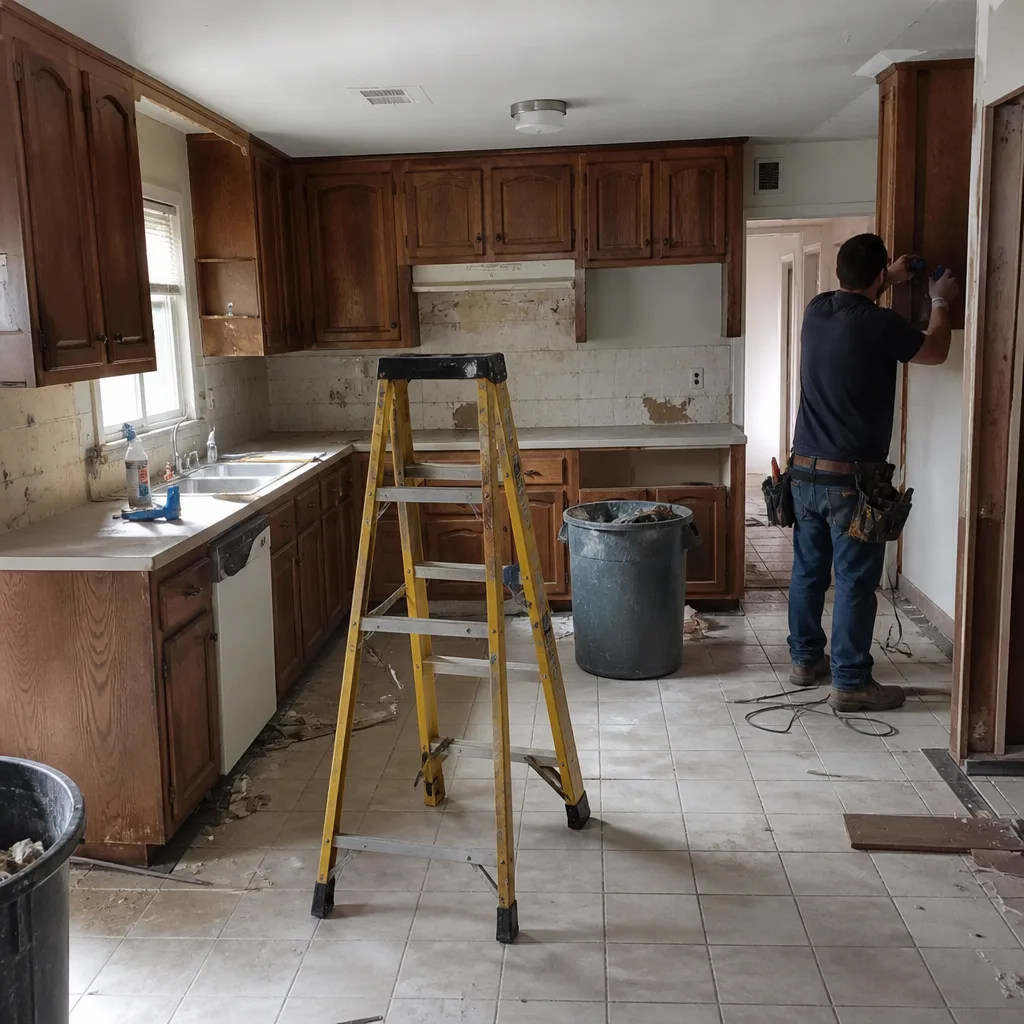 Before
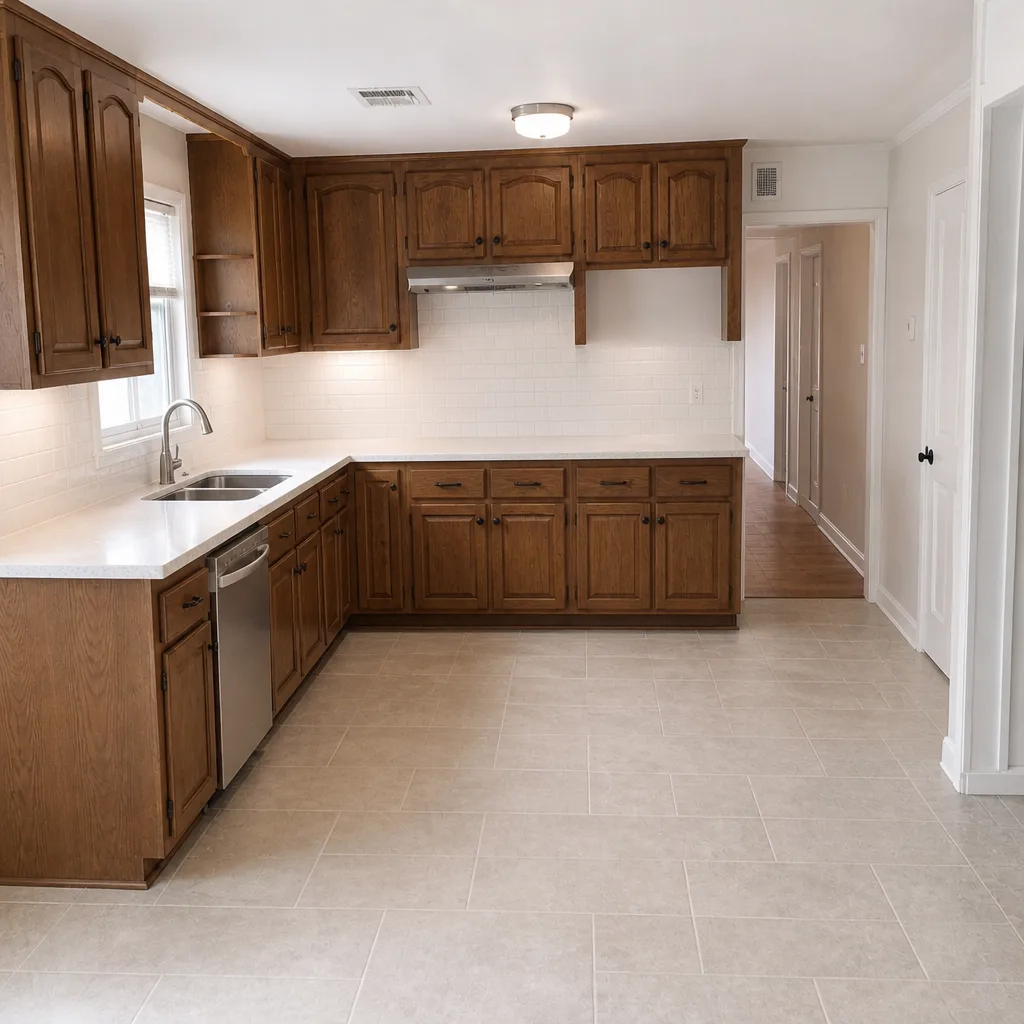 After
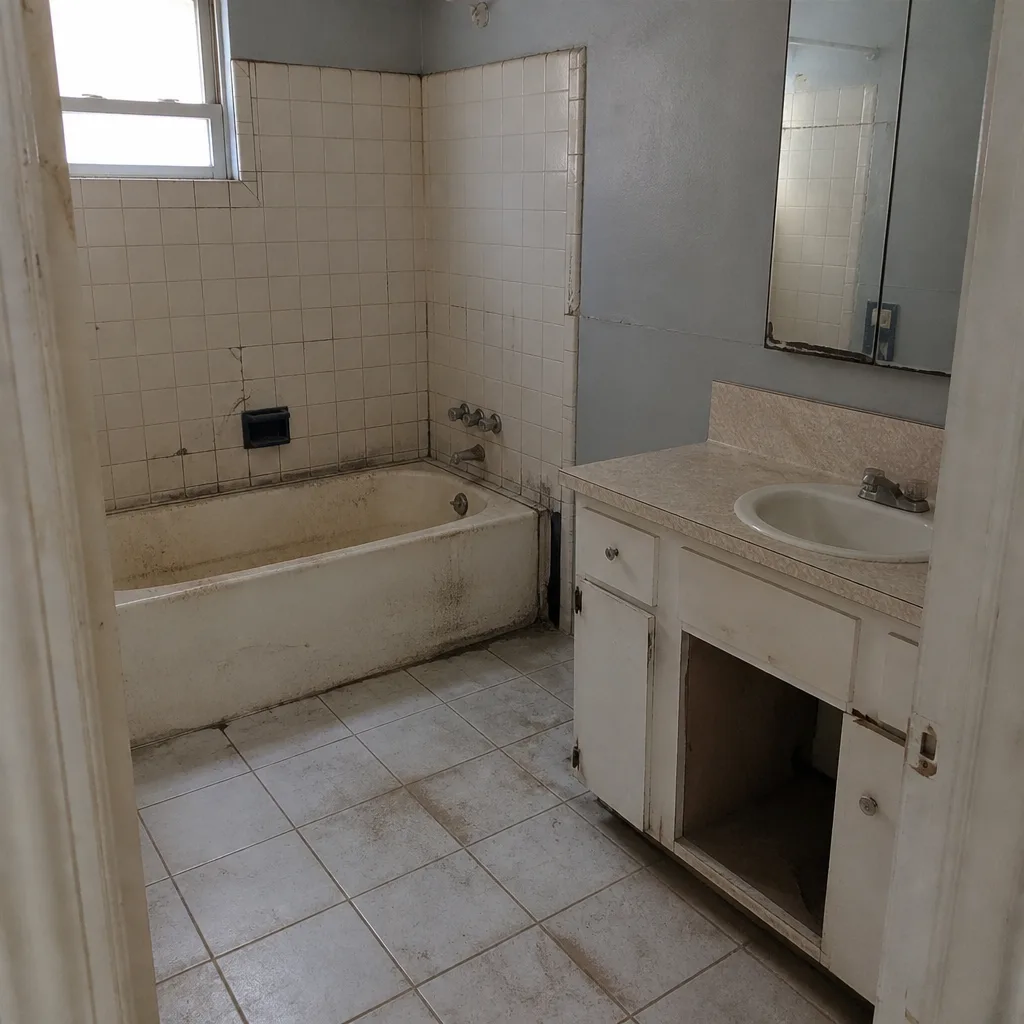 Before
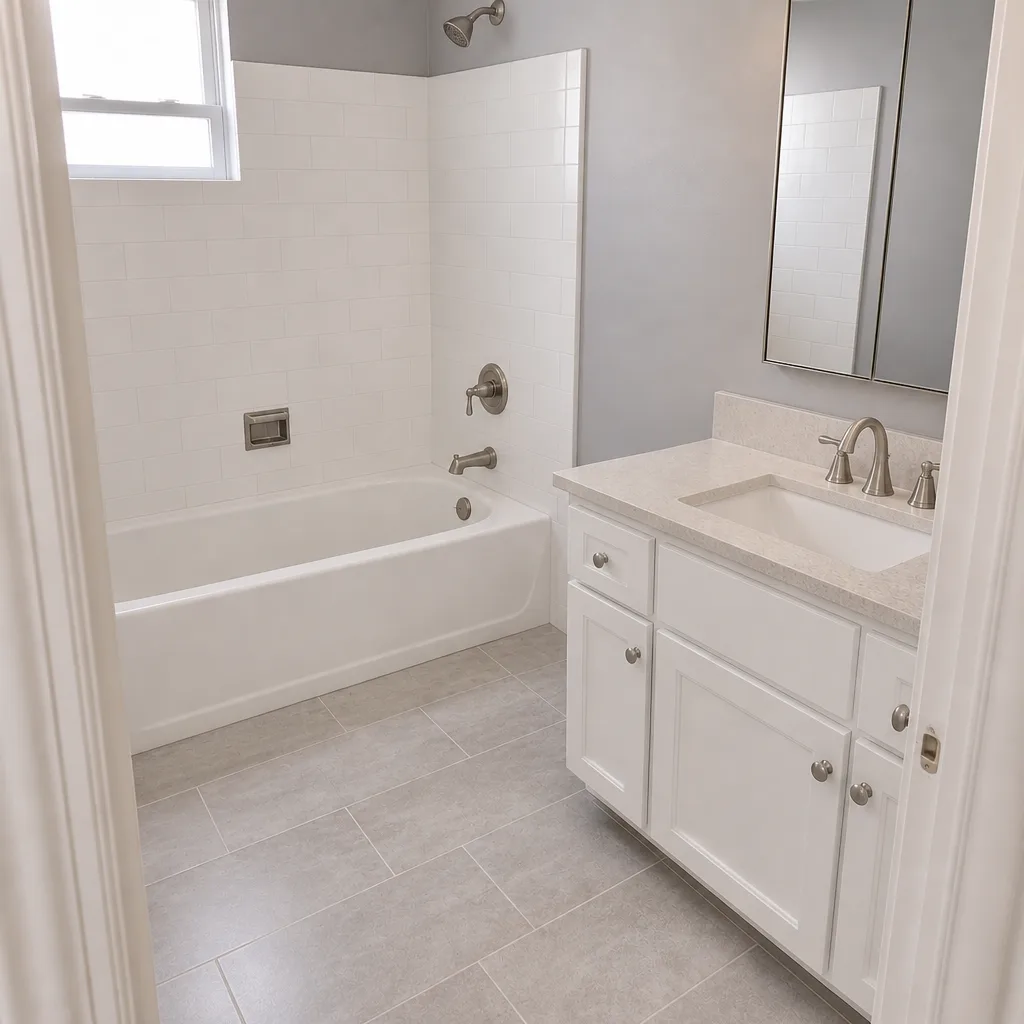 After
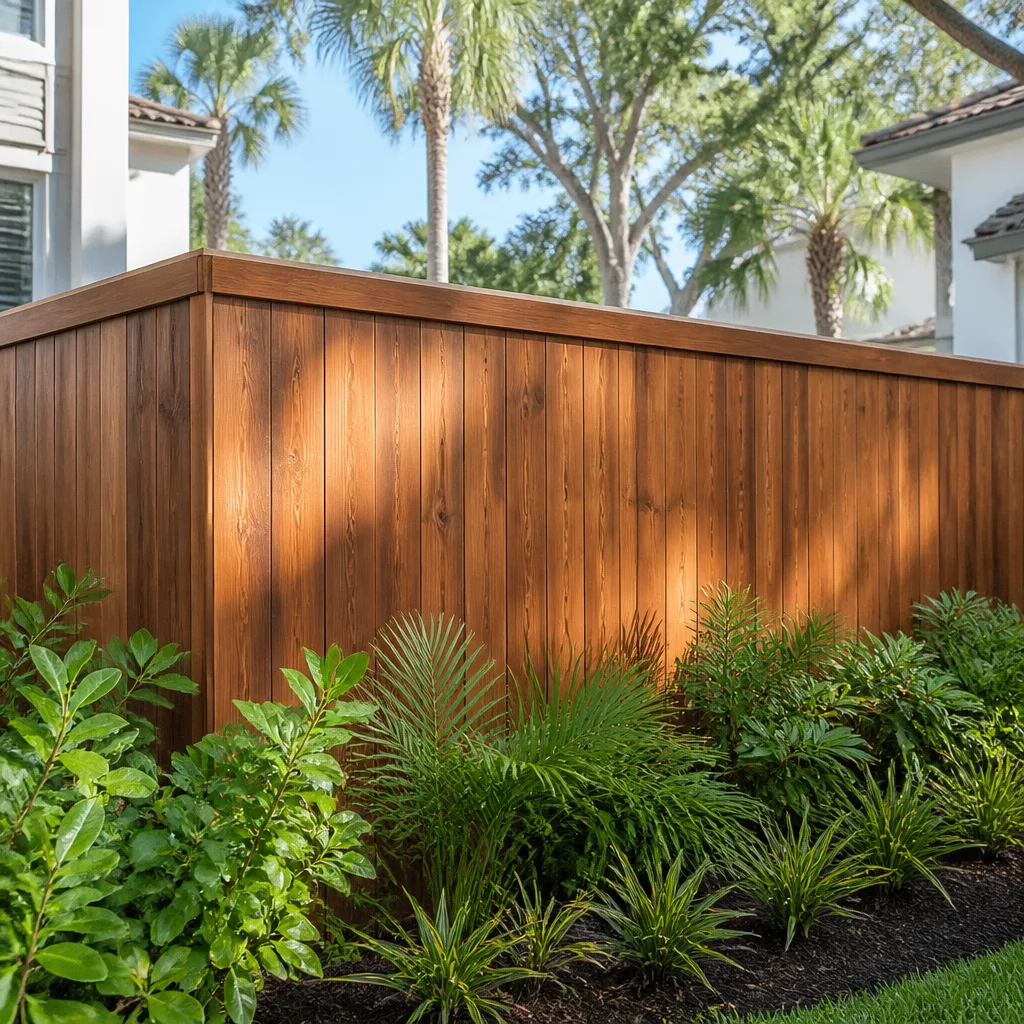
How to Stain a Wood Fence in Spring Valley, NV (And Why Timing Decides Whether It Lasts)
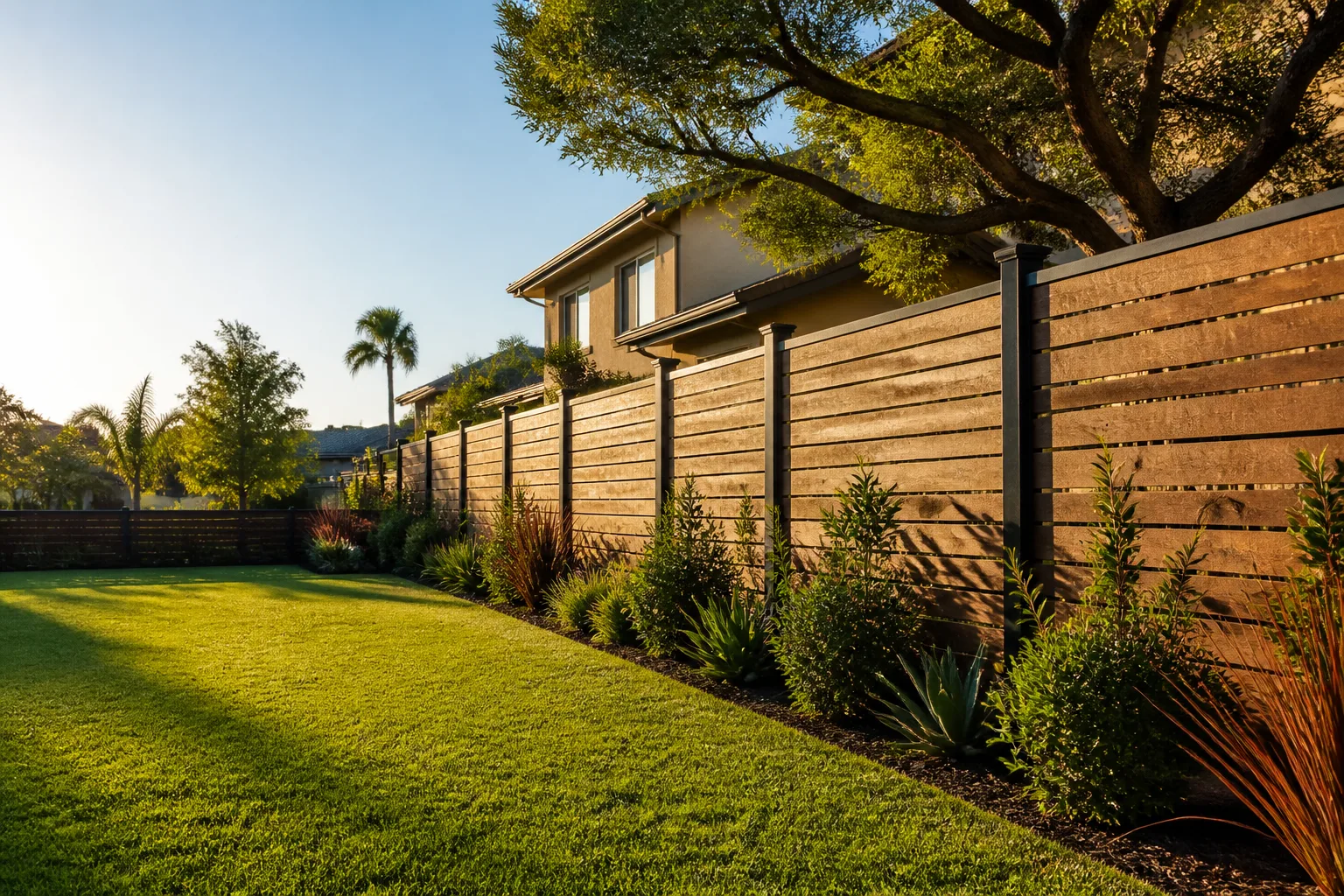
Stain your wood fence when the surface temperature of the boards is below 90°F, using a UV-blocking penetrating oil stain on clean, dry, fully prepped wood, and expect to reapply every 2-3 years in Spring Valley. Get the timing wrong and the stain flash-dries on the surface instead of soaking into the grain, which is exactly why a coat applied in June at 2 p.m. can peel within a season. In Spring Valley, timing isn’t a tip, it’s the whole job. If you want it read correctly the first time, call (888) 329-9414.
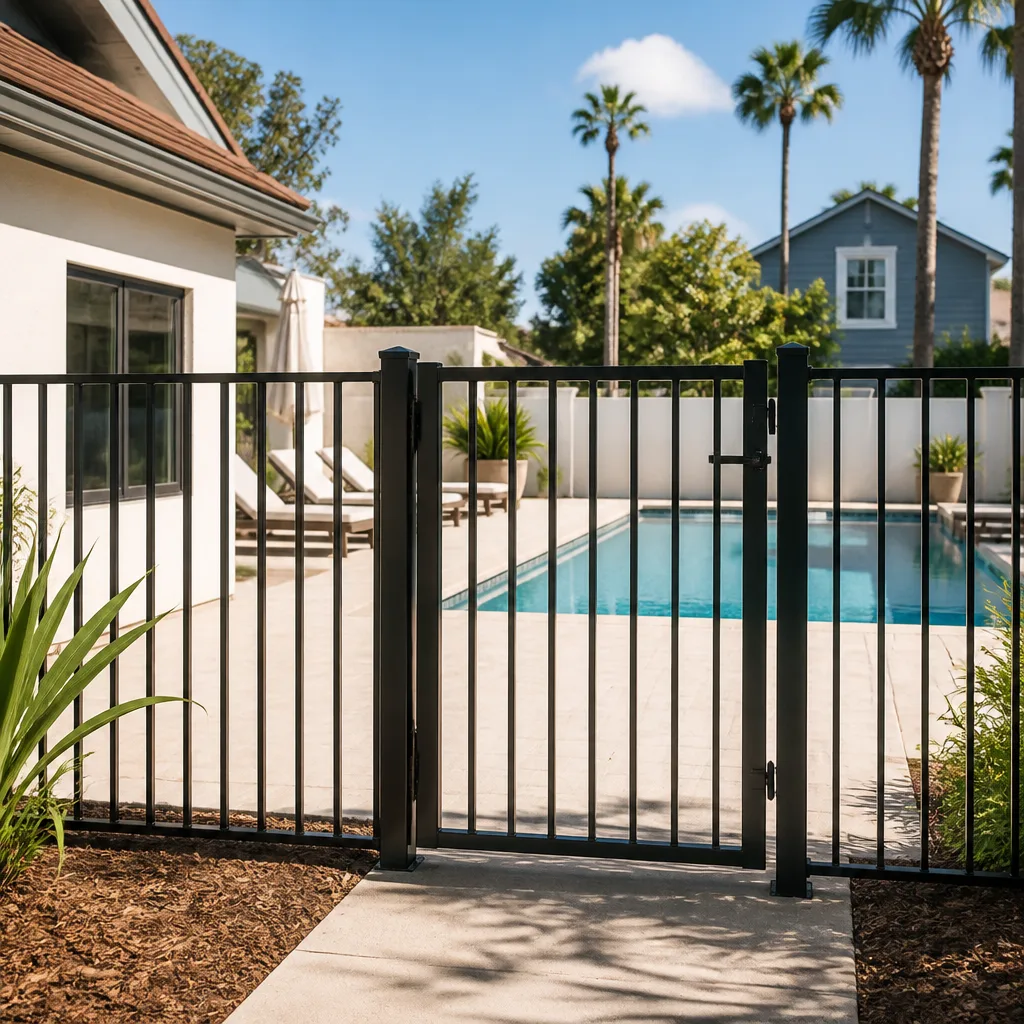
Why Spring Valley Heat Breaks the Normal Staining Rules
Most online guides are written for temperate climates, and they quietly assume a summer afternoon is fine. In Spring Valley it isn’t. Once air temperature pushes past 90°F, and it does for weeks at a stretch, a penetrating stain begins curing on the board face before it can move into the grain. You end up with a thin film sitting on top of the wood rather than a finish bonded inside it. That film is what fails first, curling and flaking off at the edges.
The gap between air and surface temperature catches people out. Air at 108°F in July is already brutal, but a south-facing fence board catching direct sun reads far hotter, hot enough that a hand laid flat on it won’t linger. Shade boards on the north side of a yard can be thirty degrees cooler at the same moment. That’s why a fence stained in one long afternoon against a deadline can look patchy: one run of boards bonded, another run filmed.
Practically, this means Spring Valley homeowners get two useful windows. Early morning, before the sun has cooked the wood, through spring and fall. Or wait for the shoulder months entirely. Peak summer, mid-morning to late afternoon, is the wrong time to be on a brush or sprayer, no matter what the forecast says.
What You’re Actually Applying in the Mojave
The Mojave sun bleaches and oxidizes wood surface cells within months of a fresh coat. That single fact drives the product choice. A film-forming latex stain fights the wood and loses; the desert will peel any surface film within one to two seasons. A UV-blocking penetrating oil stain moves with the wood, feeds the grain, and gives the surface a fighting chance against the UV load Spring Valley sees all year.
Look for a penetrating oil with real UV inhibitors, not a paint-and-stain hybrid. On the finish side, Fence Installation talks through how we spec fence materials and finishes for a yard in the first place, and the same logic applies to what goes on an existing fence.
Desert-Specific Prep Most Guides Skip
Prep decides more of the outcome than the product does. Two problems show up again and again on wood fencing around Spring Valley, and both need fixing before a drop of stain goes down.
- Monsoon moisture and mold. Late-summer downpours drive moisture into fence boards, especially near the bottom rail and shaded runs. Treat mold with a bleach solution and let the wood dry fully before staining, never after. Staining over damp or mildewed wood traps the problem under the finish.
- Mineral salt deposits. As concrete post footings cure and weather, mineral salts migrate out and leave white crusting on the boards touching the concrete. Neutralize and rinse that before staining, or the finish won’t bond there.
- Surface temperature check. Air temperature is not the reading that matters. Check the board itself, in shade and in sun, before you start.
- Moisture check. Wood needs to be genuinely dry through the grain, not just dry to the touch after a rinse.
None of that is hard, but all of it has to happen in order. The thermal cycling Spring Valley sees, from 110°F summers down to near-freezing winter nights, works against every finish and every joint on a fence. Prep is how you slow that cycle down.
The Maintenance Math: Restaining vs. Replacing
Here’s the ROI case in plain numbers, using the same ranges we quote across our home work in Spring Valley.
| Item | Typical Spring Valley Range |
|---|---|
| Professional fence staining (prep + UV oil finish) | $3,500-$9,000 |
| Vinyl fence installation (replacement benchmark) | $3,500-$9,000 |
| Aluminum fence installation (replacement benchmark) | $4,000-$10,000 |
Restaining every 2-3 years keeps a wood fence in service for decades and is a fraction of the cost of pulling and replacing the run. Reapplication intervals that work in temperate climates, the five-year window you’ll see quoted everywhere, don’t hold here. Spring Valley’s UV load is simply too high for that cadence, and a homeowner stretching to five years is usually watching the finish fail in year three. Skipping maintenance entirely shortens the fence’s life and eventually pushes you toward replacement instead of upkeep. Our technicians have up to 12 years of experience reading exactly this kind of finish failure, and it’s rarely the product’s fault.
When to Call a Pro Instead of Staining It Yourself
Staining a fence isn’t dangerous the way a roof is. What it is, is timing-sensitive and prep-heavy, and that’s where a crew saves you. If you’re on a tight weekend, working in peak summer, or facing a mold or salt problem you’re not sure how to treat, an honest assessment is worth more than a bucket of the wrong product. Groundwork Construction Co. of Spring Valley applies a UV-blocking oil finish, preps for desert conditions, and backs the work with the 730-Day Done Right Promise. If our finish work separates or peels because of improper prep, the wrong product, or applying under the wrong conditions, we make it right, without an argument.
On the slopes near Rhodes Ranch, where desert soils shift and downpours push moisture toward fence lines, getting prep and drainage right matters that much more. For fence repair or a full run in Spring Valley, the Fence Installation in Spring Valley page covers materials, finishes and what to expect, from PGT and CWS vinyl options to UV-rated coatings.
Key Takeaways
- Stain only when the board’s surface temperature is below 90°F: early morning in spring or fall, not midday summer.
- Use a UV-blocking penetrating oil stain, never a film-forming latex, in the Mojave sun.
- Bleach out monsoon mold and neutralize footing salts before staining, not after.
- Reapply every 2-3 years in Spring Valley, not the five-year window from temperate-climate guides.
FAQs
Yes, but only early in the day before the boards heat up, and it’s risky in peak July and August. Once surface temperature pushes past 90°F, a penetrating stain flash-dries on the face instead of soaking in, and you get peeling within a season. Fall and early spring are far safer windows. Call (888) 329-9414 for a free estimate if you want it timed right.
Under 90°F on the board itself, not the air. A south-facing fence in July can run far hotter than the air temperature, so shade and early-morning application are the way to get the wood into range. Call us for an exact quote on prep and staining before you commit a weekend to it.
Every 2-3 years at most, given the Mojave UV load. The commonly cited five-year window assumes a milder climate and doesn’t hold here. Staying on that cadence is far cheaper than replacing the run. Estimates are free, so call (888) 329-9414 to get yours.
Most likely either wrong application temperature or a film-forming stain that couldn’t bond. If a coat went on during a hot afternoon, it dried on top instead of soaking in. Prep issues like trapped mold or salt crusts cause peeling too. Call (888) 329-9414 and we’ll take a look.
If you’d rather have it looked at, Groundwork Construction Co. of Spring Valley offers a no-pressure assessment in Spring Valley, with upfront pricing and a finish backed in writing. Call (888) 329-9414 for a free estimate.
Written by the team at Groundwork Construction Co. of Spring Valley, serving Spring Valley, NV.