




Free written scope consultation - allowances, timeline, and change-order rules on paper before a single trade is scheduled
Styles & brands we work with
- Kitchen remodeling
- Bathroom remodeling
- Home additions & ADU
- Roofing
- Windows & doors
- Driveway & pavers
- Fence
See the difference
 Before
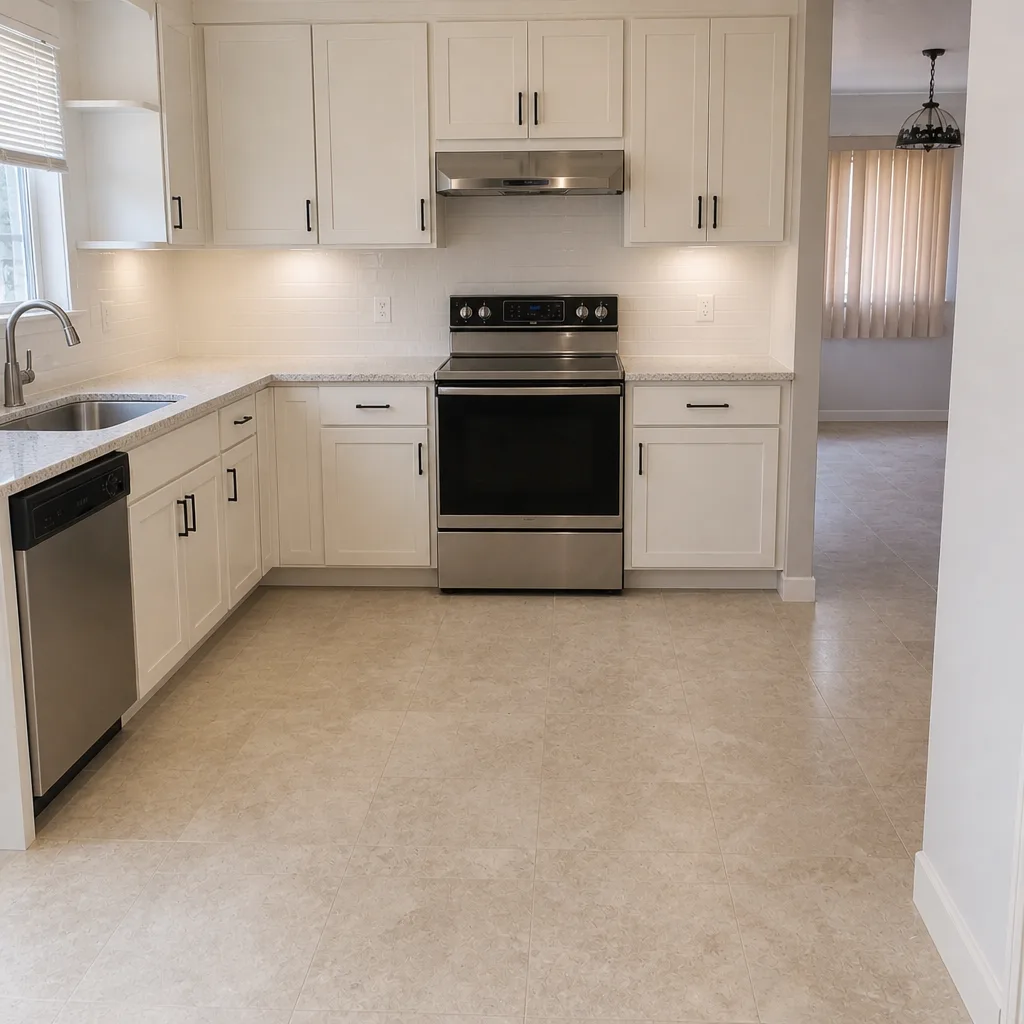 After
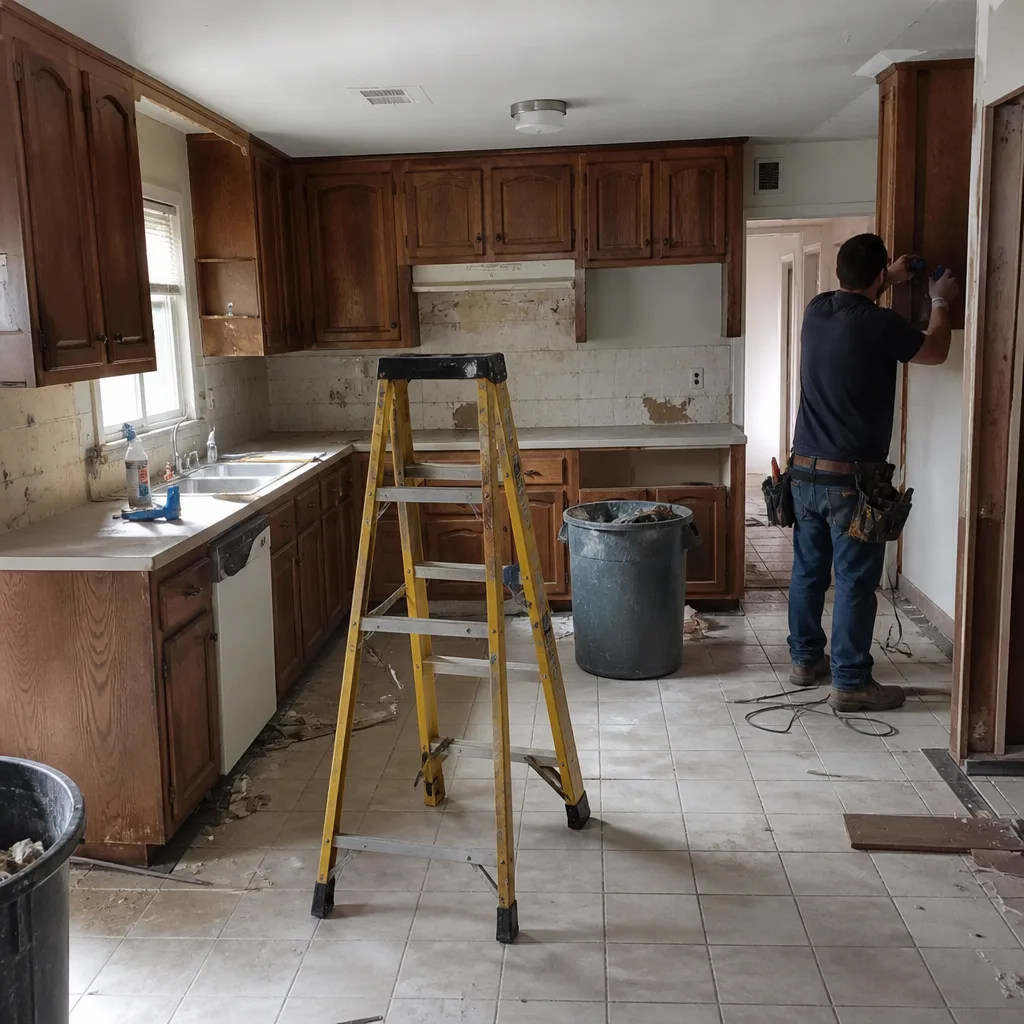 Before
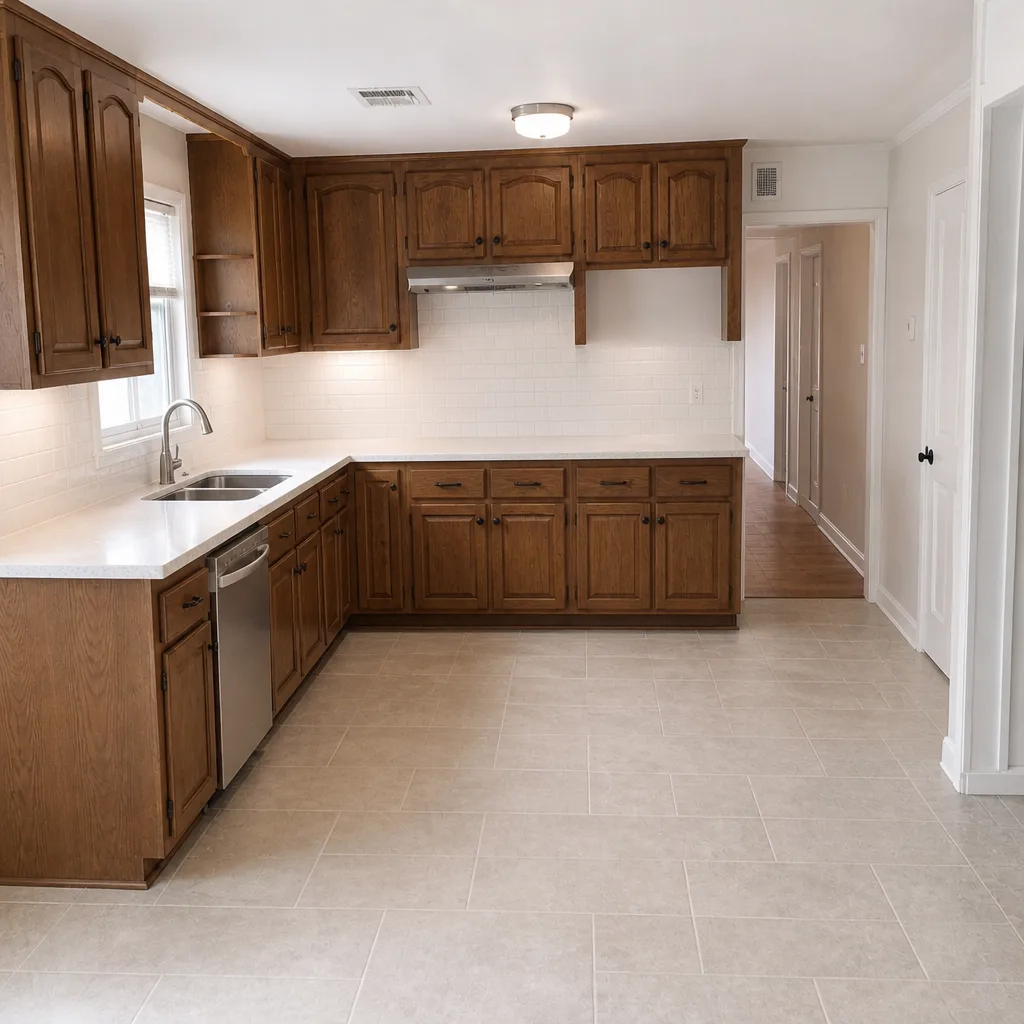 After
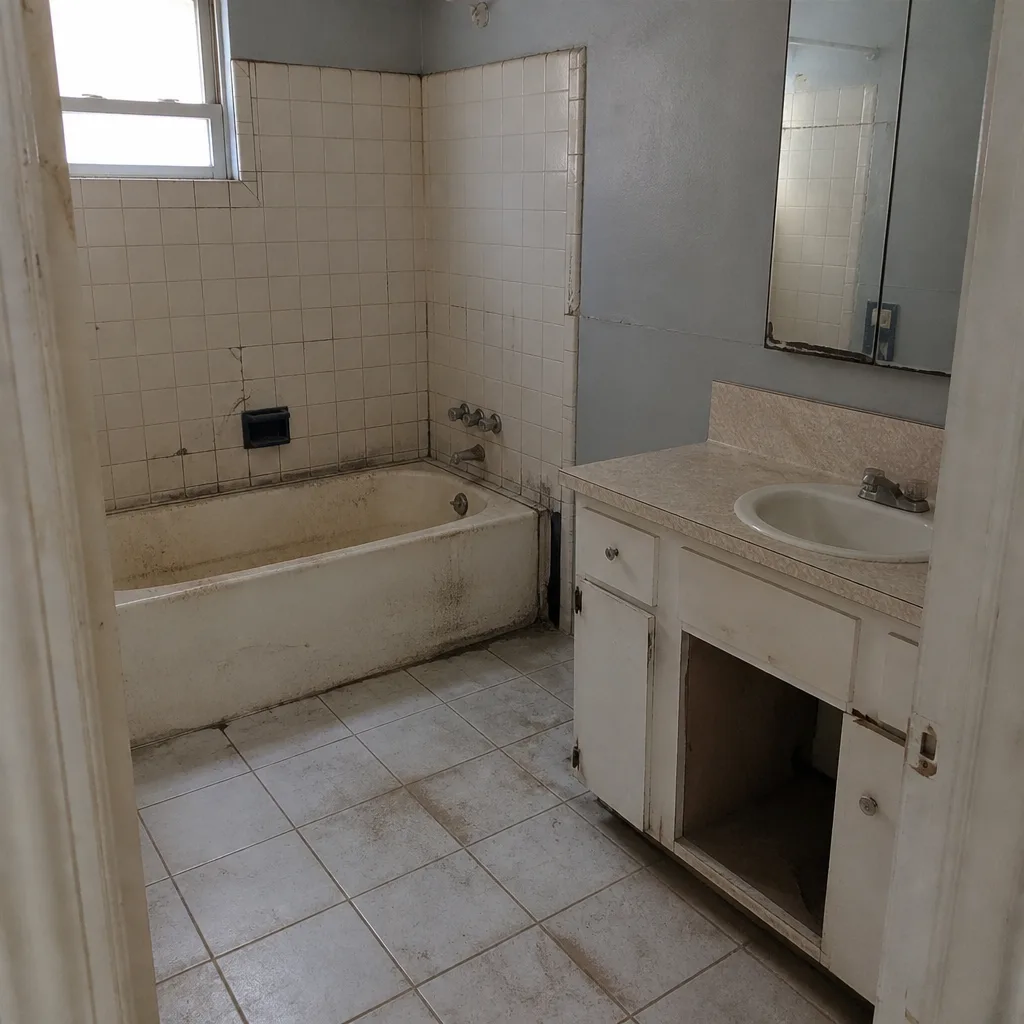 Before
 After
Do You Need a Permit to Build a Fence in Spring Valley, NV?
Yes. For nearly every fence in Spring Valley, you need a permit. But the permit isn’t the first call you should make. In most Spring Valley master-plan communities, HOA architectural approval has to clear before the county will even process the building permit, and getting that order wrong can cost you weeks, or worse, a tear-down order that runs more than the fence itself.
Fence installation in Spring Valley typically runs $3,500-$9,000 depending on material, height, and lot conditions, and we pull the county permit and handle the HOA submission as part of the job. Call (888) 329-9414 for a free estimate.
Spring Valley isn’t in the City of Las Vegas, and that changes which permit office you’re dealing with
This is the mistake we see most: a homeowner reads a Las Vegas fencing guide, drives to a city office, and gets turned around because most Spring Valley parcels sit in unincorporated Clark County. The permit authority isn’t the City of Las Vegas, and the fencing thresholds differ. That single mix-up can cost a homeowner two or three trips before the right counter even sees the paperwork.
For most of Spring Valley, you’re working through Clark County’s building and code process, not the city’s. Before you file anything, confirm which jurisdiction actually covers your parcel. The line isn’t always obvious street to street, and older boundary adjustments in the valley can shift it.
Along with the fence, county code looks at two things the permit office will flag: setbacks and height by yard placement. On interior lot lines, fences below a certain height may be exempt. But any fence next to a drainage easement triggers a permit regardless of height, and Spring Valley’s graded desert lots have drainage easements running through far more back yards than people expect. If your property backs a wash or open desert, check before you assume you’re exempt, because you might not be.
The HOA approval has to come first
Here’s the part that catches Spring Valley homeowners off guard. In most of the valley’s gated and master-plan subdivisions, no contractor should set a post until the Architectural Review Committee (ARC) signs off. The ARC typically wants:
- Material samples and color chips
- A plot plan showing exactly where the fence goes
- Height and style specified, usually matching the community’s palette
- Written approval before any work begins
That process generally takes two to six weeks and runs completely separate from the county building permit timeline. Skipping it doesn’t just slow things down. Most HOAs have the authority to force removal of a fence that was never approved, and a weekend project can turn into an unplanned demolition bill.
Heights are where people guess wrong most often. County rules and HOA rules both apply, and they don’t always agree. A fence height that’s perfectly legal to the county can still be rejected by your HOA, and a community standard can be stricter than the county on the front yard while the county is stricter in the rear. Review both sets before you order material.

Corner lots, sight triangles, and the rule almost nobody explains
If you own a corner lot, the placement of your fence isn’t purely up to you. Corners carry an additional requirement known as a sight triangle, a clear zone near the intersection that keeps visibility open for drivers and pedestrians. Your fence can’t start somewhere that blocks that view, and county review looks at this in a way the flat interior lots don’t. We’ve walked corner properties where a visually tidy, well-built fence came back because the corner taper wasn’t drawn to the sight-triangle requirement.
On the west side of Spring Valley, near Rhodes Ranch and the slopes, expansive desert soils shift with summer monsoon rain. Fences set along those slopes need post depth and footing designed for movement, not the routine depth that works on the flatter alluvial ground through central Las Vegas. A fence that wasn’t engineered for the soil will start leaning at the corners within a couple of seasons. That detail belongs in the plan before the first post goes into the ground.
What the permit and approval process actually costs, and what we handle
The county permit for a residential fence is a relatively small line in the overall project, but the approvals are what determine whether your fence goes up on schedule. Here’s how the numbers break down for typical Spring Valley fence work:
| Item | Typical Spring Valley range |
|---|---|
| Vinyl fence installation | $3,500-$9,000 |
| Aluminum fence installation | $4,000-$10,000 |
| County fence permit | Small line item, filed with the job |
| HOA ARC submission | Handled as part of scope |
| Corner-lot or easement adjustment | Quoted upfront when it applies |
Pricing is upfront and doesn’t move once the job starts. The number you see is the number you pay.
Groundwork Construction Co. of Spring Valley pulls the county permit as standard practice on every fence we build, and we manage the HOA ARC submission too, materials, colors, plot plan, all of it. You don’t chase the approval. Your part is approving the design and writing the check. Every project is covered by the 730-Day Done Right Promise, and the compliance paperwork for your fence stays under that guarantee alongside the workmanship.
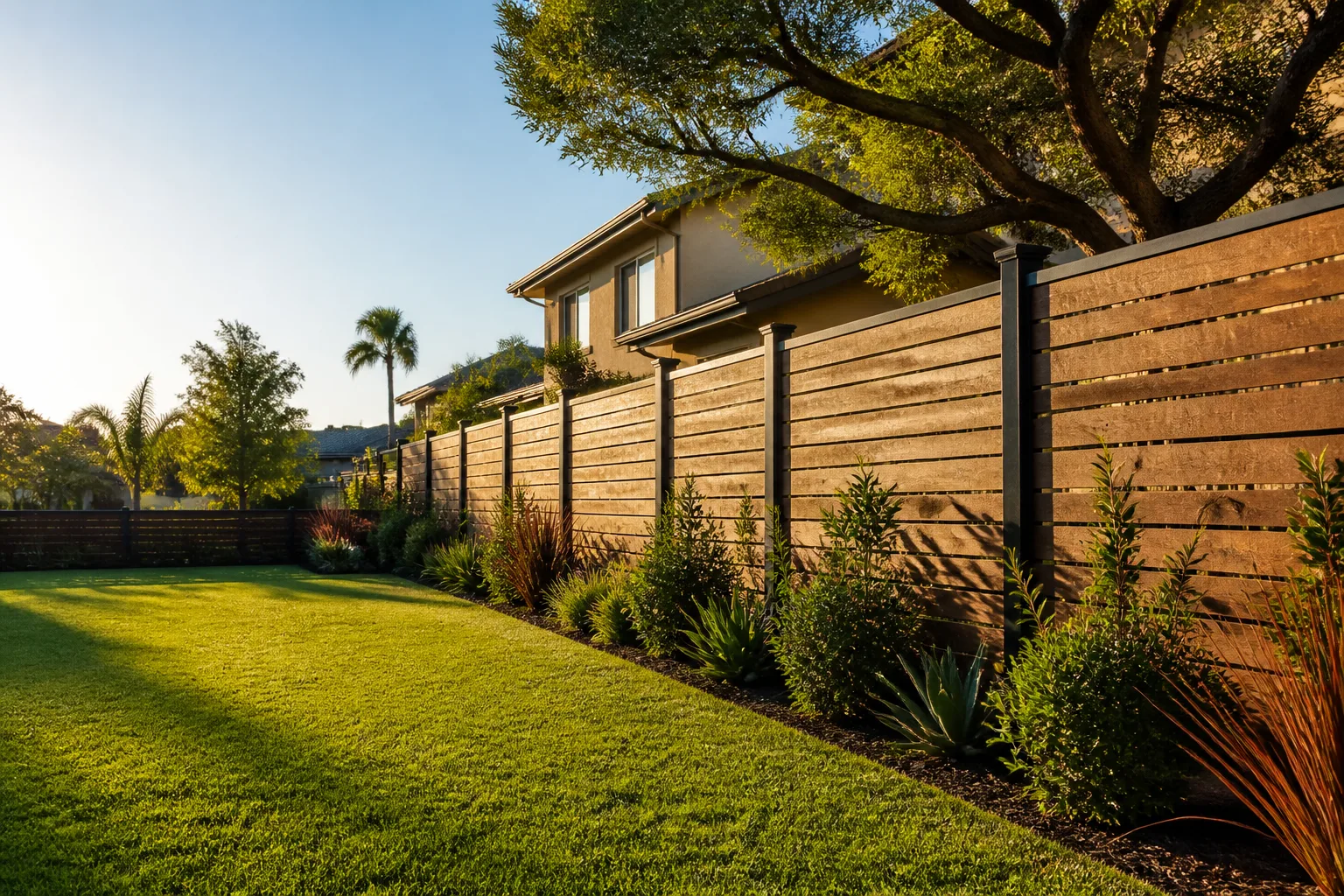
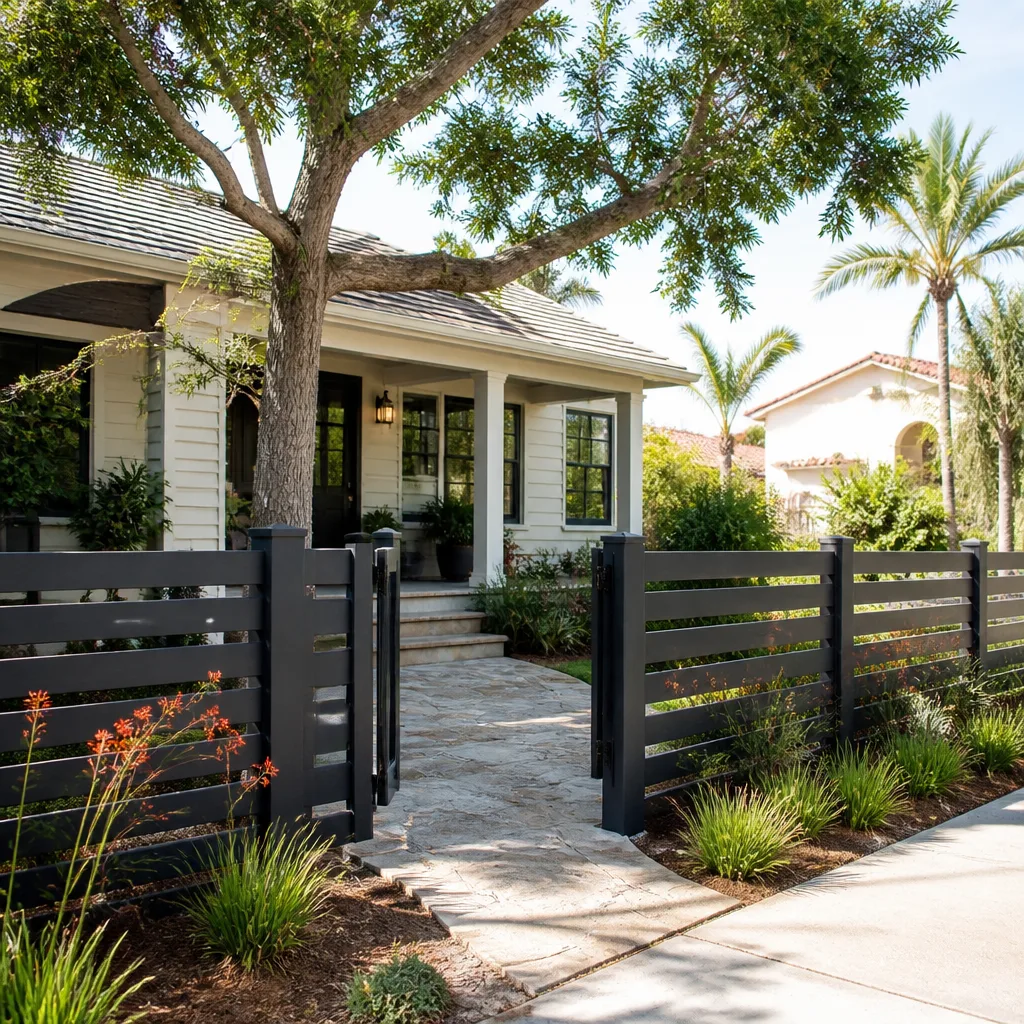
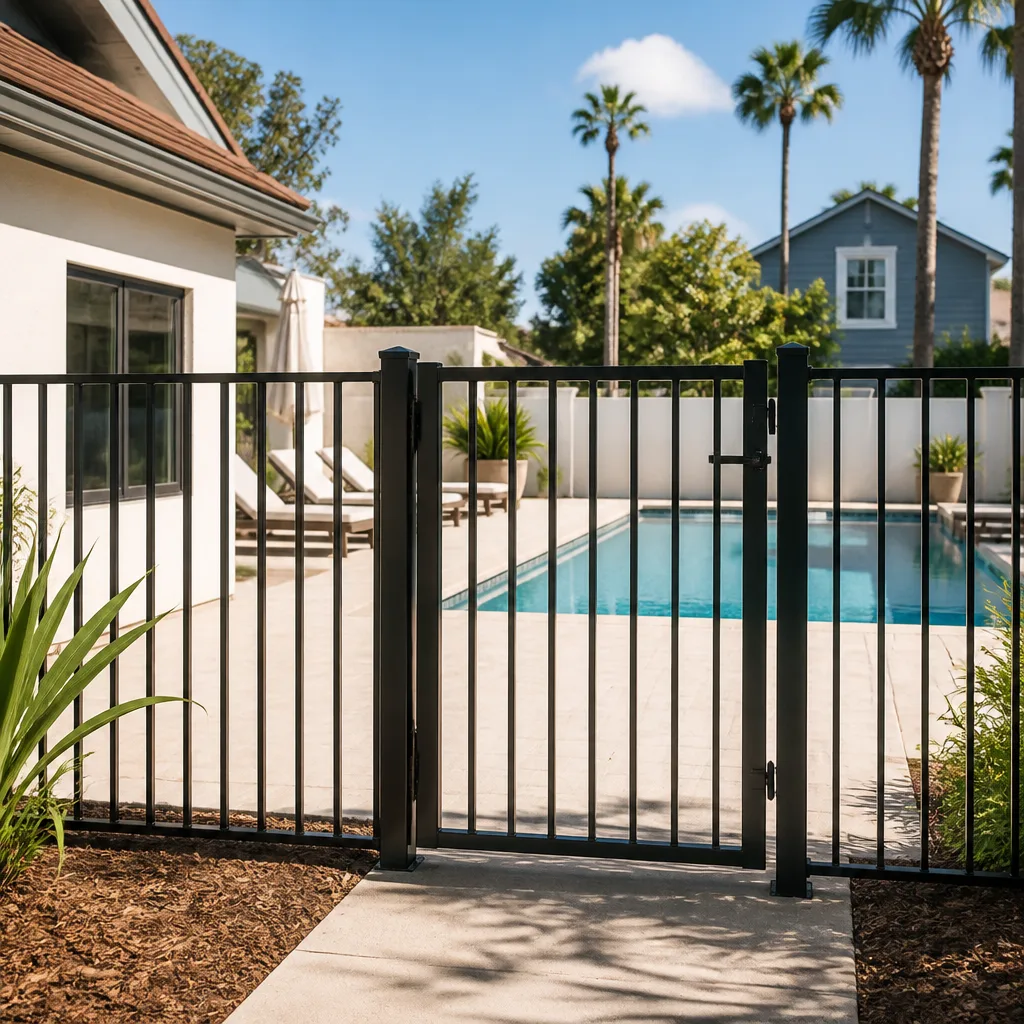
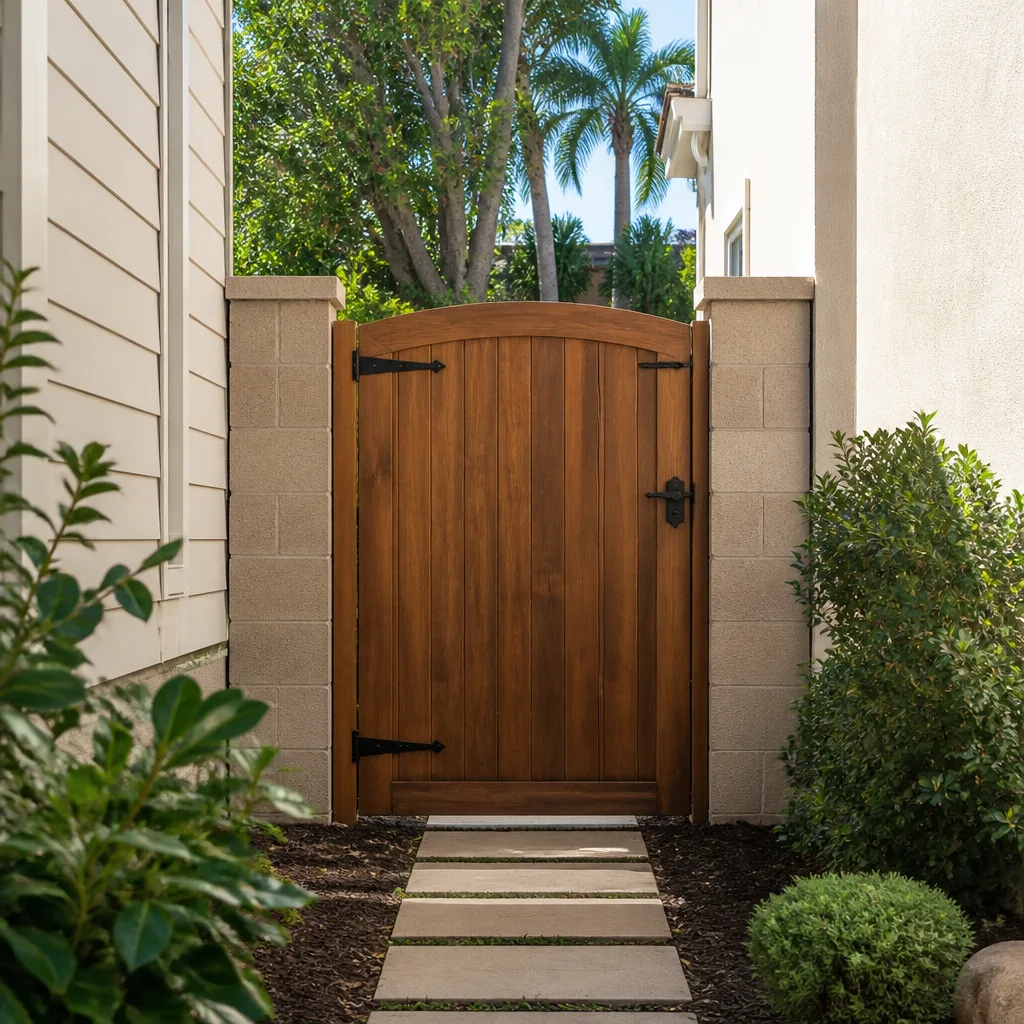
Material choice matters more than people think for compliance. Vinyl is the most common pick across Spring Valley’s stucco-and-tile subdivisions because neutral colors tend to match most approved palettes, while aluminum works well where a lower profile or decorative run is allowed. If your fence sits next to stucco or under a tile roof overhang, we match the surrounding tone. Roofing-grade brands like GAF and CertainTeed set the quality bar in this market, and we hold our fence materials to the same standard. If you’re comparing options, our full line of Fence Installation covers the range we build with most often.
For broader coverage on how we run fences across the region, see Fence Installation in Spring Valley, or start from our home to see how our exterior work fits together.
Key takeaways
- Most Spring Valley fences require a county permit, and most HOAs require architectural approval before construction.
- Spring Valley parcels usually fall under Clark County, not the City of Las Vegas, so the wrong office wastes weeks.
- Zoning on height varies by yard placement, and corner lots carry sight-triangle restrictions.
- Drainage-easement fences trigger a permit regardless of height, and they’re common on the west side.
- HOA approval is 2-6 weeks and runs on its own timeline, separate from the county permit.
FAQs
For most Spring Valley properties, yes. A 6-foot fence usually sits above the exemption line on rear and side yards, and the county permit applies. Front yard height limits are typically lower than rear, so the exact requirement depends on placement, not just total height. Call (888) 329-9414 for a free walkthrough – we can tell you which permit applies to your lot before you order a single post.
Yes, in nearly every Spring Valley master-plan community, HOA architectural approval comes before construction, and often before the county permit is even processed. Most ARC submissions need material samples, color chips, and a plot plan, and the review takes roughly two to six weeks. We handle the submission for you – call (888) 329-9414 to start the paperwork side of the project.
Not safely. Without a survey you risk placing the fence over the line, and the county may reject the permit application or require you to move it after the fact. Spring Valley properties near the west edge can also run into easements and slope issues that a survey catches early. Call (888) 329-9414 and we’ll walk your property before anyone stakes a post.
Plan on two to six weeks for HOA approval first, then the county permit review afterward. Those timelines run in sequence, not side by side, so a three-week HOA response followed by a two-week county review means five weeks before a shovel goes into the ground. Rushing the sequence is where tear-down orders happen. Call (888) 329-9414 for a realistic schedule on your lot.
If you’d rather have it looked at, Groundwork Construction Co. of Spring Valley offers a no-pressure assessment in Spring Valley – call (888) 329-9414. We’ll confirm your jurisdiction, review your HOA’s fence rules, and quote the job with the permit and approval work included.
Written by the team at Groundwork Construction Co. of Spring Valley, serving Spring Valley, NV.