Free written scope consultation - allowances, timeline, and change-order rules on paper before a single trade is scheduled
Styles & brands we work with
- Kitchen remodeling
- Bathroom remodeling
- Home additions & ADU
- Roofing
- Windows & doors
- Driveway & pavers
- Fence
See the difference
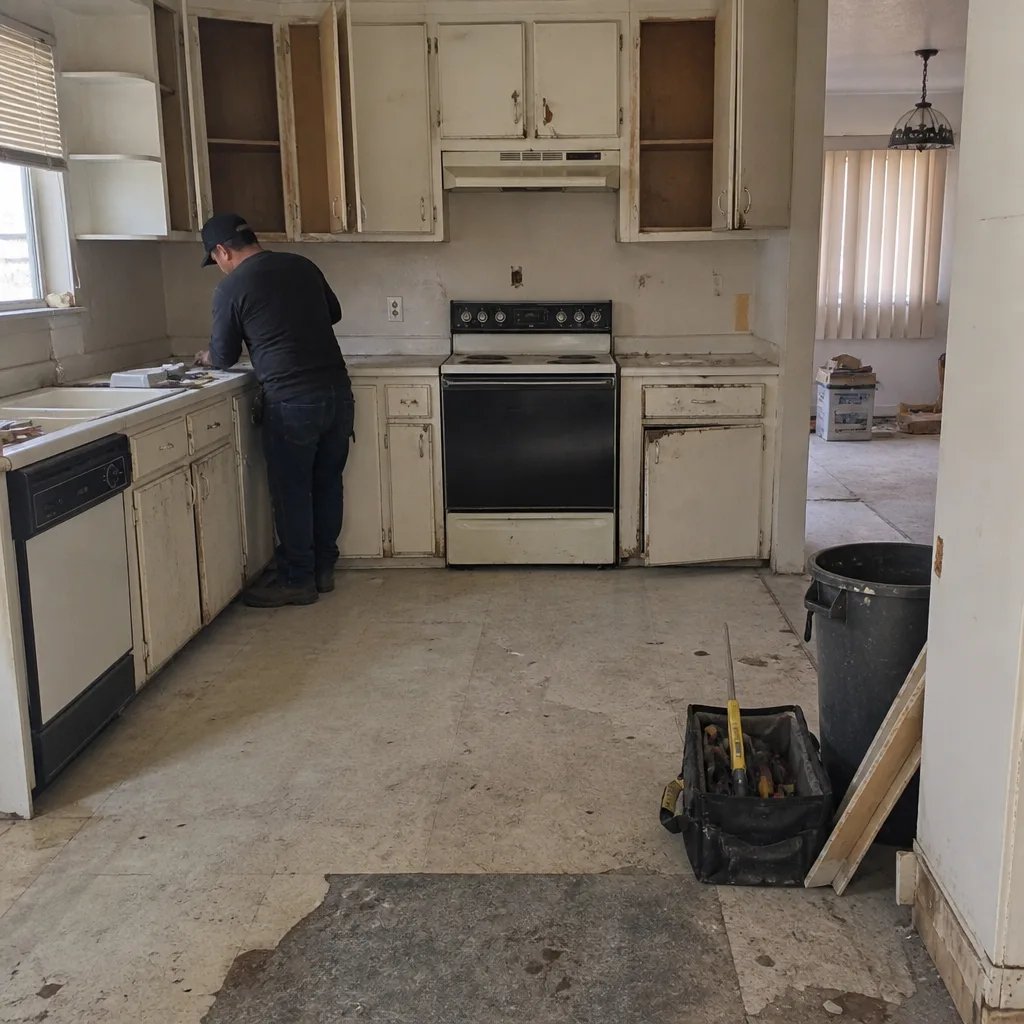 Before
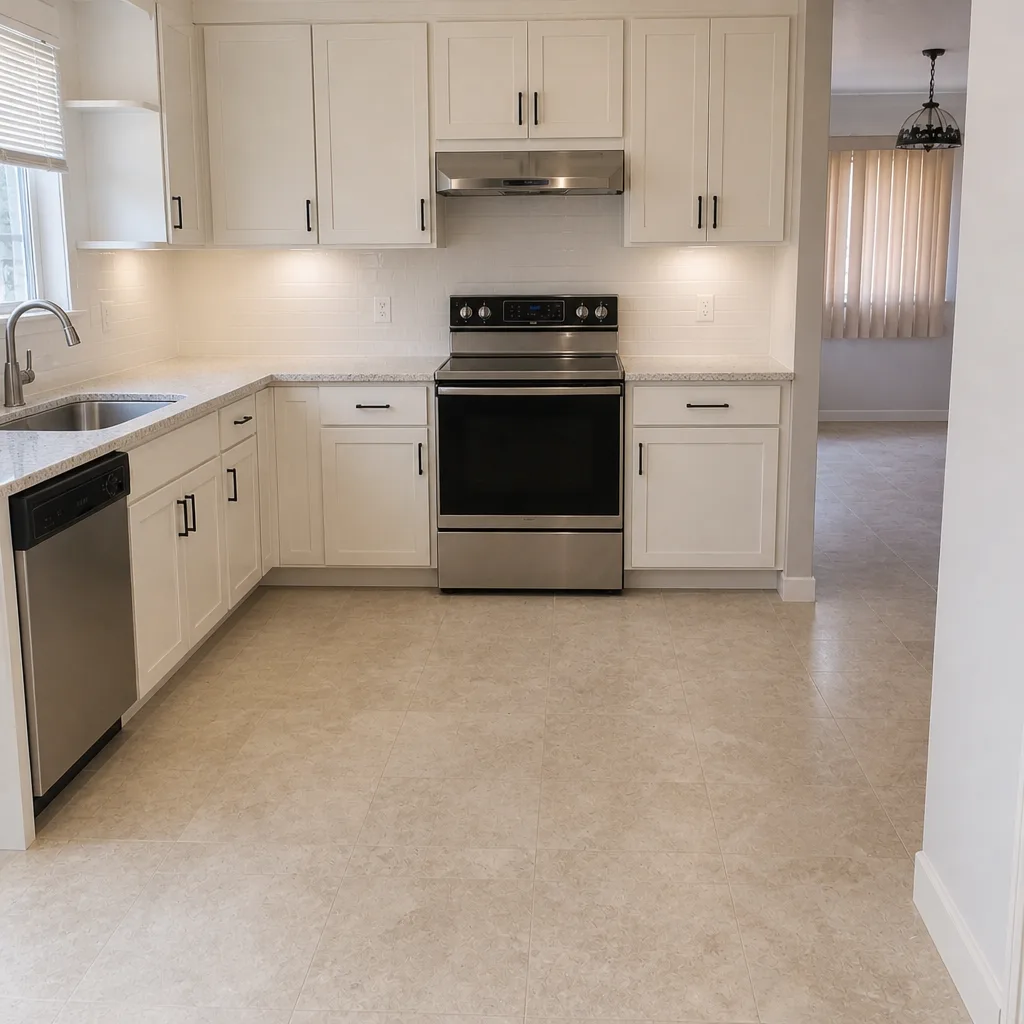 After
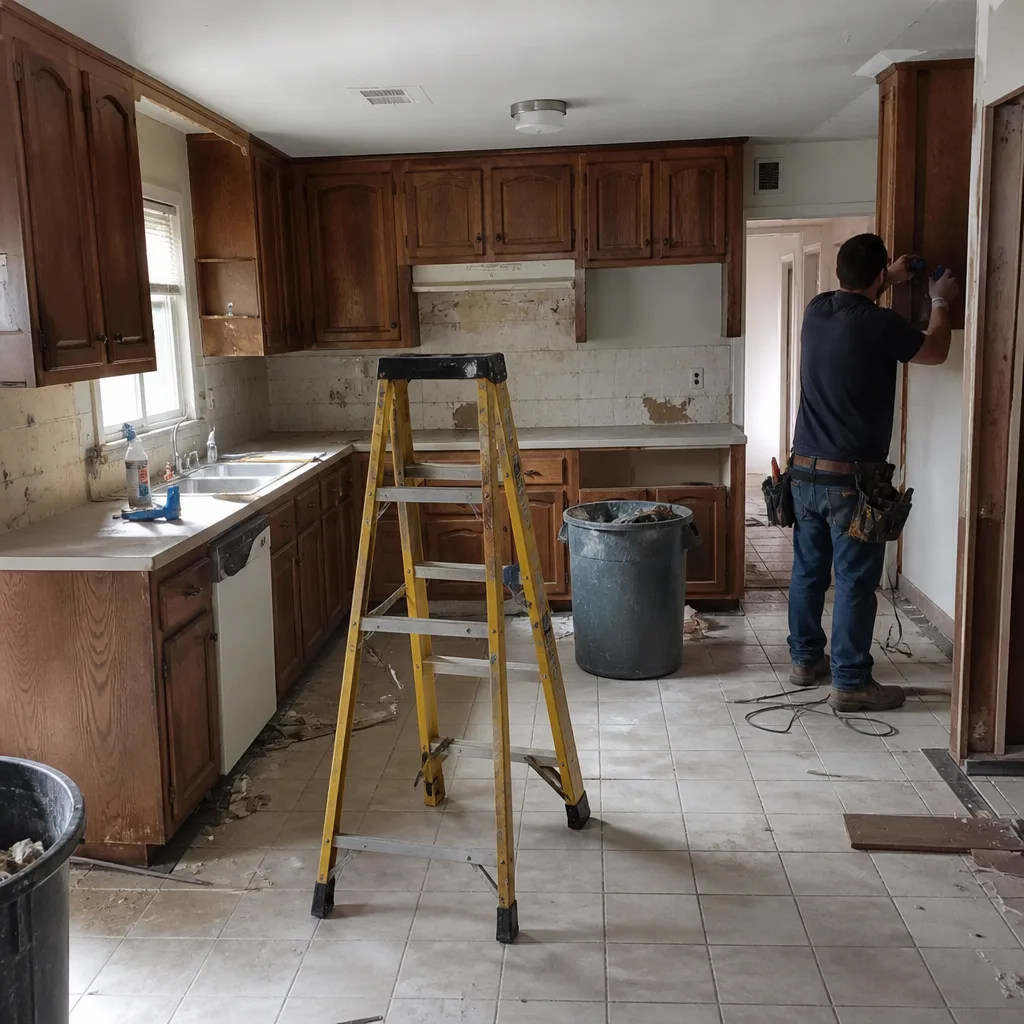 Before
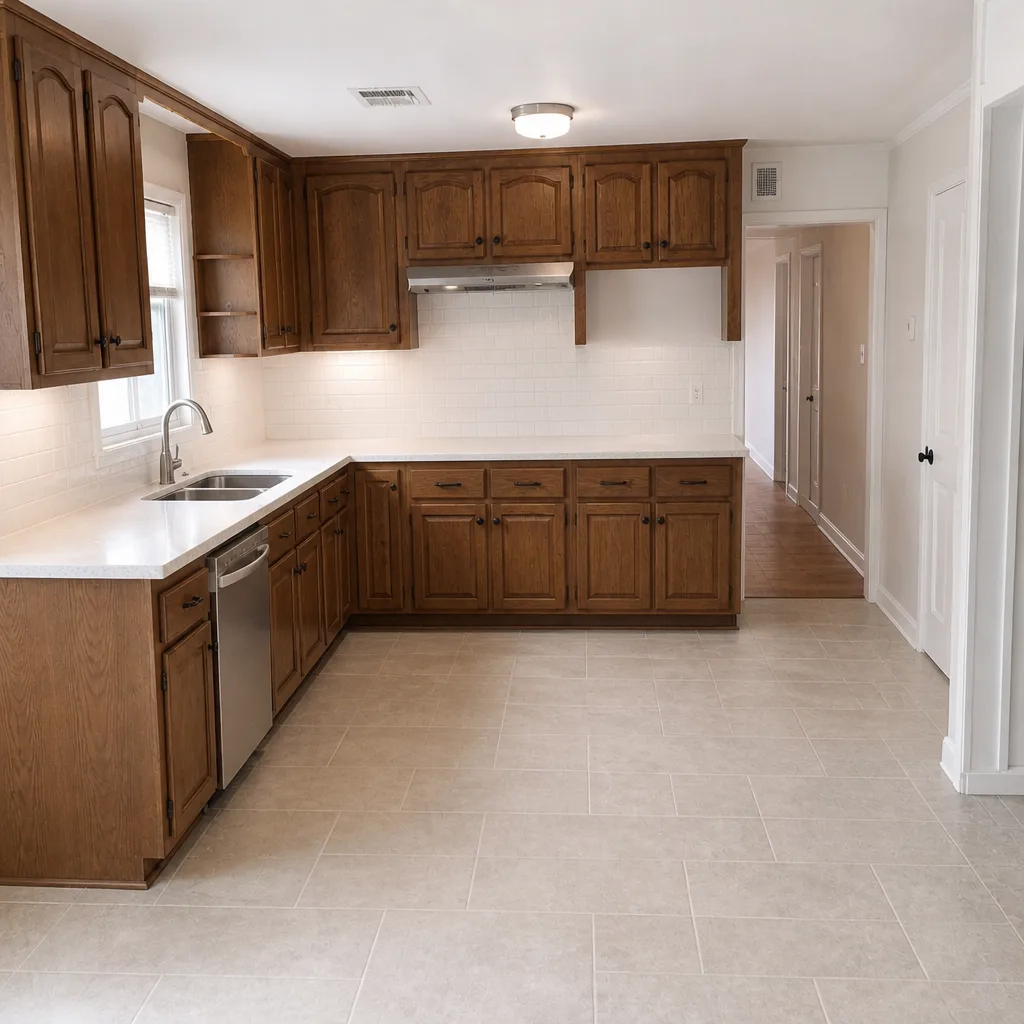 After
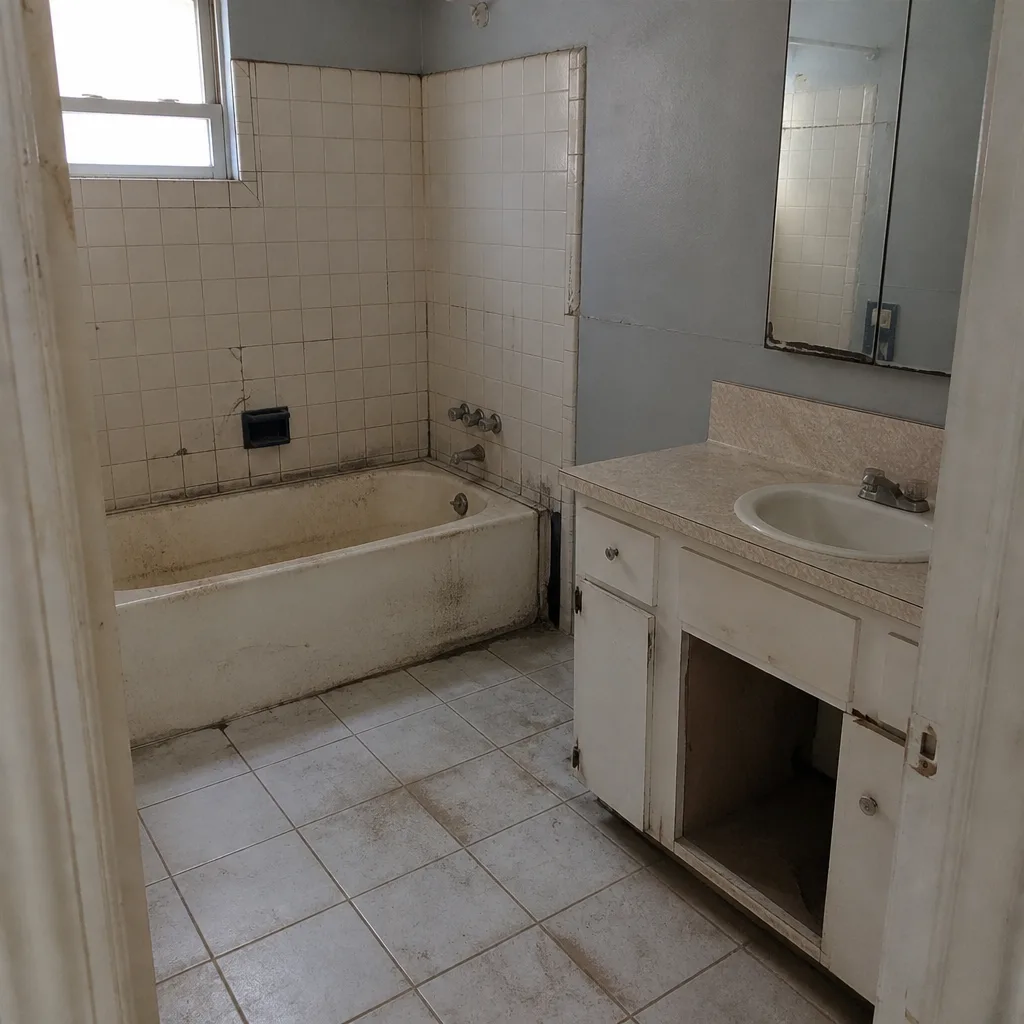 Before
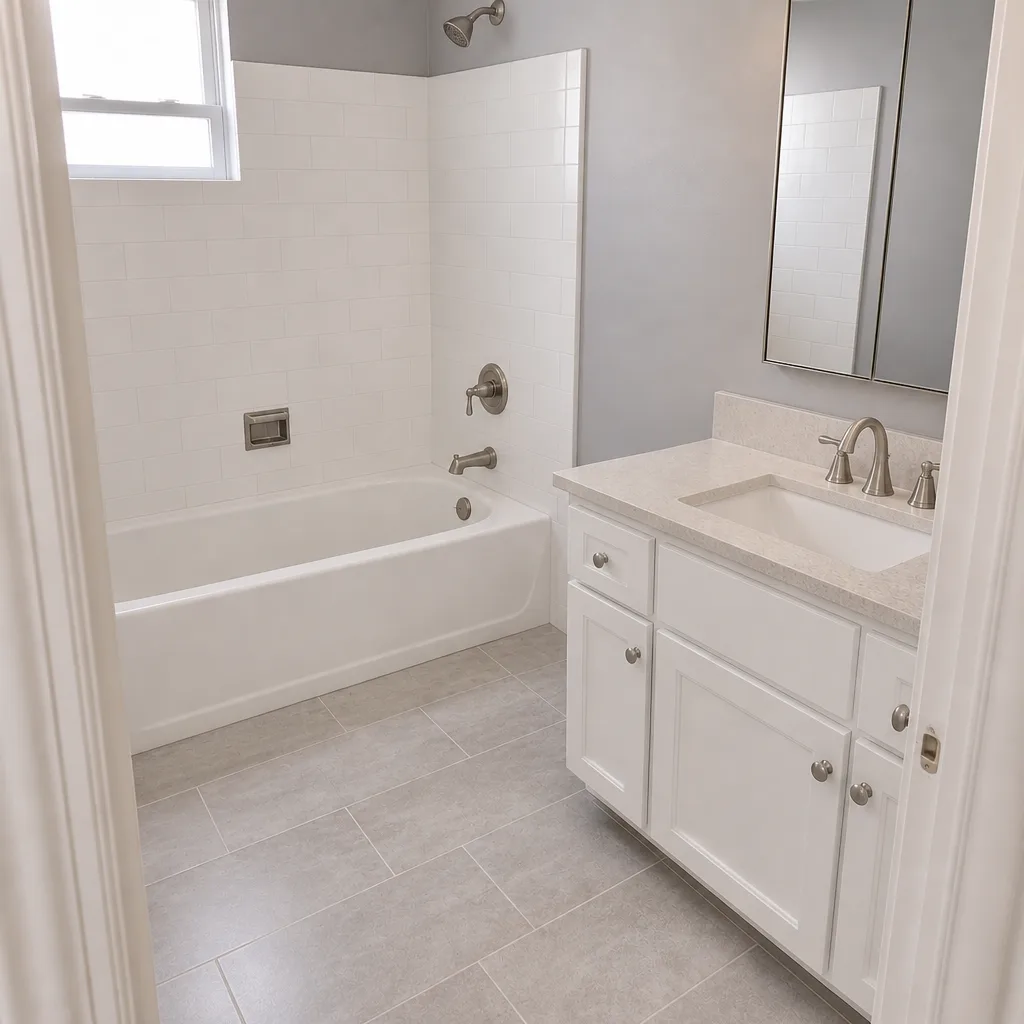 After
Chain Link vs Wood Fence in Spring Valley, NV: Which One Goes Where
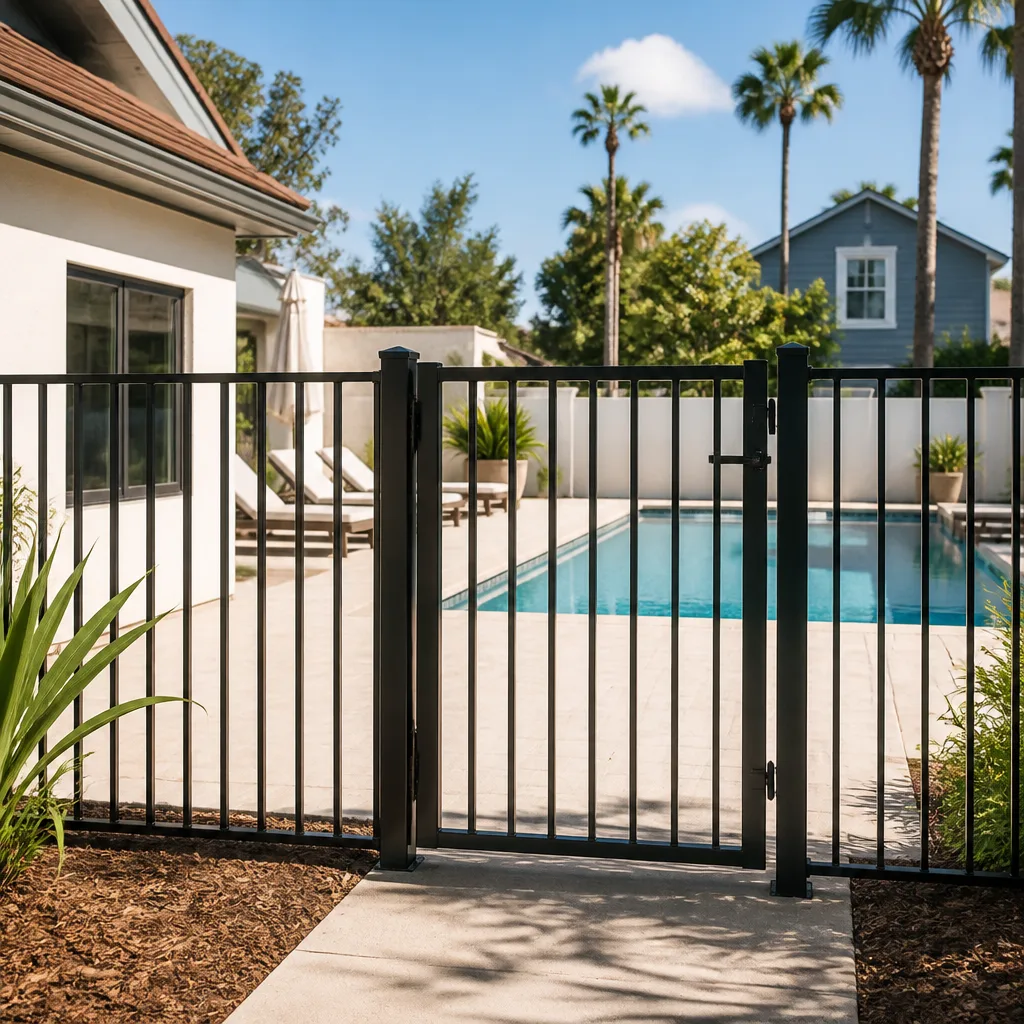
Choose chain link for rear utility zones, pool barriers, and interior lot lines where airflow and sightlines matter – and choose wood or vinyl anywhere your fence faces a street or common area, because the HOA rulebook decides that for you. That’s the short answer for most Spring Valley, NV homeowners. The longer answer is a placement question, not a taste question. In Spring Valley, you rarely get to pick one material for your whole yard. Your community’s CC&Rs usually already zoned the fence lines before you ever priced a single panel. Call Groundwork Construction Co. of Spring Valley at (888) 329-9414 and we’ll tell you what your lot actually allows.
Key Takeaways
- Spring Valley HOA rules usually zone fencing by location – chain link in back, wood or vinyl up front.
- Vinyl-coated chain link holds up to Mojave UV far better than raw galvanized.
- Solid wood on a hillside lot near Rhodes Ranch turns into a wind sail during 60+ mph monsoon gusts.
- Most Spring Valley fence jobs land between $3,500 and $9,000 depending on material and run length.
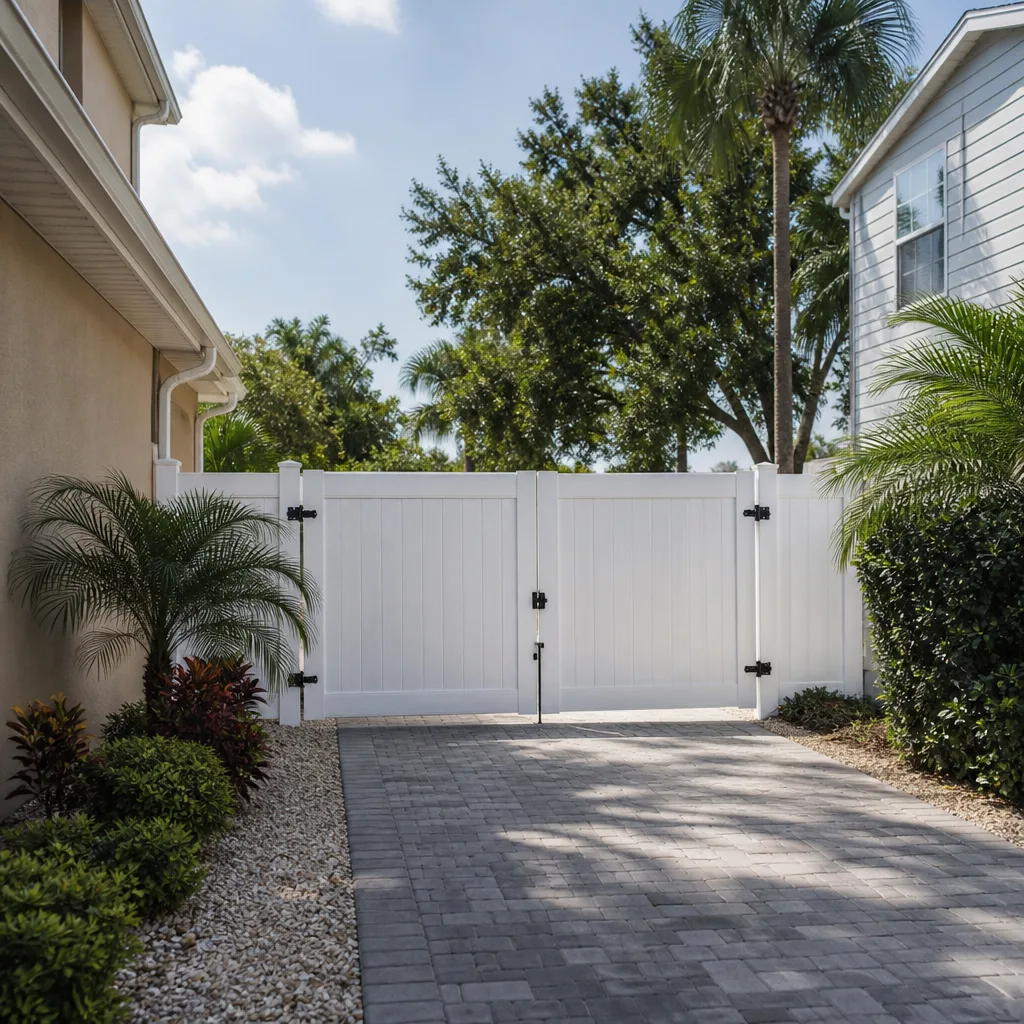
Why the HOA Decides Before You Do
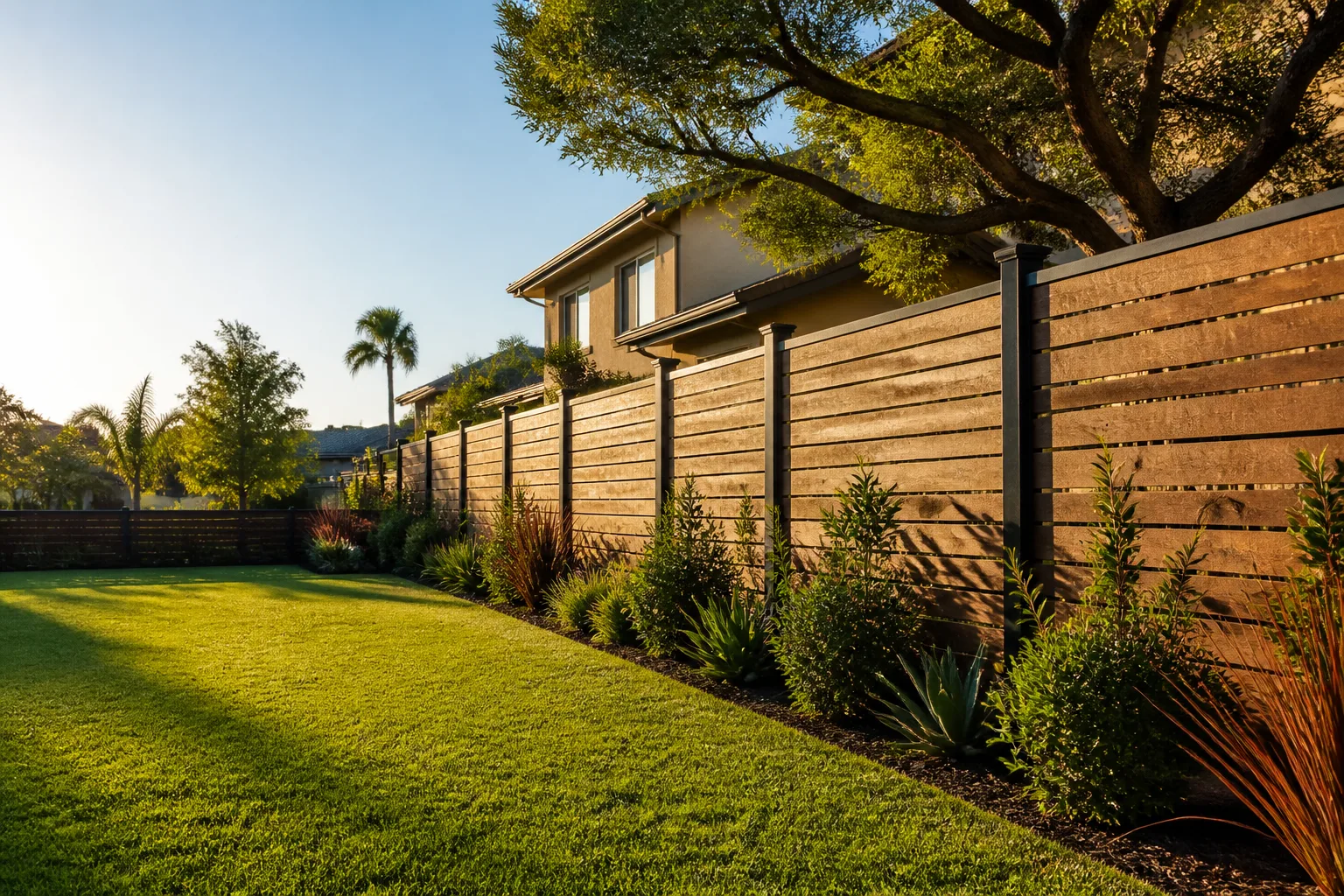
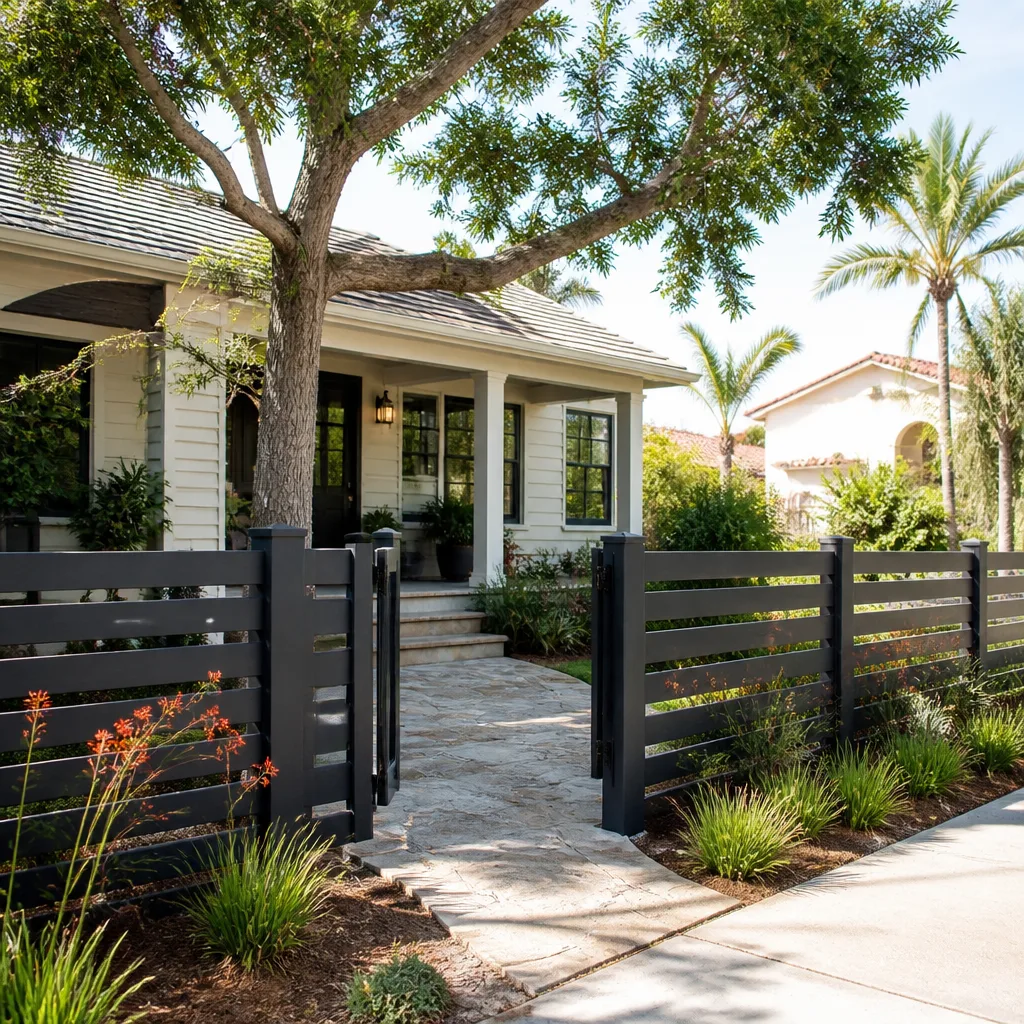
Most of Spring Valley’s housing is 1990s to 2000s tract homes inside gated master-plan subdivisions, and those communities wrote their fencing rules decades ago. The pattern repeats across the valley: chain link is often permitted only for pool barriers and rear utility enclosures, while any fence visible from the street or a common area has to be wood or vinyl in an approved color and height. Side-yard lines sometimes fall into a gray zone that requires a written approval before anyone digs.
That means the chain link versus wood debate starts with your plat map, not a catalog. Before we quote anything in a Spring Valley subdivision, we pull the CC&Rs and confirm which fence line is which. Get it wrong and you’ll pay twice – once for the fence, once to tear it out after an HOA violation notice. Our crews work in these gated communities routinely, so they know the access procedures, the HOA contacts, and the material restrictions by subdivision. That shortens approval and kills the re-work problem.
If you’d rather hand the whole approval process off, our Fence Installation in Spring Valley page covers how that works from first walkthrough to final inspection.
Desert Durability: A Head-to-Head the Generic Articles Skip
Head-to-head on Mojave conditions, vinyl-coated chain link outlasts raw galvanized, and wood only beats raw galvanized if you’re willing to maintain it on an aggressive schedule. That’s the honest version. Spring Valley sits at roughly 2,300 feet in the Mojave, with summer highs routinely above 110°F and winter nights that can drop to freezing. The daily thermal swing is brutal on materials.
Raw galvanized chain link takes sun and soil moisture without much complaint, but the unfinished look and the HOA limits usually rule it out anyway. Vinyl-coated chain link in black or green holds its color through UV exposure that would chalk lesser products within a few seasons. Wood is a different story. Split rails and cedar warboard will dry, check, and fade in this climate unless they’re sealed on a two-year cycle – and once a wood fence near the western edge starts to cup, it doesn’t come back on its own.
| Factor | Vinyl-Coated Chain Link | Wood |
|---|---|---|
| UV endurance in full Mojave sun | Strong – coating resists chalking | Needs resealing every ~2 years |
| Monsoon wind load | Passes air, low lateral pressure | Solid sail – high post stress |
| HOA street-facing use | Rarely permitted | Commonly required |
| Maintenance | Occasional rinse | Seal, stain, replace boards |
| Typical installed cost | $3,500-$9,000 | $3,500-$9,000 for most residential runs |
When we build a wood fence that has to last, we pair pressure-treated posts with hardware that won’t corrode in desert soil, and we set posts deeper than a flat-lot install would call for. Plastic or composite options are worth pricing too – if that’s the direction you want, our Fence Installation team can price vinyl alongside wood so you’re comparing real numbers.
The Monsoon Wind Problem Nobody Mentions
Chain link lets air move through. Solid wood doesn’t. That difference matters more in Spring Valley than in most of the country, and here’s why: summer monsoon downpours routinely bring 60+ mph gusts, and a solid wood fence on a hillside lot near Rhodes Ranch acts like a wind sail. The panels catch the gust, the posts take the lateral load, and over a season or two the weak posts lean. Chain link doesn’t have that failure mode because the wind passes straight through.
Combine that with the expansive desert soils on Spring Valley’s western edge, where monsoon rain saturates clay and the soil shifts as it dries, and you get posts that move for two reasons instead of one. On slopes, we brace posts and oversize footings to handle both. It’s one of those build details you only learn by watching fences fail after a bad August.
Security and Sightlines in Gated Communities
Here’s the part about how Spring Valley neighborhoods actually use these materials: in gated subdivisions, residents often prefer chain link on interior lot lines because the see-through fence supports neighborhood watch – you can spot a stranger in a neighbor’s yard or a car idling on the shared drive. On the exterior perimeter that faces the street or common area, they switch to wood or vinyl for privacy and curb appeal. It’s a sightline decision as much as a privacy one.
Neither material is inherently more secure. Wood hides what’s behind it, which cuts both ways. Chain link lets the block see what’s happening. Most Spring Valley homeowners who’ve lived here a while have already figured this out – they just need the quote to reflect the split.
What It Costs and How Groundwork Handles It
Fence projects in Spring Valley typically run $3,500 to $9,000 installed, depending on material, run length, gate count, and slope. Hillside lots cost more because of footing depth and bracing. HOA approval adds a little time but not much money if the paperwork is clean.
- Upfront pricing: the number you see is the number you pay.
- 0% financing for 18 months, plus $1,000 off any project over $10,000.
- 730-Day Done Right Promise – if it’s not done right, we make it right.
- Background-checked, uniformed technicians on every job.
- Live person answering the phone, 24/7.
Our technicians have up to 12 years of experience, and every project is backed by that two-year workmanship promise. Material brands like CWS and ES Windows come up more in our window and exterior work, but the same vetted-supplier standard applies to fencing hardware. Built to last, backed in writing.
FAQs
They land in about the same range for most residential runs, roughly $3,500 to $9,000 installed. Chain link sometimes quotes lower on short utility runs, but wood on a street-facing line can cost more once HOA-approved color and height are factored in. Call (888) 329-9414 for an exact quote – estimates are free.
Usually not. Most Spring Valley HOA CC&Rs allow chain link only for pool barriers and rear utility enclosures, and require wood or vinyl on any line visible from the street or common area. Check your CC&Rs or call us and we’ll read them with you before you price anything.
Vinyl-coated chain link handles the 110°F summers and monsoon gusts better with less upkeep, while wood needs resealing about every two years and can flex on hillside lots during 60+ mph gusts. Wood wins on looks and privacy; chain link wins on airflow and low maintenance.
Most residential fence jobs are scheduled within a few weeks of approval, and HOA sign-off is usually the longest step. Calls are answered by a live person 24/7, so you can start the process any time – call (888) 329-9414.
If you’d rather have it looked at, Groundwork Construction Co. of Spring Valley offers a no-pressure assessment in Spring Valley – call (888) 329-9414. We’ll confirm what your lot allows, put real numbers in front of you, and stand behind the work for 730 days.
Written by the team at Groundwork Construction Co. of Spring Valley, serving Spring Valley, NV.