Free written scope consultation - allowances, timeline, and change-order rules on paper before a single trade is scheduled
Styles & brands we work with
- Kitchen remodeling
- Bathroom remodeling
- Home additions & ADU
- Roofing
- Windows & doors
- Driveway & pavers
- Fence
See the difference
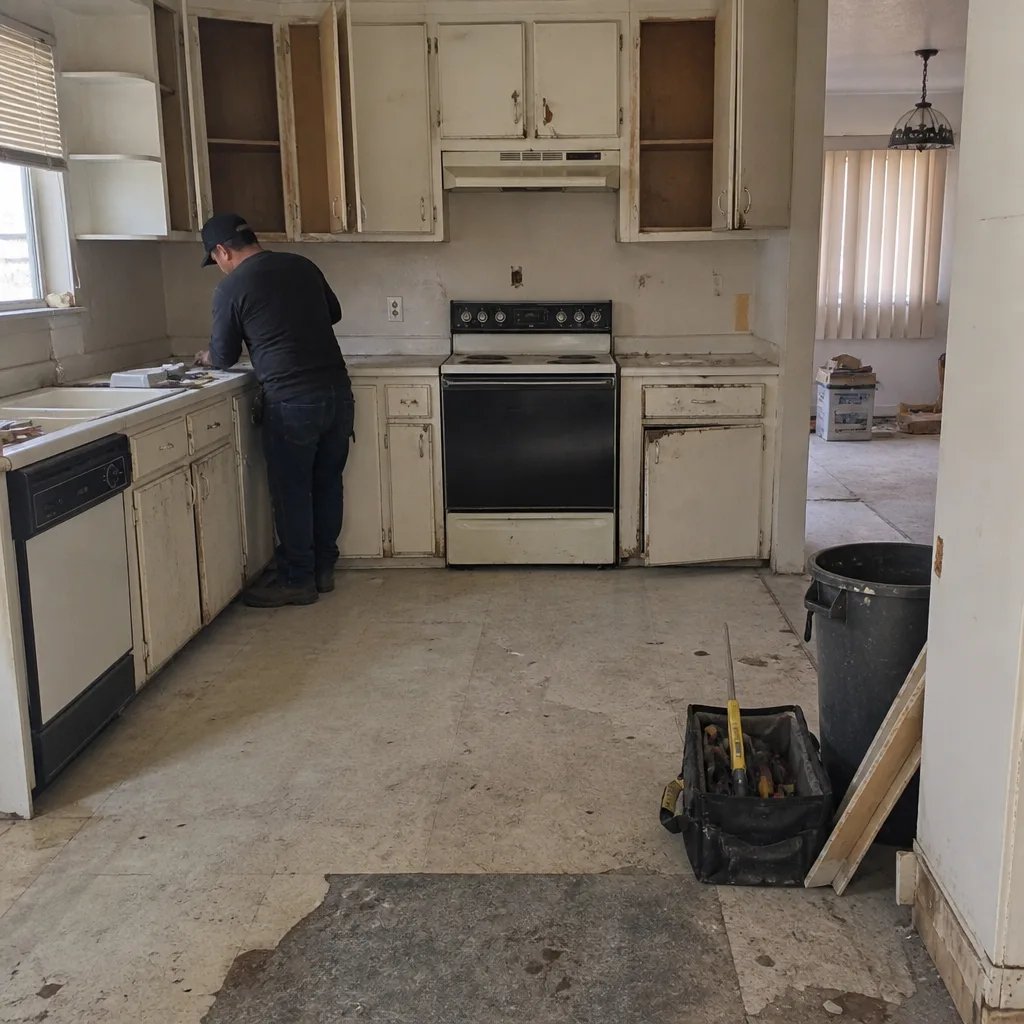 Before
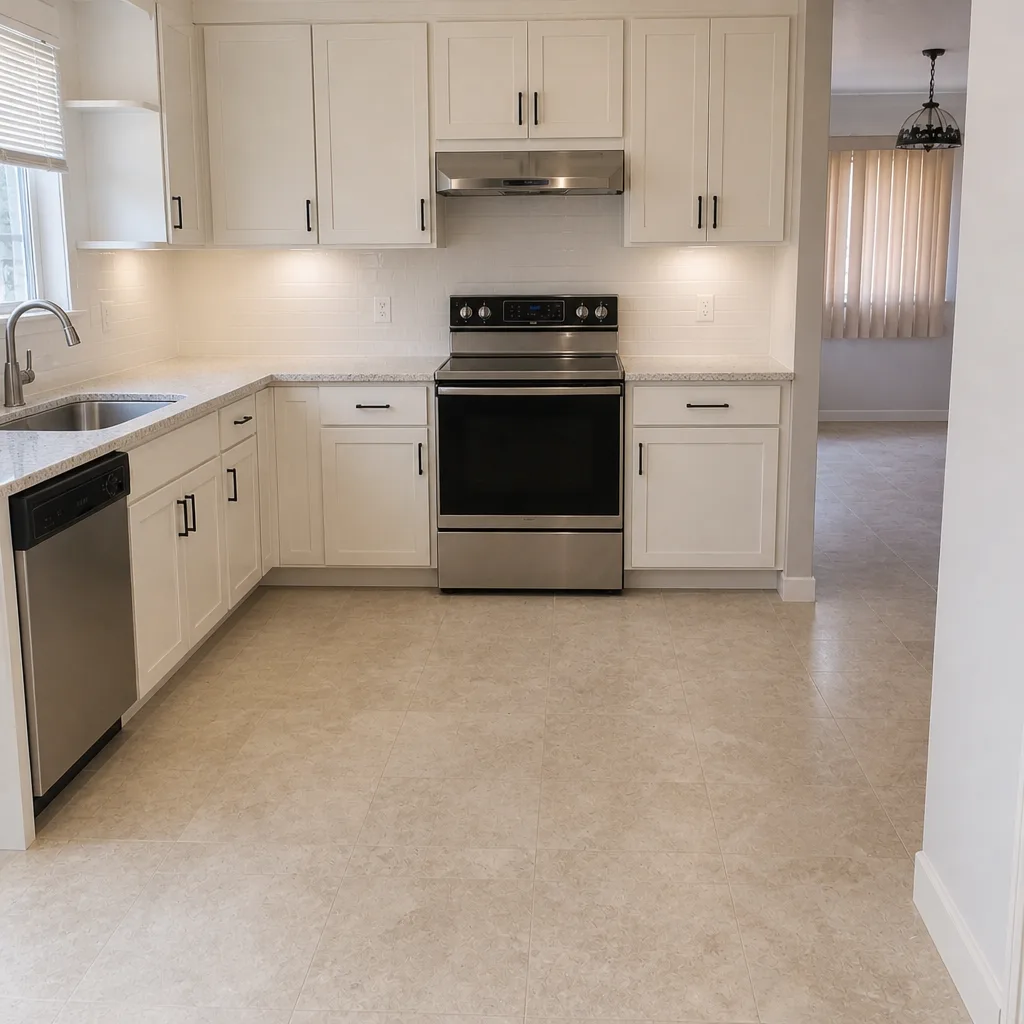 After
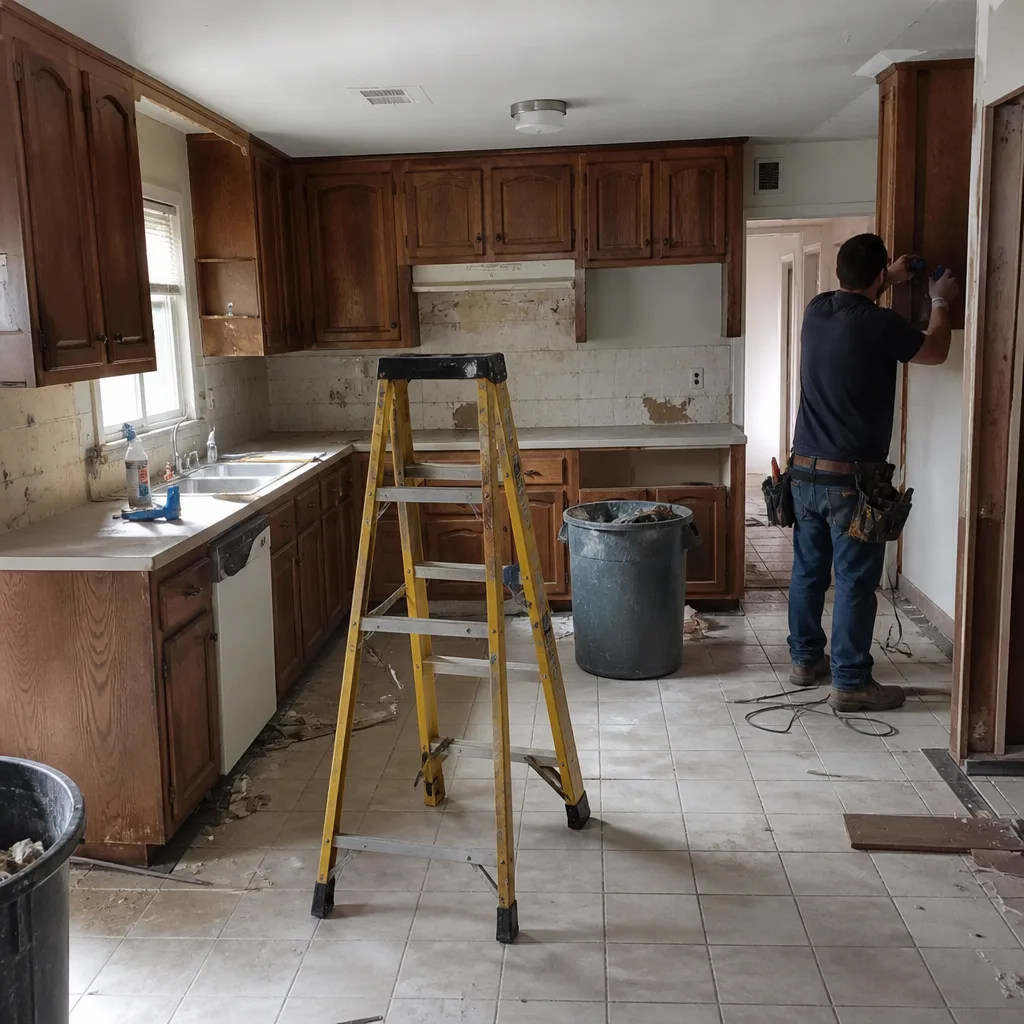 Before
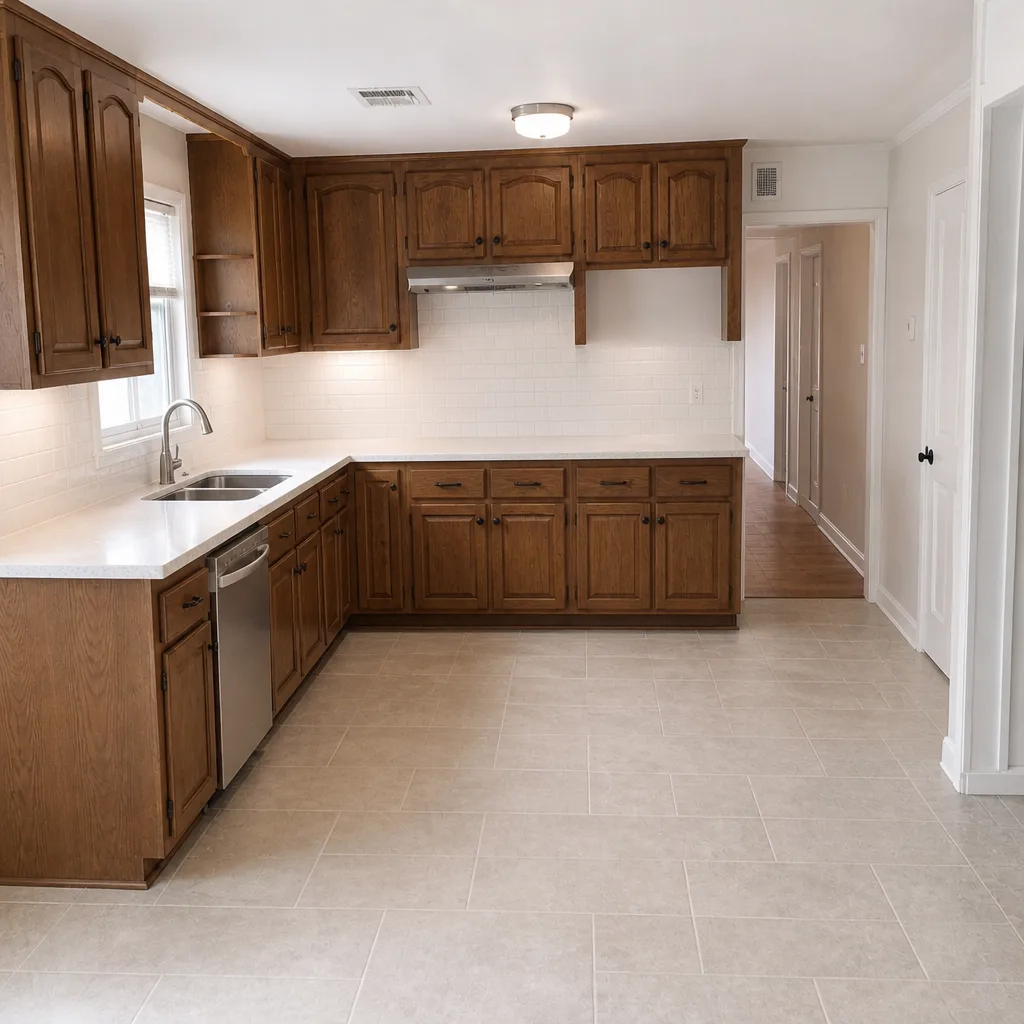 After
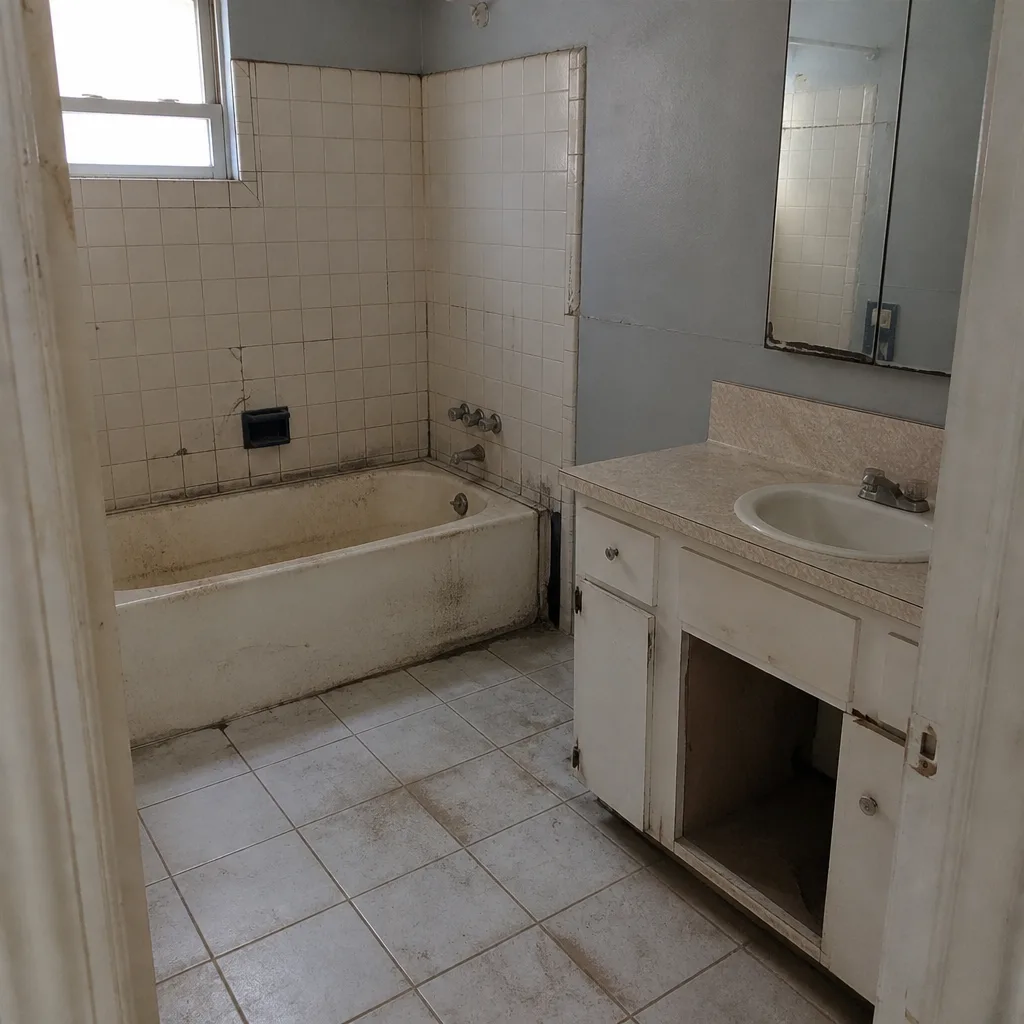 Before
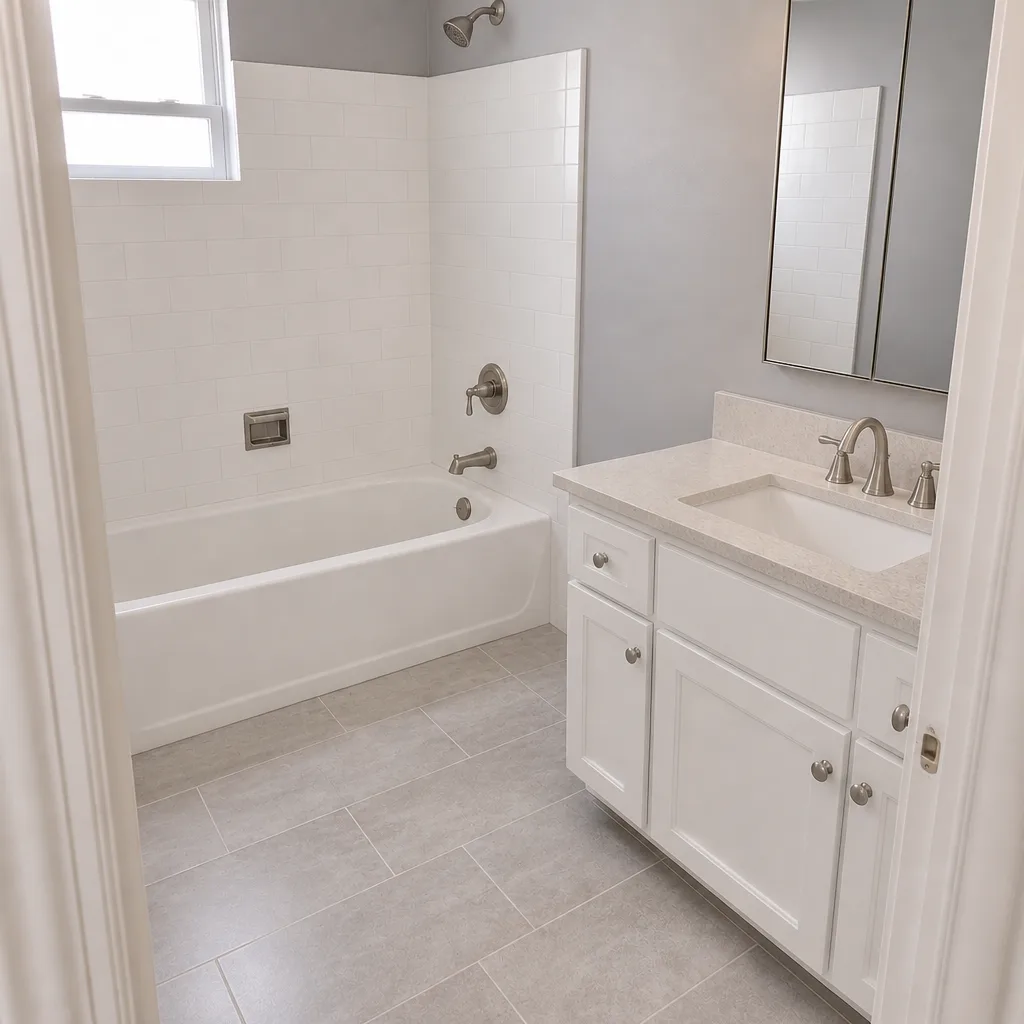 After
How Thick Should a Concrete Driveway Be in Spring Valley, NV? 4 Inches Code, 5 Inches to Last
The short answer: 4 inches is the code minimum for a residential concrete driveway, and it’s what you should treat as the floor, not the target. In Spring Valley, NV, the slab that survives twenty summers of 110°F heat and monsoon soil movement is typically 5 inches thick, reinforced with #3 rebar on 18-inch centers. That extra inch and the steel cost a few hundred dollars more up front and are the difference between a driveway that cracks in year twelve and one that’s still flat at year thirty. If you want your slab specified correctly before the truck backs in, call Groundwork Construction Co. of Spring Valley at (888) 329-9414 for a free estimate.
Key Takeaways
- 4″ unreinforced concrete meets code but is undersized for Spring Valley’s soils and temperature swings.
- 5″ with #3 rebar at 18″ on center is the defensible local standard for driveways carrying cars and trucks.
- Control joints must be cut to 1/4 of slab depth within 24 hours of the pour in desert heat.
- Expansive desert soil has to be compacted to 95% Proctor density before you pour; thickness can’t fix a moving base.
- A 5″ slab with steel and proper joints is part of our standard written scope.
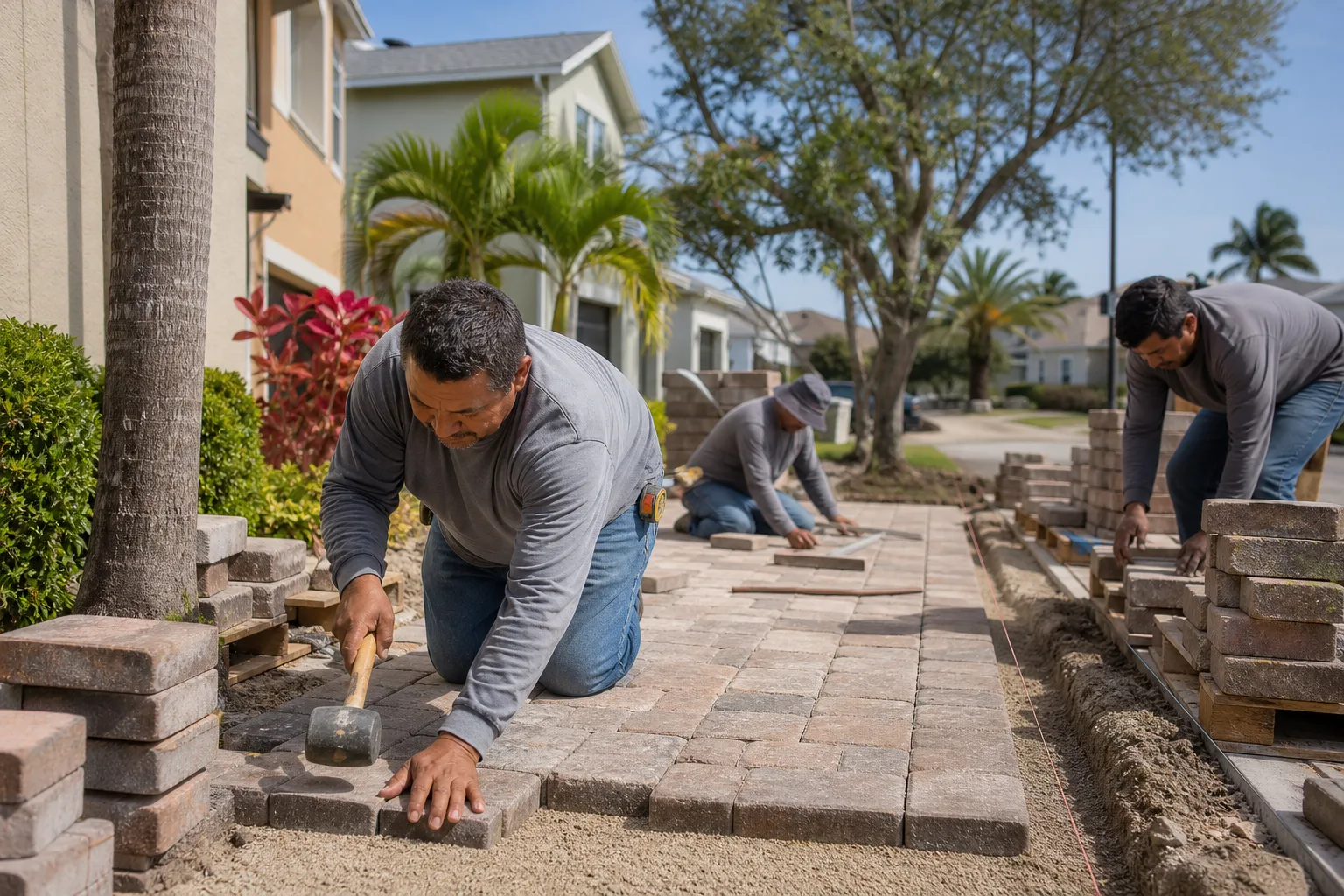
Why the 4-inch Standard Underperforms Here
The national prescriptive standard assumes a stable subgrade and mild weather. Spring Valley gives you neither. On the slopes near Rhodes Ranch and along the western edge of the valley, the ground is expansive desert soil. During a summer monsoon, that soil takes on water and swells upward against the bottom of the slab. A 4-inch unreinforced slab has very little bending strength of its own; it flexes, and where it flexes it cracks. Then the heat does its part. A thin slab heats and cools faster than a thicker one, so its daily expansion and contraction is larger. Over thousands of cycles, the stress on every joint and every crack amplifies. The 1990s and 2000s stucco-and-tile tract homes throughout Spring Valley are surrounded by driveways that show exactly this pattern: hairline cracks running off the corners, joint spalling, and slabs that settled years earlier than they should have.
What We Specify and Why
Before anyone digs, we put the slab specs in writing so you know what you’re getting while the truck is still on the road. Here’s what a typical Spring Valley driveway spec looks like from us:
| Item | What We Specify | Why |
|---|---|---|
| Slab thickness | 5″ (4″ minimum for foot traffic only) | Adds bending strength and slows thermal cycling |
| Reinforcement | #3 rebar, 18″ on center each way | Holds the slab together across soil movement |
| Sub-base compaction | 95% Proctor density | Prevents settlement and pumping beneath the slab |
| Control joint depth | 1/4 of slab depth (1″ to 1.25″) | Forces cracks where you can’t see them |
| Joint timing | Within 24 hours of pour | Delayed cutting is the top cause of random cracking here |
| Concrete strength | 4,000 psi minimum | Handles loaded truck deliveries and desert curing |
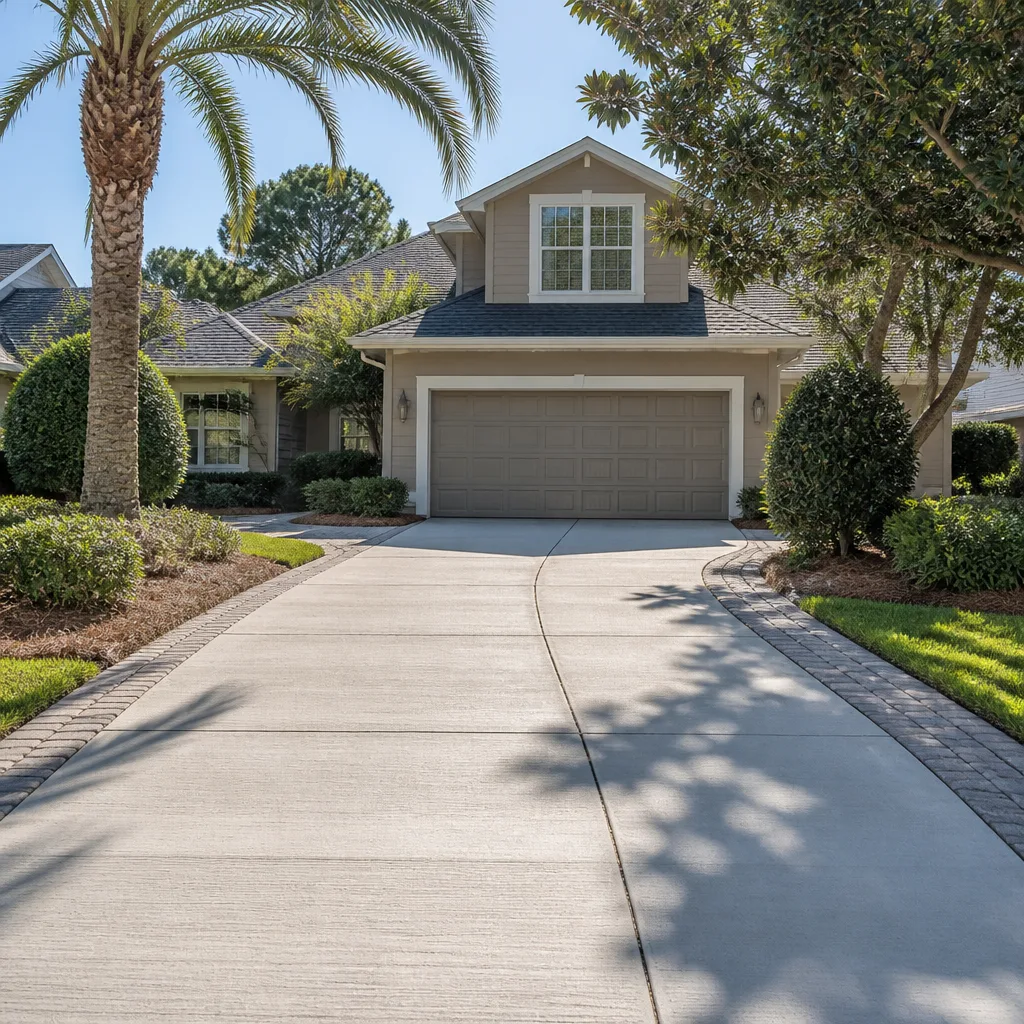
For a typical two-car driveway, that spec lands in our Spring Valley concrete driveway installation range of $4,500 to $12,000, depending on square footage, demolition, and haul-off. A driveway replacement runs $5,000 to $14,000. Sealing afterward to keep moisture out of that expansive soil is $250 to $700. If you want the paver look for a similar footprint, $7,000 to $18,000 covers most jobs.
On the materials side, we specify concrete from Quikrete mixes where bag work applies and pour from local ready-mix for the main slab. Where the homeowner wants a paver apron or border, we use Techo-Bloc and Cambridge Pavers products rather than whatever’s on the truck that day. And every driveway we place is covered by our 730-Day Done Right Promise - if it’s not done right, we make it right - so the spec you sign off on is the spec we stand behind in writing.
Control Joints Matter as Much as Thickness
Homeowners focus on thickness and forget the cuts. We’ve opened up Spring Valley driveways that were poured at a full 5 inches and still cracked with random spiderweb patterns. The cause was almost always the same: the saw cuts went in late or shallow. In desert heat, concrete cures fast, and if the control joints aren’t cut to a quarter of the slab depth within the first 24 hours, the slab will find its own places to crack. Those random cracks are unpredictable and far harder to seal. Proper joint cuts run straight, follow the expected stress lines, and turn a likely crack into a clean line you can caulk forever. Ask your contractor when the saw cuts go in. If the answer is vague, that’s a warning sign.
Common Spring Valley Scenarios We See
- Tract home with a crack at the corner of the garage: That’s usually a 4″ slab with no reinforcement that flexed when the expansive soil swelled. A saw-cut and full-depth crack repair works for a while, but replacement to a 5″ reinforced spec is often the honest recommendation.
- Newer driveway with joint spalling: Often a slab poured too wet or sealed too early in the heat. The fix is joint cleaning and re-sealing before water gets to the sub-base.
- Wide RV or boat pad: Wider slabs need more reinforcement, not just more thickness. Point-loads from a trailer drop are harder on concrete than a car rolling on it.
- HOA neighborhood rebuild: Gated subdivisions in Spring Valley often have color and finish rules on visible driveway surfaces. Confirm those before the pour, not after.
Sub-Base Compaction Is Not Optional
Thickness alone can’t save a slab on top of moving ground. Before we form a Spring Valley driveway, we compact the sub-base to 95% Proctor density, then verify it. Skipping that step on sandy or expansive desert soil is how you get a 6-inch slab that still settles and cracks in three years. We also check for drainage: water running off a slope onto a driveway is the fastest way to load up the soil beneath it. Grading away from the slab matters as much as the concrete in it.
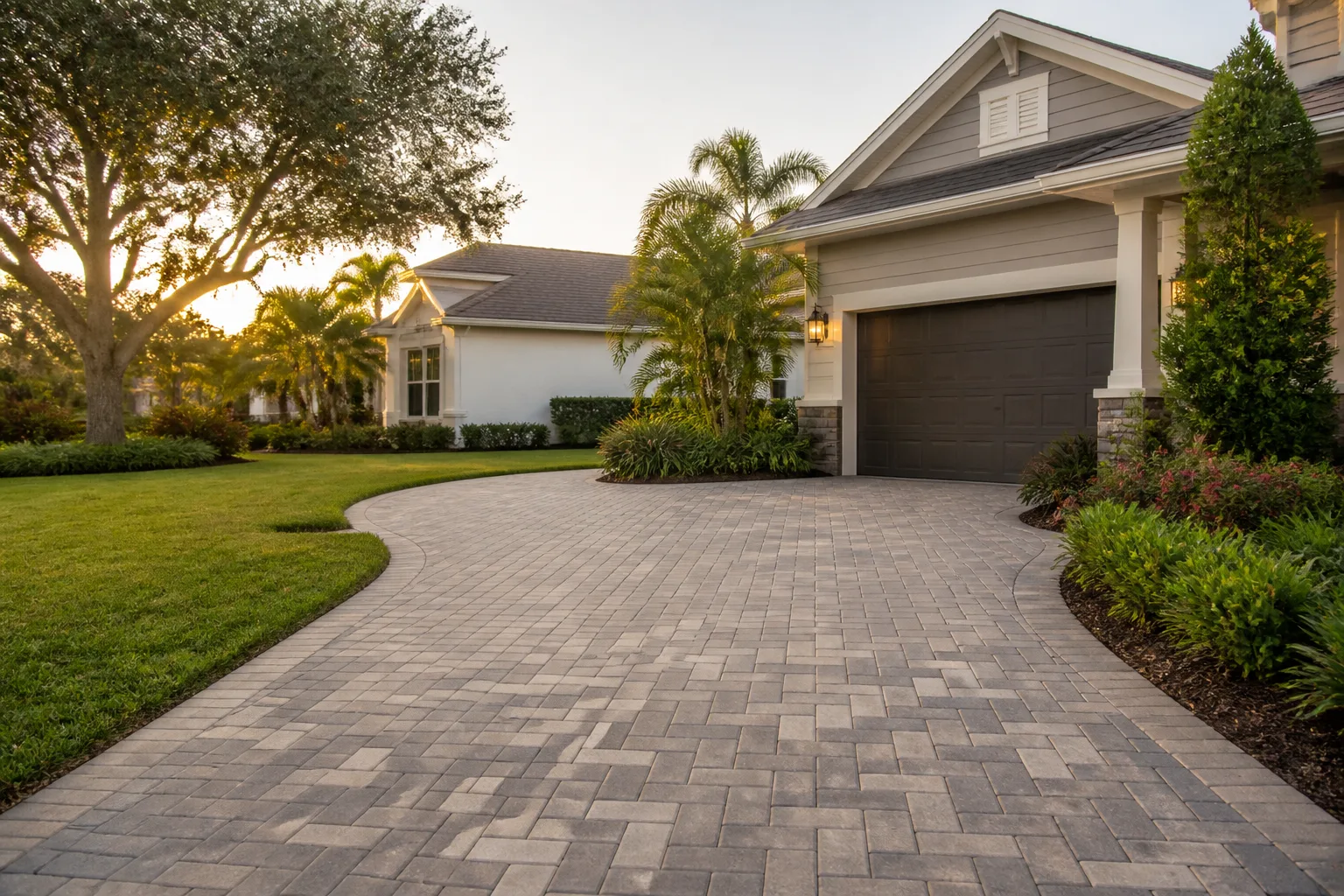
For the full scope of what a driveway build involves, including pavers and border options, see our Driveway & Pavers in Spring Valley page.
FAQs
5 inches with #3 rebar on 18-inch centers is the right spec for a residential car driveway in Spring Valley. Four inches meets code, but it flexes against the expansive desert soil and thermal cycling here and tends to crack earlier than a 5-inch reinforced slab. Call (888) 329-9414 for an exact quote - estimates are free.
Expect $4,500 to $12,000 for a new concrete driveway, and $5,000 to $14,000 for a full replacement, depending on square footage and demolition. The 5-inch reinforced spec with proper joints sits within that range; a thin code-minimum slab is cheaper but typically cracks sooner. Call (888) 329-9414 and we’ll walk through your specific layout.
Sometimes, but it’s usually not the right move in Spring Valley. An overlay goes on top of a slab that’s already cracked, and the same soil pressure that cracked the original keeps working underneath. If the base has failed, a full removal and replacement to a 5-inch reinforced spec is the honest answer. We’ll assess the base before recommending either.
Repair makes sense when cracks are isolated and the slab is level. Replace instead when you’re seeing multiple random cracks, joint movement, or settled sections - in those cases small patches just keep coming back. Most 15-20 year old driveways on unreinforced 4-inch slabs in Spring Valley fall into the replace category. Call (888) 329-9414 for a no-pressure assessment.
Get the Spec in Writing Before the Pour
If you’d rather have it looked at, Groundwork Construction Co. of Spring Valley offers a no-pressure assessment in Spring Valley - call (888) 329-9414. We put slab thickness, rebar grade and spacing, and joint depth in the written scope before work begins, so you’re not guessing what you got after the concrete sets. Our technicians have up to 12 years of experience working in Mojave conditions, and every job is covered by the 730-Day Done Right Promise.
Written by the team at Groundwork Construction Co. of Spring Valley, serving Spring Valley, NV.