Free written scope consultation - allowances, timeline, and change-order rules on paper before a single trade is scheduled
Styles & brands we work with
- Kitchen remodeling
- Bathroom remodeling
- Home additions & ADU
- Roofing
- Windows & doors
- Driveway & pavers
- Fence
See the difference
 Before
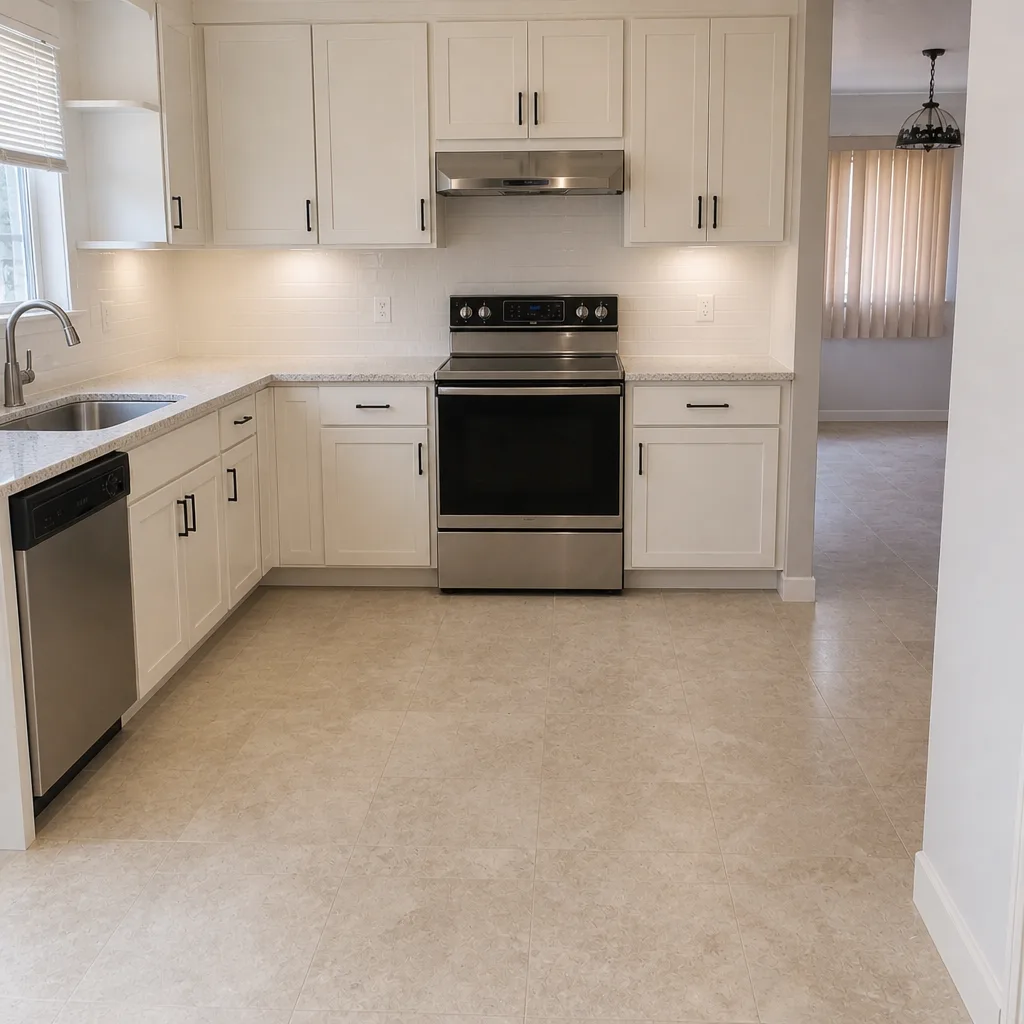 After
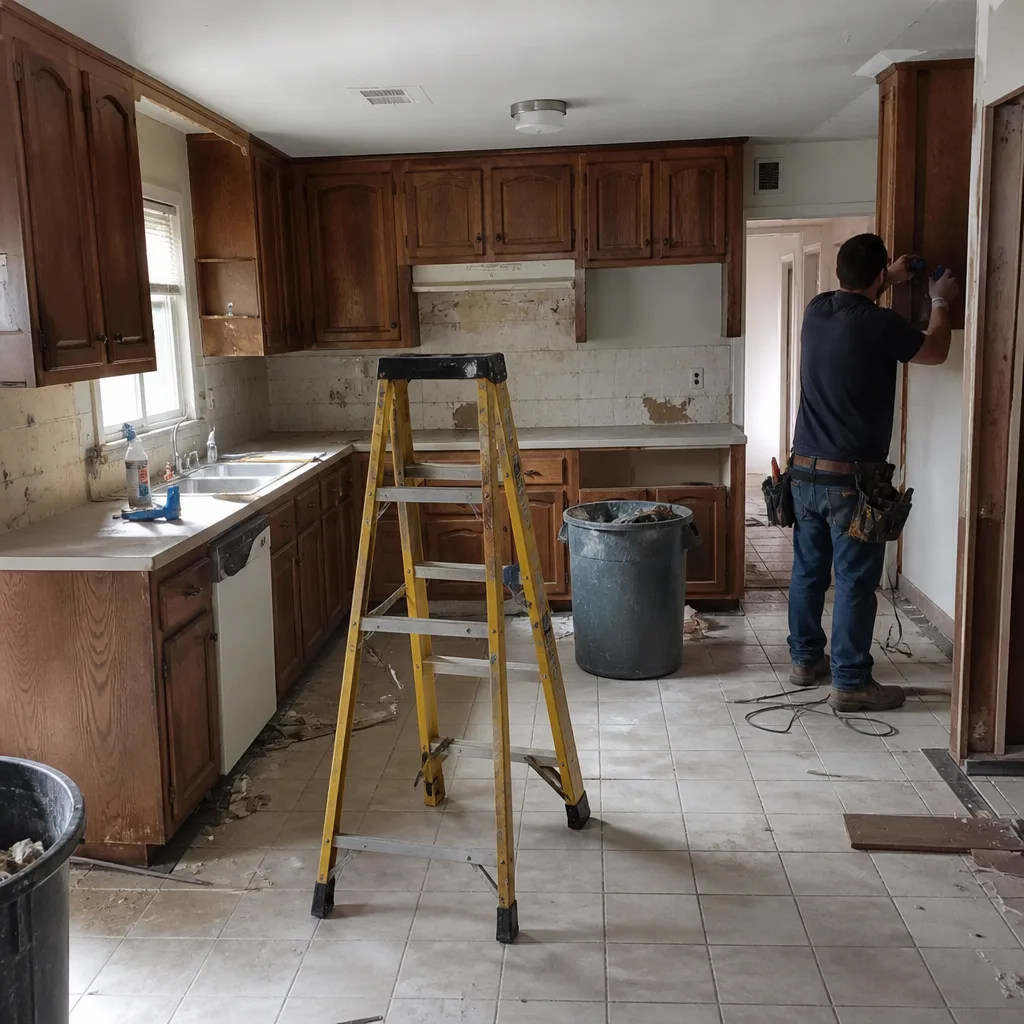 Before
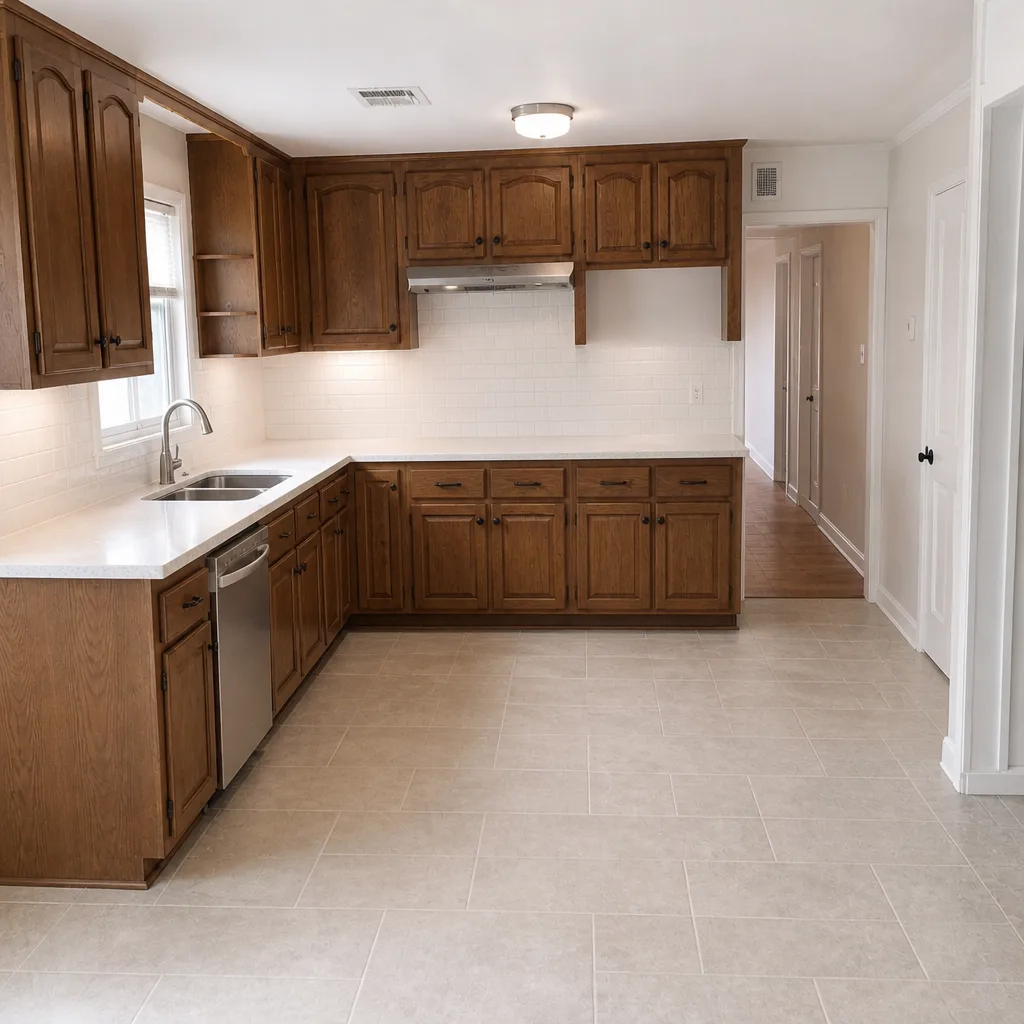 After
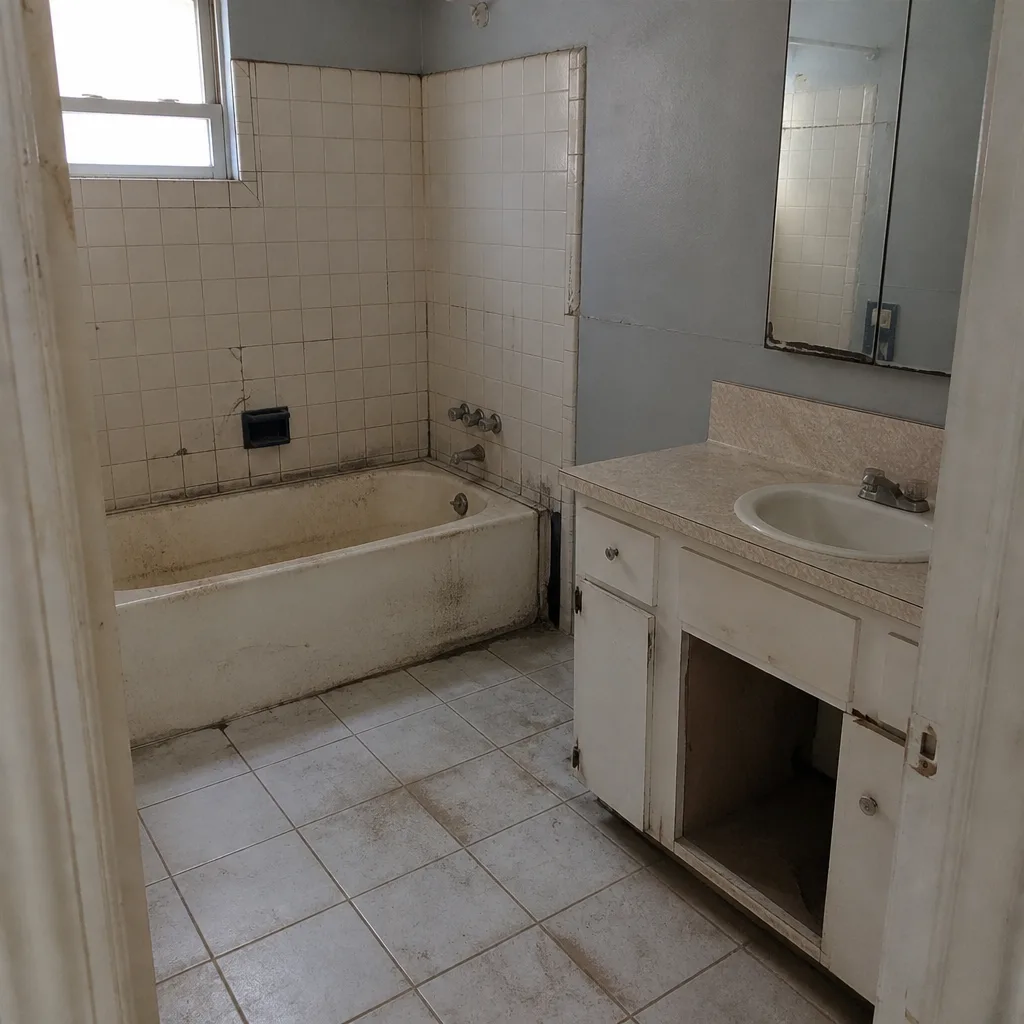 Before
 After
Can You Build an ADU on Your Property in Spring Valley, NV?
The short answer: yes, you can build an ADU on your property in Spring Valley if three things line up - your lot is zoned single-family residential, your lot size clears Clark County’s minimum for a detached unit, and your HOA’s CC&Rs don’t prohibit it. Nevada’s 2021 ADU reform cleared away the state-level barriers that used to stop Spring Valley homeowners, but it did not touch HOA deed restrictions or Clark County lot-coverage caps. That gap between what state law allows and what your specific parcel will physically accept is where most of the real answers live. If you want a straight read on your address before you spend money on drawings, call (888) 329-9414 for a no-cost site assessment.
Why “The Law Says Yes” Isn’t the Whole Answer in Spring Valley
Spring Valley’s housing stock is almost entirely 1990s-2000s stucco-and-tile tract homes and gated master-plan subdivisions. That era matters more than most people realize. The CC&Rs that govern those neighborhoods were drafted before anyone was thinking about accessory dwelling units, and many of them contain rental caps, “single kitchen per lot” clauses, or blanket bans on second dwellings. A CC&R recorded in 1997 can still control what you build on your lot decades later, even though state law now permits ADUs.
Then there’s the physical side. Clark County puts a maximum on how much of your lot can be covered by structures (the lot coverage cap), and a sizeable share of Spring Valley homes are already close to it. When we walk a property, the coverage math often decides the project before zoning even becomes a question. Here’s the order we run the checks, because doing them out of sequence wastes money:
- Zoning: the parcel must sit in a single-family residential designation. Condo and multi-family parcels drop out here.
- Lot size: detached ADUs need to clear Clark County’s minimum lot area, and a lot that’s barely over the line can limit where and how big the unit can be.
- Lot coverage: existing house, garage, pool deck, covered patio, and storage sheds all count. We total them, then see what’s left.
- HOA CC&Rs: rental restrictions, architectural review, and use language. This is the check most homeowners skip and most contractors never touch.
The Pool Problem: When Coverage Kills the Build
Many Spring Valley tract homes from the 1990s and 2000s came with a pool, a covered patio, and a wide concrete apron already on the ground. Add those surfaces to the house footprint and you’re sitting on a coverage number that leaves little or no room for a new detached structure. On some lots, the honest answer is that a detached ADU isn’t possible without removing something that’s already there - the covered patio, a shed, sometimes more.
There are still paths. Attached ADUs, garage conversions, and above-garage units sometimes fit the coverage math when a detached unit won’t. A garage conversion in Spring Valley usually runs $30,000-$80,000, well under the $90,000-$220,000 for a ground-up detached build, and it doesn’t consume any additional lot coverage because the structure already exists. Full-scope additions and ground-up builds land in the $45,000-$130,000 range depending on size and finish. You can see how the broader project scope looks on our Home Additions & ADU page, and the Home Additions & ADU in Spring Valley page covers the specific local build path.

Isn’t That Casita Already an ADU?
Not automatically, and this trips up a lot of Spring Valley homeowners. Several gated master-plan neighborhoods were built with detached casitas or bonus rooms that were legally permitted as guest houses - no kitchen, no rental use, often explicitly non-habitable for extended stays under their original permit. Converting one to a true ADU means a use-change permit, not a standard ADU permit. The two processes differ in what Clark County reviews, what drawings they need, and how long the approval takes. A casita can be a real head start, but treating a guest-house permit like an ADU permit will stall your plan.
One more wrinkle, and it’s specific to the western side of Spring Valley. On the slopes near Rhodes Ranch, expansive desert soils combine with summer monsoon runoff, and Clark County applies additional grading restrictions on how close a detached structure can sit to slopes and drainage paths. We regularly see foundation and driveway movement on those elevated lots after a wet monsoon season, which is also why any new slab needs careful site prep - the site that cracks a driveway will crack an ADU foundation. The practical result is a narrower buildable envelope than the lot size alone suggests. This is a case where a contractor’s read of the actual dirt matters as much as the zoning map.
What a No-Cost Site Assessment Actually Covers
Groundwork Construction Co. of Spring Valley runs all four eligibility checks - zoning, lot size, coverage, and CC&R review - before you spend money on a survey, drawings, or an HOA submission. You get a written answer: buildable, buildable with conditions, or not on this lot. If it’s a no, you want to hear that before the first architect invoice, not after.
When the lot does clear, the project moves into full-scope construction with one team from foundation to finish line. Our technicians have up to 12 years of experience, they arrive in uniform and background-checked, and every build is covered by our 730-Day Done Right Promise - if it isn’t done right, we make it right. Pricing is upfront before work starts, and projects over $10,000 take $1,000 off, with 0% financing for 18 months available. Fixtures and finishes pull from trusted brands like Delta, Toto, and American Standard, so a casita or garage conversion finishes like the rest of the house. Calls are answered by a live person 24/7; no voicemail, no waiting until Monday.
FAQs
Generally no. State law cleared the state-level barriers, but it did not override private HOA CC&Rs, and an HOA restriction can still stop an ADU even when Clark County would approve it. We read your CC&Rs as part of the site assessment, so the answer comes before you spend money on drawings. Call (888) 329-9414 and we’ll walk through your specific community’s rules - the assessment is free.
A ground-up detached ADU in Spring Valley typically runs $90,000-$220,000 depending on size and finish, while a garage conversion generally lands between $30,000 and $80,000 and doesn’t consume additional lot coverage. Attached additions fall in the $45,000-$130,000 range. Call (888) 329-9414 for an exact quote on your lot; estimates are free and pricing is upfront.
Yes. A pool, pool deck, covered patio, and shed all add to the coverage total, and together with the house footprint they can push a Spring Valley lot to or past the Clark County maximum. That’s often what decides whether a detached ADU fits - and why we calculate actual coverage before recommending a build path. Call (888) 329-9414 to have your numbers run.
Often yes, but it requires a use-change permit rather than a standard ADU permit, because the structure was originally permitted as a guest house. The process, the drawings, and the review timeline differ. We confirm how your specific Spring Valley casita was permitted and map the conversion path from there. Call (888) 329-9414 to start with a free assessment.
If you’d rather have it looked at, Groundwork Construction Co. of Spring Valley offers a no-pressure assessment in Spring Valley - we run the zoning, lot size, coverage, and CC&R checks and give you a plain answer. Call (888) 329-9414 for a free estimate and design consult.
Written by the team at Groundwork Construction Co. of Spring Valley, serving Spring Valley, NV.