Free written scope consultation - allowances, timeline, and change-order rules on paper before a single trade is scheduled
Styles & brands we work with
- Kitchen remodeling
- Bathroom remodeling
- Home additions & ADU
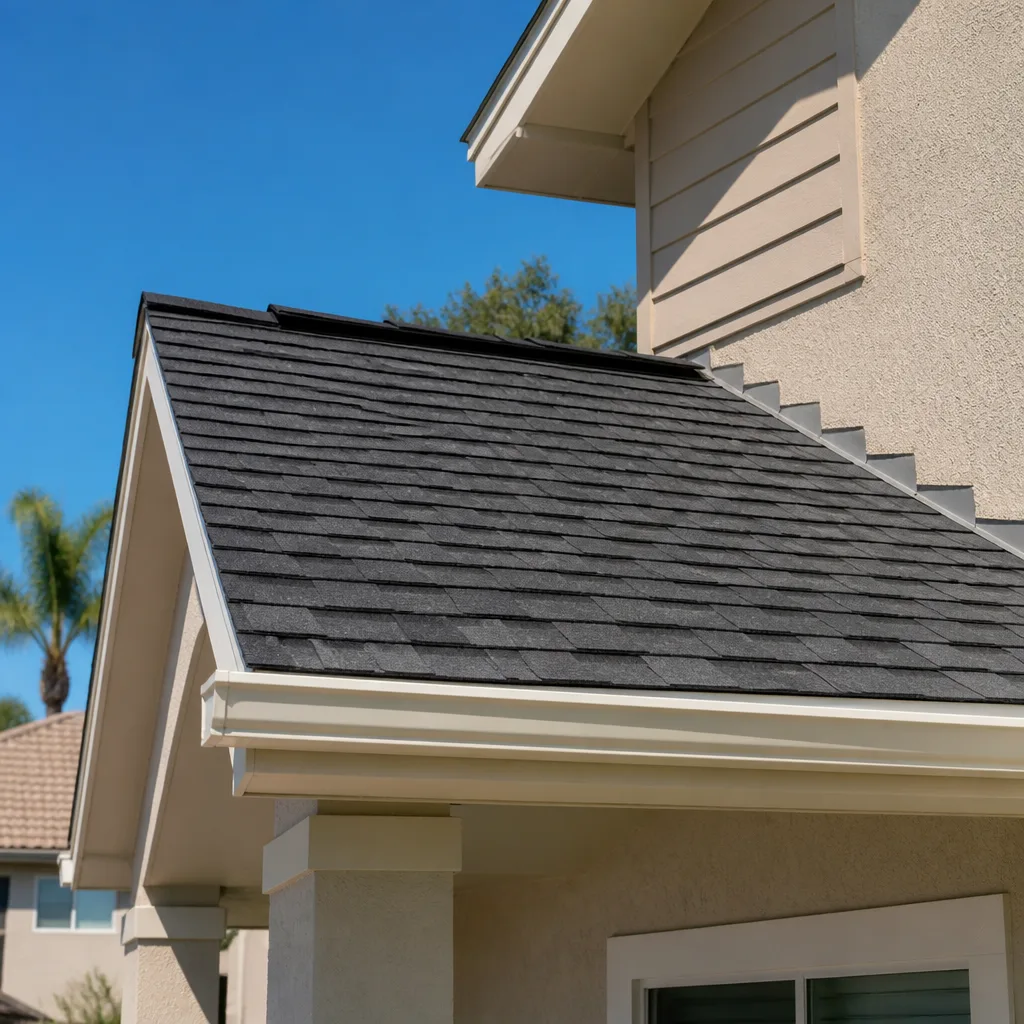
- Roofing
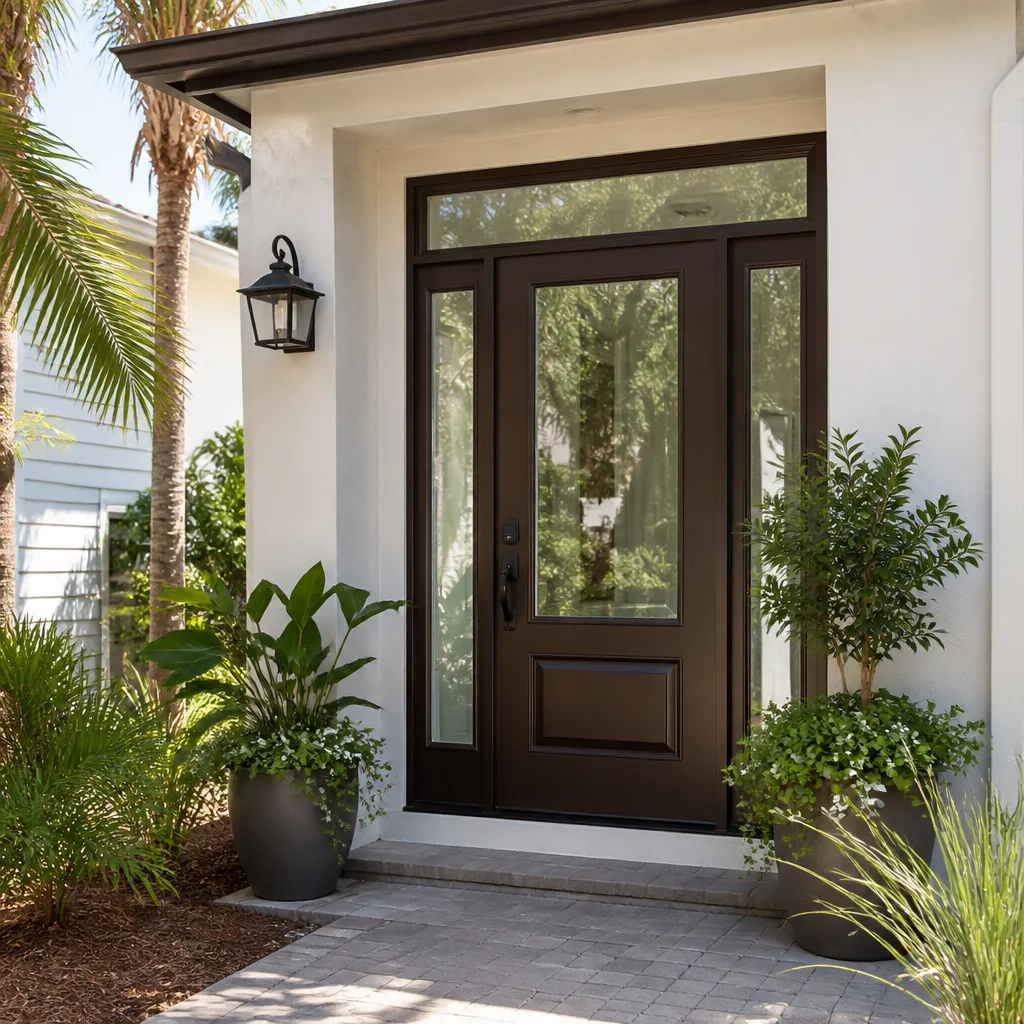
- Windows & doors
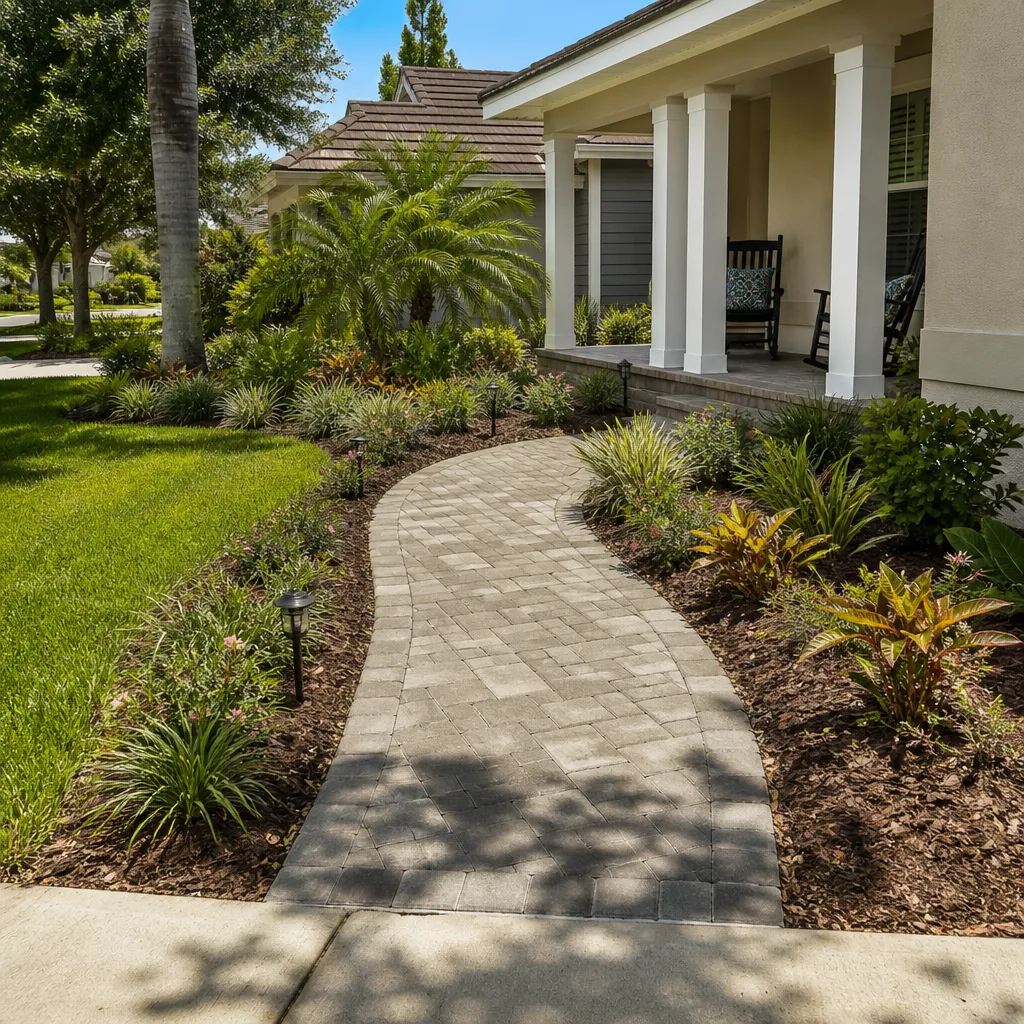
- Driveway & pavers
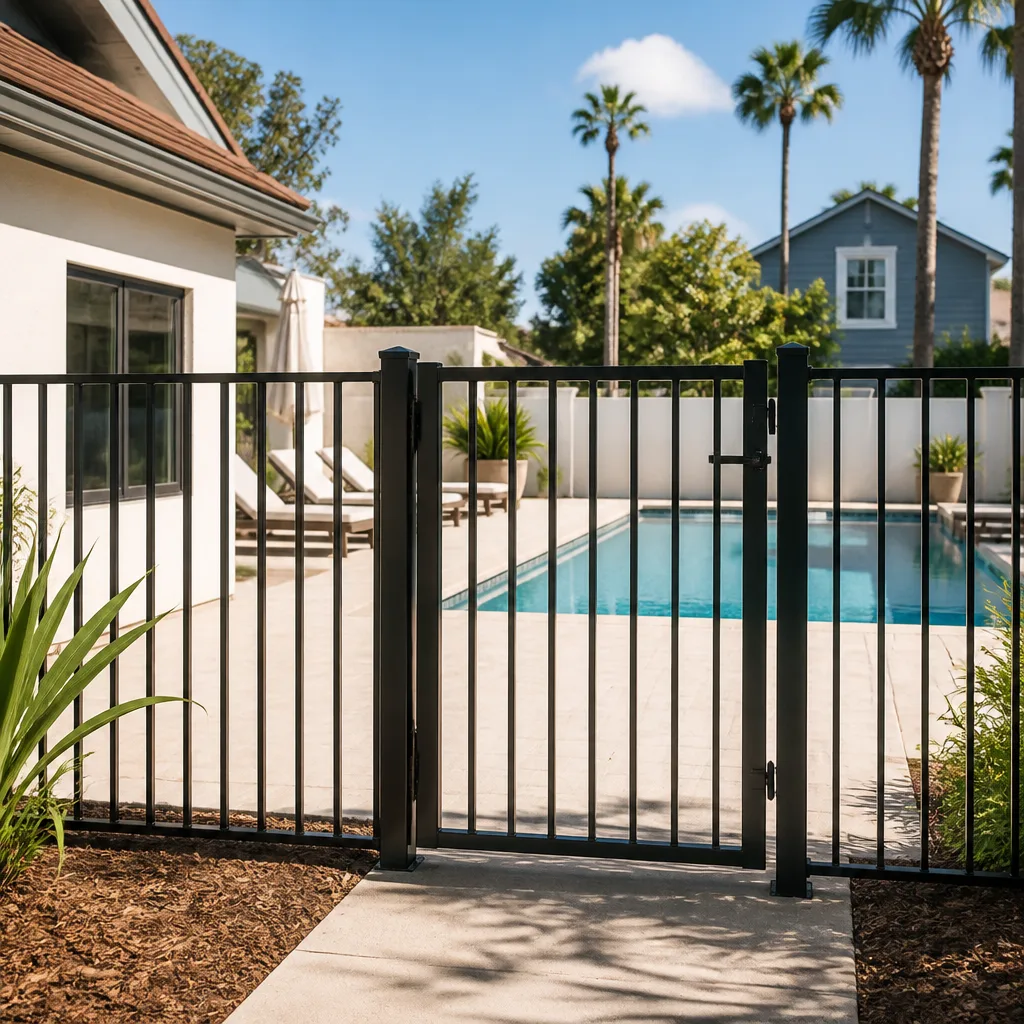
- Fence
See the difference
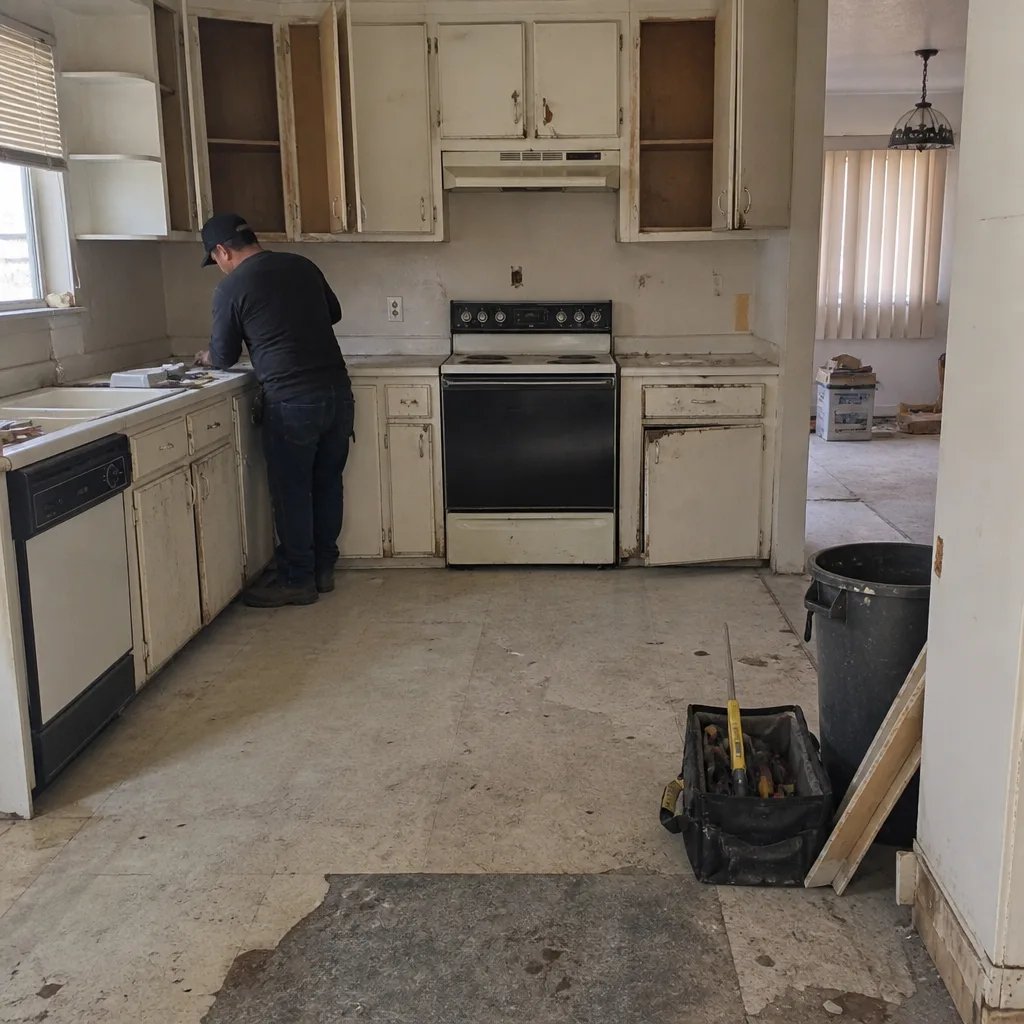 Before
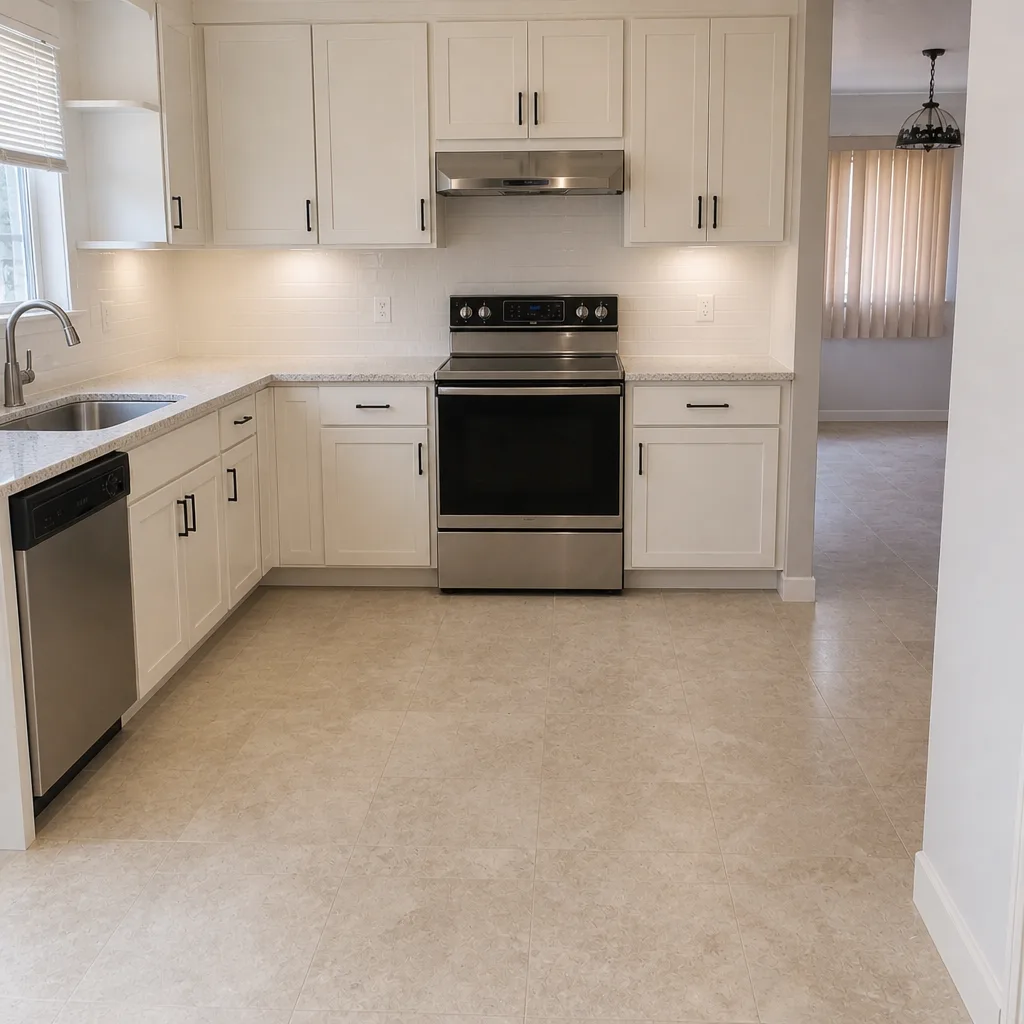 After
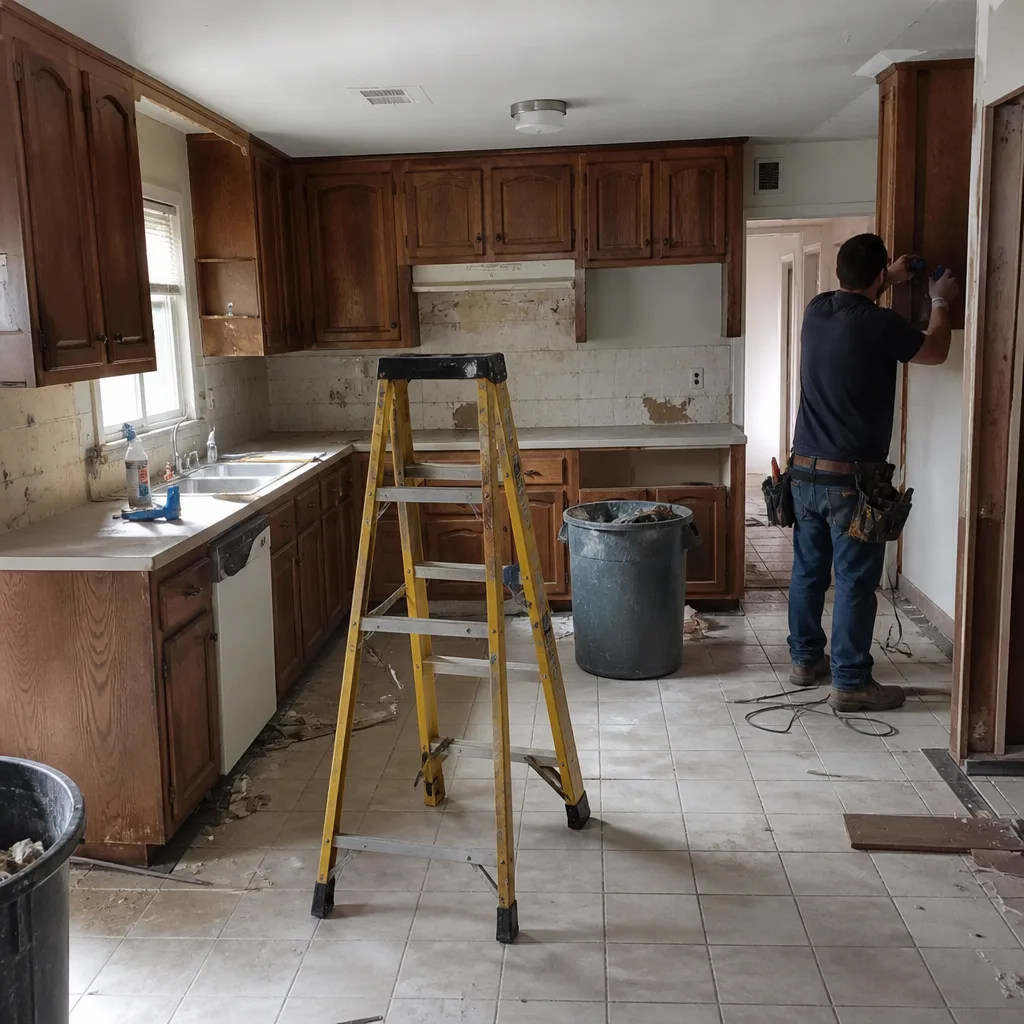 Before
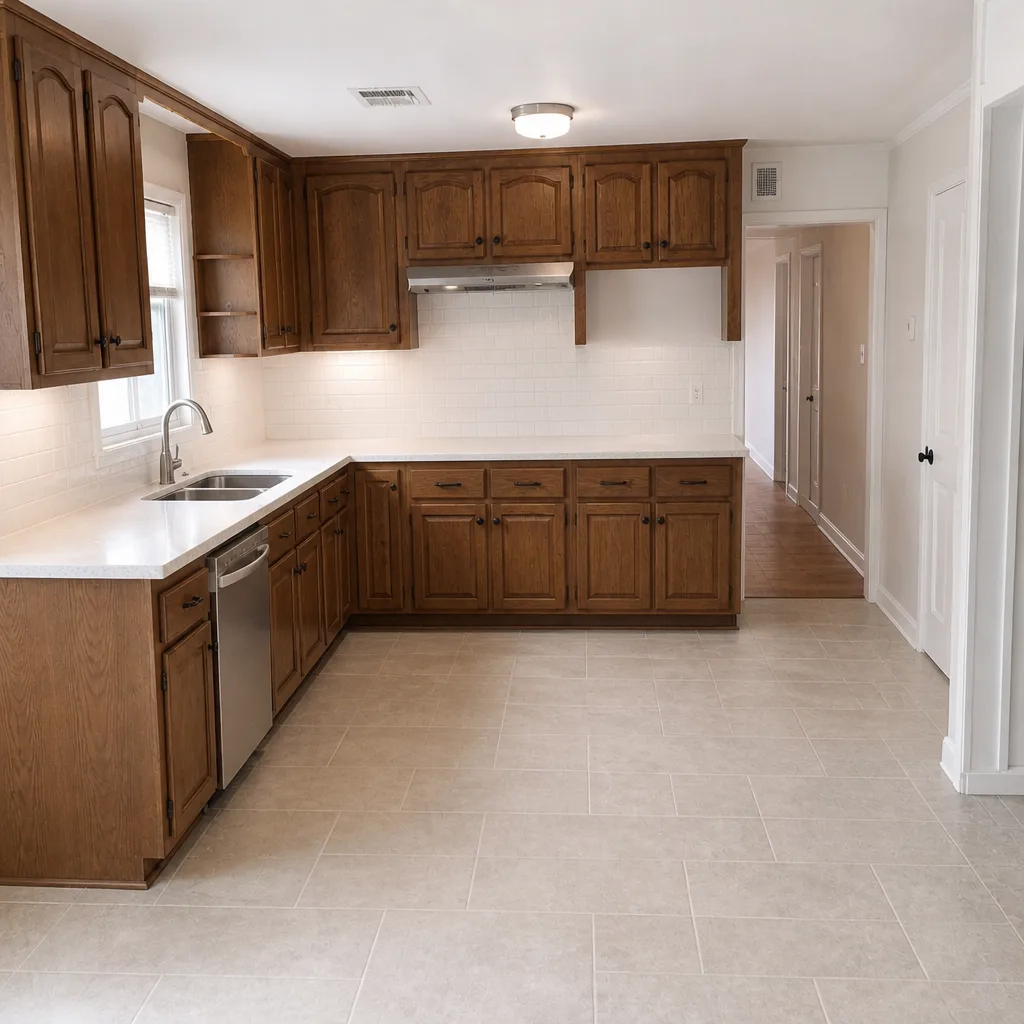 After
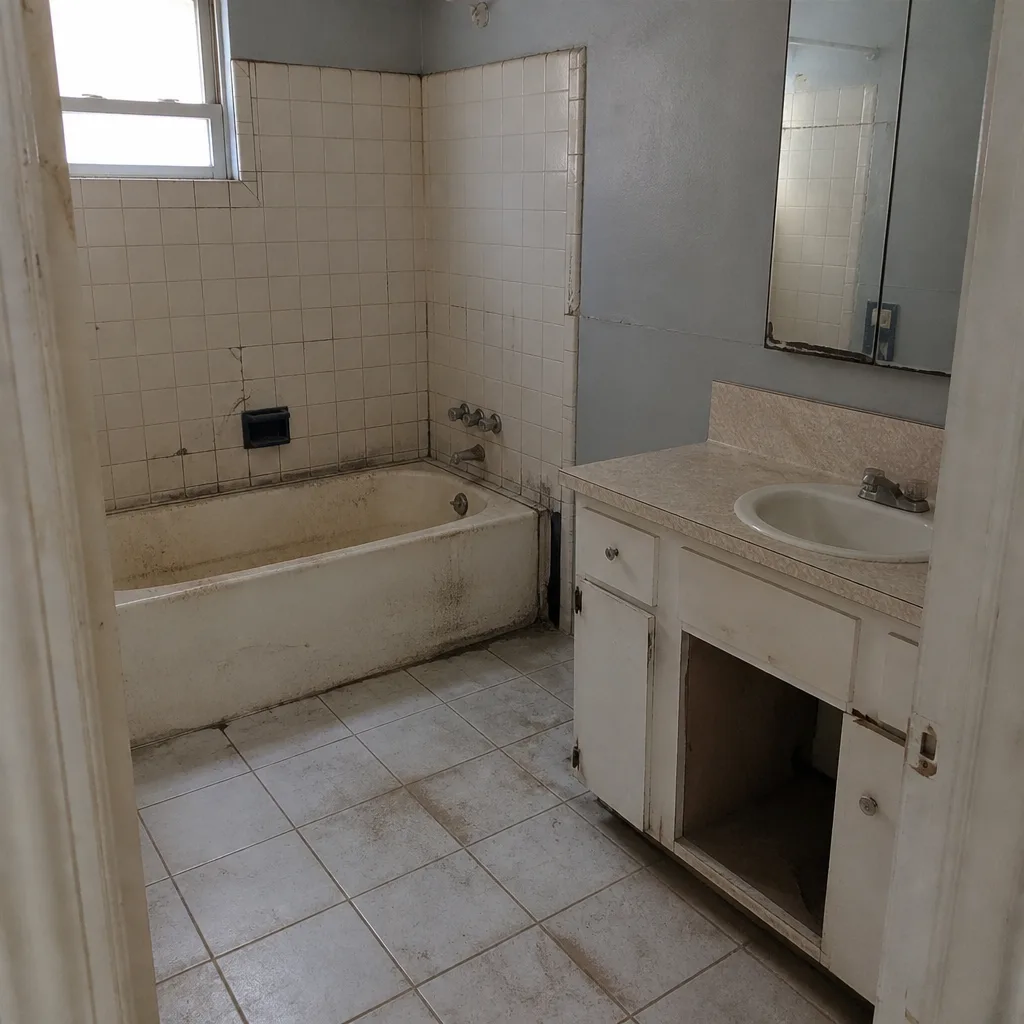 Before
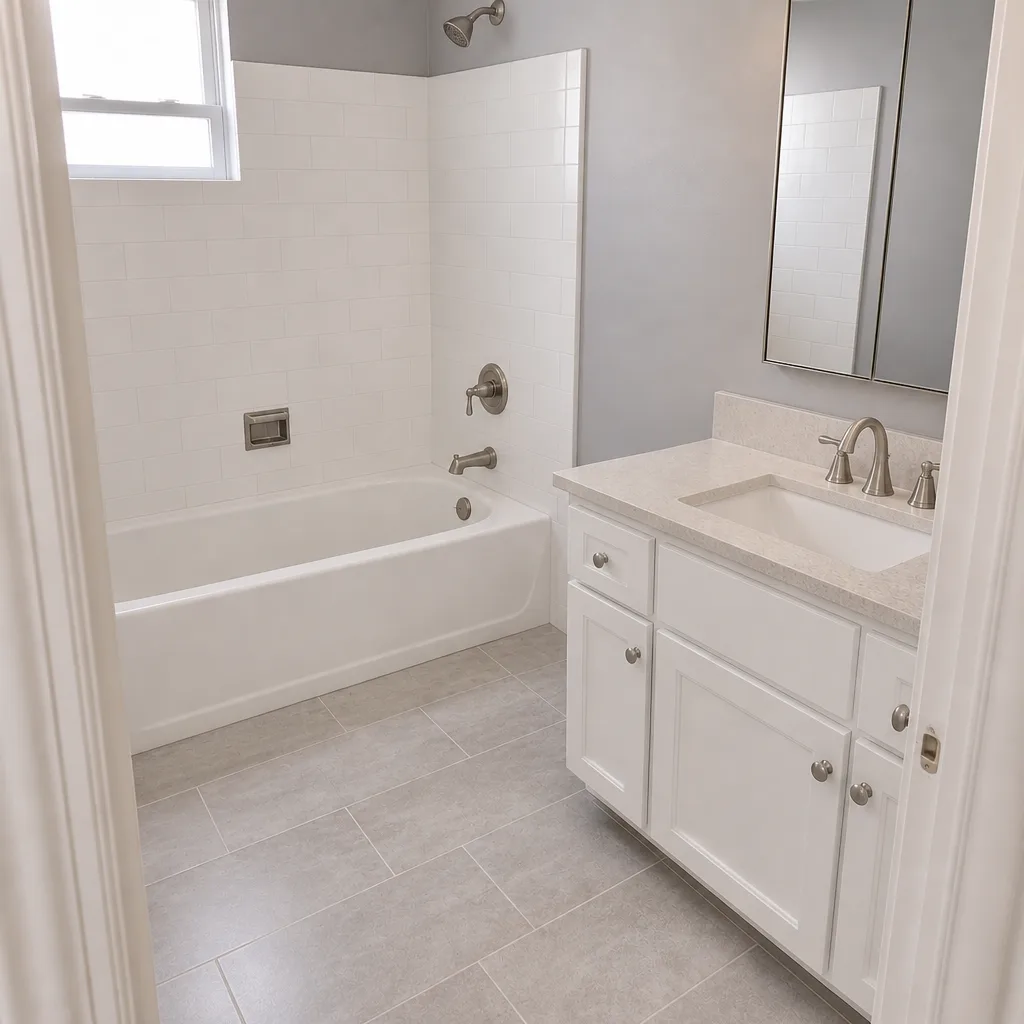 After
Junior ADU vs Standard ADU in Spring Valley, NV: Which One Actually Clears Your HOA?
For most homeowners in Spring Valley’s HOA-governed tract neighborhoods, choose a JADU unless your CC&Rs allow detached structures and you plan to keep living on-site. Nevada law gives you the right to build a standard ADU, but your 1999 deed restrictions can override that right at the architectural review level. A JADU stays inside the existing building envelope, which is often the only path that clears both Clark County and your ARC in the same 90-day window. Call (888) 329-9414 for a free assessment of which option your lot and HOA will actually approve.
Key Takeaways
- A JADU caps at 500 sq ft, sits inside your existing home, requires owner-occupancy, and can’t be sold separately.
- A standard ADU has no size cap under Nevada law (setbacks and lot coverage still apply), can be detached, and doesn’t require owner-occupancy.
- Your HOA’s CC&Rs are the real gatekeeper in Spring Valley’s master-plan subdivisions – not the state statute.
- Both scopes fall under Groundwork’s 730-Day Done Right Promise. The warranty never decides your choice; your goals do.
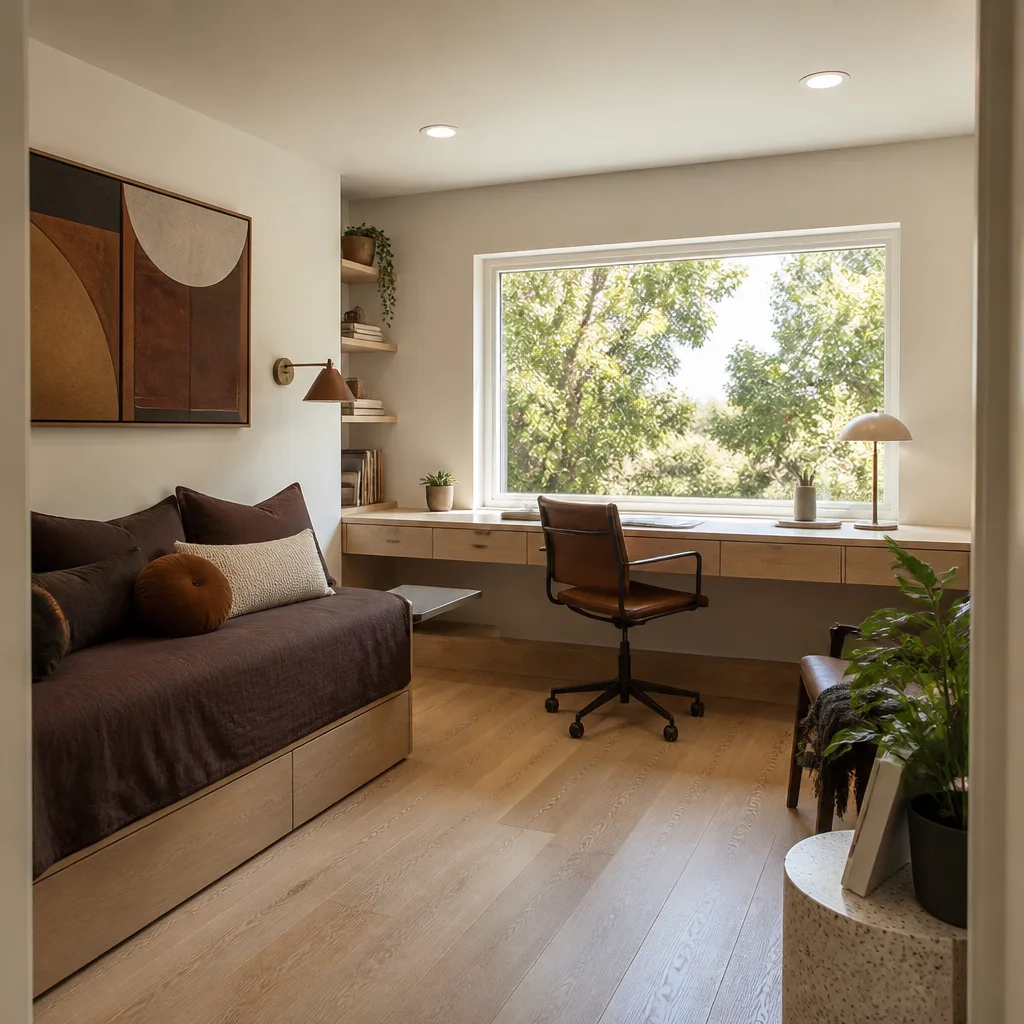
Why Your HOA Deed Matters More Than Nevada Law
Nevada statute is permissive about accessory dwelling units. It gives homeowners a path to build them. But most Spring Valley master-plan HOAs were formed under CC&Rs written in the 1990s and early 2000s, and those documents routinely restrict detached accessory structures, limit exterior modifications, and route any new structure through an architectural review committee. Nevada law does not automatically override a recorded covenant.
That’s the filter most ADU guides skip. Here’s what it looks like in practice:
- A detached standard ADU triggers full ARC review of an entirely new structure – footprint, roof pitch, stucco color, setbacks from the property line, and how it reads from the street. Approval is possible but rarely quick, and some CC&Rs simply prohibit it.
- A JADU that converts an existing interior space and adds a door or window may need only minor ARC approval, or none at all, because the exterior envelope doesn’t change. If your roofline stays intact and your footprint holds, you’re often outside the scope of what the committee was built to review.
We’ve watched the difference play out on the same street. Two neighbors with nearly identical lots, one pursuing a detached unit and one a garage conversion, moved through very different approval timelines – not because of county permitting, but because of what each HOA’s CC&Rs allowed. On the slopes near Rhodes Ranch, where expansive desert soils already complicate slab work, the detached option also means new foundation engineering that a JADU conversion sidesteps entirely.
JADU vs Standard ADU: A Side-by-Side Comparison
| Factor | JADU (Junior ADU) | Standard ADU |
|---|---|---|
| Max size | 500 sq ft | No state size cap (setbacks and lot coverage apply) |
| Location | Inside existing structure | Detached, attached, or interior |
| Owner-occupancy | Required – you must live on-site | Not required |
| Separate sale | Not allowed | Not allowed, but rental latitude is broader |
| HOA/ARC exposure | Low – envelope unchanged | High – new structure review |
| Rental income | Lower | Higher, and independent meters are possible |
| Typical Spring Valley cost | $30,000-$80,000 (garage conversion range) | $90,000-$220,000 |
| Approval timeline | Often faster | Longer, and less certain under CC&Rs |
The cost spread is real money. A garage conversion in Spring Valley typically lands in the $30,000-$80,000 range, while a detached ADU runs $90,000-$220,000 once you account for foundation, utilities, and finishes. Statewide home additions sit in the $45,000-$130,000 band, and an ADU project at the higher end rides that same curve. Lead pricing for the broader category runs $45,000-$130,000 depending on scope.
Our background-checked, uniformed technicians have up to 12 years of experience with both conversion and ground-up work, and both scopes come through Home Additions & ADU under the same guarantee.
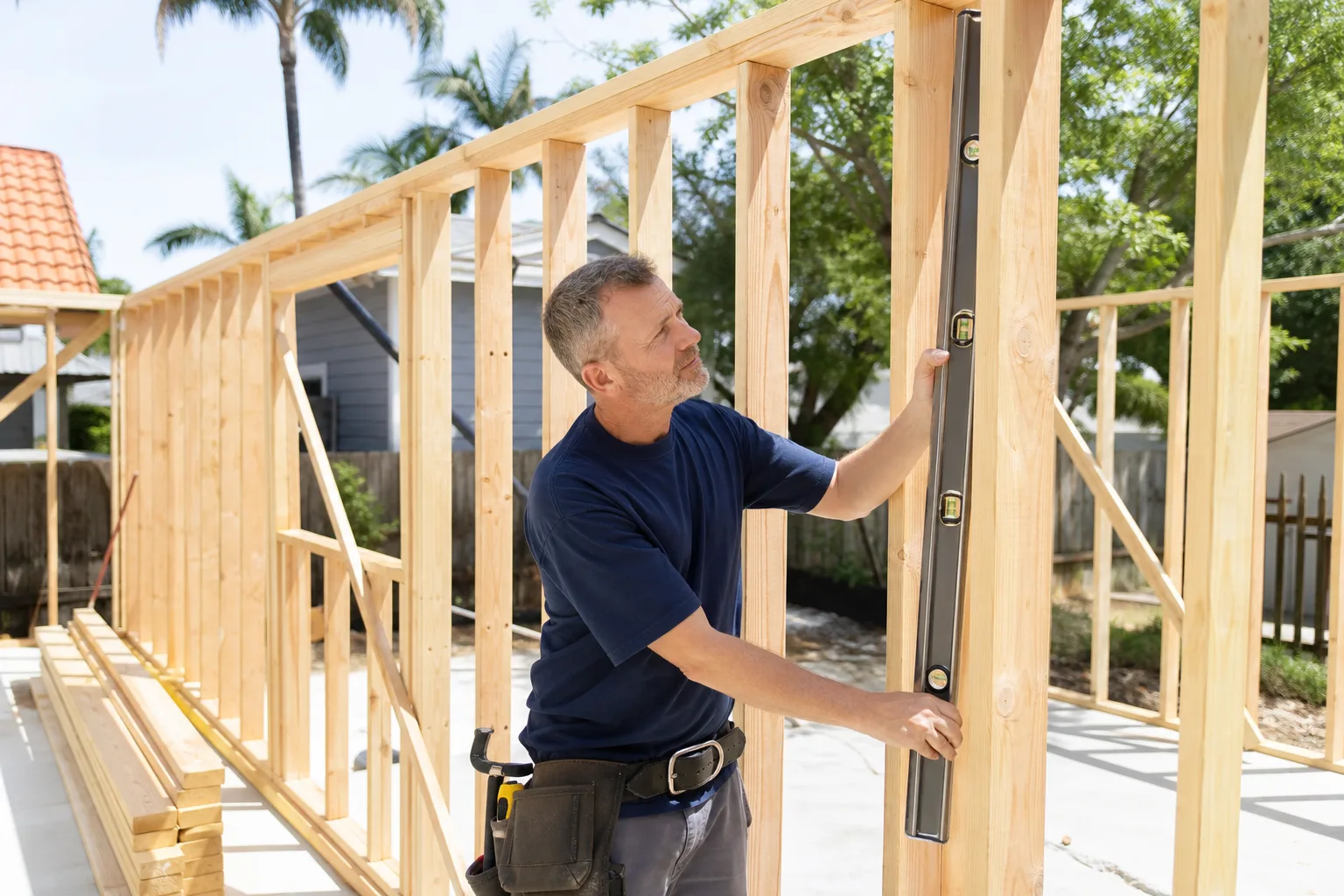
The Owner-Occupancy Catch Nobody Explains Up Front
A JADU requires the homeowner to live on the property. Full stop. If you’re planning to rent both units and live elsewhere, the JADU is off the table – the standard ADU is your only legal option. That single line in the statute eliminates the cheaper, faster path for absentee owners and investment-minded buyers.
For homeowners who do live on-site, the JADU’s lower cost and lighter ARC burden often make it the smarter play, especially in Spring Valley’s stucco-and-tile tract homes where the existing structure is already framed, roofed, and insulated. You’re repurposing square footage you already own rather than engineering new ground on expansive soils.
Rental income deserves an honest look too. A standard ADU produces more because it’s larger, offers more privacy, and can carry independent utility meters. A JADU generates less but can be operational faster and cheaper. That trade-off is a numbers question, not a moral one – run the math on your own goals before you commit either way.
One thing worth knowing about Spring Valley’s building stock
Most of this area’s housing went up between the 1990s and 2000s as stucco-and-tile tract homes on slab-on-grade foundations, sitting at roughly 2,300 feet where summer highs push past 110°F and winter nights drop to freezing. That thermal swing is brutal on stucco, flatwork, and roof seals. If your JADU conversion touches an exterior wall or your standard ADU needs a new slab, we account for that movement up front. It’s why exterior crack repair and roof maintenance are recurring needs here rather than one-time fixes, and why we specify heat-rated materials from partners like James Hardie and GAF on additions.
How Groundwork Handles Both Paths
The 730-Day Done Right Promise covers both options equally. A 300-sq-ft JADU conversion and a 750-sq-ft detached ADU carry the same workmanship guarantee – if it’s not done right, we make it right. So the decision rests on your goals: whether you need the income ceiling of a standard ADU, whether you’ll live on-site, and what your CC&Rs will approve. We guide through that, we don’t pressure.
Calls are answered by a live person, 24/7, and pricing is upfront – the number you see is the number you pay. We also apply $1,000 off projects over $10,000 and 0% financing for 18 months to keep a large addition within reach. When your ADU scope extends to fencing or pavers, we handle those through partners like Belgard and ActiveYards. For broader projects, our home construction team covers foundation to finish line.
Frequently Asked Questions
A JADU is capped at 500 sq ft, sits inside your existing structure, requires you to live on-site, and can’t be sold separately; a standard ADU has no size cap under Nevada law, can be detached, and doesn’t require owner-occupancy. The practical difference in Spring Valley comes down to HOA review – a detached standard ADU triggers full ARC scrutiny of a new structure, while a JADU that leaves the footprint and roofline intact often needs little or no ARC approval. Call (888) 329-9414 and we’ll help you read your CC&Rs.
Usually yes for a standard ADU, and often minimally or not at all for a JADU. Most master-plan CC&Rs here were written to control detached structures and exterior modifications, so a new detached unit goes through architectural review, while an interior conversion that adds a door may fall outside the committee’s scope. Never assume state law beats your deed – check the recorded covenants first. Our team reviews them with you at no cost; call (888) 329-9414.
You can rent a JADU, but you must also live on the property – that owner-occupancy rule is baked into the statute. If you want to rent both units and live elsewhere, only a standard ADU works. That single constraint is the deciding factor for a lot of absentee owners we talk to. If you’re weighing income potential, call (888) 329-9414 and we’ll run the numbers with you.
A JADU conversion typically runs $30,000-$80,000, while a detached standard ADU runs $90,000-$220,000, depending on size, foundation, and finishes. Broader additions sit in the $45,000-$130,000 band. The spread between the two options is significant, and approvals can shift the true cost either way. Call (888) 329-9414 for an exact quote – estimates are free, and we offer 0% financing for 18 months.
Ready to Decide Which ADU Fits Your Property?
If you’d rather have it looked at, Groundwork Construction Co. of Spring Valley offers a no-pressure assessment in Spring Valley – we’ll review your CC&Rs, walk the space, and give you a straight answer on whether a JADU or standard ADU makes sense. Call (888) 329-9414. Live person, 24/7, free estimate and design consult.
Written by the team at Groundwork Construction Co. of Spring Valley, serving Spring Valley, NV.