Free written scope consultation - allowances, timeline, and change-order rules on paper before a single trade is scheduled
Styles & brands we work with
- Kitchen remodeling
- Bathroom remodeling
- Home additions & ADU
- Roofing
- Windows & doors
- Driveway & pavers
- Fence
See the difference
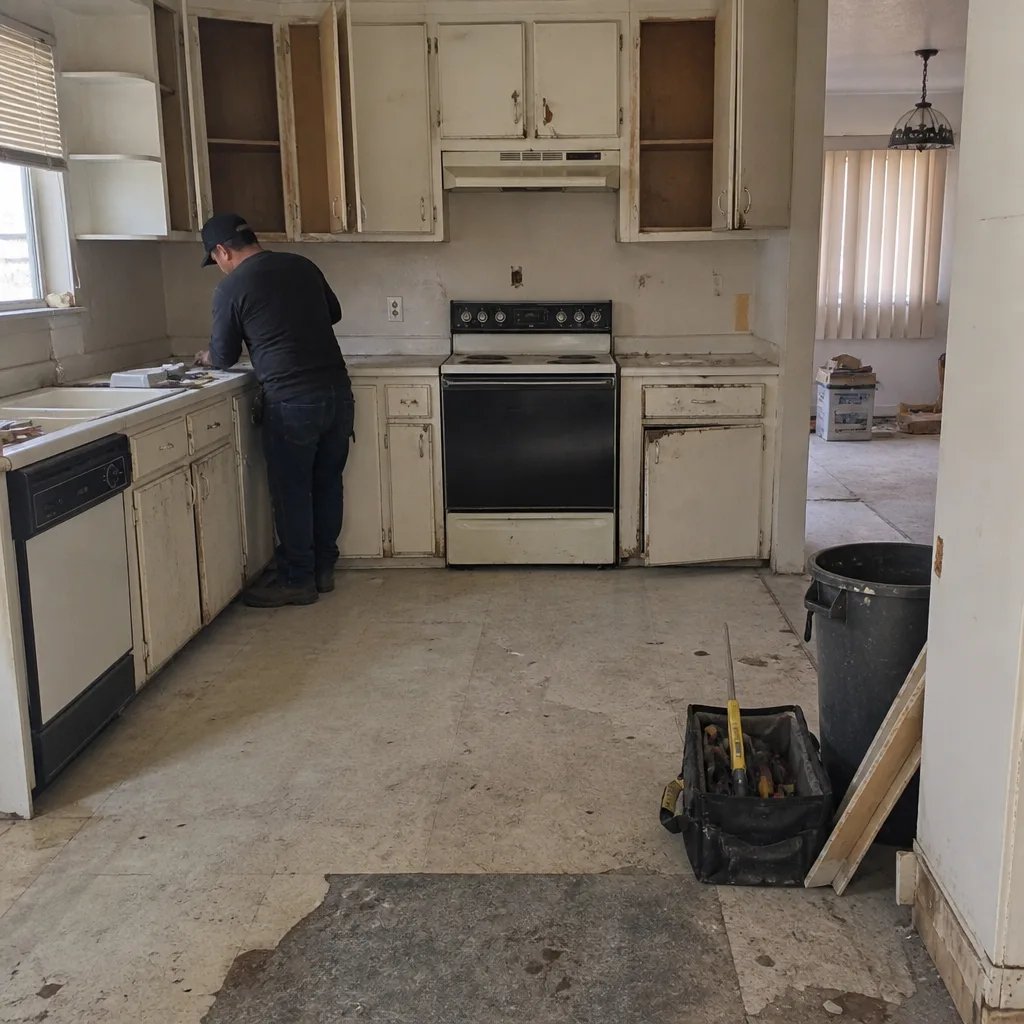 Before
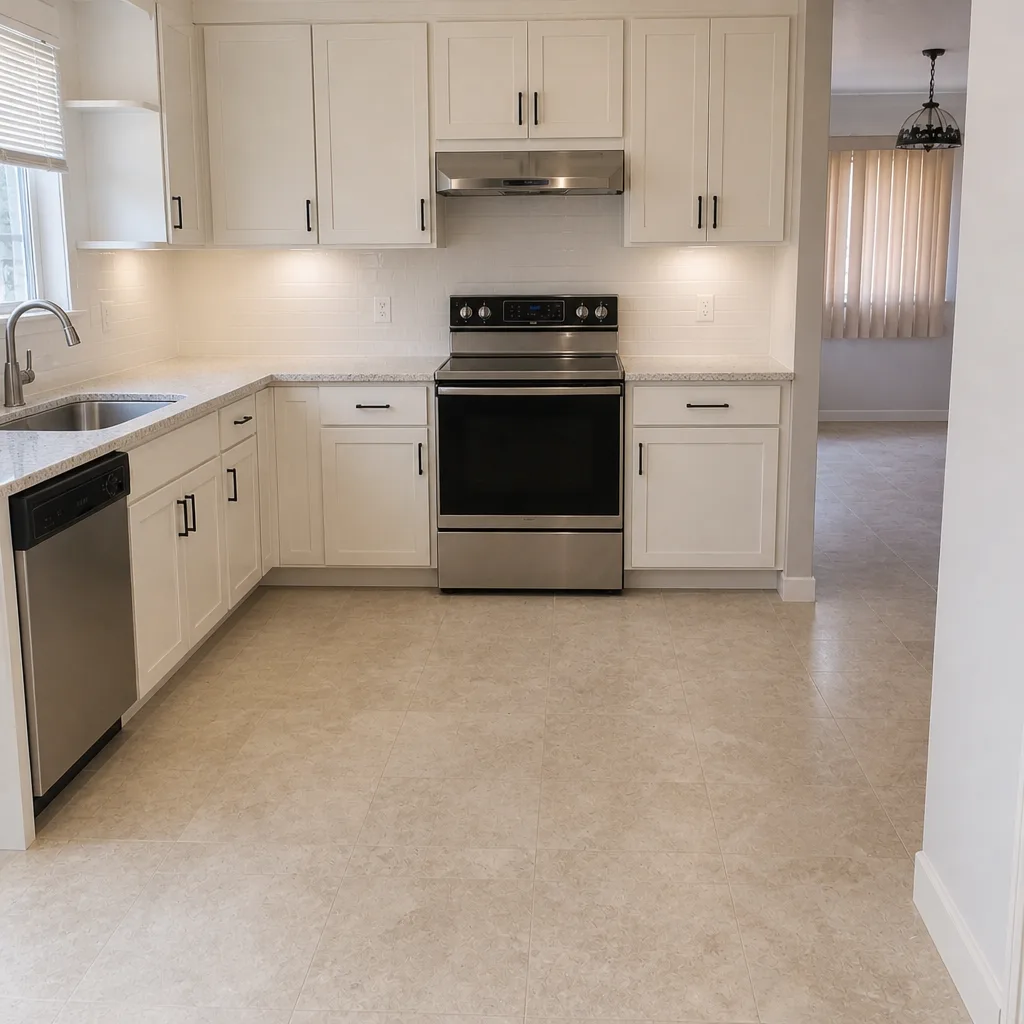 After
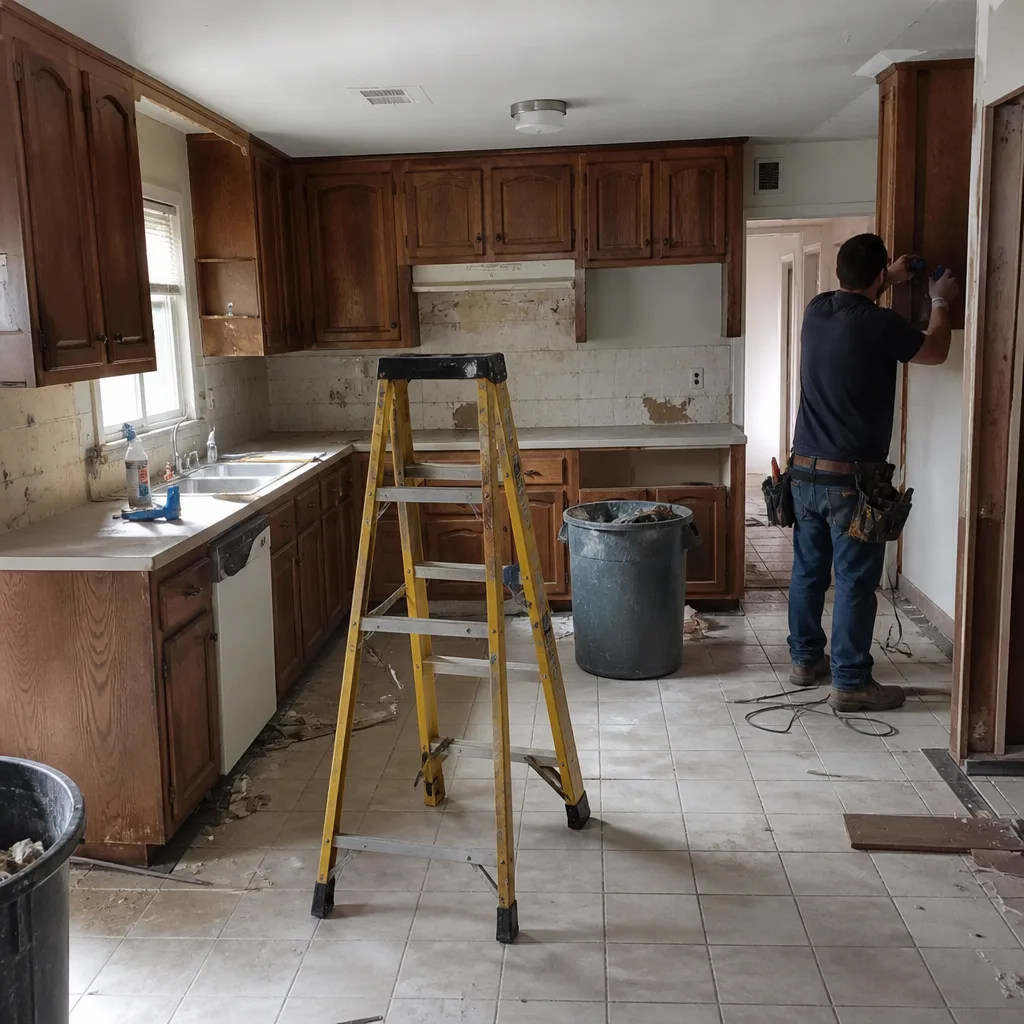 Before
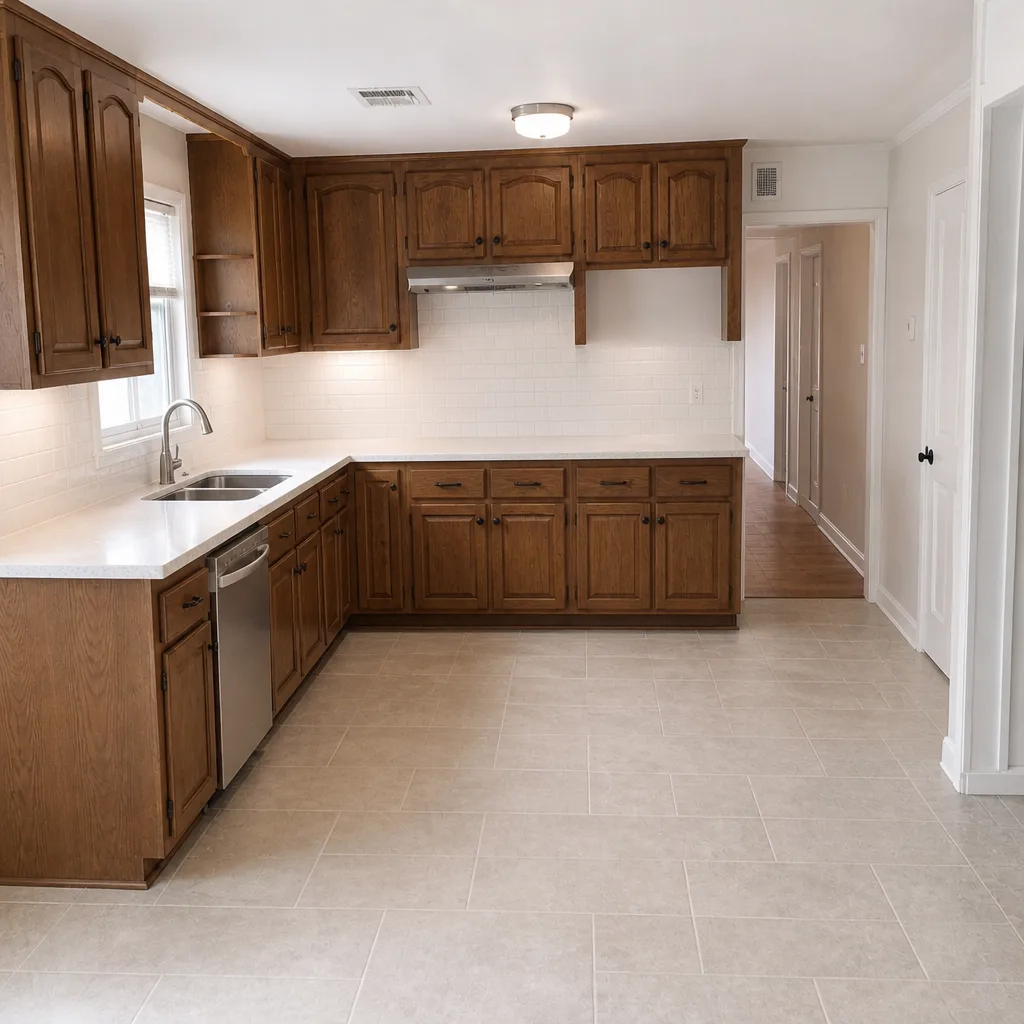 After
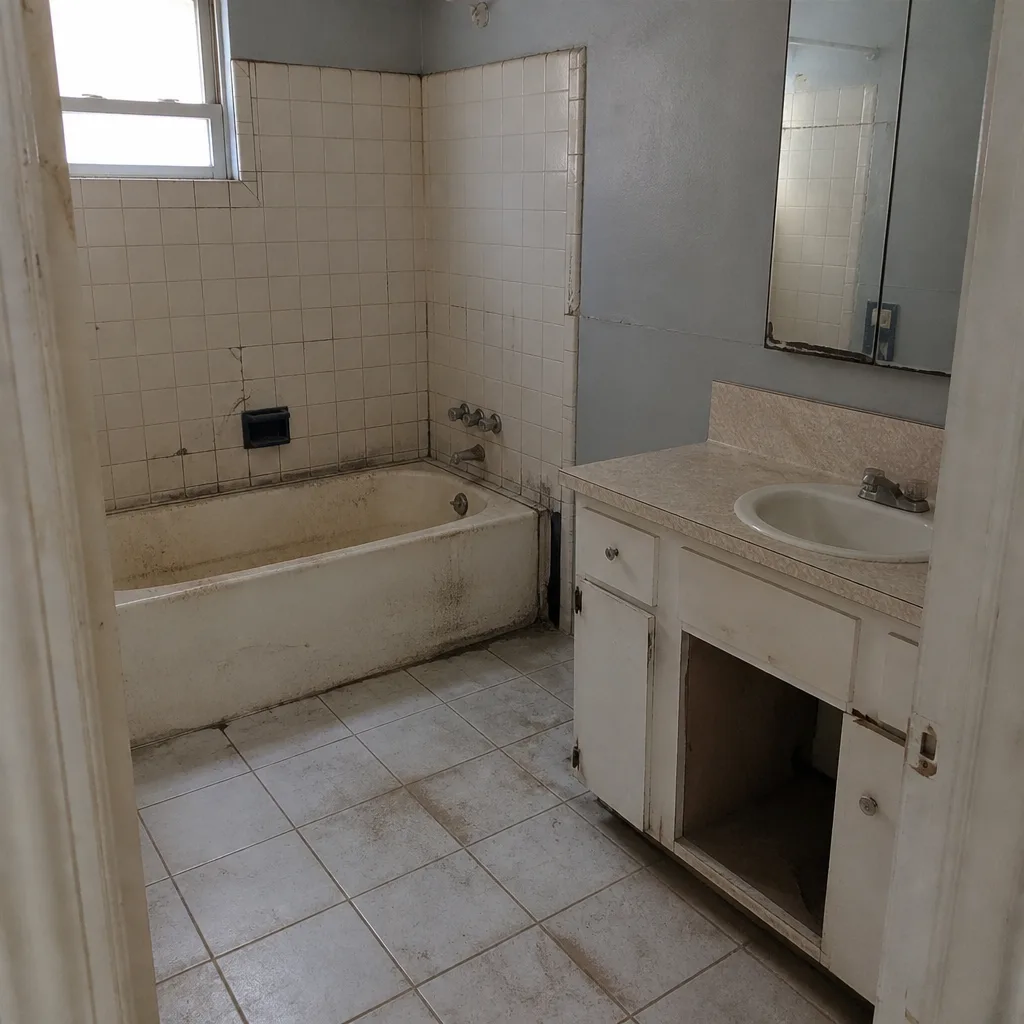 Before
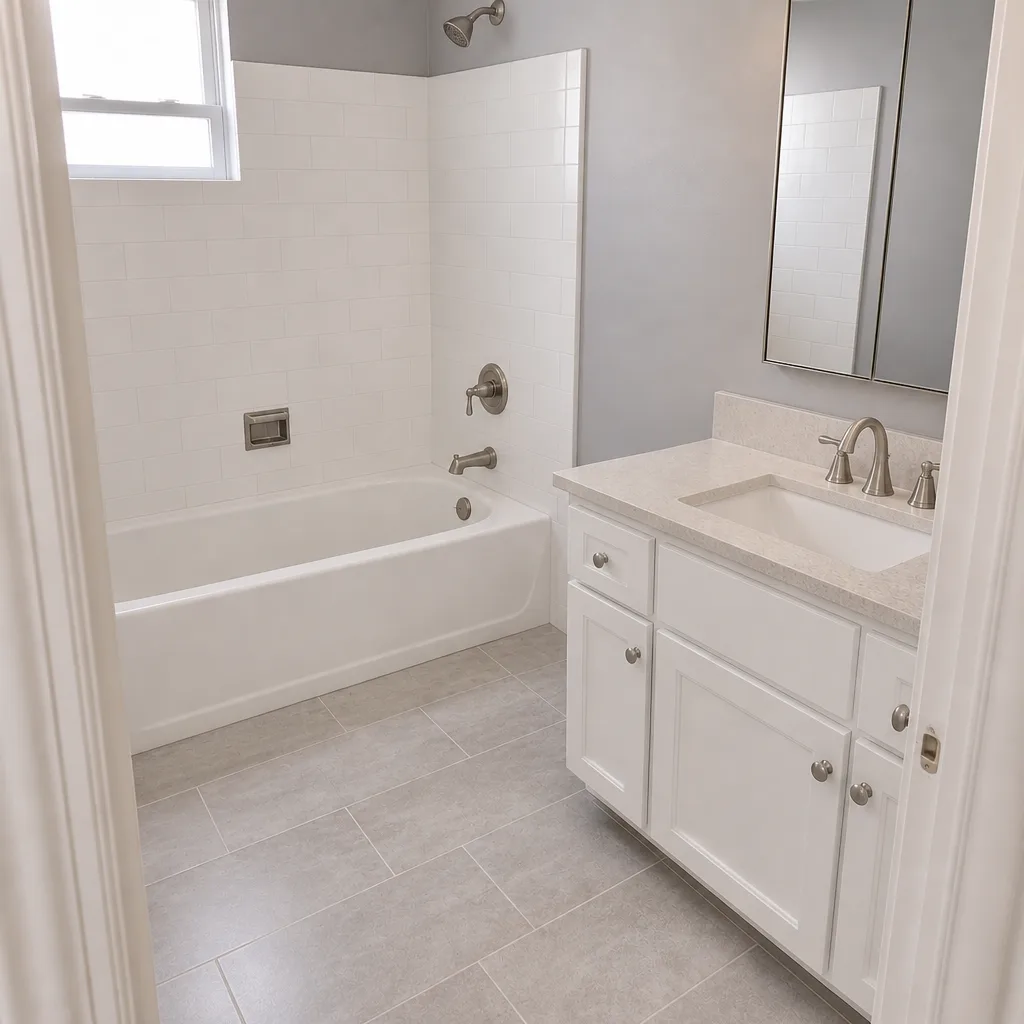 After
Prefab ADU vs Custom Built ADU in Spring Valley, NV: Choose Custom Unless Your Lot Is Flat, Unregulated, and Fully Padded
Choose a custom-built ADU unless your Spring Valley lot is flat, outside any HOA architectural review, and already has a stable engineered pad. For most homeowners in this valley, prefab looks cheaper on the quote and costs more by the finish line. The reason isn’t the factory panel price. It’s what Spring Valley does to a building after it lands: expansive desert soils on the western slopes, HOA rules that mandate stucco and concrete tile, and a 110°F-to-freezing thermal swing that finds every weak joint. Custom-built starts higher and stays predictable. Call (888) 329-9414 and we’ll walk your lot before you commit to either path.
Key Takeaways
- Prefab ADUs in Spring Valley’s gated subdivisions frequently get bounced at architectural review because they can’t match the existing stucco-and-tile roofline.
- Expansive soils near Rhodes Ranch and the western edge cause slab movement that a factory-designed pad often doesn’t account for. Cracks show up in 2 to 3 years.
- Custom builds let you tie into existing HVAC, electrical panel capacity, and water heater placement instead of paying retrofit gap fees.
- Typical ADU construction in Spring Valley runs $90,000 to $220,000. Full home additions run $45,000 to $130,000. Those are the real numbers to budget against.
Why Prefab ADUs Get Rejected in Spring Valley HOAs Before the Foundation Is Poured
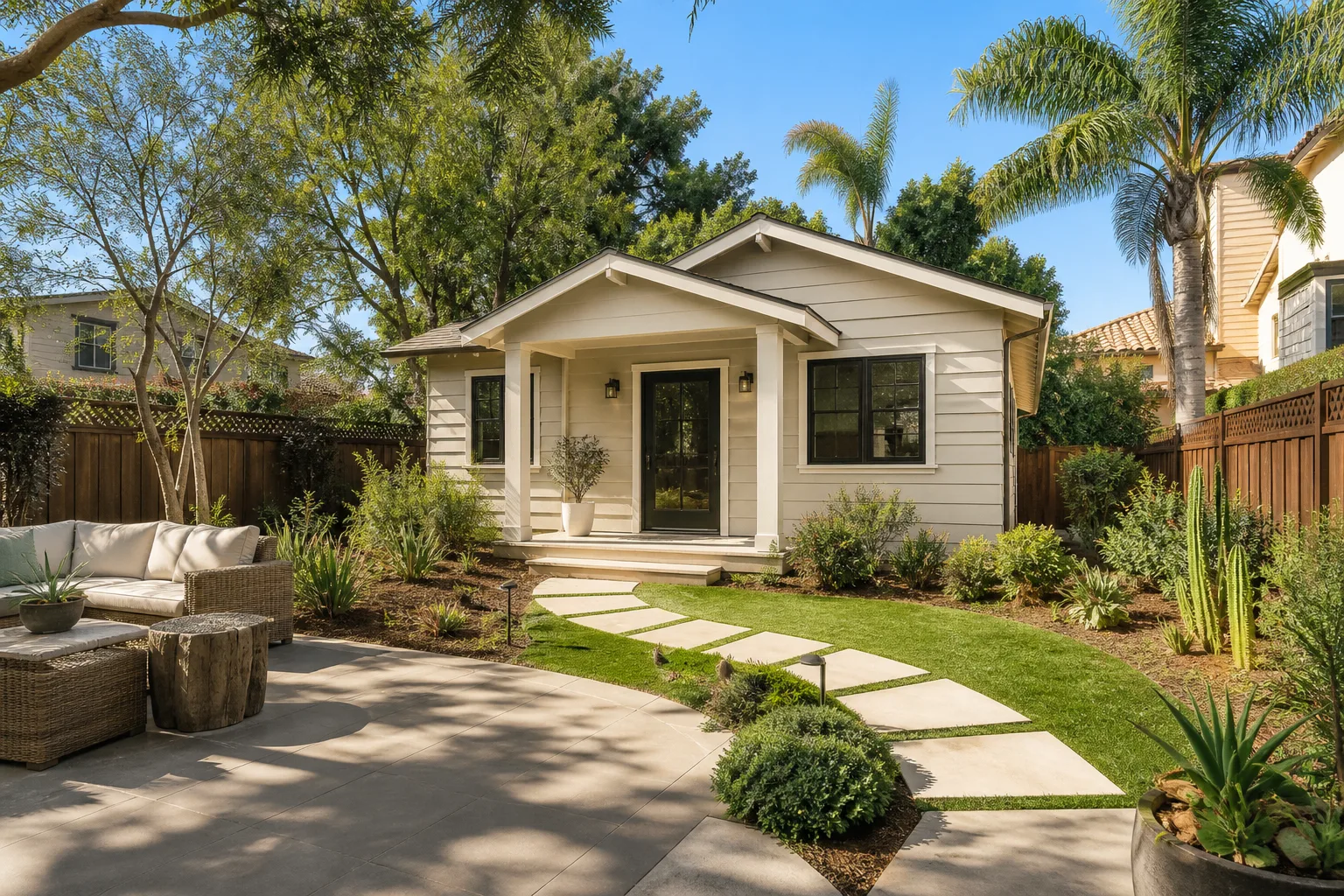
A prefab module arrives looking like a prefab module. In a Spring Valley master-plan subdivision with recorded CC&Rs, the architectural review committee reads that as a mismatch and stops the project early. Most of these neighborhoods were built in the 1990s and 2000s with stucco exteriors and concrete tile roofs on slab-on-grade foundations. The committee’s job is to keep that look consistent. A panelized unit with a flat or standing-seam roof and a lap-siding face doesn’t pass.
You can modify a prefab to match. Add a stucco scratch and brown coat over the panels, frame a tile-ready pitch roof, and re-detail the eaves. That work is real construction done on site, and it erases the price advantage prefab was supposed to give you. We’ve watched homeowners spend nearly the same money as a custom build and still end up with a structure that reads as an addition to the house rather than part of it.
The custom path designs to the CC&Rs from the start. Roof pitch, tile profile, stucco finish, window head height, even the fascia depth all match the existing home because the drawings specify them. When you’re ready to see what that scope looks like for your lot, our Home Additions & ADU in Spring Valley page breaks down the process from survey to final inspection.
The Variable Generic Comparisons Ignore: Spring Valley’s Expansive Desert Soils
This is where the prefab-vs-custom debate actually turns, and almost no comparison article mentions it. Spring Valley sits at roughly 2,300 feet on the western edge of the Mojave. The slopes near Rhodes Ranch and the western boundary hold expansive desert soils. Those soils swell when monsoon rain soaks in and shrink hard when the summer heat pulls the moisture back out. Repeat that cycle and the ground under a slab moves.
Prefab manufacturers engineer their units for a stable, pre-compacted pad. That assumption is fine on flat, older alluvial ground. On a Spring Valley slope, it’s a guess. The failure shows up quietly: hairline cracks at 12 months, a sticking door at 20 months, a visible slab crack at 30. By year three the homeowner is calling someone to figure out why a building that was “cheaper” needs foundation work.
Custom builds start with a soil report and a site-specific engineered foundation. That means over-excavation where the soils warrant it, a deepened footing, and reinforcement sized to the actual report rather than a generic spec. It’s not glamorous work. It’s the reason the ADU is still square and true in year ten.
How the Two Paths Actually Compare in Spring Valley
| Factor | Prefab ADU | Custom-Built ADU |
|---|---|---|
| HOA architectural approval | Often rejected or requires costly re-facing | Designed to CC&Rs from the first drawing |
| Foundation | Assumes a stable, pre-engineered pad | Engineered to your lot’s soil report |
| Exterior materials | Panels, then retrofit stucco and tile | Stucco and concrete tile matched to the home |
| Mechanical tie-in | Separate systems, often retrofit cost | Designed around existing HVAC, panel, water heater |
| Warranty coverage | Split between factory and installer | Single 730-Day Done Right Promise over the whole build |
| Typical Spring Valley cost | $90,000 to $220,000 once site prep and modifications land | $90,000 to $220,000 with the scope locked upfront |
Notice the ranges land in the same place. That’s the honest answer. Prefab’s headline price is lower because the factory quote leaves out site prep, foundation adaptation, HOA re-facing, and mechanical retrofit. Custom pricing is higher on page one because it includes the whole build. At the finish line, they converge, and only one of them has a single party accountable for the result.
Mechanical Tie-Ins: The Cost That Shows Up at the Finish Line, Not the Bid
A custom ADU in Spring Valley can be designed around the house that’s already there. If the existing electrical panel has capacity, we plan the load correctly and skip a service upgrade. If the main HVAC system can carry the added square footage with a zone damper and a mini-split assist, you don’t buy a whole second system. Water heater placement, drain routing, and gas line runs get worked out in the drawings instead of discovered after the shell is up.
Prefab units usually arrive with their own mechanical plan. That plan was written for a generic site. When it meets your actual panel, your actual roofline, and your actual setback requirements, the gap turns into change orders. We’ve seen homeowners absorb mechanical retrofit costs that erased every dollar the factory panel saved them. The full-scope approach is why we tell people to compare finished numbers, not bid numbers. A good place to see how we handle the wider build is our home page.
On the materials side, the custom option is also where finish choices live. Prelim plumbing trim in Kohler or Delta, a Blanco sink if the ADU includes a kitchenette, a Moen shower valve in the bath. Those are the details a factory package doesn’t flex on.
Accountability: One Warranty Over the Whole Build, Not Two That Point at Each Other
Prefab warranty coverage splits. The factory warrants the module. The installer warrants the site work, foundation, and connections. When a crack opens at the seam between them, each side has a reasonable argument that the other is responsible. The homeowner is the one left holding the file.
A custom build under Groundwork Construction Co. of Spring Valley puts the foundation, framing, stucco, roofing, and finish work under a single 730-Day Done Right Promise. If something isn’t right, we come back and make it right. That’s one of the longer workmanship guarantees in residential construction, and it exists precisely because work split across trades is where problems hide. Our technicians have up to 12 years of experience, they’re background-checked, and they arrive in uniform.
Pricing follows the same principle. You get an upfront number before work starts, and the number you see is the number you pay. No prefab delivery surcharges, no change-order gap fees, no site-prep reveals. Projects over $10,000 get $1,000 off, and 0% financing for 18 months keeps the monthly predictable while the build runs.
Spring Valley’s housing stock is only 20 to 30 years old, so this isn’t historic restoration. It’s mid-life, HOA-scoped work on tract homes that were built fast and are now due for careful additions. That’s the job we know best.
Frequently Asked Questions
They usually land in the same range once the full scope is priced. Prefab quotes start lower, but site prep, HOA-driven exterior modifications, foundation adaptation, and mechanical retrofit close the gap. Custom-built ADU construction in Spring Valley typically runs $90,000 to $220,000, and that number includes the whole build rather than the module alone. Call (888) 329-9414 for an exact quote on your lot. Estimates are free.
Often not without expensive modification. Gated subdivisions here commonly require stucco finishes and concrete tile roofs to match the existing home, and most prefab panels don’t meet that without on-site re-facing that eats the savings. Custom designs to the CC&Rs from the first drawing, which is why approval tends to move faster. Bring us your HOA documents and we’ll tell you what the committee will actually accept.
Custom takes longer on paper and often finishes faster in reality. A custom build includes design, HOA review, soil report, permitting, and construction, and the schedule stays visible throughout. Prefab promises a quick ship date, then the HOA review and site adaptation run on their own clock. We’d rather quote you a real timeline than a factory lead time that ignores the local steps.
Yes, and the design should start from that goal. Rental use affects parking, separate utility metering, egress, and sometimes HOA rental caps, all of which are cheaper to plan than to retrofit. A custom build lets us design the unit around those requirements. See our Home Additions & ADU service page for the full scope, or call for a no-pressure walkthrough.
Get a Straight Answer on Your Spring Valley Lot
If you’d rather have it looked at, Groundwork Construction Co. of Spring Valley offers a no-pressure assessment in Spring Valley. We’ll check your soil conditions, read your CC&Rs, and tell you honestly whether prefab makes sense on your lot. Call (888) 329-9414 for a free estimate. Live person, 24/7.
Written by the team at Groundwork Construction Co. of Spring Valley, serving Spring Valley, NV.