Free written scope consultation - allowances, timeline, and change-order rules on paper before a single trade is scheduled
ADU Site Prep & Utilities in Las Vegas, NV: What It Costs and What It Involves
ADU site prep & utilities in Las Vegas runs $45,000 – $130,000 and covers everything that has to happen below and around the building: grading a flat desert lot to drain, trenching for water, sewer and power, running the utility connections, and passing Clark County inspections before a foundation goes in. Most site-prep packages take 3 – 6 weeks depending on trench depth and how much caliche the crew hits. Call (888) 329-9414 and we’ll walk your lot and give you a written, line-item number.
The Five Stages, and Where You Make the Decisions
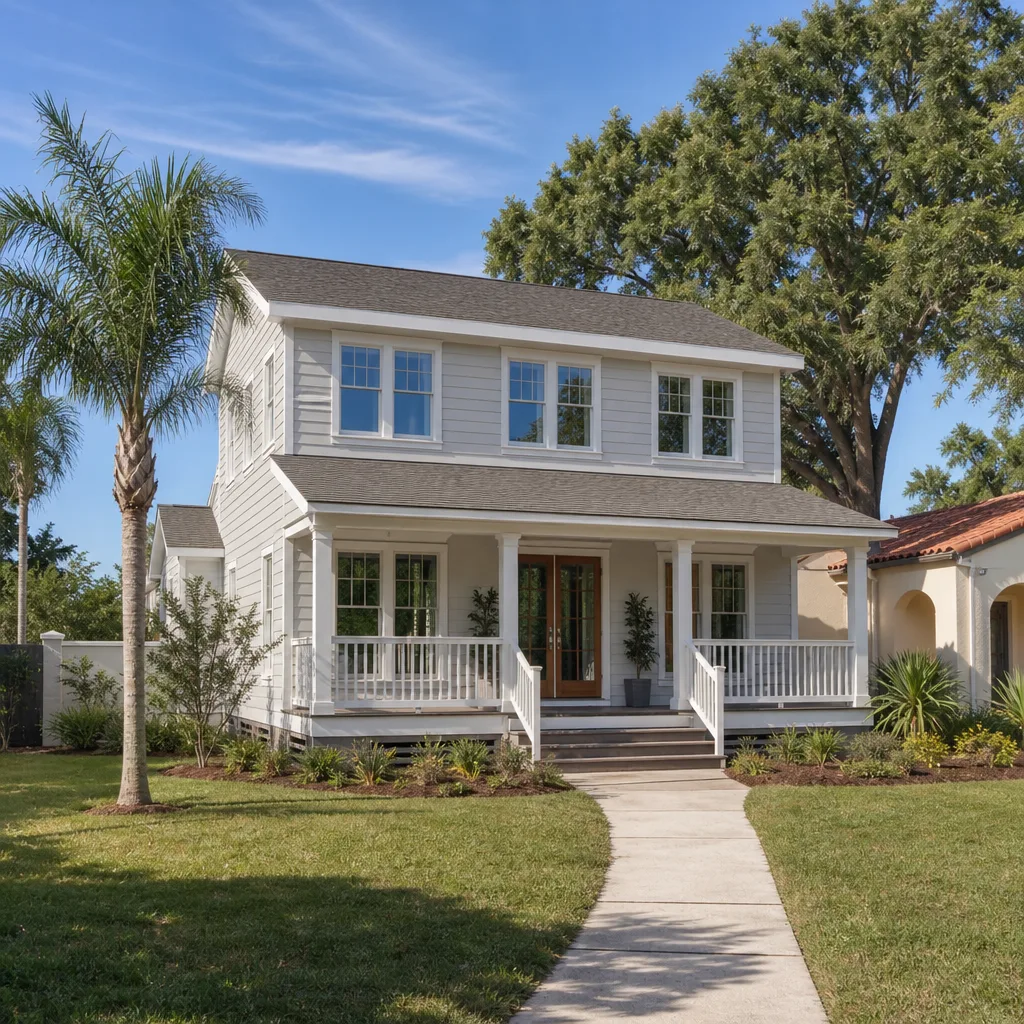
Site prep is its own project. It runs on a different clock than the ADU itself, and the decisions you make early are the ones that lock the rest of the budget. Here’s how the work actually sequences on a Las Vegas lot.
Stage 1: Site walk and utility locate (day 1 – 3)
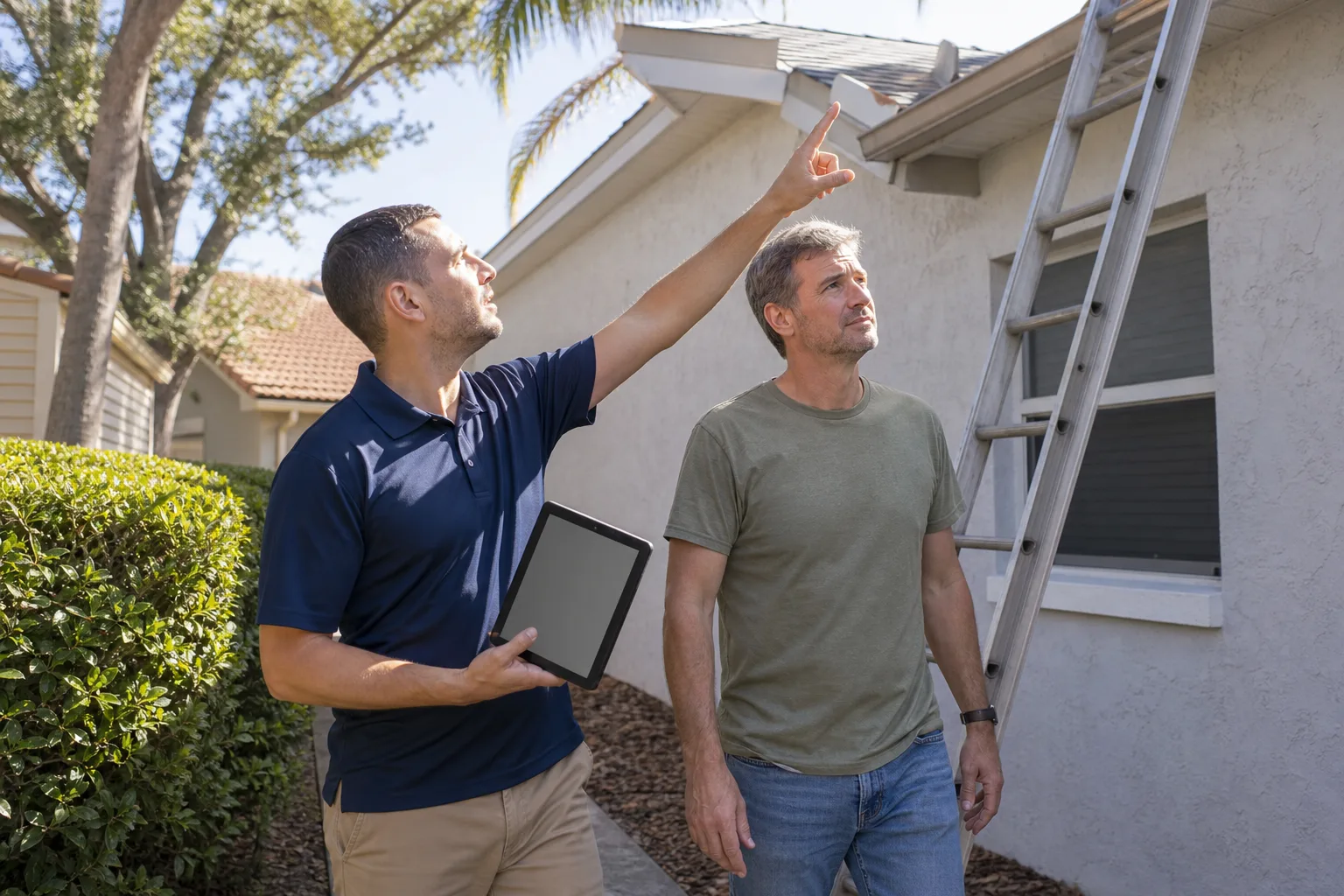
Before anything is disturbed we map what’s already underground: existing water service, sewer lateral, gas, and any irrigation the previous owner buried and forgot about. Clark County requires a call to 811 before digging, and we build a few days of buffer for that. You decide where the future ADU footprint sits and confirm the setback lines with us. That choice drives everything downstream.
Stage 2: Grading and dust control (day 3 – 7)
Flat desert lots don’t drain by themselves. We grade the pad to a defined slope and set the pad elevation so a monsoon burst sheds away from the ADU rather than pooling against it. On disturbed soil over roughly an acre, Clark County’s dust-permit regime means watering and stabilization are part of the schedule, not an afterthought. This is the stage where a lot with heavy caliche can add a day or two of breaking and re-grading.
Stage 3: Trenching and utility runs (day 7 – 18)
We trench for the water line, the sewer lateral, and the electrical conduit, then backfill and compact. Trench depth depends on frost-free requirements (shallow here) and on where the sewer has to meet grade; a lot where the ADU site sits lower than the existing lateral can require a lift pump, and that’s a real budget line. You’ll decide at this stage whether to run conduit for future low-voltage or EV charging while the trench is open. Do it now; opening a finished trench later costs several times as much.
Stage 4: Connections and inspections (day 18 – 30)
We connect to the existing water and sewer, install and wire the meter or subpanel for the ADU’s power, and schedule the Clark County inspections for underground plumbing and electrical. Inspections move on the county’s calendar, not ours, and we’d rather build that wait into the schedule than pretend it doesn’t exist. This is also when you confirm the utility service sizes so the ADU doesn’t starve the main house.
Stage 5: Final grade, pad, and hand-off (day 30 – 42)
After inspections we bring in the base material for the future slab or pier foundation, finalize drainage away from the structure, and finish any hardscape tie-ins. Homeowners often pair this with a Concrete Driveways & Concrete Work in Las Vegas pour, since a separate access path to the ADU is cheaper to pour while the site is still open. Then the site is ready for foundation work and the wider build can start.
Styles & brands we work with
- Kitchen remodeling
- Bathroom remodeling
- Home additions & ADU
- Roofing
- Windows & doors
- Driveway & pavers
- Fence
The Options You’ll Actually Choose Between
Most of the budget swing on this job lives in four or five decisions. Here’s what each one really means.
- Utility trench vs. shared service: Tying the ADU into the main house service saves money up front but can trip the load calculation if the house is already near capacity. A dedicated subpanel with its own meter costs more but keeps the two buildings independent.
- Gravity sewer vs. lift pump: If the ADU site sits below the existing lateral, a grinder pump adds cost and a maintenance item. A gravity run is cheaper and simpler but only works when grade allows it.
- Caliche breaking vs. engineered fill: Northwest and Summerlin-foothill lots often sit on caliche and shallow bedrock that stops a trencher cold. We break it out or over-excavate and backfill with engineered fill, both of which add hard cost but protect the foundation above.
- Water line material: We run in the plumbing fixtures on the ADU side too, and homeowners choose between standard fixtures and premium lines like American Standard or Toto for the future bath and kitchenette. The grade matters once, but it sticks for the life of the building.
- Dust control and turf removal: If your existing landscaping is part of the disturbed area, Southern Nevada Water Authority’s turf-removal rebate can offset some of the re-landscaping cost, but the rebate has its own documentation requirements and timing. We plan the site schedule around that.
What ADU Site Prep & Utilities Costs in Las Vegas, NV
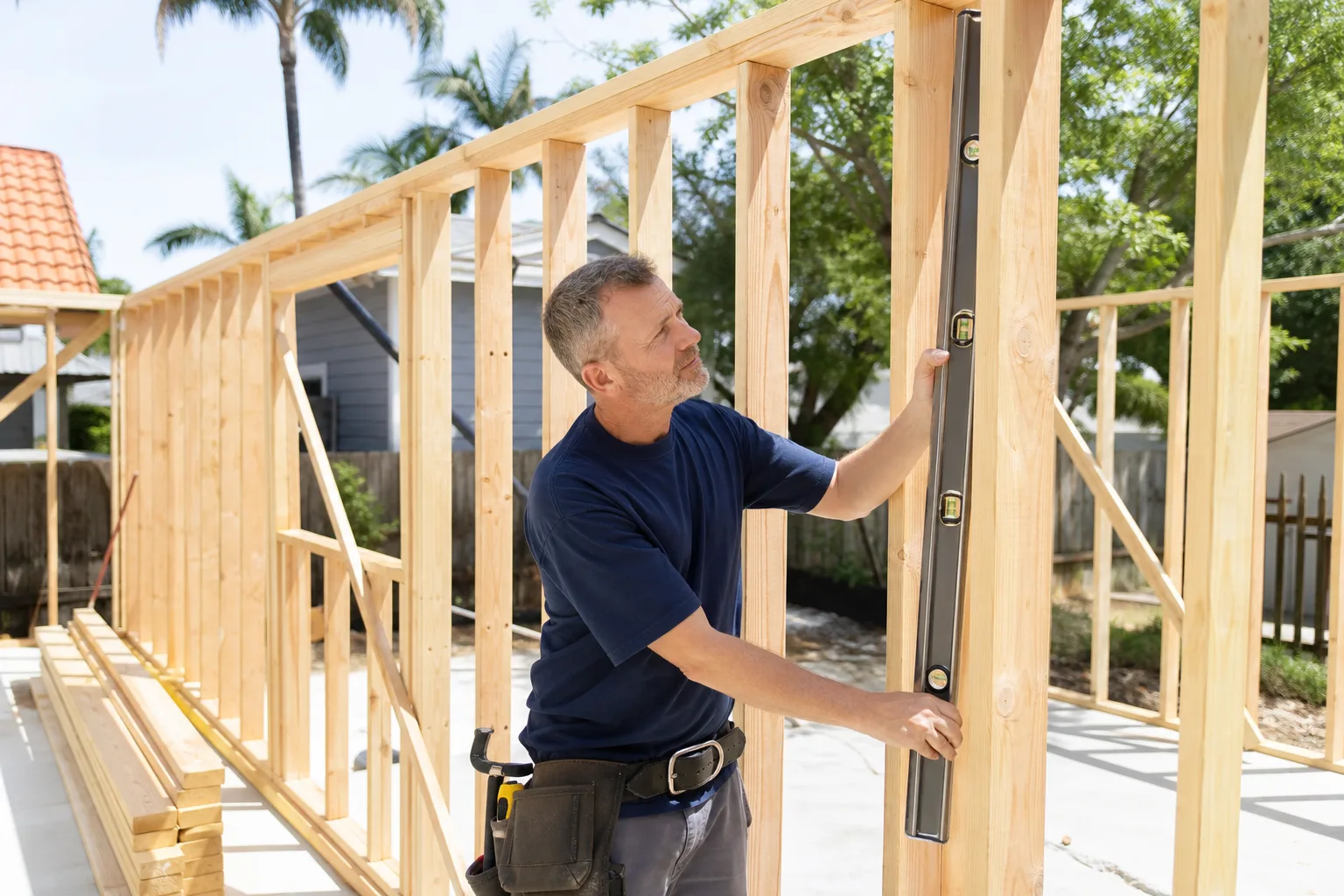
Expect $45,000 – $130,000 for a full site prep and utility package on a Las Vegas lot. That’s the honest range across the work we see; a clean, flat, gravity-sewer lot lands near the bottom, and a caliche-heavy Summerlin foothill lot with a lift pump and long utility runs pushes toward the top. Here’s how the number breaks down:
| Line item | Typical range |
|---|---|
| Grading and dust control | $6,000 – $18,000 |
| Trenching and utility runs | $12,000 – $35,000 |
| Water and sewer connections | $8,000 – $22,000 |
| Electrical subpanel and service | $6,000 – $16,000 |
| Caliche breaking / engineered fill (if needed) | $4,000 – $15,000 |
| Drainage and final grade | $4,000 – $12,000 |
| Permits and inspections | $2,000 – $6,000 |
What moves the price most is existing site condition. A lot where the sewer sits at the right grade and the soil breaks cleanly is a different job than one where the crew is fighting bedrock on day two. Length of the utility run from the existing connection matters just as much, and relocating an existing line or working around a pool makes it longer still. Permit scope varies too; a site with a pre-approved plan moves faster than one where grading and utility permits go in separately.
A written estimate from us lists every item, with quantities. It doesn’t cover landscaping beyond basic stabilization, the ADU structure itself, or any utility upgrade on the main house beyond what the site connects. Those are separate scopes, and we’ll say so up front. Upfront pricing, no surprises.
See the difference
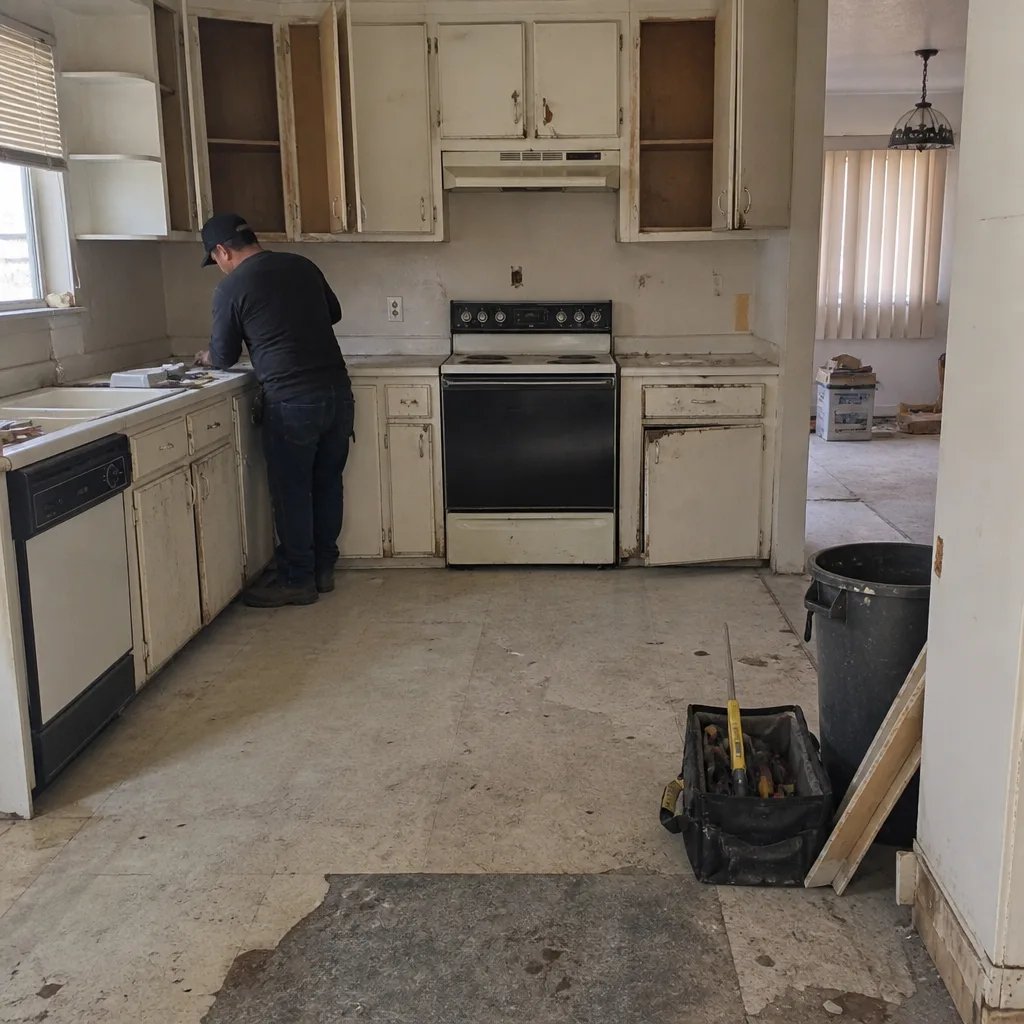 Before
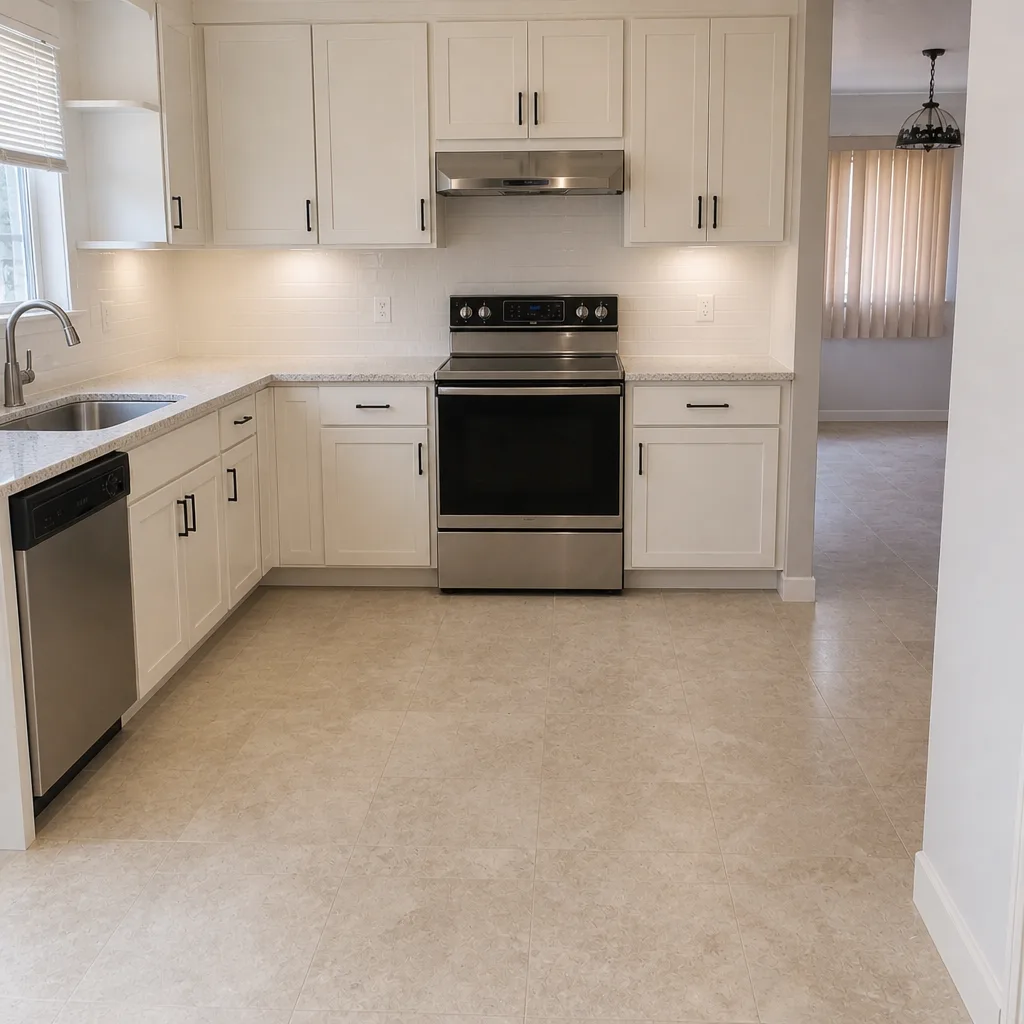 After
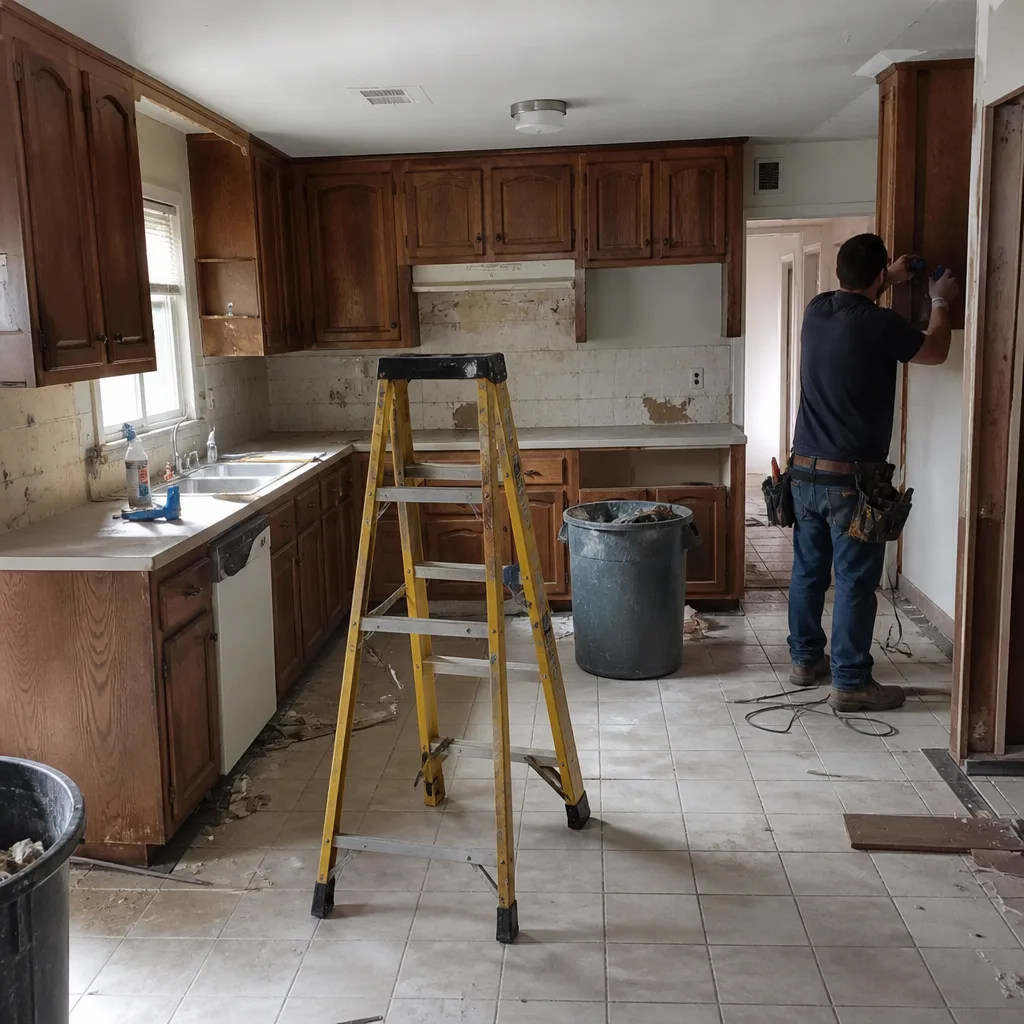 Before
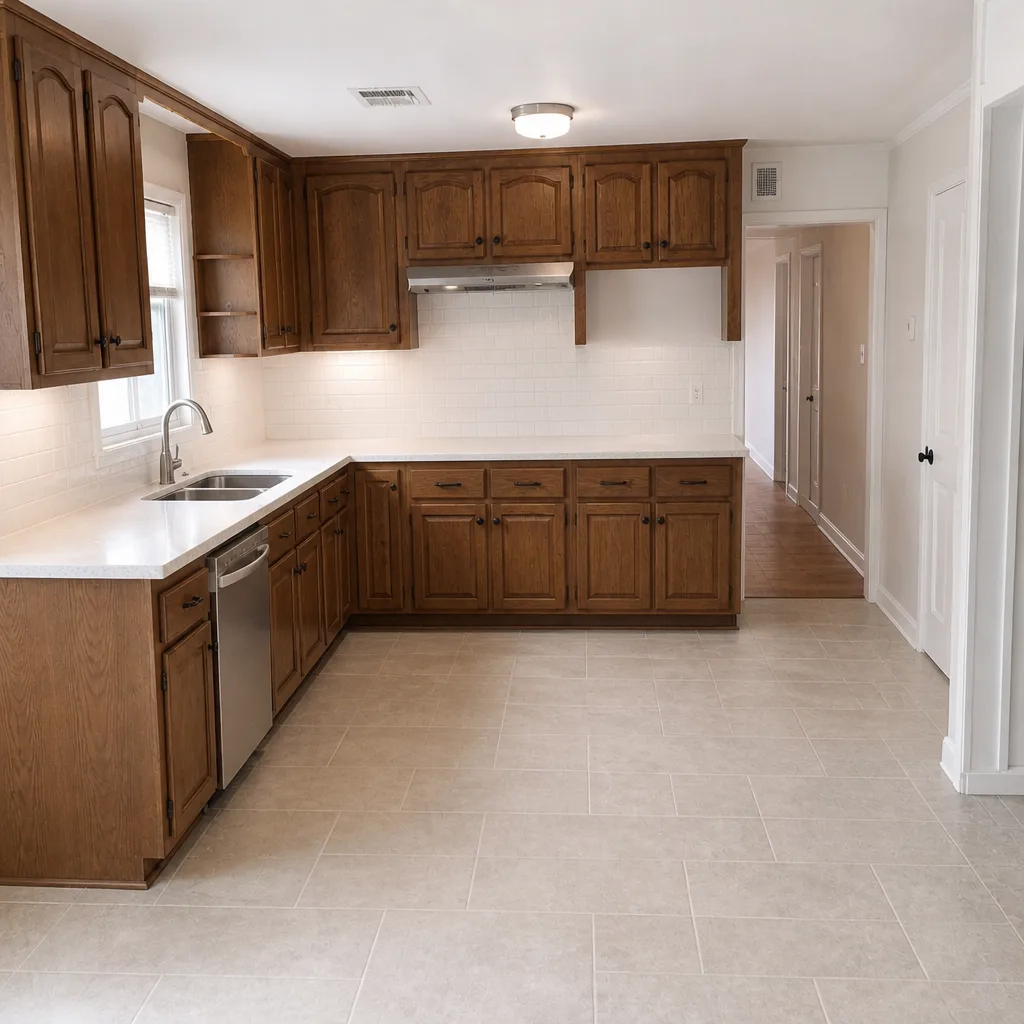 After
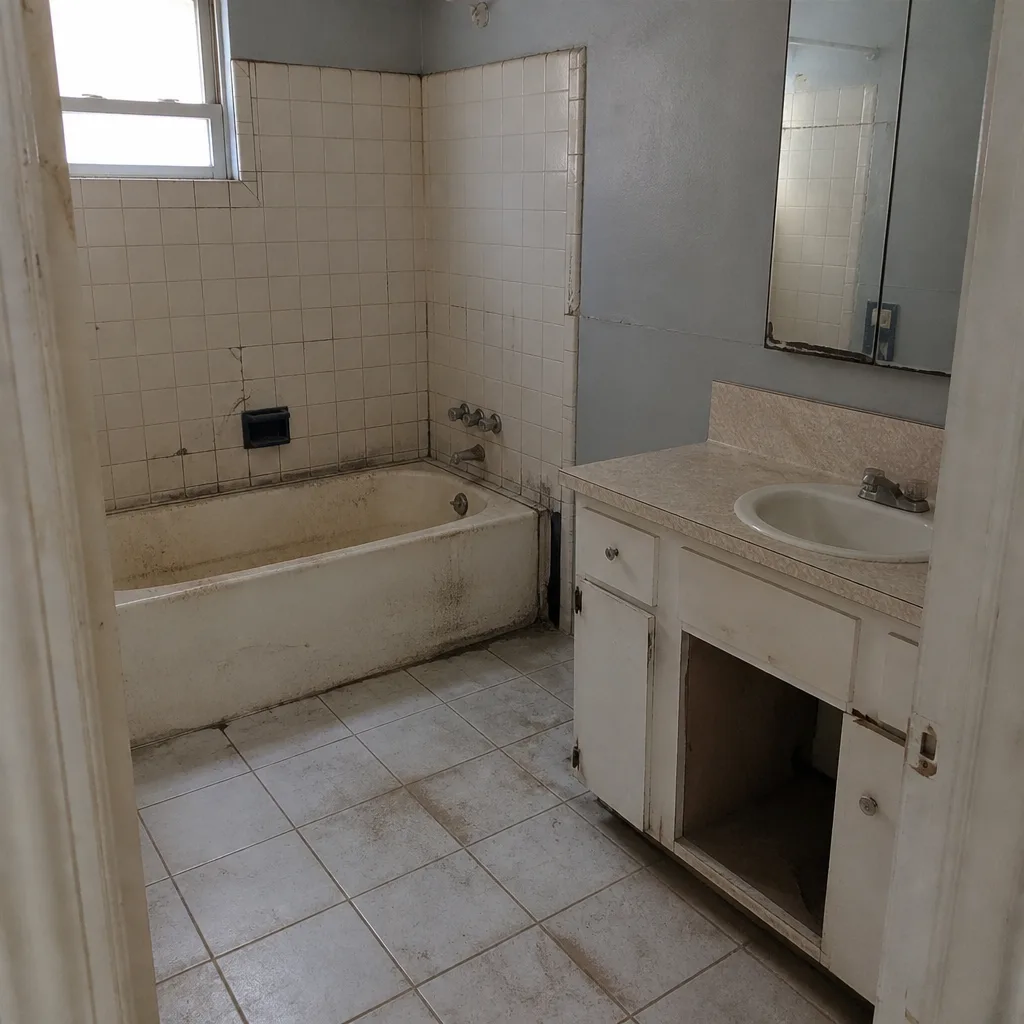 Before
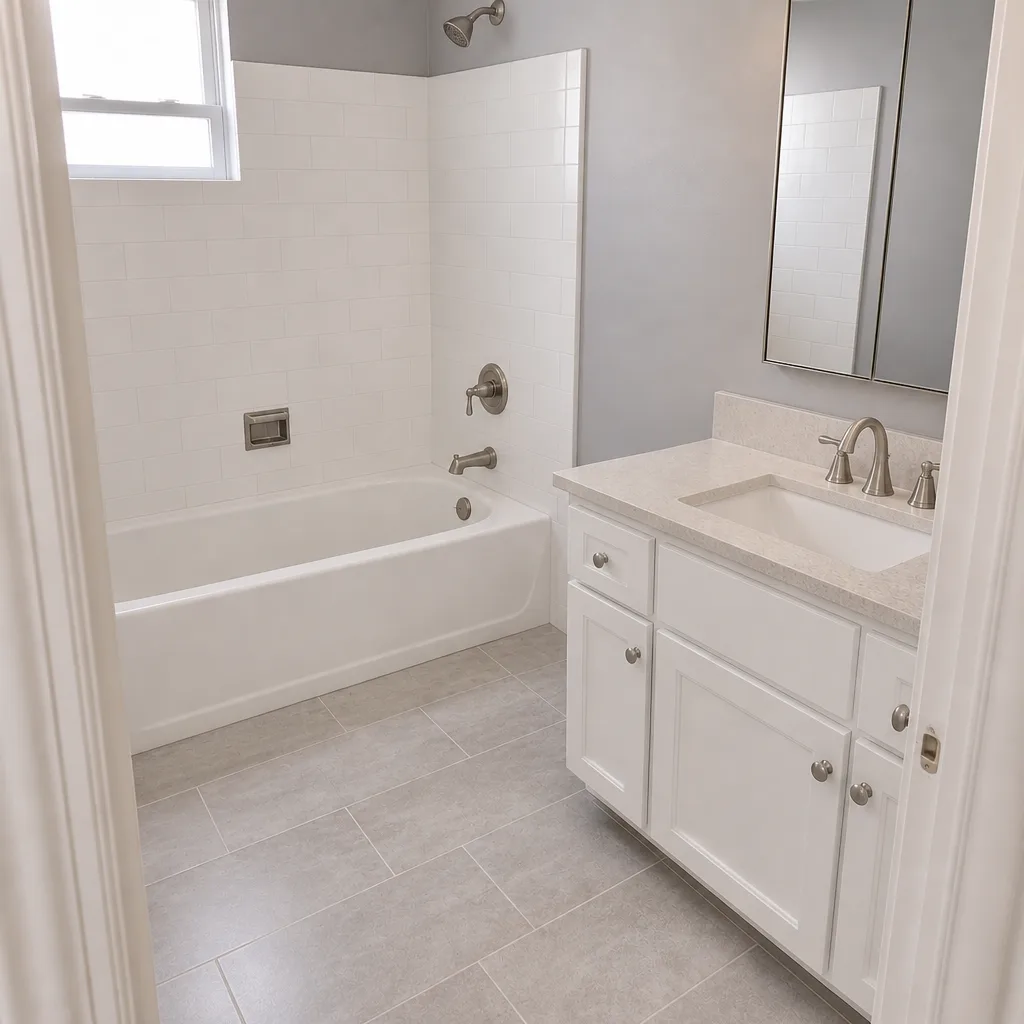 After
What Las Vegas Homes Specifically Do to This Job
Las Vegas construction is defined by building on desert caliche and engineered fill in one of the fastest-growing metros in the country, under a regulatory and HOA environment that dictates design review, dust-control permits, and strict water-conservation-driven landscaping rules. Unlike a neighboring desert city, almost every project here ties back to the Southern Nevada Water Authority’s turf-removal rebate and Clark County’s dust-permit regime, which shape site prep and grading from day one. On the older 1970s – 80s ranches in 89108 and 89130 you’re often working around aging utility infrastructure and shallow original service, while the 1990s – 2000s Summerlin and Pequop tract homes in the 89128 – 89145 ZIPs sit on post-tension slabs that change how you approach any foundation tie-in. Extreme dry heat topping 115°F in summer means we pour and grade early in the day with evaporation retarders, and the monsoon season forces grading that actually sheds a sudden burst of runoff on flat lots. Caliche layers and shallow foothill bedrock routinely stop trenchers cold, so a backyard addition here is a permitting and site-prep exercise before a single foundation is poured. That’s the reality we plan around on every Las Vegas site.
Serving Las Vegas, NV – Our Local Coverage Area
We serve Las Vegas and nearby communities. Use the map below to see the area we cover. If you’re nearby, we can almost certainly help.
Frequently Asked Questions: ADU Site Prep & Utilities in Las Vegas
Plan on 3 – 6 weeks for the site-prep package, from the initial locate through final inspection, and longer if heavy caliche breaking or a lift pump is involved. The biggest variable is the Clark County inspection calendar, which we build into the schedule. Call (888) 329-9414 for a realistic timeline on your specific lot.
Yes. Grading, trenching for underground utilities, and utility connections all require permits and inspections in Clark County, and dust control is part of that requirement on disturbed acreage. We pull the permits and manage inspections. Call (888) 329-9414 to talk through what your lot will need.
In many cases yes, especially if the ADU site sits close to the existing lateral and service. Where the grade doesn’t cooperate or the main service is already near capacity, you’ll need either a lift pump or a dedicated subpanel. That’s a decision we can walk you through with the lot in front of us. Call (888) 329-9414 for a free estimate.
The full package runs $45,000 – $130,000 depending on site condition, utility run length, and soil. A clean lot with gravity sewer is near the low end; a foothill lot with caliche and a lift pump is at the top. Call (888) 329-9414 for an exact quote; estimates are free.
Yes. Everything we do on your site is covered by the 730-Day Done Right Promise: if it’s not done right, we make it right. That includes the grading, trenching, and utility connections, and it’s backed in writing. Call (888) 329-9414 to schedule your free on-site estimate.
Get Your Site Prep Priced
If you’re planning an ADU in Las Vegas, the site is where the real budget gets set, and it’s worth getting a written number before you commit to a design. Call (888) 329-9414 to schedule a free on-site estimate. We’ll walk the lot, check the utility grade, and give you a line-item quote you can plan against. This is part of a full Home Additions & ADU in Las Vegas project, and you can see how our Home Additions & ADU work fits together.
Written by the team at Groundwork Construction Co.