Free written scope consultation - allowances, timeline, and change-order rules on paper before a single trade is scheduled
Styles & brands we work with
- Kitchen remodeling
- Bathroom remodeling
- Home additions & ADU
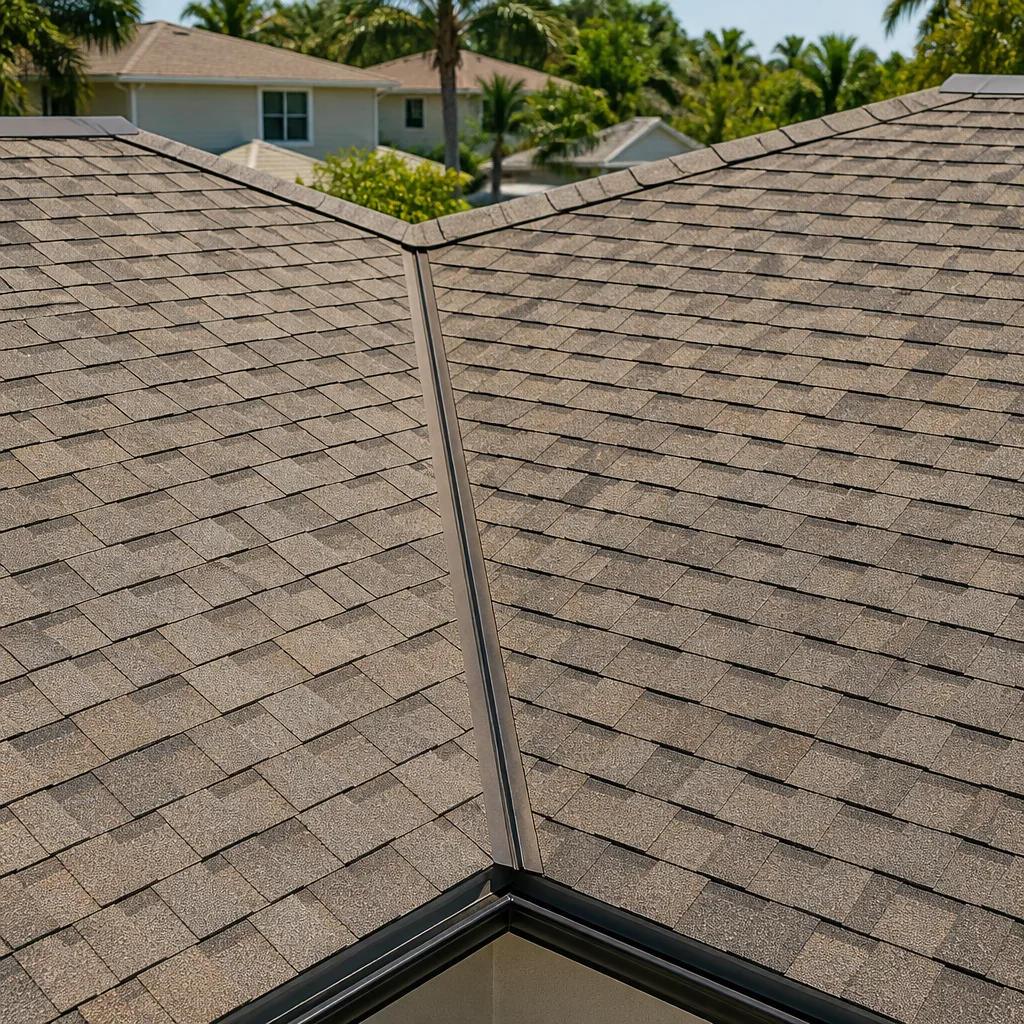
- Roofing
- Windows & doors
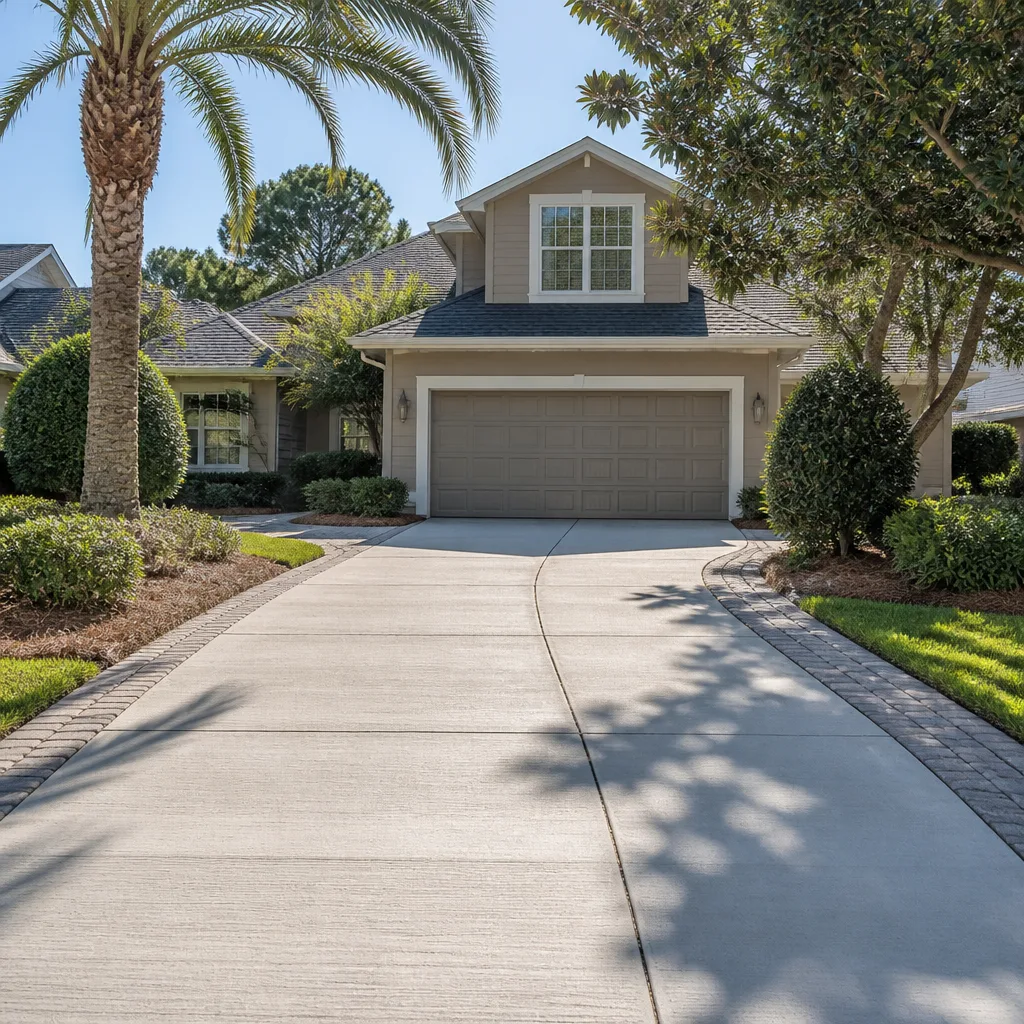
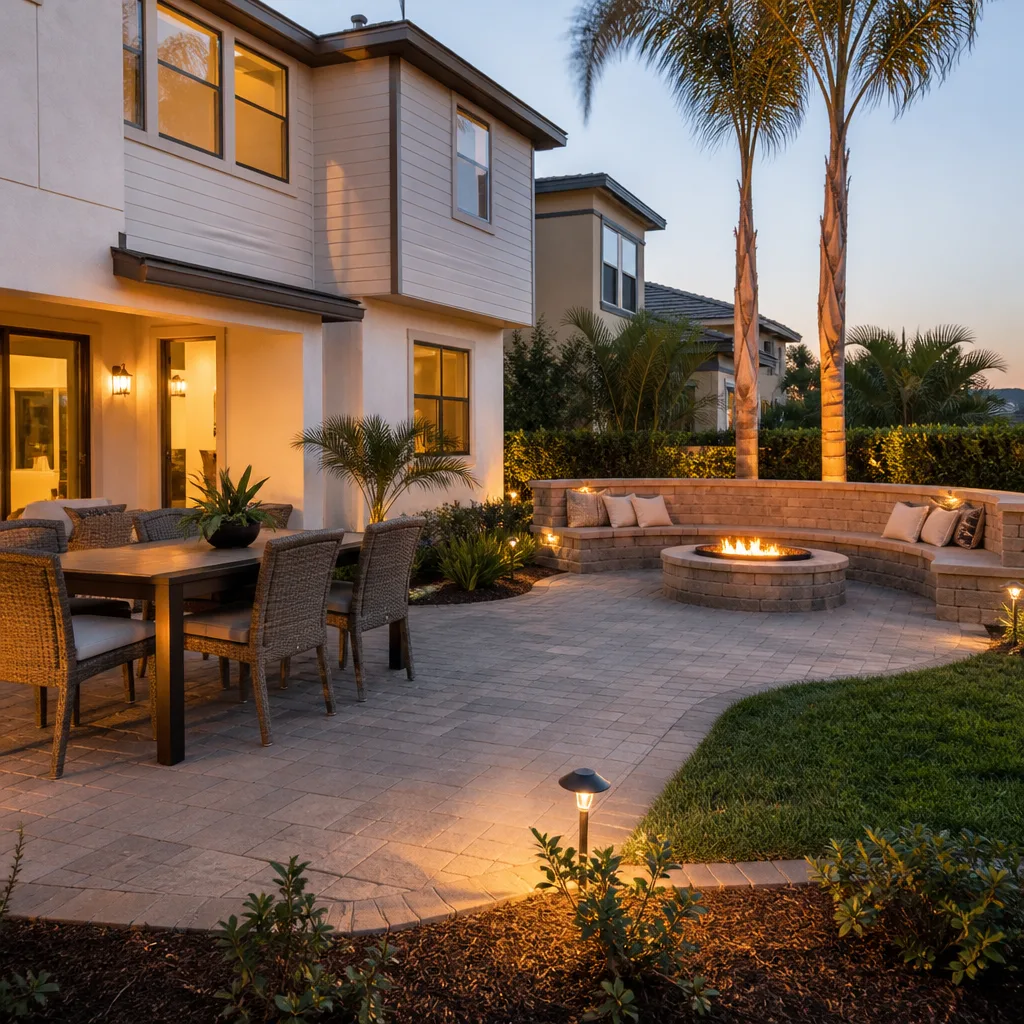
- Driveway & pavers
- Fence
See the difference
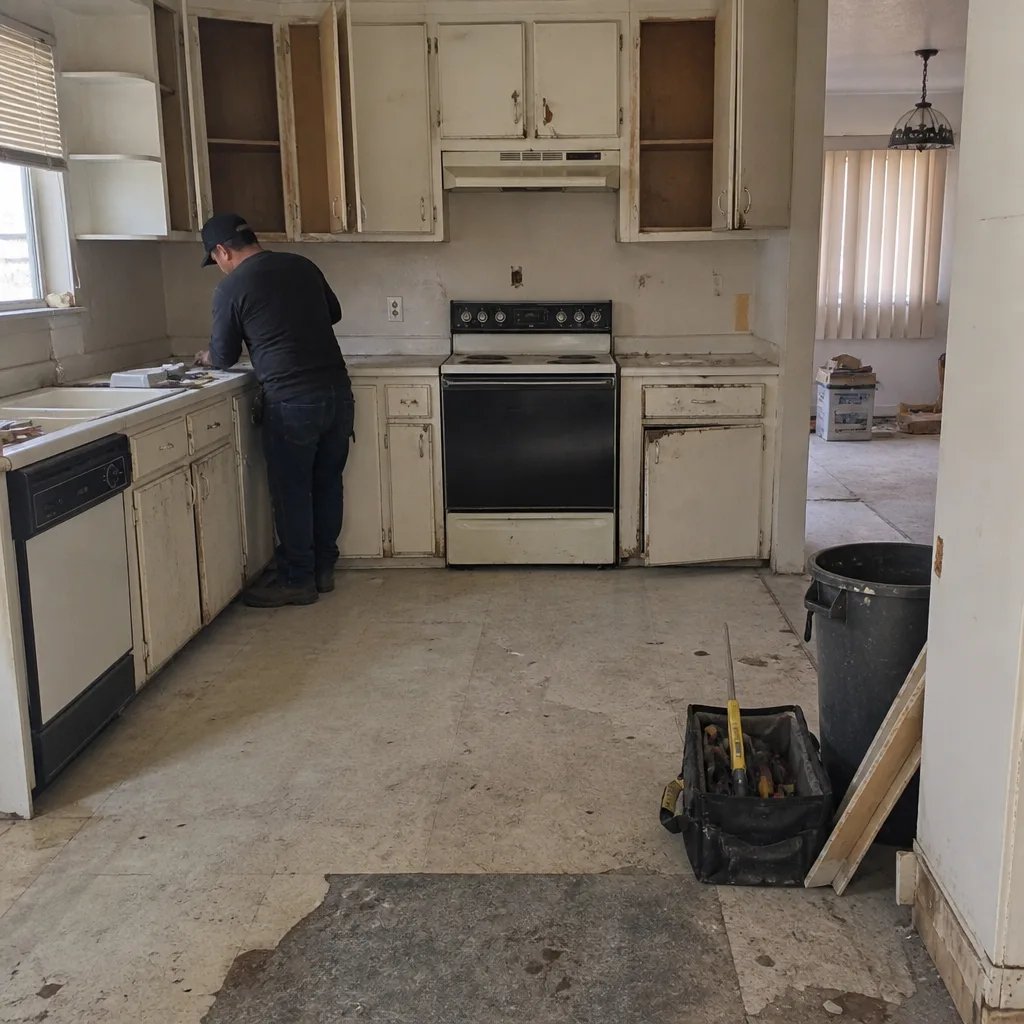 Before
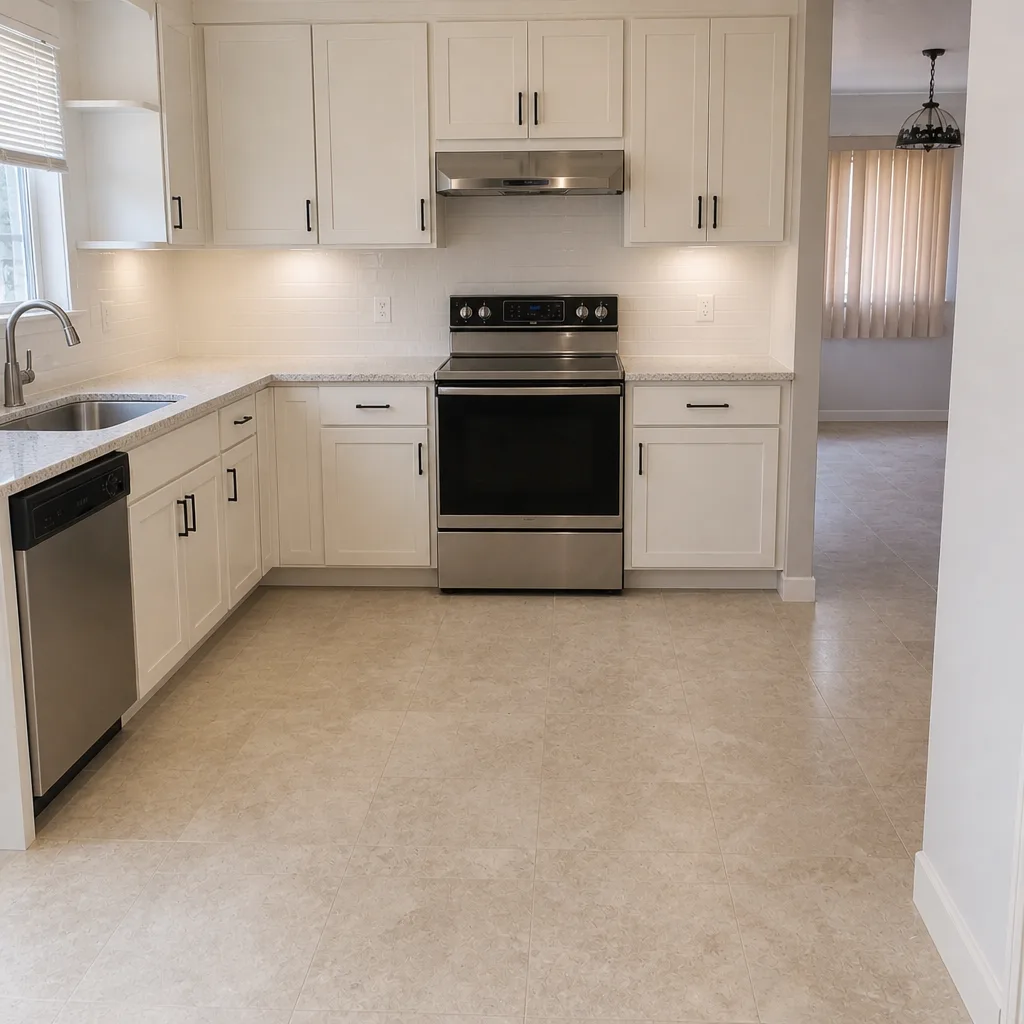 After
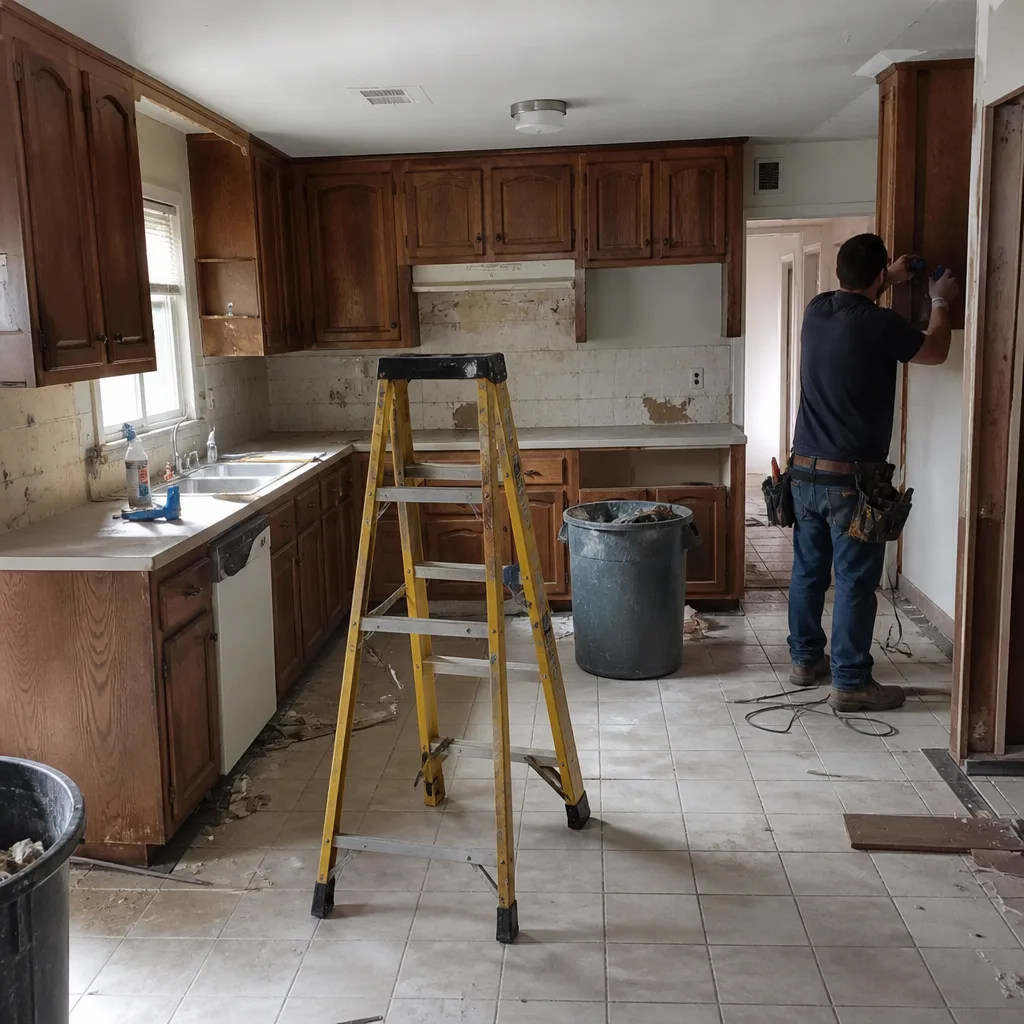 Before
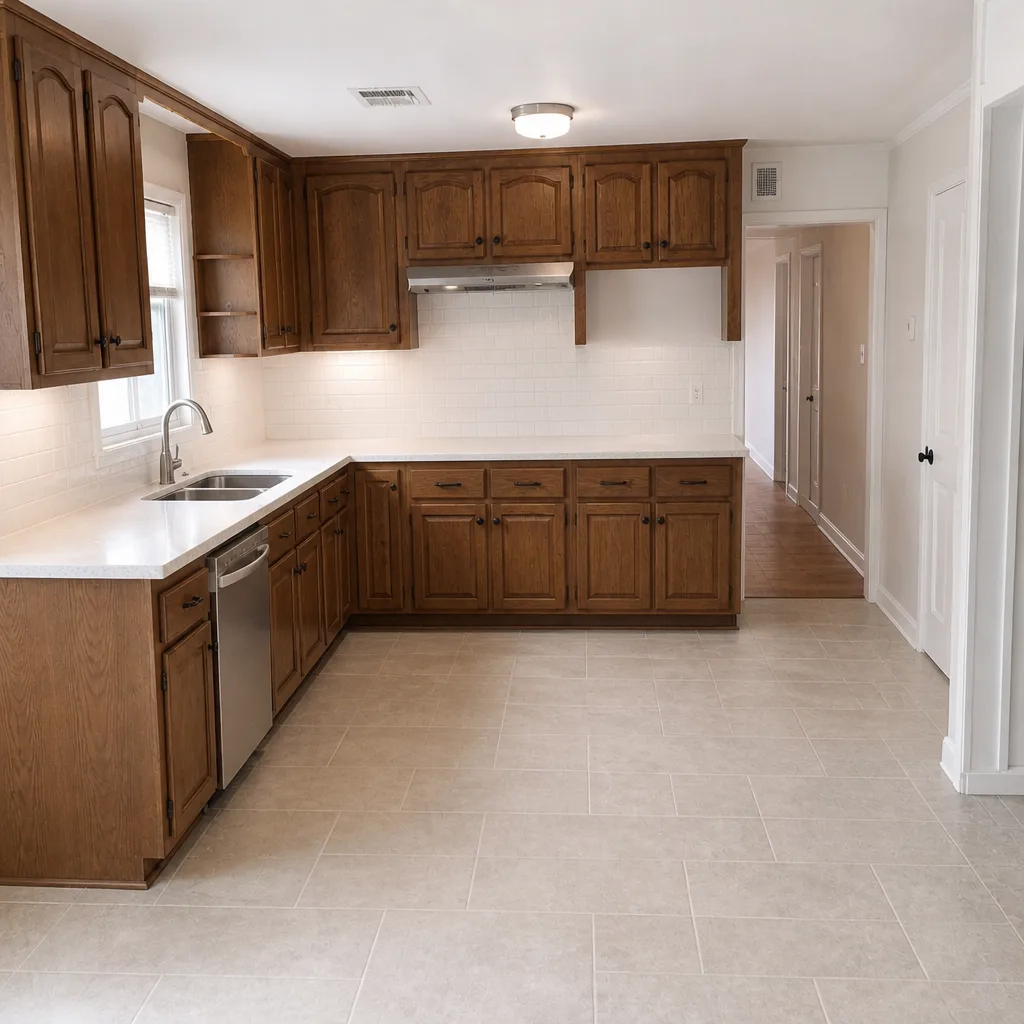 After
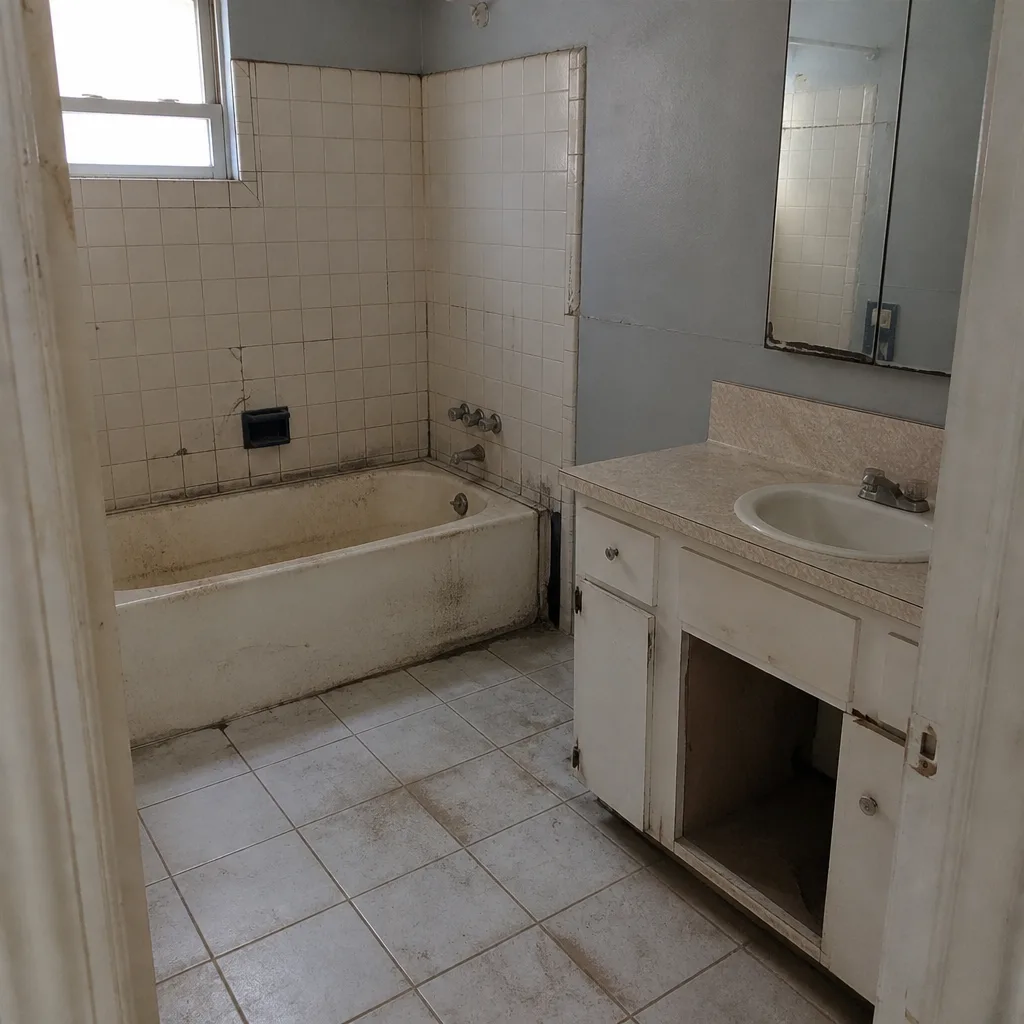 Before
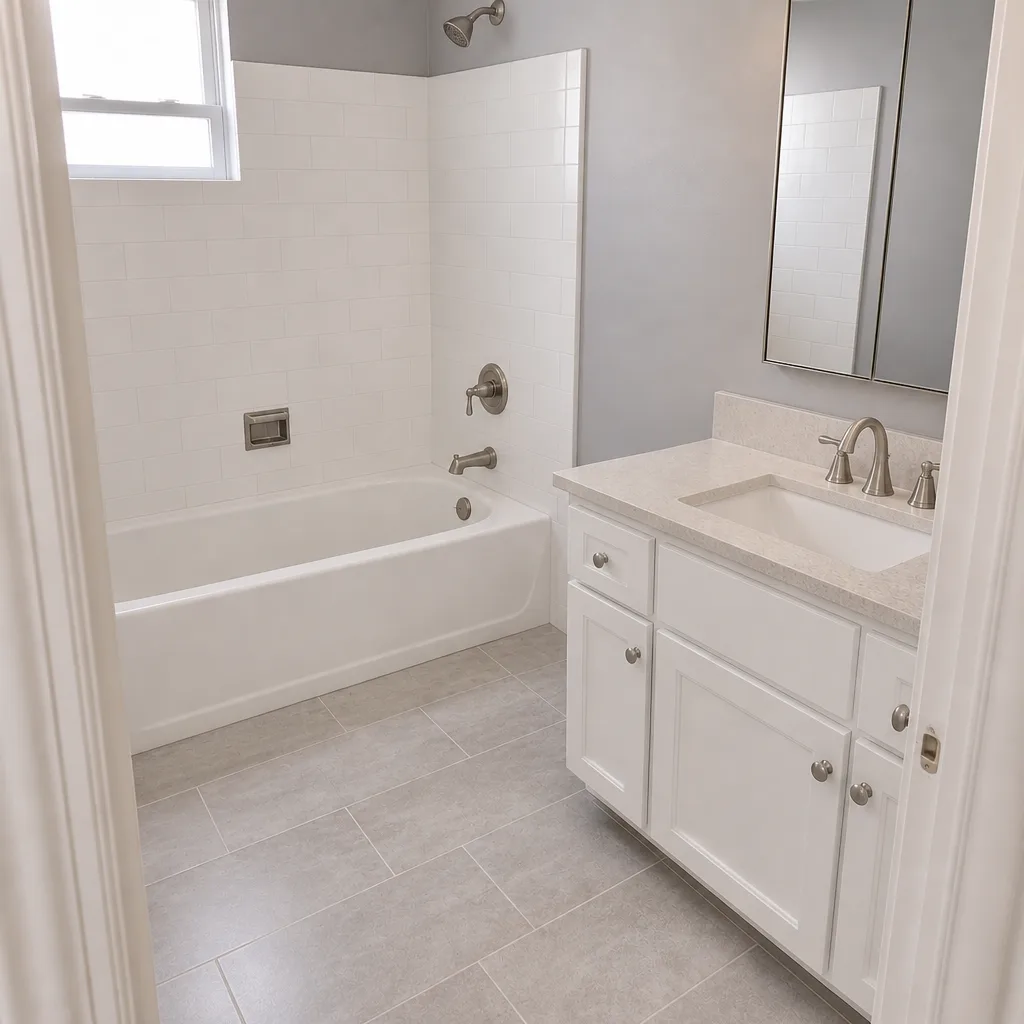 After
Asphalt vs Concrete Driveway in Spring Valley, NV: Which One Survives the Desert?
Choose concrete unless you’re on a tight budget and willing to seal it every couple of years. Asphalt is built for cold climates. Spring Valley gets 110-degree summers. Those two facts tell you almost everything you need to know about how each material holds up here. For most homeowners in Spring Valley, concrete costs more up front but wins over a 20-year horizon on durability and maintenance. If you want that verdict checked against your actual soil and HOA rules before you commit, call (888) 329-9414.
Here’s the honest framework behind that recommendation, plus where asphalt still makes sense and where concrete’s real weakness shows up. We guide, we don’t pressure – you’ll get straight answers either way.
Key takeaways
- Asphalt binder softens above roughly 120°F surface temperature; Spring Valley driveways in full July and August sun routinely hit 150°F+.
- Asphalt needs seal coating every 2-3 years here versus concrete’s 5-7 year treat cycle – over 20 years the maintenance gap often erases concrete’s higher sticker price.
- Concrete’s cracking risk on expansive soils near Rhodes Ranch is solvable with proper joints, fiber reinforcement, and a well-compacted sub-base.
- Many Spring Valley gated subdivisions ban asphalt driveways outright in their CC&Rs. We check before we bid.
Why does asphalt fail faster in Spring Valley than almost anywhere else?
Asphalt is a petroleum-based mix. Its binder starts to soften and deform once sustained surface temperatures climb past about 120°F. In Spring Valley, a sun-exposed driveway regularly runs 150°F or hotter through July and August. That’s well past the point where the surface starts to give.
What that looks like in practice: ruts forming under the tires of a parked car that sits in the same spot all summer, and faint tire tracking that never quite flattens back out. We see it on west-facing driveways across the valley every year. The material isn’t defective – it’s just doing what asphalt does when you park a hot engine on a hotter slab.
Spring Valley sits at roughly 2,300 feet in the Mojave, and the swing between 110°F summers and near-freezing winter nights works the surface from both ends. That constant expansion and contraction ages asphalt and concrete flatwork faster here than in milder parts of the country. It’s also why mid-life renovation and heat-driven exterior repairs are steady work in a housing stock mostly built between the 1990s and 2000s, rather than historic restoration.
The real cost of asphalt vs concrete: it’s not the install price
Asphalt looks cheaper on day one. It usually is. The trap is what it costs to keep it alive in this heat.
Asphalt in Spring Valley needs seal coating every 2-3 years just to stay intact against UV and thermal cycling. Concrete needs sealing or a treatment cycle every 5-7 years. Run both out over a 20-year driveway life and asphalt’s maintenance bill often climbs past the premium you would have paid for a concrete pour up front. That’s the part a lot of comparisons skip.
| Factor | Asphalt | Concrete |
|---|---|---|
| Install cost in Spring Valley | $3,500-$9,000 | $4,500-$12,000 |
| Seal / treatment cycle | Every 2-3 years | Every 5-7 years |
| Sealing cost per visit | $250-$700 | $250-$700 |
| Heat behavior | Softens, ruts, tracks | Stable under load |
| Cracking risk | Low (flexes) | Manageable with joints + fiber + sub-base |
| Full replacement | $5,000-$14,000 | $5,000-$14,000 |
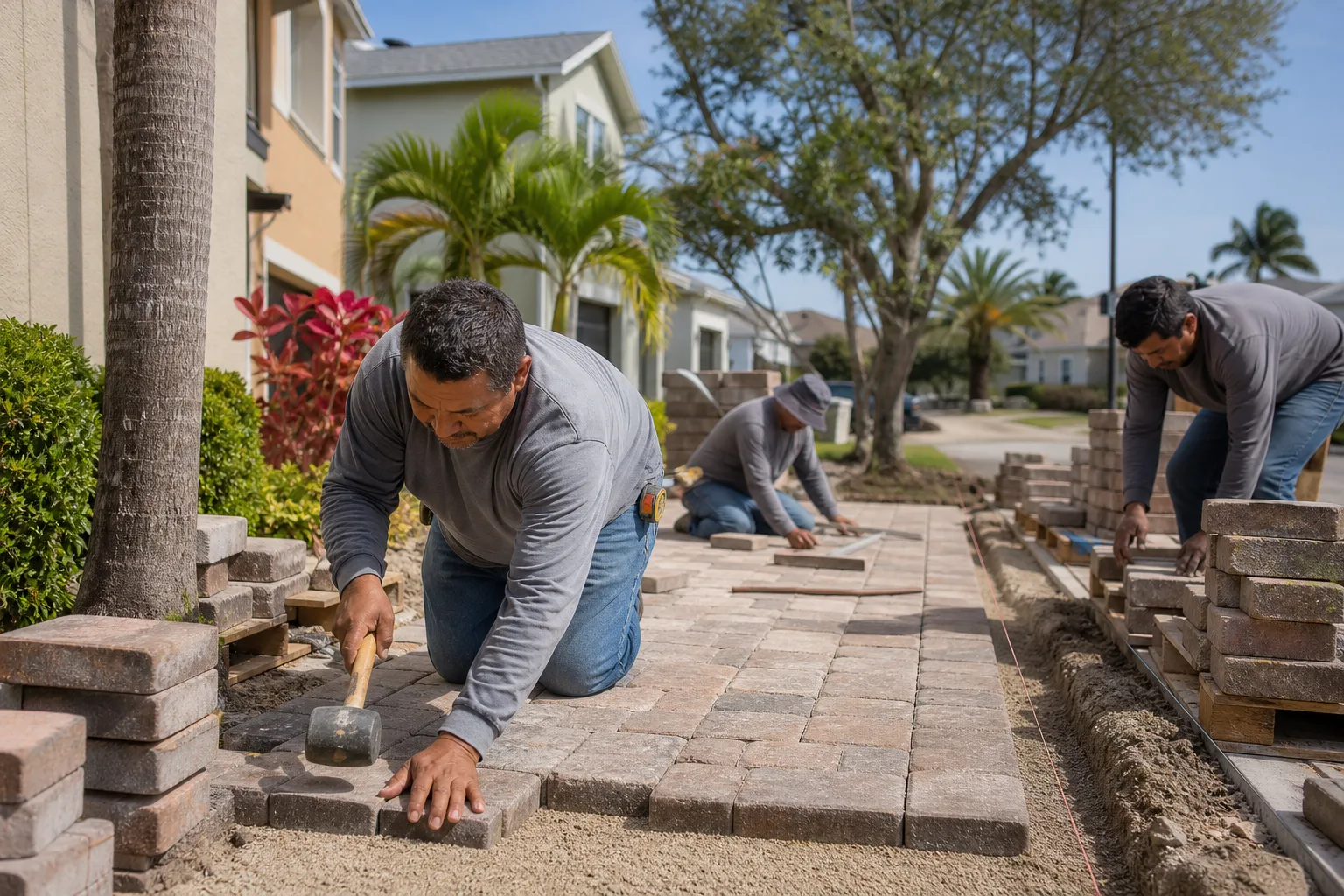
If you’re starting from a worn-out driveway and weighing a full swap, a Driveway & Pavers assessment is worth having in the same conversation, since pavers sit between the two on cost and sidestep the resurfacing cycle entirely.
What about concrete’s cracking problem on Spring Valley’s soils?
Yes, concrete cracks – and near Rhodes Ranch and the western edge of Spring Valley, expansive desert soils combine with summer monsoon downpours to move the ground under a slab. That’s a real risk, and nobody who has poured a driveway here would pretend otherwise.
But it’s an engineering problem, not a material flaw. A slab that’s built right handles it: control joints spaced correctly so the concrete cracks where you want it to and not across the panels, fiber reinforcement through the mix, and – the part a lot of bids gloss over – a well-compacted sub-base evaluated before the pour. Skip the sub-base work and you’ll get the cracking everyone complains about. Do it, and the slab performs.
That’s why our no-hassle upfront pricing includes sub-base evaluation. The number you see reflects the actual soil conditions at your site, not a boilerplate figure that balloons once the crew breaks ground and finds out what’s underneath. Upfront pricing, no surprises – that’s the whole point. And the finished work is covered by our 730-Day Done Right Promise: if it’s not done right, we make it right.
Can I even put asphalt in my Spring Valley subdivision?
Often, no. A lot of Spring Valley’s gated and master-plan subdivisions write their CC&Rs to prohibit asphalt driveways, requiring concrete or pavers instead so the neighborhood keeps a consistent look. It’s one of the more common surprises for a homeowner who priced asphalt and then found out it wasn’t allowed.
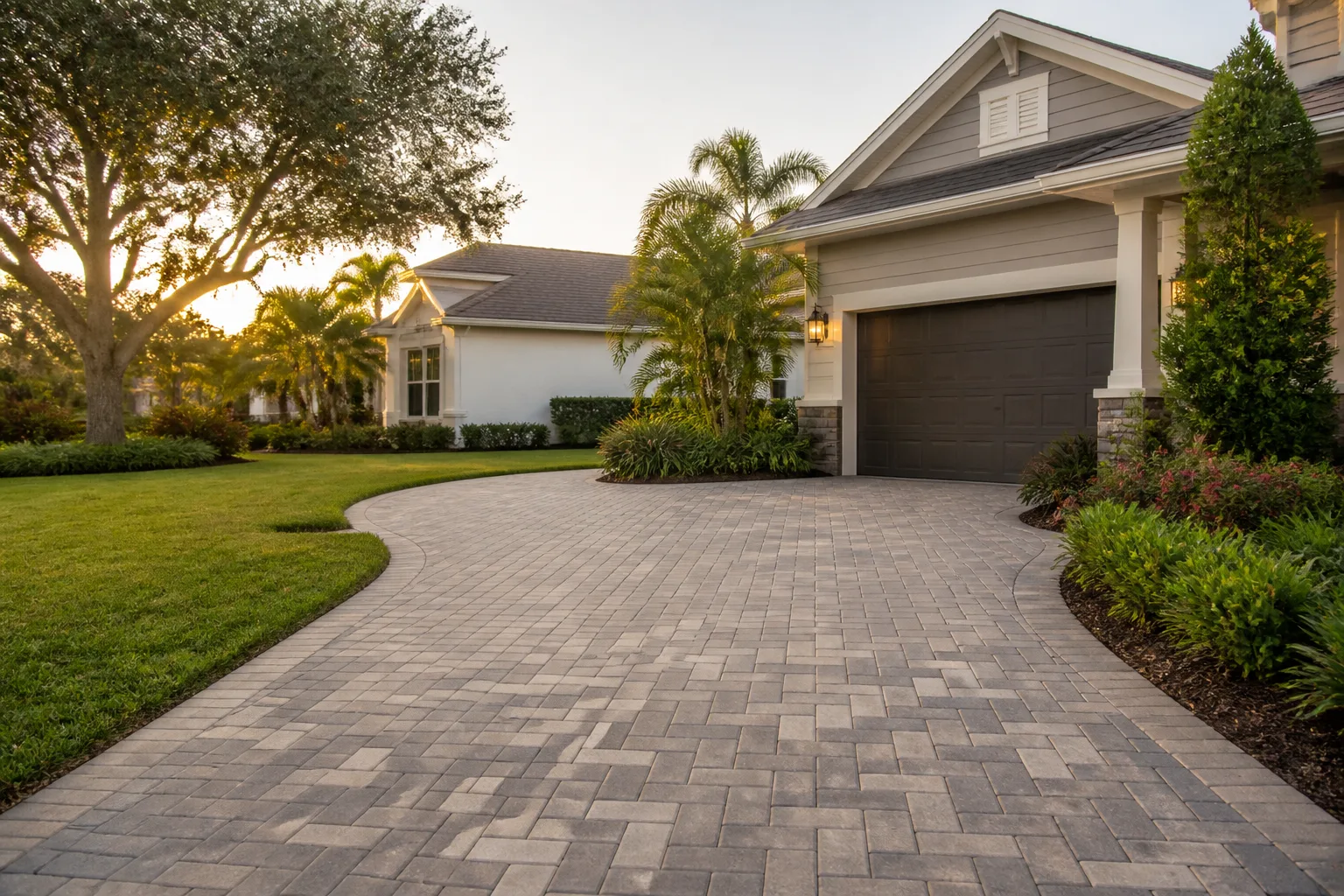
We review the HOA documents before we bid, so you’re not stuck with a non-compliant install that has to come out. If pavers are the approved look for your community, that’s a straightforward conversation – brands like Belgard and our Driveway & Pavers in Spring Valley work fit neatly into HOA-scoped projects. Many communities also allow concrete finished to match a specific color or pattern, which keeps you compliant without going full paver.
So which one should you actually choose?
Go concrete if you can swing the higher initial range. In Spring Valley’s heat it holds its shape, asks less of your maintenance budget, and clears the HOA hurdle most of the time. Go asphalt only if budget is the hard constraint and you’re committed to sealing it like clockwork every 2-3 years – and only after confirming your CC&Rs allow it at all.
Either way, the decisions that matter most happen before anything is poured or laid: base evaluation, joint planning, and drainage. Those are the details that separate a driveway that lasts from one that fails in five years. If your existing driveway is already rutted or cracked, a professional look at the base tells you whether you’re patching a symptom or fixing the cause.
FAQs
Concrete is the better choice in Spring Valley’s climate. Asphalt binder softens above about 120°F, and local driveways in direct summer sun hit 150°F+, which leads to rutting and tire tracking. Concrete stays stable under parked vehicles, and its higher install cost is offset by a longer seal cycle. Call (888) 329-9414 for an exact quote on your driveway.
Concrete driveway installation in Spring Valley runs $4,500-$12,000, while asphalt paving runs $3,500-$9,000 – before you factor in asphalt’s every-2-to-3-year sealing cost of $250-$700. Over 20 years the maintenance gap often closes the price spread. Call (888) 329-9414 for a quote that reflects your actual site and soil.
Many Spring Valley gated subdivisions prohibit asphalt and require concrete or pavers under their CC&Rs. We review your HOA documents before bidding so you don’t end up with a non-compliant install. Call (888) 329-9414 and we’ll check your community’s rules as part of a free estimate.
Sometimes, yes – small cracks and settled panels can often be addressed rather than fully replaced. The deciding factor is the sub-base: if the ground under the slab is moving, patching won’t hold. Call (888) 329-9414 and we’ll tell you honestly whether repair or replacement is the smarter spend.
Get a straight answer on your driveway
If you’d rather have it looked at, Groundwork Construction Co. of Spring Valley offers a no-pressure assessment in Spring Valley – call (888) 329-9414. We’ll check the base, the HOA, and the drainage, then give you an upfront number and let you decide. Our technicians have up to 12 years of experience, and every call is answered by a live person, 24/7.
Written by the team at Groundwork Construction Co. of Spring Valley, serving Spring Valley, NV.