Free written scope consultation - allowances, timeline, and change-order rules on paper before a single trade is scheduled
Styles & brands we work with
- Kitchen remodeling
- Bathroom remodeling
- Home additions & ADU
- Roofing
- Windows & doors
- Driveway & pavers
- Fence
See the difference
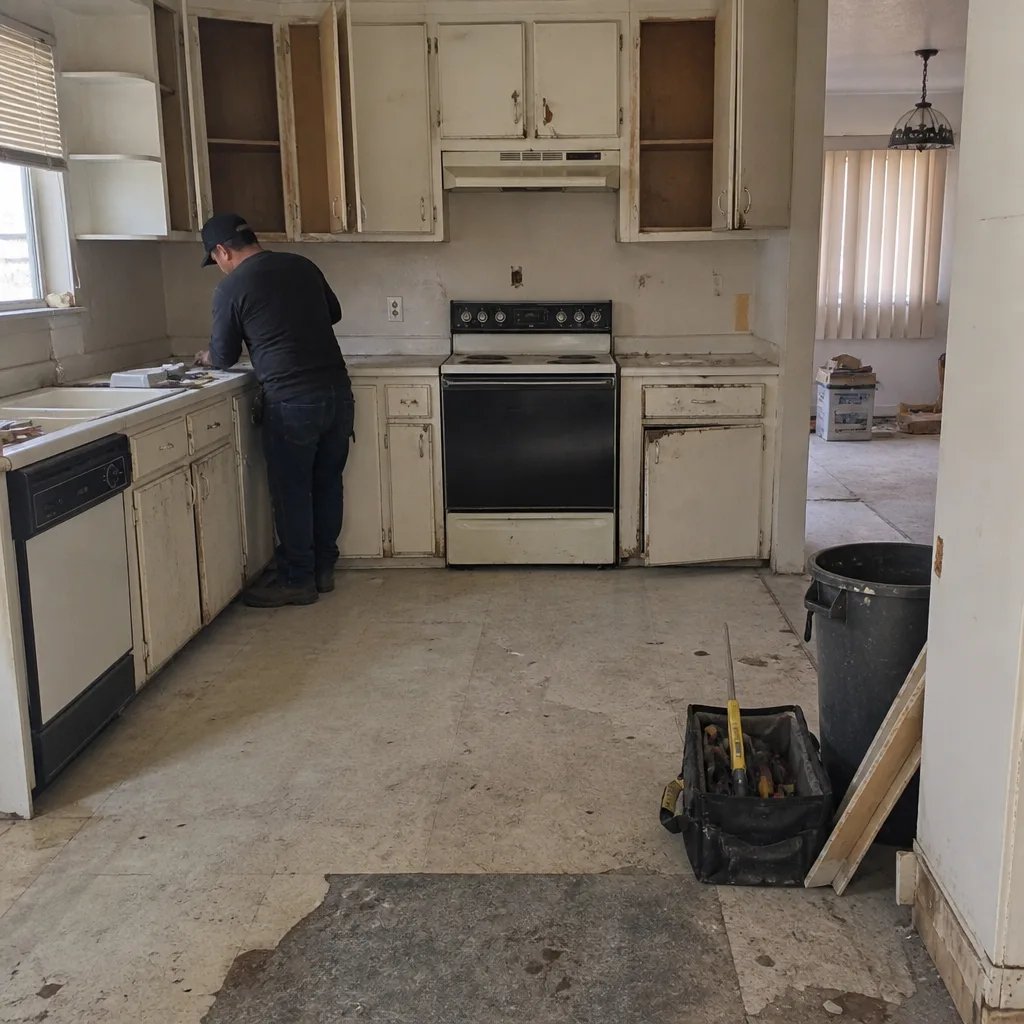 Before
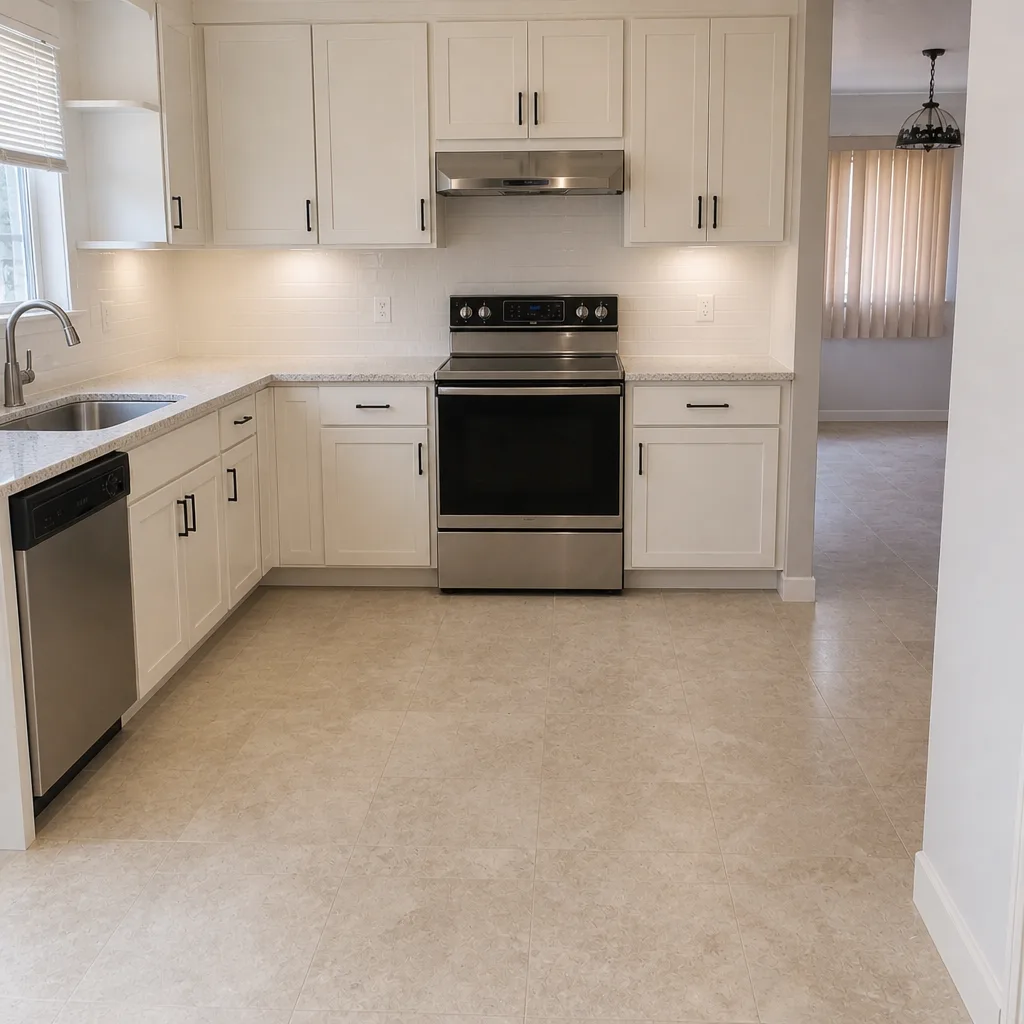 After
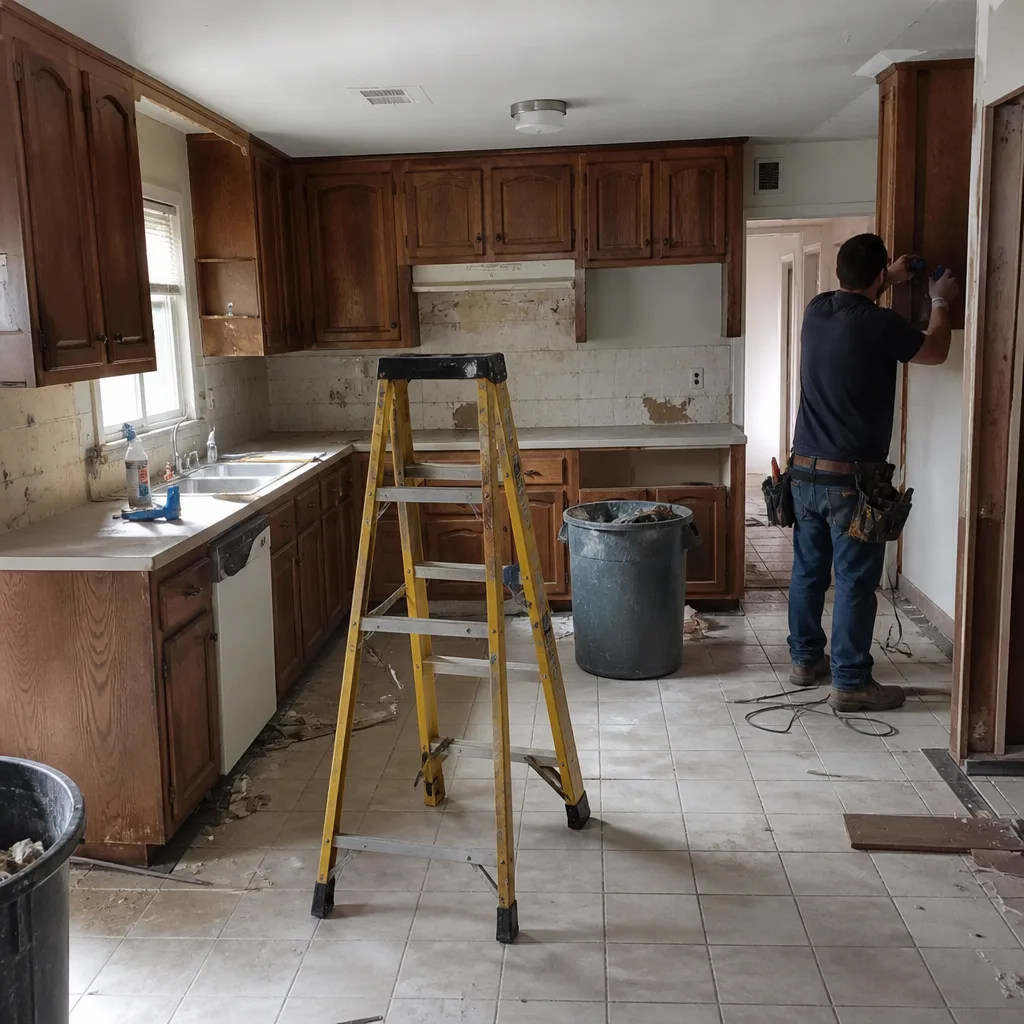 Before
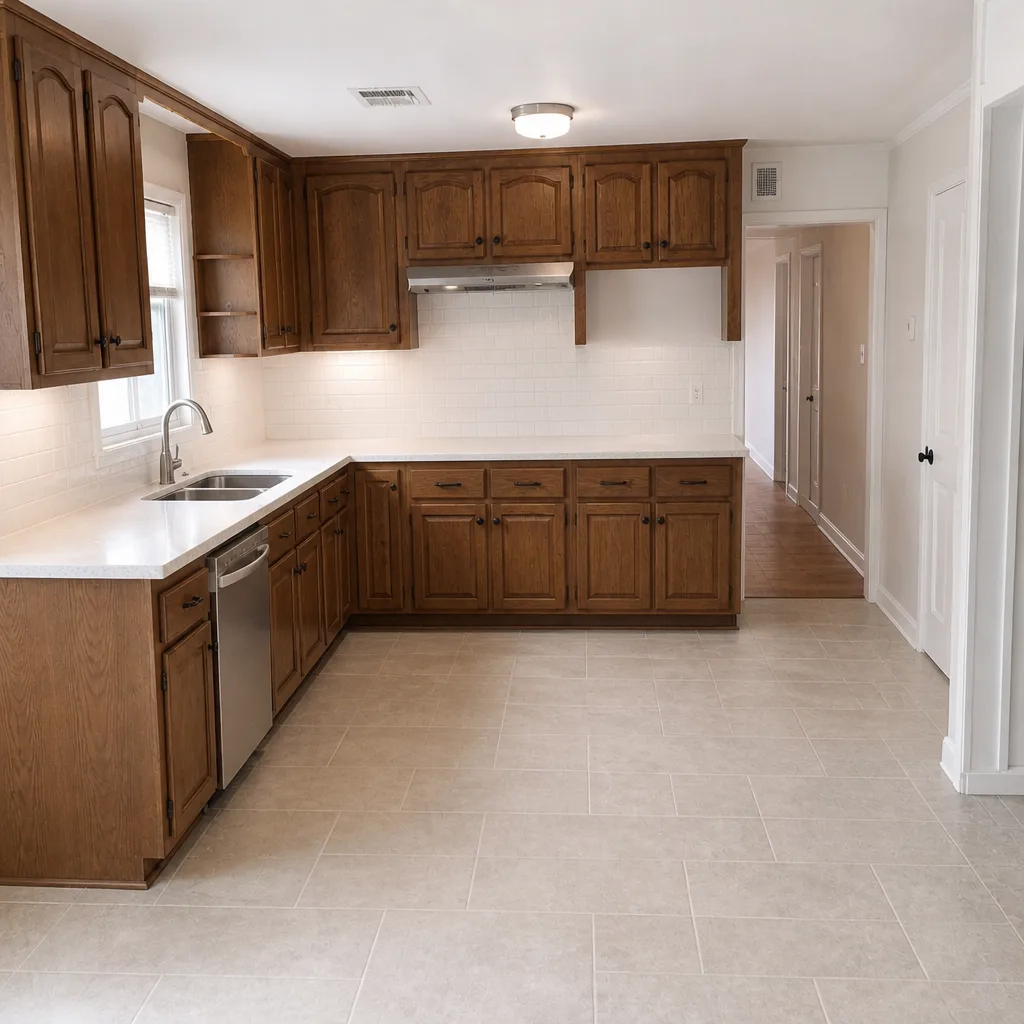 After
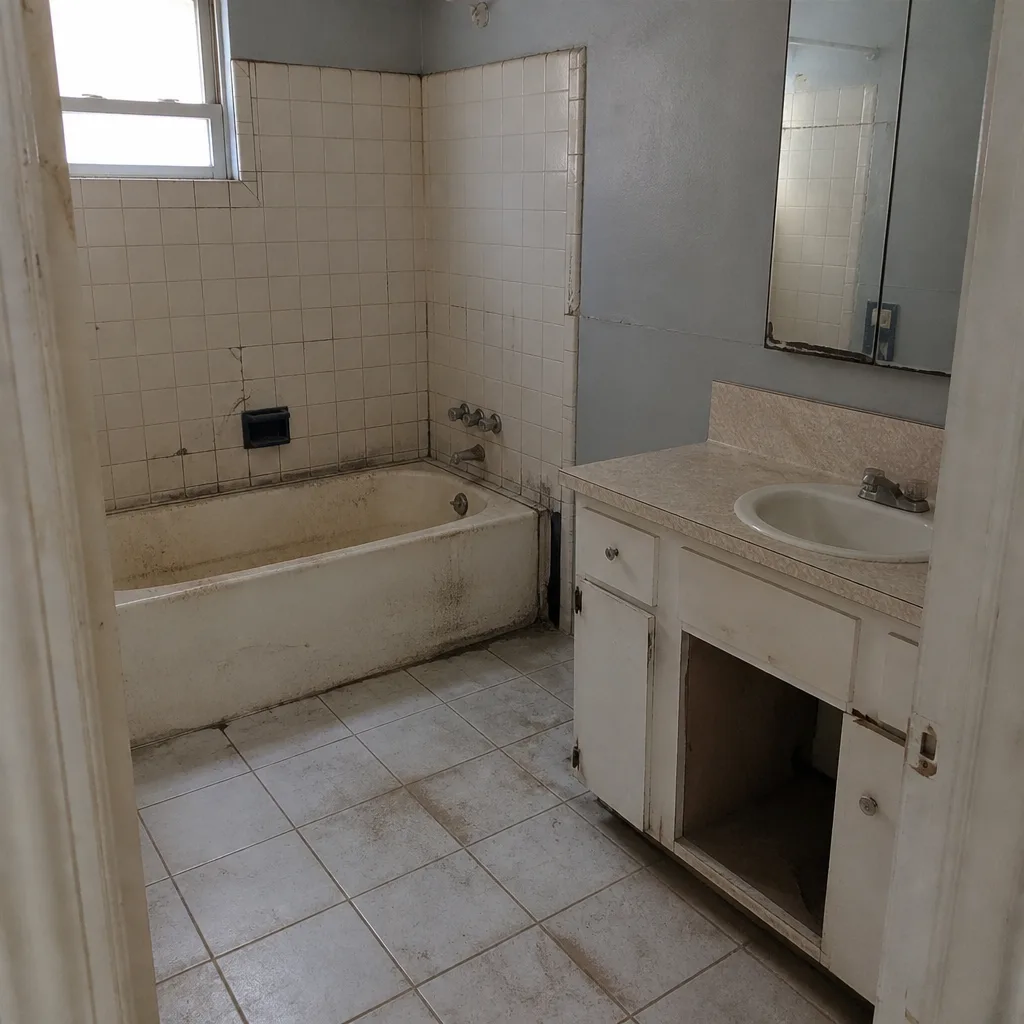 Before
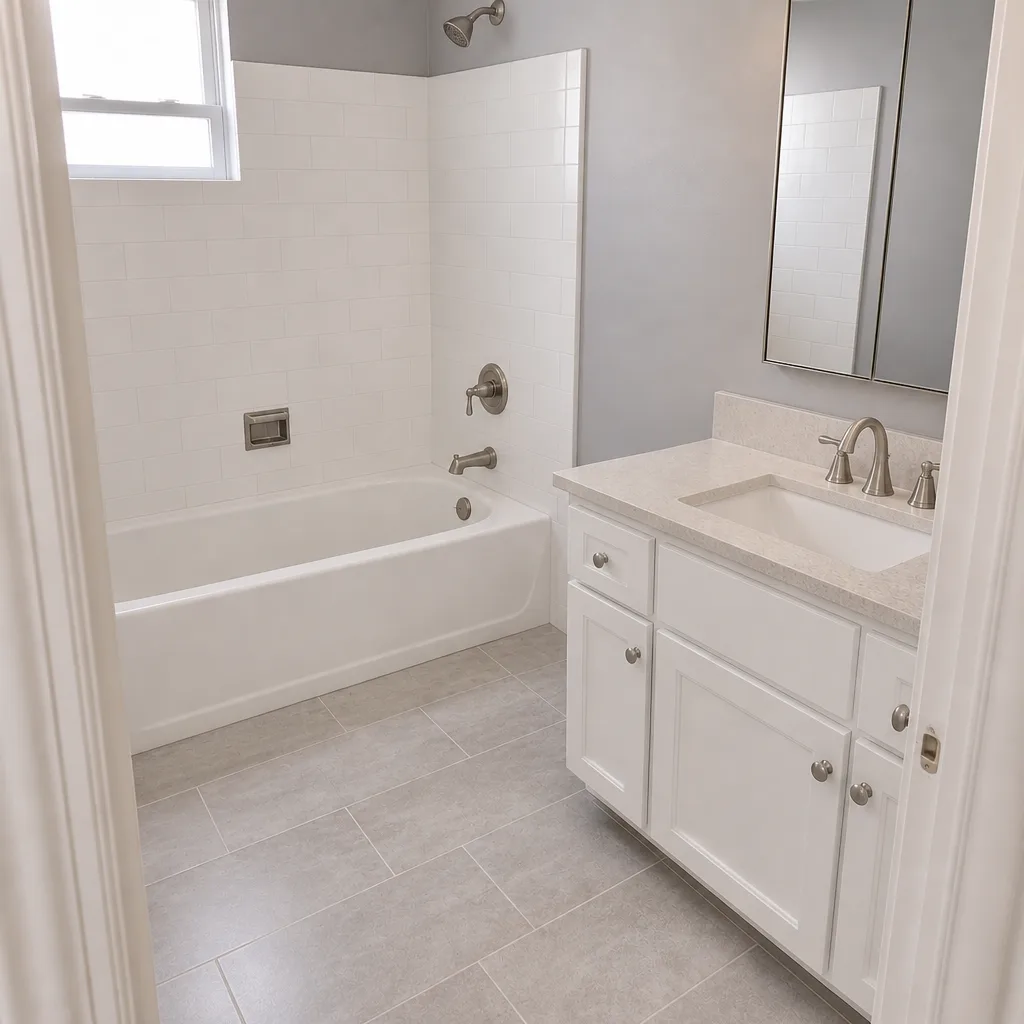 After
Attached vs Detached ADU in Spring Valley, NV: Which One Actually Makes Sense on Your Lot?
Choose an attached ADU unless you have room, budget, and a clean soils report for a detached structure. In Spring Valley, that “unless” carries more weight than it does in most of the Las Vegas Valley. Detached ADUs run $90,000-$220,000 here, but on the western lots near Rhodes Ranch and the edge of the valley, a separate slab on expansive desert soil can move independently from your home’s foundation. That means its own geotechnical analysis and often a reinforced foundation spec. Call (888) 329-9414 and we’ll walk you through which path fits your lot before you commit to either.
Why a Detached ADU in Spring Valley Isn’t the Same Project as One in Central Las Vegas
Soil here moves differently out west. Spring Valley’s housing is mostly 1990s-2000s stucco-and-tile tract homes built on slab-on-grade foundations, and the western edge sits on expansive desert soils that swell with monsoon moisture and contract hard in dry heat. Those soils don’t sit still through a season, let alone a decade.
Central Las Vegas rests on flatter, older alluvial ground. A detached ADU there is often a straightforward slab pour. On the slopes near Rhodes Ranch, the same plan can require a soils report and a design change: post-tension cable, a thickened-edge slab, or deeper footings. That isn’t a sales pitch. It’s what the ground tells us. When you compare Home Additions & ADU options, that soil reality is the single biggest cost variable most homeowners never see coming.
We build a soils assessment into the upfront price of any detached ADU on Spring Valley’s western zones. You see the structural number before you sign, not as a change order after demo.
Where Attached ADUs Pull Ahead in Spring Valley
An attached ADU shares your home’s foundation system and utility connections. On problematic soils, that shared structure is a genuine engineering advantage. Your existing foundation already handled the movement, and the addition rides on it instead of fighting the ground on its own.
That continuity saves money in two places at once. First, no separate reinforced slab spec. Second, fewer utility tie-ins. A detached ADU needs its own electrical sub-panel and, in Clark County, often its own utility meters. NV Energy interconnection and Las Vegas Valley Water District tap fees can add $5,000-$15,000 that an attached build avoids entirely.
The tradeoff is design. An attached ADU borrows your roofline and your footprint, so layout options narrow. Detached gives you flexibility in placement and privacy, at the cost of the structure standing on its own ground.
Spring Valley ADU Cost Comparison
These are the ranges we work from in this market. The gap between attached and detached usually comes down to foundation and utility work, not finishes.
| Project Type | Typical Spring Valley Range |
|---|---|
| Attached ADU (converted or added space) | $45,000-$130,000 |
| Detached ADU (new standalone structure) | $90,000-$220,000 |
| Garage Conversion | $30,000-$80,000 |
| Home Addition (non-ADU) | $45,000-$130,000 |
The page-level range for ADU work in Spring Valley runs $45,000-$130,000 for attached projects and up to $220,000 for detached. On the western soils, the upper end of the detached range is more likely, not less.
HOA Rules That Change the Detached Math
Spring Valley’s master-plan communities have architectural review committees, and most of them require a detached structure to match the primary home’s roofline, stucco texture, and tile color. That’s not a cosmetic nicety. Matching an existing tile profile and stucco finish adds design and material cost a garage conversion or attached addition skips entirely.
Attached conversions usually clear ARC review faster because the addition reads as part of the original house. Detached gets scrutinized as a new structure on the lot. Plan for that review timeline in your schedule.
Decision Framework: Which ADU Fits Your Property
Work through these in order. The first honest “no” usually points you toward the other path.
- Do you have a soils report? On the western zones, a detached build needs one before we finalize a slab design. An attached build leans on your existing foundation.
- Is your lot wide enough to keep setbacks? Detached footprints and side-yard setbacks squeeze tight on interior tract lots.
- Can you absorb $5,000-$15,000 in separate utility tie-ins? That’s the NV Energy and water district gap.
- Will your HOA approve a new structure? Detached gets an architectural review; attached usually clears faster.
- What’s the ADU for? Rental income or aging parents often justify the detached premium. A guest suite or office rarely does.
If everything points detached, we want the ground tested first. It’s cheaper to know than to guess.
Common Local Scenarios We See in Spring Valley
A Rhodes Ranch homeowner with a sloped rear lot. The slope plus expansive soil pushed a detached slab spec toward post-tension. Attached ended up the smarter build for the budget they had.
A gated community with strict ARC covenants. The HOA wanted the detached structure to mirror the home’s tile and stucco exactly. Matching materials added cost the owner hadn’t budgeted. We caught it in review, not after framing.
A flat, interior lot with stable ground. Clean soils report, wide side yard, no meter complications. Detached made sense, and the owner got the rental unit they wanted without foundation surprises.
What Groundwork Brings to the Decision
Groundwork Construction Co. of Spring Valley builds additions and ADUs across this market, and our technicians have up to 12 years of experience. Every project is backed by our 730-Day Done Right Promise: if it isn’t done right, we make it right. That guarantee covers the foundation work as well as the finish, which matters when you’re pouring a slab on soil that shifts.
We use verified material partners across the trades, so windows, roofing, and finishes are quality selections, not whatever was available. Calls reach a live person 24/7, and pricing is upfront: the number you see is the number you pay. For the broader build options, see our home services.
FAQs
Attached is almost always cheaper here. It avoids a separate reinforced slab on expansive soil and skips $5,000-$15,000 in separate utility meter and tap fees. Detached runs $90,000-$220,000 versus $45,000-$130,000 for attached in this market. Call (888) 329-9414 for an exact quote on your lot.
Yes, and this is where Spring Valley differs from central Las Vegas. The western soils swell and contract enough that a detached slab needs its own geotechnical analysis and often a post-tension or thickened-edge design. Attached ADUs skip it because they share your home’s foundation. Call (888) 329-9414 and we’ll explain what your lot needs.
It depends on the community, but most master-plan HOAs here require a detached structure to match your home’s roofline, stucco texture, and tile color. That review can slow your timeline and add material cost. Attached conversions usually clear faster. Call (888) 329-9414 and we’ll help you anticipate the review.
Often yes, and at $30,000-$80,000 it’s the most budget-friendly path. It shares your foundation and utilities, so it sidesteps both the soil risk and the separate meter costs a detached build carries. Call (888) 329-9414 to confirm whether your garage qualifies.
If you’d rather have it looked at, Groundwork Construction Co. of Spring Valley offers a no-pressure assessment in Spring Valley - call (888) 329-9414. We’ll review your lot, your soil, and your budget, then tell you honestly whether attached or detached makes sense. Estimates are free.
Written by the team at Groundwork Construction Co. of Spring Valley, serving Spring Valley, NV.