Free written scope consultation - allowances, timeline, and change-order rules on paper before a single trade is scheduled
Styles & brands we work with
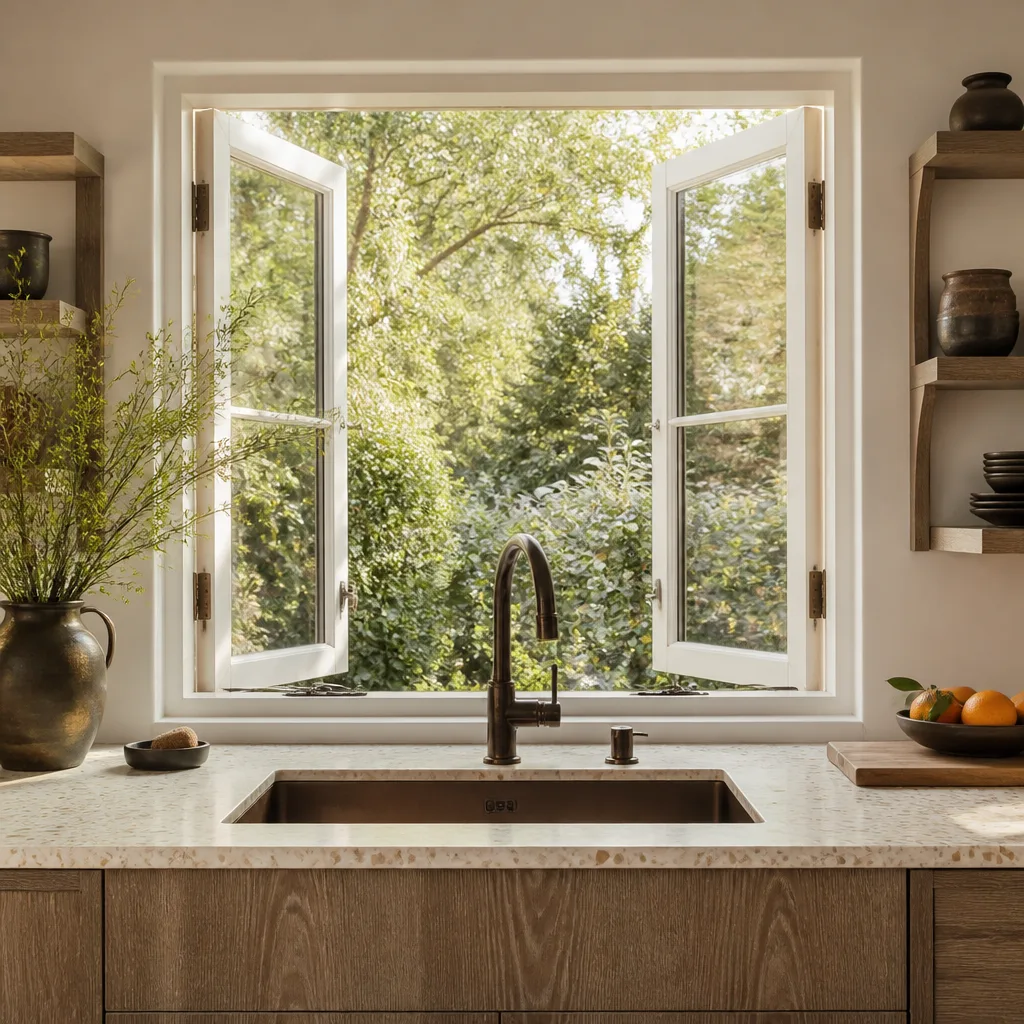
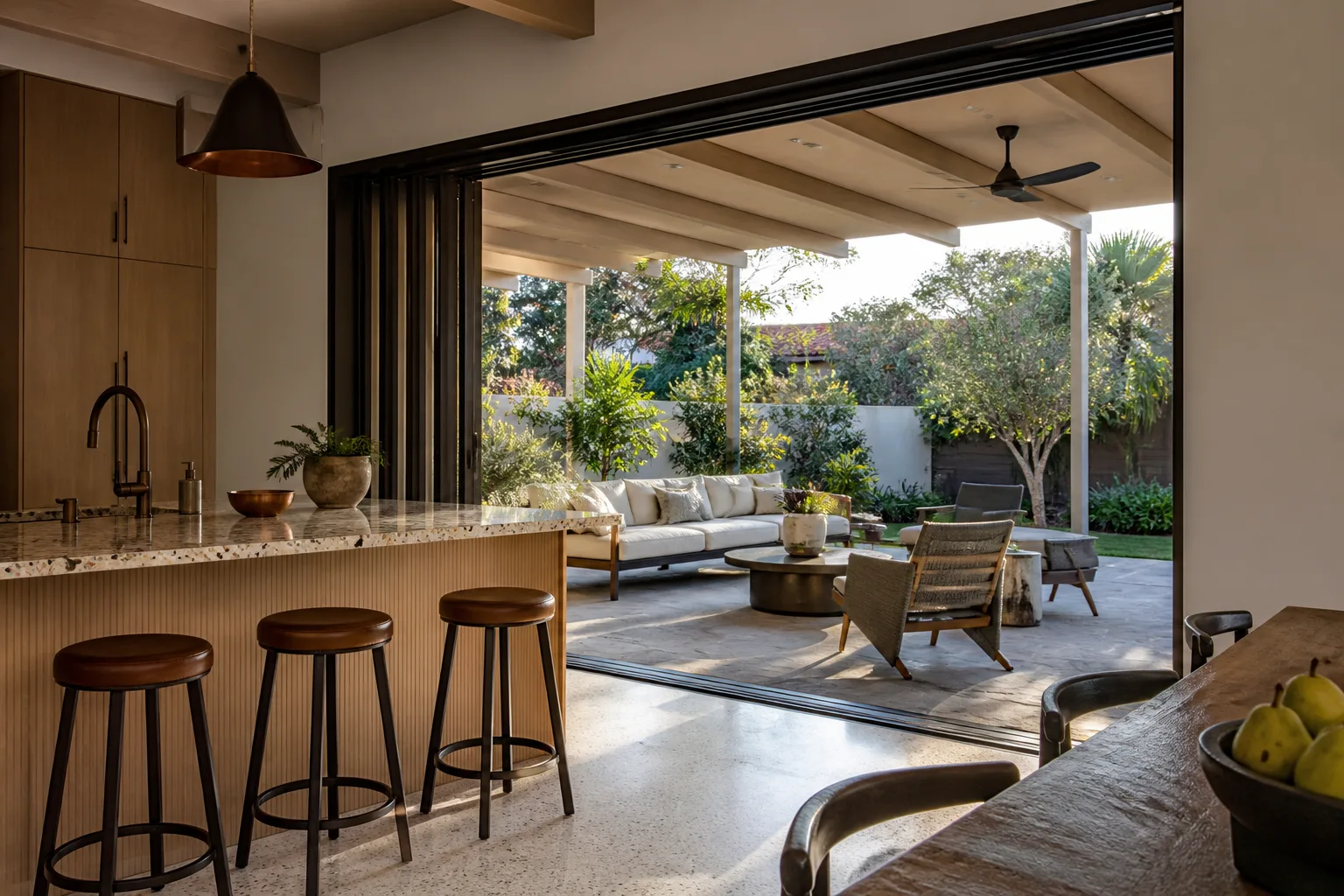
- Kitchen remodeling
- Bathroom remodeling
- Home additions & ADU
- Roofing
- Windows & doors
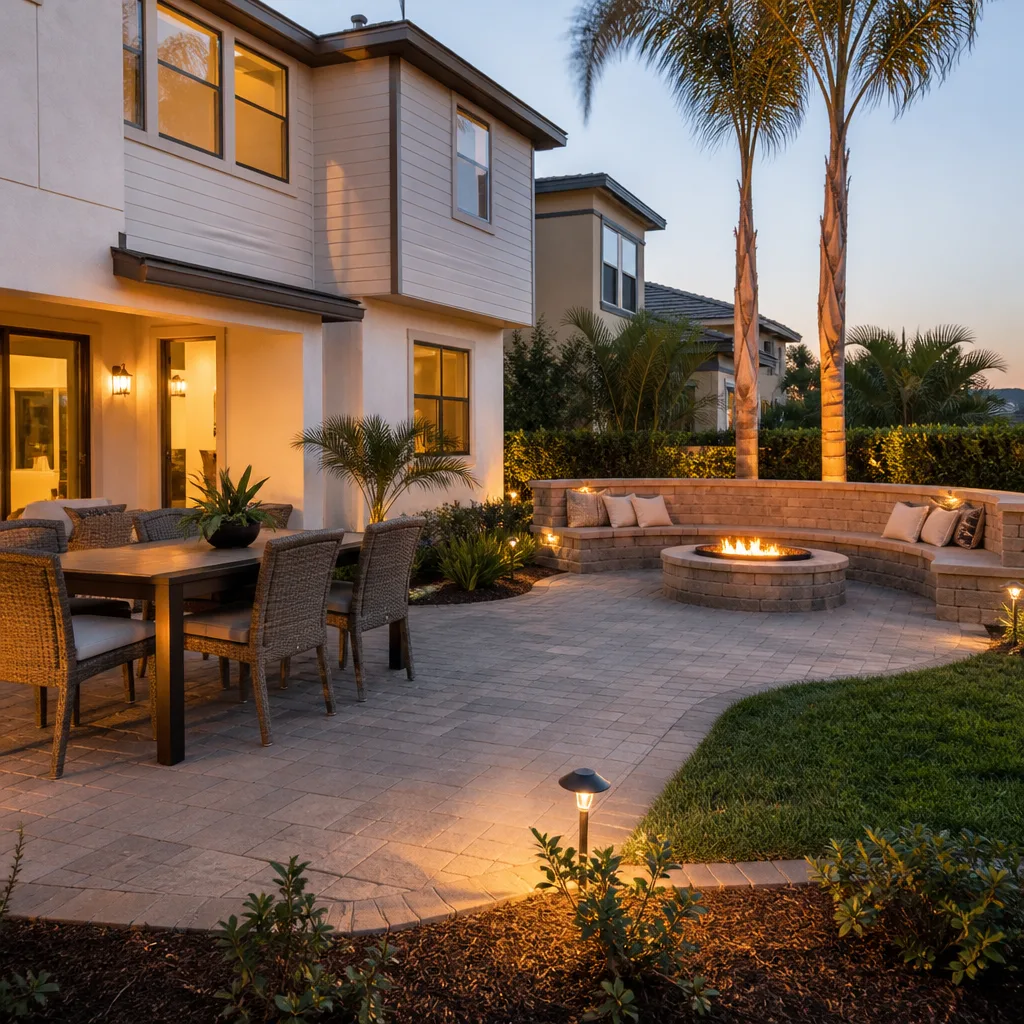
- Driveway & pavers
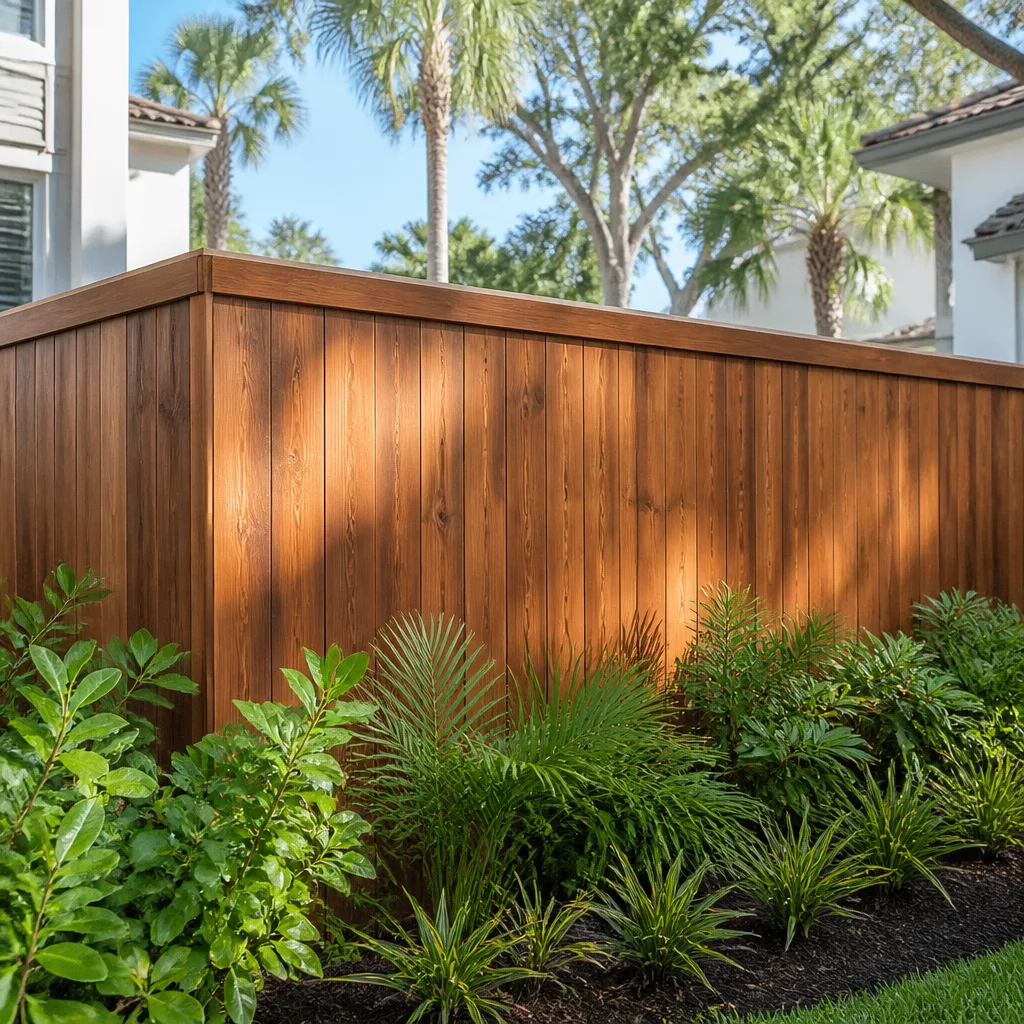
- Fence
See the difference
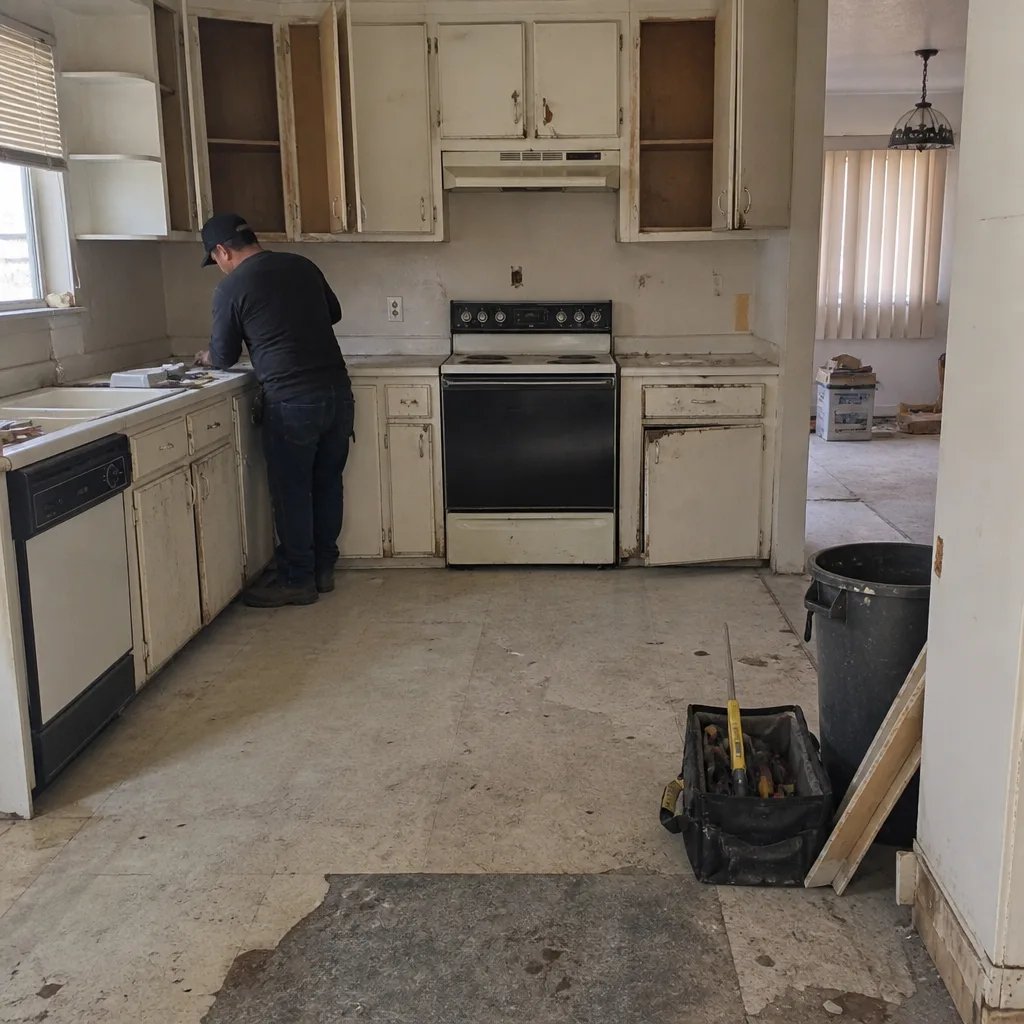 Before
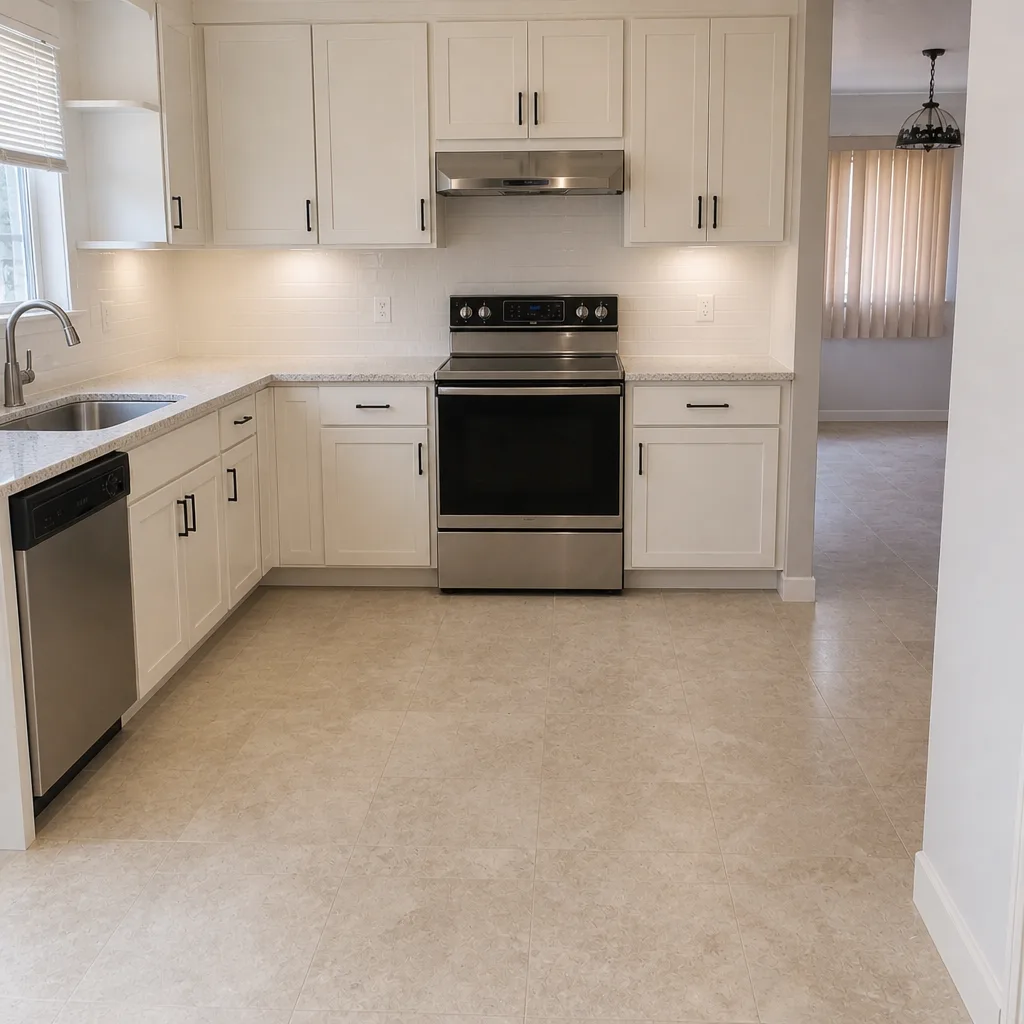 After
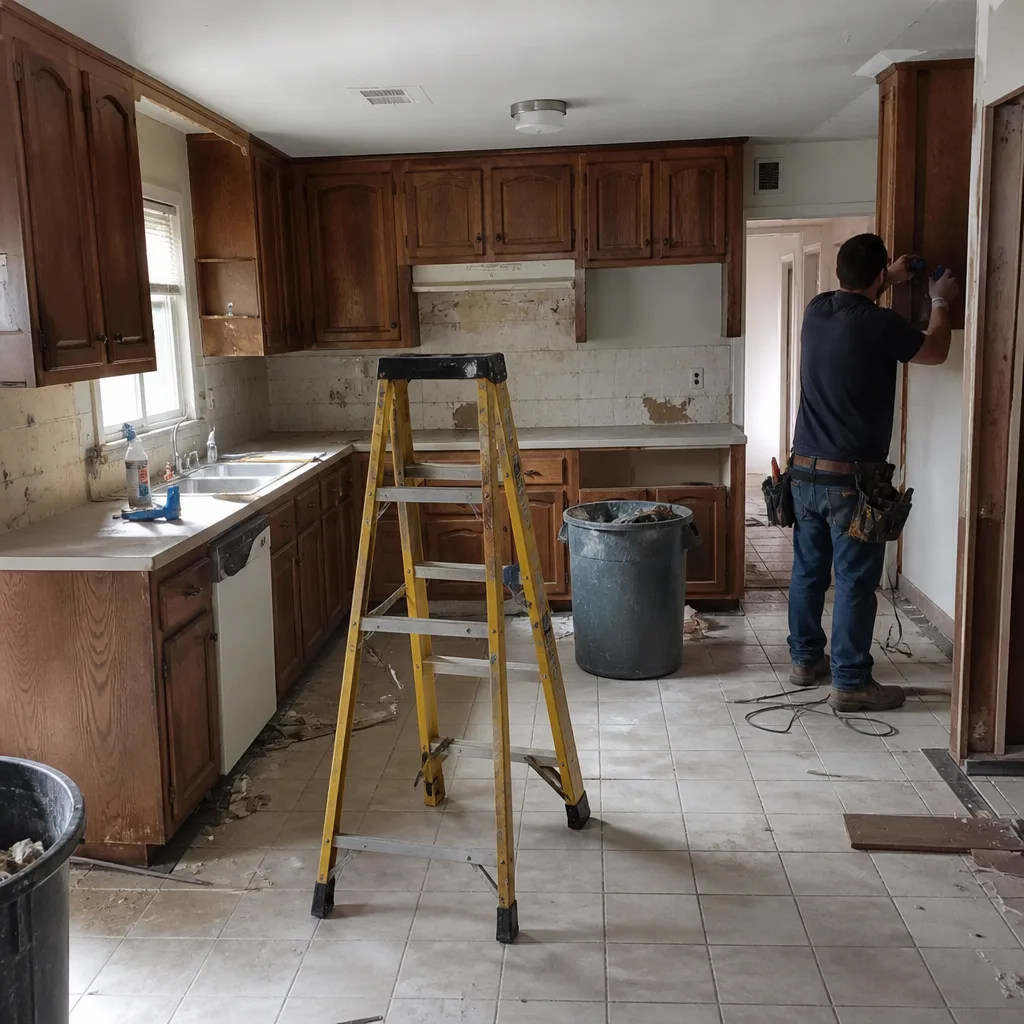 Before
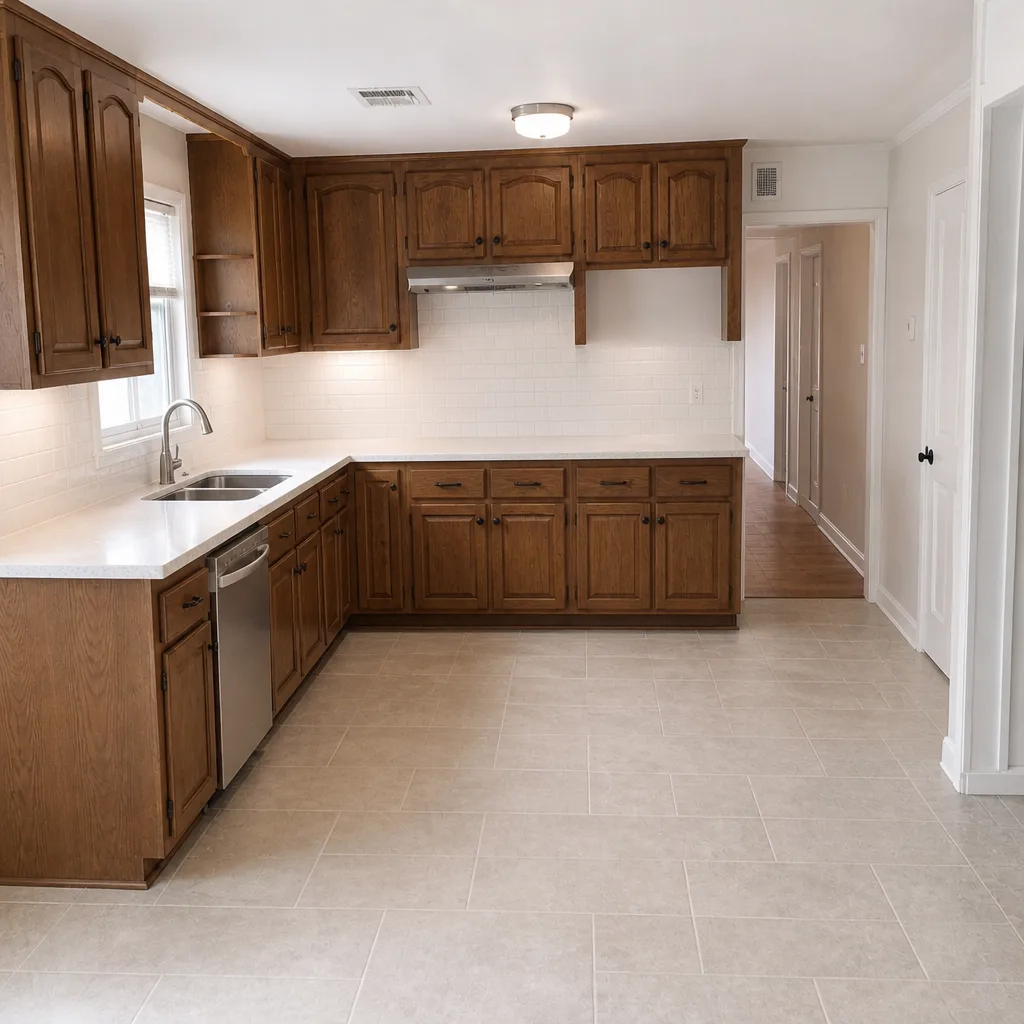 After
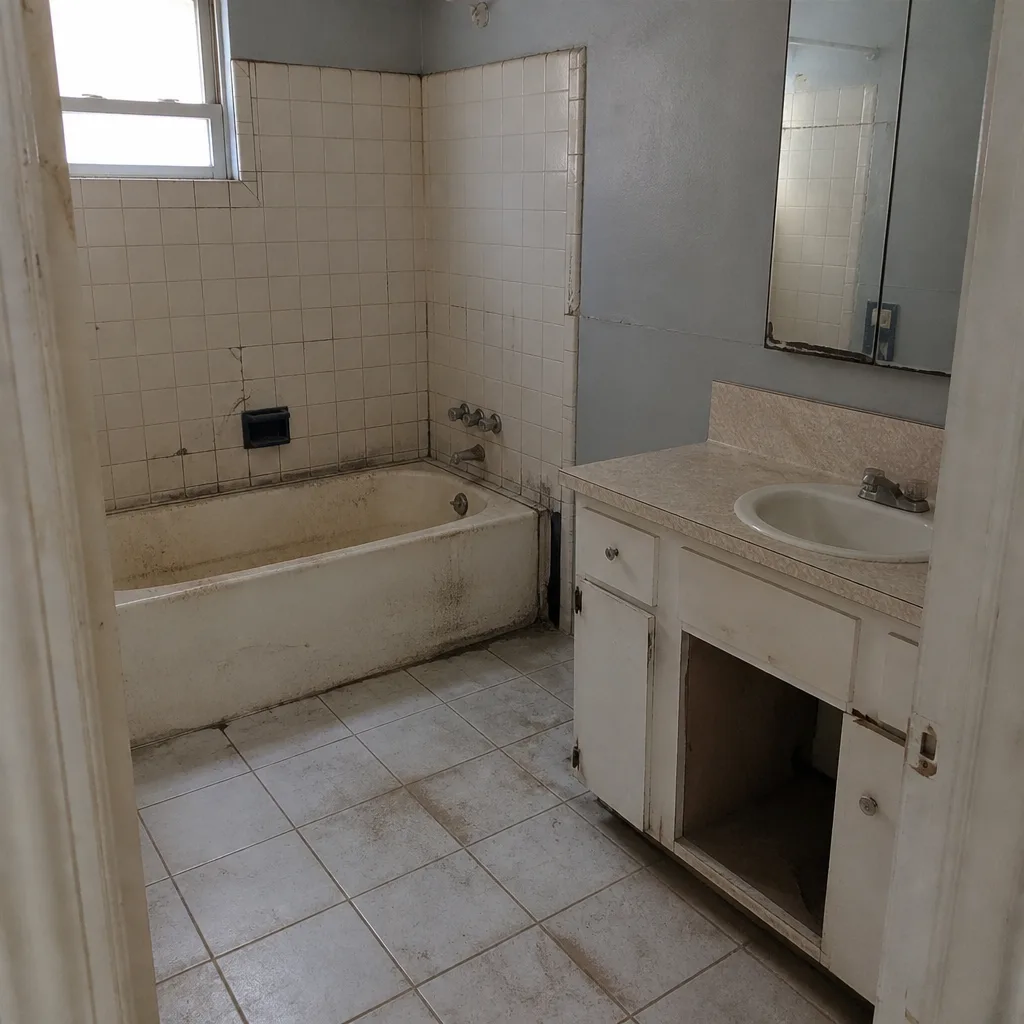 Before
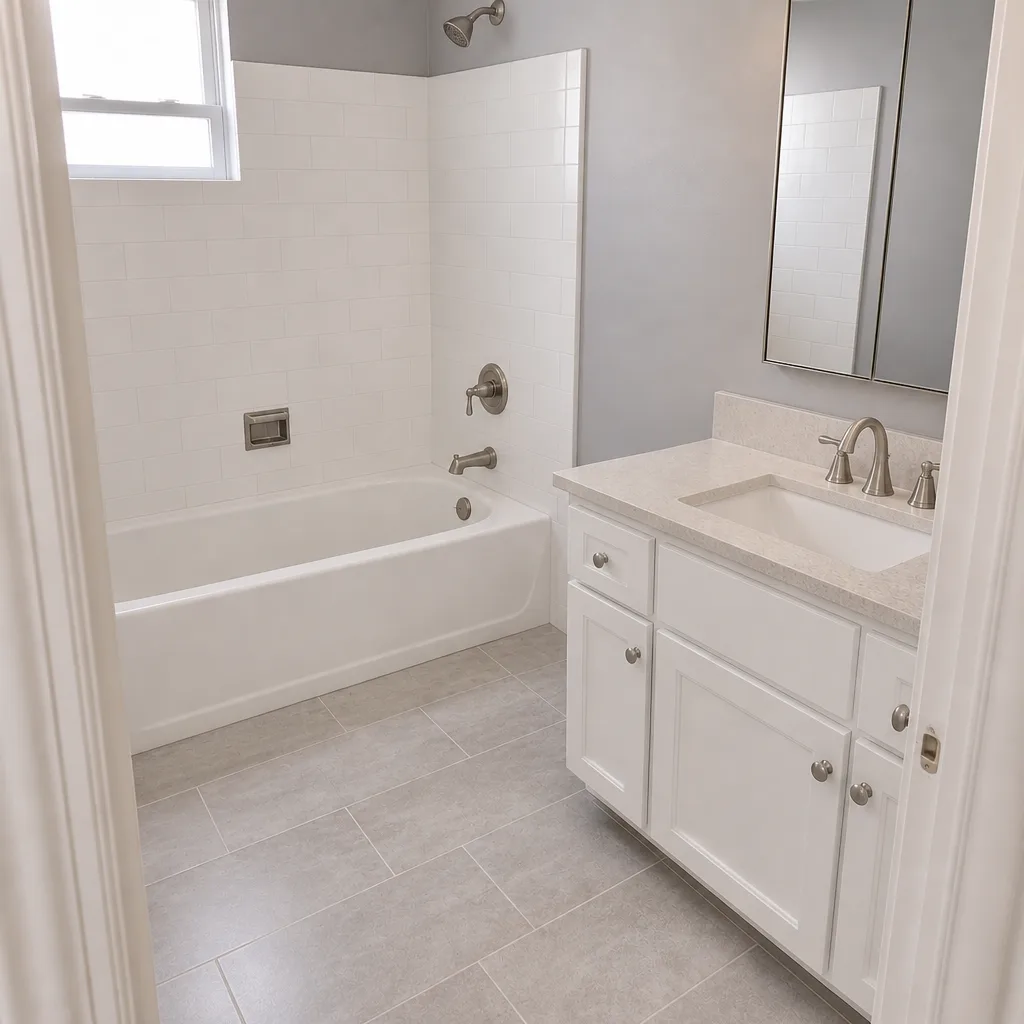 After
Double-Pane vs. Triple-Pane Windows in Spring Valley, NV: Choose Double-Pane Unless You Have a Specific Reason to Go Triple
For almost every home in Spring Valley, high-performance double-pane low-e windows are the right call, and triple-pane is the wrong upgrade unless you’re chasing a very particular goal like exterior noise reduction on a busy arterial. Triple-pane glass is real technology, not a gimmick, but its payoff is concentrated in heating-dominated climates. Here in Spring Valley, where winter lows rarely breach 28°F and the heating season runs about 60 days, you’d be paying a 30-40% premium per window for performance you’ll notice less than 15% of the year. Our technicians have up to 12 years of experience installing both, and the honest recommendation for most Spring Valley homes is the same: spend your window budget on better glass and a proper install, not a third pane. Call (888) 329-9414 for a free estimate and we’ll show you the real numbers on your own openings.
Why does that advice land differently here than in, say, Minnesota? Spring Valley’s housing stock and climate both push the decision. Most of the city was built as 1990s-2000s stucco-and-tile tract homes, and the envelope was engineered for a much lighter window than triple-pane delivers. The desert sits roughly 2,300 feet up, with summer highs over 110°F and winter nights that brush freezing. What that means for windows is that your savings case is built on keeping solar heat out, not keeping warmth in. Those are two different jobs, and they’re rated by two different numbers.
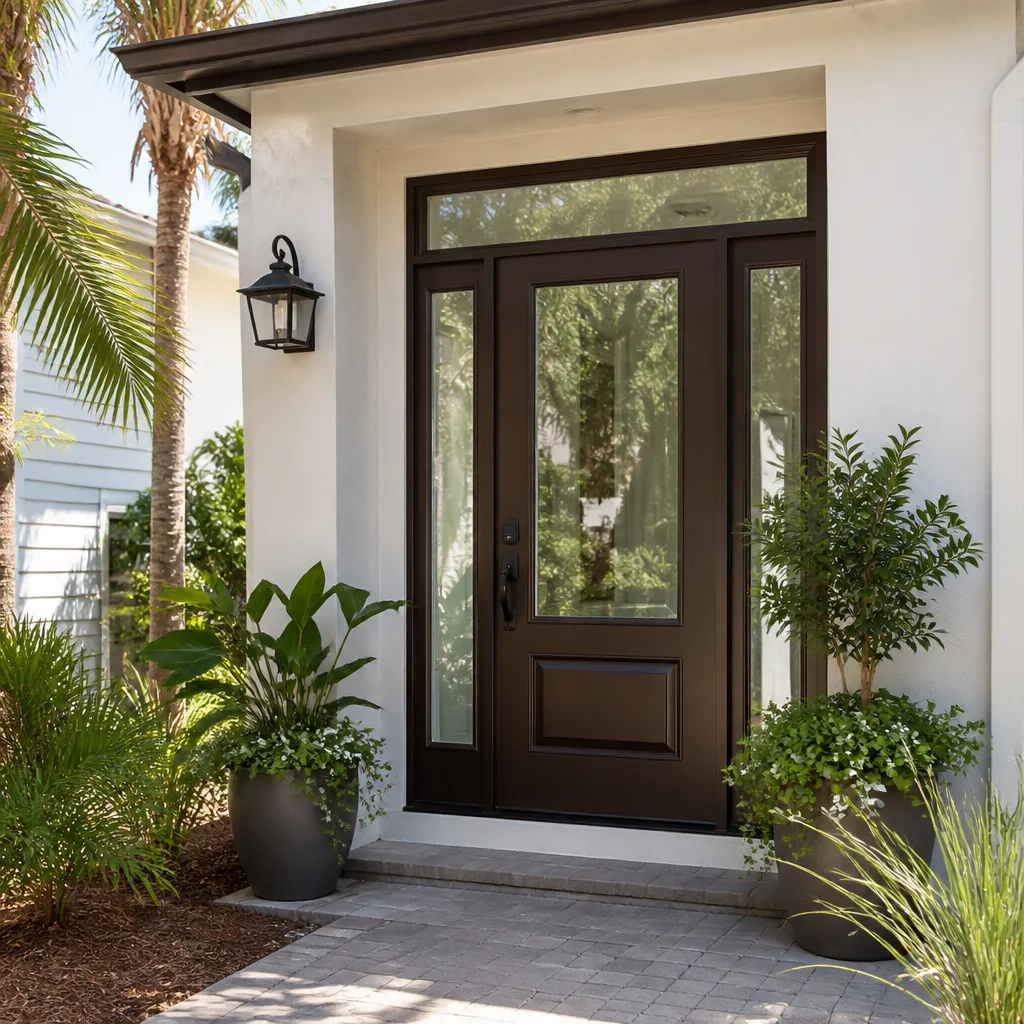
The number that actually matters in Spring Valley: SHGC, not U-factor
Here’s the piece most window shopping conversations skip. Triple-pane’s thermal advantage is almost entirely in U-factor, which measures resistance to conductive heat loss. A triple-pane unit typically hits around U-0.15 versus U-0.27 for a good double-pane. That’s a genuine difference. But in a place where you run the furnace for two months instead of six, that delta translates to roughly $20-$40 a year in gas savings. Against a $200-$400 per-window premium, the math takes a long time to work in your favor.
Spring Valley’s real ROI case lives in SHGC, solar heat gain coefficient, which measures how much of the sun’s heat a window lets inside. Both double and triple-pane low-e units can hit comparable SHGC ratings. Triple-pane adds weight and a third layer of glass. It doesn’t add solar rejection. If your goal is a cooler west-facing room in August, you get there by choosing the right low-e coating, not by adding glass.
The comparison that actually matters for a Spring Valley homeowner is high-performance double-pane low-e versus standard double-pane low-e:
| Option | U-factor (approx.) | SHGC (approx.) | Best for |
|---|---|---|---|
| High-performance double-pane low-e (Andersen Low-E4 SmartSun) | ~0.27 | ~0.20 | Desert homes fighting solar heat and UV |
| Standard double-pane low-e | ~0.30 | ~0.30 | Budget installs, shaded exposures |
| Triple-pane low-e | ~0.15 | ~0.20 | Cold climates, noise-sensitive sites |
That’s the real fork in the road. Moving from standard to high-performance double-pane is where your desert savings live, and both options are lighter than triple-pane. When you’re ready to weigh specific glazing packages, our Windows & Doors team can walk the options against your actual exposures.
The structural worry with triple-pane in 1990s Spring Valley stucco homes
Triple-pane units weigh 40-60% more than comparable double-pane windows. That matters here more than it would in a newer build. Spring Valley’s 1990s stucco tract homes have window bucks and rough openings that were engineered around aluminum single-pane loads, which are far lighter. Drop a heavy triple-pane unit into one of those openings without checking the framing and header, and you can stress the lintel and set up new stucco cracking around the perimeter.
We’re not saying triple-pane is impossible in these homes. We’re saying it has to be assessed per opening. Some Spring Valley rough openings handle the added weight fine. Others need header reinforcement before the unit goes in, and that cost belongs in the estimate, not in a vague “starting at” number that surfaces after you’ve signed.
The extreme swing from 110°F summers to near-freezing winter nights already works stucco and concrete flatwork hard through thermal expansion and contraction. Adding load you weren’t engineered for can compound that. This is also why our quotes put the structural work in writing up front: upfront pricing, no surprises is the whole point. And every install comes with our 730-Day Done Right Promise – if it’s not done right, we make it right, for two full years.
If you’re closer to the slopes near Rhodes Ranch on the western edge of Spring Valley, one extra note: the expansive desert soils and summer monsoon downpours out here move more than flat central Las Vegas alluvium. Cracking from soil movement and cracking from window load are different problems, so it’s worth ruling out the foundation side before blaming the glass.
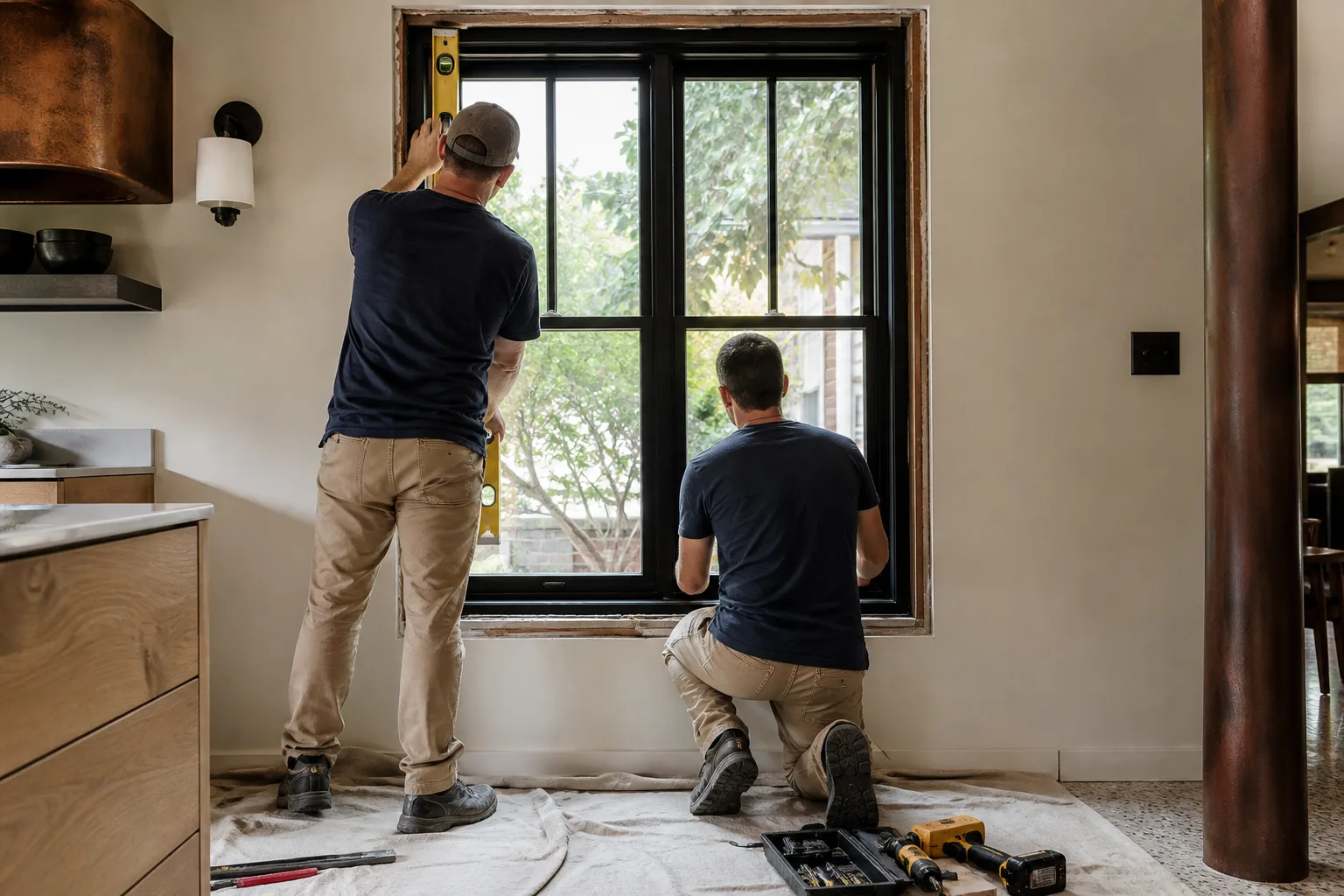
What should a Spring Valley homeowner actually compare on a window quote?
Compare these four things, in this order, and the double-pane vs. triple-pane question mostly answers itself:
- SHGC first. Ask for the actual rated number on the glass, not a marketing label. In Spring Valley you want it low.
- U-factor second. A good double-pane lands near U-0.27. Anything dramatically better is buying heating-season performance you’ll barely use.
- Structural scope. Does the bid call out header reinforcement or rough-opening prep if you go heavy? If it doesn’t, it’s not a real comparison.
- Installed price. The number that matters is the fully installed cost, including remediation, not the per-window sticker.
We source through brand partners you’ve heard of, Andersen and Pella among them, so the glazing ratings are verifiable and the hardware holds up under UV. Background-checked, uniformed technicians handle every install. Typical window replacement in Spring Valley runs $4,500-$15,000 for a whole-home job, and impact-rated units run $8,000-$25,000. The table below shows where the premium lands:
| Scope | Spring Valley price range |
|---|---|
| Window replacement (whole home) | $4,500-$15,000 |
| Impact window installation | $8,000-$25,000 |
| Triple-pane premium vs. double-pane | Roughly $200-$400 per window |
On larger jobs, 0% financing for 18 months and $1,000 off projects over $10,000 keep the upgrade within reach without stretching to a third pane you don’t need. Browse the full scope of what we handle for Spring Valley homeowners if you’re bundling windows with other envelope work.
When triple-pane is the right answer
We said almost everyone – not everyone. Triple-pane earns its premium when you’re fighting sound as much as heat. If your windows face a busy arterial or a flight path, the extra glass and deeper air cavities cut noise noticeably, and that’s a comfort gain no solar coating delivers. It also makes sense if you’re planning to keep the home for decades, don’t mind the investment, and the openings check out structurally. Those are genuine reasons. Just don’t buy triple-pane expecting a fast payback in Spring Valley, because the numbers don’t support it here.
FAQs
For most Spring Valley homes, no – triple-pane’s extra cost rarely pays back in this climate because the savings show up in heating, and Spring Valley’s heating season is short. You’d recoup roughly $20-$40 a year against a $200-$400 per-window premium, so the money is better spent on high-performance double-pane low-e with a low SHGC. Triple-pane makes sense mainly for noise reduction or long-hold owners. Call (888) 329-9414 for a free estimate on your specific openings.
Not meaningfully more than a good double-pane low-e window, because summer cooling performance is set by SHGC, not the number of panes. Both double and triple-pane low-e units can reach a comparable SHGC around 0.20, so the third pane adds weight and cost without added solar rejection. Pick your low-e coating carefully and you’ll get the desert performance you’re after. Call (888) 329-9414 and we’ll match coatings to your west- and south-facing glass.
They can contribute to cracking if installed into a rough opening that wasn’t checked for the extra weight, since triple-pane units run 40-60% heavier than double-pane. Spring Valley’s 1990s stucco homes were often framed for much lighter aluminum single-pane loads, so header reinforcement may be needed on some openings. It has to be assessed per window, not assumed. Call (888) 329-9414 for a no-pressure assessment that puts any structural scope in writing.
Typical whole-home window replacement in Spring Valley runs $4,500-$15,000, while impact-rated installation lands at $8,000-$25,000. The double-pane vs. triple-pane decision sits on top of that as a per-window premium of roughly $200-$400. Our upfront pricing means the number you see is the number you pay, with structural remediation itemized rather than buried. Call (888) 329-9414 for an exact quote – estimates are free, and you can also explore our full home service lineup.
If you’d rather have it looked at than guess, Groundwork Construction Co. of Spring Valley offers a no-pressure assessment in Spring Valley – call (888) 329-9414 and we’ll put the double-pane vs. triple-pane numbers on paper for your home.
Written by the team at Groundwork Construction Co. of Spring Valley, serving Spring Valley, NV.