
Free written scope consultation - allowances, timeline, and change-order rules on paper before a single trade is scheduled
Styles & brands we work with
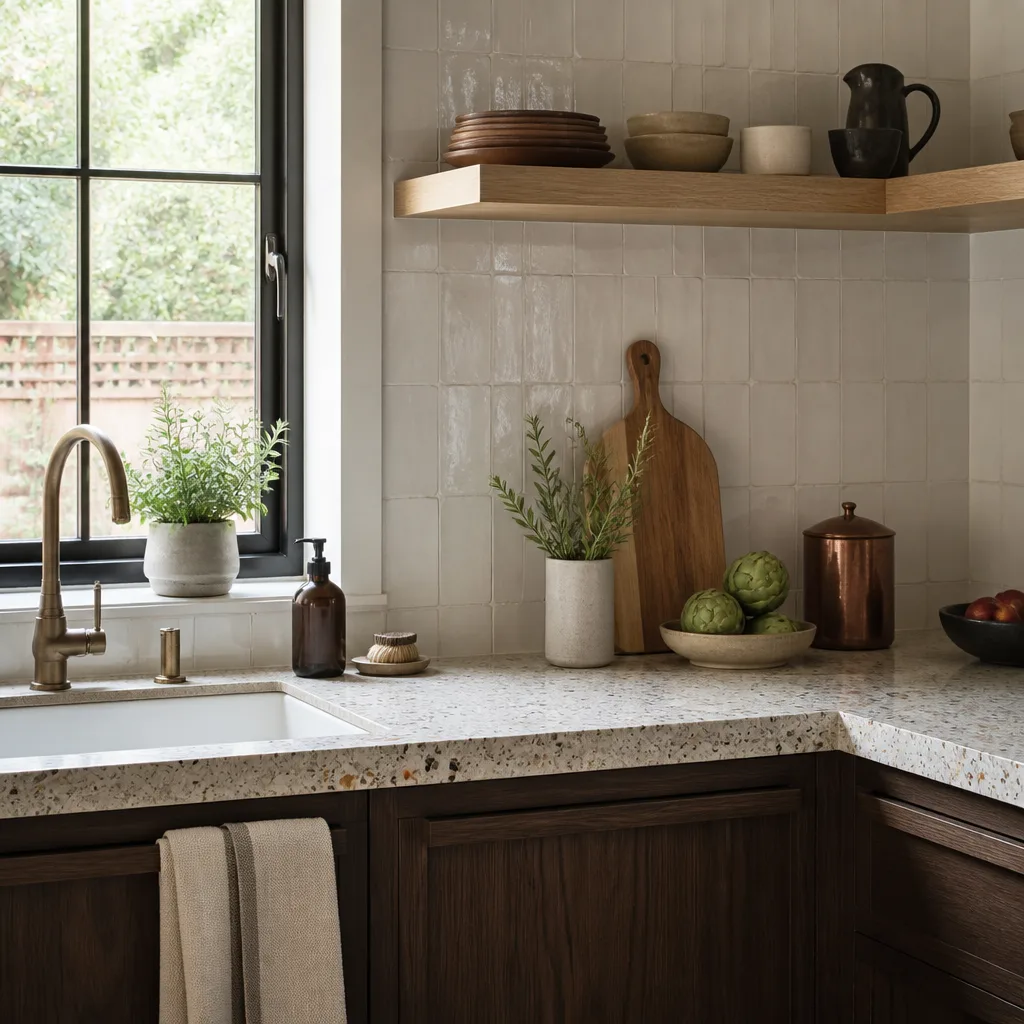
- Kitchen remodeling
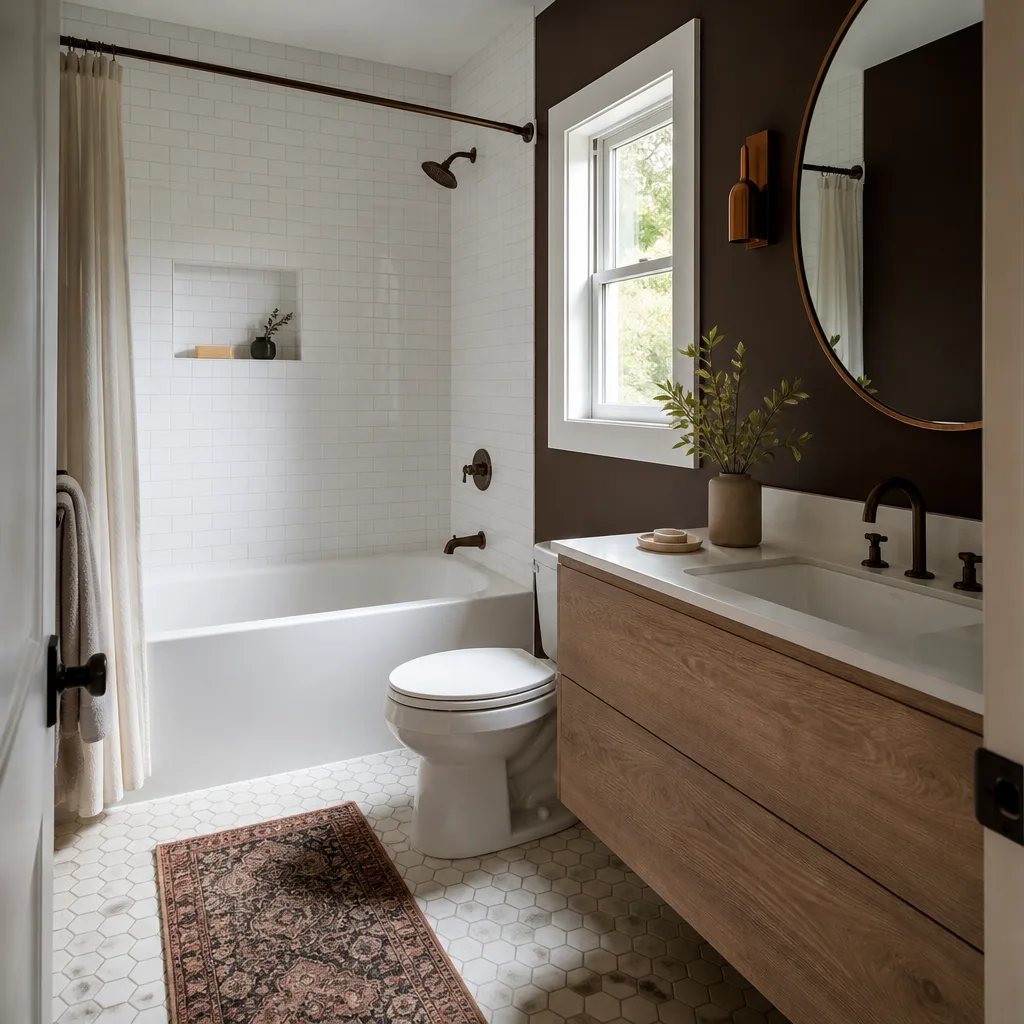
- Bathroom remodeling
- Home additions & ADU
- Roofing
- Windows & doors
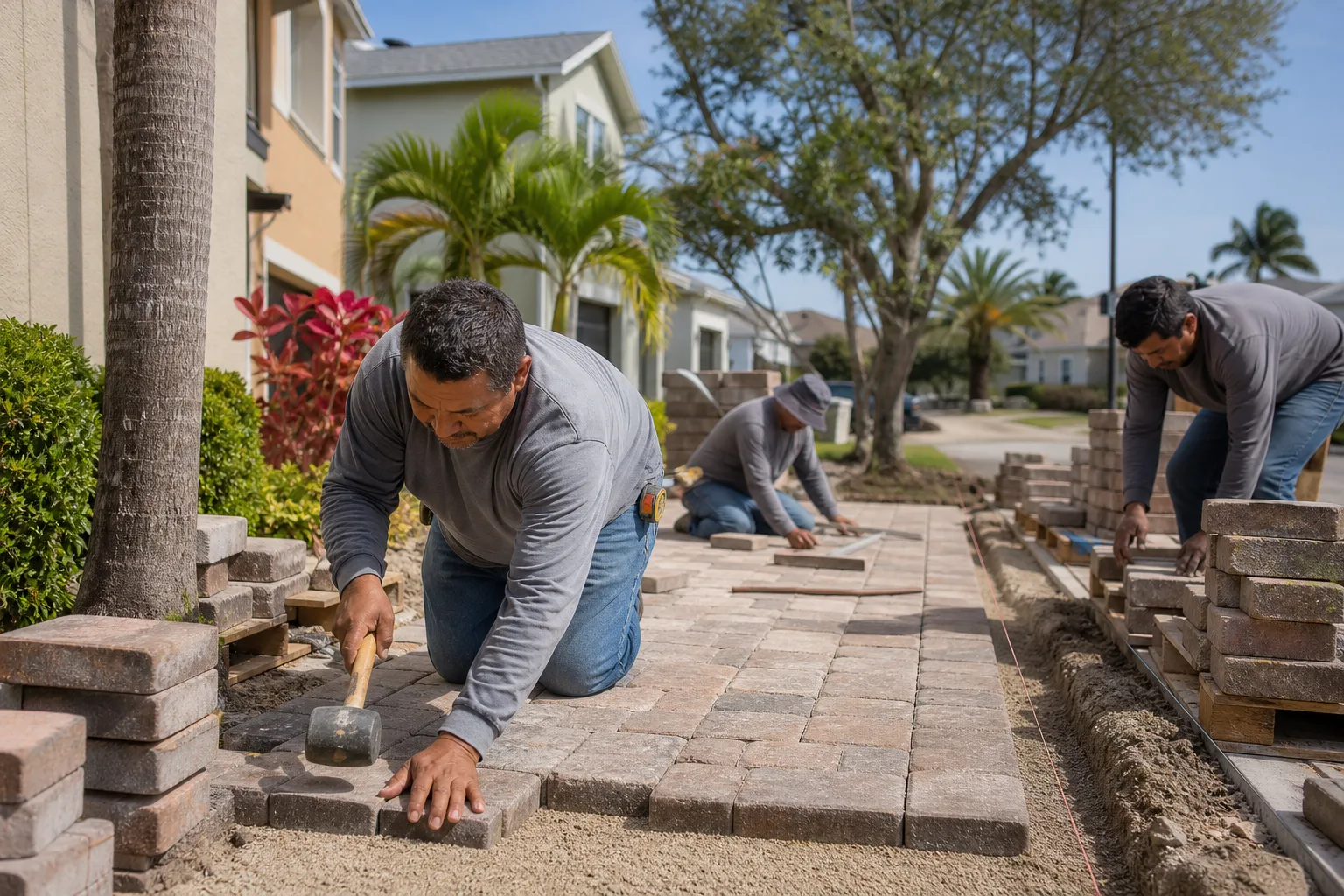
- Driveway & pavers
- Fence
See the difference
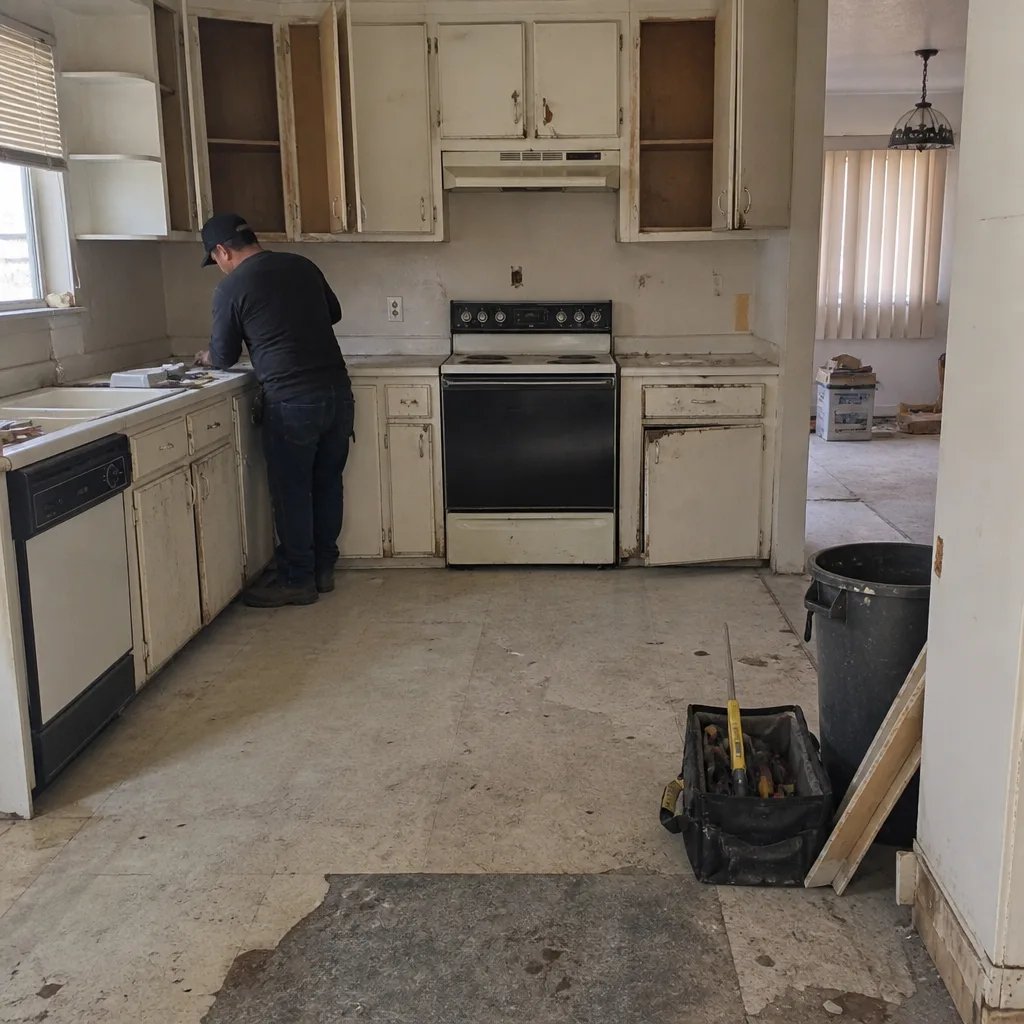 Before
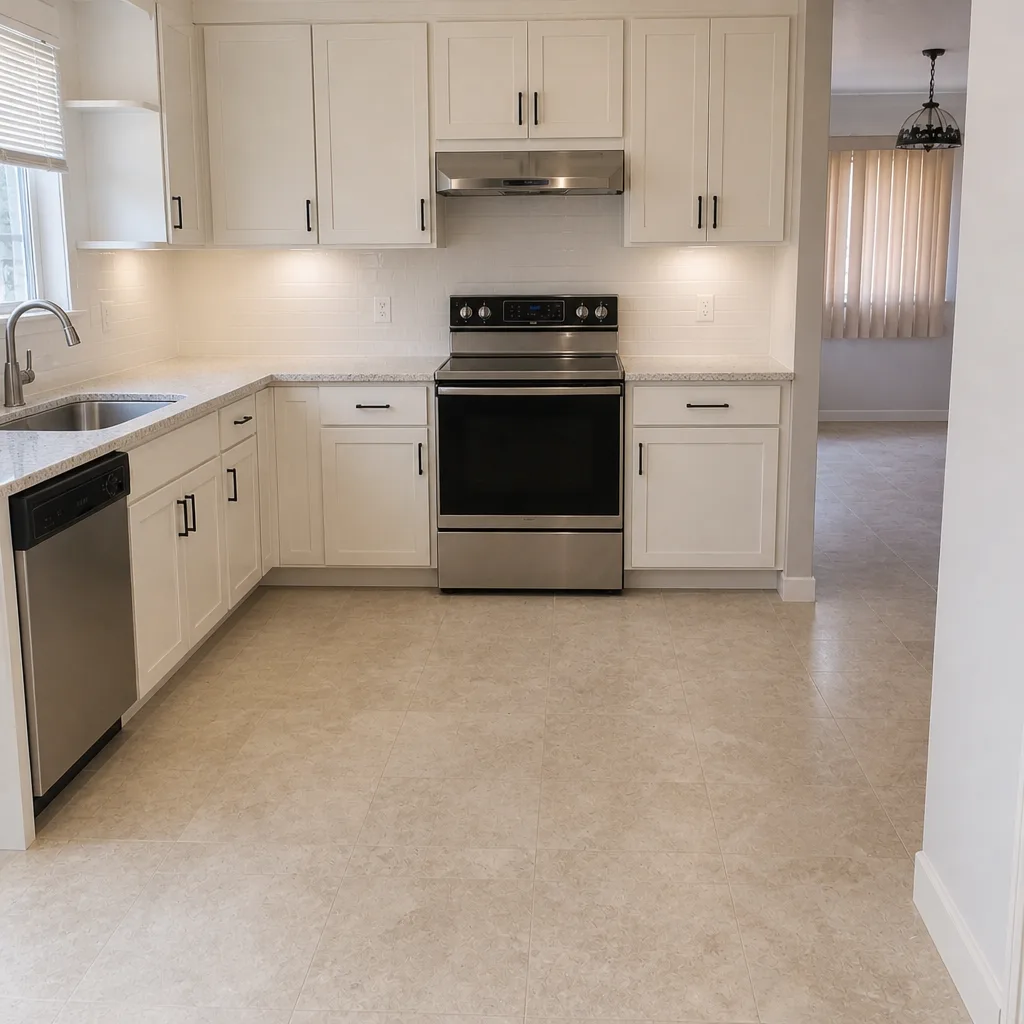 After
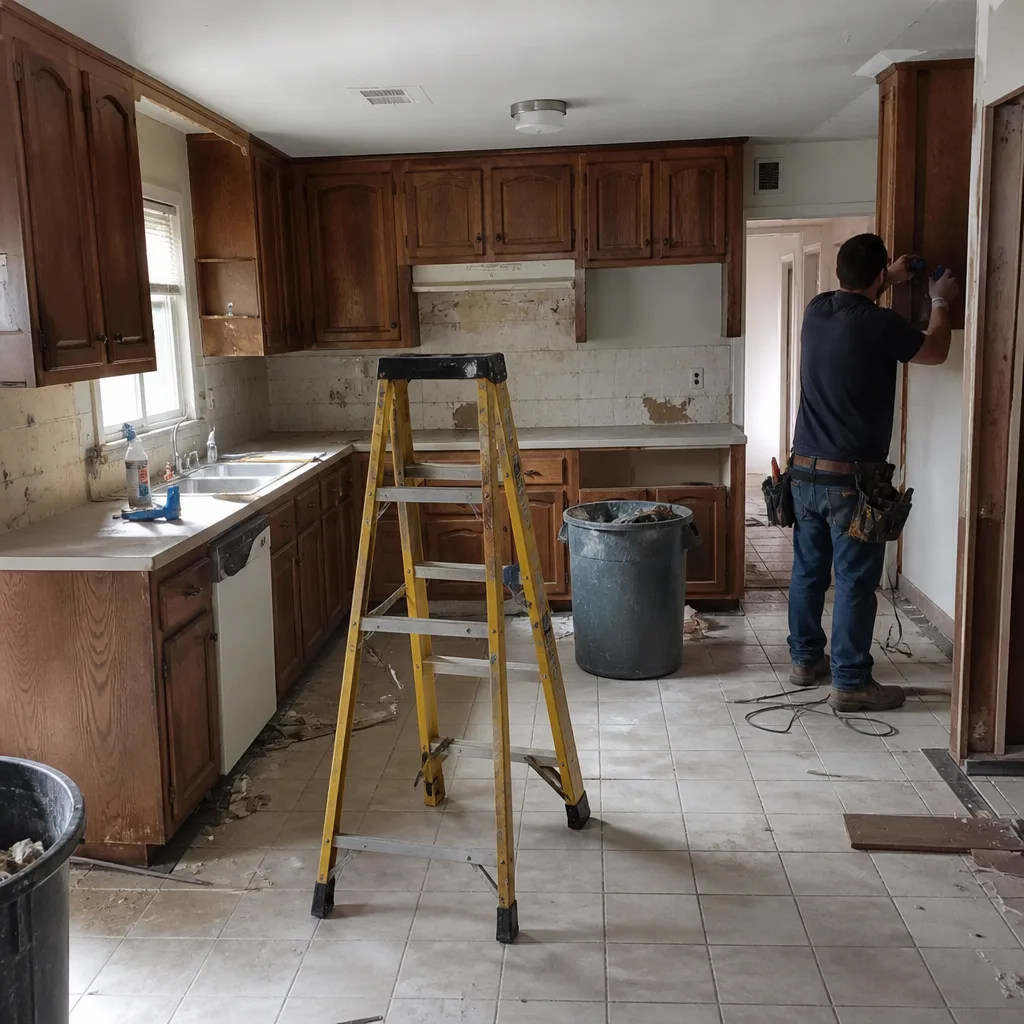 Before
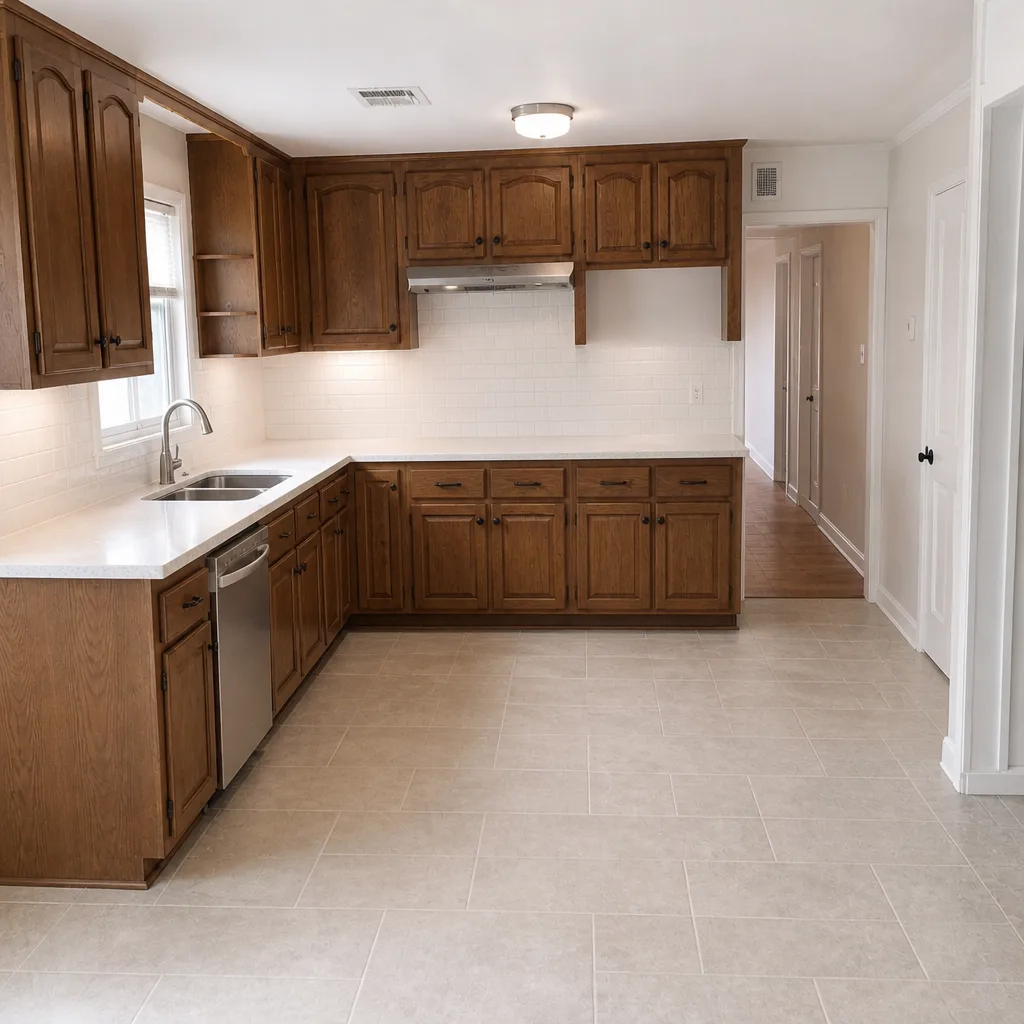 After
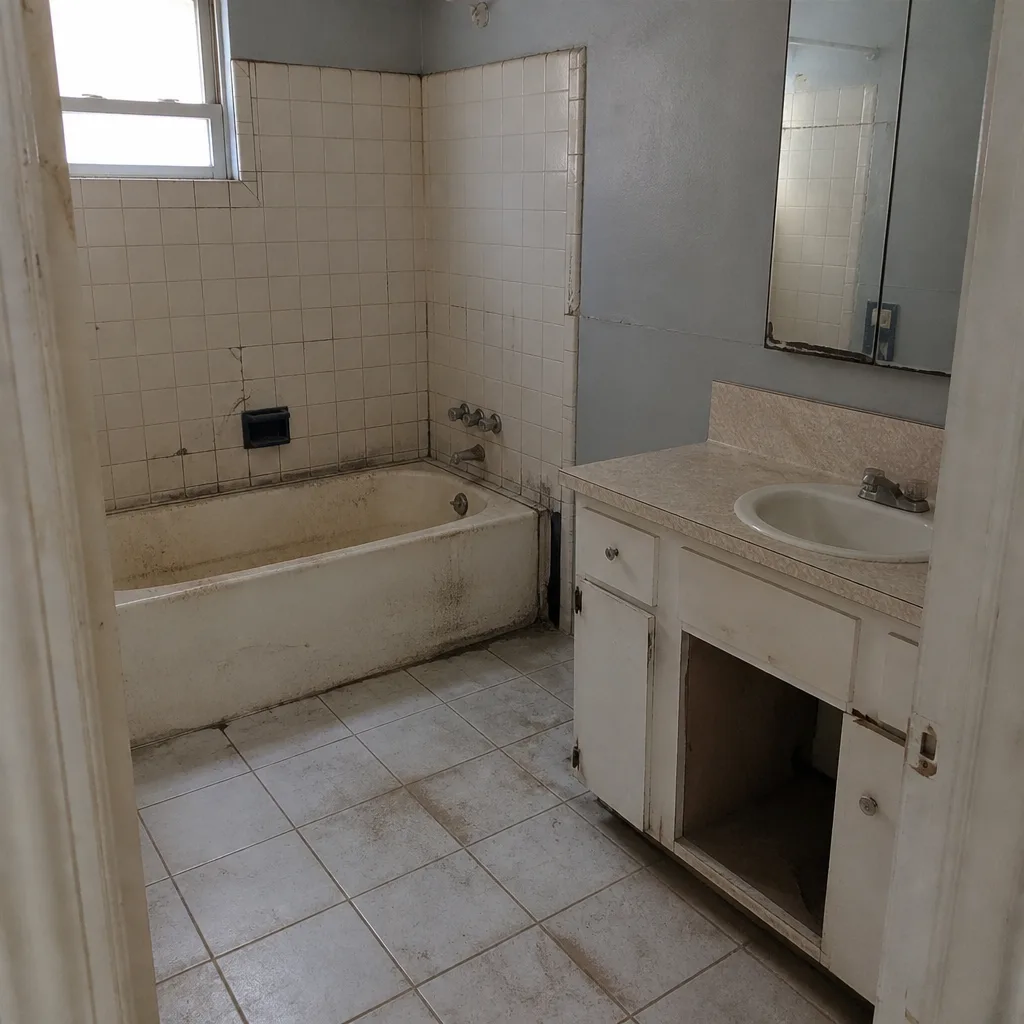 Before
 After
Driveway Resurfacing vs. Replacement in Spring Valley, NV: The Sub-Base Tells You Which One You Actually Need
Choose replacement if your Spring Valley driveway has full-depth or diagonal corner cracks, differential settlement between slabs, or soil that has already shifted – because a surface overlay over moving ground re-cracks within 18 to 24 months and you end up paying twice for one fix. Choose resurfacing only when the concrete is sound and the damage is surface-level: scaling, raveling, or UV-driven aggregate exposure with no crack reaching through the slab. That distinction, not the appearance of the surface, is what decides the money question. Call (888) 329-9414 and we’ll test the slab before recommending either path.
Key takeaways:
- A new surface layer looks great for about 18 months – right up until the soil under it moves again. In Spring Valley, that’s not a question of if. It’s a question of when.
- Crack pattern tells you more than crack size: diagonal cracks at slab corners and mid-slab transverse lines point to soil heave, not wear.
- Resurfacing works on UV damage and mild scaling. It does not fix a sub-base that has already shifted.
- Full replacement lets us re-grade for drainage, re-compact the base, and set control joints for your specific soil – none of which an overlay can do.
Why Spring Valley Driveways Fail Differently Than Las Vegas Flatland Concrete
Spring Valley sits at roughly 2,300 feet in the Mojave, and the daily temperature swing is the quiet villain. Summer highs top 110°F, winter nights drop near freezing, and that expansion-and-contraction cycle runs on your slab year after year. Most of the housing stock here is 1990s-2000s tract construction – stucco and tile homes on slab-on-grade foundations – so the driveways are now 20 to 30 years old and hitting the age where base movement shows up.
The wrinkle specific to Spring Valley: on the slopes near Rhodes Ranch and along the western edge, expansive desert soils combine with summer monsoon downpours to move slabs in ways that flat older alluvial ground in central Las Vegas doesn’t see. A driveway that looks like a resurfacing candidate on one street can sit over ground that’s still active. That’s why we check the sub-base before quoting a surface fix.
Groundwork Construction Co. of Spring Valley has handled driveway and flatwork calls across this valley long enough to know the tell. Our technicians bring up to 12 years of experience, and every visit starts with the same question: is this slab moving, or is it just worn?
The Sub-Base Test: The Step Most Contractors Skip
Here’s the honest diagnostic. We read the crack pattern and check for slab movement before we talk about any surface treatment.
- Soil-heave pattern: diagonal cracks running from slab corners, mid-slab transverse cracking, and visible lips where one slab sits higher than its neighbor. These point to a moving base.
- Surface-wear pattern: spalling, scaling, fine hairline cracks that stay on the surface, and exposed aggregate from UV oxidation. These stay in the top layer.
- The tie-breaker: does any crack run through the full slab thickness? If it does, resurfacing is cosmetic only and the crack returns through the overlay.
This is the check that determines whether you spend your money once or twice. A legitimate Spring Valley resurfacing candidate is a driveway with surface scaling or aggregate exposure but no through-slab cracks and no settlement between sections. That’s a smaller group of driveways than most homeowners expect.
Driveway Resurfacing vs. Replacement: Side-by-Side
Here’s how the two options actually compare in a Spring Valley market, with typical price ranges from our written quotes.
| Factor | Resurfacing / Overlay | Full Replacement |
|---|---|---|
| Typical cost | $250-$700 for sealing; overlay costs run higher but stay below replacement | $5,000-$14,000 (concrete replacement); $4,500-$12,000 concrete install |
| Best for | Cosmetic wear, UV damage, minor scaling | Full-depth cracks, settlement, base movement |
| Fixes the sub-base? | No | Yes – re-compaction and re-grading included |
| Drainage correction | Not addressed | Re-graded to push water away from the foundation in monsoon season |
| Life expectancy in Spring Valley | 18-24 months before re-cracking if the base is moving | Decades, with control joints set for local soil conditions |
| Financing | Usually out of pocket | 0% financing for 18 months available on qualifying projects |
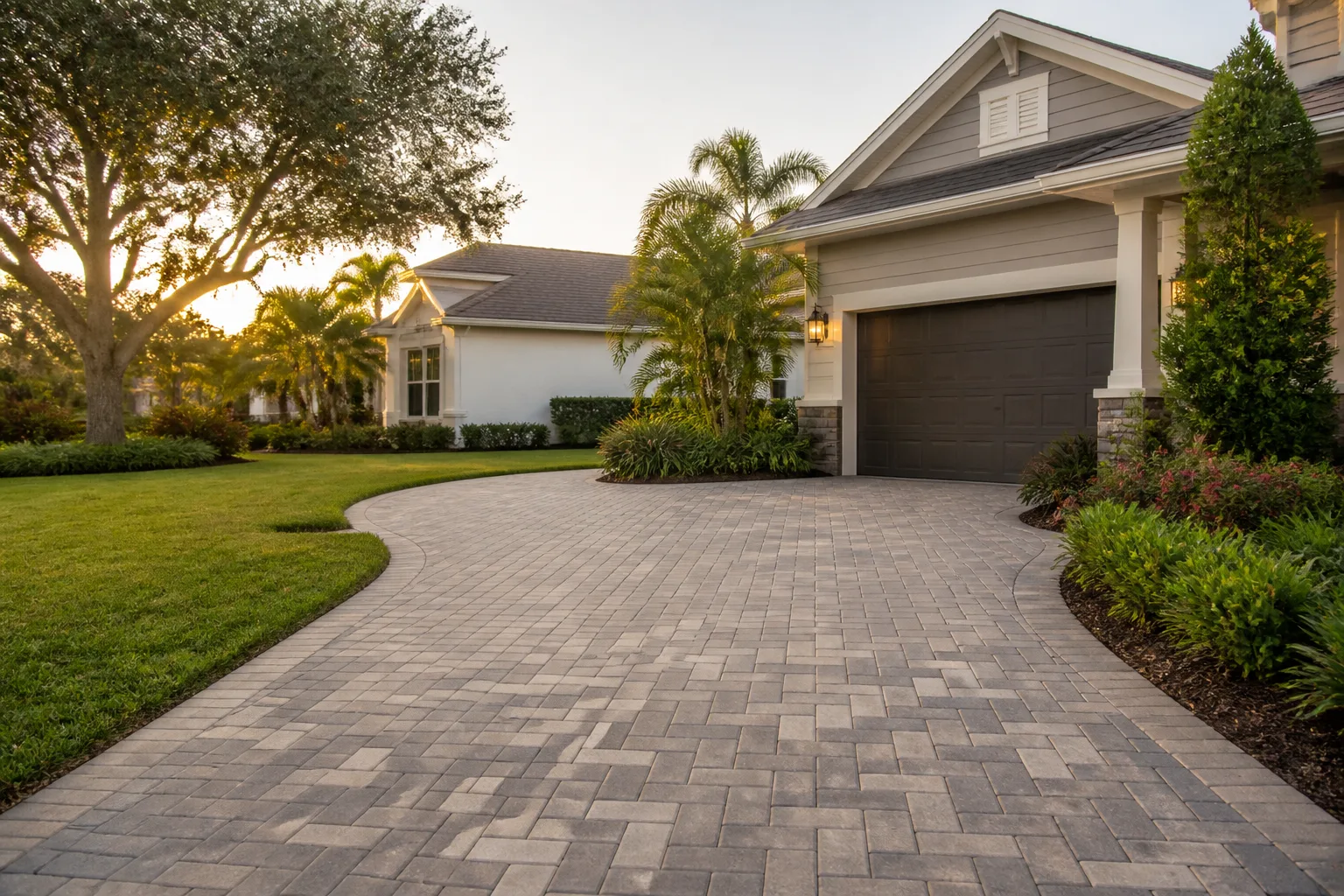
Replacement costs more up front, but on a moving base it’s the only option that fixes the cause. A resurface over shifting soil is the cheaper fix that turns into the bigger bill. See our full Driveway & Pavers page for the range of materials we install, from stamped concrete to pavers.
Common Scenarios We See in Spring Valley
Most calls fall into a few recognizable patterns. Here’s how each one usually resolves:
- The “just needs a face-lift” driveway: 2000s-era concrete with aggregate exposure and hairline surface cracks, no settlement. This one is a real resurfacing candidate – the base is sound.
- The corner-crack driveway near Rhodes Ranch: diagonal cracks radiating from the corners with two slabs out of alignment. That’s base movement. Resurfacing here is wasted money; replacement with base correction is the fix.
- The monsoon-season puddler: water pooling against the garage or foundation after summer storms. This usually needs re-grading, not a new coat of sealer.
- The 30-year-old original slab: full-depth transverse cracks running across multiple sections. At this stage, the slab has done its job; replacement with joints set for your soil is more economical than chasing cracks every two years.
If any of those sound familiar, it’s worth getting eyes on it. Call (888) 329-9414 and we’ll come out, test the slab, and put both numbers in writing so you can compare them side by side. Our 730-Day Done Right Promise stands behind the work either way – if it’s not done right, we make it right.
What Full Replacement Delivers That a Resurface Can’t
Three things a surface overlay simply cannot do for you. First, re-grading for positive drainage away from the foundation – critical in Spring Valley’s monsoon season, when water that pools against the house finds its way in. Second, re-compaction of the sub-base itself, which is the actual source of most slab failures on expansive soil. Third, control-joint placement set for the specific soil conditions at your property, not a one-size template.
For a driveway where the base is suspect, those three steps are the difference between a fix and a patch. Our home and full-service pages cover how this fits into a broader exterior plan, including paver and asphalt options if you’re weighing a material change at the same time.
Getting a Straight Answer Before You Commit
Groundwork Construction Co. of Spring Valley provides upfront written pricing for both resurfacing and replacement after a site evaluation. You see the cost comparison and the reasoning behind each option before you commit. We answer calls with a live person, 24 hours a day, and our technicians are background-checked and arrive in uniform. On qualifying projects, $1,000 off projects over $10,000 applies, along with 0% financing for 18 months – which makes the full replacement option less out of reach than the up-front number suggests. If resurfacing is genuinely the right call for your driveway, we’ll tell you that too. We guide, we don’t pressure.
FAQs
Driveway sealing runs $250-$700, and a full concrete replacement runs $5,000-$14,000, with concrete installs in the $4,500-$12,000 range and paver driveways at $7,000-$18,000. The right number depends on what the sub-base test shows. Call (888) 329-9414 for an exact quote – estimates are free and both options come in writing.
Yes. If the sub-base has already shifted, an overlay without base correction typically re-cracks within 18-24 months because the expansive desert soil and extreme thermal cycling keep working on the slab. Surface resurfacing only holds up when the concrete underneath is sound and the damage is cosmetic. Call (888) 329-9414 and we’ll check before you spend.
The crack pattern tells us first: diagonal corner cracks and mid-slab transverse lines suggest soil heave, while spalling and fine hairlines suggest surface wear. We then check for through-slab cracks and any settlement between sections – if either shows up, replacement is the realistic path. Call (888) 329-9414 to schedule a no-pressure assessment.
Resurfacing or sealing is cheaper up front, but if the base is moving, replacement is the cheaper path overall because you’re not paying for the same fix twice. That’s the calculation we run on every Spring Valley driveway before recommending anything. Call (888) 329-9414 for the honest number on your property.
If you’d rather have it looked at, Groundwork Construction Co. of Spring Valley offers a no-pressure assessment in Spring Valley – call (888) 329-9414. We’ll test the slab, hand you both prices, and let you decide.
Written by the team at Groundwork Construction Co. of Spring Valley, serving Spring Valley, NV.