Free written scope consultation - allowances, timeline, and change-order rules on paper before a single trade is scheduled
Styles & brands we work with
- Kitchen remodeling
- Bathroom remodeling
- Home additions & ADU
- Roofing
- Windows & doors
- Driveway & pavers
- Fence
See the difference
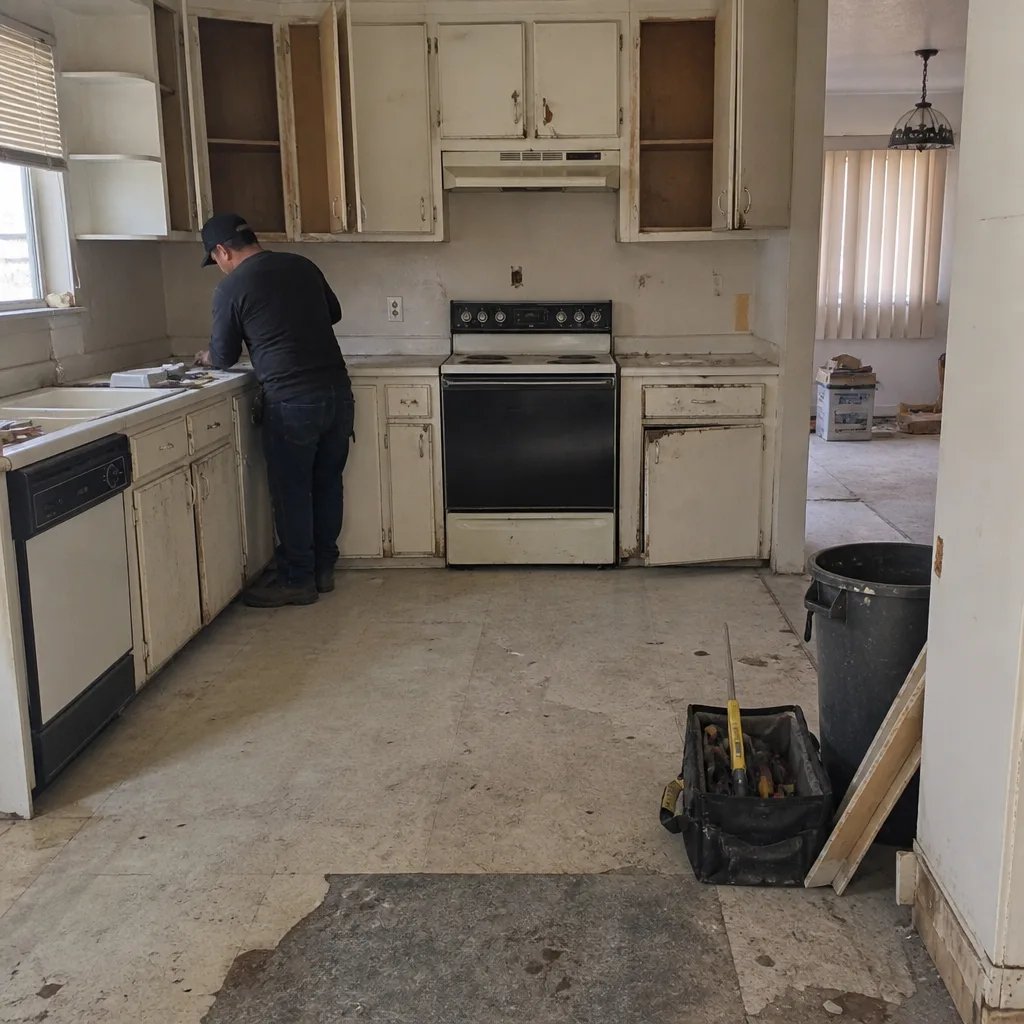 Before
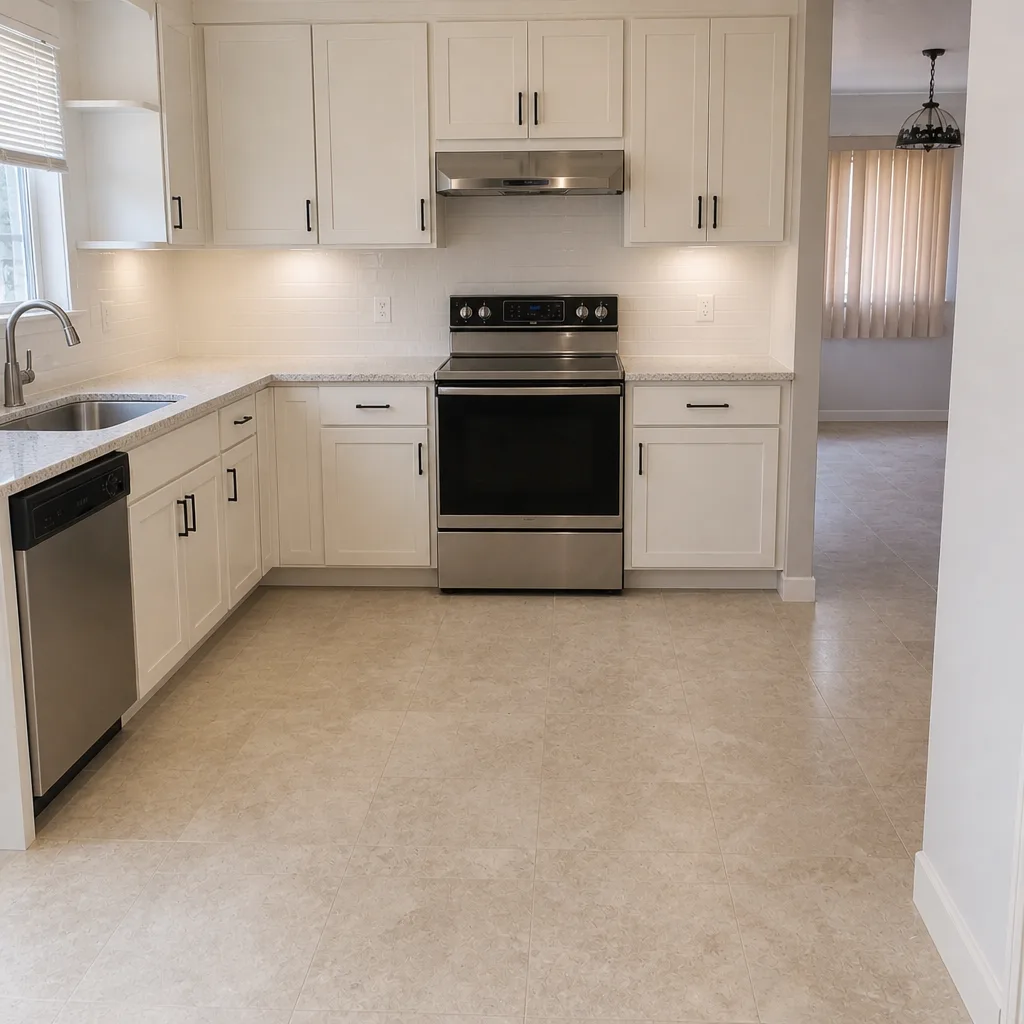 After
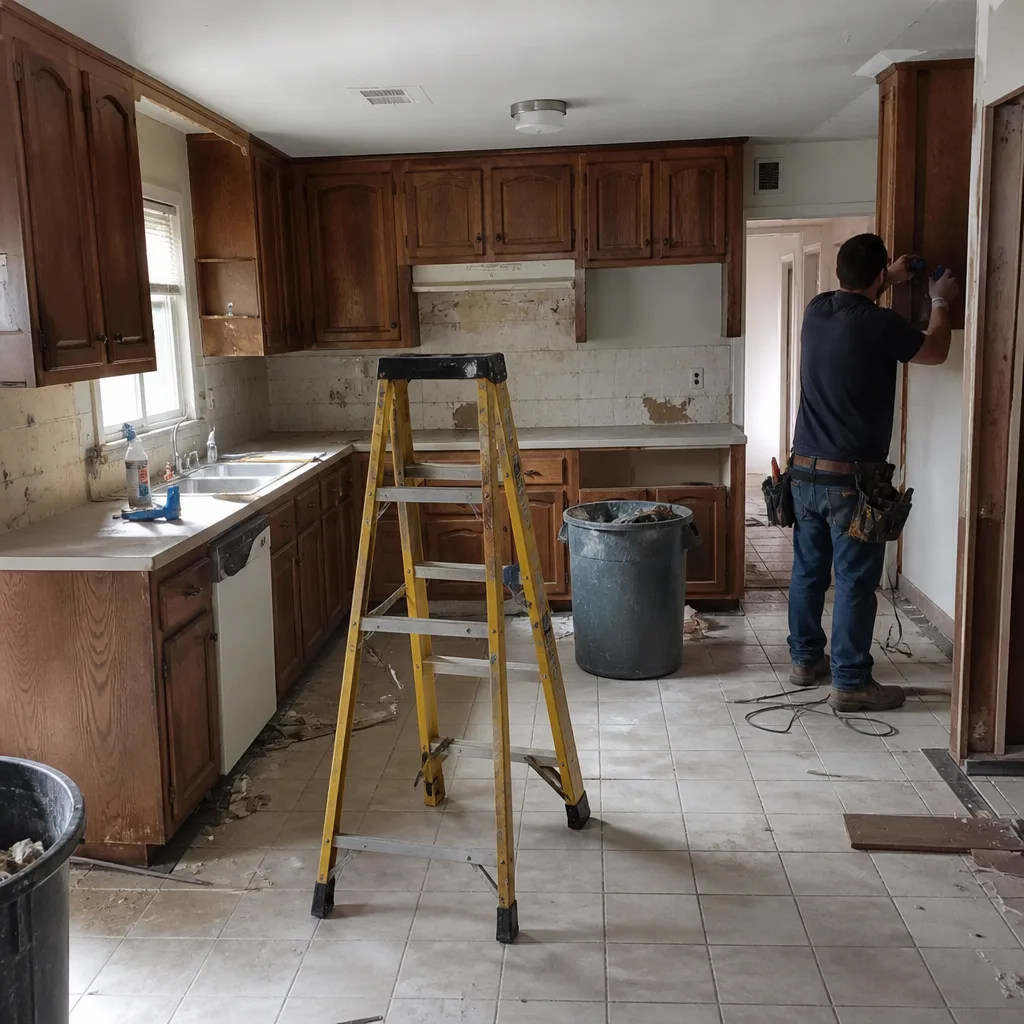 Before
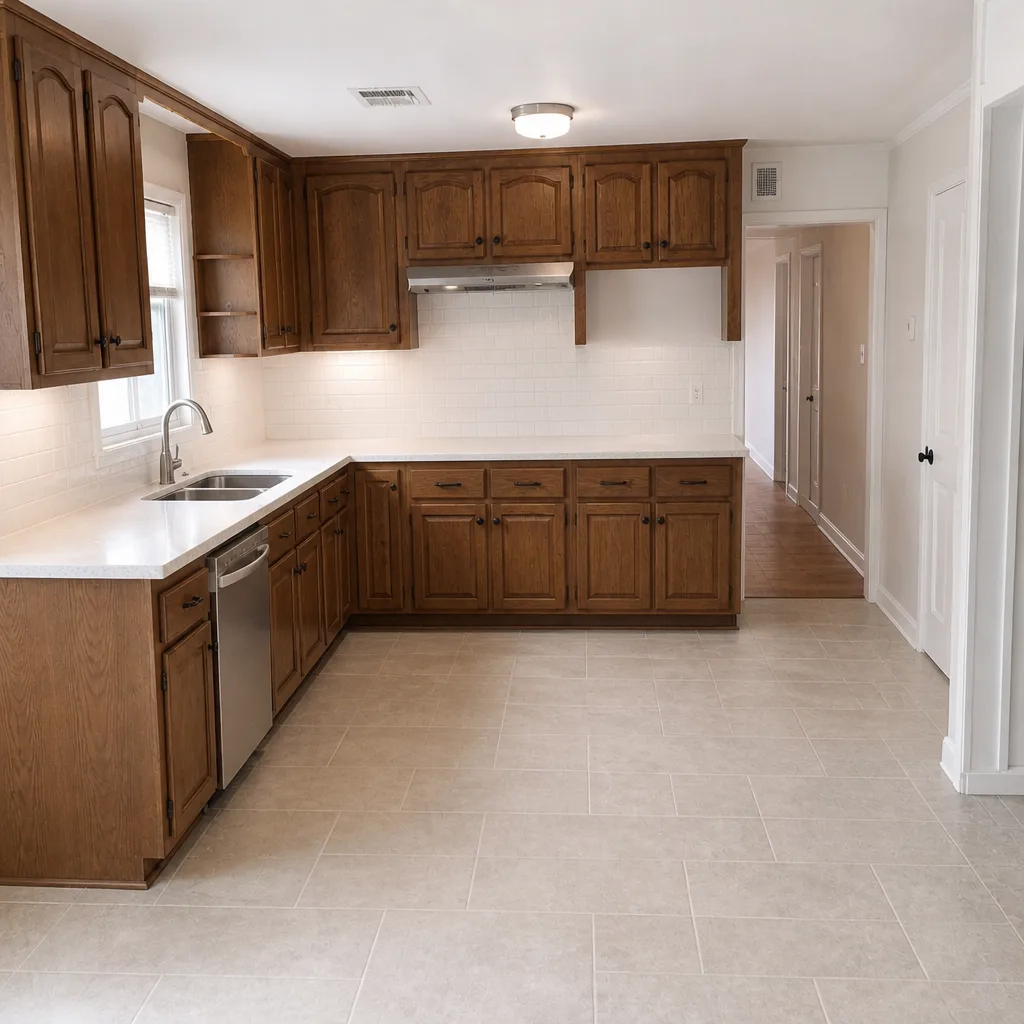 After
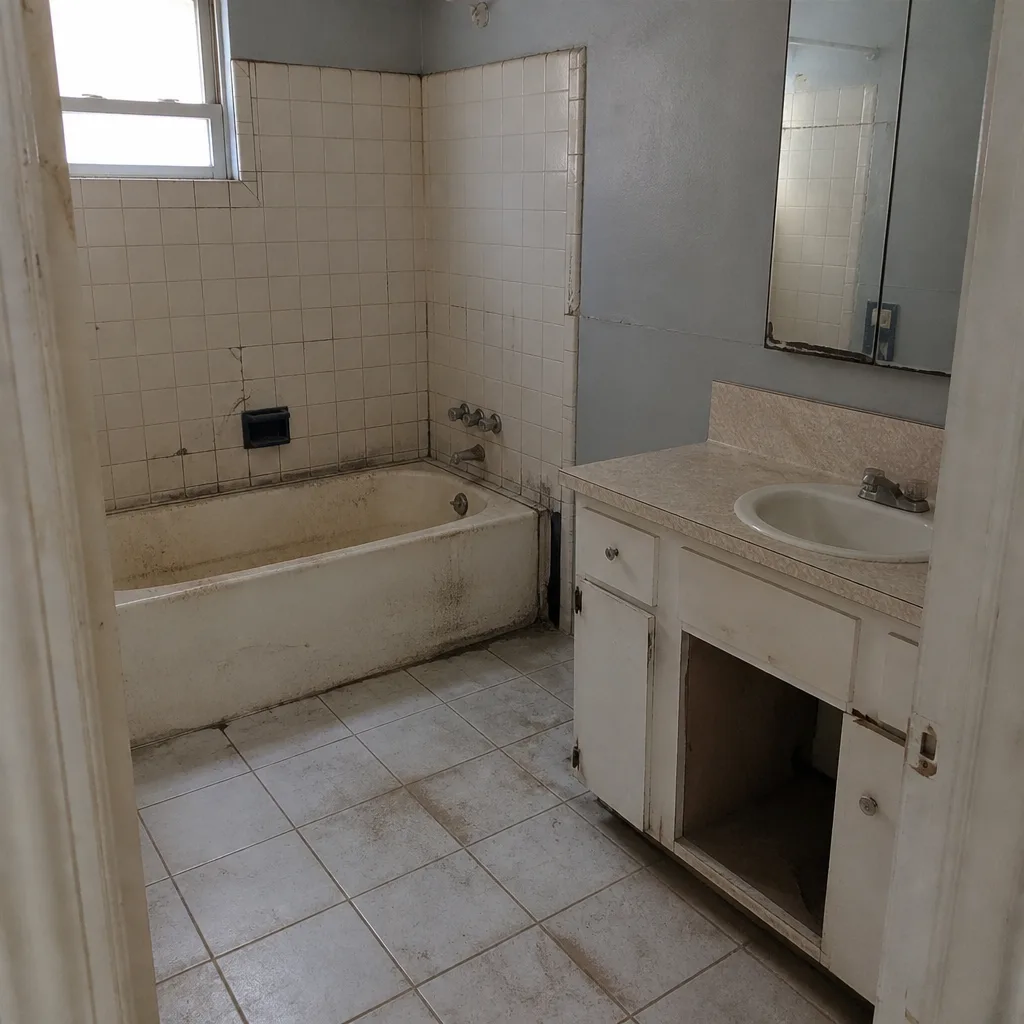 Before
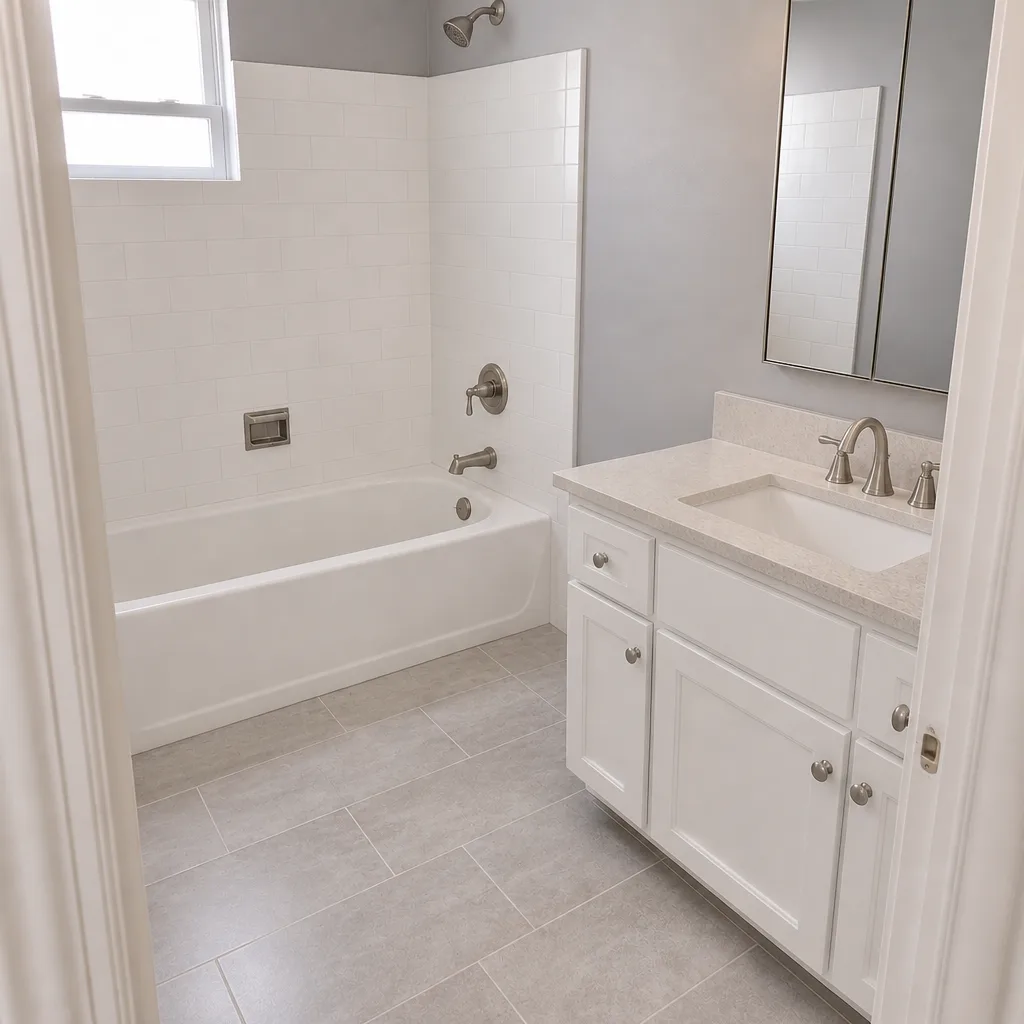 After
How Long Does a Paver Driveway Last in Spring Valley, NV?
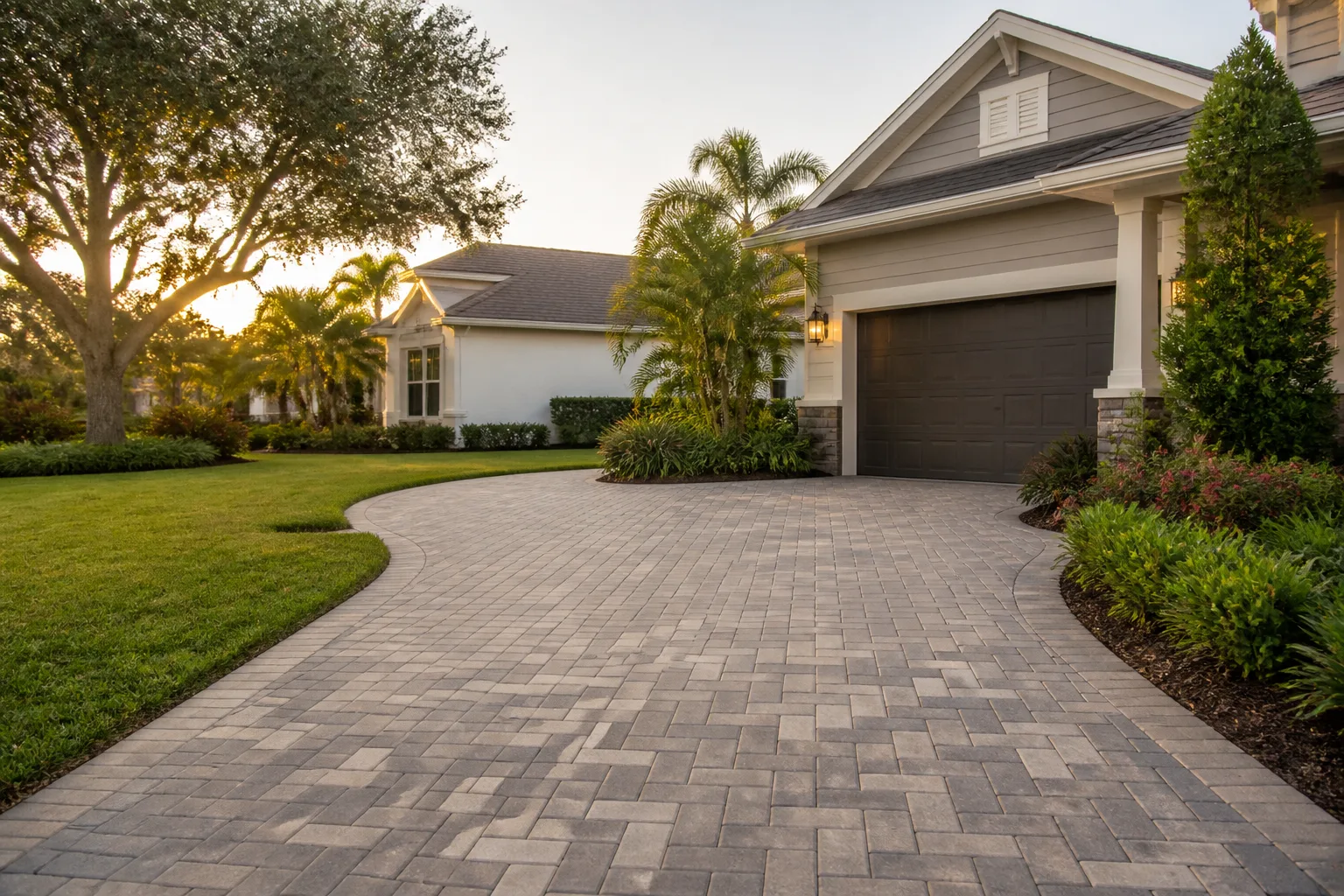
A paver driveway in Spring Valley, NV, lasts 30+ years when it’s built on a properly compacted base with maintained polymeric sand joints. In this climate, that’s the whole story. The brick itself rarely fails. The six inches of soil and gravel underneath it does.
We’ve torn out eight-year-old driveways near Rhodes Ranch where the pavers looked new and the base had already given up. That’s the part nobody warns you about. If you’re staring at rocking pavers or joints that wash out every summer, call (888) 329-9414. We answer live, 24/7, and we’ll tell you what we’re seeing before you spend a dime.
Why Spring Valley Wears Pavers Differently Than the Rest of the Country
Most lifespan charts you’ll find online were written for moderate climates. They don’t account for a place sitting at 2,300 feet in the Mojave where summer highs push past 110°F and winter nights dip to freezing. That swing is brutal on anything with a joint in it.
Thermal expansion and contraction work on pavers constantly. Each cycle nudges them a hair. On a stable base, that’s fine. On expansive desert soils, especially on the slopes near Rhodes Ranch and the western edge of Spring Valley, monsoon downpours move that soil and the pavers ride along with it. Slab-on-grade homes here are only 20 to 30 years old, so most of these driveways aren’t ancient. They’re just built on ground that moves.
What actually gates the lifespan here
- Base compaction: The single biggest factor. A poorly compacted base in expansive soils can show differential settlement within 2 to 4 years after a few monsoon cycles.
- Joint integrity: Polymeric sand is the second gatekeeper. Monsoon runoff plus harvester ants (common in the Mojave) erode standard sand joints in 2 to 3 years if they aren’t refilled.
- UV-stable pigmentation: Cheaper pavers fade under our UV load. It doesn’t hurt structure, but it does hurt HOA compliance and resale appeal by year 10 to 15.
- Edge restraint: Without proper edging, pavers creep outward and the whole field loosens.
The Real Failure Timeline (and the Repair Advantage)
Here’s what we actually see in Spring Valley, in years, not theory:
| Age | What typically happens | Cost to address |
|---|---|---|
| Years 1-2 | Joints look tight, everything’s fine if built right | Standard upkeep |
| Years 2-3 | Sand joints erode from monsoon runoff and ants; pavers start rocking | $250-$700 to reseal/replace sand |
| Years 2-4 | Poor base settles; low spots and puddles form | Reset/repair, or full replacement $5,000-$18,000 |
| Years 10-15 | Faded pavers hurt curb appeal and HOA standing | Refresh or full install |
Notice the repair advantage. Poured concrete cracks and forces a full section replacement. A paver driveway built right lets us lift and relevel individual pavers, swapping out the failed base underneath without tearing up the whole surface. In a climate that moves ground twice a year, that repairability is a genuine longevity edge. A well-built paver driveway genuinely outlasts concrete here because you can fix it surgically.
For a closer look at the build itself, our Driveway & Pavers page covers materials, methods and what a proper base looks like on our part of the west side.
Common Local Scenarios We Walk Into
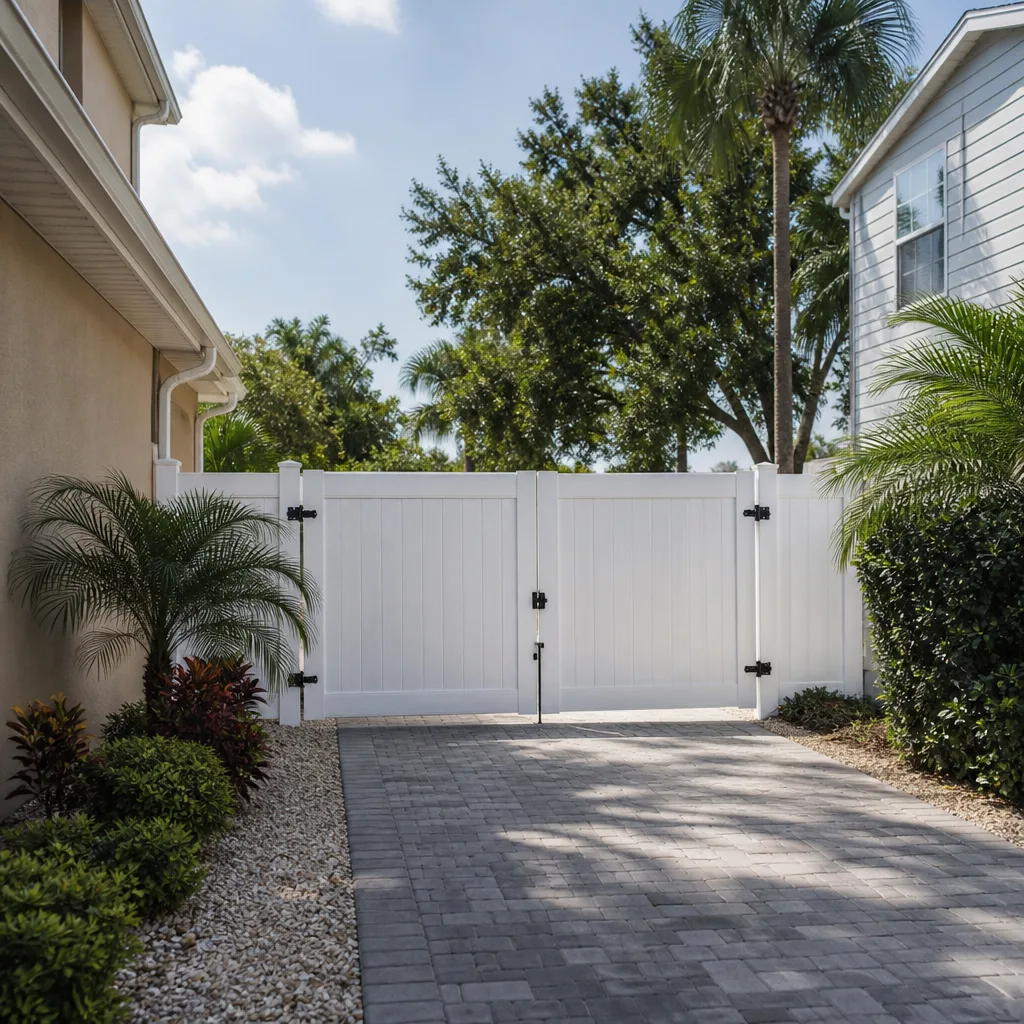
The washout at the driveway apron. Water runs off a stucco-and-tile tract home, hits the apron, and carves a rut along the joint. Two monsoons later, the edge pavers are loose. Resetting that edge and re-establishing the sand line usually runs in the low hundreds, not thousands.
The rocking field in a gated subdivision. Pavers shift underfoot after year three. The pavers are fine. The base moved. That’s a reset, and it’s the scenario where homeowners most often assume they need a full replacement when they don’t.
The faded drive in an HOA-scoped neighborhood. No structural issue at all, but the color has gone flat and it’s drawing letters from the HOA. If the field is sound, you’re looking at a fresh, UV-stable top course rather than a rebuild.
We see these constantly because Spring Valley’s housing stock is mid-life stock. We’re not working on historic restoration here. We’re working on 20- to 30-year-old driveways that are hitting the phase where base quality finally shows.
What We Do Differently on the Base and the Warranty
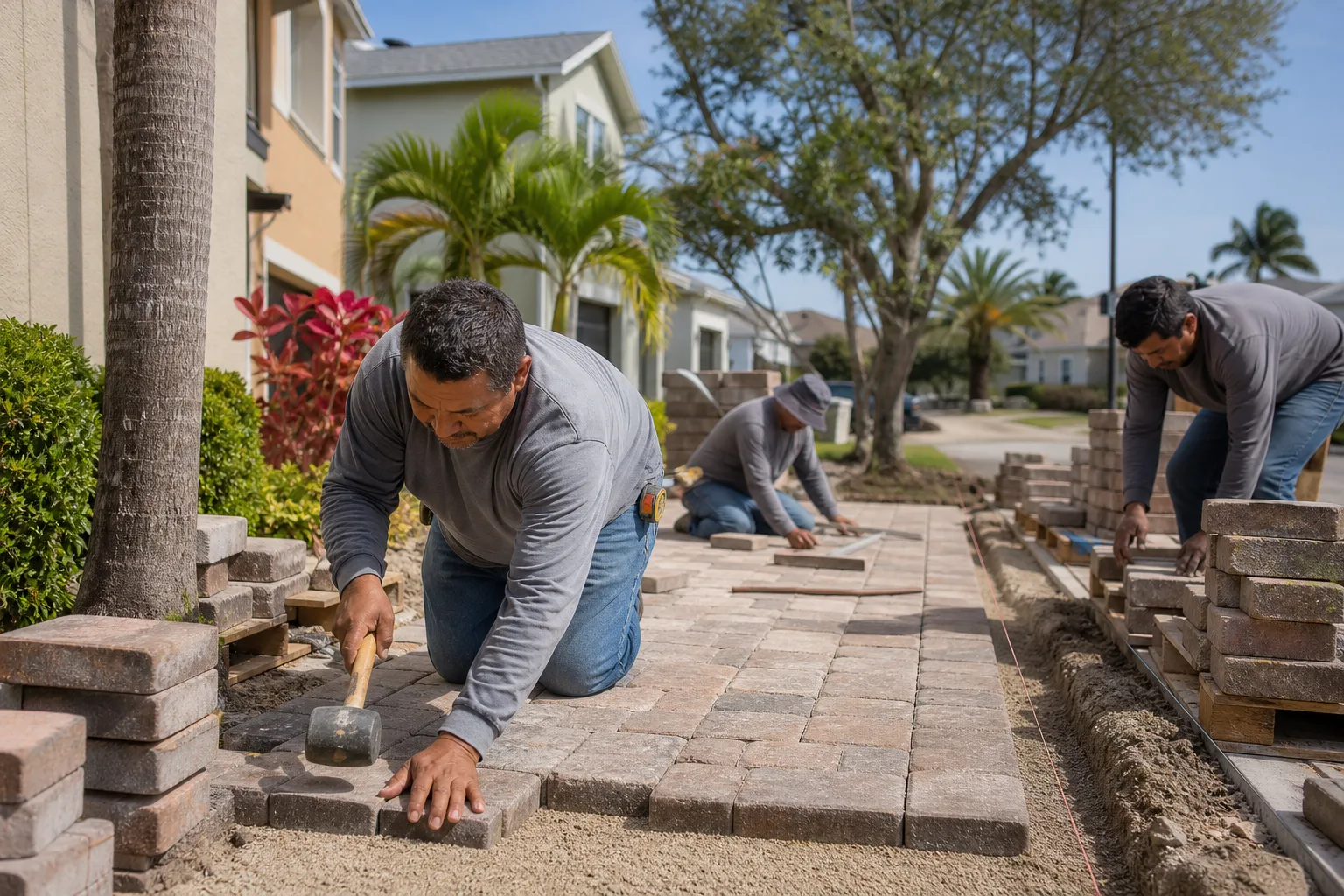
Groundwork Construction Co. of Spring Valley builds paver driveways with the base as the primary job, not the pavers. Full excavation to the depth the soil calls for, proper compaction in lifts, edge restraint, and UV-stable polymeric sand. Our technicians have up to 12 years of experience and arrive background-checked and in uniform.
Then there’s the part that matters most for this page: our 730-Day Done Right Promise covers a paver driveway through two full monsoon seasons. If base settlement or joint failure shows up in that window, it’s on us to make it right, not a warranty argument with the homeowner. That’s one of the longest workmanship guarantees in the residential construction space, and it’s built for exactly the failure points Spring Valley creates.
We also price upfront. The number you see is the number you pay. Paver driveway installation in Spring Valley typically runs $7,000-$18,000 depending on square footage, base depth and material. If you’re budgeting, we offer 0% financing for 18 months and $1,000 off projects over $10,000. And since we handle the full scope, from foundation to finish line, you’re not coordinating three contractors for a job that touches your drive, your walkway and your home.
If you’re weighing options, you can start from our home page or check our Driveway & Pavers in Spring Valley service page for the full install story.
FAQs
Expect 30+ years from a properly built paver driveway in Spring Valley, with the caveat that base quality and joint maintenance decide everything. A poorly compacted base on our expansive soils can start settling in 2 to 4 years. The pavers themselves almost never fail. Call (888) 329-9414 for a free assessment of what you’re actually looking at.
Standard sand joints erode in 2 to 3 years under monsoon runoff and harvester ants, which are prevalent in the Mojave. Switching to UV-stable polymeric sand and keeping edge restraint tight is what stops the cycle. If your joints are gone and the pavers are rocking, call (888) 329-9414 and we’ll tell you whether it’s a reseal or a reset.
Repair is almost always cheaper when the base failure is localized. Lifting and releveling individual pavers runs a fraction of a full install at $7,000-$18,000. A full replacement only makes sense when the base is bad across the whole field or the pavers themselves are failing. Call (888) 329-9414 for an upfront quote with no surprises.
Yes, and it starts with tearing into the base to see what’s actually under there. We fix undersized excavation and bad compaction regularly on Spring Valley’s west side. Your estimate is free, and your call is answered by a live person 24/7. Call (888) 329-9414.
Get a Straight Answer Before You Spend Anything
If you’d rather have it looked at, Groundwork Construction Co. of Spring Valley offers a no-pressure assessment in Spring Valley. We’ll tell you whether your driveway needs a reseal, a reset, or nothing at all. Call (888) 329-9414 for a free estimate. Live person, 24/7, built to last and backed in writing.
Written by the team at Groundwork Construction Co. of Spring Valley, serving Spring Valley, NV.