

Free written scope consultation - allowances, timeline, and change-order rules on paper before a single trade is scheduled
Styles & brands we work with
- Kitchen remodeling
- Bathroom remodeling
- Home additions & ADU
- Roofing
- Windows & doors
- Driveway & pavers
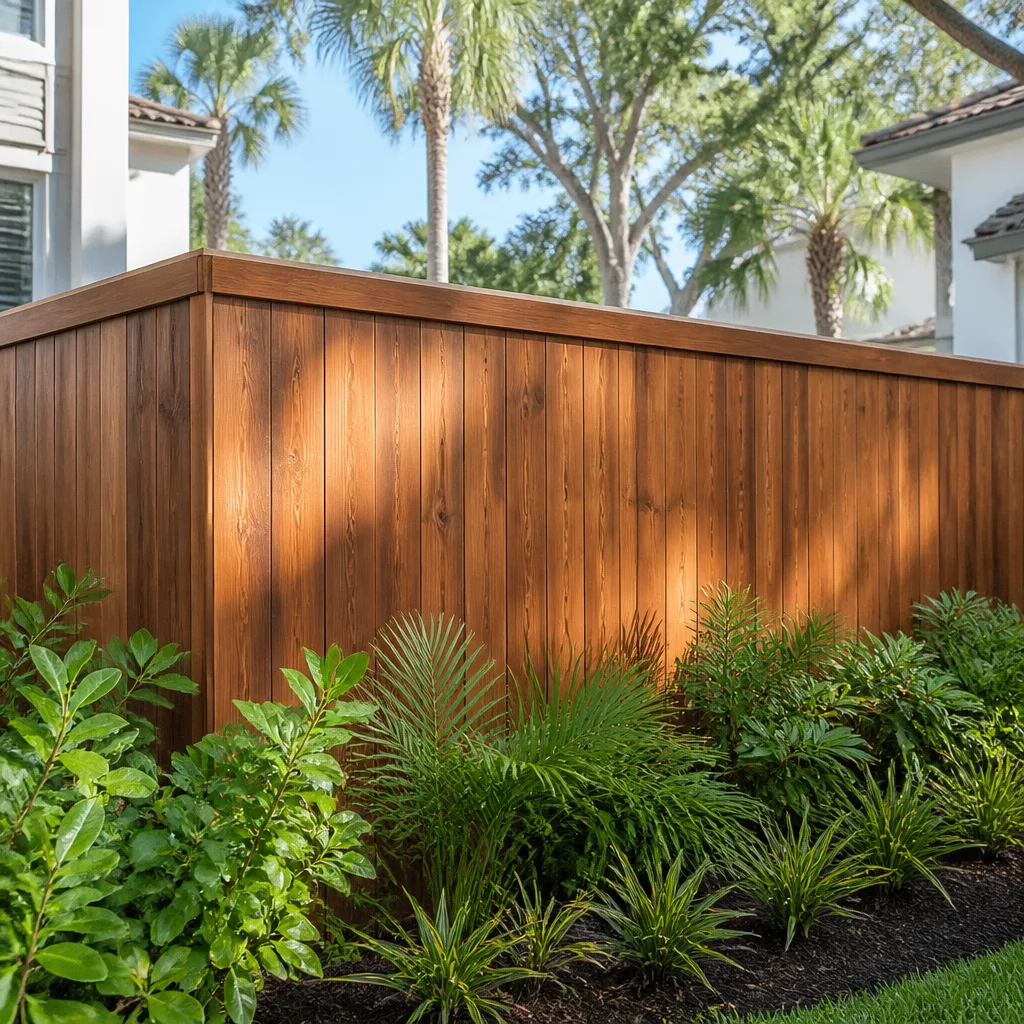
- Fence
See the difference
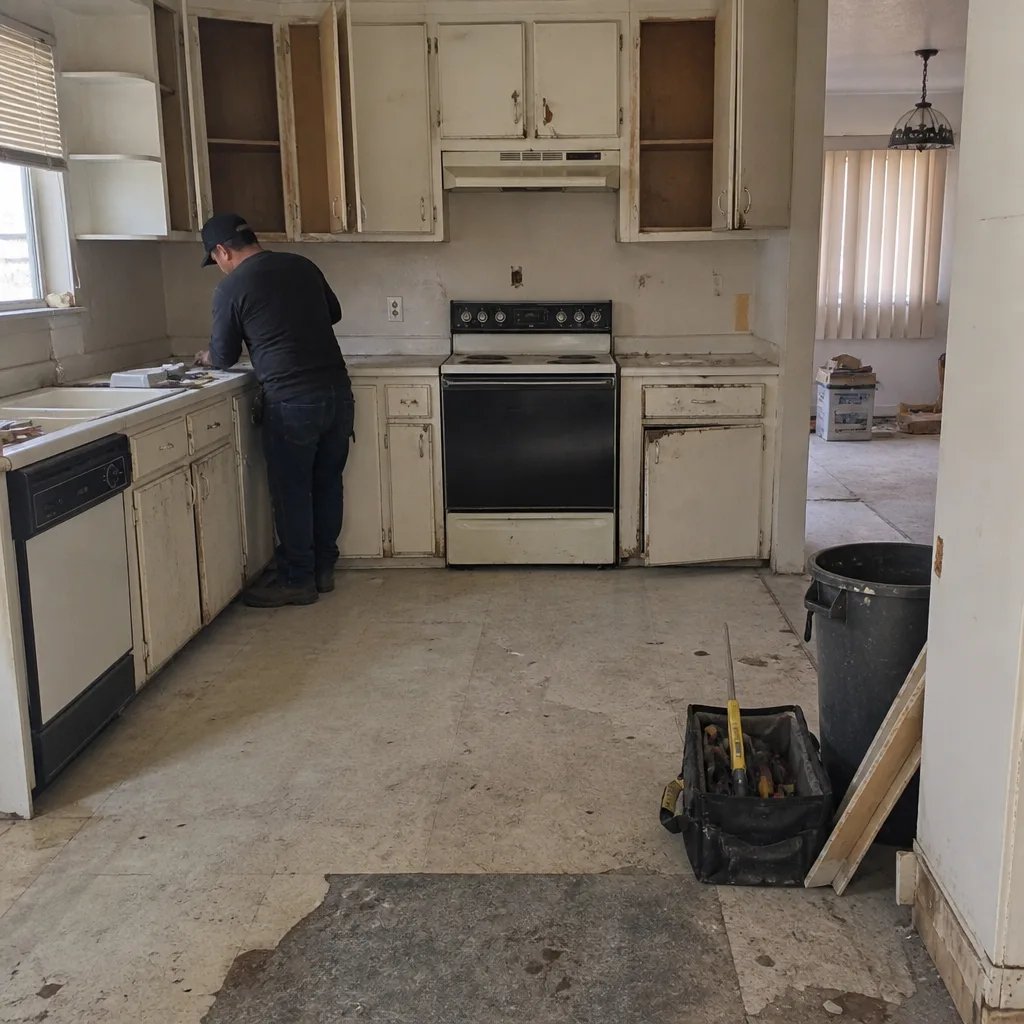 Before
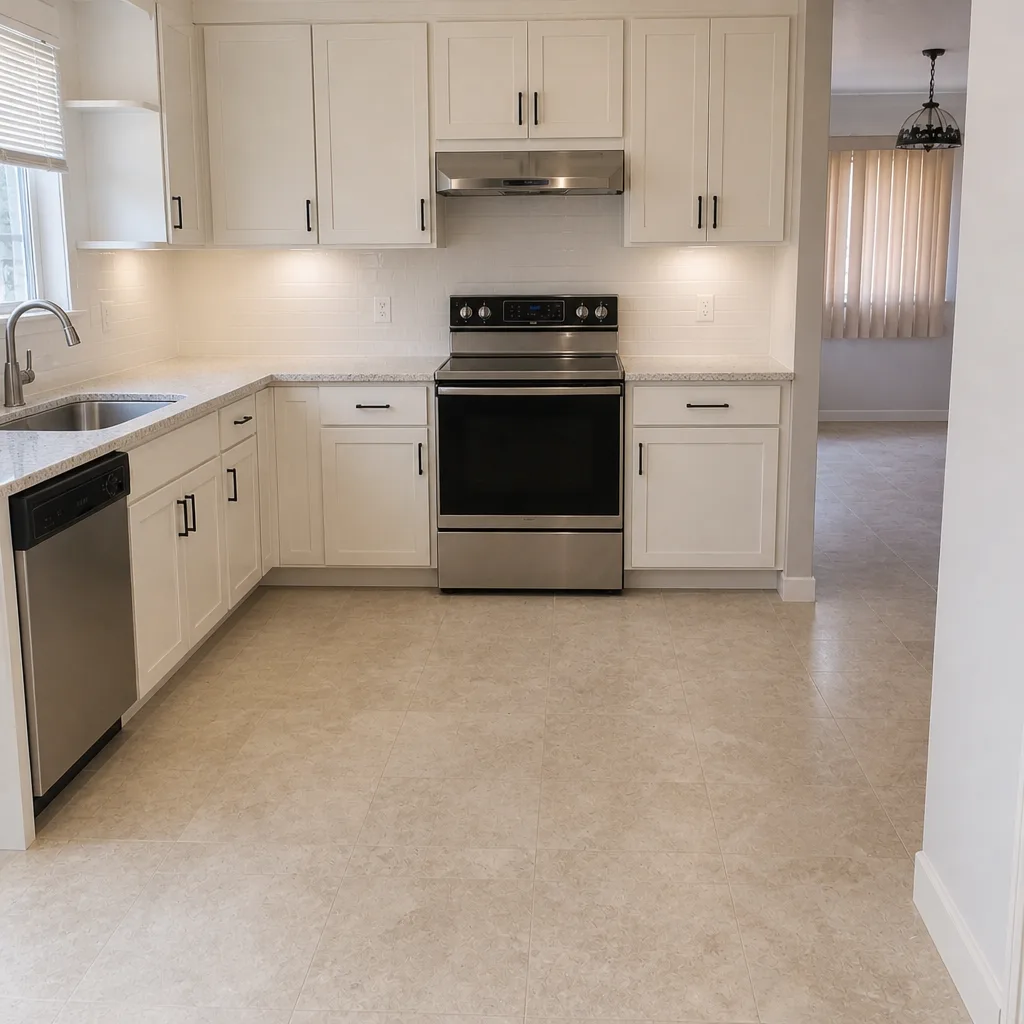 After
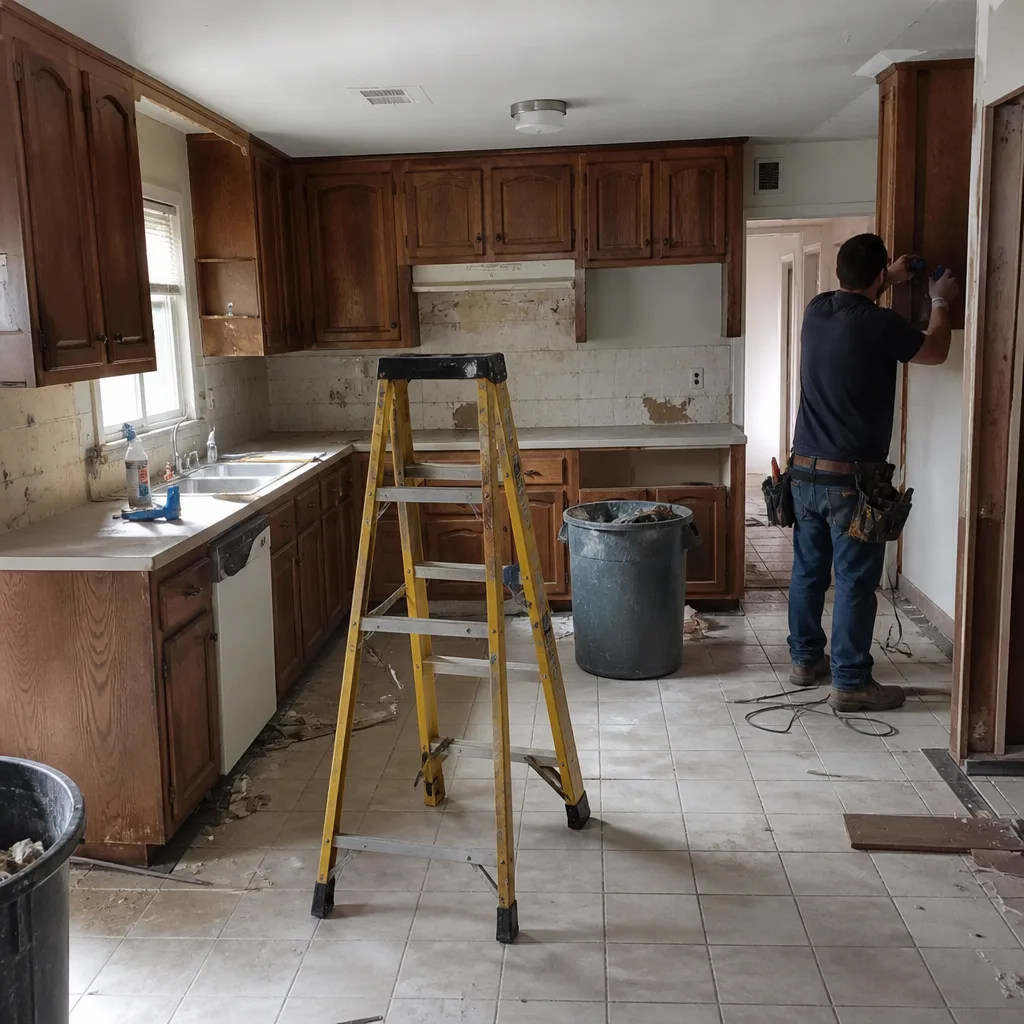 Before
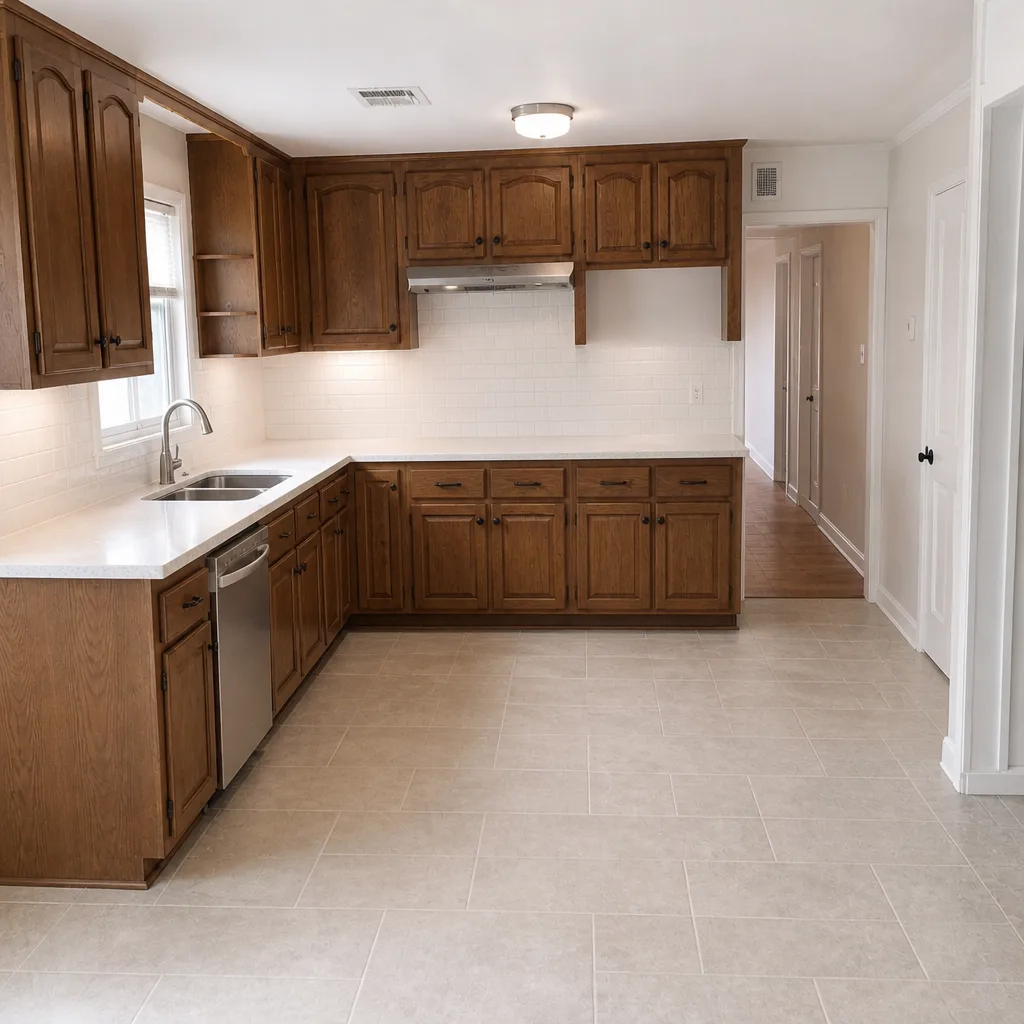 After
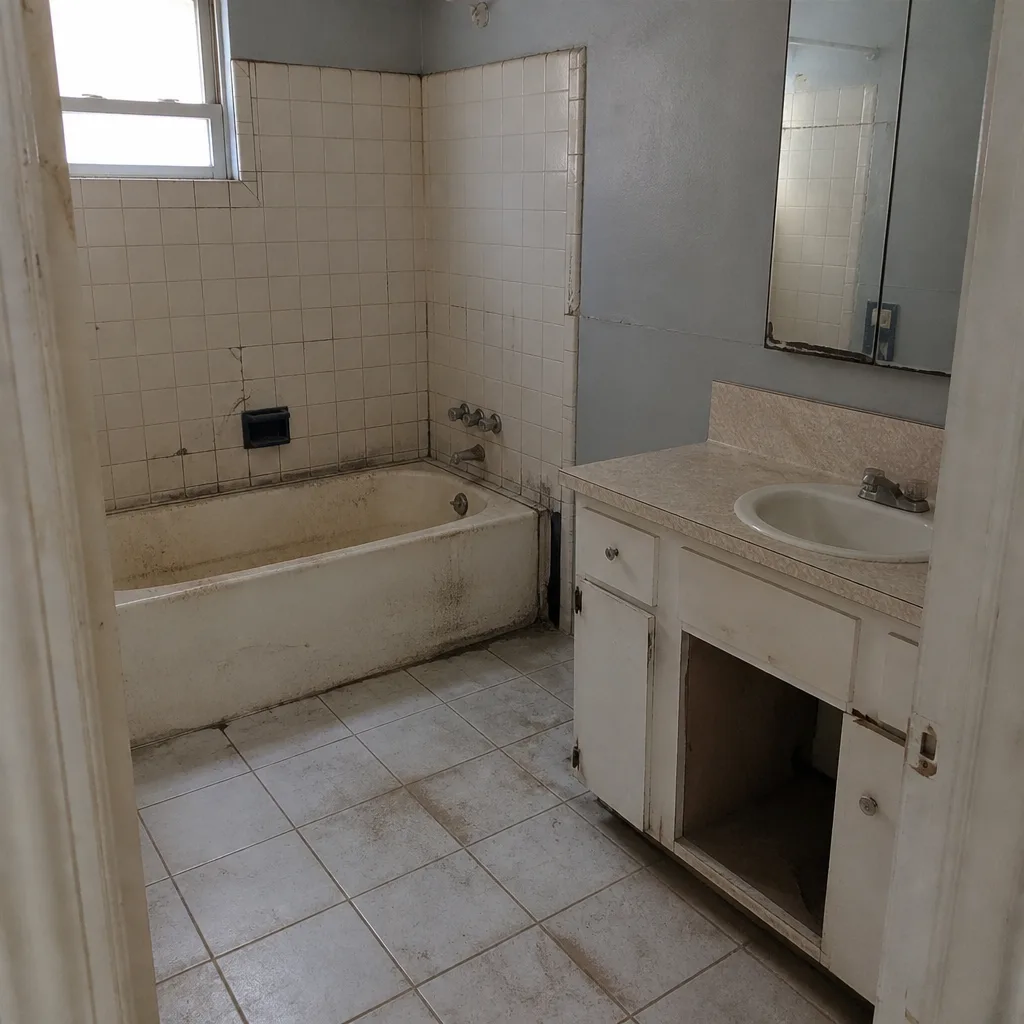 Before
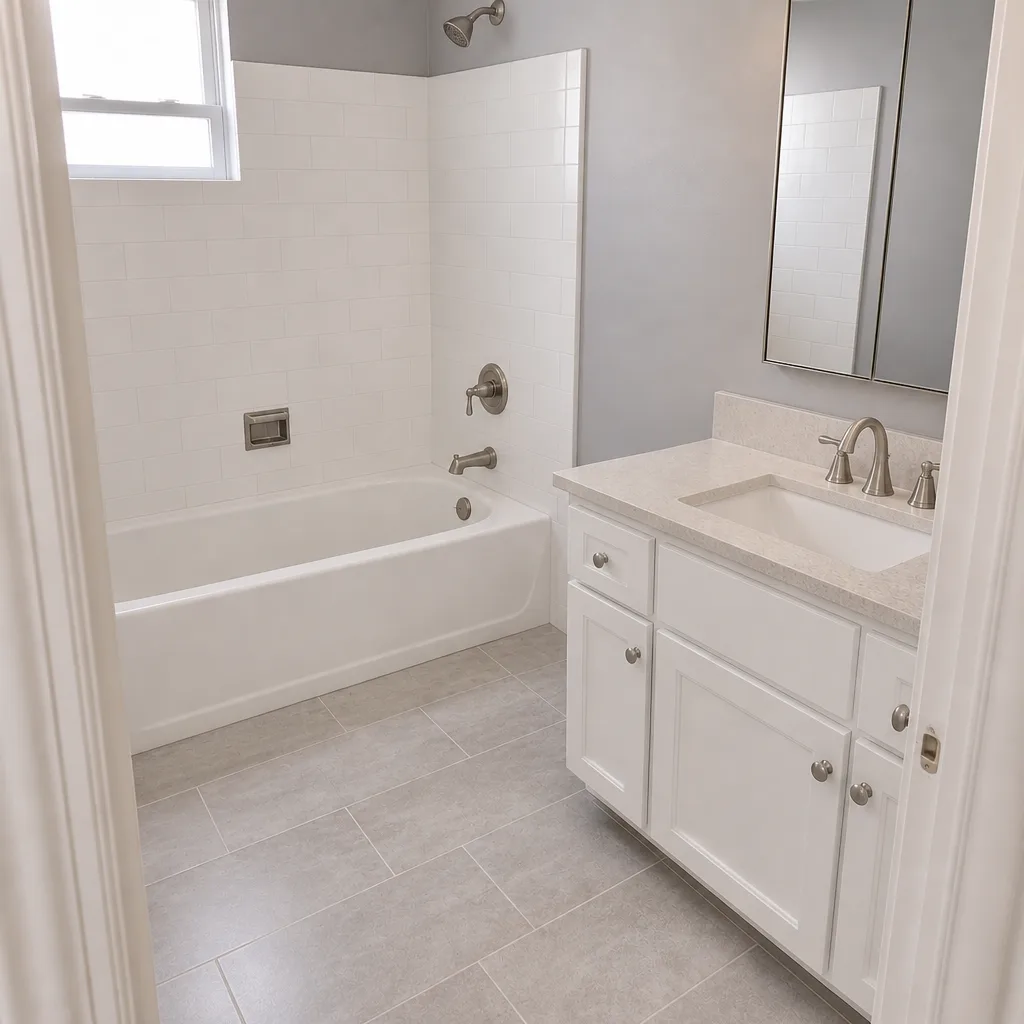 After
How Long Does a Tile Roof Last in Spring Valley, NV? The Short Answer
A concrete tile roof typically lasts 40 to 50+ years, but the waterproofing underlayment beneath it lasts only 15 to 25 years. In Spring Valley, that gap is what actually decides when your roof needs attention. If your home was built between 1992 and 2005, the tiles may look perfect while the layer keeping water out has already dried, cracked, and failed. Call (888) 329-9414 and we’ll tell you which system you’re really dealing with.
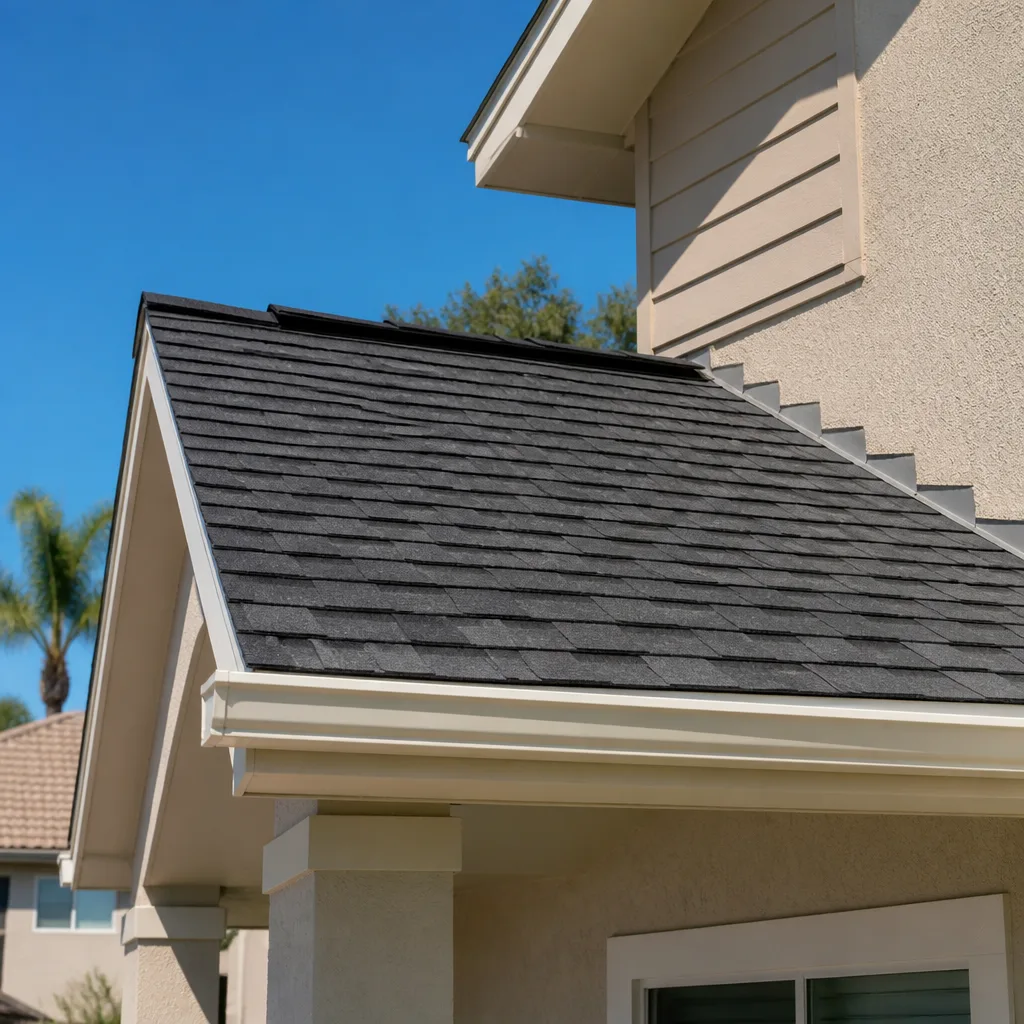
Why the Tile Isn’t the Part You Should Worry About
Concrete tile is tough. That’s the whole reason it covers so many Spring Valley homes. It shrugs off the Mojave sun, holds up to monsoon downpours, and looks nearly the same at year 25 as it did at year two. Homeowners see that and assume the roof is fine.
Underneath, a different story plays out. Most Spring Valley tract homes from the 1990s and early 2000s were built with 20-lb organic felt underlayment. That material has a real job: it’s the actual water barrier. The tiles are just armor sitting on top of it. And organic felt doesn’t love sustained 110°F attic heat, which is exactly what Spring Valley summers deliver, day after day, from June through September.
Heat bakes the felt. It dries out, turns brittle, and develops hairline cracks along the laps. Once it cracks, water finds the path of least resistance and moves sideways under the tiles, along the felt, until it reaches a seam it can get through. That slow travel is why tile roofs hide leaks for years. It never shows up as a drip straight down. It shows up later as a stain on a ceiling, a soft spot near a valley, or a fascia board that’s quietly rotting from the back.
The two lifespans homeowners rarely separate
Here’s the mental model that helps more than any single number. A tile roof in Spring Valley is two independent systems with two independent schedules:
| System | Typical lifespan here | What fails and why |
|---|---|---|
| Concrete tile | 40-50+ years | Rarely fails; occasional cracked tile from debris or foot traffic |
| Underlayment | 15-25 years | Organic felt dries and cracks under sustained 110°F attic heat |
| Ridge cap mortar and hip-and-ridge tiles | 15-20 years | UV exposure breaks down mortar adhesion; tiles work loose |
Notice the third row. It’s a separate failure mode from the underlayment, and it explains the loose ridge tiles you’ll spot on plenty of pre-2005 roofs around Spring Valley. The mortar that held those caps has been cooked by brutal UV for two decades. Once it lets go, a wind event or a careless ladder bump can send a cap tile sliding. That’s a repair, not a re-roof, and it’s worth knowing the difference before someone tells you it’s a full replacement.
What We Actually Look For During a Spring Valley Inspection
Two things get checked separately because they fail separately. First, the tile field: cracked tiles, slipped tiles, loose ridge caps, granule loss on any flat sections, and the condition of valleys where water concentrates. Second, the underlayment: its age, its visible condition anywhere it’s exposed at ridges, hips, and penetrations, and any evidence of moisture tracking where it shouldn’t be.
We put both findings in writing. You get a written assessment, not a verbal sales pitch, so you can compare it against a second opinion if you want one. That fits how we handle everything at Groundwork Construction Co. of Spring Valley: upfront pricing, no surprises. Every inspection is done by background-checked, uniformed technicians, which matters more than it sounds like in Spring Valley’s gated communities, where HOA management companies and property managers won’t approve roof access unless the contractor is properly credentialed. Our technicians have up to 12 years of experience reading exactly these two systems.
What that assessment usually shows comes down to one of the scenarios below. If it’s underlayment-only, the tiles get lifted, labeled, stacked, and reinstalled over new underlayment, which costs far less than a full re-roof. If the tile field itself is also worn, we price the whole job so you can see both numbers side by side.
Common local scenarios we see
- The 1998-era home with perfectly good tiles. Tiles are sound, underlayment is past its window, sometimes already leaking at a valley. Underlayment-only replacement is the honest answer here.
- The scattered ridge caps. A few hip-and-ridge tiles already loose from 18 years of UV on the mortar. Caught early, this is a mortar-and-rebed job, not a reroof. Caught after a wind storm, it’s a repair plus interior water damage.
- The hidden leak. No missing tiles anywhere, but a ceiling stain or a soft fascia board. Water traveled along failed felt for months or years. These are the ones that cost the most because they’re found late.
- The roof that’s fine but the HOA wants documentation. Gated community, property manager needs a credentialed contractor’s written roof condition report before approving anything. We do those.
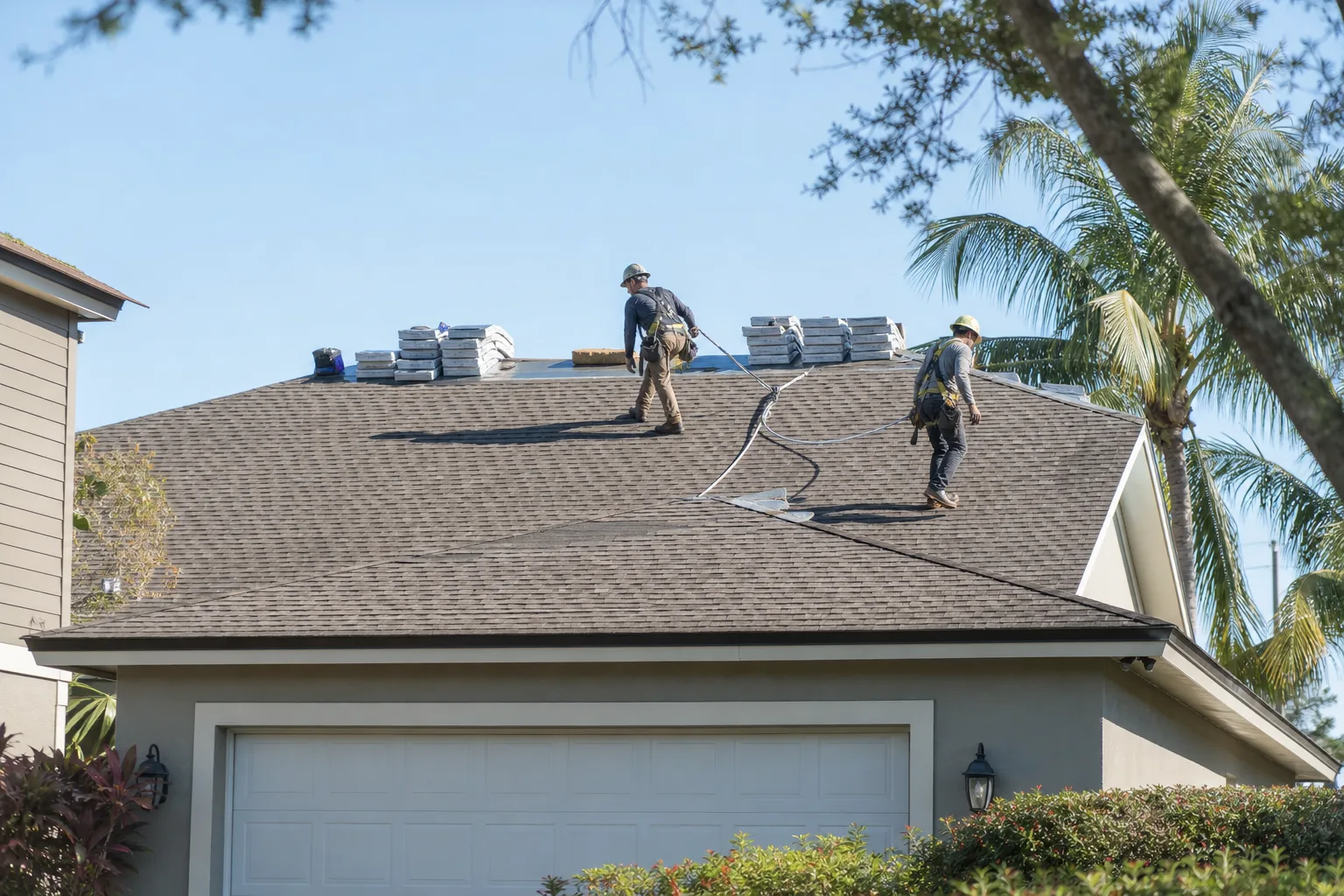
What Tile Roof Work Costs in Spring Valley
Spring Valley sits at roughly 2,300 feet on the edge of the Mojave, and that climate shapes the numbers. Thermal cycling from 110°F summers down to near-freezing winter nights pushes roof seals and mortar harder than milder places do. The result: roof maintenance here is a recurring need, not a one-time event. Here’s what the work typically runs in this market:
- Tile roof repair (loose tiles, ridge caps, localized underlayment): $600-$2,500
- Roof repair, general: $400-$1,800
- Full roof replacement: $8,000-$20,000
- Metal roof installation, if you’re weighing a switch: $15,000-$40,000
Those are market ranges, not a quote. An underlayment-only replacement sits well below a full re-roof because the tile gets reused, and that’s the number most Spring Valley homeowners don’t get told to ask about. We show both figures in writing. If the project runs over $10,000, our standing $1,000-off promotion applies, and 0% financing for 18 months is available so a roof replacement doesn’t have to happen all at once. Everything we install is backed by our 730-Day Done Right Promise: if it’s not done right, we make it right.
When you’re ready to sort your tile roof into repair, underlayment, or replacement, start with our Roofing page or see the full Spring Valley service area for more on how we work locally.
FAQs
The tiles last 40 to 50+ years, but the underlayment under them lasts 15 to 25, which means a Spring Valley tile roof’s real service life is set by the underlayment, not the tile. If your home was built between 1992 and 2005, the felt beneath those tiles is likely past its window even though the roof surface looks untouched. Call (888) 329-9414 for an assessment that checks both separately.
You usually can’t see it from the ground, because the failure happens under the tiles and water travels sideways along the felt before it reaches your ceiling. The honest signs are a ceiling stain with no missing tiles above it, a soft fascia board, or a roof built in that 1992-2005 window with no documented underlayment replacement. A proper inspection with some tile lifted at ridges and valleys is the only way to know. Call (888) 329-9414 and we’ll look at it.
Underlayment-only replacement is significantly cheaper than a full re-roof, because the tiles are lifted and reused instead of replaced. In Spring Valley, that difference often decides the whole project, and it’s the number to ask for specifically. If your tiles are sound, you may not need the full job at all. Call (888) 329-9414 for upfront pricing on both options in writing.
UV exposure breaks down the mortar holding hip-and-ridge caps over roughly 15 to 20 years, and that’s a separate failure from underlayment wear. Those caps on pre-2005 Spring Valley roofs are at or past that point, so a few loose tiles after a wind event aren’t unusual. A targeted repair handles it before water finds its way in. Call (888) 329-9414 for a same-week look.
Rather Have Someone Look at It?
Tile roofs hide their problems well, so guessing from the ground rarely gets you a real answer. If you’d rather have it looked at, Groundwork Construction Co. of Spring Valley offers a no-pressure assessment in Spring Valley. We document the tile and the underlayment separately and put the findings in writing. Call (888) 329-9414. Live person, 24/7, and the estimate is free.
Written by the team at Groundwork Construction Co. of Spring Valley, serving Spring Valley, NV.