Free written scope consultation - allowances, timeline, and change-order rules on paper before a single trade is scheduled
Styles & brands we work with
- Kitchen remodeling
- Bathroom remodeling
- Home additions & ADU
- Roofing
- Windows & doors
- Driveway & pavers
- Fence
See the difference
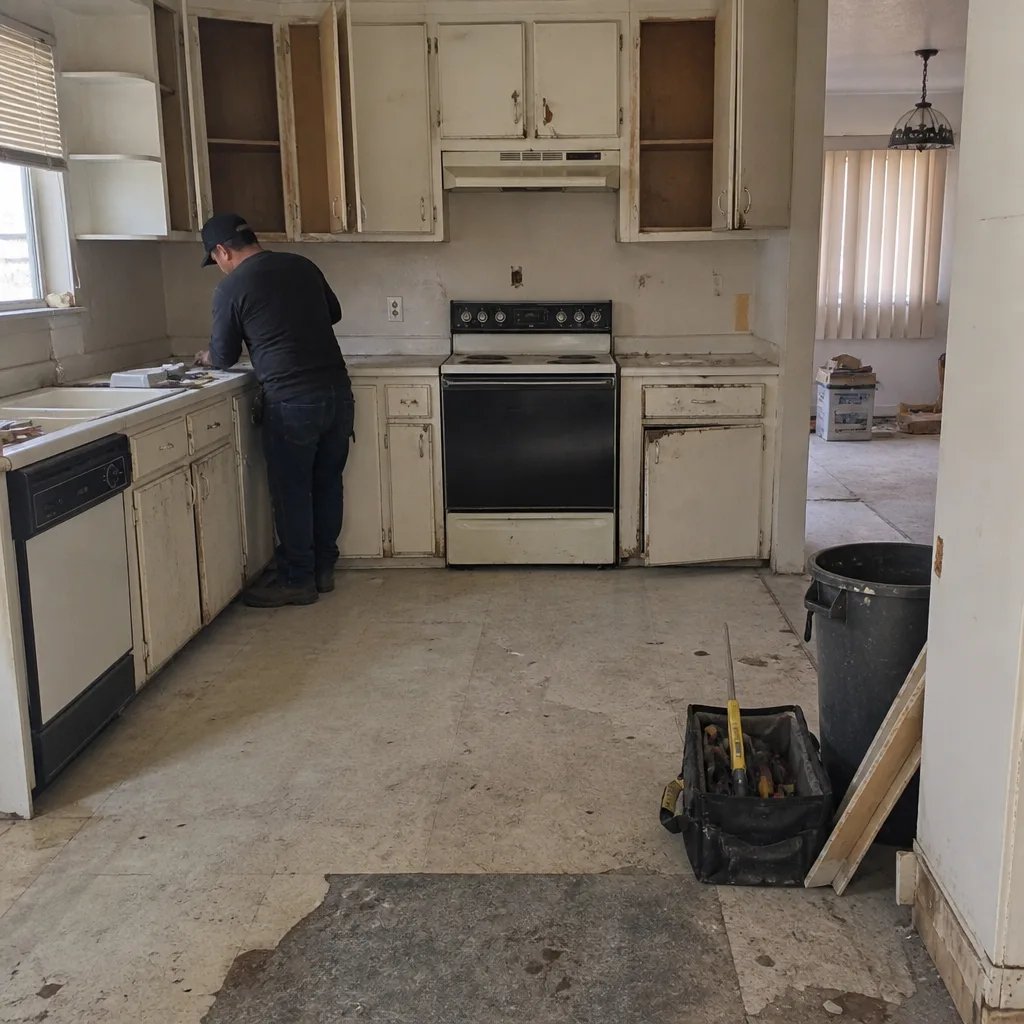 Before
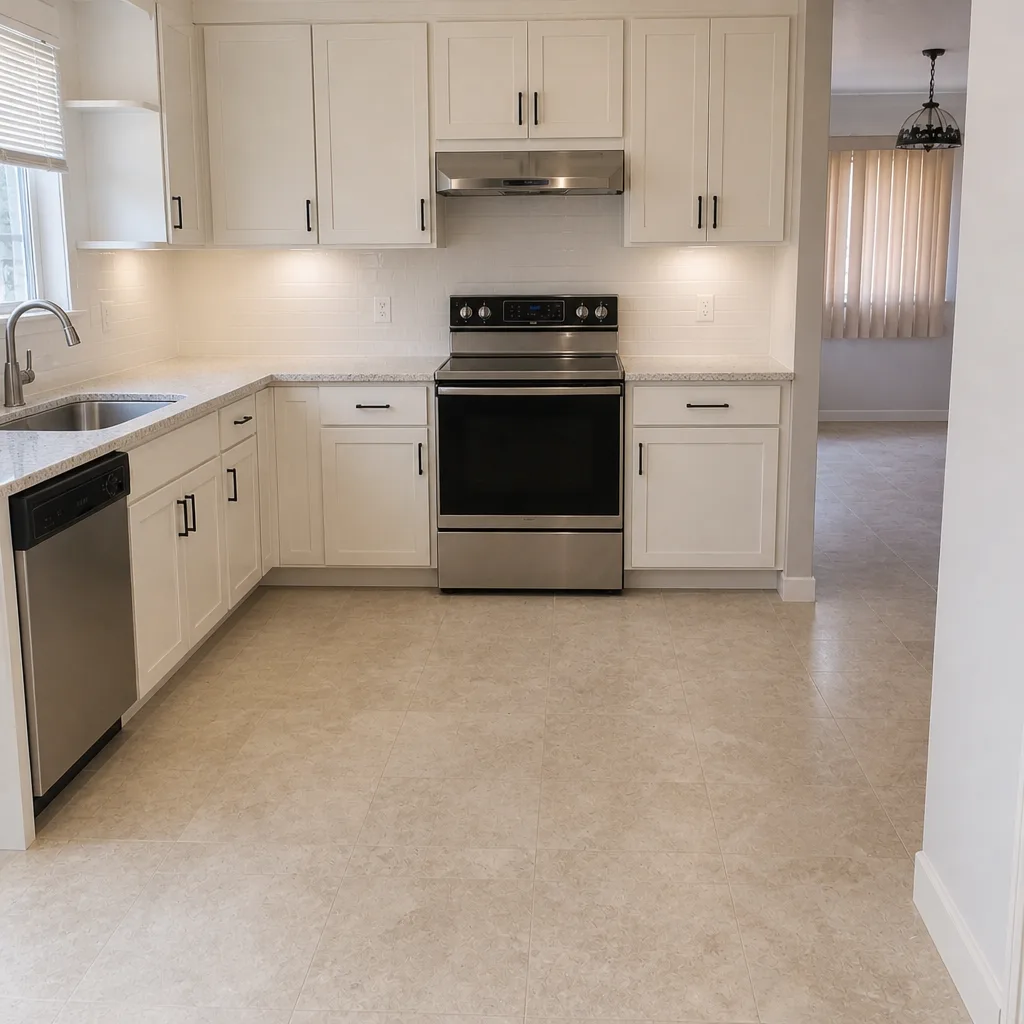 After
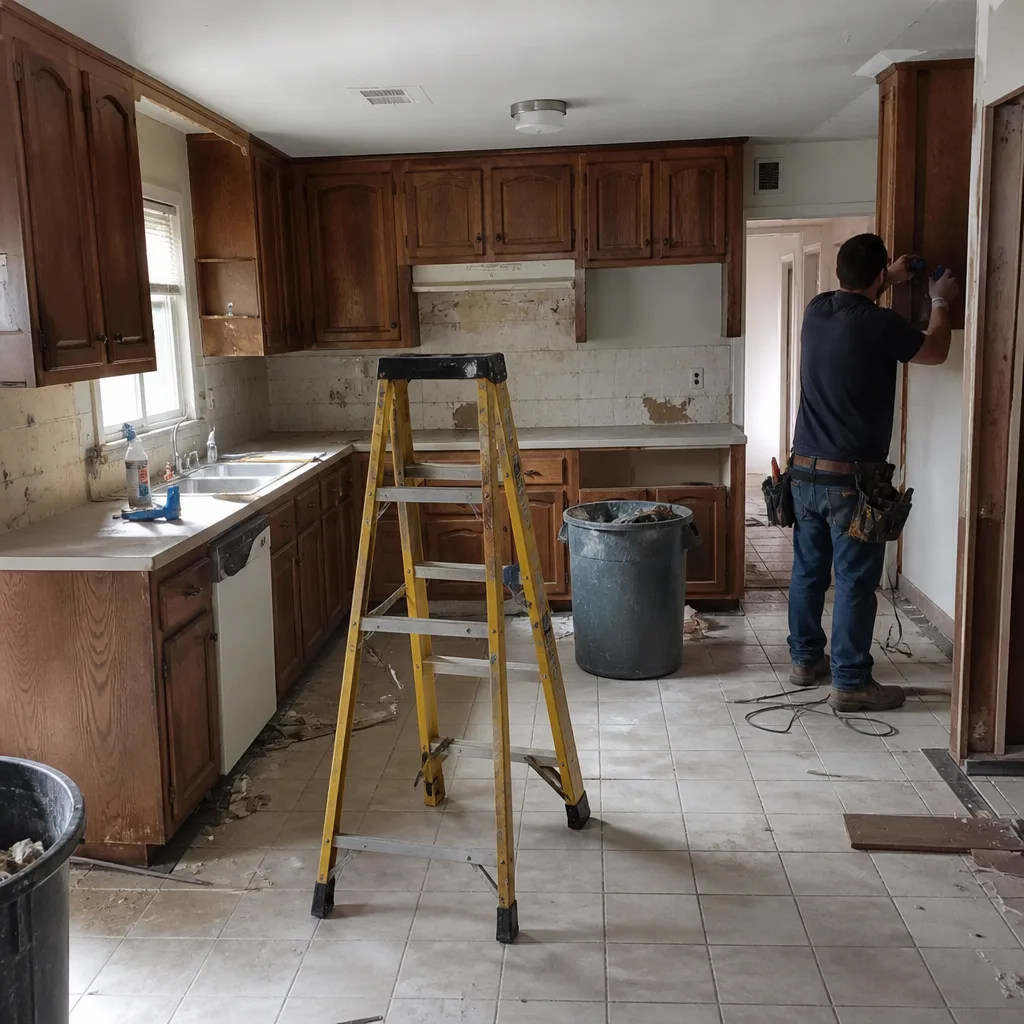 Before
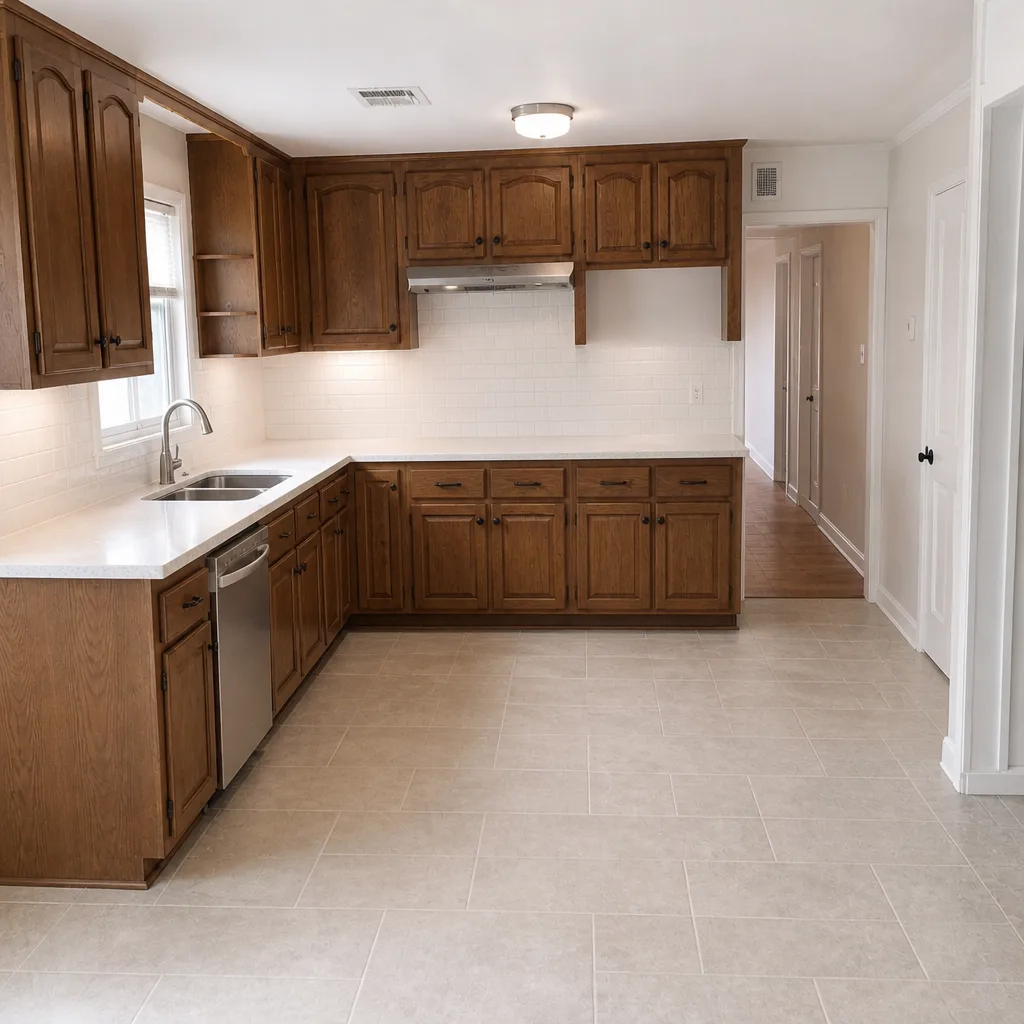 After
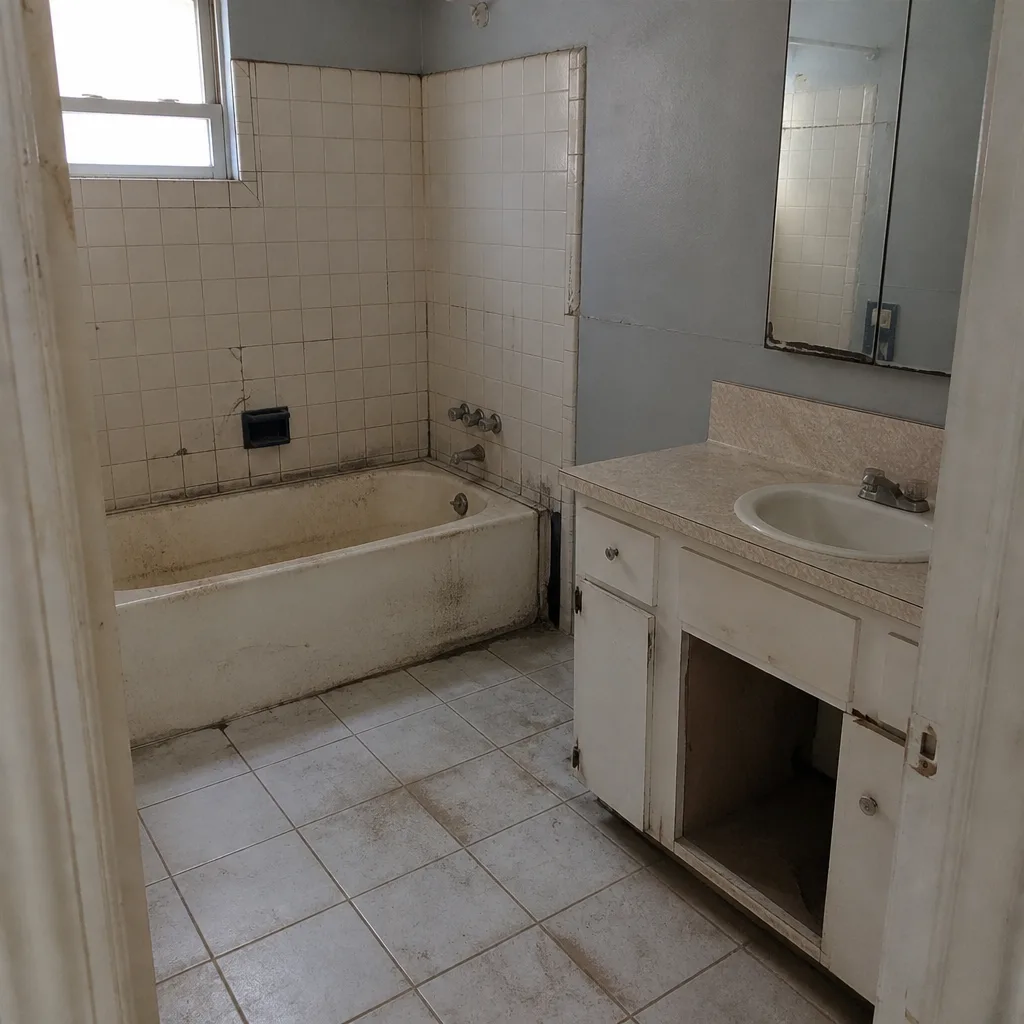 Before
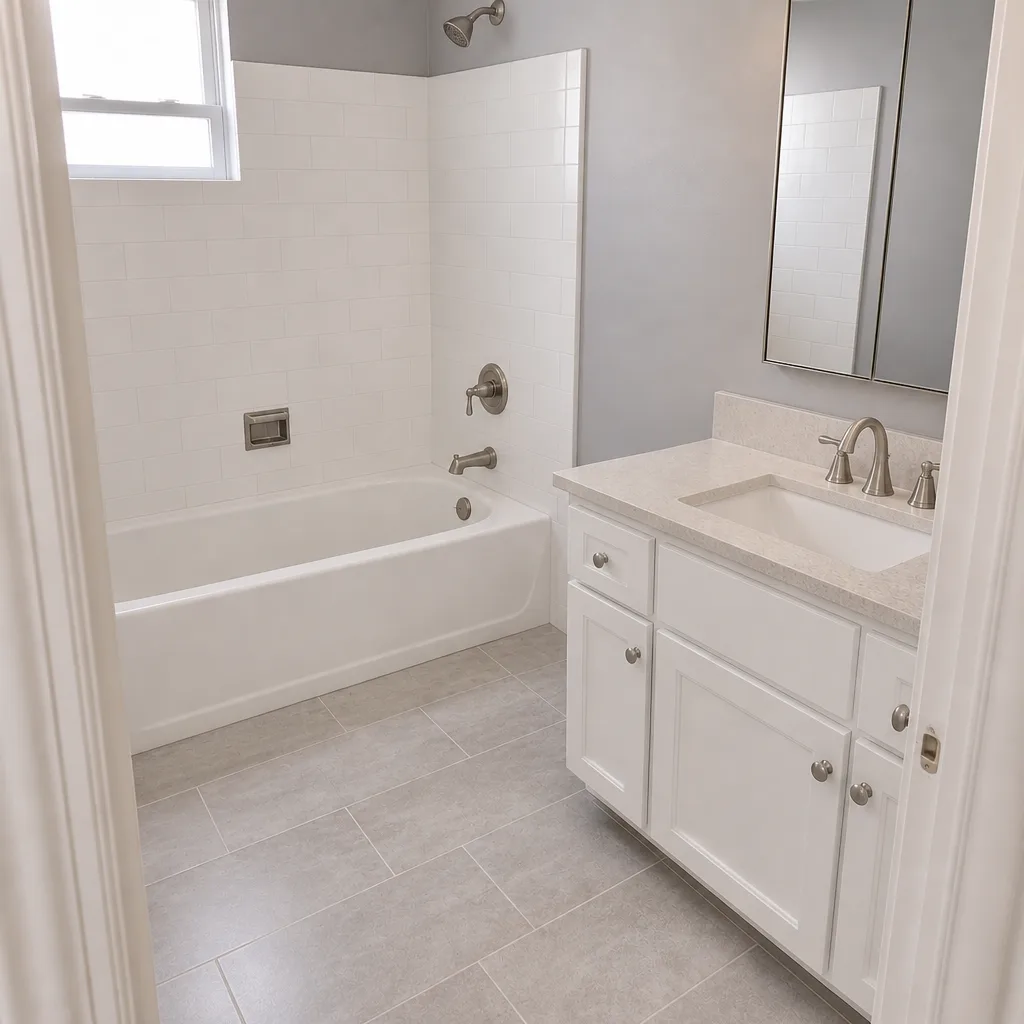 After
HVHZ Window Requirements Explained: What Applies in Spring Valley, NV (and What Doesn’t)
HVHZ window requirements are a Florida Building Code rule that applies only inside Miami-Dade and Broward counties, and they do not apply in Spring Valley, Nevada. HVHZ stands for High-Velocity Hurricane Zone, and it’s a geographic designation, not a quality grade. If a window seller here starts talking about “HVHZ-rated” glass as if it’s required in your Clark County permit, you can stop the conversation there. Our technicians have up to 12 years of experience installing windows across the Las Vegas Valley, and we’ll walk you through what your window actually needs to pass inspection. Call (888) 329-9414 if you want a straight answer on your project.
Key Takeaways
- HVHZ is defined geographically in Florida law and has zero standing in Nevada.
- Spring Valley window permits fall under Clark County’s code, based on the 2018 IBC with Nevada amendments.
- Your real performance standards are AAMA/WDMA/CSA 101/I.S.2/A440 and NFRC ratings, not HVHZ certification.
- No window company can sell you an “HVHZ requirement” for a Spring Valley home because none exists.
So why do window companies around Spring Valley keep saying “HVHZ”?
Because it sounds serious and most homeowners don’t have the codebook open. HVHZ is legally defined in Florida Building Code Section 202 as counties with a basic wind speed of 150+ mph and mandatory large-missile impact requirements. Spring Valley sits in the Mojave Desert roughly 2,500 miles from the nearest hurricane track. It cannot be in an HVHZ. Anyone claiming otherwise is either confused about geography or counting on you not to check.
Here’s the part that bothers us most when we hear it from a homeowner: HVHZ isn’t a performance rating at all. It’s a map. A window either sits inside that Florida zone or it doesn’t. There’s no such thing as a window that “meets HVHZ requirements” in a Nevada jurisdiction, because the jurisdiction doesn’t recognize the term.
What actually governs a window installation in Spring Valley?
Clark County’s building code, based on the 2018 IBC with Nevada amendments, is what your permit gets reviewed against. The standards that matter for your window are:
- AAMA/WDMA/CSA 101/I.S.2/A440 for performance class and grade, which sets structural, air infiltration, water resistance, and forced-entry thresholds.
- AAMA 506 for voluntary enhanced wind-borne debris impact and cycling ratings, which is where the real hurricane-tested hardware lives.
- ASTM E1996 for impact-rated glazing, the actual test method behind window impact ratings.
- NFRC ratings and ENERGY STAR certification for the thermal side, which in a Mojave Desert climate matters far more than any hurricane standard ever will.
Note what’s missing from that list: HVHZ. Every one of those standards is a published, checkable performance specification. HVHZ is a geographic designation. Those are different things.
The wind number that actually matters in Spring Valley
The relevant structural wind consideration for a Spring Valley window is the 3-second gust design speed for Clark County, roughly 100 mph per ASCE 7-16 mapping. A window with an AAMA 506 Performance Grade of 40 or 50 handles that environment comfortably. You don’t need HVHZ certification or its cost premium to get a solid, structural window here.
The other thing that gets overlooked in these conversations is the climate. Spring Valley sits at about 2,300 feet in the Mojave, where summer highs routinely pass 110°F and UV exposure is brutal. Winter nights drop to freezing. That swing is what actually degrades a window’s seals, glazing and frame over 20 or 30 years, not wind loads. Thermal performance and UV resistance are the standards a homeowner should be looking at, and that’s where NFRC ratings and ENERGY STAR climate-zone compliance do the real work.
Common local scenarios we see in Spring Valley
In the gated subdivisions across the 89148 and 89117 zips, most of the housing stock is 1990s-2000s stucco-and-tile tract homes. The original builder-grade aluminum or early vinyl windows in those homes are now 20 to 30 years old, and the seal failures, fogged glass and UV-degraded weatherstripping are heat-driven, not storm-driven.
On the western edge near Rhodes Ranch, expansive desert soils and summer monsoon downpours cause soil movement and slab cracking, which shows up as window frames that bind or won’t latch correctly. That’s an installation-and-framing problem, not a glazing problem, and no window certification in the world fixes a frame racked by foundation movement. If a seller tells you an HVHZ-rated window will solve a binding sash on a cracking slab, they’ve got the diagnosis wrong.
And when homeowners ask us whether they need to spend up for something hurricane-grade, we point them at the actual certifications in writing. Every window product we install comes with its AAMA, NFRC and ASTM paperwork in the job packet. If a competitor tells you HVHZ compliance is required for your Spring Valley permit, that’s a verifiable claim – ask for the Clark County code section that requires it. Then call the county if you want the second opinion.
What a spring valley window project actually costs
Pricing depends on the size and scope, but here are the market-calibrated ranges we work from. Upfront pricing, no surprises – the number you see is the number you pay.
| Project | Typical Range in Spring Valley |
|---|---|
| Window replacement (whole home) | $4,500-$15,000 |
| Impact-rated window installation | $8,000-$25,000 |
| Single window or small set | Quoted per opening |
One footnote on that impact line: impact-rated windows are a legitimate upgrade in the desert, but not for hurricane reasons. They help with monsoon debris, break-in resistance, and the thermal load that punishes single-pane glass in July. The performance value inside an “HVHZ-spec” window – impact resistance, structural integrity, air and water sealing – is achievable through non-HVHZ certifications like ASTM E1996, AAMA 506 and NFRC that actually map to Nevada’s wind, UV and thermal environment. You get the same engineering without paying for a Florida map you don’t live on.
We carry a curated set of top-tier window brands including Andersen and Pella, so you’re choosing quality, not just whatever’s in stock. Every project is covered by our 730-Day Done Right Promise, and the whole installation is quoted upfront before a single screen comes off the jamb.
If you want to compare window styles or get a sense of how glazing choices play out across the trades, our Windows & Doors page walks through the options. You can also see the full scoop on our Spring Valley service area and our home page for the broader picture on how we handle permits and inspections.
FAQs
No. HVHZ is a Florida-only designation and Clark County has no rule requiring it. Your window permit is reviewed against Clark County’s adopted building code based on the 2018 IBC with Nevada amendments, plus AAMA/WDMA and NFRC performance standards. Call (888) 329-9414 for a free estimate and we’ll walk through the actual requirements for your project.
HVHZ stands for High-Velocity Hurricane Zone, legally defined in Florida Building Code Section 202 as counties with a basic wind speed of 150+ mph and mandatory large-missile impact requirements. It’s a geographic definition, not a performance rating. A window can’t “meet HVHZ requirements” outside that zone any more than a car can meet California emissions law by driving in Texas.
Look for an AAMA 506 Performance Grade of 40 or higher, which comfortably covers Clark County’s roughly 100 mph 3-second gust design speed per ASCE 7-16. Pair that with an NFRC U-factor and solar heat gain rating appropriate for the Mojave Desert climate, and you’ve got a window engineered for the conditions that actually stress it. Call (888) 329-9414 for an exact quote - estimates are free.
Ask them to name the specific Clark County code section or permit line item that requires HVHZ compliance. If they can’t, the claim was a sales tactic. The real requirements are tied to AAMA/WDMA/CSA 101/I.S.2/A440 performance class, AAMA 506 impact ratings where relevant, and NFRC/ENERGY STAR thermal ratings. Every window we install ships with those certificates in the job packet - no guesswork, no mystery labels.
Ready to sort out what your Spring Valley windows actually need?
If you’ve been quoted HVHZ compliance for a Spring Valley project and it didn’t sit right, trust that instinct. Groundwork Construction Co. of Spring Valley shows you the real certificate for every product we install, tied to the standards your permit will actually review – AAMA, NFRC and ASTM. If you’d rather have it looked at, we offer a no-pressure assessment in Spring Valley - call (888) 329-9414 for a free estimate.
Written by the team at Groundwork Construction Co. of Spring Valley, serving Spring Valley, NV.