Free written scope consultation - allowances, timeline, and change-order rules on paper before a single trade is scheduled
Styles & brands we work with
- Kitchen remodeling
- Bathroom remodeling
- Home additions & ADU
- Roofing
- Windows & doors
- Driveway & pavers
- Fence
See the difference
 Before
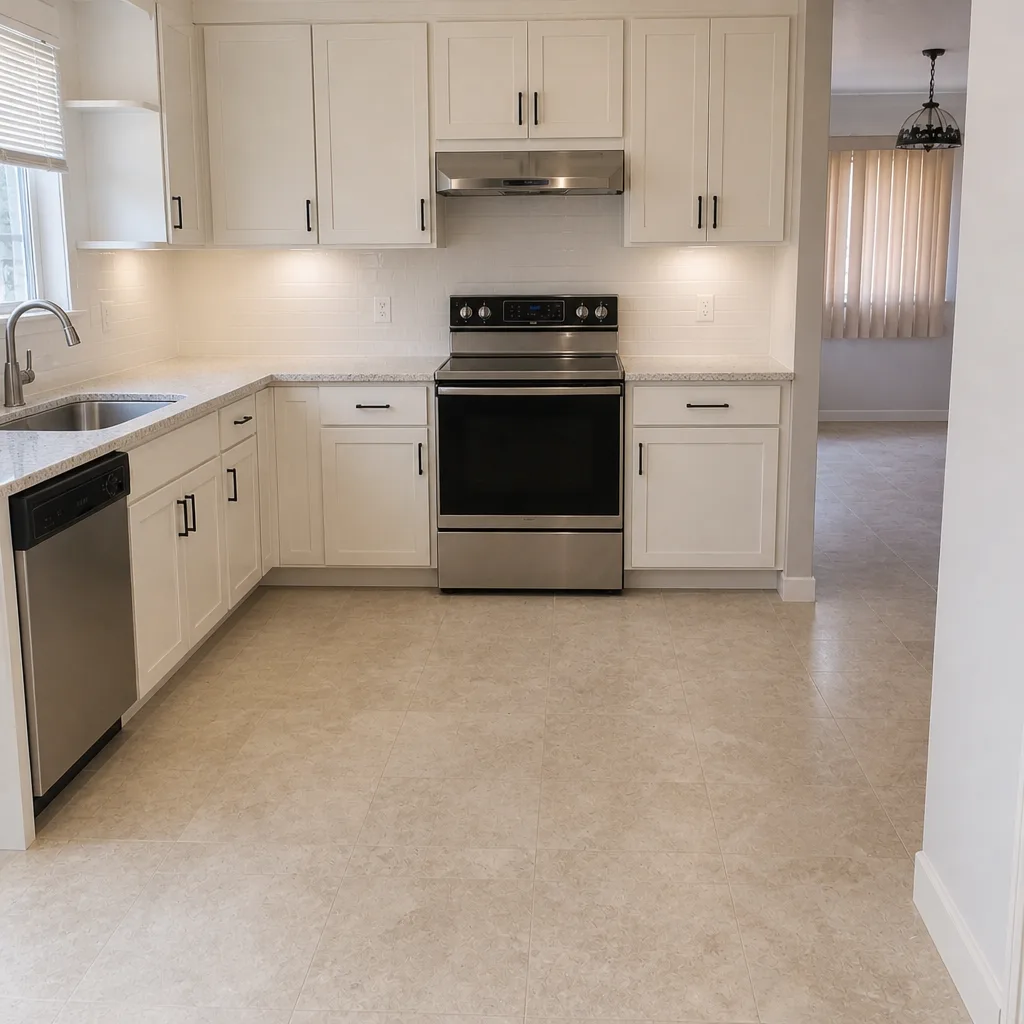 After
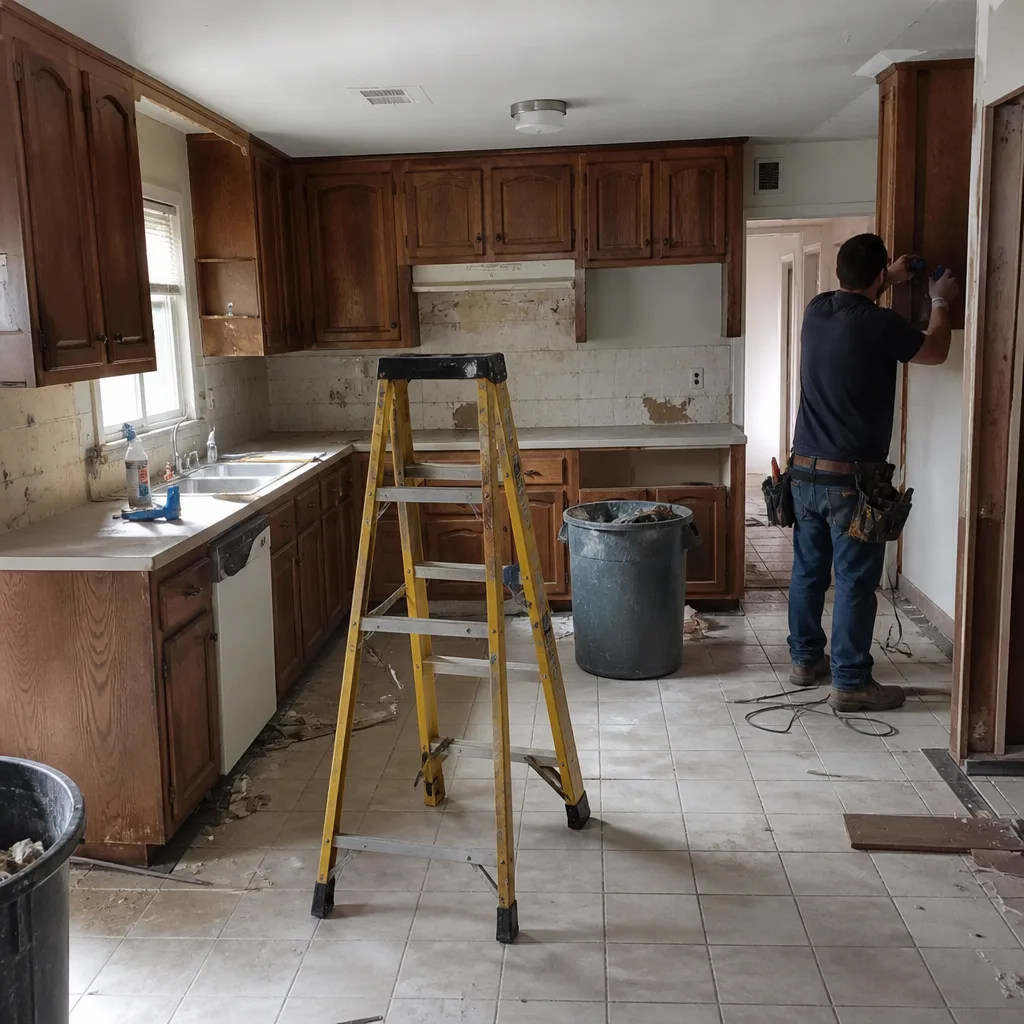 Before
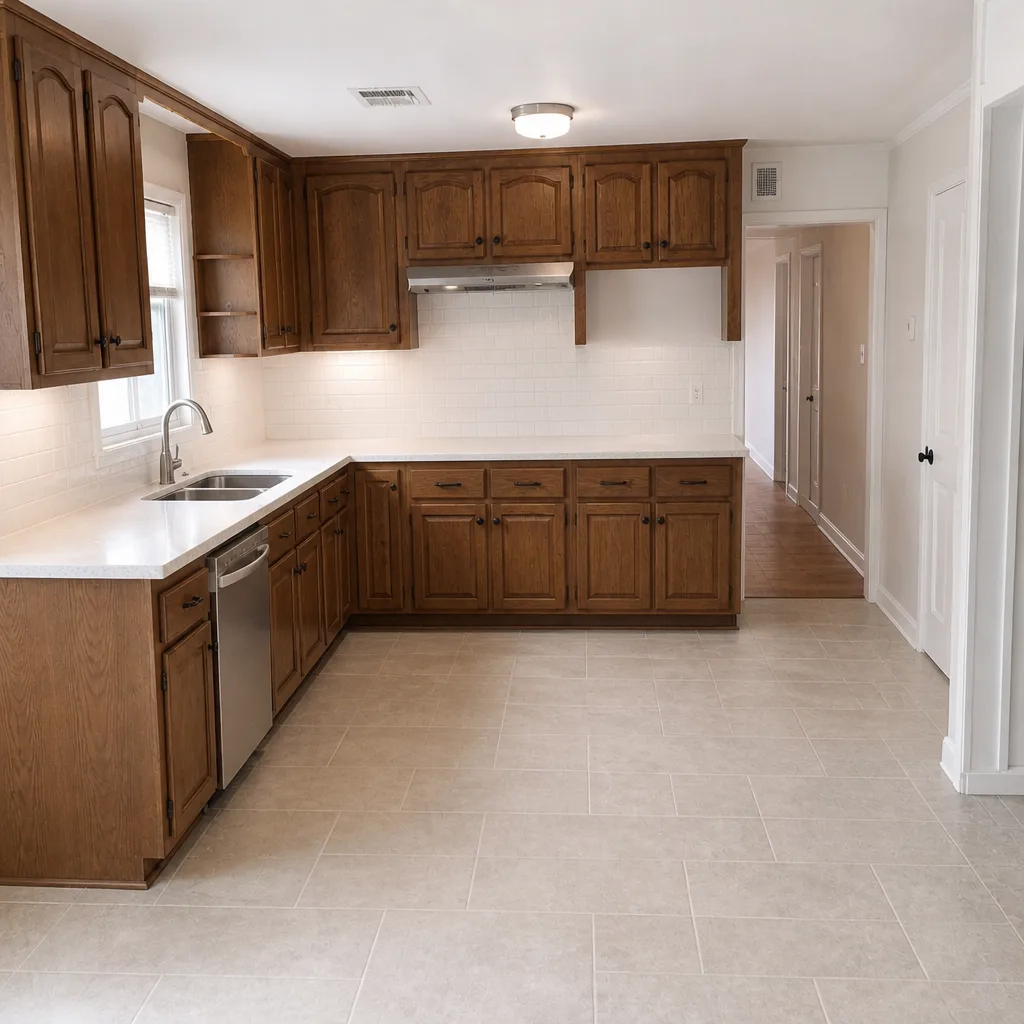 After
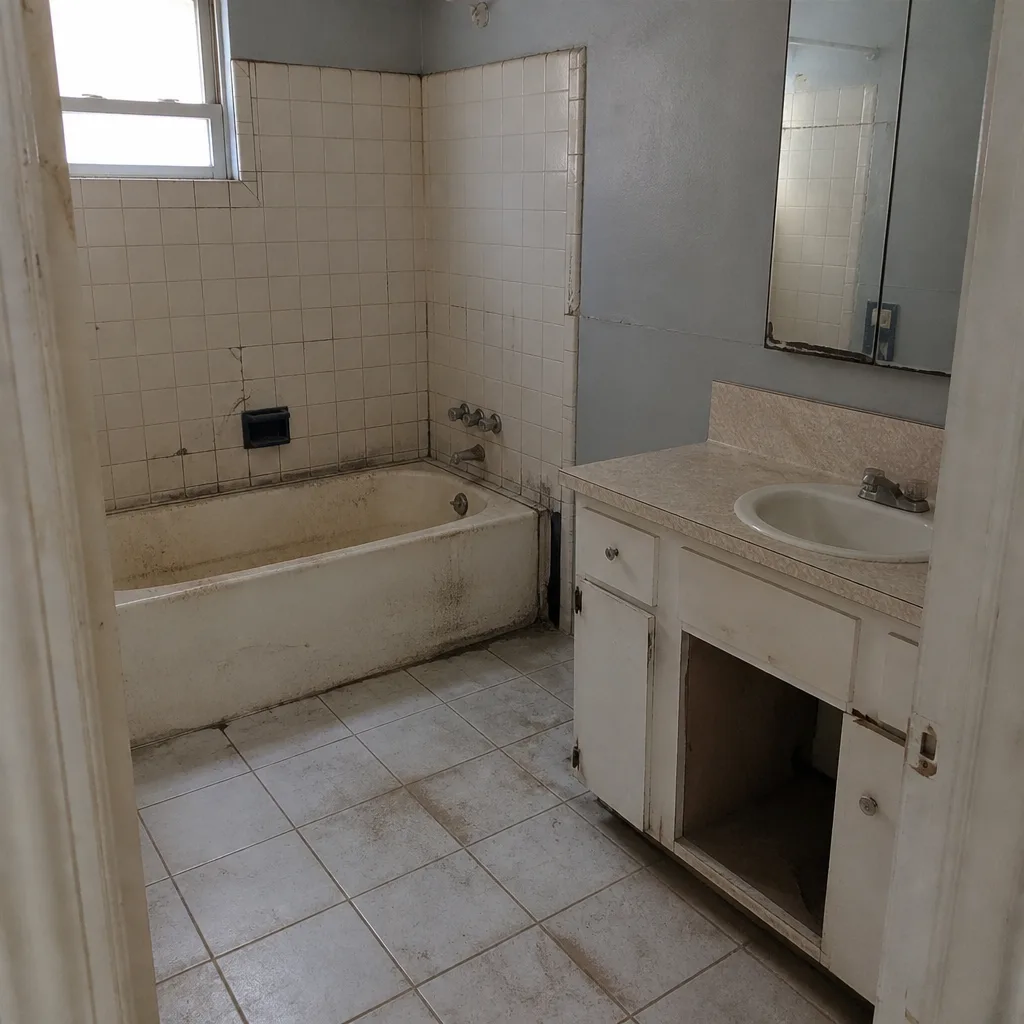 Before
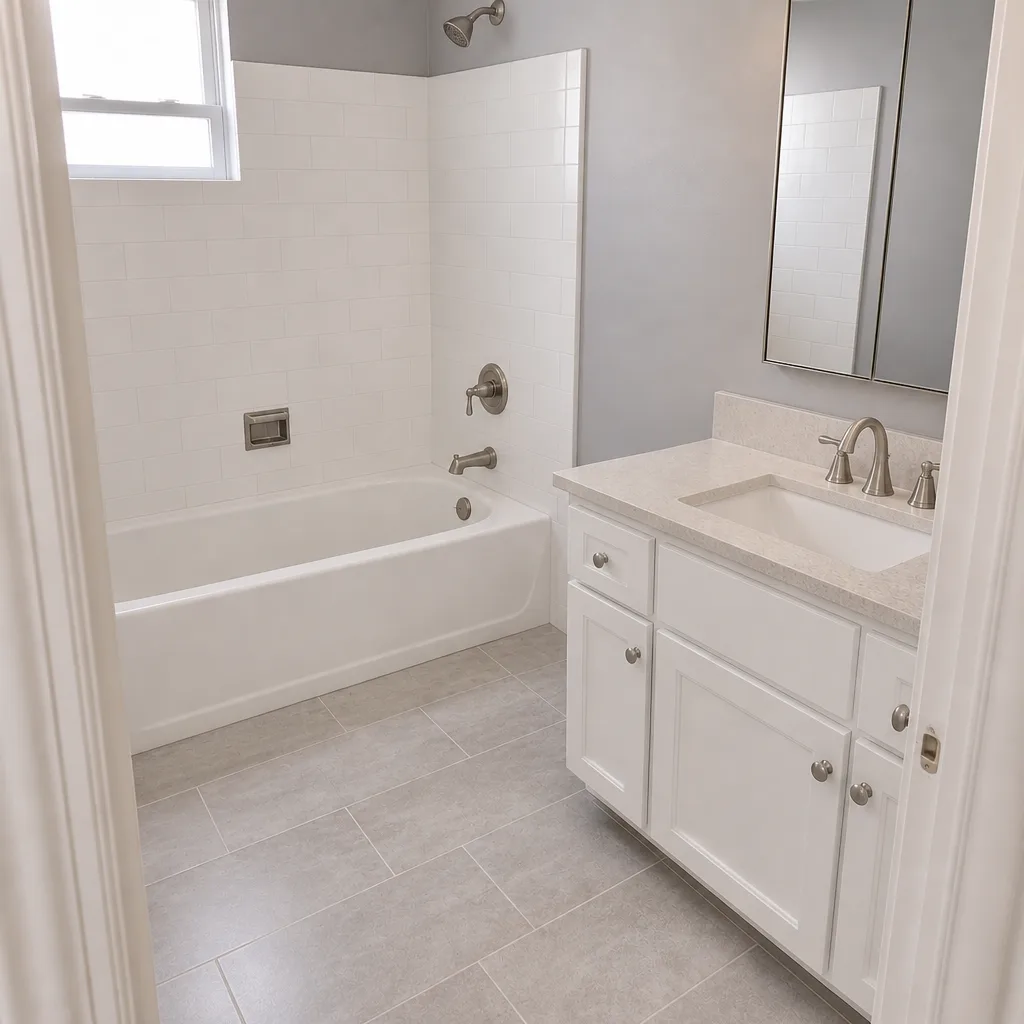 After
Roof Replacement Cost in Spring Valley, NV: Why You’re Really Paying for What’s Under the Tile
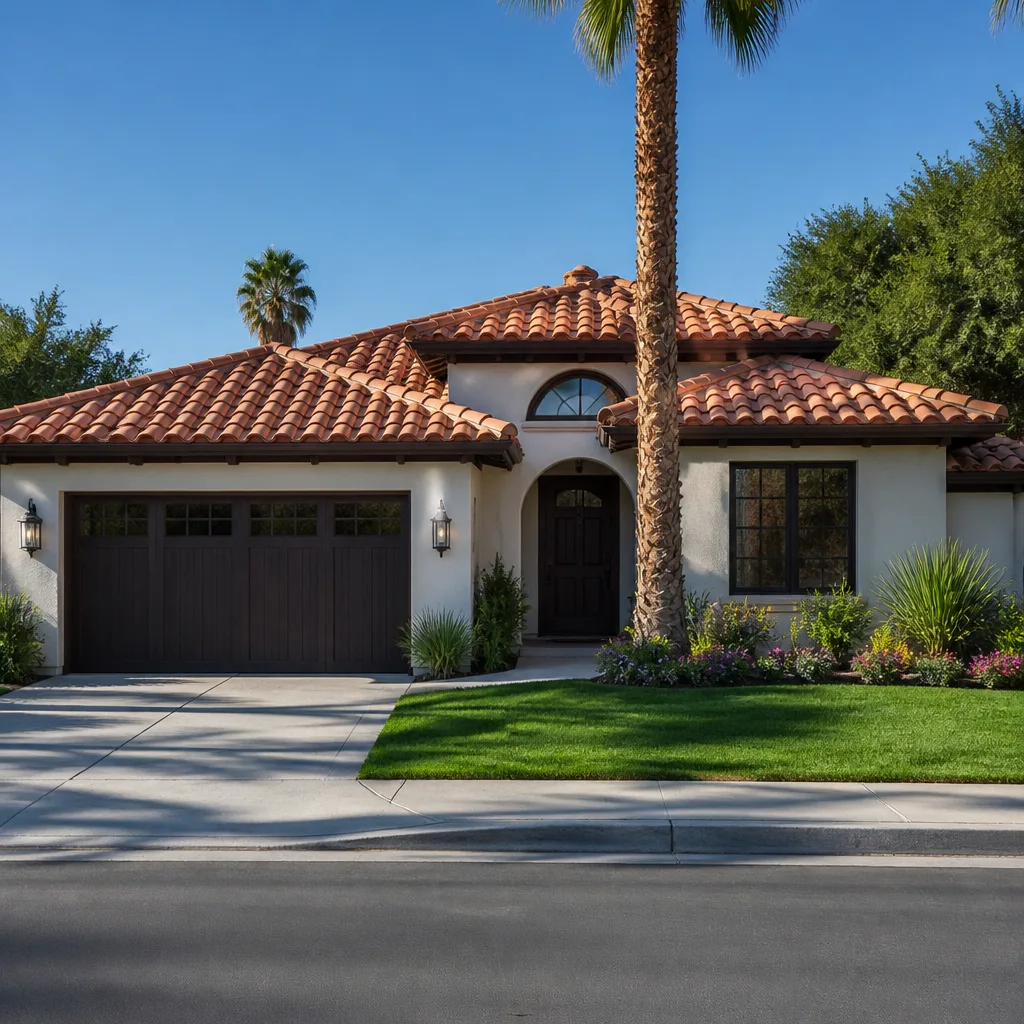
Concrete tile roof replacement in Spring Valley, NV runs $18,000-$38,000 for a typical 2,000-2,800 sq ft tract home, and roughly 30-40% of that budget goes to the waterproofing layer nobody sees. Not the tile. The underlayment. Walk a Spring Valley neighborhood and the roofs look intact. But under those tiles, the original #30 felt installed in the mid-1990s has been baking at 150°F surface temperature every summer for 25 years. The tile is decorative. The underlayment keeps water out. In most of these homes, it’s gone. Call (888) 329-9414 for a free roof estimate with upfront, no-surprise pricing.
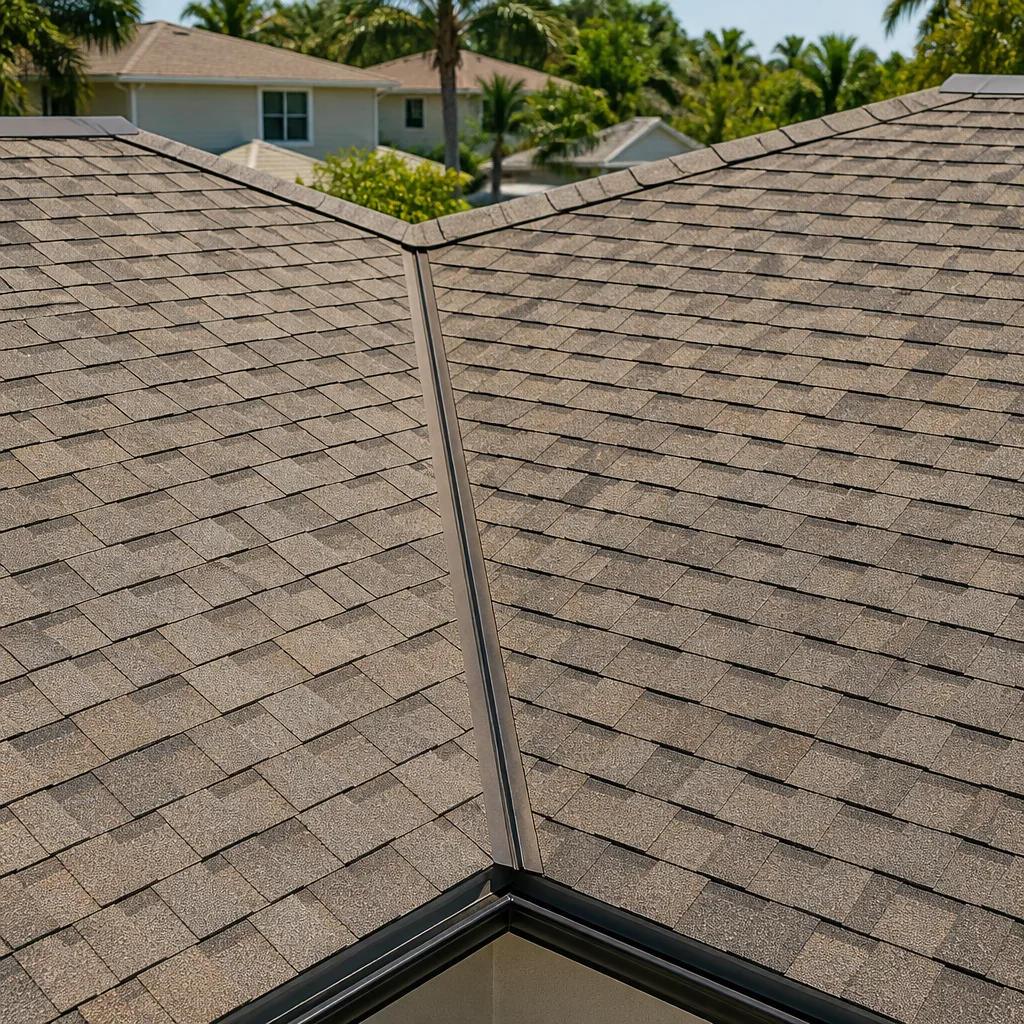
Why Spring Valley’s Tile Roofs Fail From the Inside Out
Spring Valley’s housing stock is mostly 1990s-2000s stucco-and-tile tract homes, and those roofs were built with felt underlayment graded for about 15 years of service. Under a temperate-climate assumption, that math works. Under a Mojave Desert sun, it doesn’t. Concrete tile surface temperatures in Spring Valley routinely hit 150-170°F in July and August, and that radiant heat cooks the felt from above and below. Standard felt breaks down two to three times faster than the manufacturer’s estimate when it’s been sitting under tile that hot for two decades.
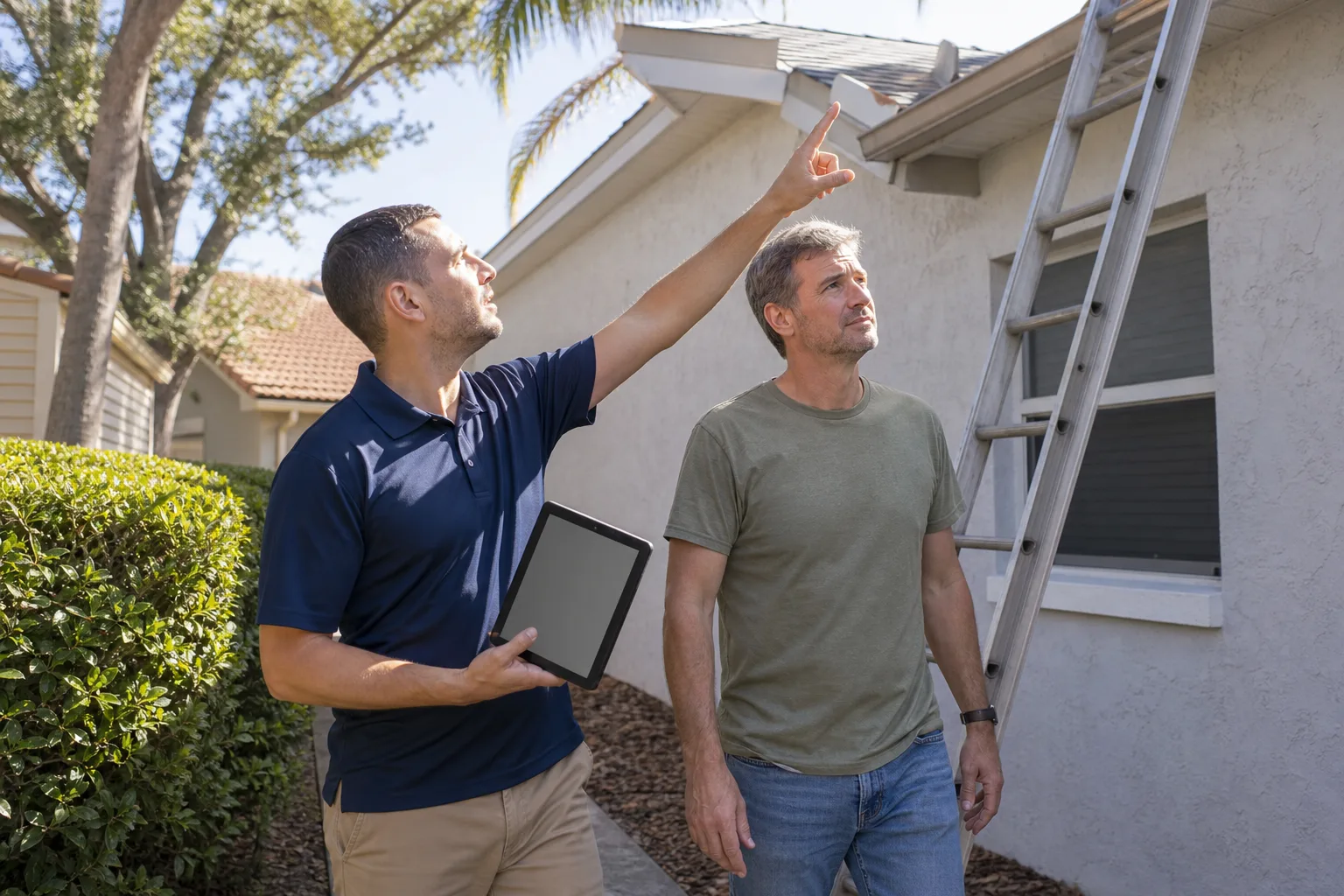
That’s why a 25-year-old Spring Valley tile roof can pass a curb-appearance test and still be leaking into the attic sheathing. The tile is doing its job – shedding sun and looking right. The underlayment underneath has been chalk and dust for years, and the next monsoon downpour finds every gap. This is the single most common roof call we get in Spring Valley, and it’s why our walkthroughs start under the tiles, not on top of them.
What a Spring Valley Tile Roof Replacement Actually Costs
Here’s the honest line-item breakdown. Every reputable Spring Valley roofer should be able to show you roughly this structure, and if a bid doesn’t break out underlayment and tile breakage separately, ask why.
| Line Item | Typical Cost Range |
|---|---|
| Synthetic underlayment (high-UV rated) + labor | $5,500-$11,000 |
| Flashing, pipe boots, and valley rework | $1,800-$4,200 |
| Replacement tile for breakage (15-25%) | $4,000-$9,500 |
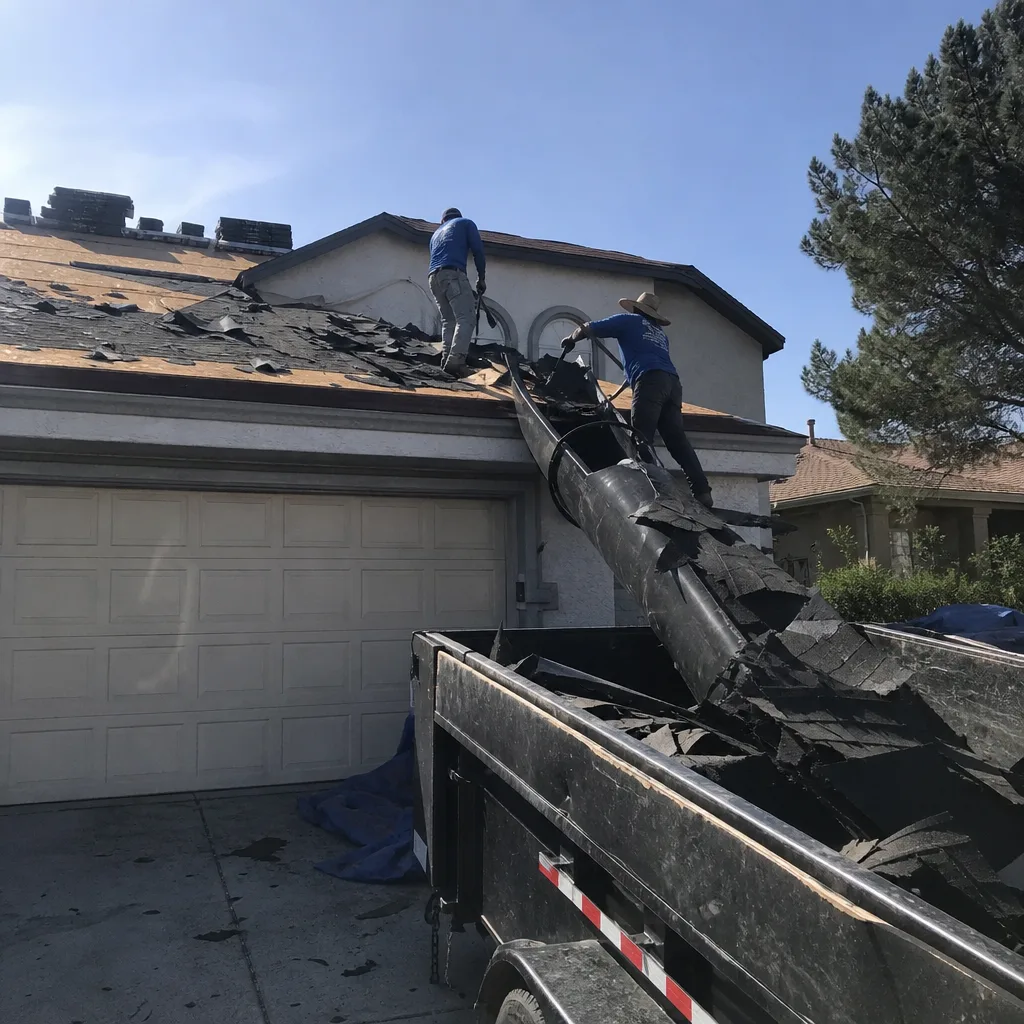
| Tile removal and disposal | $2,500-$5,200 |
| Roof replacement total (2,000-2,800 sq ft) | $18,000-$38,000 |
A more general roof replacement on a smaller or shingle-roof home typically lands in the $8,000-$20,000 range, while full concrete tile replacement on these larger Spring Valley homes sits at the top of the spread. Spot repairs, by contrast, run $400-$1,800, and tile-specific repairs run $600-$2,500. If you want the broader view of what our Roofing division handles across every roof type and home size, that’s where to look.
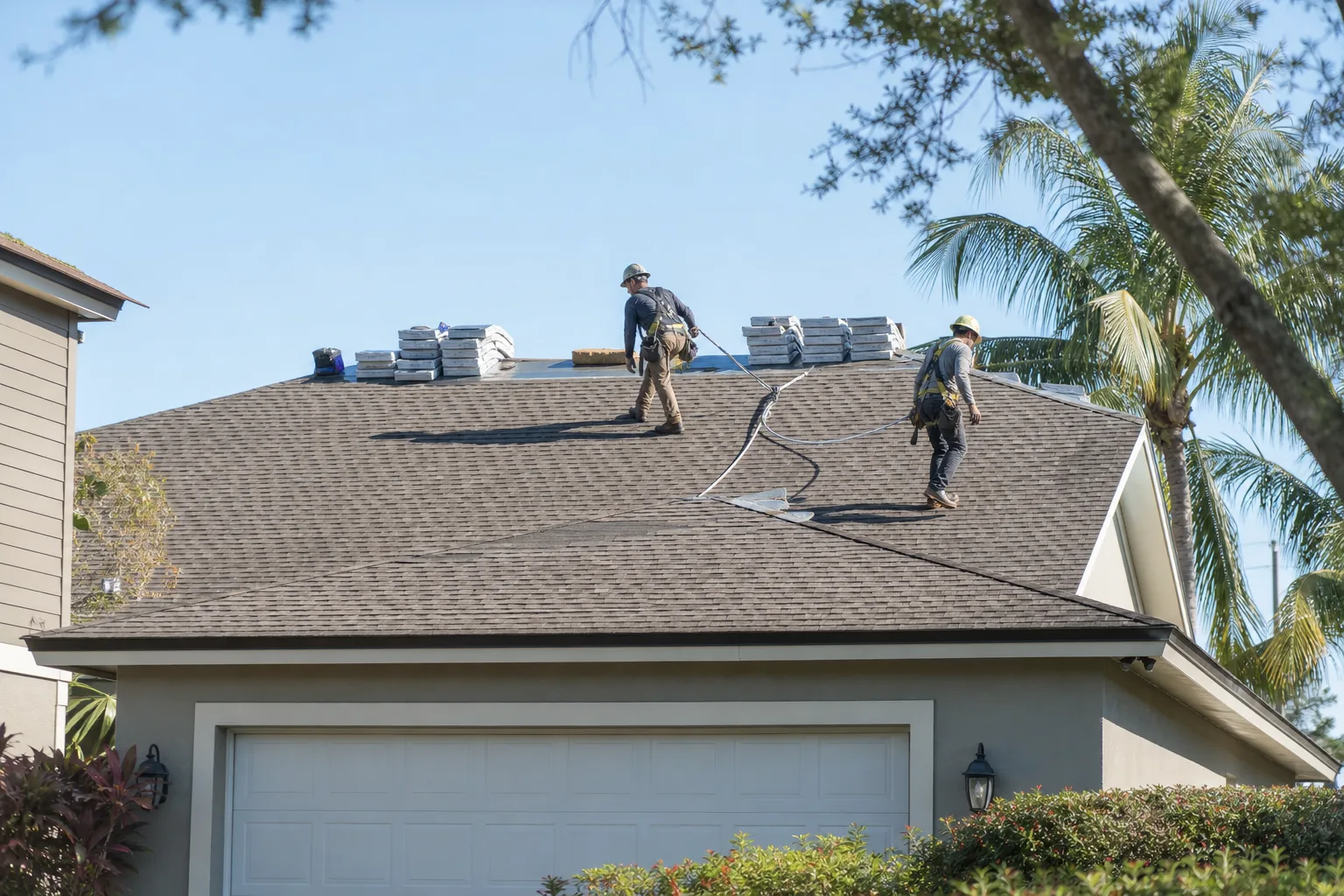
The Underlayment Is the Whole Ballgame – Spec It Right
Standard #30 felt is a fine product on a shaded roof in a mild climate. In Spring Valley, it’s the wrong spec, not a budget option. The correct material for this market is a synthetic underlayment rated for direct, sustained UV exposure and high heat – and GAF and Owens Corning both make one with documented desert performance data and warranties in the 25-50 year range. We specify those two brands for exactly that reason: the performance testing exists, and it’s specific to the conditions our homes live in. Their warranty documentation matches what we’re asking the material to do here.
What to look for in a spring Valley underlayment spec:
- Rated for high-UV and high-temperature installation under tile or metal
- 25-50 year material warranty backed by a documented desert test standard
- Non-woven synthetic, not felt, not paper-backed
- A written lap and fastener specification from the manufacturer, not from memory
- Spec sheet or data sheet attached to the bid
Two other things break a desert roof faster than they would anywhere else: the extreme thermal swing in Spring Valley between 110°F summers and near-freezing winter nights, which expands and contracts every joint and seal on the roof plane; and the monsoon downpours that hit the valley in July and August, testing every flashing detail in about 45 minutes. Both are the reason a full roof replacement in this climate should budget for quality underlay and real flashing, not the lowest bid on the tile itself. For homeowners comparing that scope against other exterior projects, our Spring Valley service area page shows how roofing fits with window, drive, and envelope work.
Reusing Your Existing Tile: What Most Bids Get Wrong
Here’s a line item that disappears from low-bid quotes. On a 20-year-old Spring Valley concrete tile roof, the tiles themselves are often brittle. Walking a 2,000 sq ft tile roof to access the entire underlayment plane means breakage, and breakage on a 25-year-old tile is not a rounding error. Typically you need to budget for 15-25% new tile to replace what comes off – some crews recover 80%, some 90%, and a fair bid carries a real allowance for the rest. If a proposal quotes tile reuse with no breakage allowance, it’s not a lower price. It’s a gap that gets filled with a change order at the worst possible moment.
Backed Through Two Monsoon Seasons, in Writing
Flashing errors and underlayment lap mistakes don’t show up on a dry April walkthrough. They show up when a July or August monsoon dumps an inch of rain on Spring Valley in an hour, and any gap gets found inside 60 days of installation. That’s why every Groundwork roof project is covered by our 730-Day Done Right Promise – two full years, two monsoon cycles, and if the work isn’t right, we make it right. Most Spring Valley roof warranties run 12 months or less. Our technicians have up to 12 years of roofing experience, and they’re background-checked and arrive in uniform on every job, with brand partners like GAF and Owens Corning spec’d in writing. For the full-scope, one-contractor view across every trade and project type, see home.
FAQs
Concrete tile roof replacement in Spring Valley runs $18,000-$38,000 for a typical 2,000-2,800 sq ft home, and standard asphalt shingle or smaller roof replacements sit in the $8,000-$20,000 range. Underlayment is the biggest single cost driver at 30-40% of the total. Call (888) 329-9414 for an exact figure – estimates are free and pricing is upfront.
If the underlayment is original and 20+ years old, repair is rarely cheaper long-term – a $600-$2,500 tile repair on a failed membrane is patching symptoms. On roofs under 15 years old with intact underlay, targeted repair in the $400-$1,800 range is the right call. A walkthrough will tell you which you’re looking at. Call (888) 329-9414 to schedule a free estimate.
Yes, but expect breakage – on a 25-year-old Spring Valley roof, roughly 15-25% of tiles will break during removal and need replacing. A bid that allows for new tile is normal; a bid that promises 100% reuse isn’t. Call (888) 329-9414 and we’ll walk the roof and give you a realistic reuse number before you commit.
Yes – a live person answers our phones 24/7, so a real estimate gets scheduled, not a voicemail. Roof leaks and storm damage get priority. Call (888) 329-9414 any time, day or night, for a free project estimate and design consult.
Get a Straight Roof Replacement Number
If your Spring Valley tile roof is 20+ years old, the tile may be fine while the waterproofing under it has already failed. A free walkthrough tells you which, and the bid comes with the underlayment, flashing, and tile breakage broken out line by line – not lumped into one number. Call Groundwork Construction Co. of Spring Valley at (888) 329-9414, a live person answers 24/7. Upfront pricing, 0% financing for 18 months, and $1,000 off projects over $10,000.
Written by the team at Groundwork Construction Co. of Spring Valley, serving Spring Valley, NV.
What Our Customers Say
"The finished work is exactly what we wanted. It did run about three weeks over, mostly waiting on a cabinet delivery that was out of his hands, though I would have liked more updates during that stretch."
- Dev Sharma"He pulled the permits himself, scheduled every sub and ran the inspections. I made one decision a week and otherwise stayed out of it, which is exactly what I was paying for."
- Robert Sullivan"He told me one part of what I wanted was a bad idea structurally and offered an alternative instead of just taking the money."
- Angela Wong