Free written scope consultation - allowances, timeline, and change-order rules on paper before a single trade is scheduled
Styles & brands we work with
- Kitchen remodeling
- Bathroom remodeling
- Home additions & ADU
- Roofing
- Windows & doors
- Driveway & pavers
- Fence
See the difference
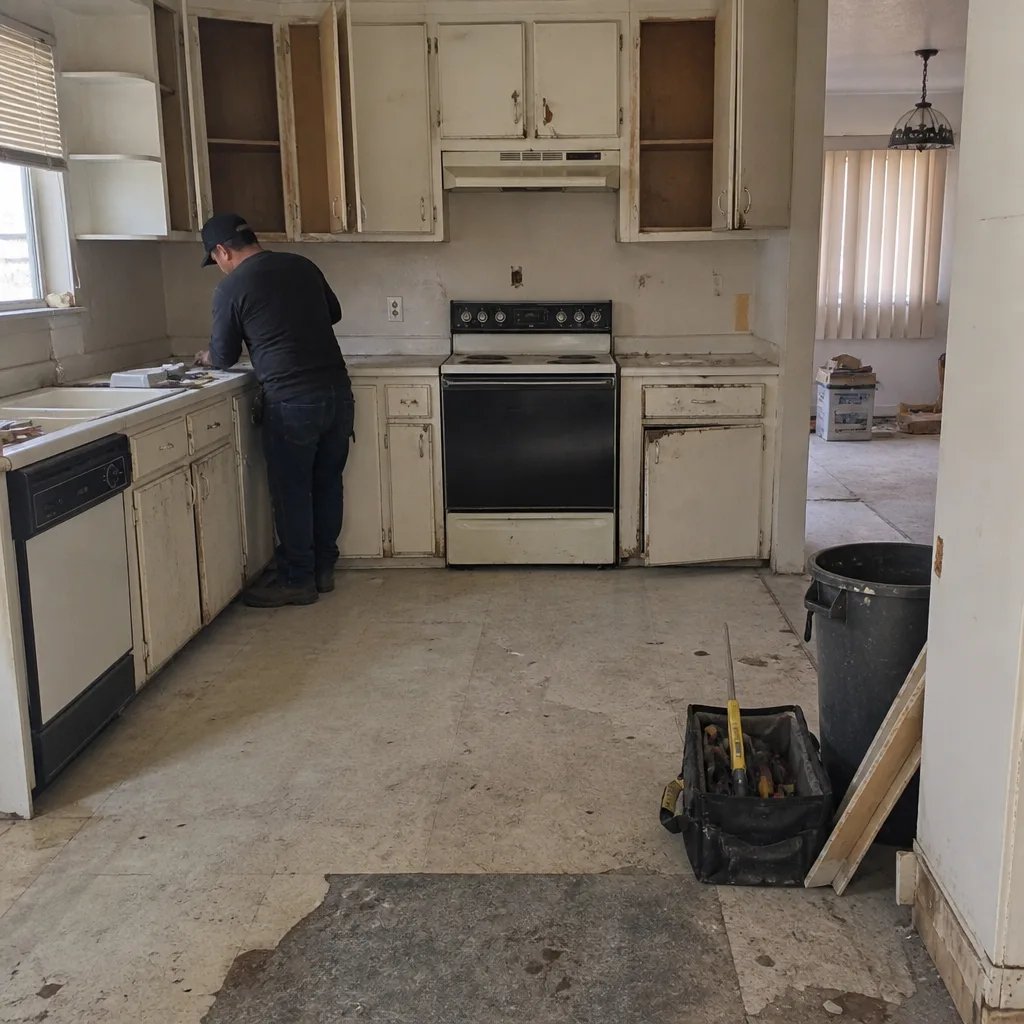 Before
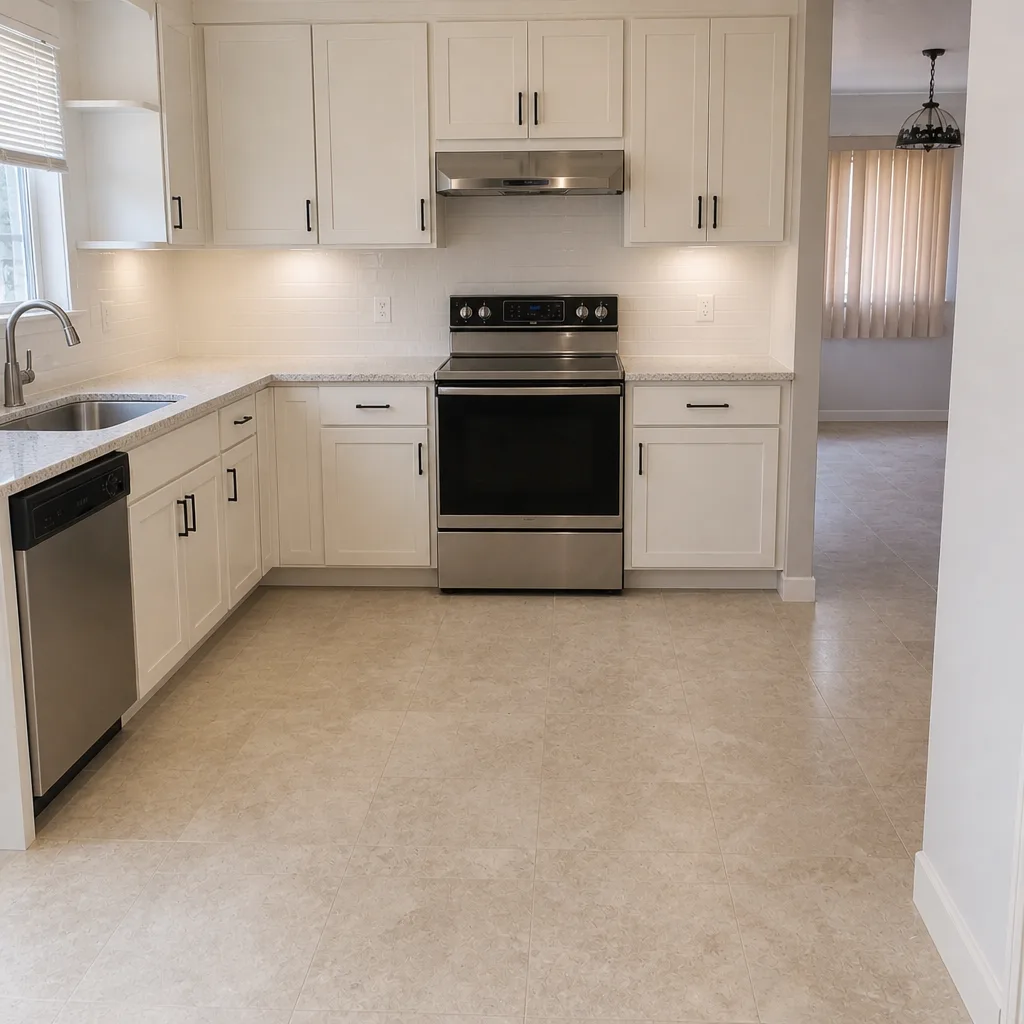 After
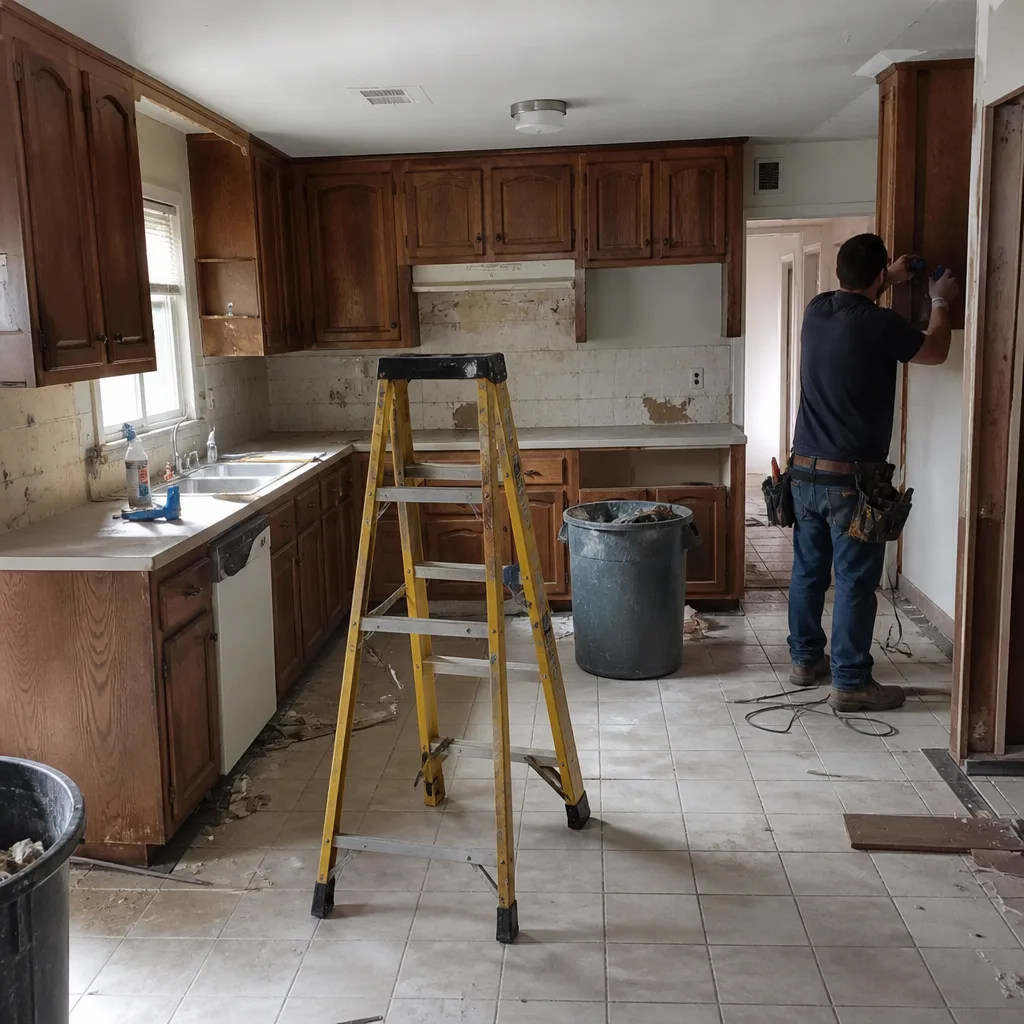 Before
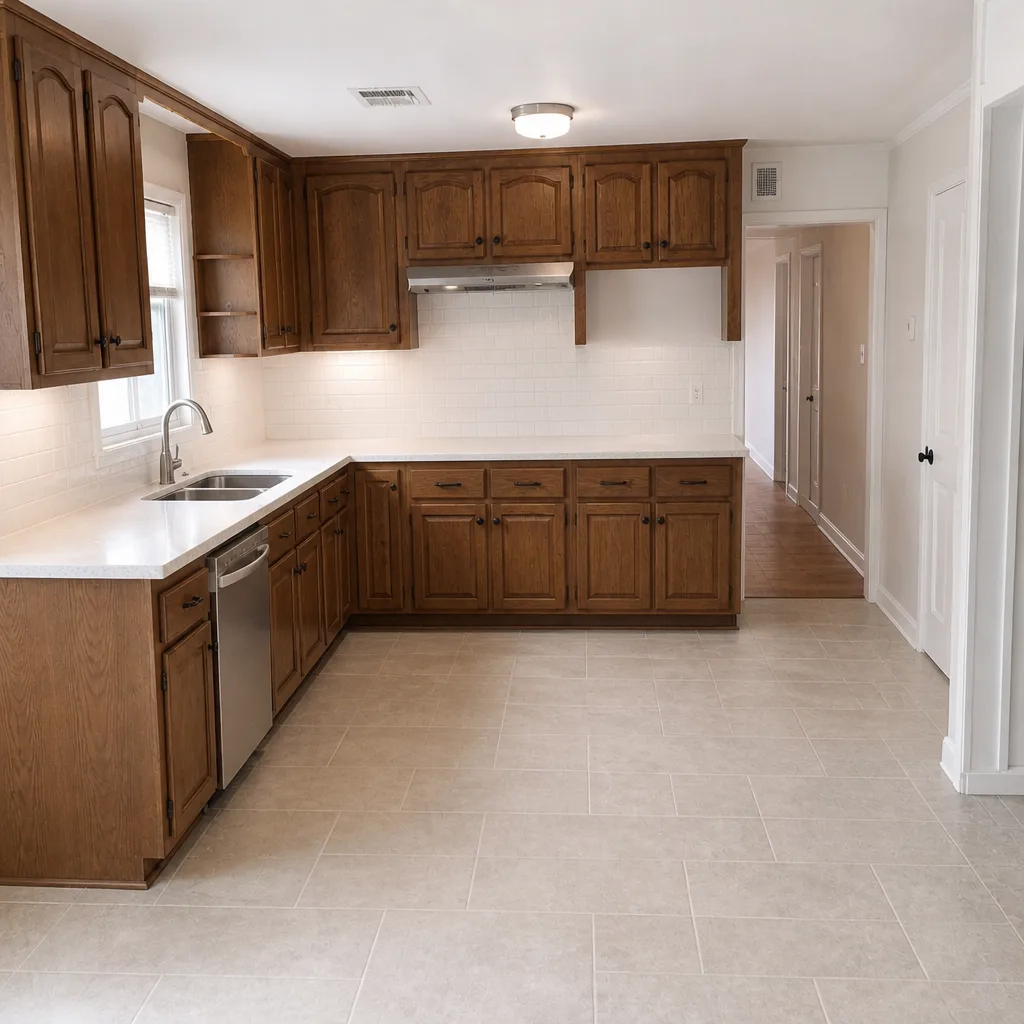 After
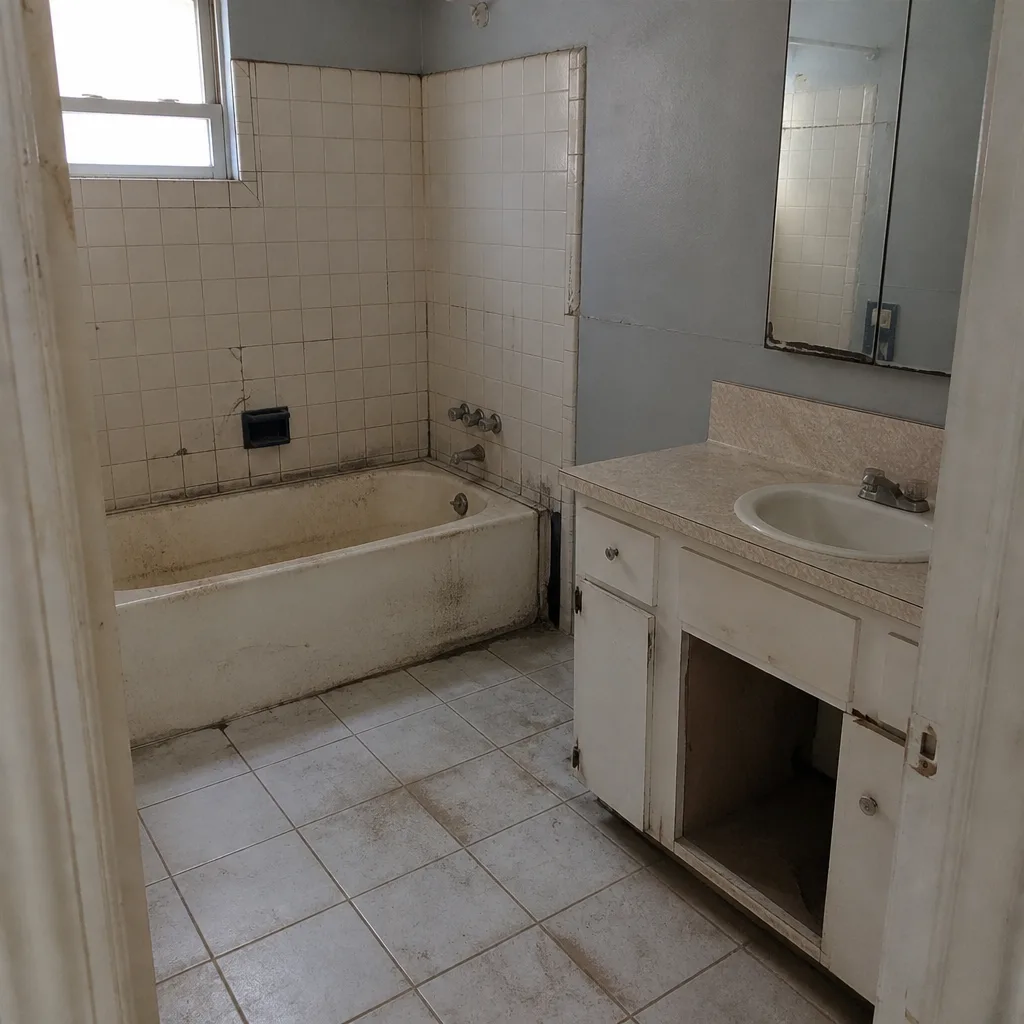 Before
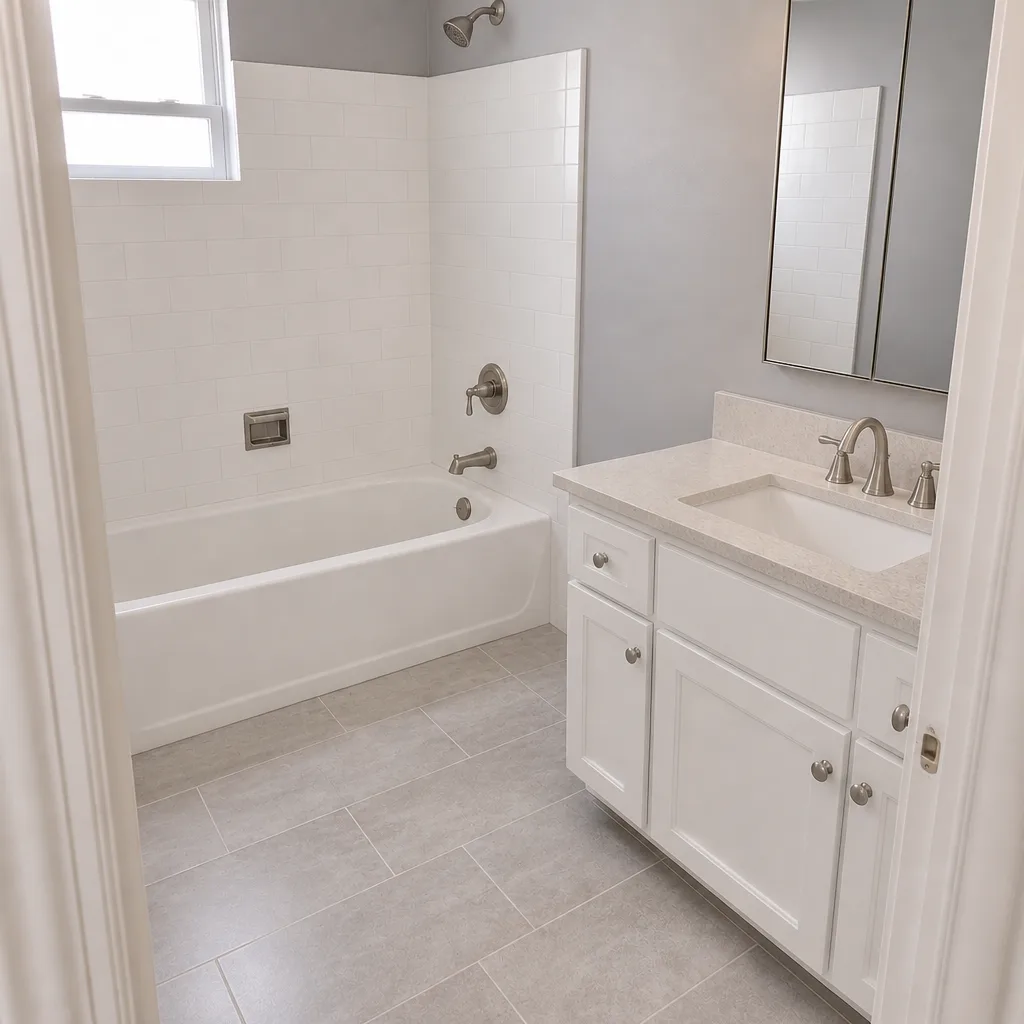 After
Wrought Iron Fence Cost in Spring Valley, NV: What You’ll Actually Pay
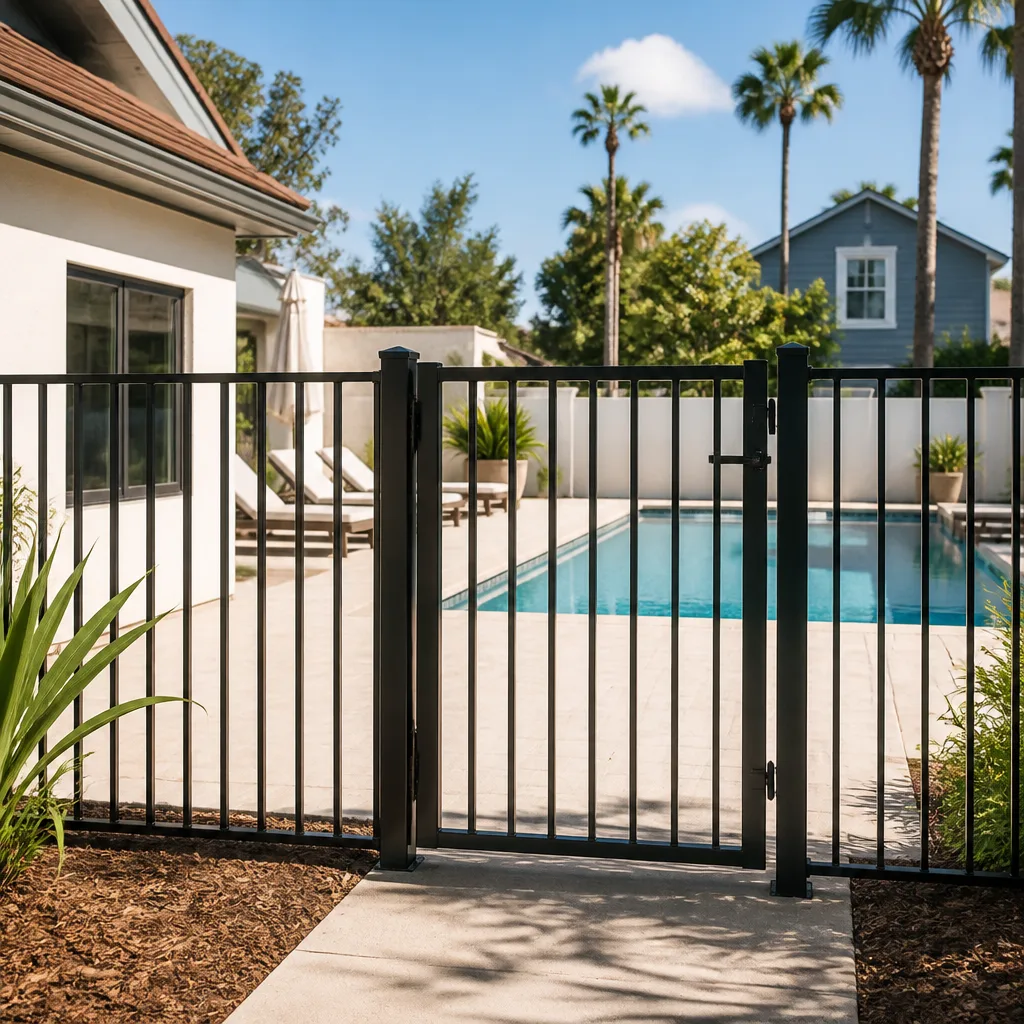
Wrought iron fence costs $30-$60 per foot installed in Spring Valley, which works out to roughly $3,500-$9,000 for a typical residential run. The $30 gap between the low and high end is almost entirely about paint and weld quality, not the iron itself. In the Mojave climate, a cheap powder coat fails from UV long before wet weather ever rusts bare metal. Call Groundwork Construction Co. of Spring Valley at (888) 329-9414 for upfront pricing on your exact layout.
Spring Valley’s housing stock is mostly 1990s-2000s stucco-and-tile tract homes and gated master-plan subdivisions, and a lot of that construction sits on expansive desert soils at the edge of the valley. Summer highs top 110°F, winter nights dip to freezing, and that swing does a number on exterior materials. Fence panels live through the worst of it on a sun-facing lot.
Key Takeaways
- Installed ornamental iron in Spring Valley runs $30-$60 per linear foot, or $3,500-$9,000 for most front-yard projects.
- Most residential “wrought iron” is actually tubular steel ornamental iron – real forged wrought iron costs considerably more and rarely makes sense for a home fence.
- UV-driven coating failure, not moisture rust, is the main long-term enemy of an iron fence here.
- HOA design approval near Rhodes Ranch and western Spring Valley adds 2-4 weeks to the schedule, so plan for it before ordering materials.
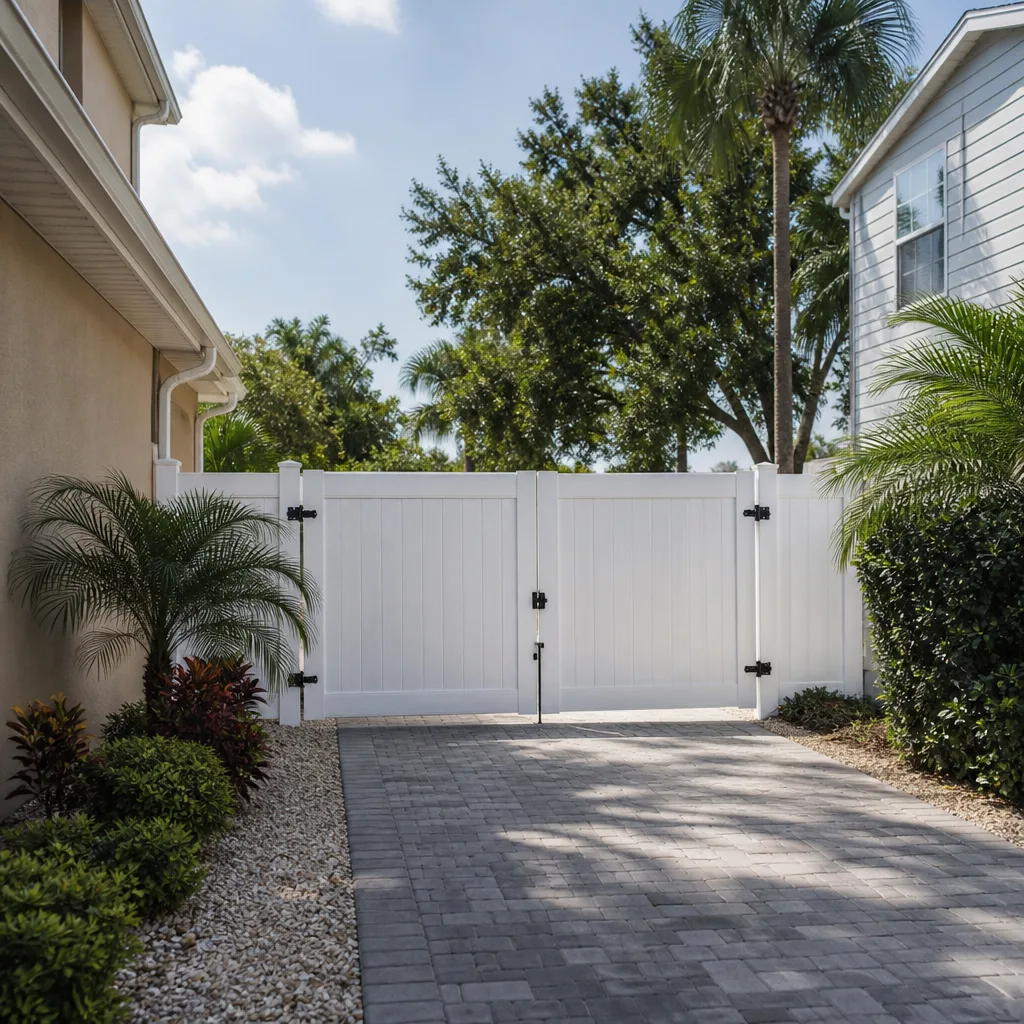
Real Wrought Iron vs. Ornamental Steel: Which Are You Actually Buying?
Almost every residential fence marketed as “wrought iron” in Spring Valley is tubular steel ornamental iron. True wrought iron is forged from a low-carbon iron with a fibrous slag inclusion; it’s softer, welds differently, and costs well beyond what most homeowners budget for a fence. You’ll find it on historic restorations, not on a subdivision side yard.
Ornamental steel is a fine choice when it’s built right. The metal is stronger per pound than what old wrought iron offered, and it takes a coating system just as well. What separates a fence that lasts 25 years from one that looks tired in five isn’t the name on the box – it’s the gauge of the steel, the quality of the welds, and the paint system applied over it.
Ask three questions before you sign anything: What gauge is the picket and rail? Are the welds ground smooth or left raw? And is the finish a two-part system or a single coat? A contractor who can’t answer all three from memory is quoting a production-line product.
Why Paint Quality Matters More Than Iron Grade in the Desert
In humid markets, iron fences fail from the inside out – moisture gets behind a scratch and rusts the metal. Spring Valley doesn’t work that way. We get about four inches of rain a year, and most of it arrives in monsoon bursts. What actually kills a fence finish here is the sun.
Mojave UV breaks down the chemical bonds in a powder coat or paint film. First the color fades, then the surface chalks (a powdery white film), then micro-cracks open up. Once the coating is compromised, the steel underneath starts to oxidize – and by then the damage is well past a touch-up.
That’s why we specify a two-part epoxy primer under a powder coat on every ornamental iron install. The epoxy primer bonds to the prepared steel and resists corrosion at the substrate; the powder coat on top handles UV and abrasion. It’s the same layered approach used on commercial railings that sit in the sun all day. If a bid lists only “powder coated black” with no primer spec, you’re buying a finish that will chalk within a few summers.
Thermal Expansion: The Detail That Separates a Good Install From a Bad One
On a south-facing lot in Spring Valley, an iron fence panel can hit surface temperatures above 160°F in July. That heat drives expansion. When the temperature drops 40 degrees overnight, the panel contracts. Do that for a few thousand cycles and any panel installed with tight, no-slop connections develops stress at the welds.
A stress crack isn’t a cosmetic problem. It’s a rust entry point, and once water gets in, the failure moves fast. Good installation allows for movement: slotted brackets at the posts, expansion gaps at the rail ends, and anchored posts set deep enough in concrete to absorb the shift without pulling the panels out of alignment.
We’ve seen production-line jobs where panels were welded solid to posts with no allowance at all. Those are the fences you see with hairline cracks at the bottom rail by year six. If you’re comparing bids, ask how the installer handles expansion. Anyone who hasn’t thought about it is going to install the fence the same way they install everything else.
What Does a Wrought Iron Fence Cost in Spring Valley?
Here’s how the line items break down on a typical residential ornamental iron job. These ranges cover materials and installation for a standard 48- to 60-inch fence at market rates in Spring Valley:
| Line Item | Typical Range |
|---|---|
| Ornamental iron fence panels (installed, per linear foot) | $30-$60 |
| Full residential fence install (typical front or side run) | $3,500-$9,000 |
| Posts, footings, and concrete | Included in per-foot cost |
| Single walk gate (installed) | $600-$1,400 |
| Double drive gate (installed) | $1,800-$4,500 |
| HOA design review and submittal (where required) | $0-$500 |
The numbers depend on linear footage, fence height, picket spacing, gate count, and how much site prep the ground requires. Sloped lots near Rhodes Ranch and the western edge of Spring Valley take more post-setting work than flat ground – longer posts, deeper footings, stepped panels. That’s a real line item, and a bid that ignores it isn’t a bid, it’s a guess.
For comparison on other materials, our Fence Installation in Spring Valley page covers vinyl and aluminum options side by side.
Does the HOA Add Time and Cost to a Spring Valley Iron Fence Project?
Yes, in most gated master-plan communities it does both. Front and side elevations in many Spring Valley HOAs are governed by architectural guidelines, and ornamental iron is often the required or strongly preferred material for street-facing runs. That’s good news for your property value. It’s less good news for your calendar.
Design review typically takes 2-4 weeks, sometimes longer if the board meets monthly. You’ll submit a drawing with height, color, picket spacing, and post style. Some boards want a sample of the finish color. Get that packet in early – the approval clock usually doesn’t start until the submittal is complete.
The alternative is installing first and asking forgiveness later, which we don’t recommend. Boards can require removal of a non-compliant fence, and that’s a five-figure mistake on a job this size. We handle the submittal drawings as part of the project scope so nothing stalls at the review stage.
What Should You Expect From the Crew Installing Your Fence?
Uniformed, background-checked technicians on every job. That’s a standing commitment on all our projects, not a marketing line. Our technicians have up to 12 years of experience, and the crews who set posts and weld panels are the same people who come back to inspect the finish a year later.
Every ornamental iron install is backed by our 730-Day Done Right Promise – workmanship coverage that reaches finish adhesion and weld integrity, not just the standard one-year labor warranty most fence contractors offer. That matters in a climate where finish failure shows up in year three or four. If the coating chalks or a weld cracks during the coverage window, we make it right, in writing.
We also offer upfront pricing with no surprises, 0% financing for 18 months, and $1,000 off projects over $10,000. If you want to compare this against the broader Fence Installation work we handle, including gates, repairs, and material upgrades, that page lays it out.
FAQs
Most residential ornamental iron fences in Spring Valley run $3,500-$9,000 installed, or $30-$60 per linear foot, depending on height, footage, and gate count. True forged wrought iron costs considerably more and is rarely specified for residential work. Call (888) 329-9414 for an exact quote on your property – estimates are free.
Repair is usually cheaper if the damage is isolated to a gate, a hinge, or one or two panels – typically a few hundred dollars. Replacement makes more sense when the powder coat has failed across multiple sections or when welds have cracked at stress points, because patching the finish rarely holds in Mojave UV. Call (888) 329-9414 and we’ll tell you which side of the line you’re on.
A two-part primer and powder coat system on properly prepared steel should hold up 20-25 years in Spring Valley’s climate, assuming expansion allowances were built into the install. A single-coat finish with no primer often shows chalk and fading in three to five summers. The coating spec, not the metal type, drives that number. Call (888) 329-9414 to talk through finish options.
Yes, and we handle the architectural submittal drawings as part of the project. Budget 2-4 weeks for HOA review in most Spring Valley master-plan communities before materials get ordered. Call (888) 329-9414 to start the estimate and the approval process at the same time.
Get an Upfront Price on Your Spring Valley Iron Fence
Wrought iron fencing is a long-term investment, and the price difference between a fence that lasts 25 years and one that fades in five is smaller than most homeowners expect. Groundwork Construction Co. of Spring Valley gives you a written number, a background-checked crew, and the 730-Day Done Right Promise behind every weld and every coat of finish. Call (888) 329-9414 for your free estimate and design consult – a live person answers, day or night.
Written by the team at Groundwork Construction Co. of Spring Valley, serving Spring Valley, NV.
What Our Customers Say
"The finished work is exactly what we wanted. It did run about three weeks over, mostly waiting on a cabinet delivery that was out of his hands, though I would have liked more updates during that stretch."
- Dev Sharma"He pulled the permits himself, scheduled every sub and ran the inspections. I made one decision a week and otherwise stayed out of it, which is exactly what I was paying for."
- Robert Sullivan"He told me one part of what I wanted was a bad idea structurally and offered an alternative instead of just taking the money."
- Angela Wong