Free written scope consultation - allowances, timeline, and change-order rules on paper before a single trade is scheduled
Styles & brands we work with
- Kitchen remodeling
- Bathroom remodeling
- Home additions & ADU
- Roofing
- Windows & doors
- Driveway & pavers
- Fence
See the difference
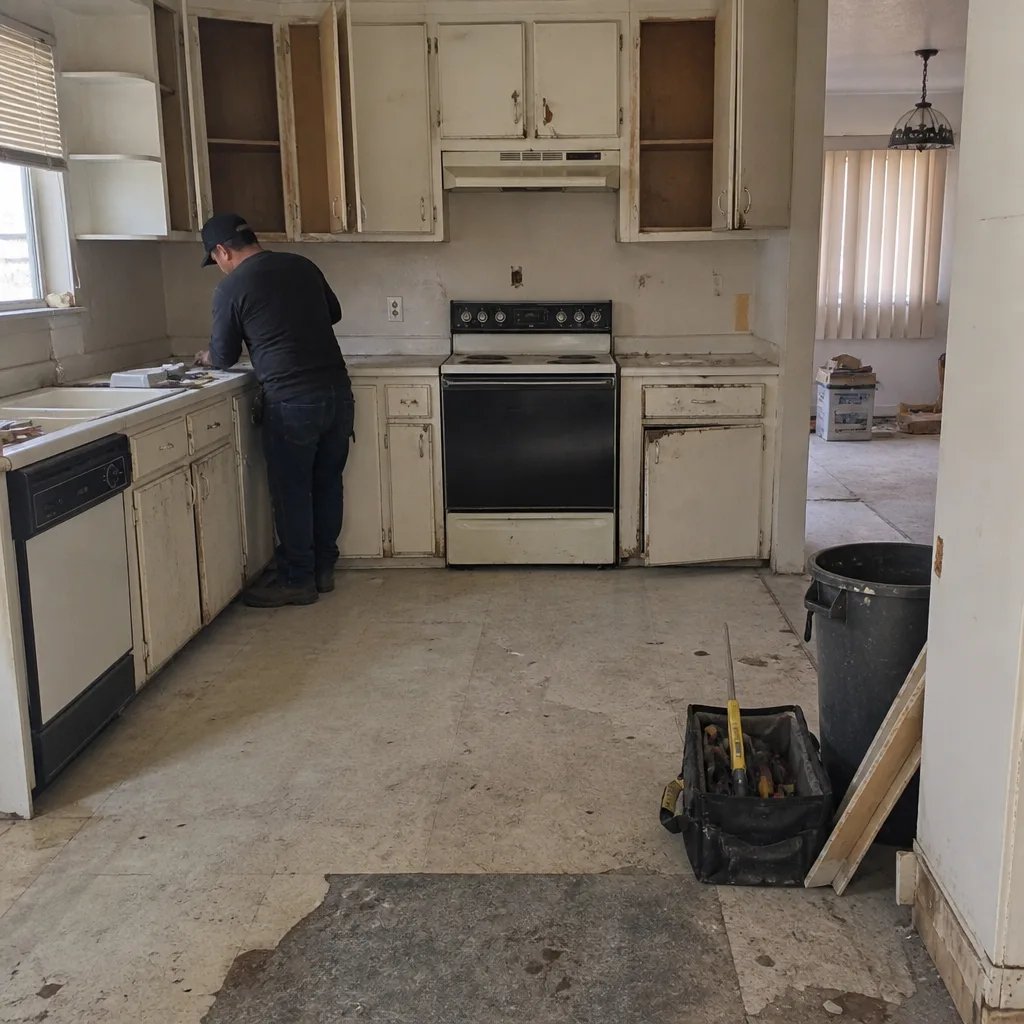 Before
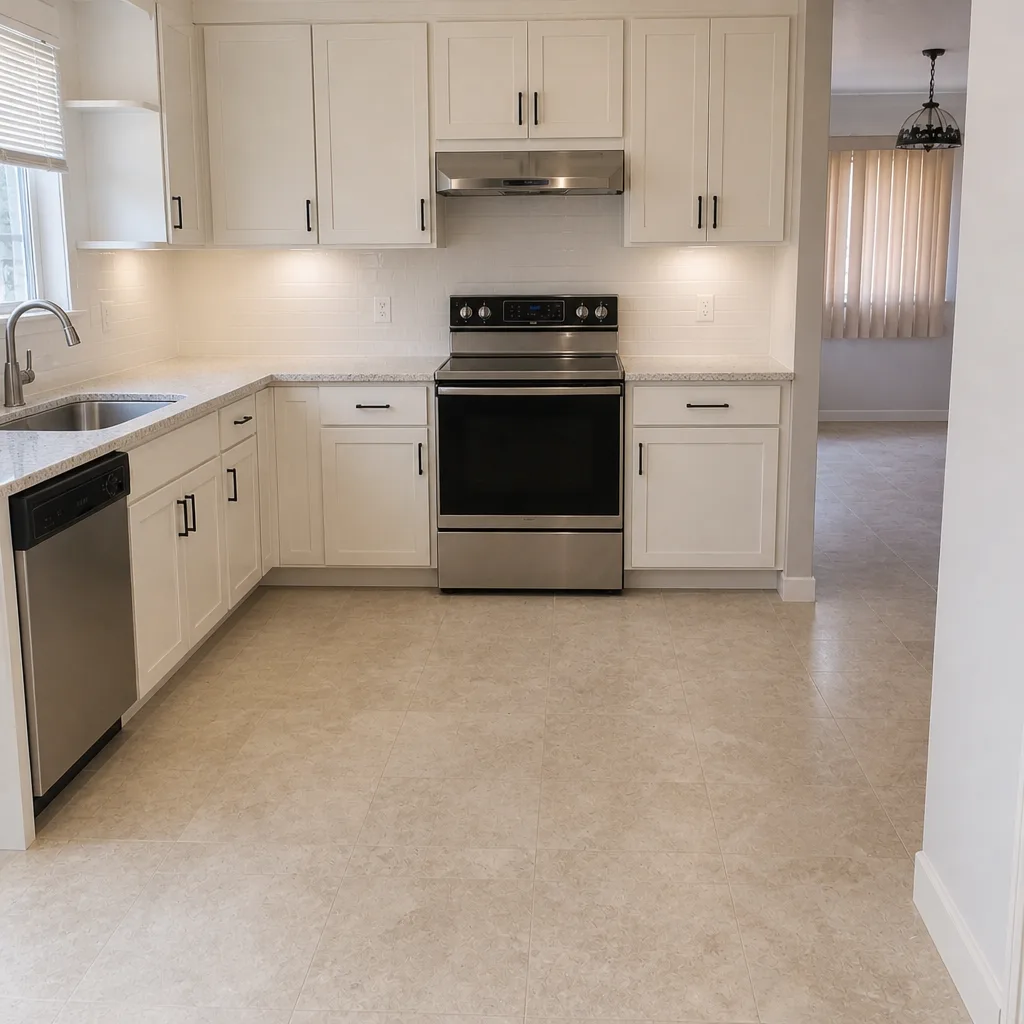 After
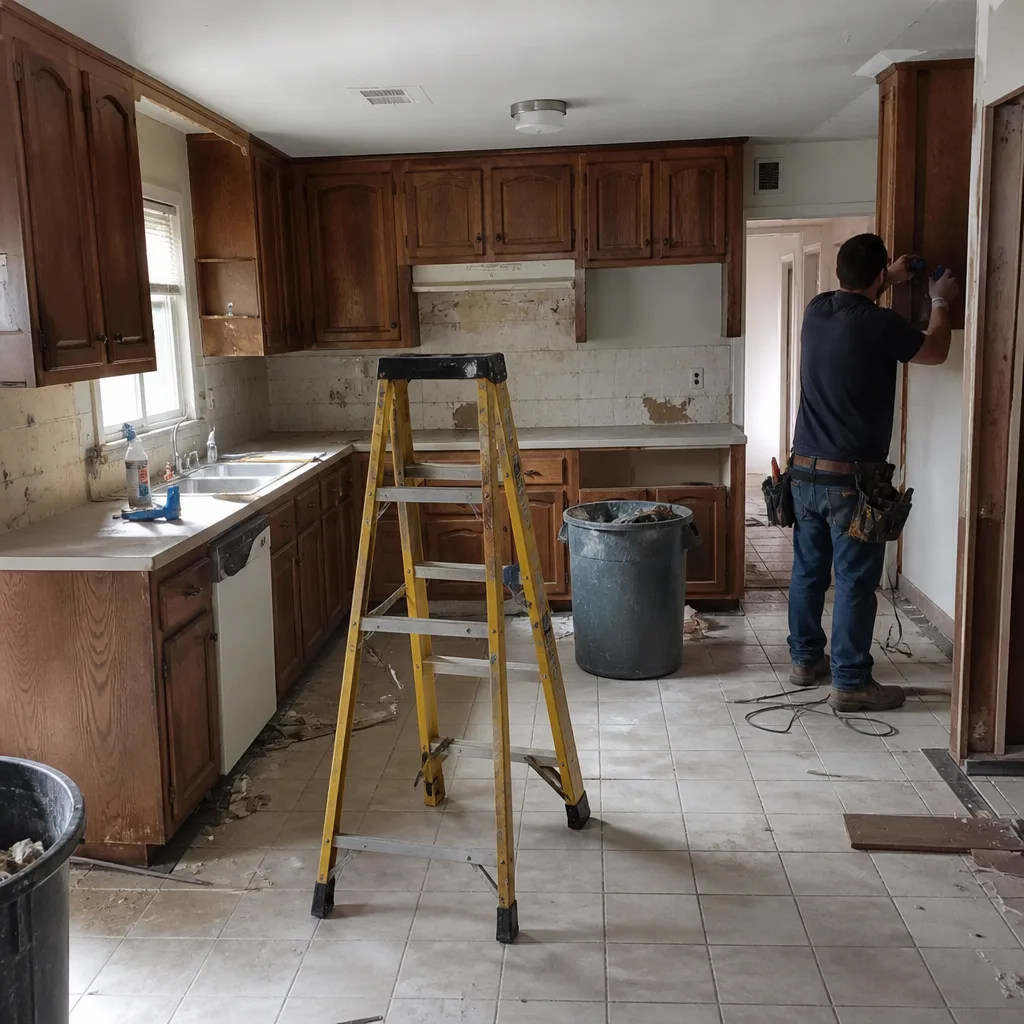 Before
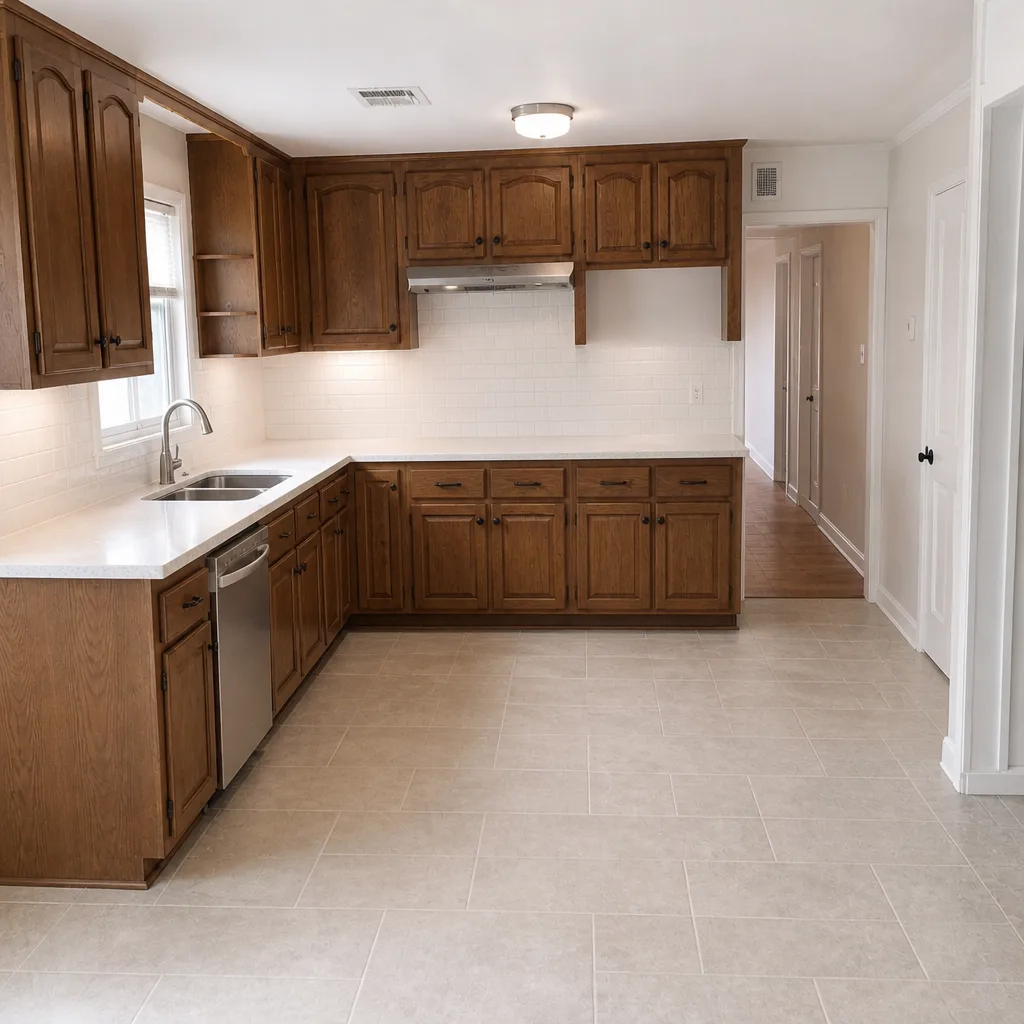 After
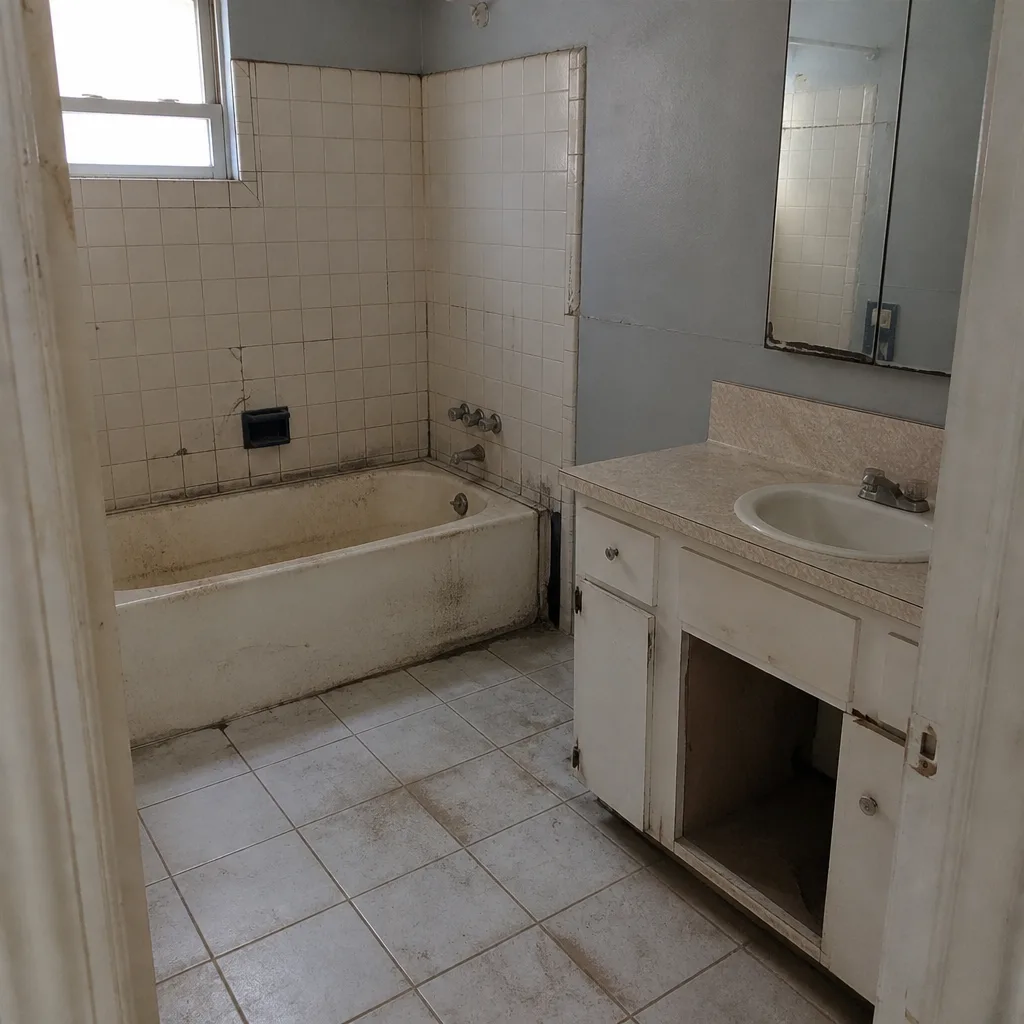 Before
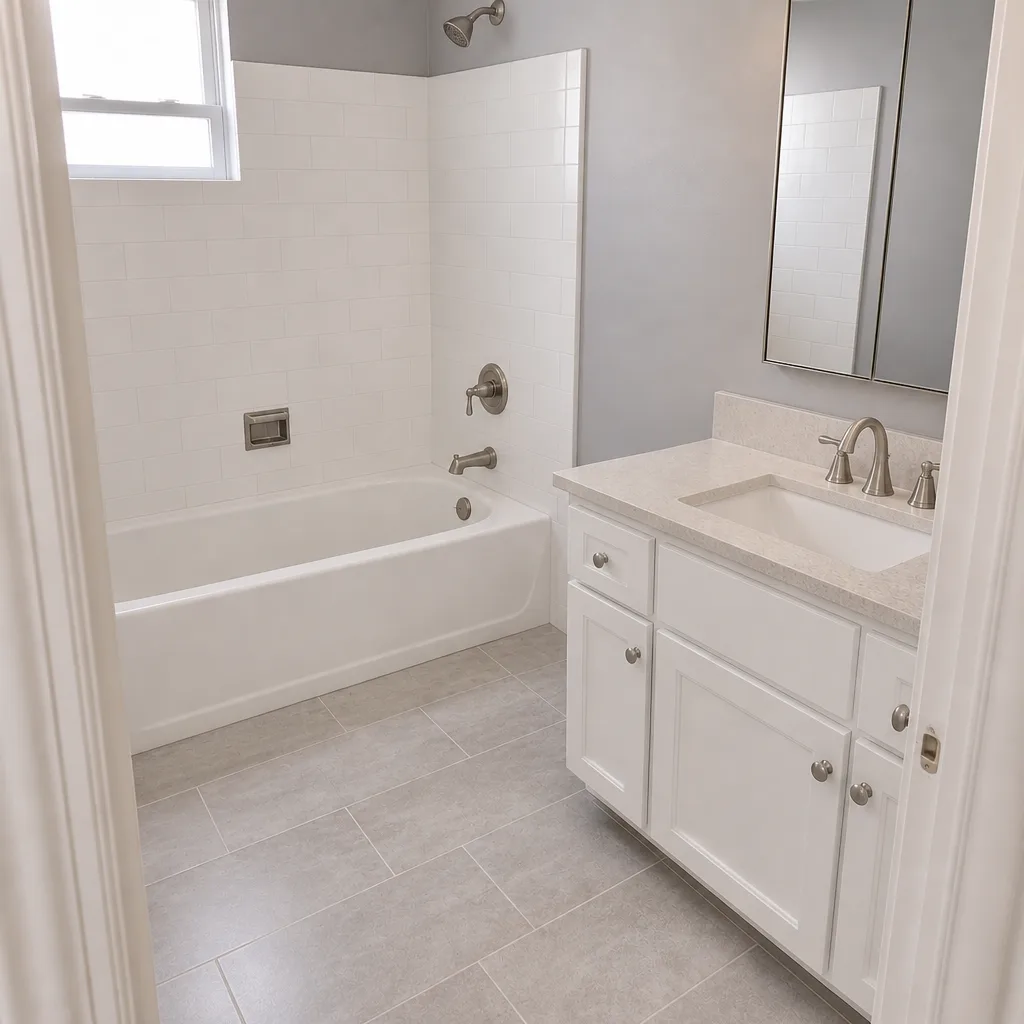 After
Driveway Sealing in Spring Valley, NV
Driveway sealing in Spring Valley typically costs between $0.35 and $0.75 per square foot, so most single-family driveways land somewhere between $450 and $1,100 for a proper two-coat job. Sealing locks out the desert sun, stops hairline cracks from spreading, and keeps your concrete or pavers from turning chalky gray. In a valley that swings from 110°F summers to near-freezing winter nights, that protective layer is the difference between a driveway that lasts decades and one that starts spalling after a few seasons.
Groundwork Construction Co. of Spring Valley handles the whole job from first walkthrough to final coat, backed by our 730-Day Done Right Promise. One call to (888) 329-9414 gets a live person, day or night, and a free on-site estimate with no pressure. If you’ve been putting off sealing because you’re not sure who to trust with it, that’s exactly the conversation to start.
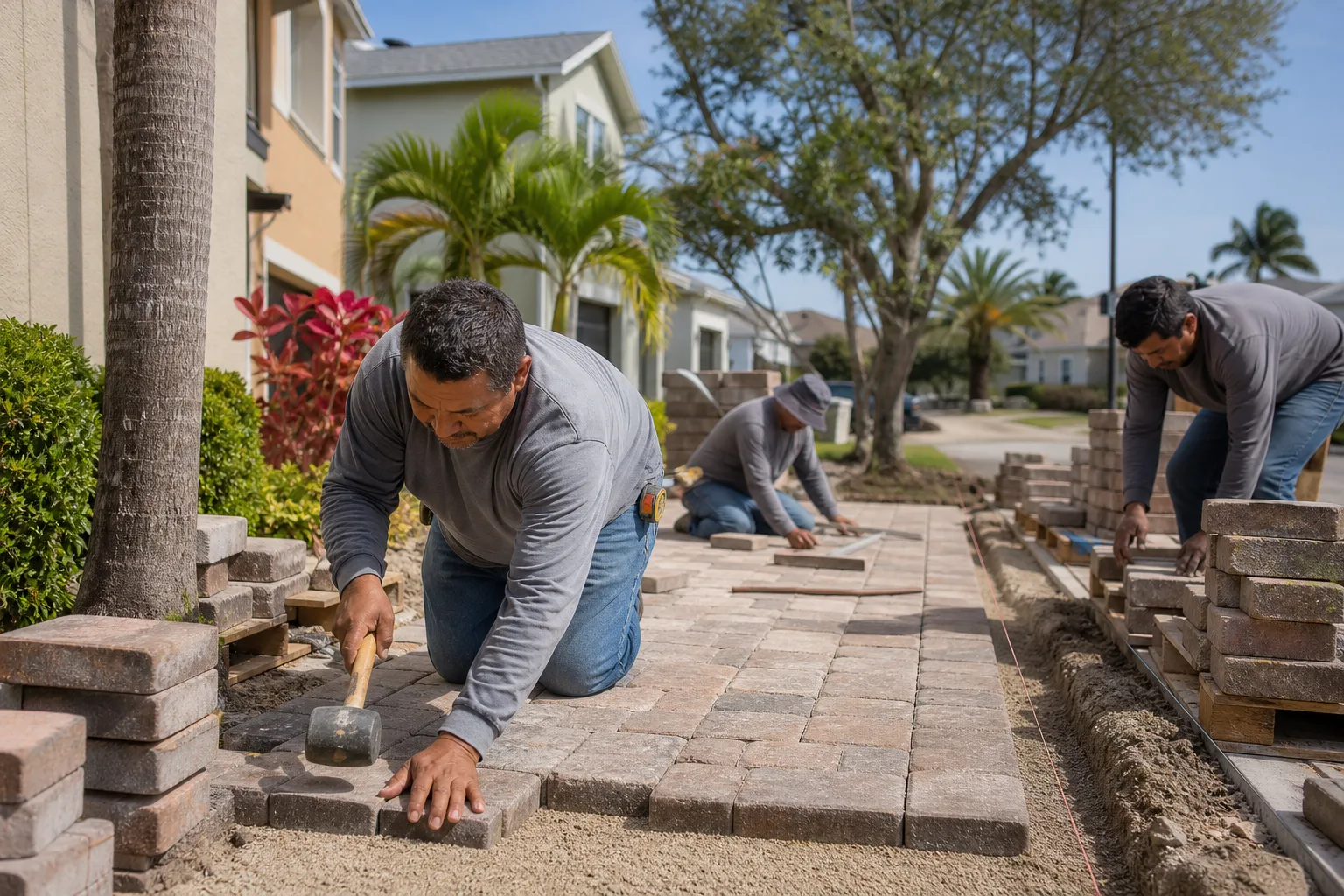
This is a focused part of the broader Driveway & Pavers in Spring Valley work we do, and it’s a natural follow-on to a new driveway install or a paver restoration. Sealing is also one of the smartest maintenance moves available for a driveway that’s already in decent shape. Whether you’ve got a stamped patio paver surface, a concrete apron, or a full Belgard or Techo-Bloc driveway, the right sealer applied correctly will extend its life and keep it looking sharp for years.
When You Need Driveway Sealing
You don’t need to diagnose the problem yourself. Here are the signs that usually mean it’s time, and the ones we see most often on Spring Valley driveways in particular.
- Your driveway looks faded or chalky. Southern Nevada’s UV load is brutal. Concrete and pavers that have gone pale and dusty are losing their surface binder to the sun. In Spring Valley, where summers stay above 100°F for weeks, that fade happens faster than most homeowners expect. A fresh seal restores the color and slows the breakdown.
- Fine hairline cracks are starting to show. Those spider-web cracks on a concrete driveway are usually a first warning. Sealing won’t fix a structural crack, but it stops water from getting in and freezing on a cold desert night, which is what turns a hairline into a real problem. We assess whether you need crack filling before sealing so the fix actually holds.
- Water is soaking in instead of beading up. A sealed surface repels water. If puddles sit and slowly disappear into the concrete, the surface has lost its protection and it’s time to reseal. This matters here because our occasional heavy monsoon downpours push a lot of water fast.
- You just had a new driveway or pavers installed. New work generally needs to cure before sealing. For concrete that’s typically a wait, for pavers it’s a cleaner and seal once the base has settled. We’ll tell you the right window so you don’t seal too early.
- You’re seeing sand working loose between pavers. On paver driveways, joint sand washing out is a good sign the surface needs attention. Sealing with a joint-sand stabilizing application locks the sand in place and stops the pavers from shifting. This is common on driveways we see in the Spring Valley neighborhoods near Rhodes Ranch and the southwest valley edge.
- It’s been several years since the last seal. Most driveways in this climate benefit from resealing every few years. If you can’t remember the last time your driveway got sealed, it’s probably past due.
If any of those sound familiar, a free estimate is the fastest way to get a straight answer instead of a sales pitch. That’s the upfront pricing, no surprises approach we take on every job.
Our Driveway Sealing Process
Sealing is only as good as the prep underneath it. A sealer sprayed over a dirty or cracked surface fails within a season. Here’s how we actually do it, in order.
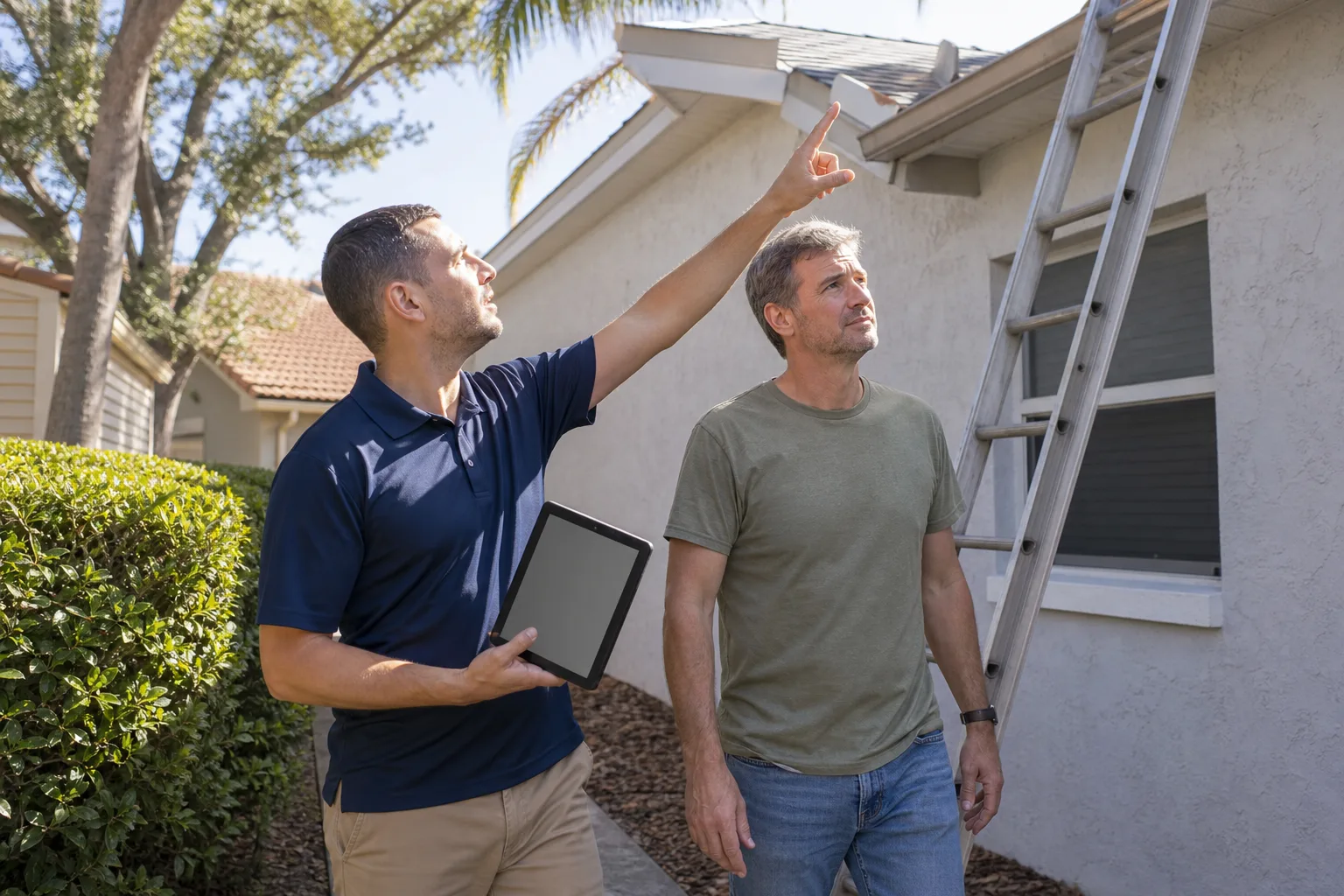
- On-site assessment and honest recommendations. We start by walking the driveway with you. We check for structural cracks, oil stains, failing joints, and areas where the surface is too far gone to seal. If sealing won’t solve the problem, we’ll say so and talk through your options. That might mean a repair or a full Driveway & Pavers replacement. The estimate is free either way.
- Deep cleaning. This is the step most people skip and most fly-by-night crews rush. We pressure-wash the entire surface and treat oil and rust stains so the sealer can actually bond. A driveway that isn’t clean won’t hold a seal, no matter what’s sprayed on top.
- Crack and joint repair. We route out and fill working cracks with a flexible sealant, then address popped joints or loose paver sand. Fixing these before sealing is what makes the finished surface last and what our 730-Day Done Right Promise backs. If it’s not done right, we make it right.
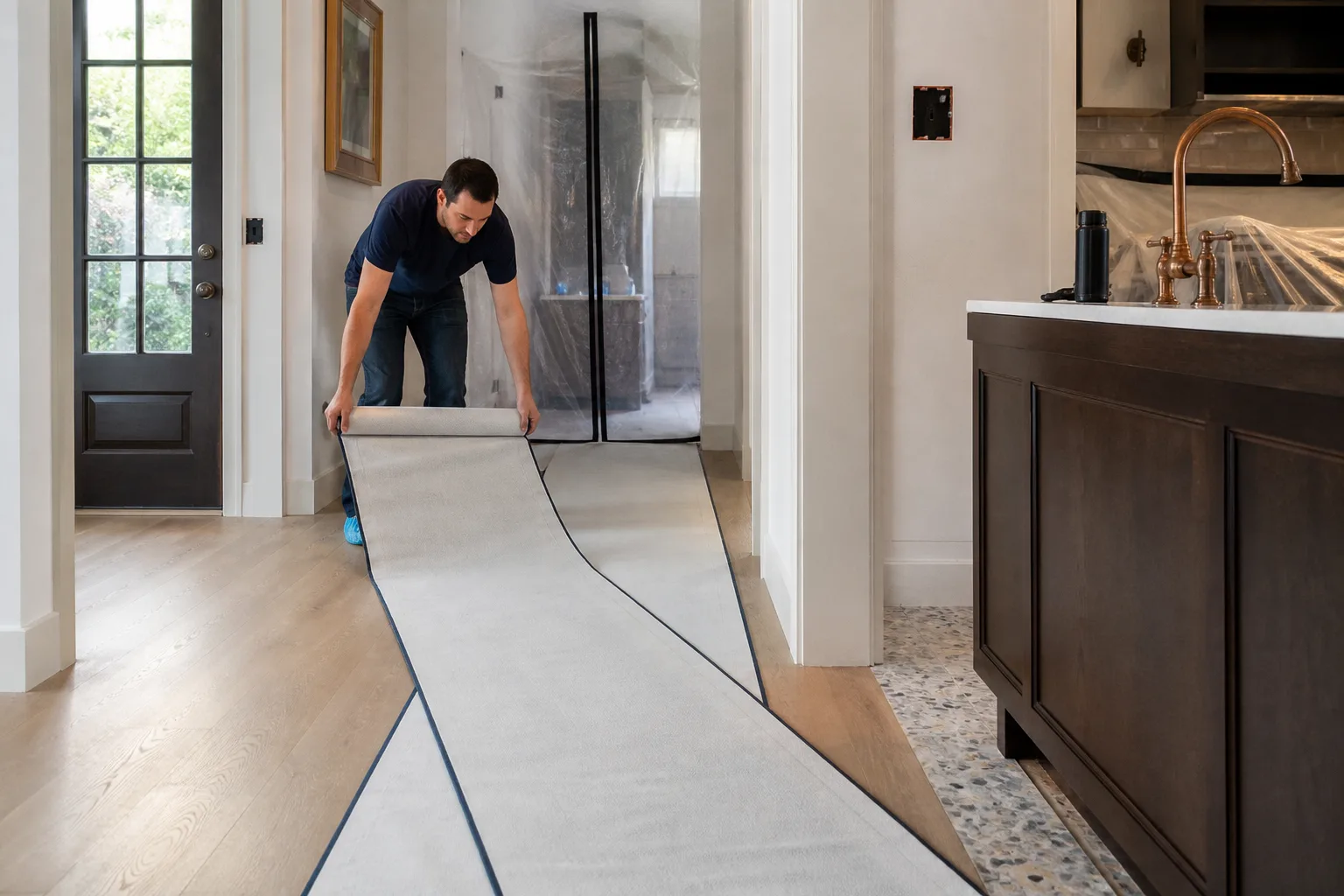
- Surface prep and masking. We mask off the garage door line, walkway edges, and any landscaping so the sealer goes exactly where it should and nowhere it shouldn’t. Prep work is where you can tell a real crew from a quick one.
- Two-coat application. We apply sealer evenly in two coats, allowing proper dry time between them. On concrete we use a penetrating or film-forming sealer depending on the surface. On pavers, we match the sealer to whether you want a natural matte look or a wet, color-enhanced finish. This is where material choice matters, which is why we partner with brands like Belgard and Tremron for paver surfaces.
- Final walkthrough and cleanup. Once cured, we walk the finished driveway with you, point out what we did, and hand you simple care instructions. Background-checked, uniformed technicians are on the job from start to finish, so you know exactly who’s on your property.
Most single-driveway sealing jobs are completed in a single visit, weather permitting. The surface needs a clean, dry drying window after application, so we time the work around Spring Valley weather rather than forcing it through a rain day.

Driveway Sealing Pricing in Spring Valley
Driveway sealing in Spring Valley generally runs $0.35 to $0.75 per square foot, and a typical two-car driveway of 400 to 900 square feet most often comes out to $450 to $1,100. Here’s a rough line-item breakdown of what drives the number, so you know what you’re paying for before anyone shows up.
| Item | Typical Range | What It Covers |
|---|---|---|
| Basic cleaning and one-coat seal | $0.35 – $0.50 / sq ft | Pressure wash and single-coat sealer on a sound surface |
| Two-coat seal with crack filling | $0.50 – $0.75 / sq ft | Deep clean, flexible crack repair, two coats, masking |
| Paver cleaning and sealing | $0.60 – $1.00 / sq ft | Joint-sand stabilization, color-enhancing or matte sealer |
| Oil and rust stain treatment | Add $75 – $200 | Targeted degreasing and stain removal before sealing |
| Small repair work before sealing | Quoted per job | Crack routing, joint repair, small paver resetting |
What actually moves your price: the square footage of your driveway, whether it’s concrete or pavers, how many cracks need filling, how stained the surface is, and whether you’re choosing a premium color-enhancing sealer. Paver driveways usually cost a bit more than plain concrete because of the joint-sand work and the way the sealer is matched to the material. A driveway with heavy oil staining or significant cracking needs more prep, and that’s reflected in the estimate.
We give you the number upfront, and it’s the number you pay. No mystery add-ons after the fact. On larger scopes, 0% financing for 18 months is available, and projects over $10,000 qualify for $1,000 off. The free estimate and design consult is always no-commitment. For an exact number on your Spring Valley driveway, call (888) 329-9414 and we’ll set up a time to walk it with you.
Why Sealing Matters More in Spring Valley Than Most Places
Sealing a driveway matters everywhere, but this valley puts unique stress on pavement. The combination of intense UV, low humidity, and dramatic temperature swings is genuinely hard on concrete and pavers. Days that push past 100°F cause surfaces to expand, and cool desert nights pull them back. Repeated over years, that cycle opens hairline cracks. Once water gets into a crack and a cold snap freezes it, the crack spreads fast.
Spring Valley also sits in a wind-prone part of the valley, and our spring dust events sandblast exposed surfaces. An unsealed concrete driveway takes that abrasion directly. Sealing gives it a sacrificial layer that wears instead of the concrete underneath. That’s the practical reason we recommend sealing as scheduled maintenance here rather than as an optional upgrade.
We’ve also seen how the housing stock in this area affects the work. Many Spring Valley neighborhoods built out in the 1990s and 2000s now have driveways that have been through a couple of decades of this climate. Concrete that’s showing its age repays sealing far better than concrete that’s already failing, which is why an honest assessment up front matters. We’d rather tell you sealing won’t help and point you toward a repair than take money for a coat that won’t last.
Concrete Versus Paver Driveway Sealing
Concrete and paver driveways are sealed differently, and getting it wrong shows up fast.
- Concrete driveways usually get either a penetrating sealer that soaks in and blocks moisture, or a film-forming acrylic that adds a visible sheen and blocks stains and UV. Penetrating sealers look natural; film-forming ones give a wet look. We match the sealer to the surface and the finish you want.
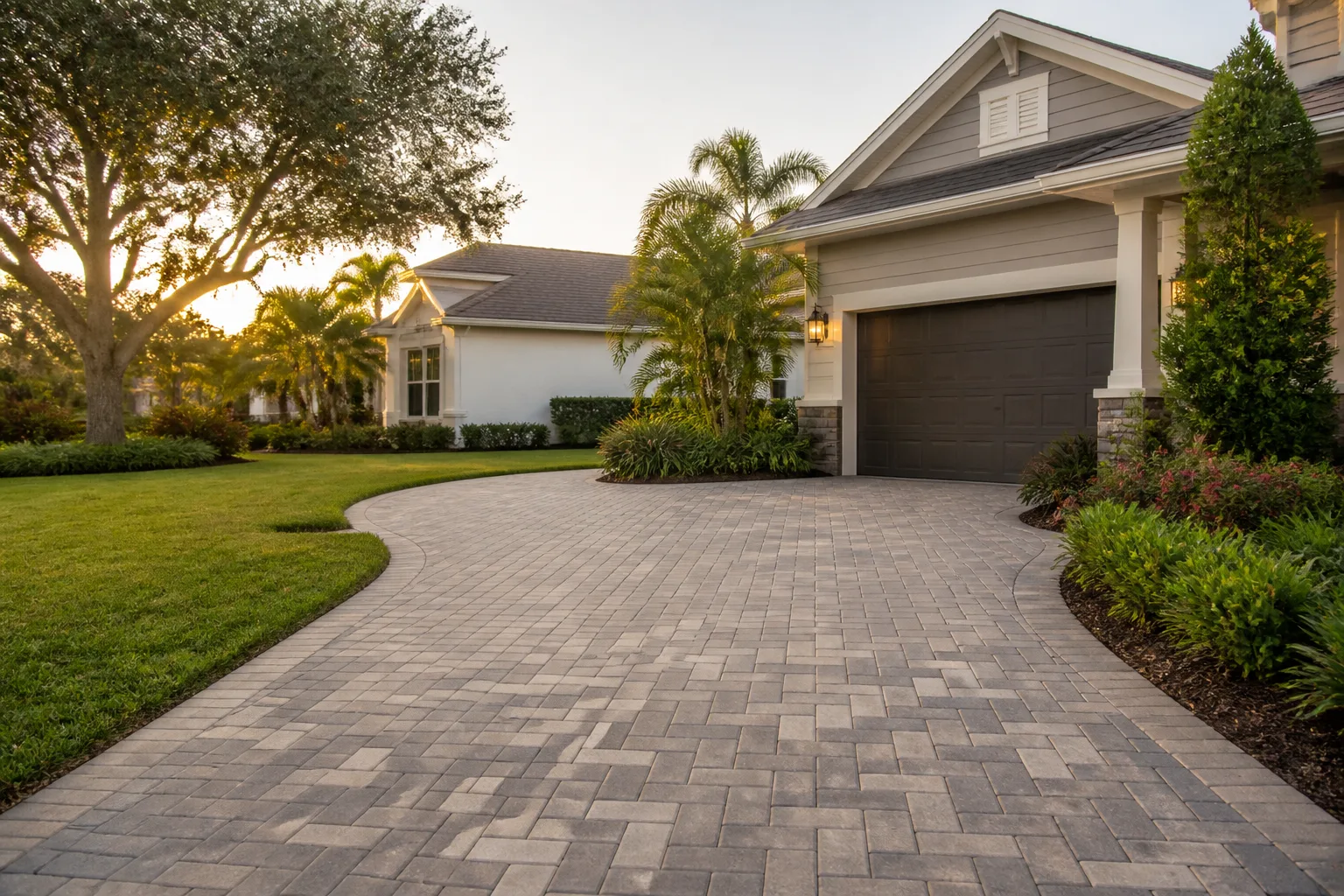
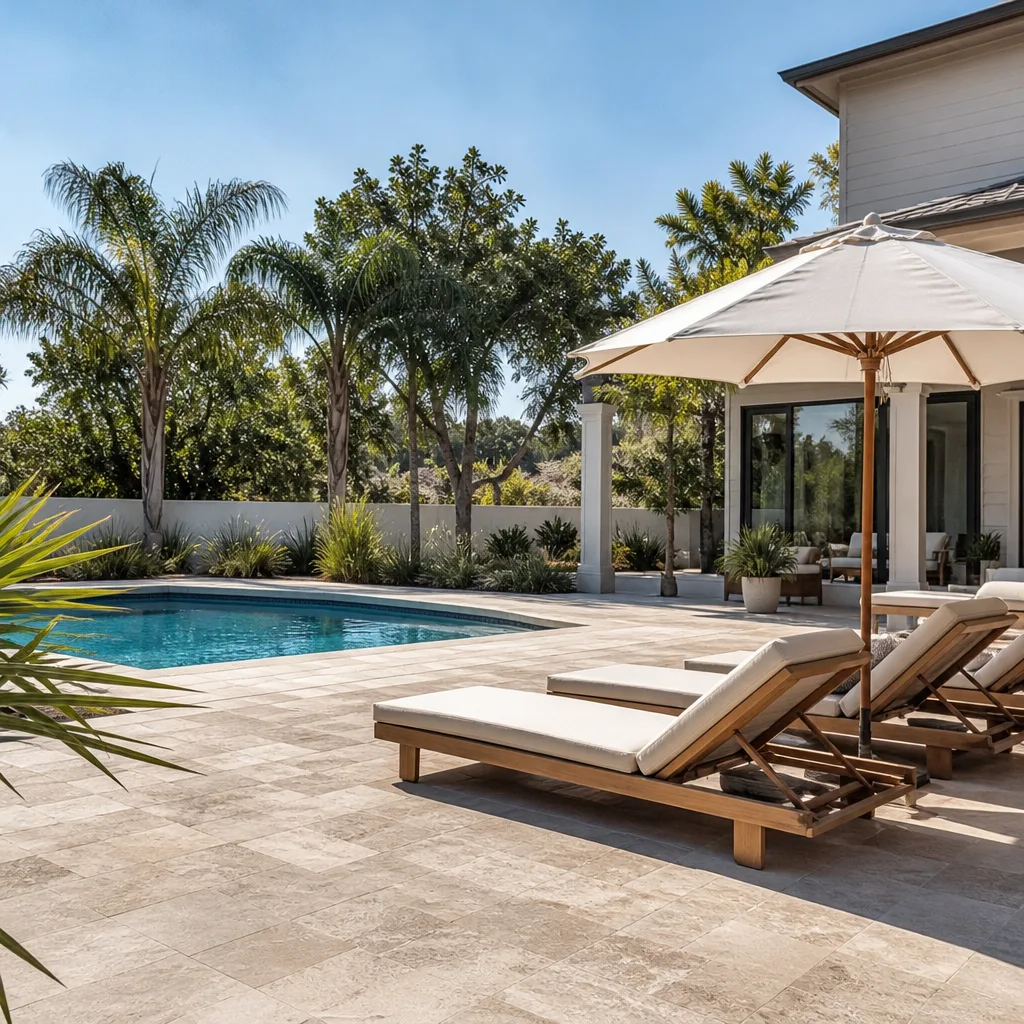
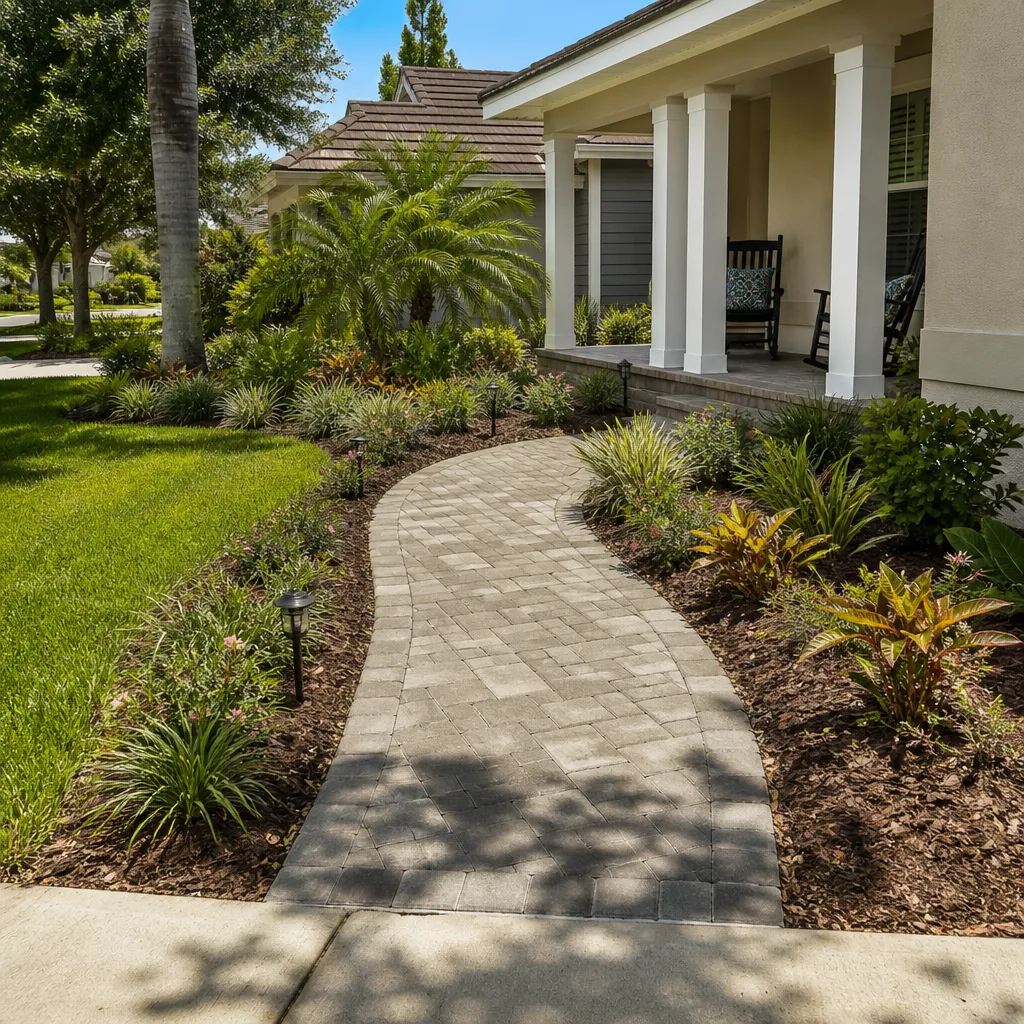
- Paver driveways need the joints handled first. We clean out and re-sand the joints with stabilizing sand, then seal so the sand locks in place and the pavers hold their alignment. This is where working with proven paver systems from names like Unilock and Techo-Bloc pays off, because the sealer is matched to the specific product rather than applied generically.
If your pavers were installed recently, fresh sealing needs to wait until the base has fully settled so the joints don’t shift after the seal locks them. We build that timing into the estimate so you’re not sealing a driveway that then needs re-done.
Driveway Sealing FAQs
How much does driveway sealing cost in Spring Valley?
Driveway sealing in Spring Valley typically costs $0.35 to $0.75 per square foot, which puts most single-family driveways between $450 and $1,100 for a two-coat job. Paver driveways and those needing crack repair or heavy stain treatment run toward the higher end. Call (888) 329-9414 for an exact quote on your driveway; the estimate is free and there’s no obligation.
How long does a driveway seal last in the Nevada climate?
A good seal generally holds up for a few years in Spring Valley before it needs refreshing, though the intense UV and temperature swings here shorten that window compared to milder climates. Penetrating sealers last longer but show less sheen; film-forming sealers look sharper but wear faster. We’ll recommend the right type and tell you when to reseal.
Can you seal a driveway that has cracks in it?
Yes, if the cracks are surface-level and not structural, we fill them with a flexible sealant before sealing so the fix actually holds. If we find deeper structural damage, sealing alone won’t solve it, and we’ll tell you that honestly and walk through options. That might mean targeted repair or a full replacement through our Driveway & Pavers service.
When can I drive on a freshly sealed driveway?
Generally you should stay off the surface for a cure window of about a day, sometimes a bit longer depending on the sealer and the weather at the time. We coordinate around Spring Valley weather so the driveway gets a proper dry window, and we’ll give you the exact timeline at the walkthrough. Waiting the full time protects the finish you paid for.
Do you offer a guarantee on driveway sealing?
Yes. Every sealing job is covered by our 730-Day Done Right Promise, one of the longest workmanship guarantees in residential construction. If something’s not right, we make it right. For a free estimate and a live person on the phone any hour of any day, call (888) 329-9414.
Key Takeaways
- Driveway sealing in Spring Valley costs roughly $450 to $1,100 for most single-family driveways, or $0.35 to $0.75 per square foot.
- Sealing protects against UV fade, hairline cracking, and monsoon water intrusion in the desert climate.
- Proper prep, deep cleaning, and crack filling matter more than the sealer brand.
- Paver driveways use a different process than concrete, with joint-sand stabilization before sealing.
- Calls are answered by a live person 24/7, and every job carries the 730-Day Done Right Promise.
Seal It Right, Once
A driveway is one of the largest surfaces on your property, and keeping it sealed is one of the cheapest ways to protect the investment you’ve already made in it. Whether you’re refreshing a weathered concrete driveway, locking in new paver joints, or just want a straight answer about whether your surface even needs sealing, we’ll walk it with you, give you an upfront price, and back the work in writing.
Reach out to Groundwork Construction Co. of Spring Valley through our home page or call (888) 329-9414 for a free estimate and design consult. Live person, 24/7. From foundation to finish line, we handle it. Our technicians bring up to 12 years of experience to every job, and our background-checked, uniformed crews show up ready to do it right.
Written by the team at Groundwork Construction Co. of Spring Valley, serving Spring Valley.