
Last updated November 17, 2026








Free written scope consultation - allowances, timeline, and change-order rules on paper before a single trade is scheduled
Construction Permits, Codes & Inspections in NV: What You Need to Know
An unpermitted addition in Clark County doesn’t just risk a fine. It can void your homeowner’s insurance coverage, trigger a mandatory demolition order, and create a title defect that surfaces the day you try to sell. We’ve watched homeowners in Spring Valley discover a decade-old sunroom that a previous owner built without a permit, and the fix cost more than the room did. Nevada is not a “pull it later” state, and Clark County is not a forgiving jurisdiction. This guide breaks down the full permit matrix across Clark County’s unincorporated areas, Las Vegas, Henderson, and North Las Vegas, the projects most often done without permits, how to track and pass inspections, what NRS Chapter 624 actually says about liability, and the real 2025-2026 approval timelines so you can plan a project that survives a sale, an inspection, and an insurance claim.
Quick Answer
In Nevada, most structural, electrical, plumbing, and mechanical work requires a permit from the jurisdiction where the property sits, and in Clark County that means the Clark County Building Department for unincorporated areas, but a separate department for Las Vegas city, Henderson, and North Las Vegas. A permit is not a formality: it’s the legal document that ties your contractor’s liability to inspected, code-compliant work. Skipping it shifts that liability squarely onto you as the homeowner and can void insurance, block a future sale, and force demolition.
Styles & brands we work with
- Kitchen remodeling
- Bathroom remodeling
- Home additions & ADU
- Roofing
- Windows & doors
- Driveway & pavers
- Fence
Table of Contents
- The Clark County Permit Matrix: Four Jurisdictions, Four Rulebooks
- Which Spring Valley Projects Most Often Skip Permits (And Why It Matters)
- How to Track Permit Status and Schedule Inspections
- What a Failed Inspection Actually Requires
- Nevada Revised Statutes Chapter 624: Who’s Liable When
- The Real Timeline: What Permit Approval Takes in 2025-2026
- Common Mistakes to Avoid
- When to Call a Professional
The Clark County Permit Matrix: Four Jurisdictions, Four Rulebooks
This is the thing that trips up more Spring Valley homeowners than anything else. Spring Valley is an unincorporated town in Clark County, which means most of it falls under the Clark County Building Department. But the valley is a patchwork of jurisdictions. Drive fifteen minutes in any direction and the rules change. A contractor who says “we do this all over the valley, same permit” either doesn’t understand the system or hopes you won’t ask.
Here’s the breakdown that actually matters:
- Clark County (unincorporated, includes most of Spring Valley, Enterprise, Paradise, and Winchester): Clark County Building Department handles residential permits. Plan review is centralized. This is the largest jurisdiction by area and the most common one for Spring Valley projects.
- City of Las Vegas: Separate building department with its own submittal portal, its own inspection scheduling, and its own fee schedule. A property inside city limits answers to the city, not the county.
- City of Henderson: Henderson has its own building division and is known for strict plan review on additions and ADUs. What slides through in the county may get kicked back in Henderson.
- City of North Las Vegas: Separate department, separate portal, separate inspection calendar. Cross-jurisdiction confusion is common on remodel jobs where the address is near a border.
The practical rule: before any contractor quotes a project, confirm which jurisdiction the parcel sits in. We pull the assessor’s parcel record and confirm jurisdiction before a single number goes into a bid. If a contractor can’t tell you which department will issue the permit for your address, that’s your first warning sign. In Spring Valley, boundary lines run through neighborhoods, so a house on one side of a street can be county and the other side city. It happens more than you’d think.
Which Spring Valley Projects Most Often Skip Permits (And Why It Matters)
In our experience across Spring Valley, the projects most frequently completed without a permit are the ones that feel “small” to a homeowner but aren’t small in the eyes of the building department. The list below is what we see most often when we’re called in to clean up a previous contractor’s work.
- Garage conversions and enclosed patios. Turning a garage into a bedroom or enclosing a covered patio into living space requires a permit in every Clark County jurisdiction. It changes the habitable square footage, the egress requirements, and the electrical load. Done unpermitted, it’s a red flag on any future appraisal.
- Room additions under 500 square feet. Some contractors tell homeowners small additions don’t need a permit. They do. Structural, electrical, and mechanical permits all apply, and the inspection sequence is longer than most people expect.
- ADUs (accessory dwelling units). Nevada has been actively loosening ADU rules, and prefab builders like Abodu are making them more accessible. That doesn’t mean the installation is permit-free. Site work, utility connections, and foundation prep all require inspection.
- Water heater and HVAC replacements. Many homeowners assume swapping a water heater is like changing a lightbulb. It isn’t. In Clark County, a water heater replacement requires a permit, and the expansion tank, seismic strapping, and venting all get checked.
- Panel upgrades and re-wires. Electrical panel work requires a permit in every jurisdiction. This one is the most dangerous to skip because it’s also the hardest hidden defect for a home inspector to catch.
- Pool and spa installs. Pools require permits and multiple inspections in Clark County. Barrier and safety requirements are strict, and an unpermitted pool can be problematic at resale.
Here’s the exposure a homeowner takes on when a contractor skips the permit: the county can require you to tear out the work or bring it to code at your expense, your homeowner’s insurance can deny a claim tied to unpermitted work, and the title company can flag the discrepancy at sale. That sunroom that “came with the house” becomes your problem, not the previous owner’s.
For homeowners thinking through additions, our guide to Home Additions & ADU in Spring Valley walks through the permit sequence for every project type, and it’s worth a read before you schedule a single contractor visit.
How to Track Permit Status and Schedule Inspections
Every jurisdiction runs its own online portal, and each one works a little differently. In Clark County the online permit portal lets you check status, see inspector notes, and schedule inspections, but a lot of homeowners never log in because their contractor handles it. That’s a mistake. You should know where your project stands at any moment.
Here’s the sequence we follow on every permitted job:
- Confirm the permit number and jurisdiction. It’s on your permit card. Keep a photo of it in your phone.
- Log in to the portal. Clark County, Las Vegas, Henderson, and North Las Vegas each have their own. Your permit number tells you which portal to use.
- Check the inspection sequence. Foundation, framing, rough-in (electrical, plumbing, mechanical), and final are the four core phases. Some projects add specialty inspections (shear wall, energy, pool barrier).
- Schedule inspections in advance. Inspections are typically booked days to a week ahead, and you can’t advance to the next phase until the prior one passes.
- Review inspector notes within 24 hours. If there’s a correction, address it before your contractor moves on. Notes left unaddressed online stall the whole job.
In Spring Valley, we schedule framing inspections the same day the sheathing is up so we’re not waiting on the county calendar for a week. That single scheduling habit shaves days off a typical addition timeline. The homeowner has visibility into all of it through the portal. Our number one piece of advice: log in and check on your project. If your contractor doesn’t want you looking, that’s data.
What a Failed Inspection Actually Requires
A failed inspection is not a disaster. It’s a work order. The inspector writes corrections on the permit or in the portal, and the fix is scheduled and re-inspected. What matters is understanding what causes the failure and how it delays the job.
The most common failures we see in Spring Valley are:
- Framing and shear wall nailing. Nail spacing and shear wall fastening are the most frequent framing correction, because a crew gets in a hurry and misses a panel callout.
- Electrical rough-in. Box fill, panel grounding and bonding, and AFCI/GFCI protection are the top three electrical corrections in Clark County.
- Plumbing rough-in. Slope, venting, and pressure test failures show up regularly, especially on remodels where the contractor is tying into older plumbing.
- Energy code compliance. Nevada’s energy code is strict, and insulation, window U-values, and mechanical ventilation get checked. Using a brand like Kohler on a bathroom remodel is great, but the vent fan has to meet the airflow spec too.
- Final inspection punch lists. A failed final is usually a mix of small items (cover plates missing, GFCI label missing, handrail height) plus one substantive miss.
The correction process is simple: fix the item, request re-inspection, pass, move to the next phase. The problem is the calendar. A failed inspection adds three to seven days minimum in Clark County, sometimes more on a busy month. A job that stalls twice loses two weeks, and that’s the real cost of a failed inspection.
Here’s the part homeowners don’t hear often enough: a failed inspection is not a sign of a bad contractor. A failed inspection that the contractor doesn’t tell you about, or doesn’t schedule a re-inspection on, is. That’s the failure mode that matters.
Nevada Revised Statutes Chapter 624: Who’s Liable When
Nevada Revised Statutes Chapter 624 governs licensed contractors in this state. The chapter defines what a contractor is, what licensure means, and what the state can do to a contractor who violates the rules. Read it once and you’ll see the entire logic of the permitting system. A licensed contractor pulls the permit. The permit creates a public record that a licensed contractor is directing the work. The inspections are the state’s mechanism to verify the work matches the code.
Here’s the liability split that matters on an unpermitted job:
- Permitted work, licensed contractor: Liability is shared. The contractor is on record and bondable, and the homeowner has recourse through the state licensing board and through the workmanship warranty.
- Permitted work, unlicensed contractor: The homeowner is exposed because there’s no bond and no license to pull.
- Unpermitted work, any contractor: The homeowner bears the primary legal and financial exposure. The contractor can disappear. The county can order the work removed. The insurer can deny. The title company can flag.
Chapter 624 also gives the state real teeth. The Nevada State Contractors Board can suspend or revoke a license, issue fines, and force restitution. That’s a mechanism that works, but only if the contractor is licensed and the work is on the record. Off the record, the board has no record to act on.
One more thing worth knowing: Nevada requires that work be performed under a licensed contractor for any project over a certain dollar threshold. That threshold exists precisely because the state recognizes the liability transfer onto the homeowner when an unlicensed or unpermitted job goes wrong. If a contractor is willing to work without a permit, ask yourself what other corners they’re comfortable cutting. In our book, that’s a hard no.
The Real Timeline: What Permit Approval Takes in 2025-2026
Here’s where we’ve seen more project planning go wrong than anything else. The permit timeline in Clark County is not the same as the timeline your neighbor quoted you from their 2019 project. Here’s what we’re seeing in 2025-2026:
- Over-the-counter permits (water heater, panel change, minor electrical): Same day or 1-2 business days if the application is clean.
- Simple residential remodels (kitchen, bathroom) with no structural work: Typically 1-2 weeks in Clark County.
- Room additions: 3-6 weeks typical, longer if structural review is triggered or a plan check comment comes back.
- ADUs: 4-8 weeks, depending on jurisdiction and whether the design is a repeat plan set.
- Custom homes and significant structural: 8-12 weeks or more.
Compare that to pre-2020 timelines and you’ll see 30-50% longer approvals across the board in Clark County. Plan review volume is up, staff is stretched, and the county is strict on energy code and shear wall documentation. A comment response adds days. Two comment rounds add a couple of weeks.
The single biggest time saver we’ve found is submitting a fully complete plan set the first time. Homeowners often think the fastest path is submitting first and fixing comments later. It’s actually the slowest. We build plan review into the project calendar up front so the homeowner isn’t sitting in week six wondering why nothing is happening. Our Groundwork Construction Co. of Spring Valley home page walks through how we structure the pre-construction phase around permit timelines, and it’s worth the read before a project gets into the calendar.
If you’re planning a driveway, fence, or hardscape project, timelines look different: those often need a right-of-way permit but not full plan review. Details are on our Driveway & Pavers in Spring Valley page and on the Fence Installation in Spring Valley page.
Common Mistakes to Avoid
- Trusting “we’ll pull the permit later.” Later never comes. If the permit isn’t in the portal before work starts, it’s not coming. The homeowner is on the hook for the unpermitted work, and the county sees the record.
- Assuming all of Spring Valley is one jurisdiction. It’s not. Spring Valley is unincorporated Clark County, but the valley is a patchwork, and a permit from the wrong department is a permit that doesn’t apply. Confirm the jurisdiction by parcel number before a bid goes out.
- Skipping the water heater permit. A water heater replacement is the single most common unpermitted project in Clark County. It’s cheap to permit, cheap to inspect, and a nightmare to fix at resale.
- Not checking the contractor’s license and bond with the Nevada State Contractors Board. A live booking in hand tells you more than any review online. It takes five minutes.
- Letting a contractor handle all permit communication with no homeowner visibility. Log in to the portal. You don’t have to run the job, but you need to know status, corrections, and inspection dates.
- Planning a project timeline without the permit timeline. A kitchen remodel that “starts Monday” without a permit in hand isn’t starting Monday. Plan the permit window into the calendar.
- Believing that a final walkthrough means the job is inspected. A final walkthrough is your contractor’s inspection. The county inspection is a separate, formal step, and the final inspection sign-off is what closes the permit and clears the title.
When to Call a Professional
Some DIY work is fine. A homeowner in Spring Valley can paint, replace a fence board, or install a smart thermostat without pulling a permit. Everything else requires a licensed contractor and a permit. That includes any electrical panel work, any gas line work, any structural modification, any addition, any ADU, any roof replacement, and any project that touches the building envelope. Electrical and gas work especially: one mistake can kill. That’s not a figure of speech. The work requires a trained, licensed professional, full stop.
The moment to call is before the bid, not after. Groundwork Construction Co. of Spring Valley offers free estimates in Spring Valley and surrounding Clark County neighborhoods. We pull the permit, schedule the inspections, and hold the work to a 730-Day Done Right Promise so the homeowner isn’t the one chasing the county. Call (888) 329-9414.
See the difference
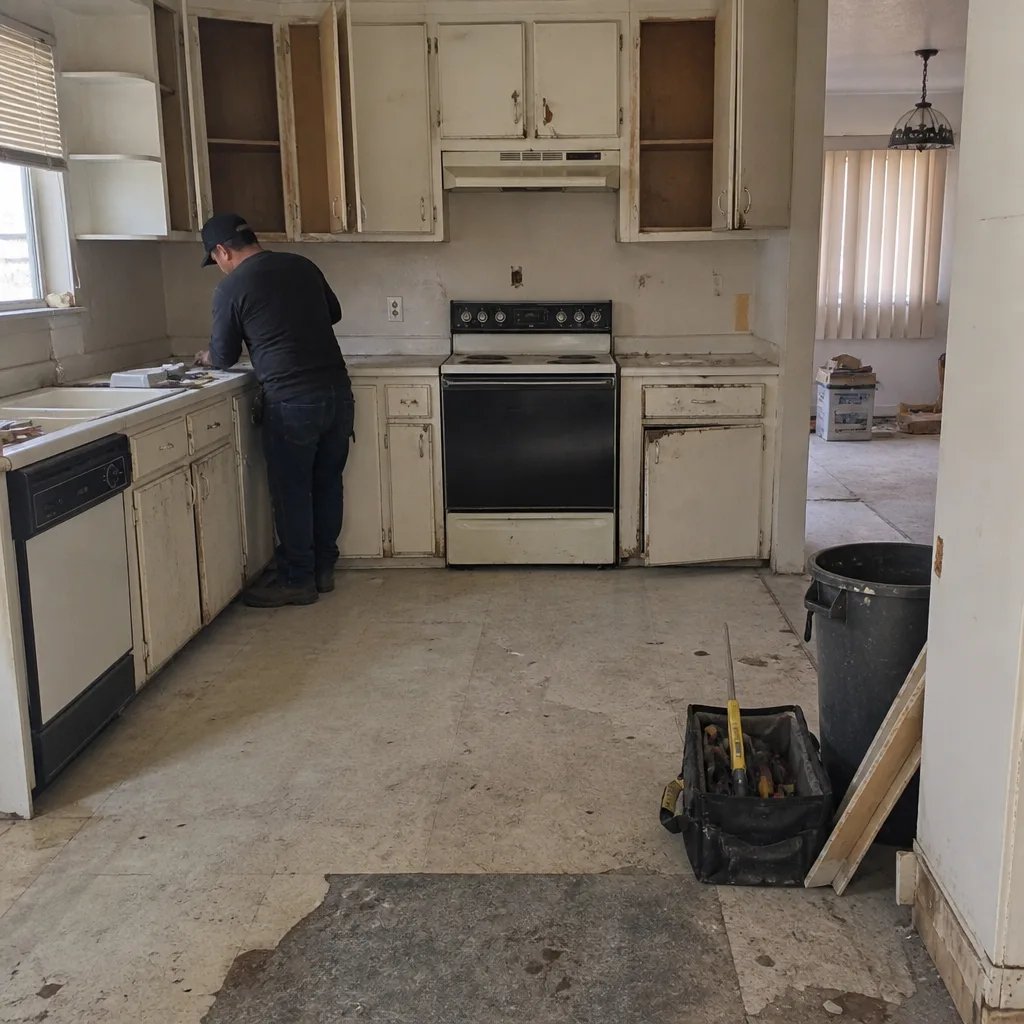 Before
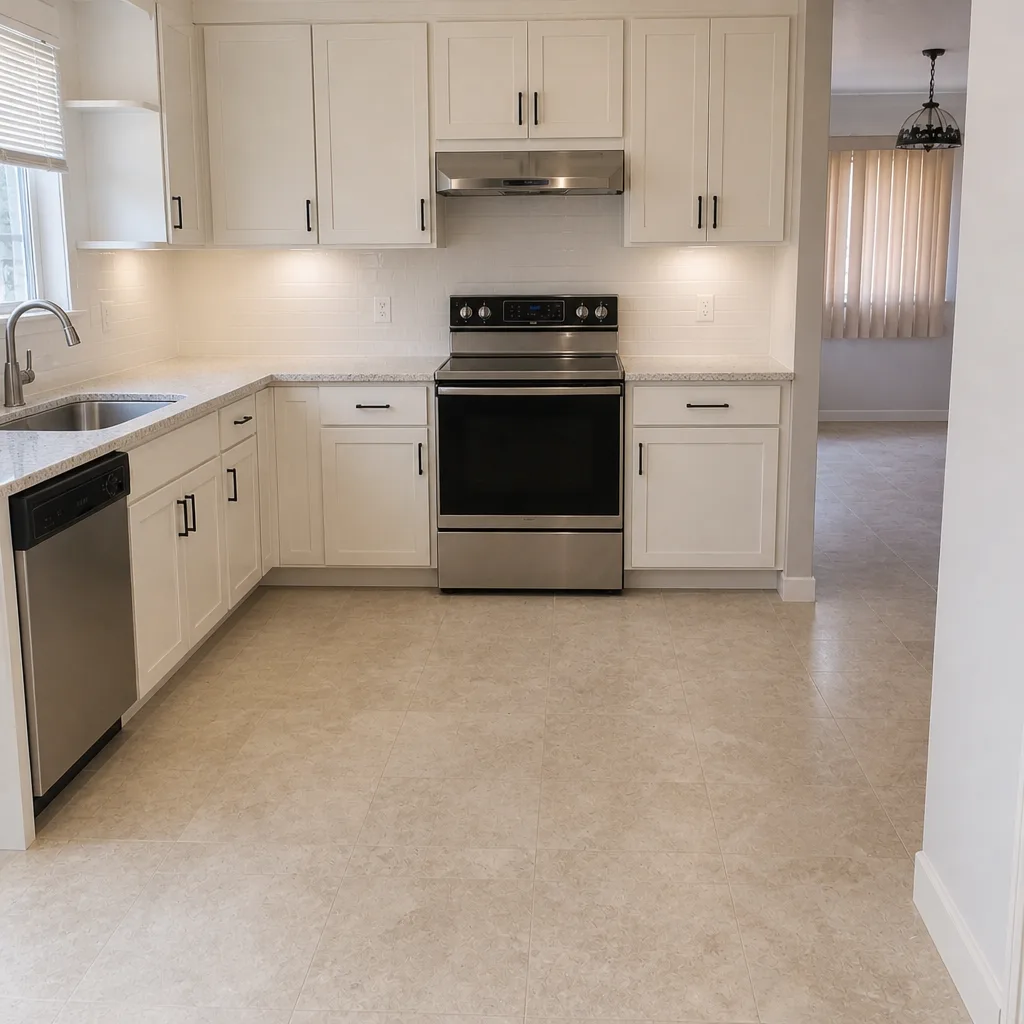 After
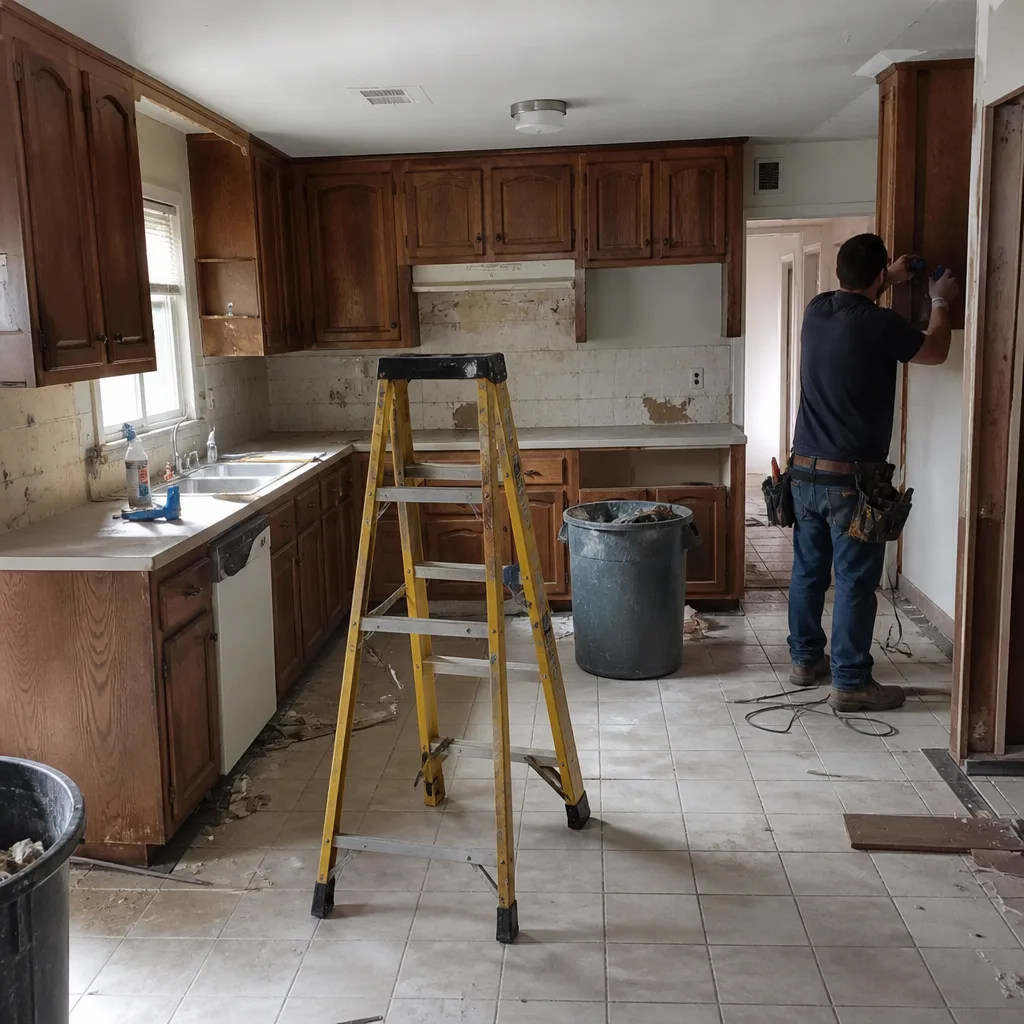 Before
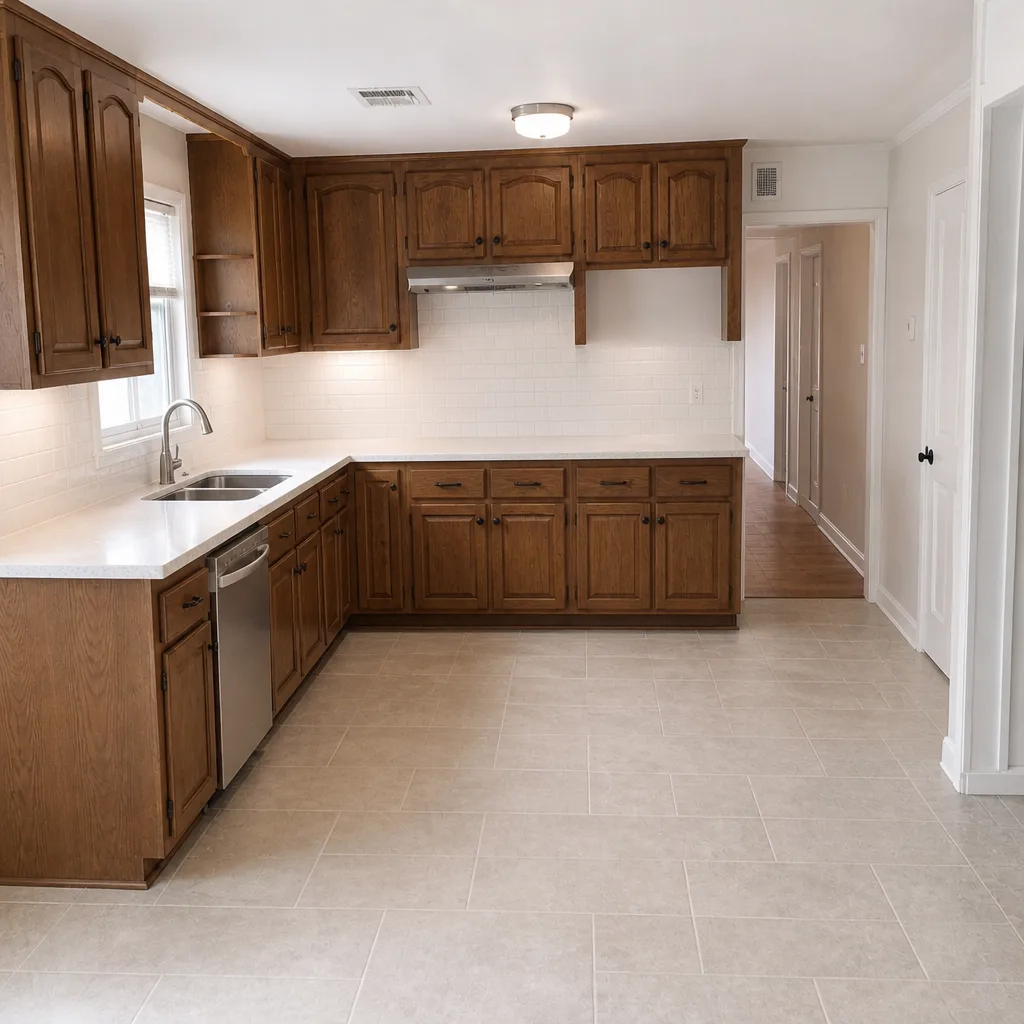 After
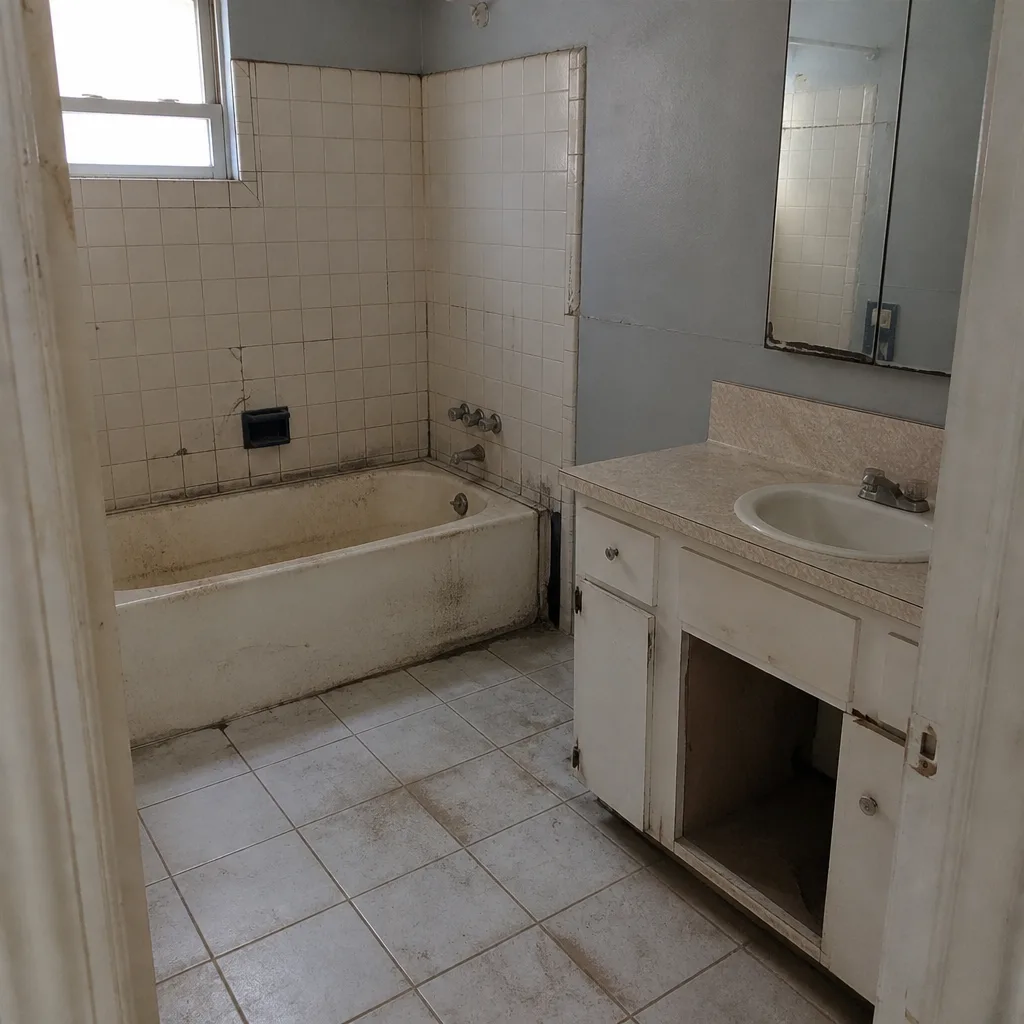 Before
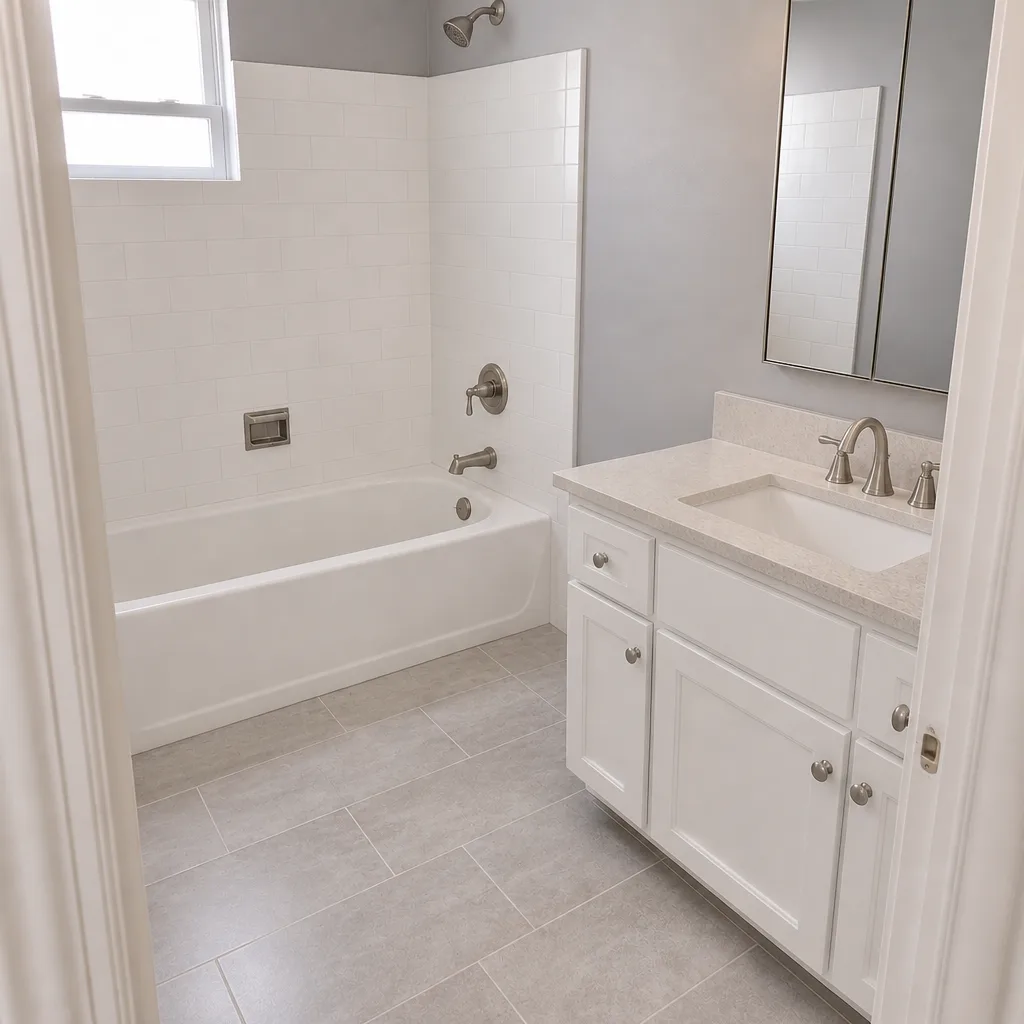 After
Frequently Asked Questions

Yes. A water heater replacement in Clark County requires a permit, and the inspection covers venting, seismic strapping, expansion tank, and electrical or gas connections. Skipping the permit is one of the most common mistakes we see on Spring Valley homes, and it becomes a title problem at resale. Call (888) 329-9414 for a free estimate on a permitted replacement.
In 2026, Clark County residential remodels typically take 1-2 weeks for plan review, room additions take 3-6 weeks, and ADUs take 4-8 weeks, assuming a complete plan set. Comment rounds add days to weeks, which is why submitting a fully complete application first is the fastest path. Call (888) 329-9414 to talk through the timeline for your project.
The county can require you to bring the work to code or remove it at your own expense, your homeowner’s insurance may deny a claim tied to the work, and the discrepancy can flag at resale through the title company. NRS Chapter 624 places the primary exposure on the homeowner, not the contractor, once the work is unpermitted. Call (888) 329-9414 if you’ve inherited unpermitted work and need to get it legal.
No. Spring Valley is unincorporated Clark County and falls under the Clark County Building Department, while Las Vegas, Henderson, and North Las Vegas each run their own building departments, portals, and inspection calendars. A permit issued by the wrong jurisdiction is a permit that doesn’t apply. Confirm jurisdiction by parcel number before you sign a contract. Call (888) 329-9414 to confirm which department applies to your address.
A failed inspection is a correction notice, not a disaster. The inspector documents the deficiency on the permit or in the portal, the contractor fixes it, and re-inspection is scheduled. The cost is almost always time, not money, since failed inspections add three to seven days to the timeline. Call (888) 329-9414 if you need help resolving open corrections.
Yes. Accessory dwelling units in Clark County require permits for the foundation, framing, electrical, plumbing, and mechanical systems, plus the site utility connections. Prefab and modular ADU builders like Abodu make construction faster, but the installation and site work still require inspection. Call (888) 329-9414 for a permitted ADU estimate in Spring Valley.
The Bottom Line
Nevada’s permit system is a liability document, not a formality. In Clark County, the jurisdiction of a project depends on the parcel, the timeline depends on the completeness of the plan set, and the legal exposure on unpermitted work sits primarily with the homeowner. NRS Chapter 624 gives the state real oversight but only when the work is on record. Spring Valley homeowners who understand the permit matrix, the inspection sequence, and the timeline plan projects that hold up at resale, pass insurance review, and close clean. The shortcut always costs more than the permit.
If you’re planning a kitchen remodel, bathroom renovation, roof replacement, windows and doors, fence, or addition in Spring Valley or anywhere in Clark County, the first step is the free estimate. Groundwork Construction Co. of Spring Valley pulls permits, schedules inspections, and backs the work with a 730-Day Done Right Promise. Call (888) 329-9414 for your free estimate. Calls are answered by a live person, 24/7, and our technicians have up to 12 years of experience in this trade.
Written by the team at Groundwork Construction Co. of Spring Valley.