Last updated November 17, 2026






Free written scope consultation - allowances, timeline, and change-order rules on paper before a single trade is scheduled
Home Additions & ADU Maintenance Schedule: What to Do and When
The roof-to-wall transition where a new addition meets the existing home is the single highest-maintenance point on any addition build. Most Spring Valley homeowners never inspect it because it looks fine from the ground. Most contractors never tell them it needs annual attention. That joint, where two roof planes, two flashing systems, and two sets of materials come together, is where water finds its first way in, and by the time you see a stain on the ceiling inside, the damage has been building for months. An ADU or addition isn’t a set-and-forget structure. It has its own mechanical systems, its own utility meters, and materials that age on a different clock than the main house. This guide gives you a property-specific calendar for Spring Valley, covering what to check, when to check it, and which tasks you can handle versus which ones need a licensed tradesperson.
Quick Answer
Home additions and ADUs need a season-specific maintenance schedule that tracks the structural connection zone (flashing, caulk joints, siding transitions), the separate mechanical systems (dedicated HVAC, utility meters, water heater), and the exterior finishes that face different sun and weather exposure than the main house. In Spring Valley, the three anchor points are pre-summer heat prep in April and May, monsoon waterproofing checks from July through September, and a full post-summer inspection in October. Skip any of those and a small caulk failure becomes a framed-wall repair.
Styles & brands we work with
- Kitchen remodeling
- Bathroom remodeling
- Home additions & ADU
- Roofing
- Windows & doors
- Driveway & pavers
- Fence
Table of Contents
- Why Your Addition Doesn’t Age Like the Main House
- The Connection Zone: The Joint You Have to Watch Every Year
- The Spring Valley Season-by-Season Maintenance Calendar
- ADU-Specific Systems Most Homeowners Forget
- The 1-Year, 3-Year, and 5-Year Maintenance Milestones
- Owner vs. Professional: Who Handles What
- Common Mistakes to Avoid
- When to Call a Professional
Why Your Addition Doesn’t Age Like the Main House
When we hand over an addition or ADU in Spring Valley, homeowners often assume it will settle into the same rhythm as their original house. It won’t, and it’s not because anything was done wrong. It’s because the new structure is fundamentally different in ways that matter for maintenance.
Start with material age. Your main house was built with materials that have already been through decades of thermal cycling. They’ve moved, cracked, settled, and stabilized. The addition is still in its first years of expansion and contraction. Wood framing, siding, trim, and caulk all go through their largest dimensional changes in the first 24 to 36 months. A caulk joint that looked perfect at final walkthrough will have opened up by year two. That’s normal. Ignoring it isn’t.
Then there’s sun exposure. A new ADU in the backyard often sits in a different orientation than the main house. If you live in a Spring Valley neighborhood like Rhodes Ranch or Mountain’s Edge, where lots are laid out east-to-west, your ADU’s west wall may take punishing afternoon sun that the main house never sees. That wall’s paint, siding, and window seals will fail faster. It needs proactive attention, not the same schedule you’ve been keeping on the original structure.
Mechanical systems are the third factor. An ADU has its own HVAC, its own water heater, and often its own utility meters. These systems are independent. They don’t get serviced when you service the main house. They don’t show up on your annual reminder list. They just quietly run until something breaks. In our experience, that’s where the surprise costs come from.
The Connection Zone: The Joint You Have to Watch Every Year
The place where your addition meets your existing home is the highest-risk envelope area on the entire property, and it’s the one almost nobody inspects. This is where two independent structures come together. The new wall and the old wall are moving separately. The flashing that bridges them has to accommodate both.
What fails here:
- Step flashing at the roof-to-wall transition. The metal pieces that shed water where the addition’s roof meets the original wall. If one lifts or corrodes, water goes straight behind the siding.
- Caulk joints at material transitions. Where new siding meets old siding, where new trim meets old trim. These expand and contract at different rates and open up.
- Exterior finish transitions. Stucco meeting siding, brick meeting wood. Each material pulls away from the other as temperatures swing.
- Window and door head flashings on the addition. The top of every new opening is a water entry point if the flashing has pulled back.
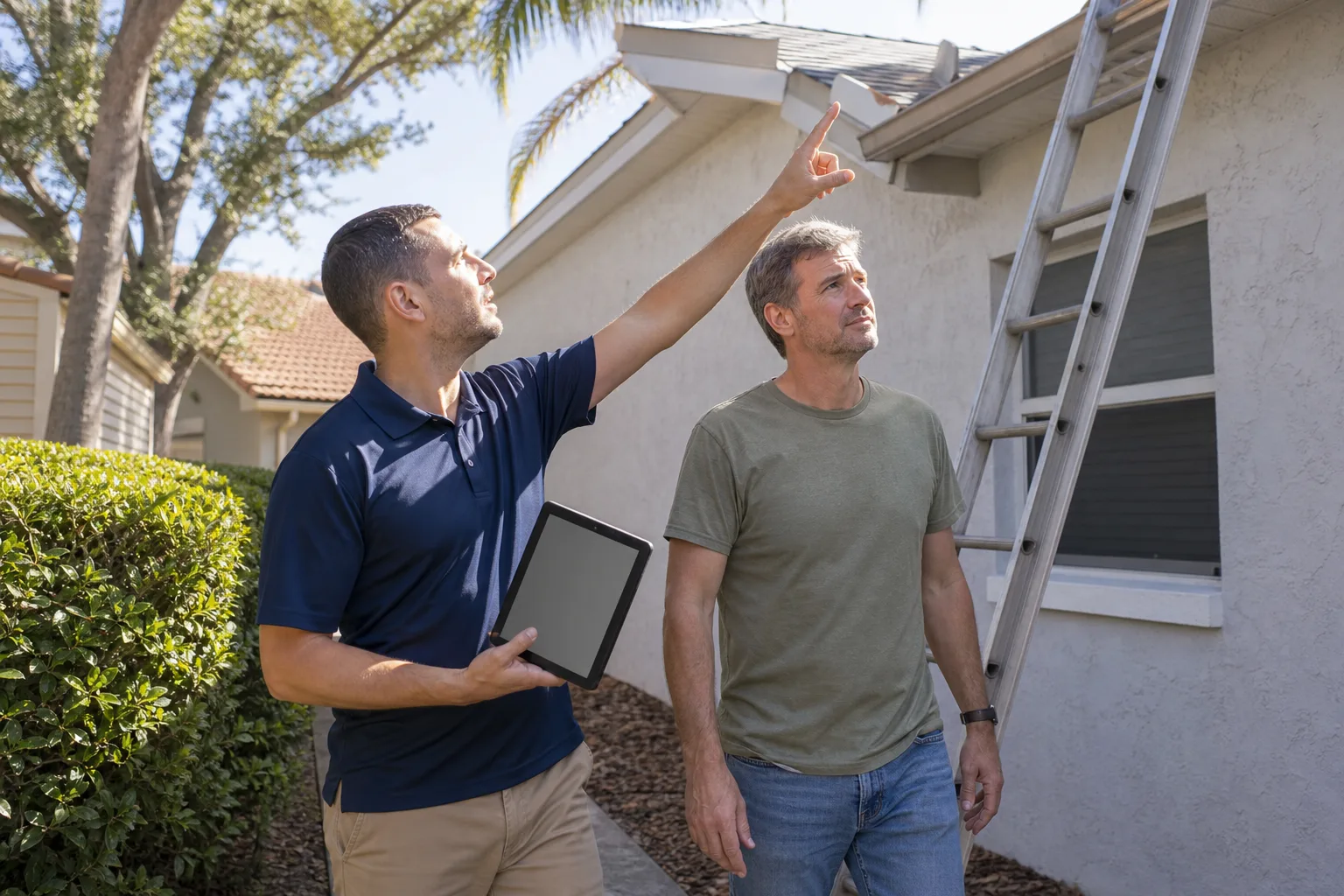
You can’t fully assess this zone from the ground. In Spring Valley, we regularly see flashing failures on additions within the first three years that were invisible from the yard but obvious from six feet up a ladder. And what you’re looking for isn’t a dramatic leak. It’s a hairline gap, a pulled caulk line, a slightly lifted metal edge. Small things. Small things that let monsoon rain into a wall cavity.
This is the one annual inspection we tell every homeowner not to skip. If you’re not comfortable getting up on the roof and working along the transition, hire it out. A professional will check the flashing, re-seal joints that have opened, and verify the drainage path is intact. We fold this into our work on additions because we know the connection zone is where the long-term story gets written. If you’re planning a new build and want the job done with proper envelope detailing from day one, see our Home Additions & ADU in Spring Valley service page.
The Spring Valley Season-by-Season Maintenance Calendar
Spring Valley’s climate does the calendar work for you. We have three distinct maintenance windows each year, and each one is triggered by the weather cycle, not by a date on a marketing brochure.
April and May: Pre-Summer Heat Prep
Spring Valley summers hit triple digits reliably. The prep window is the six to eight weeks before that starts.
- Service the dedicated HVAC system. Change filters, clean coils, verify the condenser is clear of debris. An ADU’s mini-split or dedicated system runs hard in summer and fails in August if it wasn’t checked in April.
- Inspect the roof and attic ventilation. Heat buildup in an addition’s attic space is a real problem. Confirm vents aren’t blocked and the roof is sound.
- Check exterior caulk and window seals. Heat causes caulk to soften and pull. Catching a failing joint in spring is a tube of caulk. Catching it in August is water intrusion.
- Test the water heater and check for sediment. A dedicated ADU water heater should be flushed periodically, especially in Spring Valley where water is hard.
- Look over the exterior paint and finish. Sun-facing walls, particularly west walls, weather fastest. Touch up before the sun does its work.
July through September: Monsoon Waterproofing Checks
Monsoon season is the real test of your addition’s envelope. The transition zone, the roof, the window flashings, and the drainage all get stressed. After any significant monsoon storm, walk the property:
- Look for water staining on ceilings and interior walls near the connection zone.
- Check that gutters and downspouts are clear and moving water away from the addition’s foundation.
- Look at the ground along the addition’s perimeter. Pooling water or erosion means the grading has changed.
- Re-check the caulk joints you worked on in spring. Monsoon heat and rain test them fast.
October and November: Post-Summer Inspection
This is the big one. After a full summer of heat and a monsoon season of rain, get a thorough inspection. This is when you find what summer broke. Re-check the connection zone flashing. Re-seal anything that opened. Get the HVAC serviced again before winter (Spring Valley nights drop and a mini-split does double duty). Inspect the roof. Check the utility meters for any signs of wear or corrosion. This inspection sets you up for a clean winter and catches problems while they’re still small.
ADU-Specific Systems Most Homeowners Forget
An ADU is a separate dwelling. That means separate systems, and those systems don’t get maintained when you maintain the main house. Here’s what falls through the cracks.
Separate Utility Meters
Many Spring Valley ADUs are metered separately for gas and electric so they can be rented or billed independently. Those meters and their service connections need periodic inspection. Corrosion on the meter base, loose conduit, or wear on the service line can be a safety issue and a code issue. If your ADU has a separate meter, put a meter inspection on the calendar and have a licensed electrician look at the service connection every few years. Don’t put hands inside a meter base; that’s a job for the utility or a licensed electrician.
Dedicated HVAC and Mini-Splits
Mini-split systems are common in Spring Valley ADUs because they’re efficient for a single-zone structure. They need filter cleaning more often than a central system (monthly in heavy-use months), and the outdoor unit needs to stay clear of debris and shade structures. The one thing that kills mini-splits is a clogged condensate drain. Check it seasonally or have it checked during service.
ADU Water Heater
Whether it’s a tank or tankless, the ADU water heater is on its own schedule. Flush it annually if hard water is an issue, and have it inspected periodically. Tankless units need descaling; tank units need the anode rod checked as they age.
Exterior Finishes on the ADU
Because the ADU often faces a different direction than the main house, its finishes age differently. A west- or south-facing wall in Spring Valley takes the most abuse. If your finish is stucco or siding, look at it every year. Caulk, paint, and sealant on that wall will need touch-ups more frequently than the main house. We’ve seen ADU paint fade noticeably faster than the main house paint on the same property simply because of orientation.
If your exterior finish needs replacing or upgrading, quality materials matter here. When we replace exterior siding or trim on an addition, we use brands like Boral for long-term durability, chosen specifically because they hold up to sun and thermal cycling better than builder-grade options.
The 1-Year, 3-Year, and 5-Year Maintenance Milestones
New construction follows a predictable aging curve. Different things go wrong at each threshold, and knowing why each milestone matters tells you what to watch.
The 1-Year Milestone: Settling and the First Big Movement
The first year is when everything finishes its initial settling. Your addition framing has done most of its shrinking and moving. Caulk joints have been through one full cycle of seasons. This is when you catch the early failures before they become structural. The 1-year mark is also when the contractor’s workmanship warranty and your structure’s own settling behavior typically get their first serious check. Have the connection zone, the roof, and all caulk joints examined carefully. Fix what’s moved.
The 3-Year Milestone: Material Aging Becomes Visible
By year three, materials have aged enough that differences show. Exterior paint on sun-facing walls shows thinning. Caulk joints need a real re-seal, not just a touch-up. HVAC systems have enough run hours that filter and coil issues accumulate. This is the milestone where the ADU’s dedicated systems should get a proper service, not just a filter change. The 3-year mark is also where a lot of homeowners discover that the added structure’s sun exposure has degraded finishes on one side faster than the other.
The 5-Year Milestone: The Deep Inspection
Five years in, the addition is no longer new. Materials are aging at a rate you can now predict. This is the time for a genuine deep inspection: the connection zone examined carefully, the roof checked for wear, the HVAC system evaluated for whether it’s still performing to spec, the utility meters and service connections looked at, and the exterior finishes assessed for whether they need a full renewal rather than a repair. The 5-year mark is also when the long-term performance of the addition’s envelope becomes clear. A well-maintained addition at five years should be trouble-free. An unmaintained one at five years often has hidden water damage in the connection zone.
Each milestone builds on the last. Skip the 1-year check and you skip the chance to fix early movement while it’s cheap. Skip the 3-year and finishes fail faster. Skip the 5-year and you’re doing repairs that should have been maintenance.
Owner vs. Professional: Who Handles What
Knowing which tasks you can safely handle and which ones need a licensed tradesperson is the difference between smart maintenance and costly mistakes. Here’s the split we give our customers.
You Can Handle These
- Changing HVAC filters on the main house and the ADU (monthly in heavy-use months).
- Keeping the outdoor condenser and mini-split unit clear of debris, leaves, and shade cloth.
- Cleaning gutters and downspouts.
- Visual inspections from the ground: looking for stains, cracks, water pooling, or finish failures.
- Checking the ADU interior for signs of moisture, especially after big monsoon storms.
- Re-sealing small, low-reach caulk joints at ground level if you’re comfortable with it.
- Annual water heater flushing (if you have the tools and instructions).
A Licensed Professional Handles These
- Any work in the connection zone at roof height. Flashing, step flashing, and roof-level caulk joints. One wrong move on a Spring Valley roof in summer heat is a safety problem, and improper flashing work guarantees a leak.
- Electrical work at the ADU’s separate meters and service connection. Meter bases and service lines are not DIY territory. This is a licensed electrician’s job.
- HVAC service beyond filter changes. Coil cleaning, refrigerant work, and condensate drain clearing need a technician.
- Roof inspections and repairs on the addition.
- Any structural evaluation if you see movement, cracking, or settling that looks unusual.
- Water heater repair or replacement.
- Stucco, siding, or exterior finish repair beyond small touch-ups.
The rule of thumb: anything at height, anything electrical, anything gas, and anything structural goes to a professional. Filter changes, gutter cleaning, and ground-level visual checks are yours. If you’re not sure, ask.
See the difference
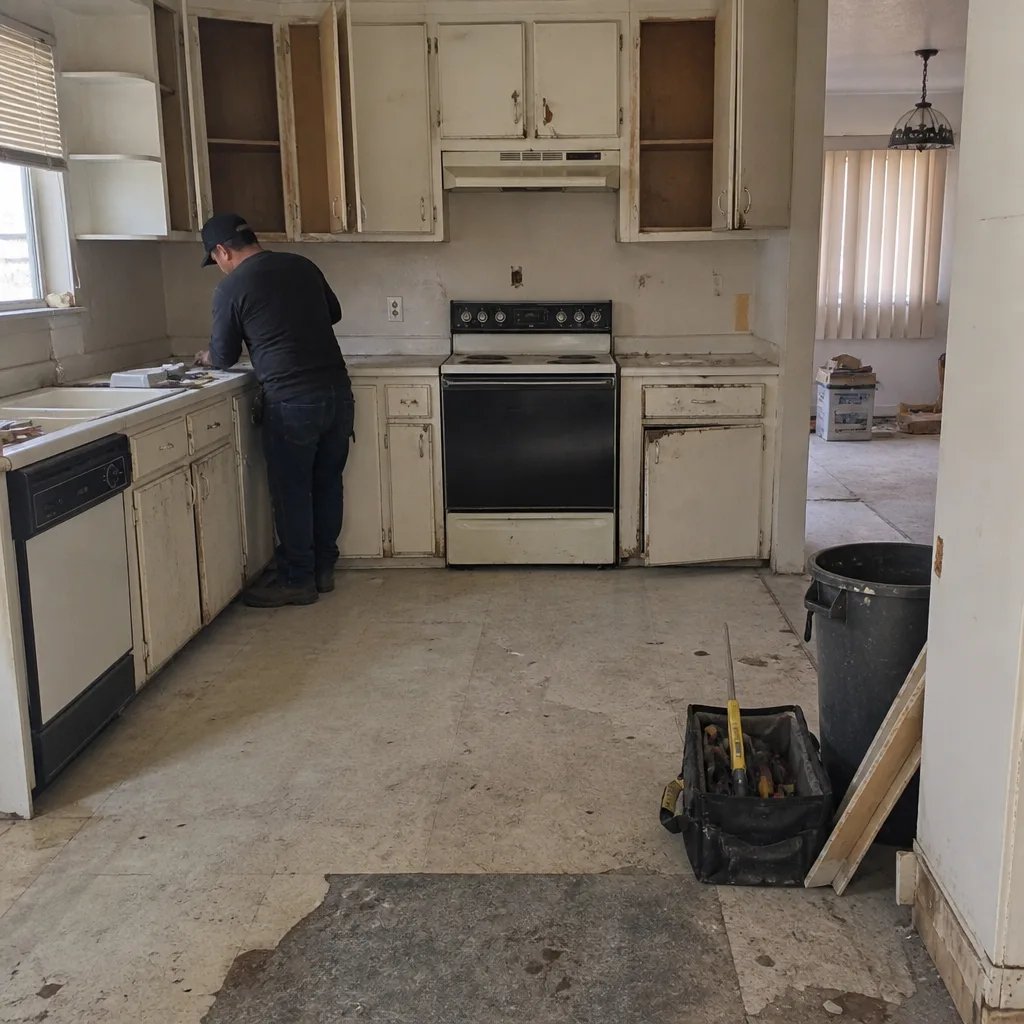 Before
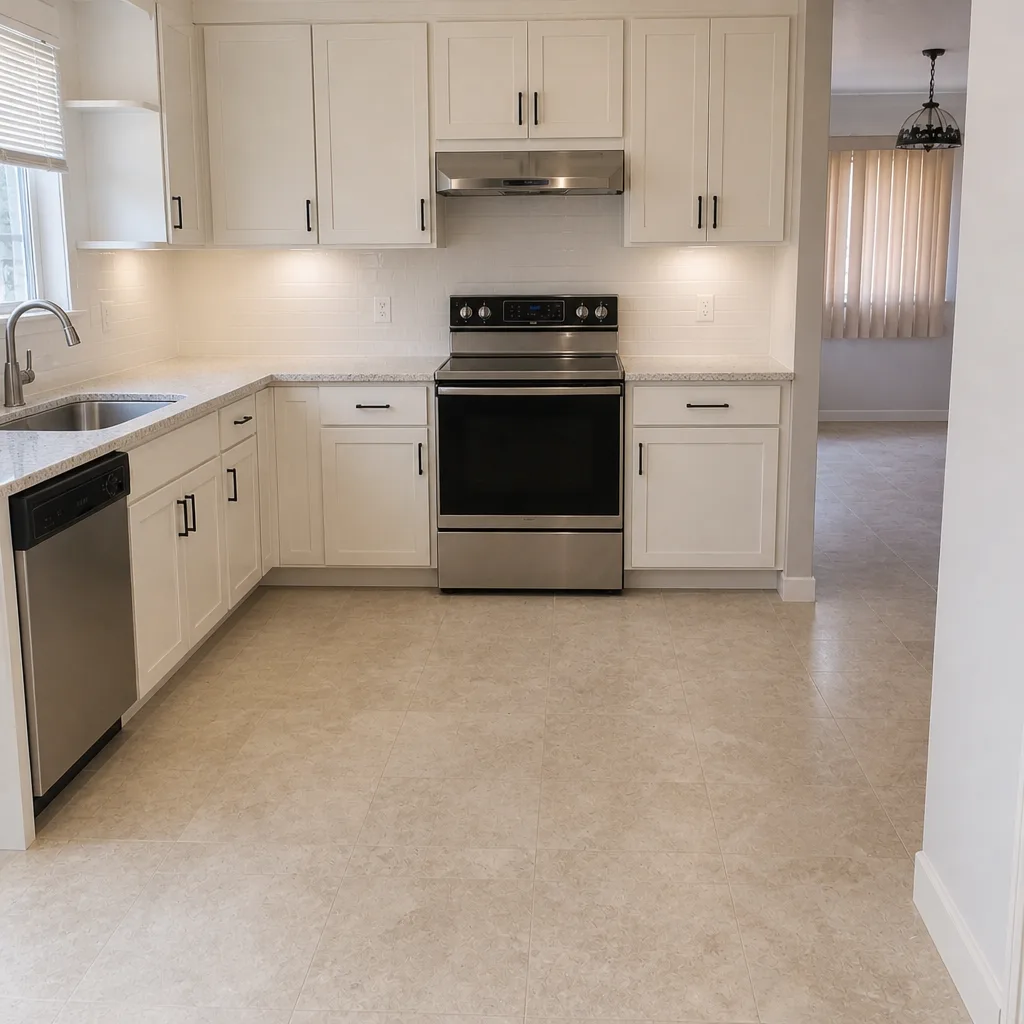 After
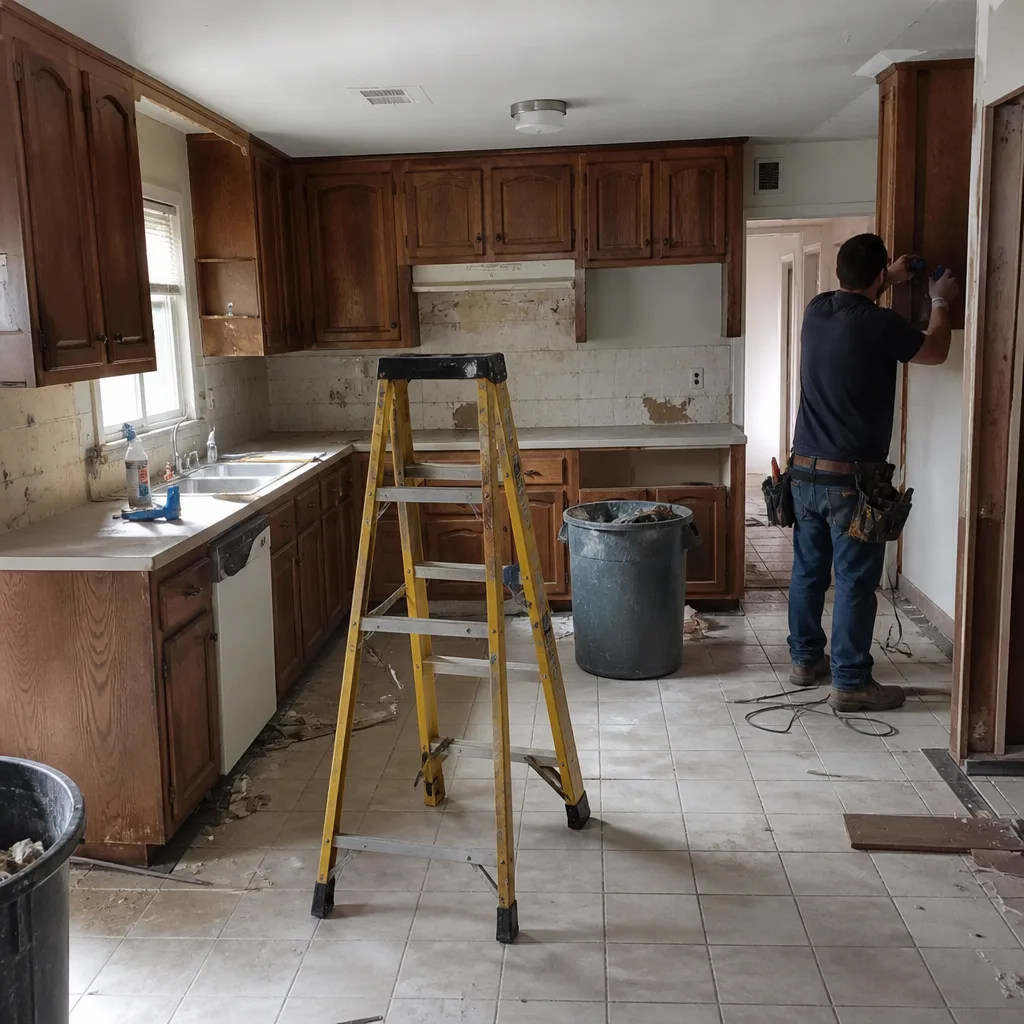 Before
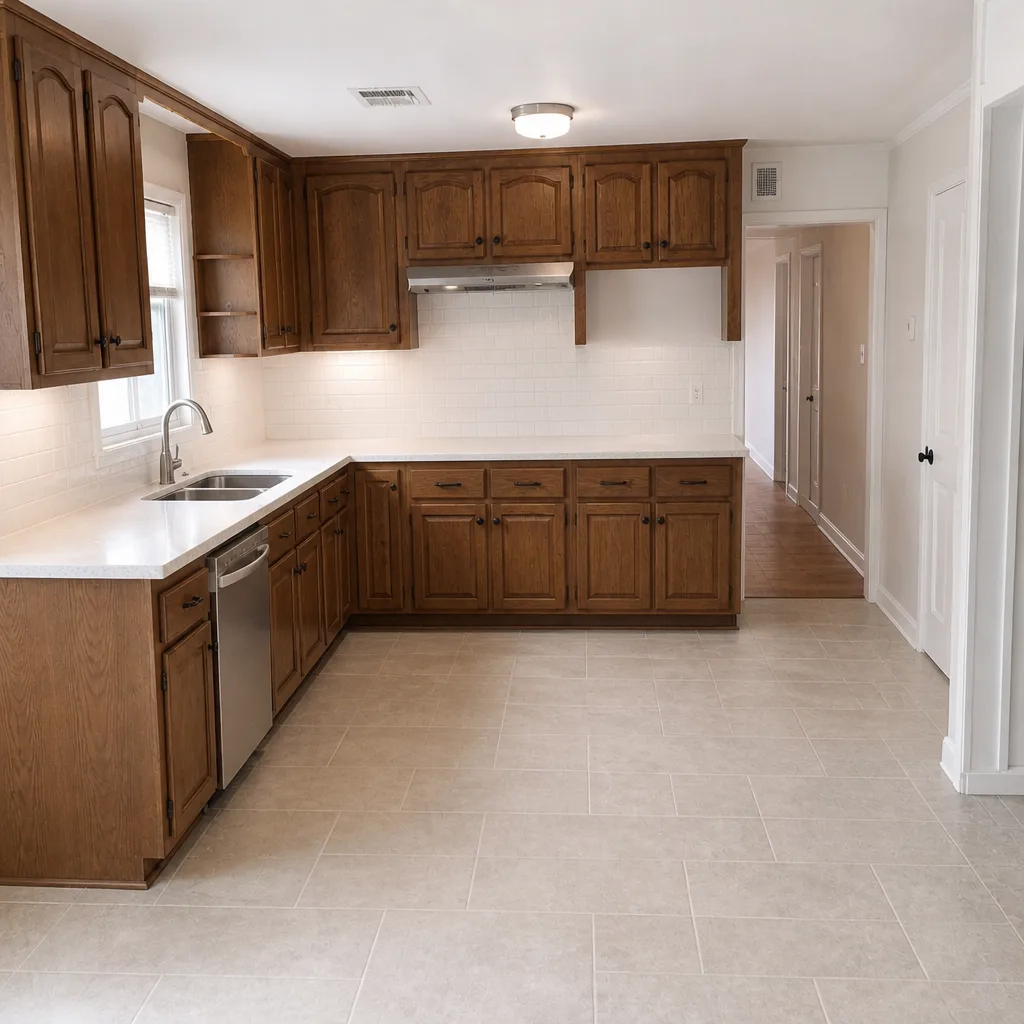 After
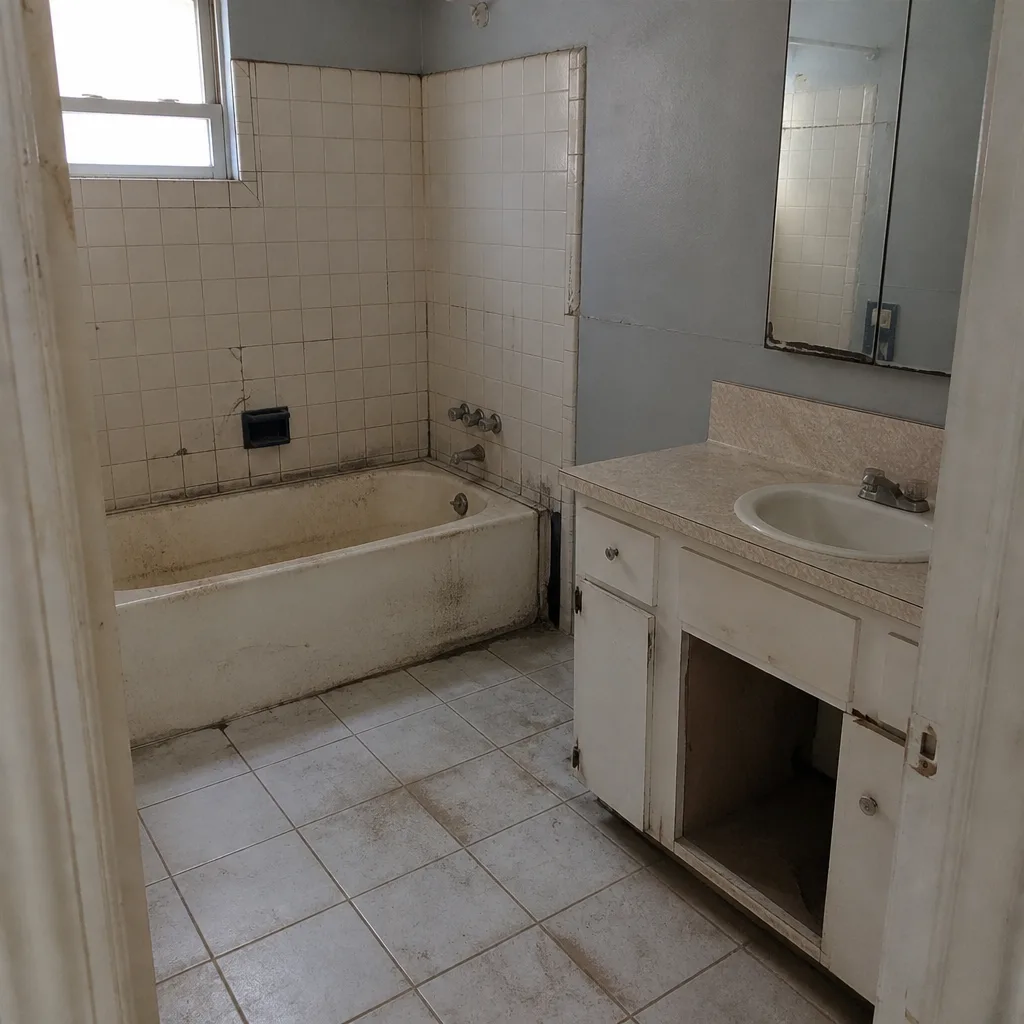 Before
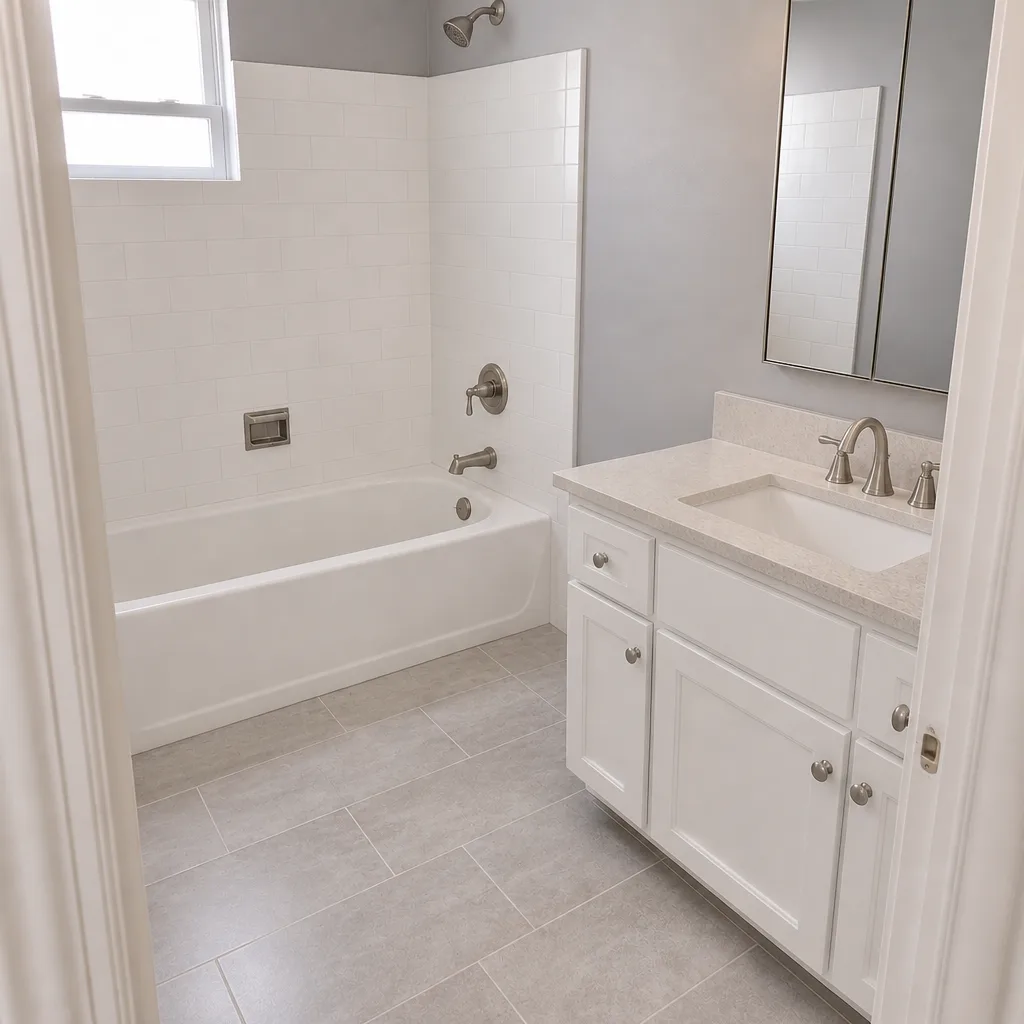 After
Common Mistakes to Avoid

- Never inspecting the connection zone. It’s the highest-risk area on the addition and the one most homeowners never look at because it’s not visible from the yard. In Spring Valley, we regularly find failing flashing there within the first three years.
- Treating the ADU like the main house. The ADU has its own HVAC, water heater, and meters. If you’re only maintaining the main house, the ADU’s systems are running unserviced until they fail.
- Waiting for a leak before checking the roof. By the time water shows on a ceiling, the wall cavity behind has been wet for a while. Annual inspection catches problems before they cost real money.
- Re-caulking with the wrong material. Not all caulks are the same, and the wrong one pulls away faster. Use exterior-rated sealant compatible with both materials at the joint, or have a pro do it.
- Skipping the 1-year check because everything looks fine. The 1-year mark is when early movement is most fixable. It looks fine right up until it becomes visible inside.
- Ignoring the ADU’s sun-facing walls. In Spring Valley, a west- or south-facing wall can weather years faster than the rest of the structure. Inspect and tend to those finishes on a tighter schedule.
- Assuming the separate meters are fine because the power works. Meter corrosion and connection wear don’t announce themselves. Have them inspected periodically by a licensed electrician.
- Doing roof-height connection zone work yourself. Fall risk and improper flashing work combine into one of the worst possible DIY outcomes. Leave roof-height envelope work to a professional.
When to Call a Professional
Call a licensed professional the moment you see water staining near the connection zone, cracked or lifted flashing, or interior moisture after a storm. Call when the ADU’s HVAC is underperforming or making unusual noise, or when the water heater needs repair or replacement. Call when the separate utility meters or service connections show any sign of wear. Call if you see unusual settling, cracking, or movement in the addition. Call for any roof-level envelope work, electrical work, gas work, or structural evaluation. These are not tasks to defer or attempt yourself.
Groundwork Construction Co. of Spring Valley offers free estimates in Spring Valley for repairs and upgrades that go beyond routine maintenance. If your addition or ADU needs envelope repair, exterior finish renewal, or major work, call (888) 329-9414. We answer with a live person, 24/7, and every project we touch is covered by our 730-Day Done Right Promise.
Frequently Asked Questions
Inspect at least three times a year in Spring Valley: pre-summer (April – May), post-monsoon (October), plus a quick visual check from the ground after any major monsoon storm. The connection zone where the addition meets the main house deserves an annual professional look.
The roof-to-wall connection zone. It’s the highest-risk area for water intrusion and the one most homeowners never check. In our experience, it’s also where flashing, caulk, and finish transitions fail first. Call (888) 329-9414 to schedule a free estimate if you’re not sure of the condition.
Yes. Separate electrical and gas meters and their service connections need periodic inspection by a licensed electrician to catch corrosion and connection wear before it becomes a safety or code issue. Don’t work inside a meter base yourself.
Because the addition often faces a different direction than the main house and gets more sun. In Spring Valley, a west- or south-facing wall can age years faster than the rest of the home. That wall needs more frequent caulking, painting, and touch-ups. Choosing quality materials like Boral siding or trim helps, which is why we specify them on exterior upgrades.
At 1 year: check for settling and catch early caulk and flashing failures. At 3 years: re-seal joints, service the ADU’s dedicated HVAC, and address sun-facing finish wear. At 5 years: a full deep inspection of the connection zone, roof, HVAC, utility meters, and exterior finishes.
You can handle filter changes, gutter cleaning, ground-level visual checks, and small low-level caulk touch-ups. Anything at roof height, electrical, gas, or structural needs a licensed professional. When in doubt, ask. Call (888) 329-9414 for a free estimate on anything beyond routine maintenance.
The Bottom Line
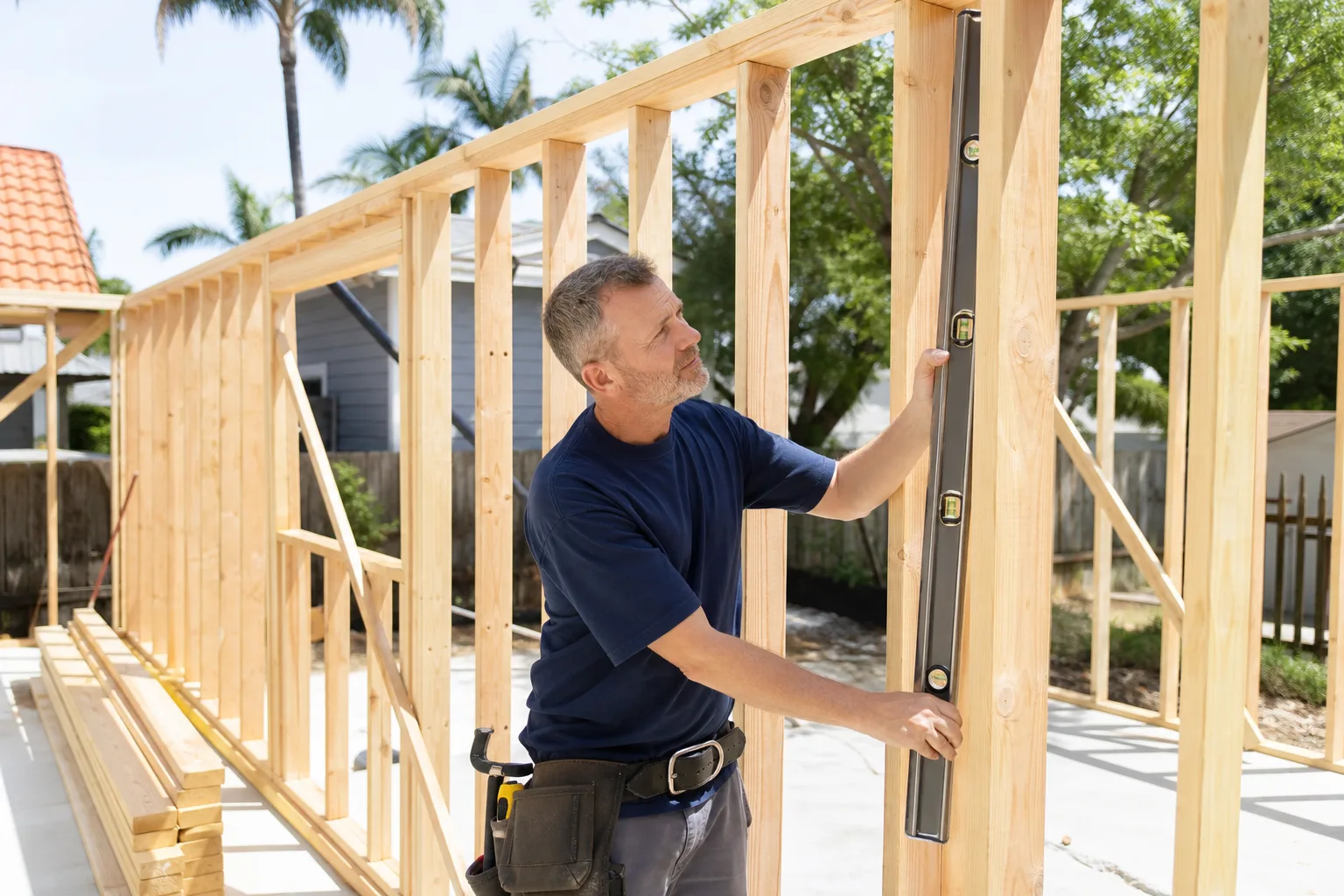
Your home addition or ADU needs its own maintenance schedule, not a generic checklist. The connection zone, the ADU’s separate systems, and the sun-facing finishes all age differently than the main house, and ignoring that is how small issues turn into costly repairs. Follow Spring Valley’s seasonal calendar: prep for summer heat in spring, waterproof-check during monsoon season, and do a full inspection in fall. Hit the 1-year, 3-year, and 5-year milestones, and know which tasks are yours versus a licensed tradesperson’s. Done right, your addition stays trouble-free for decades.
Groundwork Construction Co. of Spring Valley backs every project with our 730-Day Done Right Promise, uses quality brand partners across every trade, and offers free project estimates with upfront pricing and no surprises. If you’re planning an addition, an ADU, or a major exterior upgrade, call (888) 329-9414 for a free estimate. Live person, 24/7. From foundation to finish line, we’re here for the whole life of your build.
You can also explore our related work: Groundwork Construction Co. of Spring Valley home, Driveway & Pavers in Spring Valley, and Fence Installation in Spring Valley.
Written by the team at Groundwork Construction Co. of Spring Valley.