Last updated November 17, 2026




Free written scope consultation - allowances, timeline, and change-order rules on paper before a single trade is scheduled
DIY vs Professional Home Additions & ADU: What’s Safe to Do Yourself
In Clark County, pulling your own owner-builder permit for an addition is legal. It also puts your address on a list for more rigorous inspection, can complicate a construction loan, and in some HOAs triggers a mandatory professional design review no matter how handy you are. Most “DIY home addition” articles skip that part. This guide doesn’t. We’re going to draw the actual lines between what a homeowner can safely and legally do and what belongs to a licensed contractor, with the local permit, insurance, and resale consequences spelled out. If you live in Spring Valley or anywhere in the valley and you’re weighing a garage conversion, a bump-out, or a detached ADU, read this before you buy a single two-by-four.
Quick Answer
In Spring Valley and the rest of Clark County, demolition prep, finish painting, landscaping restoration, and minor finish carpentry after inspections are signed off are genuinely safe DIY tasks. Structural work, electrical, plumbing, and HVAC are not: Nevada requires a licensed contractor to pull those permits, and owner-builder work that skips that step can void insurance, kill a loan, and surface as a violation years later at resale. The middle ground, hiring a general contractor who holds the permit while you manage some subs, saves money without the legal exposure.
Styles & brands we work with
- Kitchen remodeling
- Bathroom remodeling
- Home additions & ADU
- Roofing
- Windows & doors
- Driveway & pavers
- Fence
Table of Contents
- The Hard Legal Limits in Clark County and Nevada
- What the Owner-Builder Permit Actually Commits You To
- The Tasks That Are Genuinely Safe to DIY
- Insurance and Resale: How Unpermitted Work Gets Caught
- Why Rental ADUs Are a Different Problem
- The Hybrid Approach: Managing Subs Under a GC’s Permit
- What the DIY Savings Actually Look Like
- Common Mistakes to Avoid
The Hard Legal Limits in Clark County and Nevada
Nevada draws the line by trade, not by skill. No matter how confident you are, four categories of work require a licensed contractor to pull the permit and perform the work on a residential addition:
- Structural work. Foundations, framing, shear walls, headers, and roof connections fall under the structural provisions of the building code. Clark County’s inspectors want to see the work done by someone accountable to a license.
- Electrical. New circuits, panel upgrades, subpanels, and anything tied to the grid require a licensed electrician. This is where the danger is real: an undersized panel or a misbonded neutral can burn a house down.
- Plumbing. Supply lines, drain-waste-vent work, gas piping, and water heater connections. Gas line work in particular is a hard-stop category. Do not touch it.
- HVAC. Ductwork, refrigerant lines, and load calculations for a new conditioned space. Spring Valley’s summer design temperatures push equipment hard, and a system sized by guesswork will fail early.
Nevada’s owner-builder provision, spelled out in state contracting law, allows a homeowner to act as their own general contractor on a home they will occupy. That exception covers general contracting, not the licensed trades above. There’s also a practical catch: the owner-builder exemption is generally designed for a single-family home the owner lives in, not for a property being flipped or rented. If you’re planning a rental unit or a speculative build, the exemption doesn’t fit and the county will treat the project differently. Spring Valley sits in unincorporated Clark County, so county building department rules apply rather than city of Las Vegas rules, and those rules get applied to the letter when a homeowner pulls the permit themselves.
If your project is more than a bump-out, the scope matters for what comes next. Our Home Additions & ADU in Spring Valley page lays out the full range of what we build, from small additions to detached units, and it’s a useful reference for scoping before you decide who holds the permit.
What the Owner-Builder Permit Actually Commits You To
Pulling your own permit feels like a formality. It isn’t. When you sign as owner-builder in Clark County, you’re taking on five things that most homeowners don’t realize until the first inspection fails:
- You become the responsible party. Every correction notice, every failed inspection, every re-inspection fee lands on you, not on a contractor who could fix it.
- You’re scheduling and supervising every trade. The framing inspection has to pass before the rough electrical, which has to pass before insulation, which has to pass before drywall. Miss a sequence and the project stalls for weeks.
- You carry the warranty. If a subcontracted framer’s work fails in year three, there’s no company standing behind it. You are the company.
- You may struggle to finance. Construction loans and some refinances want a licensed general contractor on the permit. An owner-builder permit on the record can flag your file for extra scrutiny or an outright decline.
- You may trigger an HOA review. Spring Valley has plenty of HOAs. Several require professional plans and a licensed contractor for any addition that changes the roofline, footprint, or exterior appearance, regardless of what the county allows.
There’s also the inspection intensity question. County inspectors know an owner-builder permit means no professional is on the other side. In our experience, that translates to more thorough scrutiny, not less. Every framing detail, every nail schedule, every anchor bolt gets looked at because there’s no license on the line.
The Tasks That Are Genuinely Safe to DIY
Here’s where a homeowner saves real money without touching the risky stuff. On a typical Spring Valley addition, the owner-appropriate scope is worth somewhere between 8% and 15% of the total project cost if you do it yourself:
- Demolition prep. Clearing the site, removing landscaping, tearing out an old patio, hauling debris. This is physical but low-risk. Just confirm with your contractor what to demo and what to leave. Pulling a wall the wrong way before a structural assessment is a bad idea.
- Finish painting. After inspections are closed and the texture is dry, painting is pure labor. Good brushes, a proper primer, and two coats. Spring Valley’s dry climate means paint cures quickly, which helps.
- Landscaping restoration. New sod, gravel, drip irrigation re-routing, and planting after the build is done. This is where the finished look comes together, and it’s entirely reasonable for a homeowner to take it on.
- Minor finish carpentry. Baseboards, closet shelving, door hardware, and simple trim after the final inspection. Nothing structural, nothing that requires a permit, just the last 5% of the aesthetic punch list.
- Site prep coordination. Calling the utility locate line, arranging dumpster delivery, being on-site for deliveries. This isn’t construction labor but it saves the contractor time, and some contractors credit that back.
The line is bright: anything that gets inspected after it’s covered up is not DIY. Anything that requires a licensed trade is not DIY. Anything that changes the structural envelope is not DIY. Everything else is fair game, and a good contractor will help you draw that line before the project starts, not after.
Insurance and Resale: How Unpermitted Work Gets Caught
This is the part that costs homeowners the most money down the road. Unpermitted additions in Spring Valley surface during three specific events:
- A homeowners insurance claim. If a fire, water damage, or structural failure traces back to unpermitted work, the insurer can deny the claim or reduce the payout. They won’t necessarily rescind the policy, but they will investigate, and the unpermitted scope will be found.
- A home sale inspection. Buyers’ agents pull permit history as a standard step. A room that doesn’t exist in county records is a red flag, and the seller typically ends up either remediating at their own cost or dropping the price. In a Spring Valley market where buyers are already scrutinizing disclosures, this can cost five figures off the sale price.
- A refinance or equity line. Appraisers note unpermitted square footage, and lenders get conservative about lending against it. If you built a 500-square-foot addition without a permit, that square footage may not count toward the appraisal.
The remediation path is painful. Owners usually have to either tear the work out or go through a permit-after-the-fact process. That means opening walls so an inspector can see the framing, the wiring, and the plumbing; if anything fails, it gets rebuilt. The bill for retroactive permitting and correction often exceeds what a licensed contractor would have charged the first time. And that’s before we get to the fact that unpermitted electrical or structural work in a home you’re trying to sell can trigger a title or disclosure problem that stalls the closing.
None of this is theoretical. We’ve walked into Spring Valley homes where a homeowner built a permitted enclosed patio, then later converted it to living space without a permit. The county found it during a routine inspection triggered by a neighbor’s remodel permit. The cost to correct it was more than the original build.
Why Rental ADUs Are a Different Problem
An ADU you live in close to a family member is one thing. An ADU you rent out is another category entirely. Clark County’s code for accessory dwelling units carries requirements tied to habitability, and those requirements kick in harder when the unit is offered for rent:
- Life-safety systems have to be verified. Smoke and carbon monoxide alarms in each sleeping room, egress windows sized per code, and a separate address if the unit has its own entrance. Inspectors check these on rental units more carefully than on family-only ADUs because there’s a tenant at risk.
- Utility separation may be required. If the ADU is metered separately or has its own electrical service, that’s a licensed electrician job and requires more invasive inspection.
- Rental certificates and business licensing. Clark County requires certain registrations for rental units. A non-compliant ADU that gets reported by a tenant or a neighbor during a dispute is a real risk, and remediation can force the unit out of service until it’s corrected.
- Habitability standards. Heating, cooling, ventilation, and water heating all have to meet distinct standards when a tenant is in the unit. An ADU built for family use can fail these standards even when the family is comfortable.
In our experience, an owner-builder path to a rental ADU in Spring Valley almost never pencils out once you account for the compliance work, the inspections, and the risk of an uninhabitable period. Detached units also run into setback, height, and lot coverage rules that vary street by street in Spring Valley neighborhoods. That’s one job where the professional build is the practical build.
If you’re planning an addition or ADU and want a straight read on the permit path for your lot, we’re happy to walk through it. If your property needs exterior work to support an addition, like regraded paving or a fresh fence line, the Driveway & Pavers in Spring Valley and Fence Installation in Spring Valley pages walk through the scope and options.
The Hybrid Approach: Managing Subs Under a GC’s Permit
This is the option most homeowners never hear about, and it’s often the best fit. In a hybrid arrangement, a licensed general contractor like Groundwork Construction Co. of Spring Valley pulls the permit, carries the insurance, and signs off on the structural and code-critical work, while you take on certain scheduling and finish-level tasks yourself. The GC stays legally responsible for the permit; you keep a real say in how the job runs.
Here’s how a hybrid build typically sequences:
- Design and permit. The GC and a designer produce the plans and pull the owner’s permit. You review and approve before anything gets submitted.
- Structural and shell. Licensed crews handle framing, foundation, roofing, electrical rough-in, plumbing rough-in, and HVAC. Inspections pass before the walls close.
- Handoff point. Once framing, mechanical, and insulation inspections are signed, the contractor can hand off defined interior scope to you: drywall finishing, painting, trim, finish carpentry, and flooring. You know exactly what’s yours.
- Final inspections. The GC still owns the final inspection and the certificate of occupancy. Everything above the handoff point has to be right, which protects you.
The savings are real, typically 10% to 20% of total project cost versus a full turnkey build, but so is the responsibility. You have to show up, manage scheduling, and keep your subs on the GC’s timeline. If a sub slips, the whole job slips. A hybrid is efficient when the homeowner is organized. It turns into an expensive lesson when the homeowner is not.
What the DIY Savings Actually Look Like
The savings story is more nuanced than “DIY is cheaper.” Here’s how the math actually breaks down on a typical Spring Valley addition:
- Structural, electrical, plumbing, HVAC, and permitted scope. You cannot legally DIY these. No savings available here; hiring a licensed contractor is the only path.
- Finish interior labor. Painting, trim, finish carpentry. Real savings of $8,000-$20,000 depending on scope, if you have the time and the skill to do it at a professional level.
- Landscaping restoration. Often $3,000-$10,000 in savings if you’re willing to do the sweat equity.
- Site prep and demo. $2,000-$5,000 in labor savings. More if you can keep your own dump-trailer or borrow a truck.
- Permitting and inspections. Not a savings category. Owner-builder saves you a GC markup (typically 15% to 25%), but exposes you to the loan, insurance, and resale risks above. The markup usually costs less than the risk.
If you’re building an addition in Spring Valley and want to understand the professional bid before you decide, that conversation starts with a free project estimate and design consult. No-hassle upfront pricing, no surprises at signing. Call (888) 329-9414 to schedule one, or start from Groundwork Construction Co. of Spring Valley home for the full service list.
Common Mistakes to Avoid
- Pulling an owner-builder permit without understanding what it means for your loan. If you’re financing any part of the project, check with the lender before you sign the permit. An owner-builder record can sink a construction loan application.
- Assuming your HOA follows county rules. Spring Valley HOAs often have stricter design review requirements than the county. A county-approved plan can still get rejected by the HOA’s architectural committee. Get the HOA approval in writing before demolition day.
- Starting with demolition before inspections. We’ve seen homeowners pull a wall before an engineer had signed off on whether it was load-bearing. That’s a five-figure correction, and it can compromise the whole structure.
- Trusting a permit-after-the-fact process to be quick. Retroactive permitting in Clark County can take months and often forces the owner to open walls. If the work wasn’t inspected during construction, it gets inspected later at far greater cost.
- Underestimating the ADU compliance burden for rental units. Habitability and life-safety standards on a rental ADU are stricter than on a family-use unit, and the county checks them harder. If you want a rental unit, expect to build it professionally.
- Buying materials before the plan set is finalized. Brands like GAF and Schluter are great, but the specific products need to match the design and the plan review, not the other way around. Buying first often means buying twice.
- Skipping the final inspection. Some homeowners finish the addition and skip the final inspection. The certificate of occupancy is what makes the addition real in county records, and skipping it makes every resale problem above worse.
See the difference
 Before
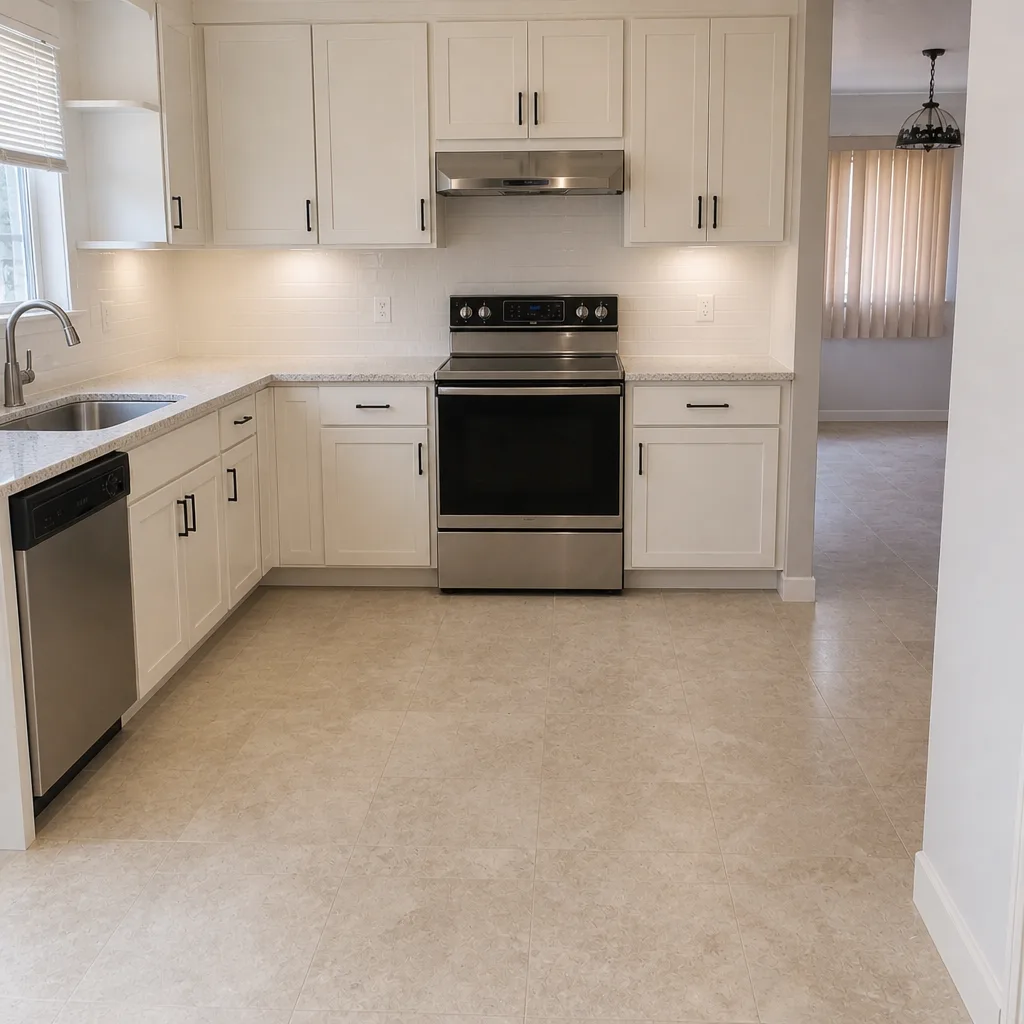 After
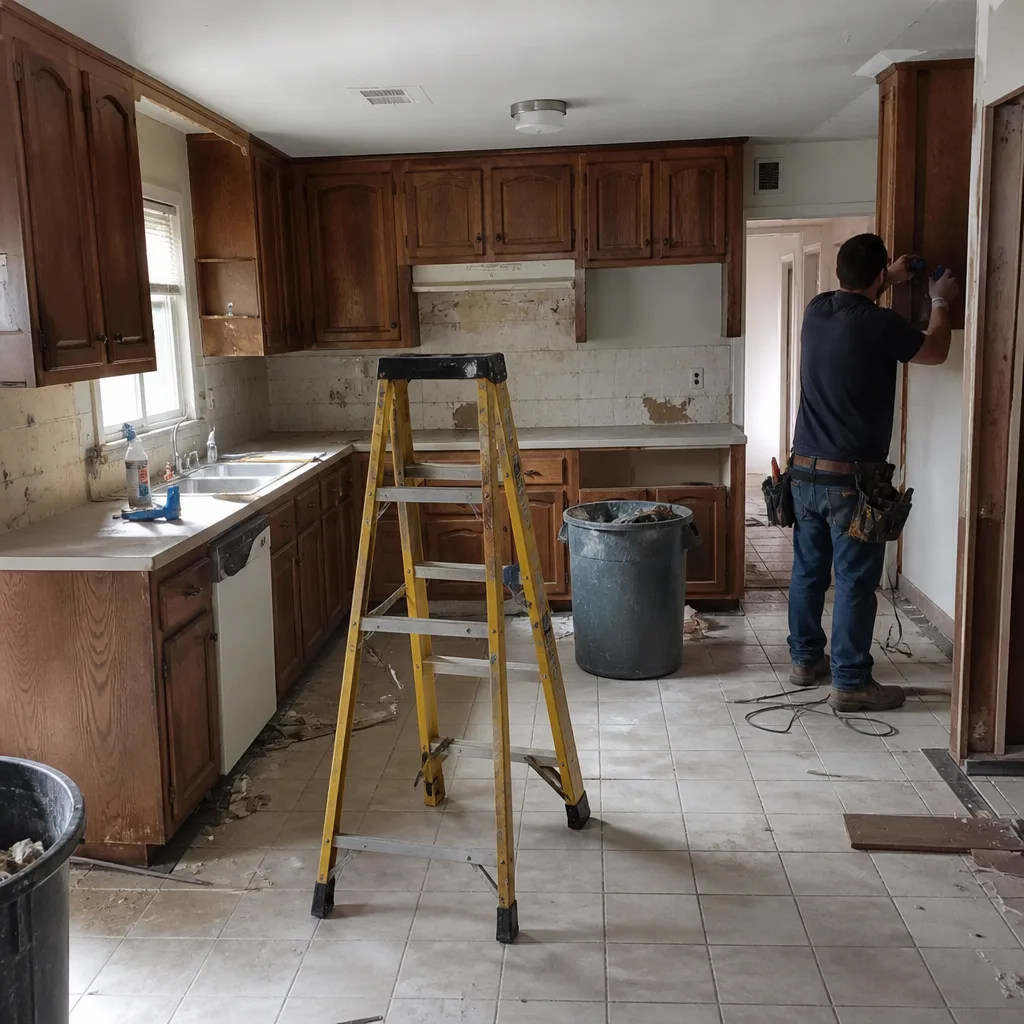 Before
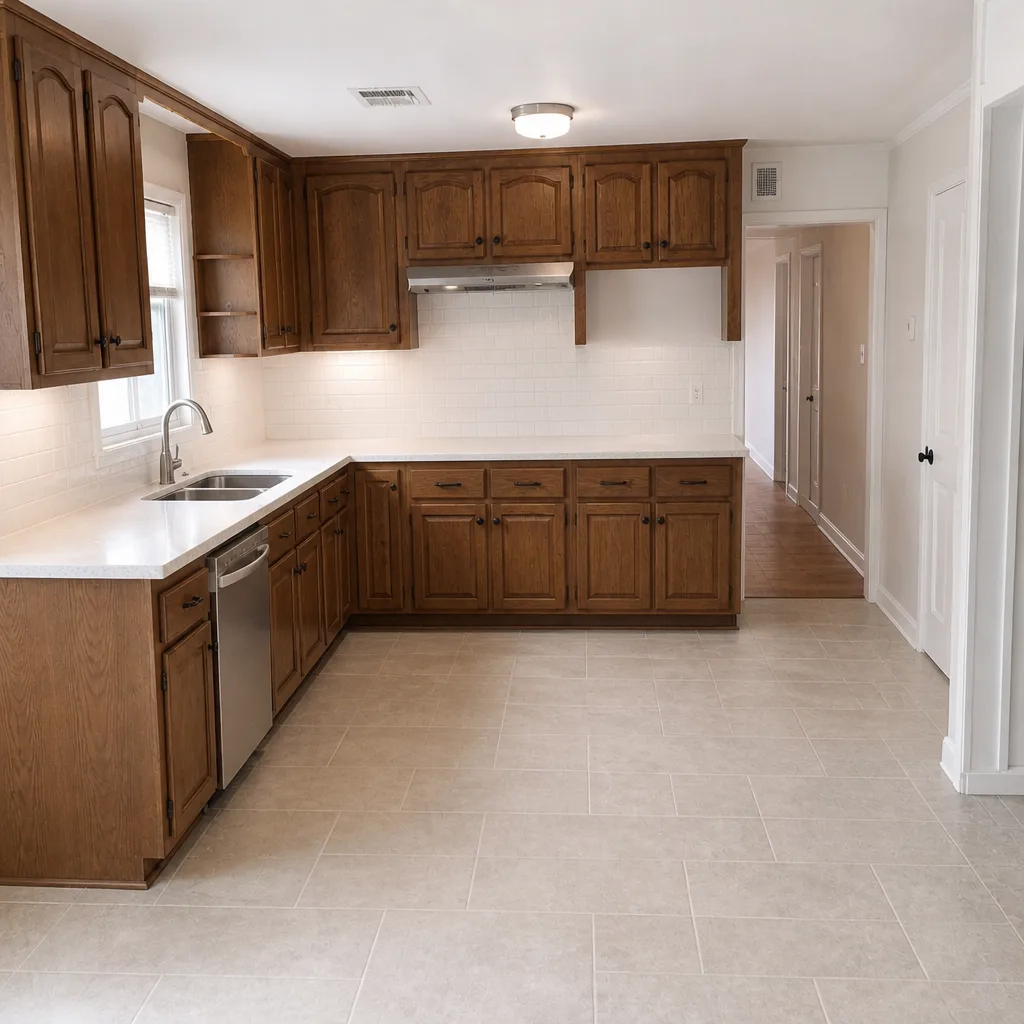 After
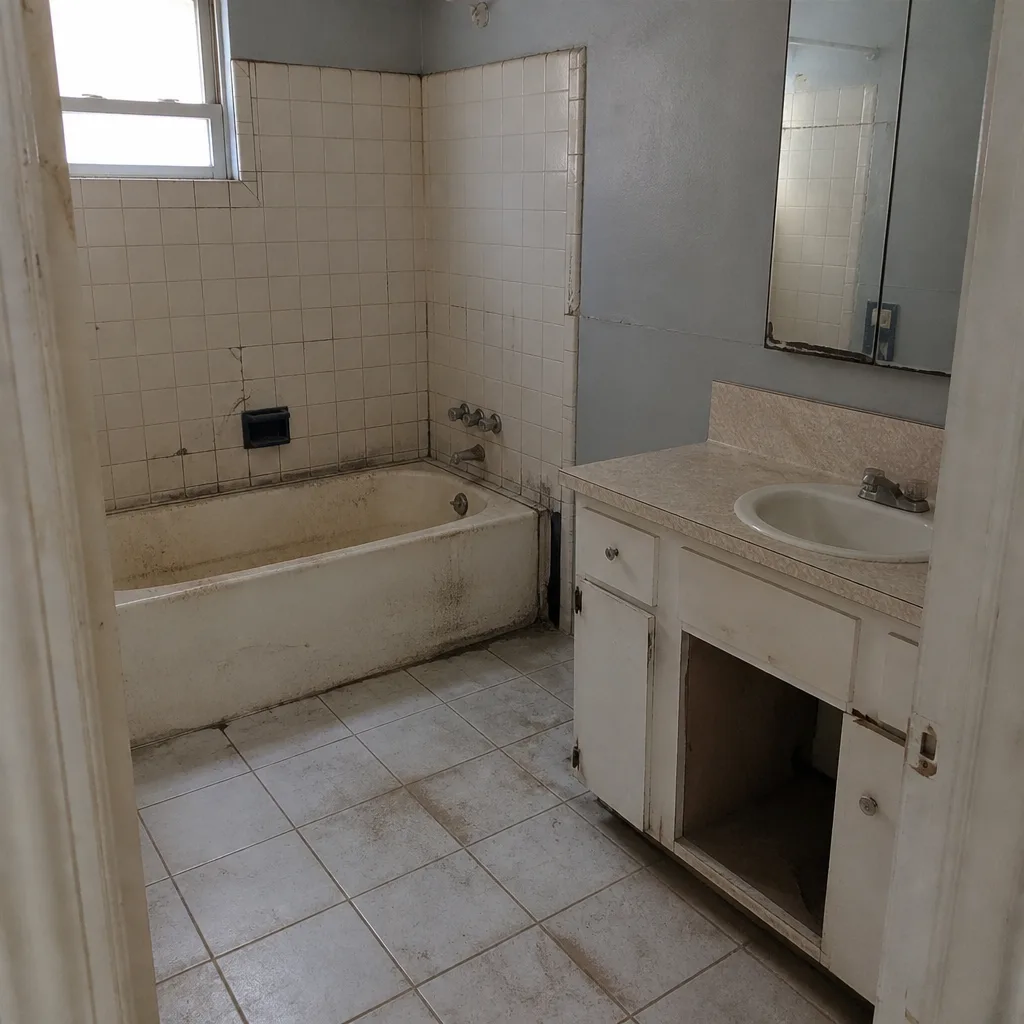 Before
 After
When to Call a Professional
Call a professional the moment your project touches structure, electrical, plumbing, HVAC, a rental ADU, or a lender-financed build. Also call when the HOA review is mandatory, when you’re beyond a simple bump-out, or when the timeline matters and a stalled inspection sequence would cost more than the GC markup. In practice, that’s most projects in Spring Valley. Groundwork Construction Co. of Spring Valley offers free estimates in Spring Valley, with the 730-Day Done Right Promise behind the work and live phone coverage 24/7 so you’re never pushed to voicemail in the middle of a scheduling question. Call (888) 329-9414.
Frequently Asked Questions
Partly. In Clark County, Nevada’s owner-builder provision lets a homeowner act as their own general contractor on a home they live in, but structural, electrical, plumbing, and HVAC work still requires a licensed contractor to pull the permit and perform the work. Finish painting, landscaping, demolition prep, and minor finish carpentry after inspections are genuinely DIY-appropriate. Call (888) 329-9414 for a free estimate and we’ll scope the project honestly.
The work is treated as unpermitted, and the county can require remediation or demolition during an inspection, refinance, or sale. Practically, it surfaces during home sale inspections, when buyers pull permit history, or when an insurer investigates a claim. The cost to correct retroactively often exceeds what a licensed build would have cost in the first place. Call (888) 329-9414 to price a permitted build before you commit to a DIY path.
Realistically 10% to 20% off total project cost, mostly from finish interior labor, landscaping, and site prep. Structural and mechanical scope can’t legally be DIY, so the savings don’t reach those categories. That 10% to 20% is real money, but only when the owner can stay on the schedule. Call (888) 329-9414 for a free estimate so you know what the professional number actually is.
It can. Insurers generally require disclosure of additions and may decline coverage on unpermitted work, and even permitted owner-builder work can raise questions if the work falls outside the licensed trades. Handle the permit correctly, keep records, and disclose the addition to your carrier. Call (888) 329-9414 for a free estimate if you want the work permitted and documented from the start.
Only in a limited way. The structural conversion, electrical, plumbing, and HVAC require licensed trades. If the ADU will be rented, Clark County’s habitability and life-safety requirements get stricter, and those requirements push almost every rental ADU toward a full professional build. Call (888) 329-9414 for a free estimate on a compliant Spring Valley ADU.
On any project where Groundwork Construction Co. of Spring Valley is the contractor of record, we pull the permits and carry the insurance behind them. That’s the point of hiring a contractor: your permit stays a professional permit, your inspections stay on schedule, and if something fails you have a company with the 730-Day Done Right Promise that makes it right. Call (888) 329-9414 to schedule your free estimate.
The Bottom Line
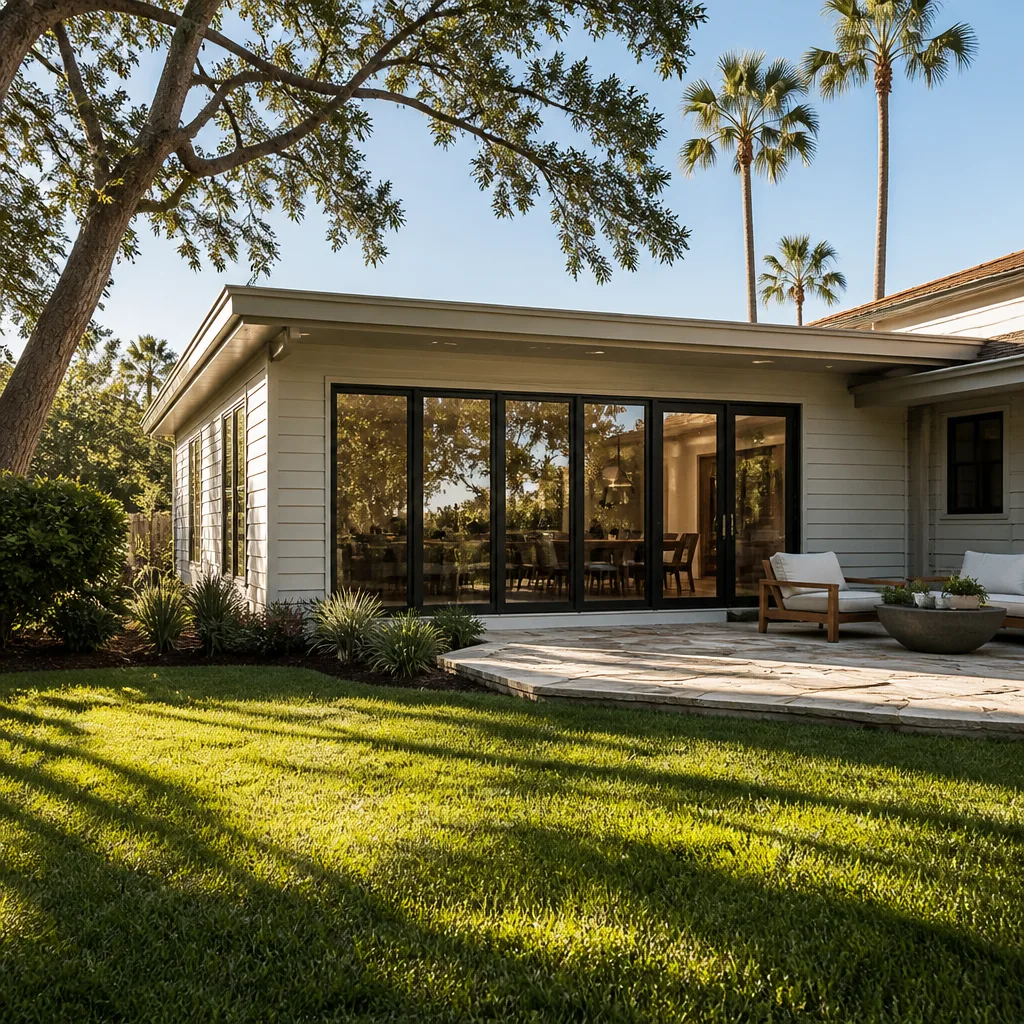
The DIY-versus-pro question on home additions isn’t about how handy you are. It’s about which parts of the work carry legal and structural risk, and which parts are just labor. In Spring Valley and the rest of Clark County, finish painting, landscaping, demo prep, and minor finish carpentry are safe DIY territory. Structure, electrical, plumbing, HVAC, rental ADUs, and anything financed belong with a licensed contractor. The hybrid approach, a GC’s permit with defined owner-managed scope, is the smart middle ground for organized homeowners. Wherever you land, get the permit history right, get the insurance right, and protect the future title of your house.
Groundwork Construction Co. of Spring Valley serves the Spring Valley area with full-scope additions and ADUs, backed by the 730-Day Done Right Promise, upfront pricing, background-checked uniformed technicians, and a live person answering the phone 24/7. We use trusted brand partners like GAF and Schluter where they fit the scope, and we’re happy to talk through your specific project before you commit to a path. Call (888) 329-9414 for a free estimate and design consult. Our technicians have up to 12 years of experience, and we’re ready to walk your lot with you.
Written by the team at Groundwork Construction Co. of Spring Valley.