Last updated November 17, 2026

Free written scope consultation - allowances, timeline, and change-order rules on paper before a single trade is scheduled
How Long Does Windows & Doors Take? Timelines and What to Expect
Custom window orders from most manufacturers run 4 to 8 weeks on lead time alone. Let that land for a second. Which means the contractor who promises a two-week start is either planning to use stock product or hasn’t ordered your windows yet. We’ve seen this play out in Spring Valley more times than we can count: a homeowner signs a bid that reads “one-week install,” then waits five weeks for the units to arrive and another week for a re-inspection. The job didn’t fail. The schedule was fiction from day one. This guide breaks down the real timeline – per-unit install times, manufacturing lead times by product tier, Spring Valley permit realities, and how a phased whole-home project actually sequences – so you can plan around the truth instead of discovering it at week three.
Quick Answer
A single window or door replacement usually takes 2 to 4 hours per unit, and a whole-home project of 10 to 15 windows typically runs 2 to 5 days of active installation. But the full project timeline from signed contract to final walkthrough is usually 6 to 12 weeks, because custom manufacturing lead time (4 to 8 weeks) and Spring Valley permit review (1 to 3 weeks for standard replacements) dominate the schedule more than the labor itself.
Styles & brands we work with
- Kitchen remodeling
- Bathroom remodeling
- Home additions & ADU
- Roofing
- Windows & doors
- Driveway & pavers
- Fence
Table of Contents
- How Long Does Each Window Type Take to Install?
- Manufacturing Lead Times: Stock vs. Custom vs. Specialty
- Spring Valley Permit Timelines for Window Replacement
- Weather Windows and Desert Heat Scheduling
- What a Phased Whole-Home Project Actually Looks Like
- Door Replacement: Sliding, Entry, and Patio Timelines
- How to Build a Realistic Schedule
- Minimizing Disruption Room by Room
How Long Does Each Window Type Take to Install?
Per-unit install time is where the honest conversation starts, because every window style carries a different set of steps. A standard single-hung replacement in a Spring Valley stucco home is a 2 to 3 hour job for a trained crew: pull the old unit, check the rough opening, flash and seal, set the new frame, insulate, trim, and test the sash. A casement with a crank mechanism and a wider frame profile runs closer to 3 to 4 hours because the hardware needs alignment and the flashing is more involved. Sliding windows sit in the middle at 2.5 to 3.5 hours, while large picture windows – often 5 to 6 feet wide in the great rooms common to Spring Valley builds – take 4 to 6 hours and usually require two people for safe handling.
In our experience, the per-unit estimate a contractor gives you should always be paired with a real answer to one question: how many units per crew per day? A two-person crew working efficiently can typically complete 3 to 5 standard windows in a working day. If a bid claims 10 windows in a day, ask what gets skipped. The usual answer is flashing detail or interior trim, and those are the parts that leak in year three.
- Single-hung or double-hung: 2 to 3 hours per unit
- Sliding: 2.5 to 3.5 hours per unit
- Casement or awning: 3 to 4 hours per unit
- Picture window (large fixed): 4 to 6 hours per unit
- Bay or bow window: 6 to 8 hours per unit plus framing
- Standard entry door: 3 to 5 hours
- Sliding patio door: 4 to 6 hours
For a Spring Valley home with 12 windows averaging 3 hours each, that’s roughly 36 crew-hours of active install – about 2 to 3 working days for a two-person crew, assuming no surprises behind the wall. And there usually is at least one surprise in homes built in the 1990s and 2000s: rotted sill plates, missing flashing from a prior install, or framing that isn’t square. Build a 10 to 15 percent buffer into your day count and you’ll rarely be caught flat-footed.
Manufacturing Lead Times: Stock vs. Custom vs. Specialty
Here’s the part that gets undercommunicated across the industry, and it’s the reason we treat lead time as the schedule. When you order windows, the product tier you choose sets a hard floor on how fast the project can possibly move. No contractor can install a window that isn’t in the warehouse, no matter how fast the crew is.
- Stock sizes, in-stock brands: 3 to 10 days. Available in common widths and heights at supply yards around the Las Vegas Valley. Custom color and hardware options are usually off the table.
- Semi-custom (standard sizes, non-stock finishes): 2 to 4 weeks. This is the tier most homeowners land in – standard dimensions with a color or grille pattern the yard doesn’t stock.
- Custom orders from major manufacturers: 4 to 8 weeks. This is where Andersen and similar premium brands typically land, and it’s the realistic number for a Spring Valley remodel where you want the window to fit the opening you actually have.
- Specialty and oversized units: 8 to 14 weeks. Large picture windows, custom shapes, impact-rated glass, or architecturally matched profiles for older Spring Valley homes. Add 2 to 3 weeks if any part of the order has to be re-manufactured.
Two things matter for your schedule. First, lead time starts the day the manufacturer confirms the order, not the day you signed the contract – there’s typically a 3 to 7 day window for measurement verification, order entry, and confirmation before the clock starts. Second, if your project requires removing windows before the replacements arrive, you cannot start until they’re on-site. That alone is why “one-week job” claims fall apart: they ignore the 4 to 8 weeks before the week.
Spring Valley Permit Timelines for Window Replacement
Spring Valley sits in unincorporated Clark County, and window replacement permit requirements depend on what’s changing. Like-for-like replacements in an existing opening – same size, same type, same egress – frequently qualify for over-the-counter or expedited review. Anything that changes the opening size, changes the window style (for example, turning a single-hung into a sliding unit), alters egress requirements in a bedroom, or touches structural framing gets a full permit review.
Realistic timelines in Spring Valley look like this:
- Like-for-like replacement, no opening change: 1 to 3 business days for over-the-counter review
- Opening change or style change: 2 to 4 weeks for plan review
- Structural changes, added framing, or new openings: 4 to 6 weeks for plan review
- Inspection scheduling after install: typically 1 to 5 business days out
Clark County’s online permit portal has made this faster than it used to be, but the review clock doesn’t start until a complete submittal is in. In our experience, the two most common delay causes are incomplete product spec sheets (manufacturers’ cut sheets missing egress ratings) and a missing site plan showing which windows are being replaced. Contractors who pull permits regularly know this pattern and submit complete packages the first time. If a bidder tells you “we don’t need permits for windows in Spring Valley,” ask them to put that in writing – because on any opening change, that statement is wrong.
Weather Windows and Desert Heat Scheduling
Spring Valley’s climate adds a scheduling constraint most guides ignore, and it doesn’t look like the constraints in cooler markets. There’s no freeze-thaw cycle to worry about. Instead, you’re scheduling around sustained summer heat – June through early September, when afternoon highs regularly run past 105°F. Exterior caulk and sealant have working temperature ranges printed on the tube, and most exterior-grade products want surface temps under 120°F to cure properly. That means crews need to start early, wrap the exterior portion of installs by noon, and save interior trim and cleanup for the afternoon.
What this does to your project timeline:
- Peak summer (June to September): day counts stretch 10 to 20 percent because crews work split shifts around the heat. A 3-day project becomes 3.5 to 4 days.
- Monsoon season (July to early September): afternoon storms can shut down exterior work for a day or two. Schedule window exterior work in the morning when possible.
- Spring (March to May) and fall (October to November): the sweet spots for Spring Valley window work – daytime highs manageable, minimal rain, sealants cure on schedule.
- Winter: fine for installs, but nights near freezing can slow some sealant cures. Most projects are unaffected.
One more climate note specific to Spring Valley: this is high-desert country, and wind-driven dust during the windy season (typically spring) makes clean sealing critical. A crew that leaves the interior open longer than necessary on a windy day is doing you no favors.
What a Phased Whole-Home Project Actually Looks Like
The single biggest timeline mistake on a whole-home window project is treating it as one job. It’s not. It’s 10 to 15 small jobs sequenced around weather, interior finish, and your daily life. A realistic Spring Valley example looks like this for a 12-window home in a neighborhood like Rhodes Ranch or Mountain’s Edge:
- Week 1 (contract and measure): final measurement, product selection, order placement. Permits submitted.
- Weeks 2 to 7 (lead time): manufacturing. Permits approved and pick-up scheduled. Windows arrive on-site the last week of this window.
- Week 8 (install, days 1 to 2): front-of-house windows – living room, dining, front bedroom – completed first.
- Week 8 or 9 (install, days 3 to 4): rear of house and side elevations. Interior trim and cleanup for the fronts finished.
- Week 9 (inspection and punch list): Clark County inspection, final walkthrough, and punch list completion.
That’s the honest shape of a phased project: about 8 to 9 calendar weeks, with only 3 to 4 of those being active install days. If the scope includes a door replacement or trimming work in a specific room, add 1 to 3 days for each phase that touches framing or finish. Homeowners who plan around this shape almost always report the disruption as manageable, because they know what week the living room goes dark and when it comes back.
Door Replacement: Sliding, Entry, and Patio Timelines
Doors sit in their own timeline lane because the variables are different. A standard entry door replacement – pre-hung, same rough opening – is a 3 to 5 hour job with a 2 to 4 week lead time from most manufacturers. A custom entry door from a premium brand like a Sterling or similar tier with non-standard sizing or a specific finish runs closer to the same 4 to 8 weeks we see on custom windows. Sliding patio doors are often a 4 to 6 hour install, but they typically require a framing check on the opening and sometimes a header modification in older Spring Valley builds, which adds a day.
Two things homeowners underestimate on door projects:
- Hardware and finish lead time: the door might arrive on schedule while the handle set, hinges, and finish are still 2 to 3 weeks out. Confirm the whole order is quoted with a synchronized ship date.
- Stucco and siding rework: Spring Valley homes are predominantly stucco, and a door that changes the rough opening needs stucco patching and repaint. Realistically add 1 to 3 days after install for that phase.
Door replacement is also a natural moment to consider whether adjacent upgrades make sense – if you’re already opening up the wall, adding a fence installation in Spring Valley or planning an exterior entrance refresh can be sequenced together to reduce the total disruption. It’s worth asking the bidder which adjacent trades are included versus priced separately.
How to Build a Realistic Schedule
If you want a schedule you can actually plan around, work backward from the install date rather than forward from today. Here’s how we coach homeowners through it.
- Pick your install month. Choose the month you want the crew on-site. That’s the anchor.
- Subtract the install days. For 12 windows, plan 3 to 4 working days of active install, plus 1 to 2 days for inspection and punch list.
- Subtract the permit window. Add 1 to 4 weeks depending on whether you’re changing openings or doing like-for-like.
- Subtract the manufacturing lead time. Add 4 to 8 weeks for custom windows, 2 to 4 weeks for semi-custom, or 1 to 2 weeks for stock.
- Subtract the measurement and order window. Add 1 to 2 weeks for final measurement, product confirmation, and order placement.
Run that math on a custom order and you land at 8 to 14 weeks from signature to final walkthrough. On stock product with no permits, the same project can compress to 3 to 5 weeks. The delivery tier, not the labor tier, is what moves the dial most. And this is also the moment to sort out financing and upfront pricing – knowing the total before you order saves the entire re-quote cycle that stretches projects by weeks.
Minimizing Disruption Room by Room
The single best way to reduce disruption is to phase the project so no room is out of service for more than 24 hours. That’s achievable, and it’s how we build the schedule on most Spring Valley whole-home window projects.
- Front of house first, back of house second. Front-facing bedrooms and living areas are usually used less during the day, so they can be completed while occupants are out.
- One room per crew per day. Don’t let a crew spread across five rooms at once. Complete one, then move to the next.
- Interior trim same day as the window. Never leave a rough opening finished with a temporary seal overnight if a permanent window is ready to go in.
- Furniture cleared in advance. A crew that spends 30 minutes moving furniture is a crew not installing windows. Clearing the room the night before cuts an hour off the day.
- Keep a staging area designated. Windows need space to be unpacked and staged. Pick the garage or a covered patio and keep it clear for the full install window.
- Schedule a “no-work” window if you work from home. The best crews can work around your calls, but it’s easier on everyone if you block a couple of hours when the noisiest steps happen.
For larger homes or projects that include additions, the disruption math changes – if you’re also considering a home addition in Spring Valley, ask us to sequence the windows as part of that wider plan so the interior isn’t opened twice.
Common Mistakes to Avoid
- Signing a bid that doesn’t list product tier. A “12 windows, one week” quote that doesn’t specify stock versus custom is a quote that can’t be scheduled until you ask. Spring Valley homeowners should demand the model number and lead time in writing.
- Assuming permits aren’t required. Any opening change, style change, or egress change requires a Clark County permit. The 2 to 4 week review window needs to be in the schedule, not discovered after the boxes arrive.
- Scheduling installs for peak summer afternoons. June through September in Spring Valley, exterior work needs to be done by noon. Afternoon installs tend to be rushed, and rushed sealant fails first.
- Ordering doors without a synchronized hardware ship date. A door on-site with hardware three weeks out is a door that sits in a garage while your crew waits.
- Skipping the 10 to 15 percent buffer. Every Spring Valley home built before 2010 has at least one surprise behind a window. Buffer it in writing.
- Letting the crew open more rooms than it can close in a day. One finished room per day is the rule. Half-finished rooms invite damage and slow the finish work.
- Booking in monsoon season without a rain plan. July through early September afternoons can shut down exterior work. Confirm the crew’s rain-day policy in writing before you sign.
See the difference
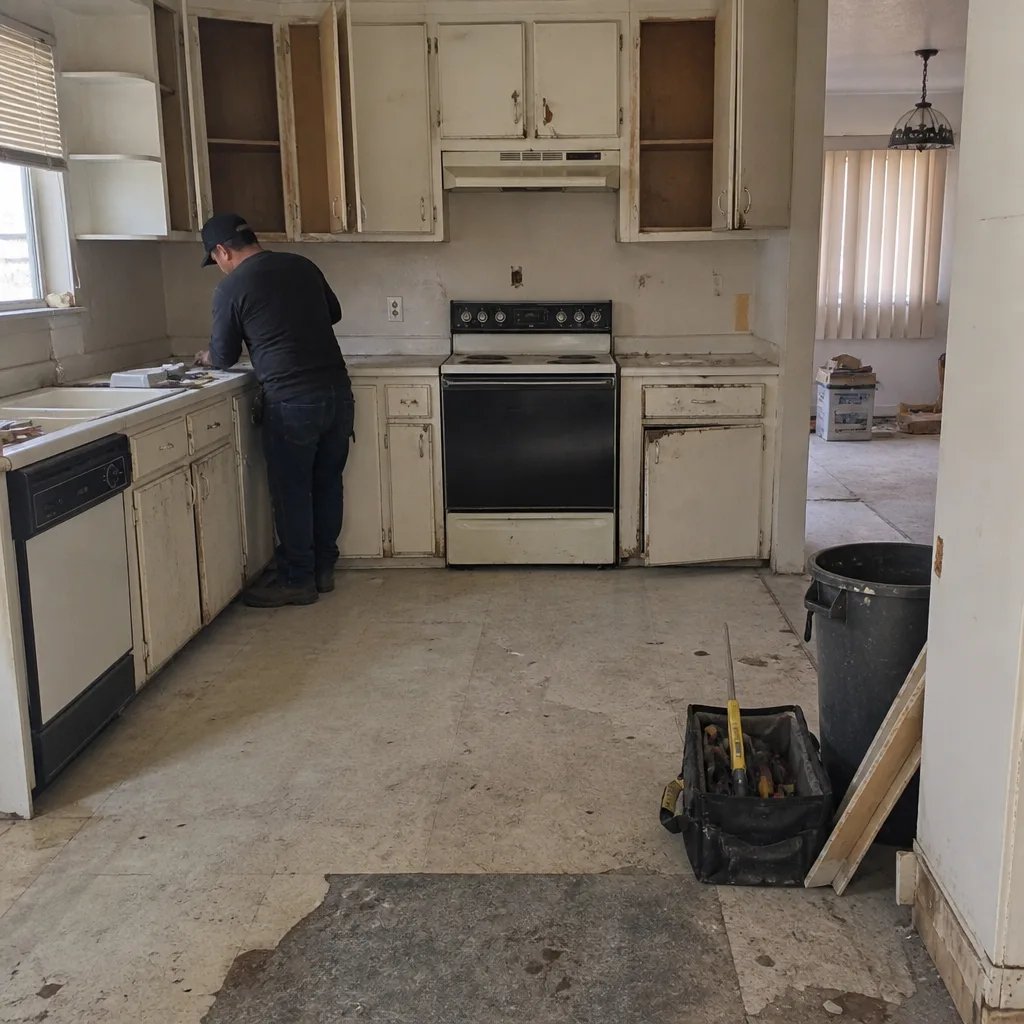 Before
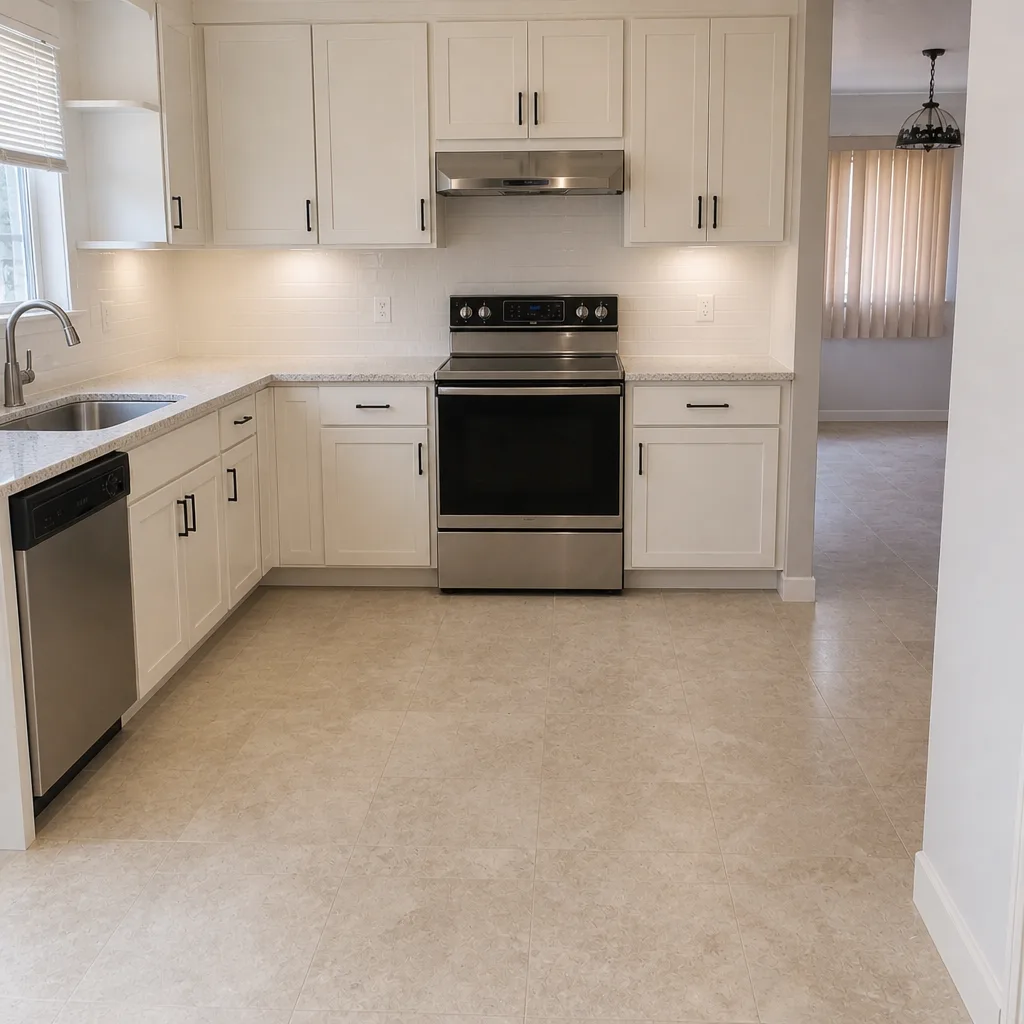 After
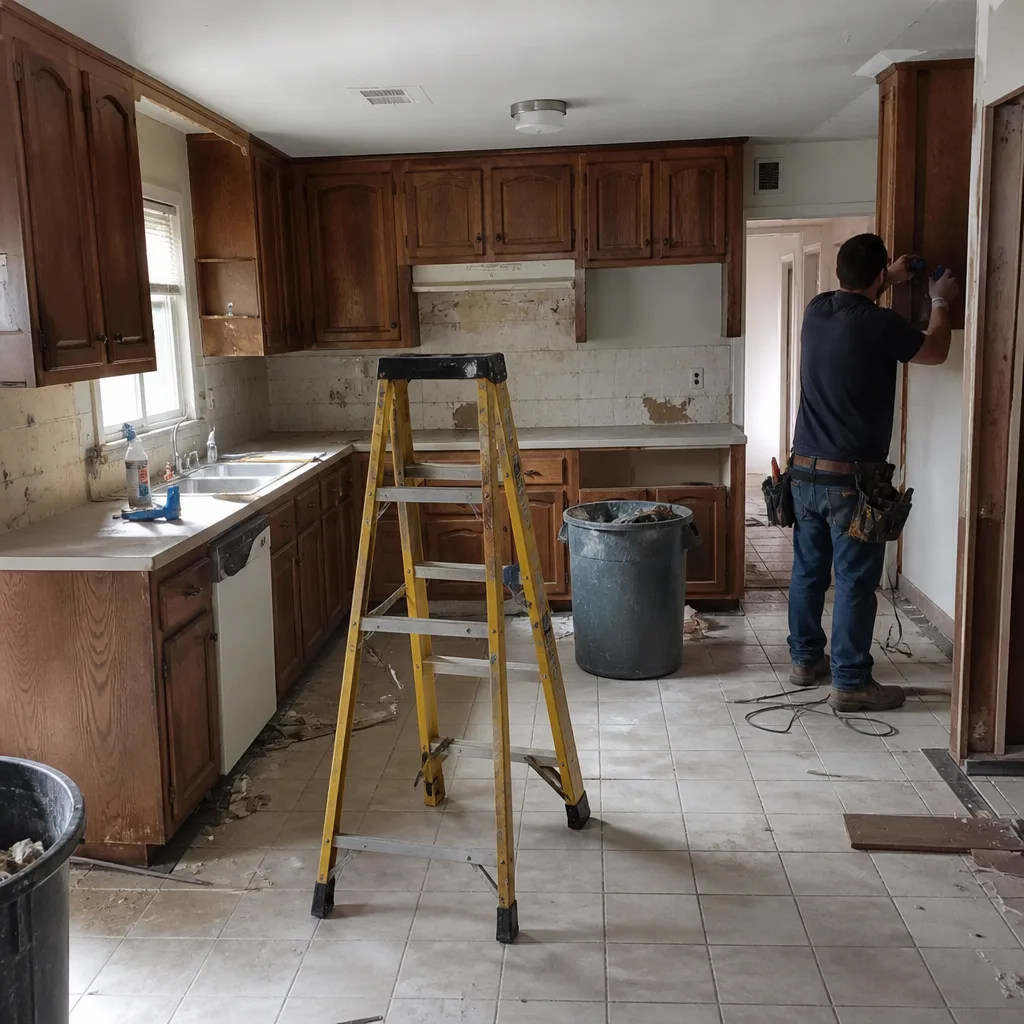 Before
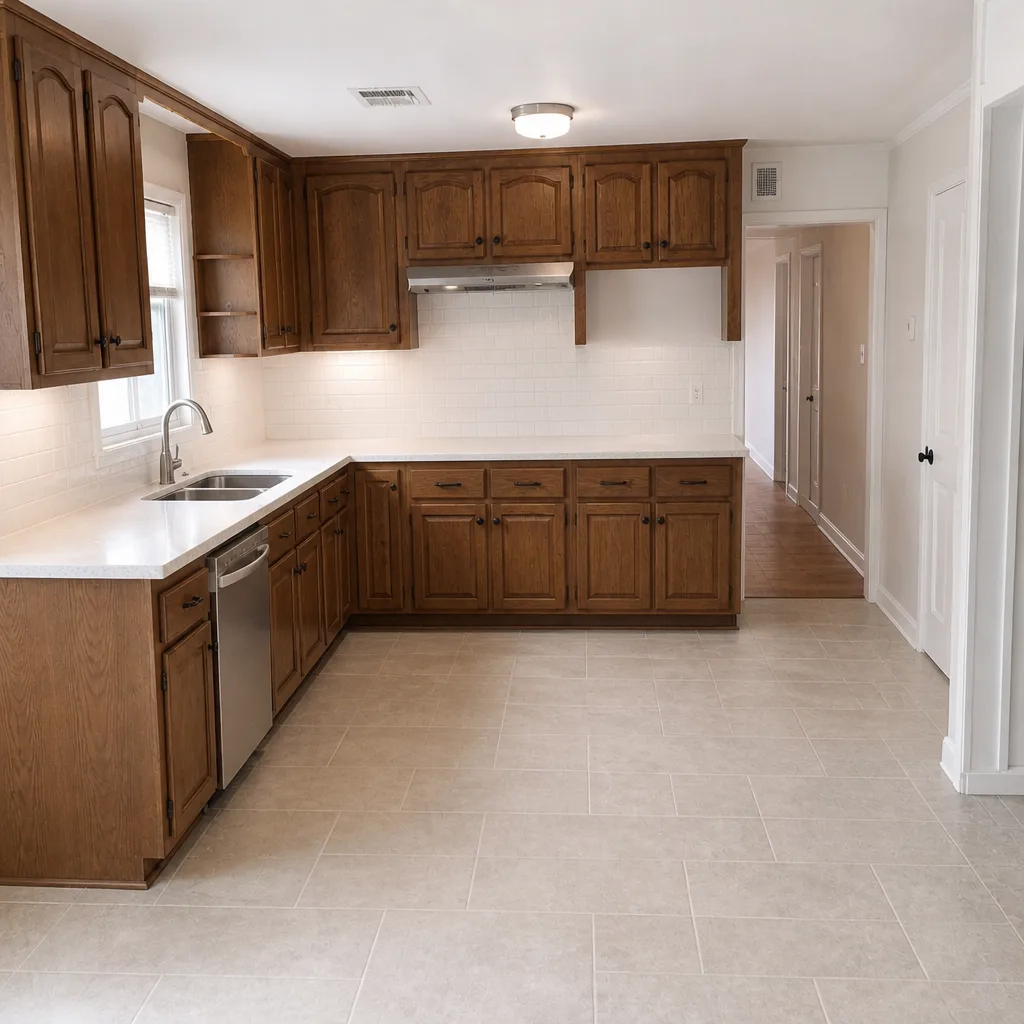 After
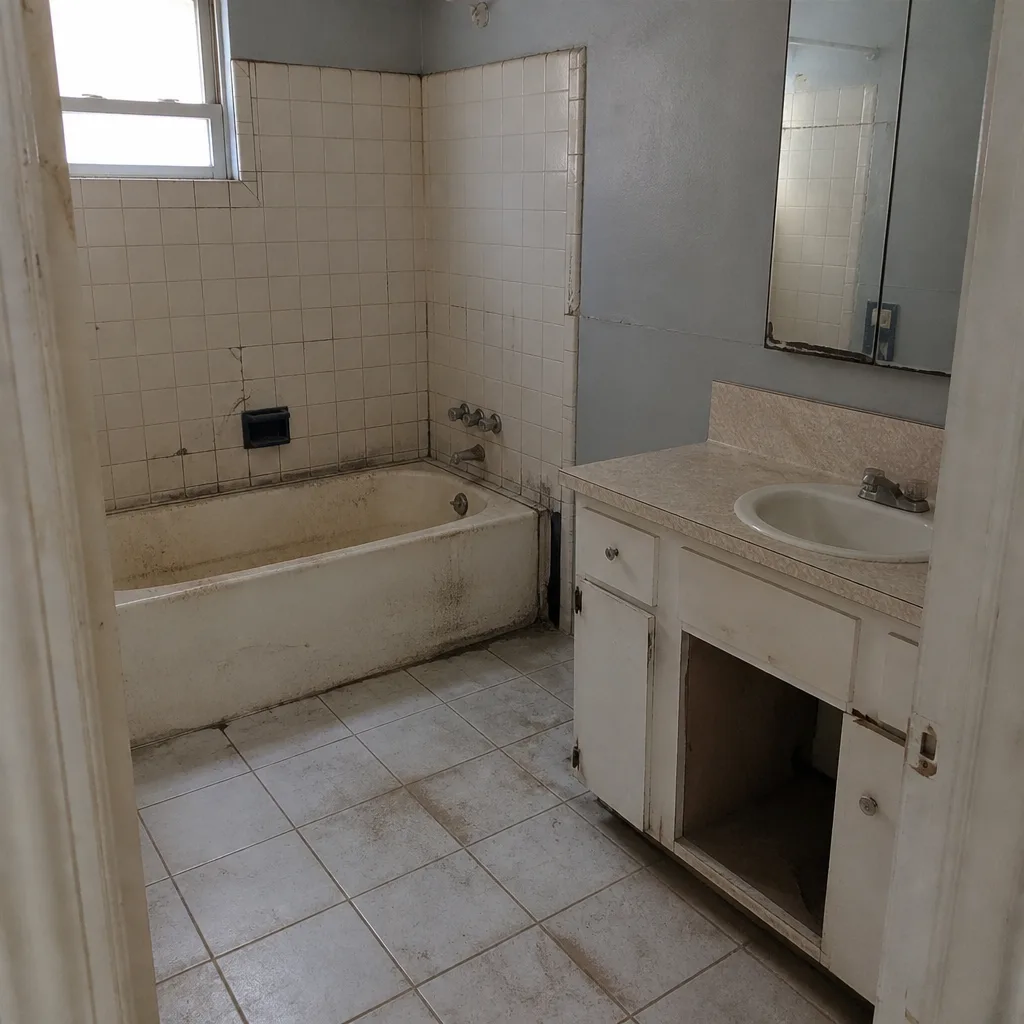 Before
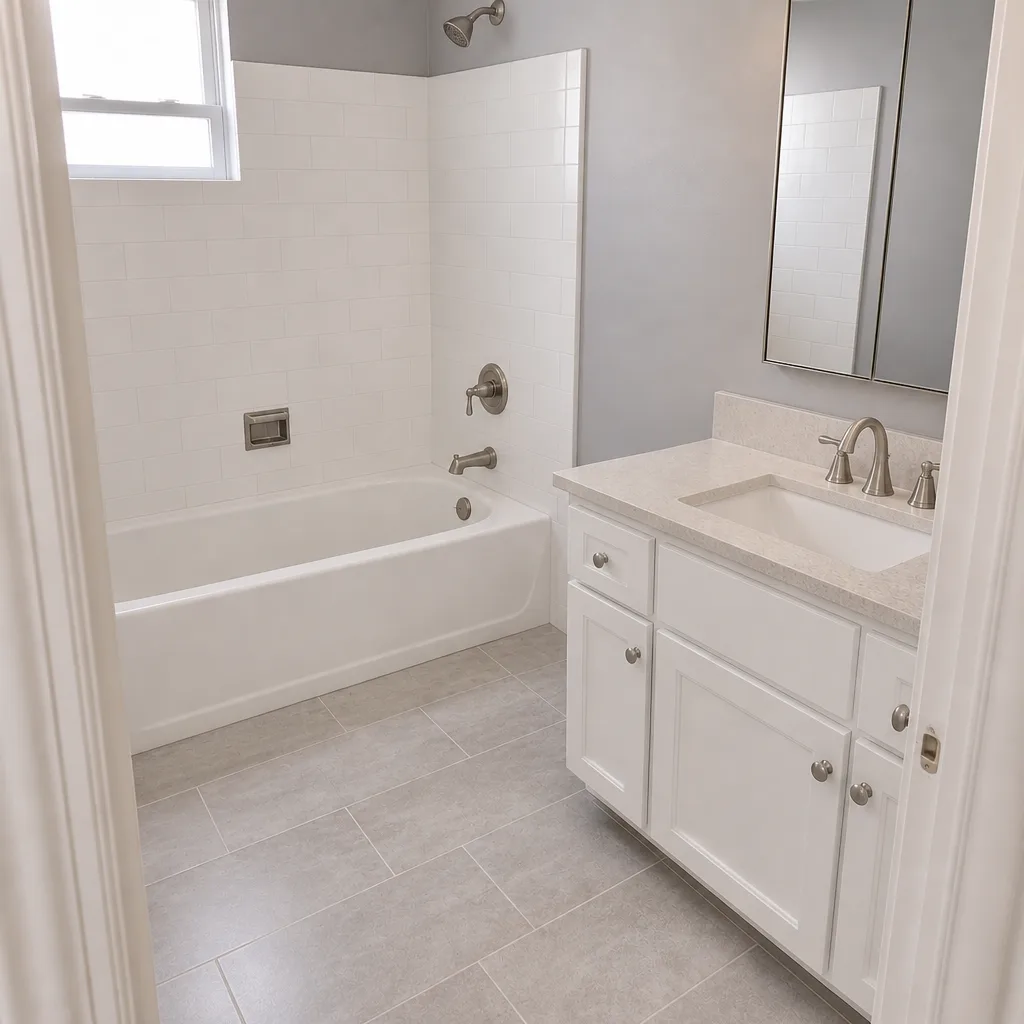 After
When to Call a Professional
Call a professional if any of the following describes your situation: you’re replacing more than one or two windows at once, any opening is changing size or style, any window serves a bedroom (egress code applies), you’re seeing moisture or rot around an existing frame, or you’re replacing a sliding door that requires framing work. Window and door work looks simple on video, but the failures that matter – water intrusion, failed flashing, egress non-compliance, premature seal failure – happen where you can’t see them, and they show up two to three years after install. That’s exactly why we back every project with our 730-Day Done Right Promise: if it’s not done right, we make it right. Groundwork Construction Co. of Spring Valley offers free estimates in Spring Valley – call (888) 329-9414.
Frequently Asked Questions
Installation itself typically takes 2 to 4 hours per window, so a 12-window home is 3 to 4 working days of active install. Add 1 to 3 weeks for Clark County permit review on like-for-like replacement, and 4 to 8 weeks for custom manufacturing lead time, and you get a realistic 8 to 12 weeks from signed contract to final walkthrough. Call (888) 329-9414 for a free estimate with the lead time for your specific product in writing.
Yes, on small projects – 1 to 4 stock windows are typically completed in a single day with no permit delays. Project size and product tier are what drive the timeline, not the labor skill. For a 12-window home, plan 3 to 4 install days, not one. Call (888) 329-9414 for an exact scope and timeline.
Because they’re quoting different product tiers. A quote of 2 weeks is almost always stock or semi-custom; a quote of 6 to 8 weeks is typically a custom order from a manufacturer like Andersen or a comparable brand. Homeowners should always ask for the exact model and the confirmed ship date in writing – that’s the number the schedule actually depends on. Call (888) 329-9414 and we’ll walk you through which tier fits your opening and budget.
Like-for-like replacement in the same opening often qualifies for over-the-counter review in Clark County, which takes 1 to 3 business days. Any change to opening size, window style, or bedroom egress requires a full permit review, typically 2 to 4 weeks. Call (888) 329-9414 to confirm what your specific project requires.
Spring (March to May) and fall (October to November) are the smoothest windows for scheduling in Spring Valley because daytime highs stay manageable and monsoon storms haven’t started. Summer installs are fine but run 10 to 20 percent longer because crews work split shifts around the heat. Call (888) 329-9414 to check current scheduling availability.
Standard vinyl or fiberglass replacement windows in Spring Valley typically run $450 to $900 per unit installed, with custom and premium brands ranging higher. Sliding patio doors typically land between $1,800 and $4,500 depending on size and brand. Every price we quote is an upfront, fixed number – the number you see is the number you pay, with a free design consult and estimates that stay free. Call (888) 329-9414 for an exact quote on your project.
The Bottom Line
The honest answer to “how long does window and door replacement take” is that install is fast – 2 to 4 hours per window, 3 to 4 days for a typical whole-home project – but the full calendar timeline is 6 to 12 weeks, driven by manufacturing lead time and Clark County permit review. Plan around the product tier and permit realities, phase the install room by room so no space is out of service more than a day, and build a 10 to 15 percent buffer in. Whether you’re replacing three windows or the whole house in Spring Valley, get the lead time in writing before you sign.
When you’re ready to plan a project, call Groundwork Construction Co. of Spring Valley at (888) 329-9414 for a free estimate – a live person answers every call, and the quote you get is the quote you keep. Every project is backed by our 730-Day Done Right Promise, and 0% financing for 18 months plus $1,000 off projects over $10,000 is available. Start with Groundwork Construction Co. of Spring Valley home, or explore our related services: Driveway & Pavers in Spring Valley, Fence Installation in Spring Valley, and Home Additions & ADU in Spring Valley.
Written by the team at Groundwork Construction Co. of Spring Valley.