Free written scope consultation - allowances, timeline, and change-order rules on paper before a single trade is scheduled
Styles & brands we work with
- Kitchen remodeling
- Bathroom remodeling
- Home additions & ADU
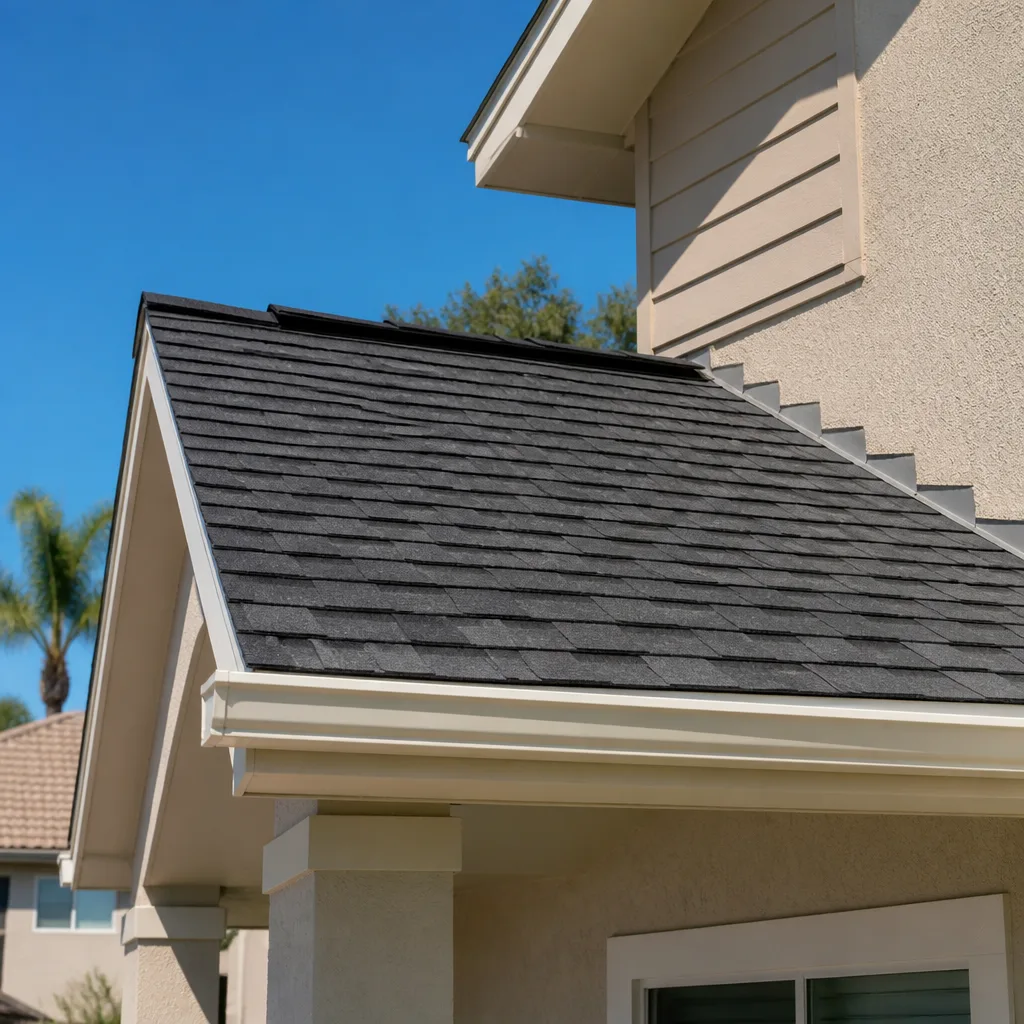
- Roofing
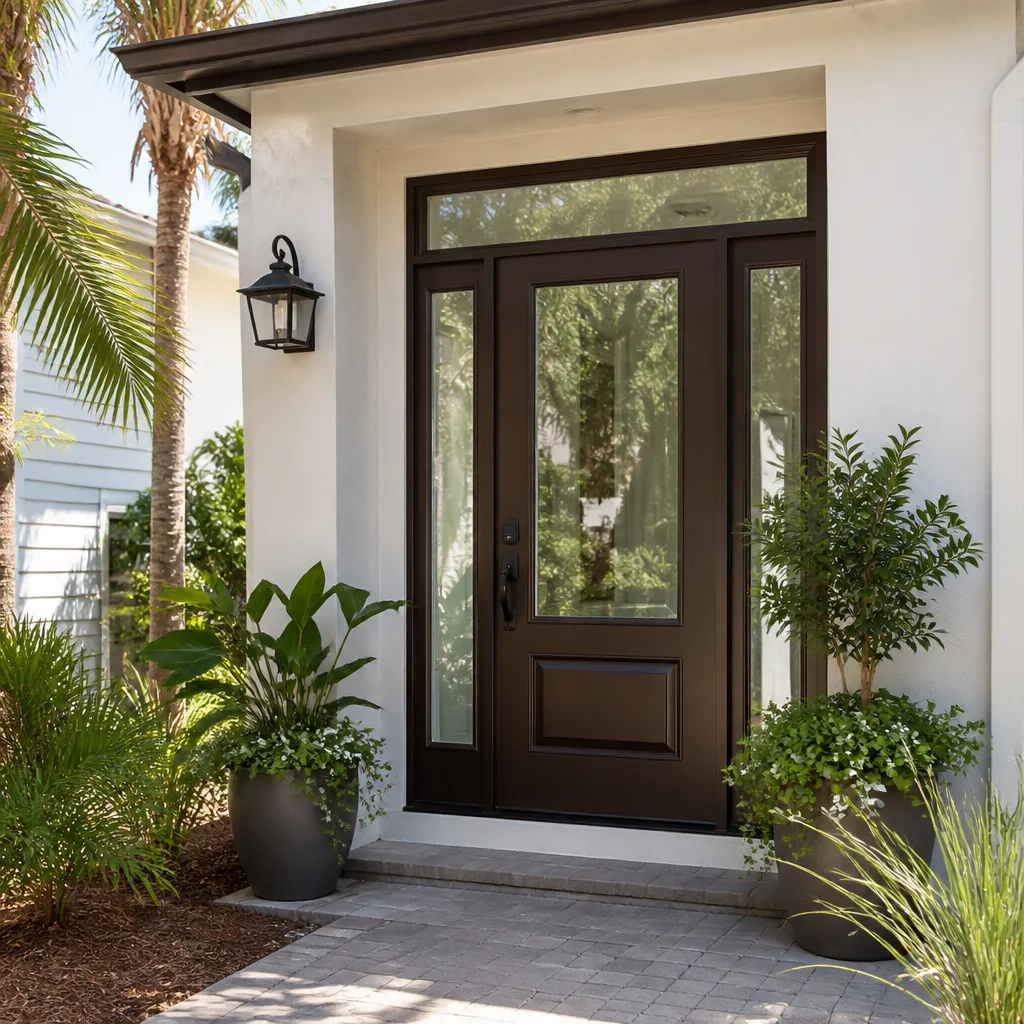
- Windows & doors
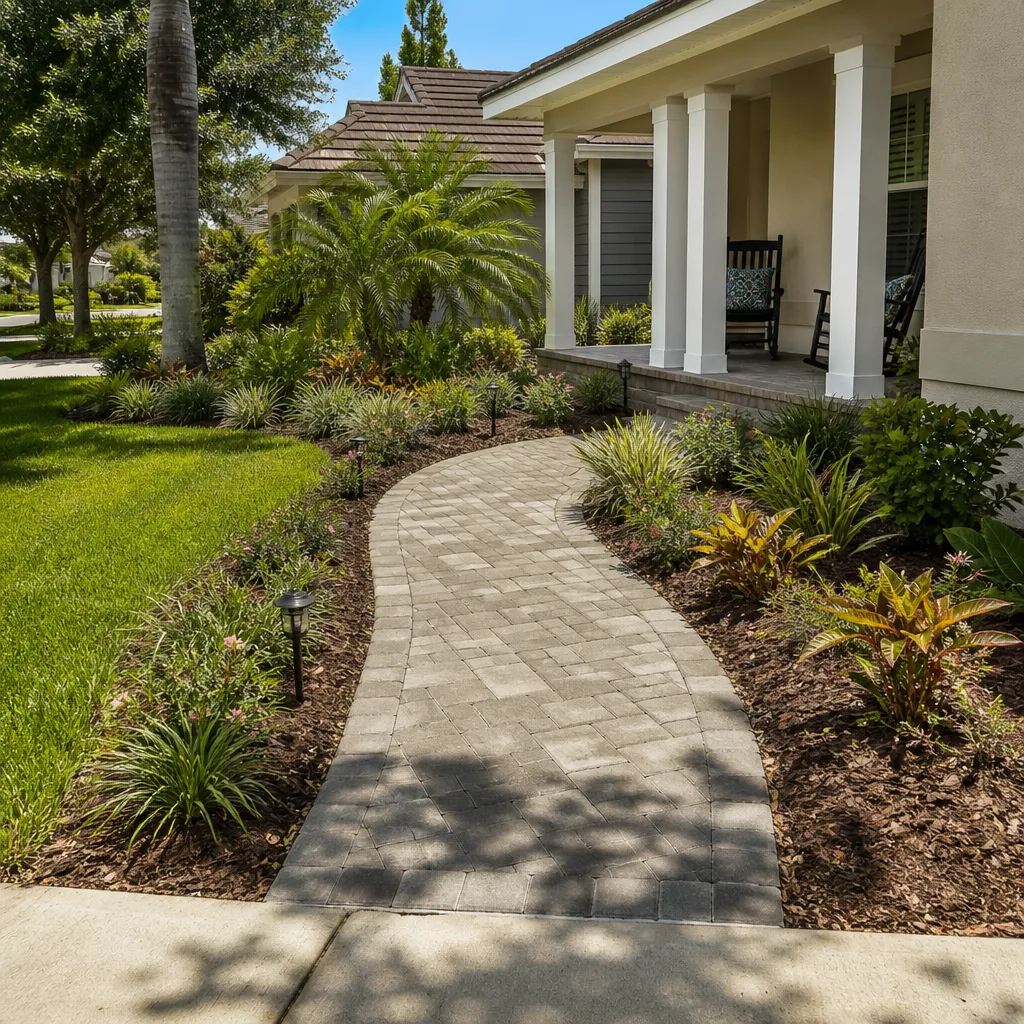
- Driveway & pavers
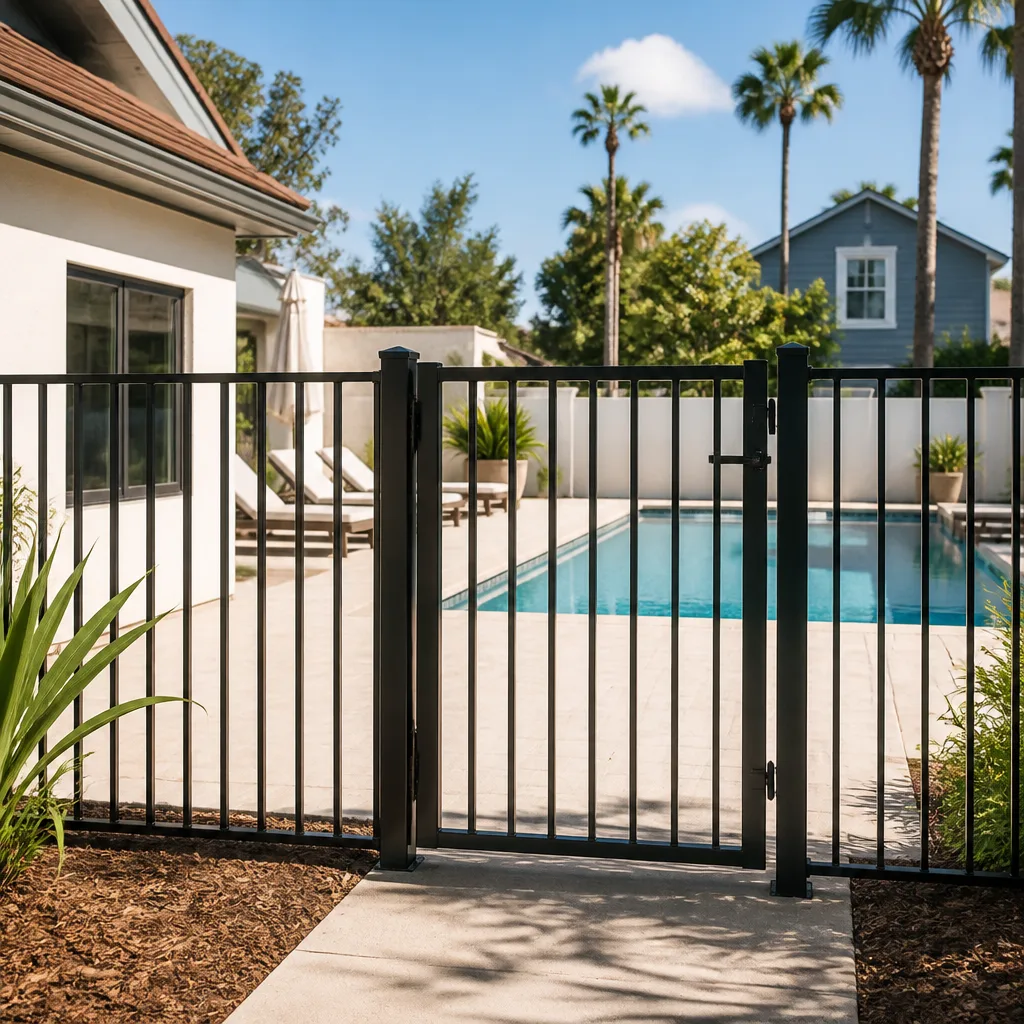
- Fence
See the difference
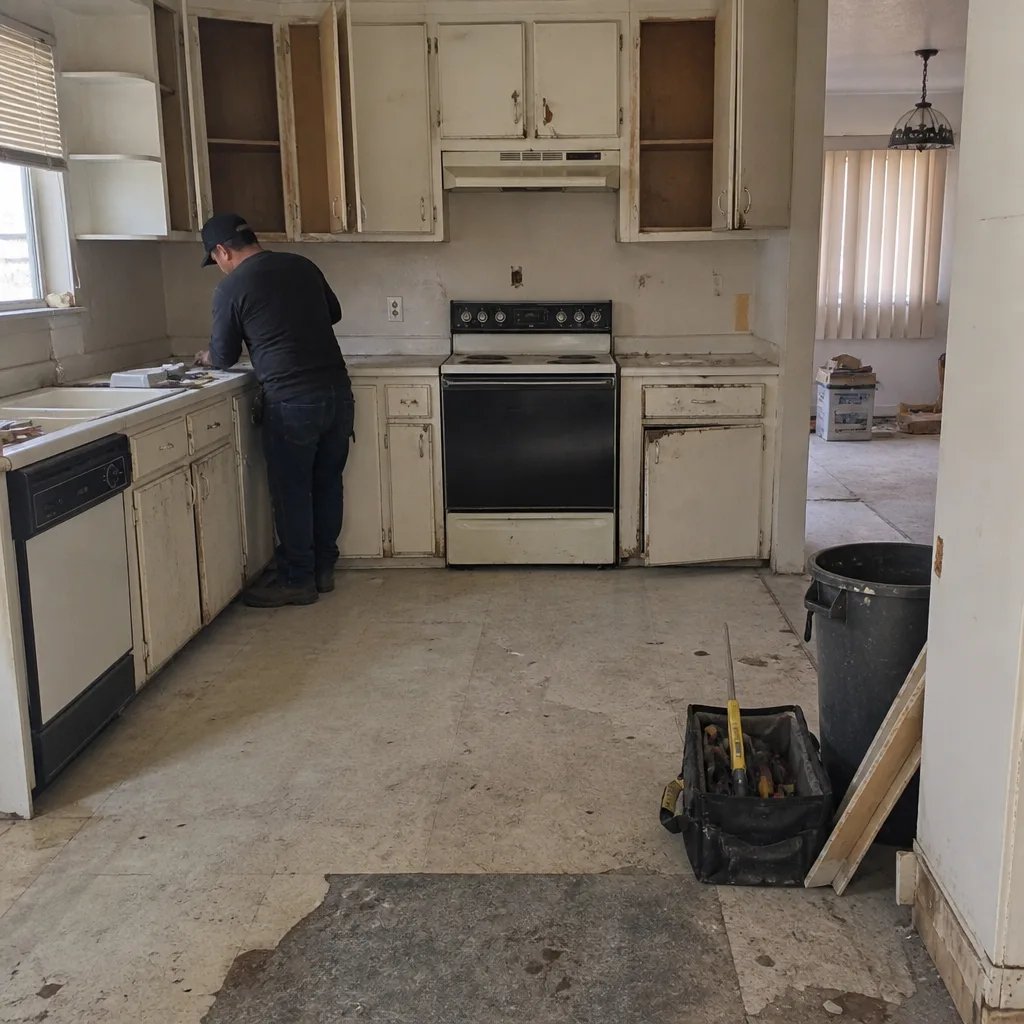 Before
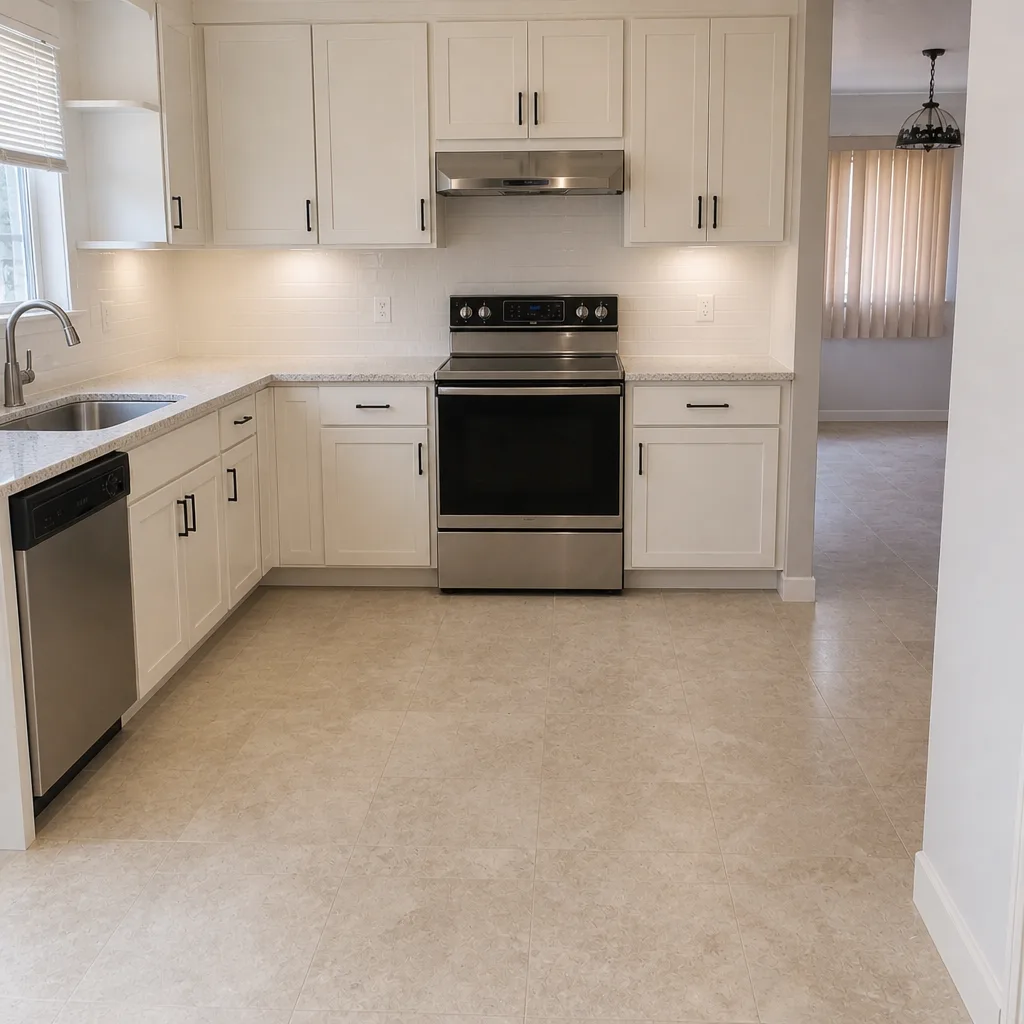 After
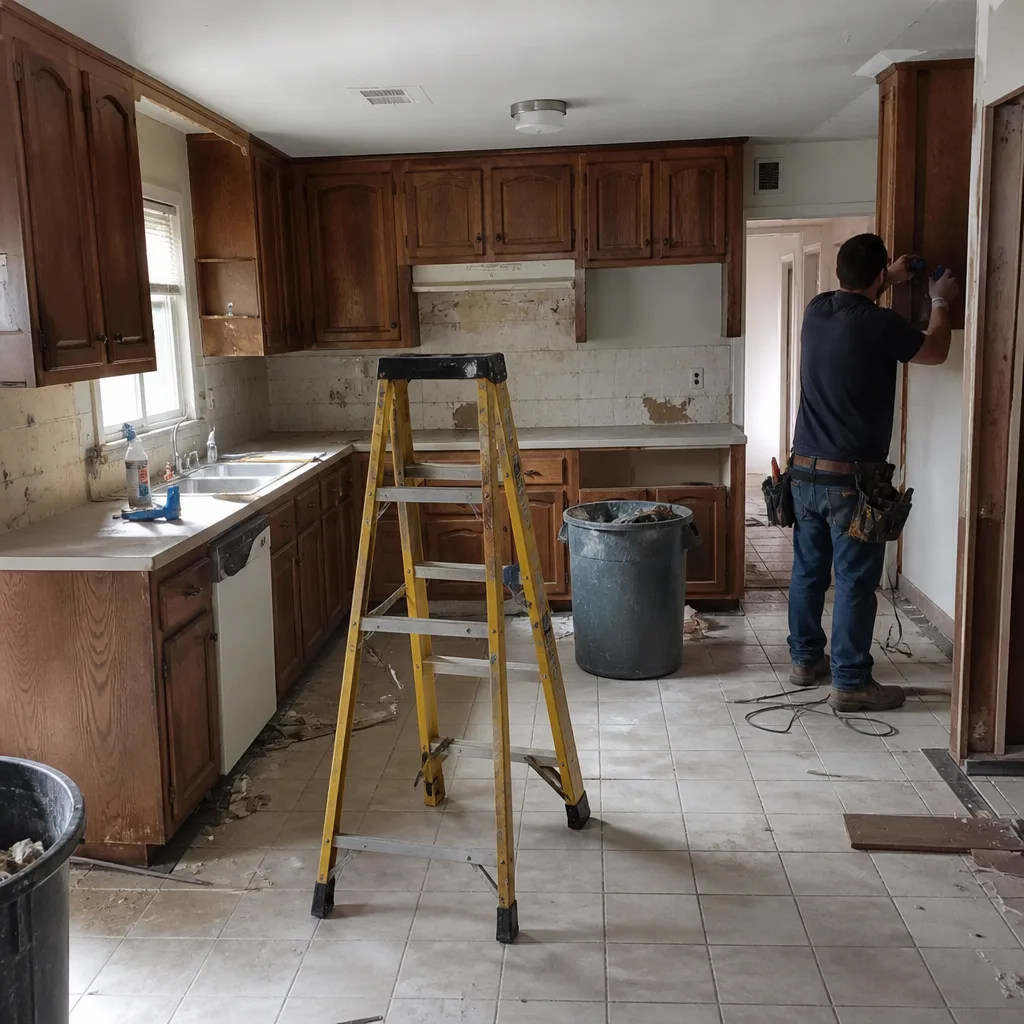 Before
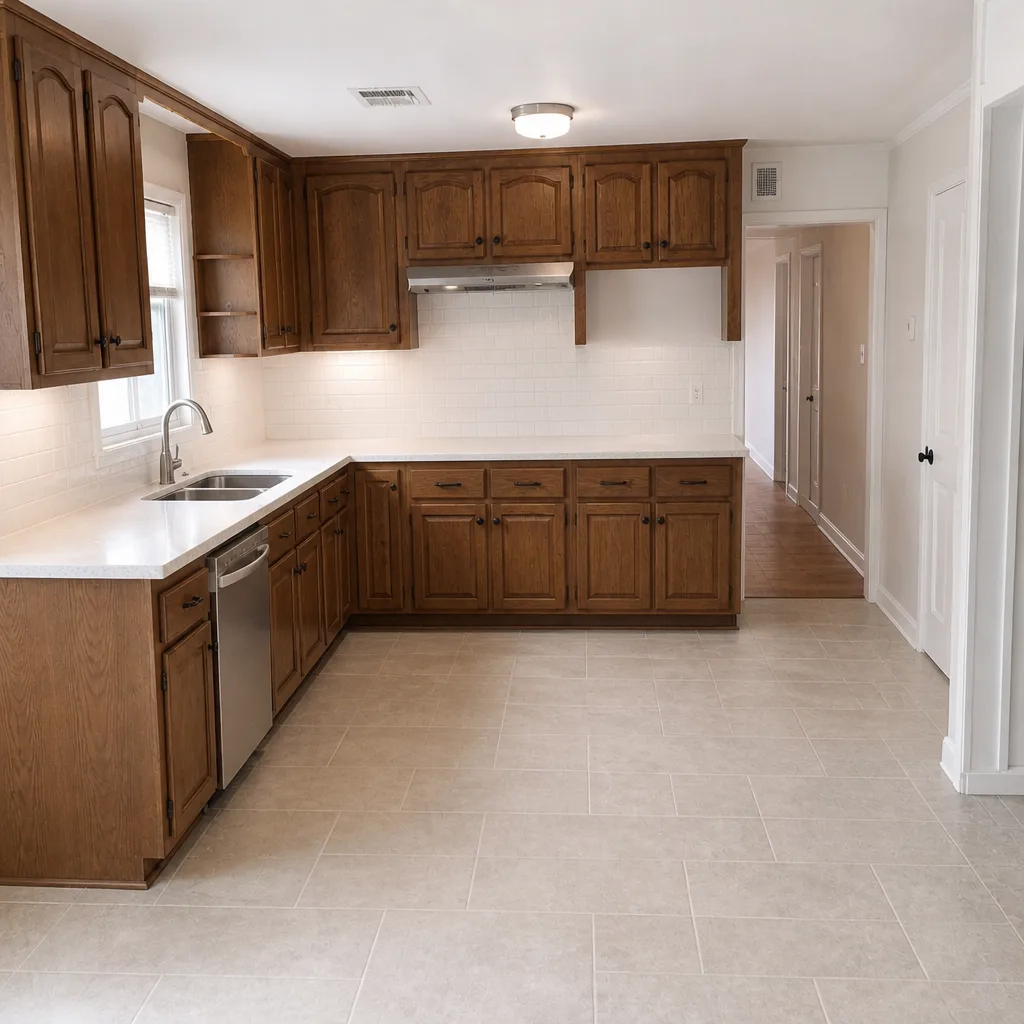 After
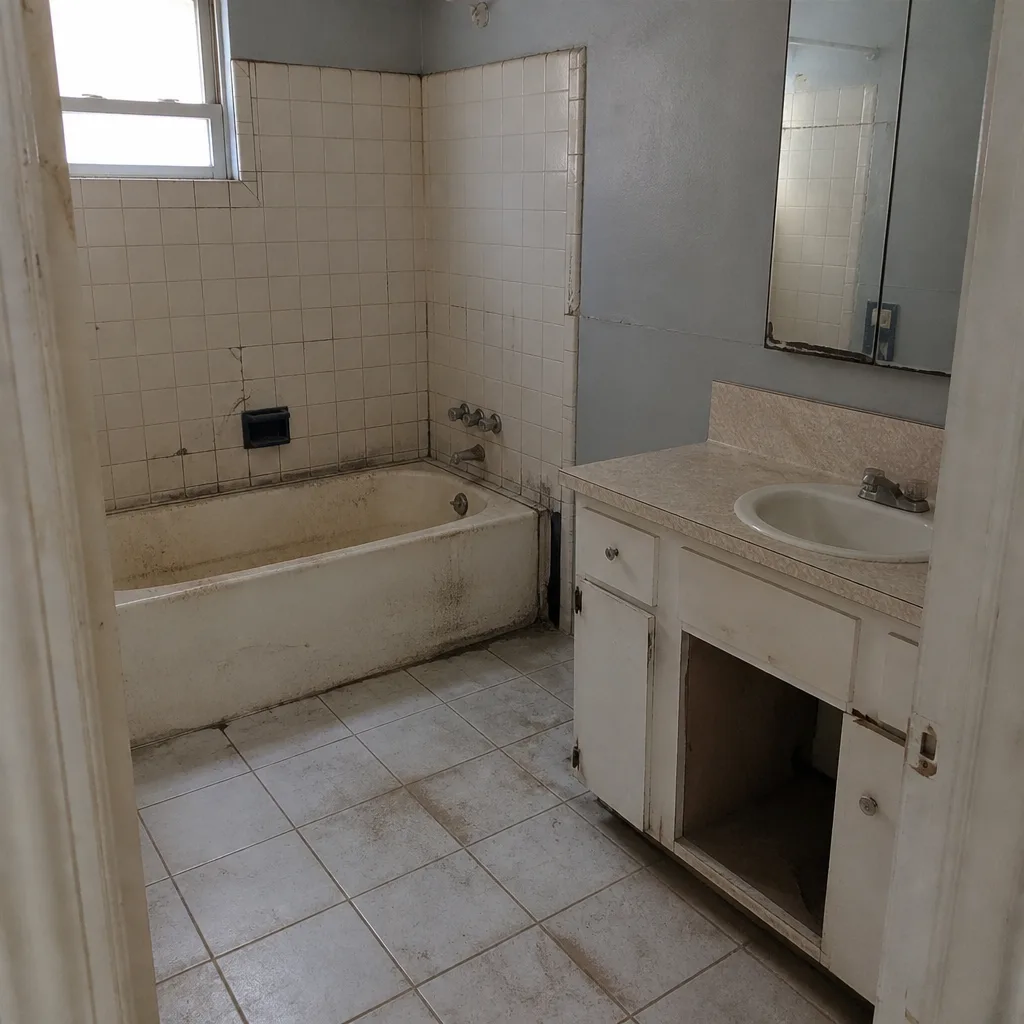 Before
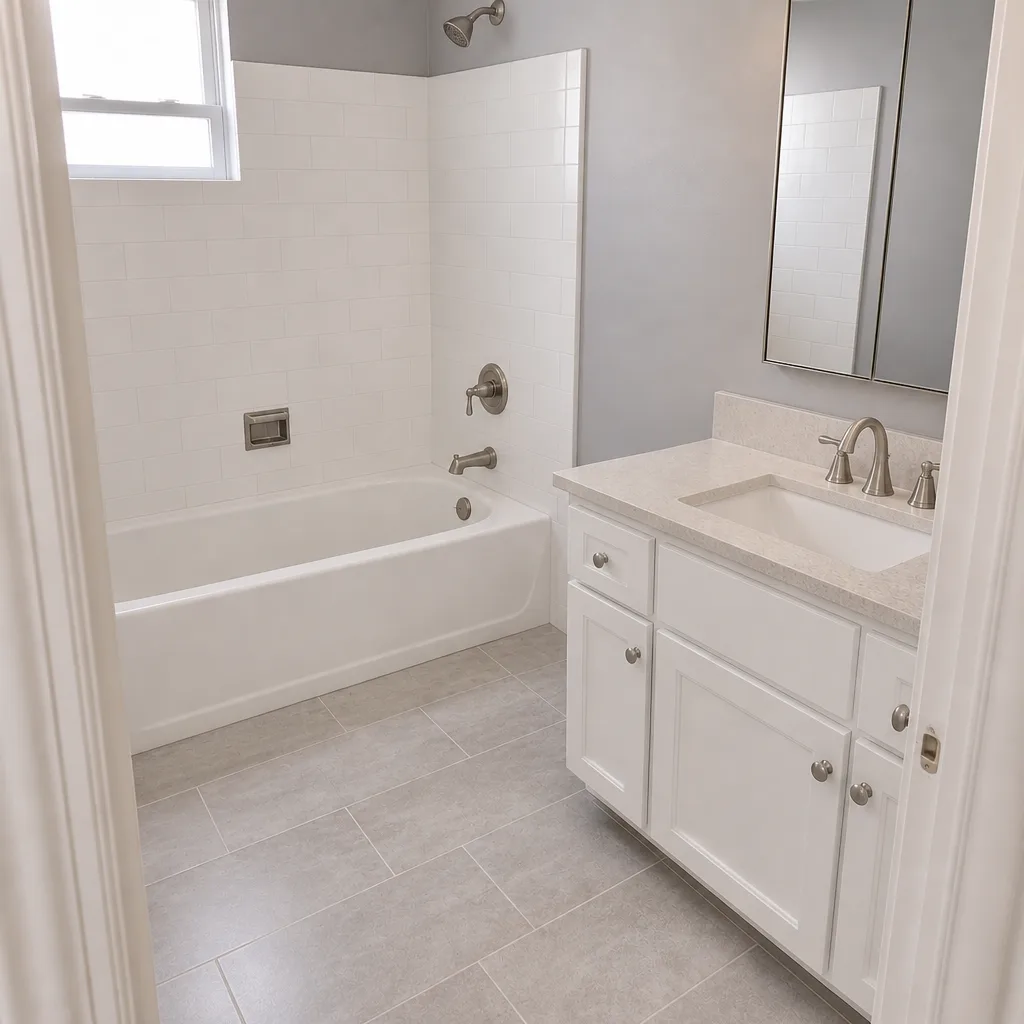 After
ADU Rules and Requirements in Spring Valley, NV: What Actually Governs Your Build
The short answer: Nevada law (NRS 278.02287) stops an HOA from banning your ADU outright, but it does not stop your HOA from regulating how it looks. In Spring Valley’s master-plan subdivisions, design review boards can still dictate stucco color, roof pitch, tile profile, and where the unit sits relative to your block wall fence. That gap between state preemption and HOA design authority is where most Spring Valley ADU projects stall, sometimes after permits are already issued. Add Clark County’s size cap and expansive-soil foundation concerns on the west side, and the real rulebook is longer than any online calculator suggests. If you want a straight read on your specific lot, call Groundwork Construction Co. of Spring Valley at (888) 329-9414.
The HOA Carve-Out Most Spring Valley Homeowners Learn About Too Late
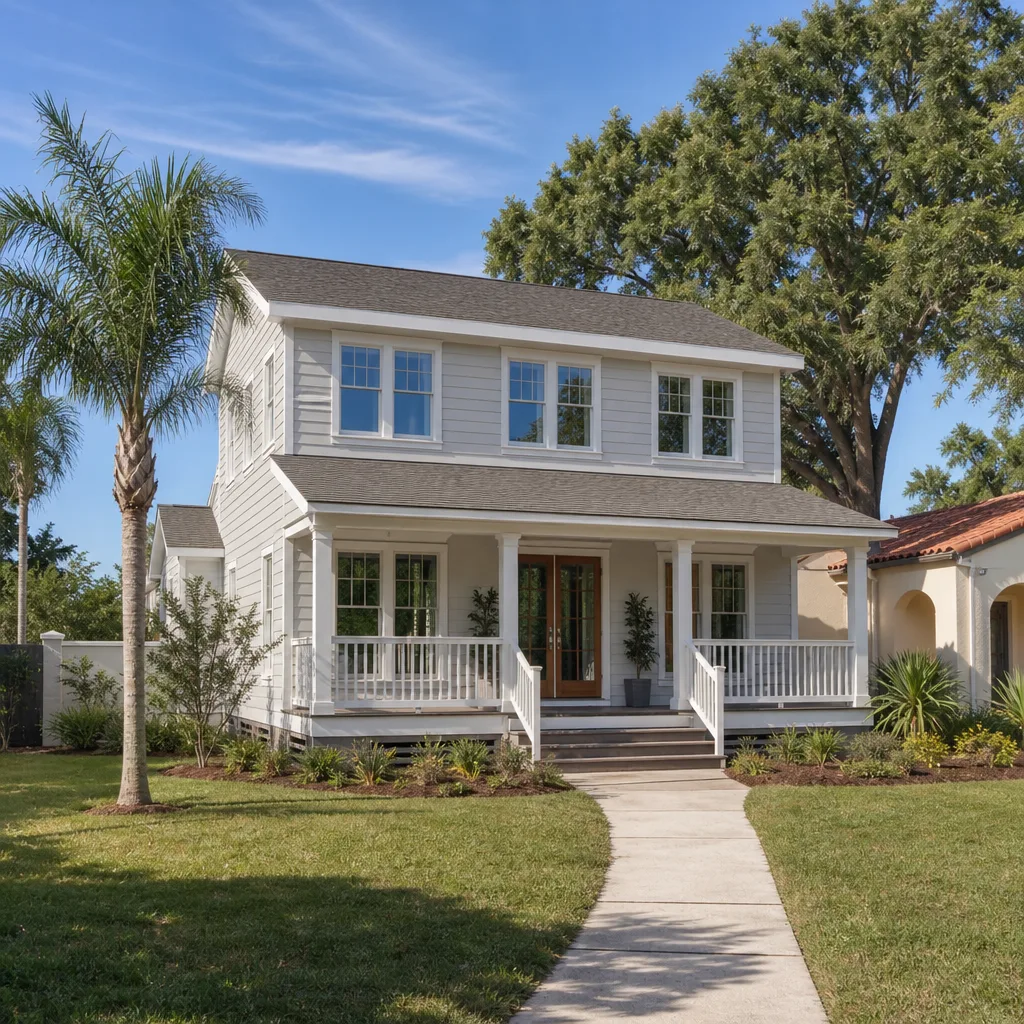
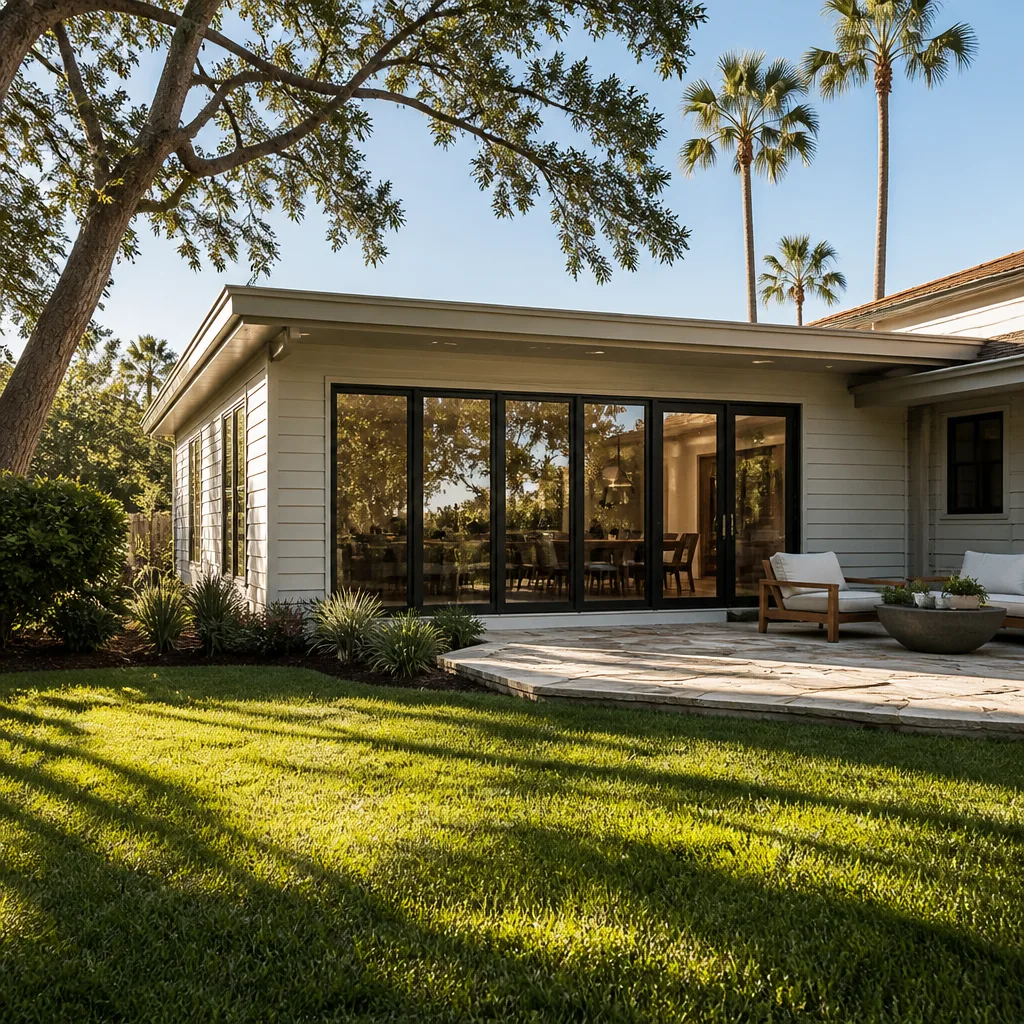
NRS 278.02287 was written to clear the path for accessory dwelling units, and it does a solid job of stripping local governments of the ability to prohibit them outright. But the statute explicitly preserves an association’s power to enforce design standards that make the ADU match the primary dwelling. In practice, that means a Spring Valley HOA can require the same stucco finish and color as your house, a concrete tile roof in a matching profile, and placement that respects the setback from your block wall fence. Those are not aesthetic suggestions. Signed CC&Rs make them enforceable.
Here’s the part that catches people: many Spring Valley homeowners get Clark County building permits approved first, then submit to the Architectural Review Committee and get bounced on roof pitch or material matching. That sequence is backwards. In the gated subdivisions on the valley’s western edge, we’ve watched review cycles add six to ten weeks to projects that were otherwise shovel-ready.
What the ARC review usually covers in Spring Valley:
- Exterior finish and color match to the primary dwelling (stucco is standard here)
- Roof material, tile profile, and pitch consistency with the main home
- Setbacks from property lines and from block wall fences
- Window placement and screening from neighboring lots
- Driveway, walkway, and utility screening changes
Getting ARC submission prepared before you file permits is the single cheapest schedule insurance on a Spring Valley ADU. It’s also a service most builders don’t bother offering.
How Big Can Your ADU Be Under Clark County Rules?
Clark County caps an ADU at 50% of the primary home’s square footage or 1,200 square feet, whichever is less. On the typical 1,800 square foot Spring Valley tract home from the 1990s or 2000s, that math caps your detached ADU around 900 square feet. On larger lots near Rhodes Ranch, the 50% rule can bite before the 1,200 square foot ceiling ever matters.
This is where Spring Valley diverges from neighborhoods with bigger, newer housing stock. Most of the housing here was built between roughly 1995 and 2010, so the square footage math is tighter across most subdivisions. Run the numbers on your primary home’s square footage before you sketch anything.
| ADU Type | Typical Spring Valley Range | Notes |
|---|---|---|
| Detached ADU (new build) | $90,000-$220,000 | Highest cost, most utility work |
| Attached ADU | $45,000-$130,000 | Often shares existing utility runs |
| Garage conversion ADU | $30,000-$80,000 | Fastest path, lower HOA friction |
For a deeper look at the different build types and what drives cost, our Home Additions & ADU in Spring Valley page walks through the full scope.
Expansive Soils and Slab Foundations Near Rhodes Ranch
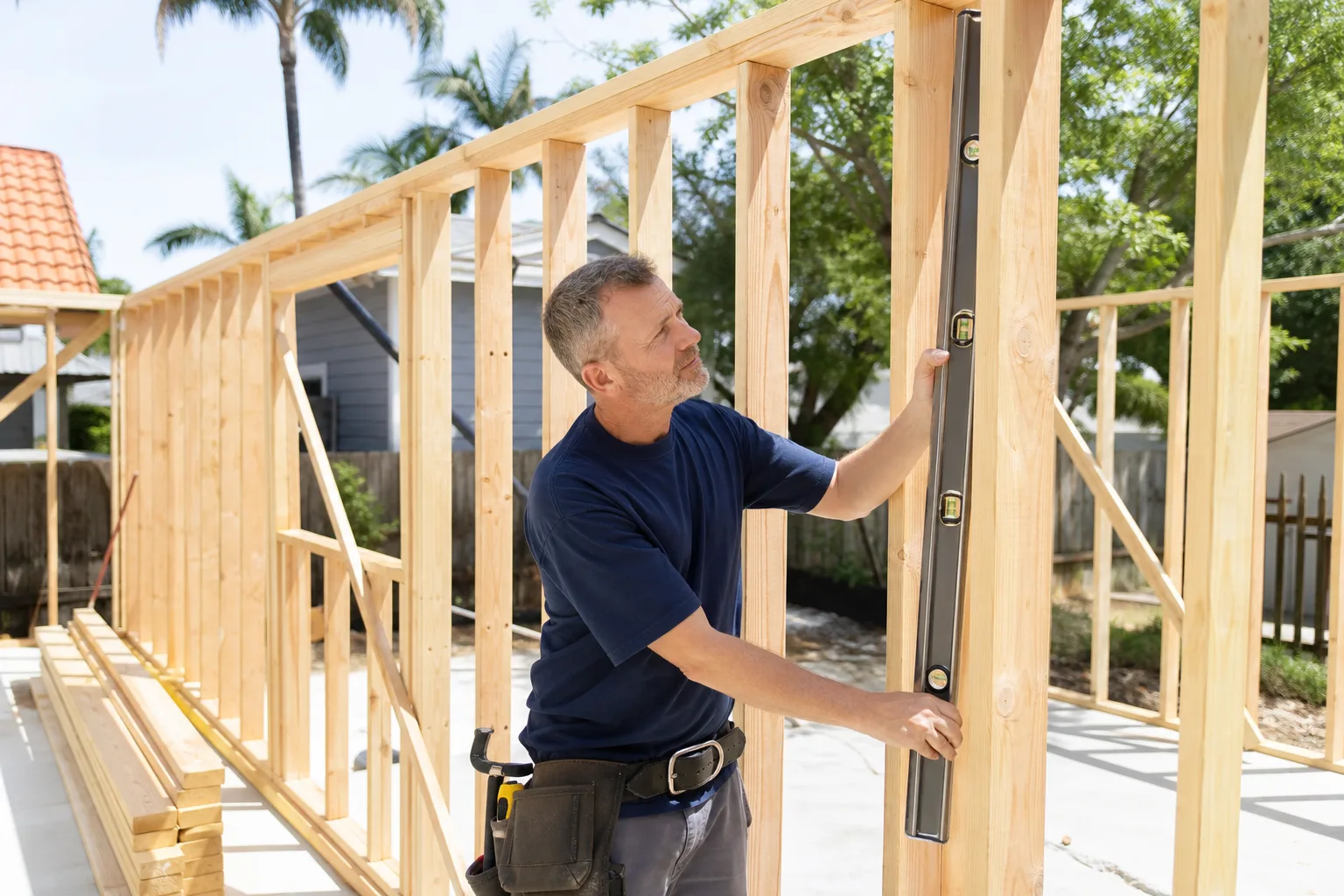
Spring Valley sits at roughly 2,300 feet on the western edge of the Mojave, and the soils on the slopes near Rhodes Ranch are not the same as the flat alluvial ground under central Las Vegas. Expansive clay-rich soils here swell when monsoon rains soak them and shrink hard when the 110°F summers bake them dry. That cycle moves the ground, and it cracks slabs.
For a detached ADU, that means a geotechnical report should happen before anyone designs your foundation. A generic online ADU guide will not tell you this, and plenty of builders skip it. We don’t, because a $90,000 detached unit sitting on a slab that cracks in year three is not a successful project. The 730-Day Done Right Promise only means something if the groundwork underneath it was done right.
Practically speaking, we’re looking at soil moisture history, existing slab condition on the primary home, and drainage patterns around the proposed footprint. On the more exposed slopes, that may mean an engineered post-tension slab or deeper footings. It’s not a place to save money. Read more on our full Home Additions & ADU service page for how we scope these builds.
Utilities: The Cost Line Item Generic Calculators Skip
Detached ADUs in Spring Valley’s older subdivisions often need attention from NV Energy and the Las Vegas Valley Water District. Whether your existing service panel and meter can carry a second dwelling, or whether you’ll need a separate meter or sub-meter, changes your cost and timeline significantly. It also changes what your HOA review will accept, since utility screening and meter placement often fall under CC&R design rules.
Some old Spring Valley tract panels are maxed out before the ADU even gets a kitchen. When we price an ADU, the utility coordination, meter decisions, and permit fees are in the number. Upfront pricing, no surprises after the contract is signed. That’s a different approach than a lot of ADU builders take, and it’s the reason homeowners call us after getting burned elsewhere.
For finishes on the inside, we pull from established brands like James Hardie for durable siding and Cambria for surfaces that hold up under heavy use in a rental or in-law suite.
What Groundwork Construction Co. Brings to a Spring Valley ADU
Our technicians have up to 12 years of experience building and renovating across Spring Valley, and they’ve seen the full spread of HOA requirements and soil conditions this valley throws at a project. Calls are answered by a live person, 24/7, so you’re not waiting until Monday when you have a question about your review timeline. Technicians are background-checked and arrive in uniform.
We put the full scope in writing, including HOA ARC submission prep, permit fees, and utility coordination. We also offer $1,000 off projects over $10,000 and 0% financing for 18 months, which takes some of the sting out of a large ADU build. And the 730-Day Done Right Promise means that if it’s not done right, we make it right. Built to last, backed in writing.
FAQs
Not outright, but it can regulate the design. Under NRS 278.02287, Nevada law blocks HOAs from prohibiting an ADU entirely, but it preserves their authority to enforce design standards that match the primary dwelling. In Spring Valley’s master-plan communities, that means stucco color, roof pitch, tile material, and setbacks from your block wall fence are enforceable. Get your ARC requirements in hand before you file permits.
Clark County caps it at 50% of your primary home’s square footage or 1,200 square feet, whichever is less. On a typical 1,800 square foot Spring Valley tract home, that works out to roughly 900 square feet maximum. Run your own square footage through that formula before you design anything. Call (888) 329-9414 for help sizing the build to your lot and your budget.
Detached ADUs run $90,000 to $220,000, attached ADUs $45,000 to $130,000, and garage conversions $30,000 to $80,000 in the current Spring Valley market. Final cost depends on soil conditions, utility work, and HOA review complexity. Call for an exact quote, estimates are free, and our upfront pricing includes permit fees and HOA submission prep so there are no line-item surprises.
Yes, on the western slopes and near Rhodes Ranch especially. Expansive desert soils there swell and shrink with monsoon rain and summer heat, and a slab foundation designed without a geotechnical report risks cracking within a few years. We review soil conditions and drainage before foundation design on every detached ADU, and that step belongs in your budget from day one.
If you’d rather have it looked at, Groundwork Construction Co. of Spring Valley offers a no-pressure assessment in Spring Valley. We’ll walk through your HOA rules, your lot, and your budget, and give you a straight number. Call (888) 329-9414 for a free estimate.
Written by the team at Groundwork Construction Co. of Spring Valley, serving Spring Valley, NV.