Free written scope consultation - allowances, timeline, and change-order rules on paper before a single trade is scheduled
Styles & brands we work with
- Kitchen remodeling
- Bathroom remodeling
- Home additions & ADU
- Roofing
- Windows & doors
- Driveway & pavers
- Fence
See the difference
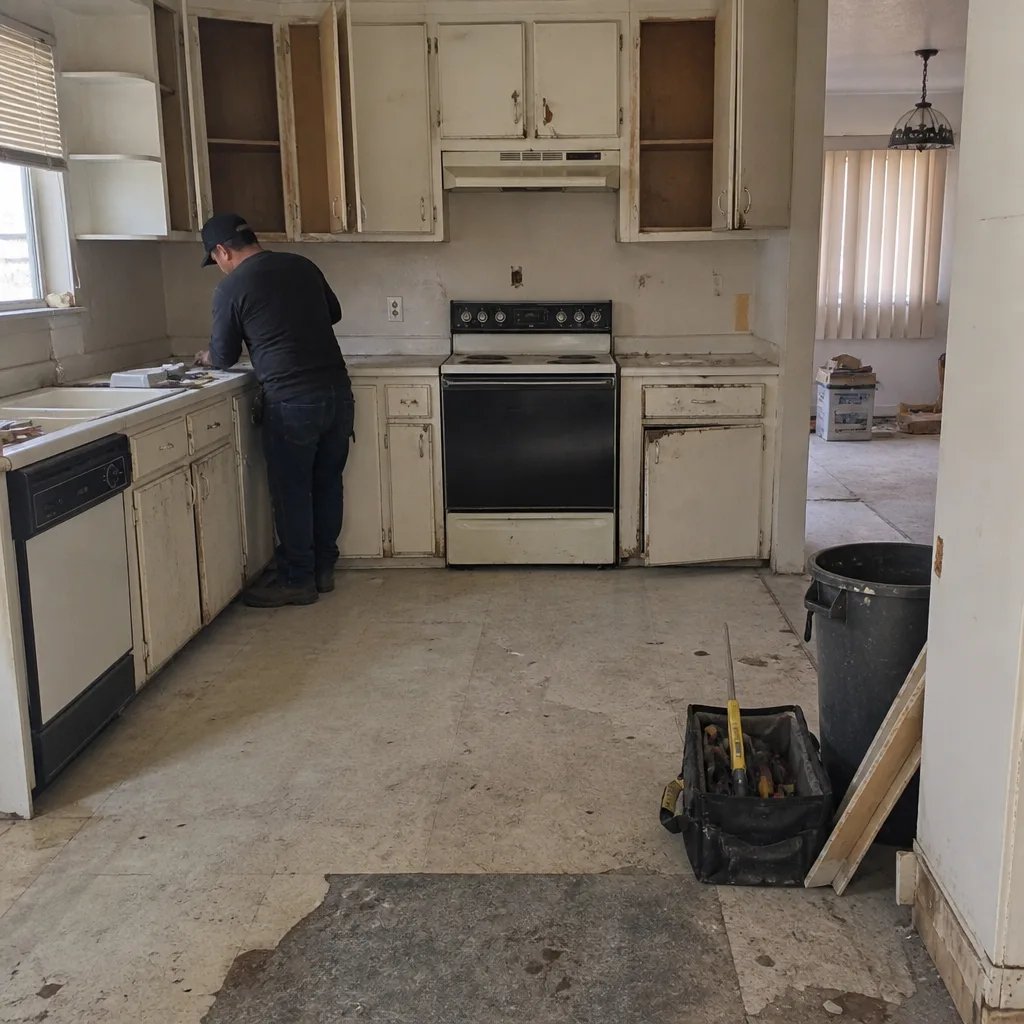 Before
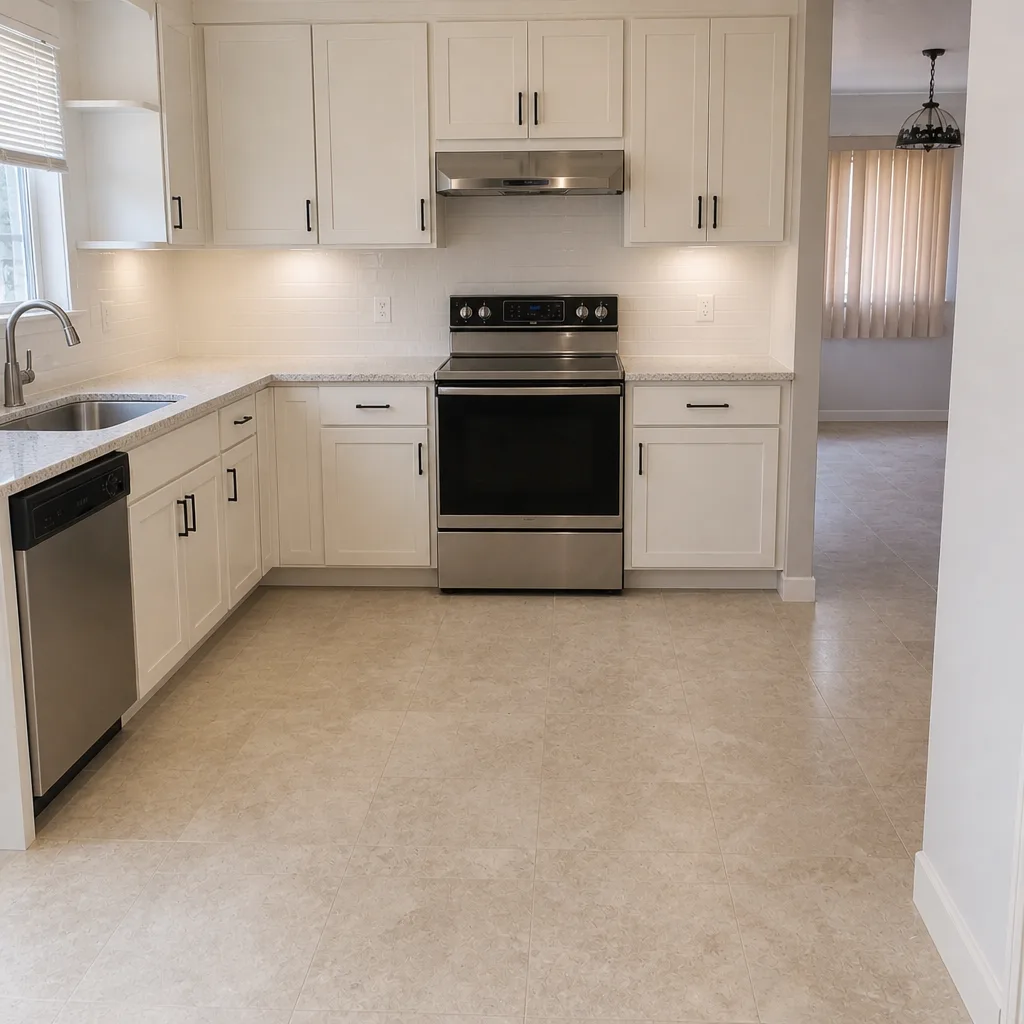 After
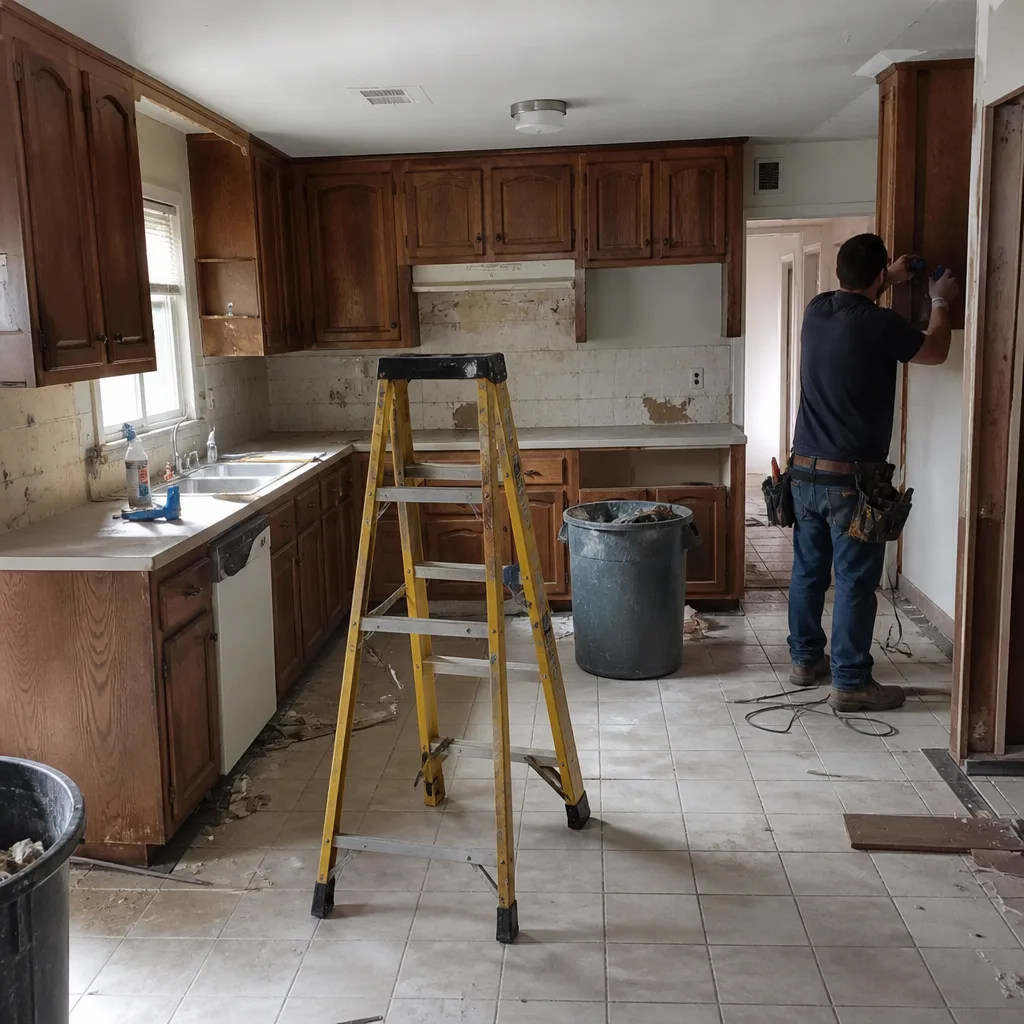 Before
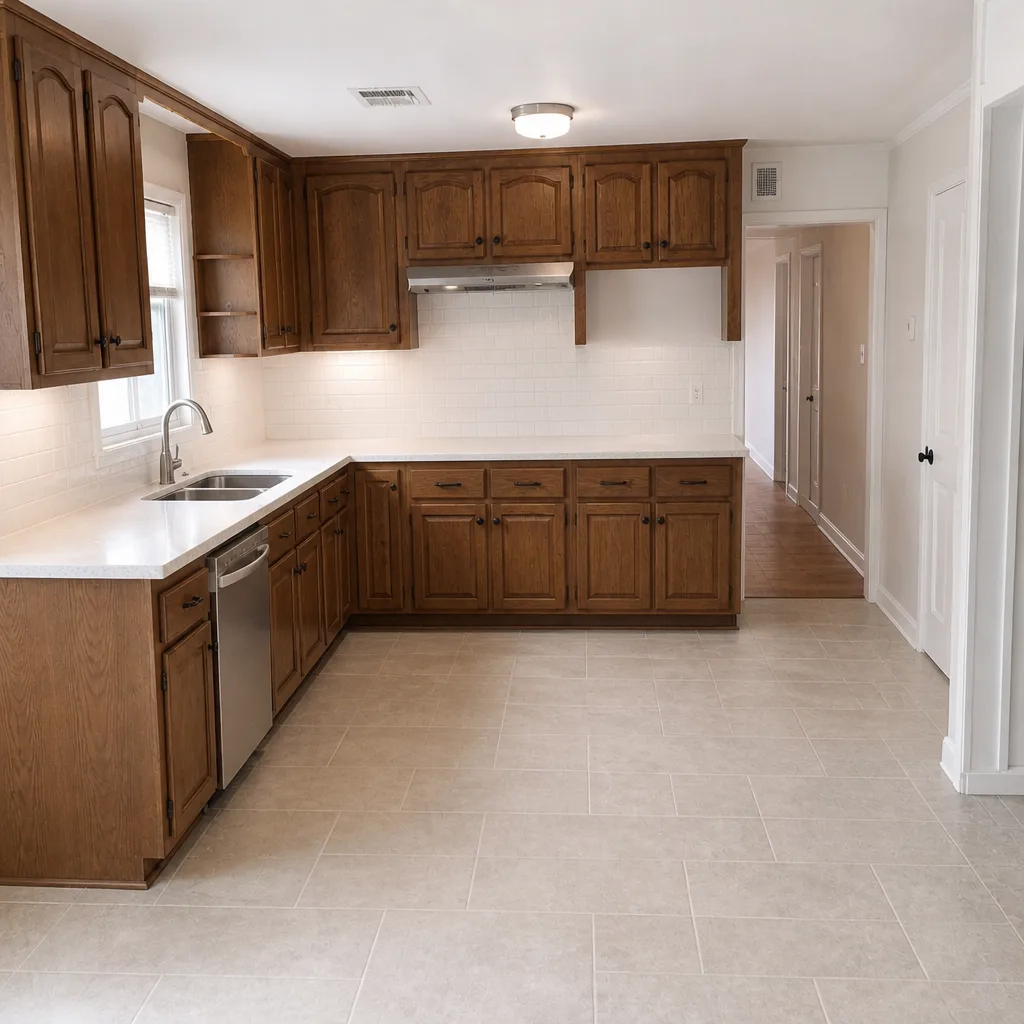 After
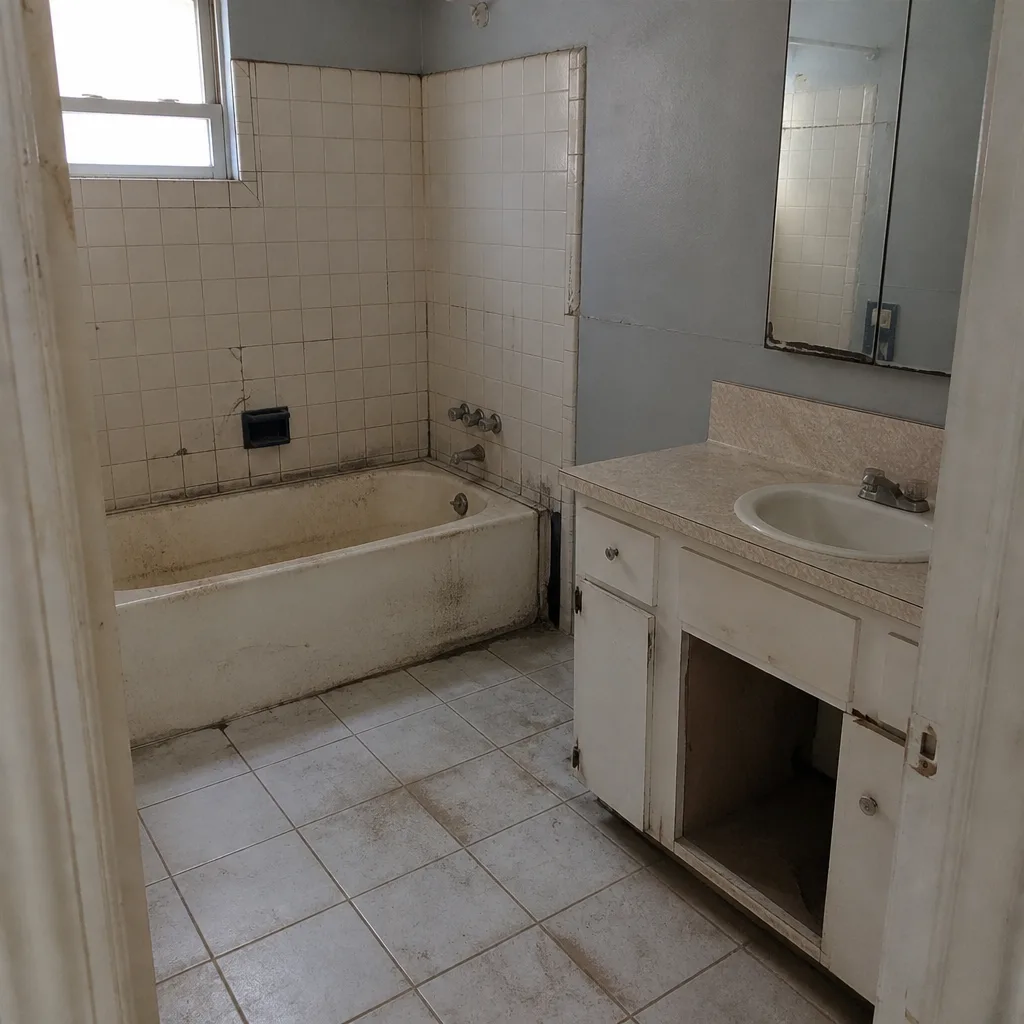 Before
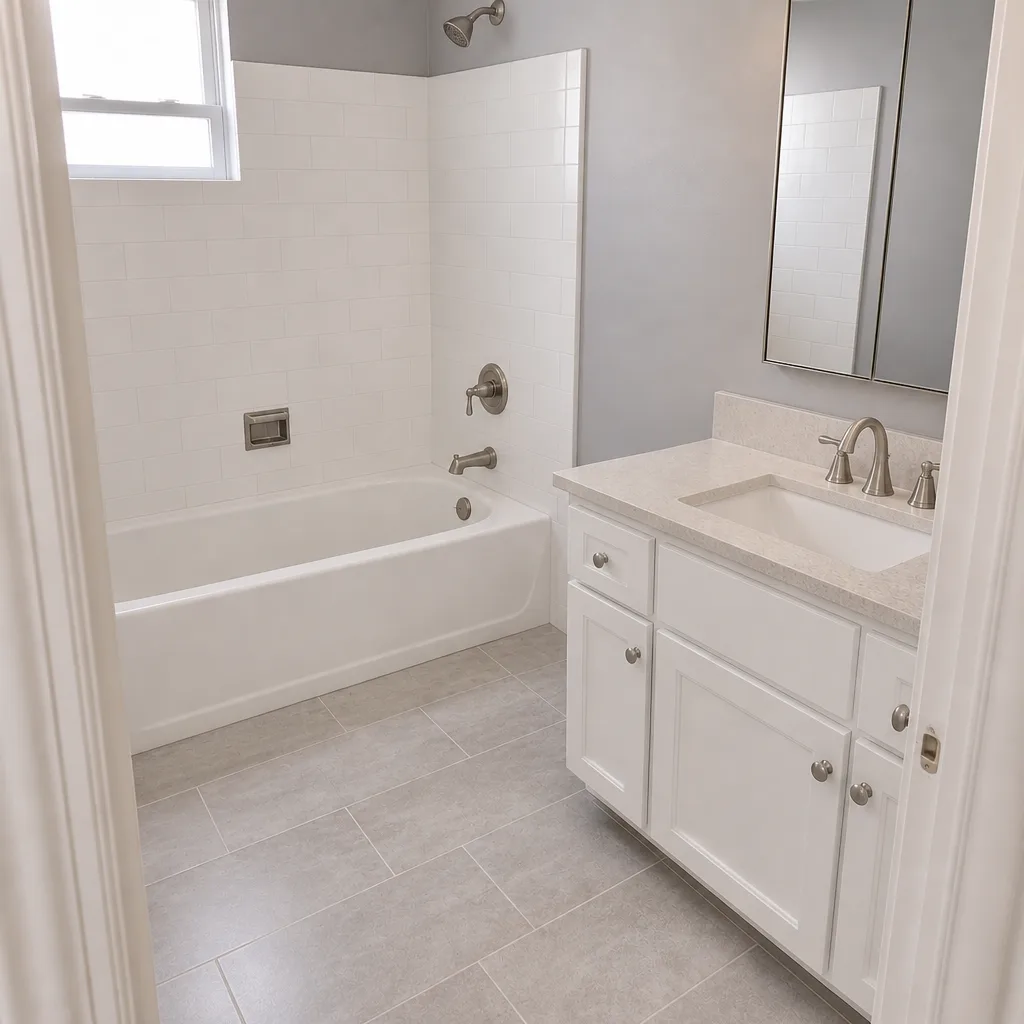 After
How Are Custom Windows Made? A Spring Valley Spec Sheet Guide
Custom windows are built in two stages: the sealed glass unit, called an IG (insulated glass) unit, is assembled first by cutting panes to size, wrapping a spacer bar around the perimeter, filling the cavity with argon or krypton, and sealing the edge with a primary butyl layer and a secondary silicone or polysulfide bead. The frame is extruded and welded separately, then the two go together. In Spring Valley, the spec choices made inside that glass unit, especially the spacer material and the low-E coating position, decide whether your windows hold their seal for 25 years or fail at 12. Call (888) 329-9414 if you would rather have us walk you through the spec before you order.
Why Spring Valley’s Daily Temperature Swing Is the Real Test
Spring Valley homes sit at roughly 2,300 feet on the edge of the Mojave, and the swing here is not gentle. Summer afternoons blow past 110°F; winter nights drop to freezing. That 60- to 70-degree daily range is a thermostat cycle running on your window glass, frame, and seals every single day of the year. A builder-grade unit from the original 1990s or 2000s installation will typically give out around 15 years because the materials inside it were never specified for that kind of thermal wear.
So when a homeowner asks how custom windows are made, the honest answer is: it depends on the spec sheet, not the brand name on the sticker. Two windows from the same manufacturer can be built for very different climates. Below is what actually changes.
Step One: The Sealed Glass Unit Gets Built First
Before any frame exists, the glass unit is manufactured to a precise dimension. Two or three panes are cut to size, a spacer bar runs the full perimeter between them, the cavity is purged and filled with argon or krypton gas, and then the edge is sealed twice. The primary seal is butyl, a flexible adhesive that holds the spacer to the glass. The secondary seal is silicone or polysulfide, and it takes the structural and weather load.
Here is where the desert climate dominates the decision. Polysulfide secondary sealant holds up better than silicone under the sustained UV exposure Spring Valley glass sees year-round. A Silicone-sealed unit that would be fine in Seattle can degrade here much faster because UV drives the chemistry, and the sun in Spring Valley doesn’t take winters off. If you are ordering custom units, this is the specification that needs to be written down before the order goes out, not after.
Why Aluminum Spacer Bars Cause Seal Failures in Spring Valley
The spacer bar is the metal or foam ring that holds the two panes apart. Aluminum, the cheapest option, conducts heat between the inner and outer pane and expands and contracts at a very different rate than glass does. That mismatch creates the visible cold-edge zone and stresses the seal between glass and spacer on every cycle. Over 12 to 15 years in a Spring Valley climate, this is exactly where the seal cracks and moisture fogs the glass.
Foam and stainless micro-spacers, which Andersen and Marvin both use in their higher-end lines, expand at a rate much closer to glass. That reduces the daily mechanical stress and is a large part of why a properly specified custom unit survives 20 to 25 years here instead of failing at 12. A stronger, more reliable window is what the spec buys you.
Step Two: Low-E Coating Position Decides Whether the Window Works
Low-E (low-emissivity) coating is applied to one specific face of one specific pane during manufacturing. The numbering matters:
- Surface 2 is the inner face of the outer pane. Coating here blocks solar heat gain most effectively, which is the correct spec for Spring Valley’s solar load and the reason summer cooling bills drop after a proper replacement.
- Surface 3 is tuned to retain interior heat. It is the right choice for cold climates and the wrong choice for a Spring Valley home that spends most of the year fighting heat.
Once the unit is sealed, coating position cannot be changed. That is why we specify desert-climate glass packages, argon fill, and surface-2 low-E placement on every custom order. A homeowner ordering through our Windows & Doors service receives the written specification sheet before the order is placed, not after the windows are on the wall. We work primarily with Andersen and Marvin for this, and other premium brands when a particular home calls for it.
Step Three: Frame Extrusion and Dimensional Tolerance
Vinyl frames are extruded from PVC and welded at the corners. They work well, but PVC has a fairly high thermal expansion coefficient, meaning the frame itself moves with the temperature. Across Spring Valley’s day-to-night swing, that movement contributes to frame rack and corner separation over time, especially on larger units facing west.
Fiberglass composites like Andersen’s Fibrex bond wood fiber into the PVC matrix during extrusion, which drops the expansion coefficient substantially. The frame holds its squareness better across temperature extremes and the extrusion tolerances can be held tighter. For larger openings, slider doors, and any unit built into a stucco wall inherited from a 1990s tract build, this is often the practical upgrade.
What Custom Window Installation Runs in Spring Valley
Pricing depends on unit count, size, and the glass spec chosen. These are the ranges we quote in Spring Valley:
| Service | Typical Range |
|---|---|
| Window Replacement | $4,500 - $15,000 |
| Impact Window Installation | $8,000 - $25,000 |
Impact windows carry a higher stated range because the laminated glass and reinforced frame required for code-compliant impact rating cost more to manufacture. For most Spring Valley homes, a properly specified custom replacement runs in the standard replacement band. If you have been sitting on a quote from another contractor and want to compare the actual glass spec behind it, that’s a quick conversation. Our Spring Valley service area page lists what we handle.
What a Desert-Climate Order Should Contain
When we build a spec for a Spring Valley home, the order includes the following, and you should see every line of it in writing:
- Surface-2 low-E coating on the appropriate pane
- Argon gas fill in the cavity (krypton if the unit is narrow or the cavity is thin)
- Stainless or foam spacer bar, not aluminum
- Polysulfide secondary seal facing the sun
- Frame material matched to the opening size and orientation
Everything on that list is a manufacturing decision locked in before the glass is sealed. Get it right and the unit is built for the climate. Get it wrong and you are buying the same 12-to-15-year lifespan you already have. Every project we complete is backed by our 730-Day Done Right Promise – if it’s not done right, we make it right – and our technicians have up to 12 years of experience specifying and installing these systems. Background-checked, uniformed technicians handle the install, and the price you see at the estimate is the price you pay. We also offer $1,000 off projects over $10,000 and 0% financing for 18 months if you’re planning a full replacement rather than one or two units.
FAQs
Custom windows are manufactured to your exact opening dimension and to a specification you approve before the order is placed. Standard stock units are built to a fixed size and a default glass spec that often isn’t tuned for the local climate. The manufacturing steps are the same. What changes is that every material choice inside the sealed glass unit, spacer, gas fill, coating position, and sealant type, is selected for your home rather than set by the factory default.
Seal failure is usually caused by mechanical stress from daily thermal expansion and contraction combined with UV exposure on the sealant. Aluminum spacer bars conduct heat between the panes and force the seal to flex more than it should on every cycle; combined with sustained desert sun, this is why original builder windows tend to fog around the 15-year mark in Spring Valley. A stainless or foam spacer with a polysulfide secondary seal addresses both causes. Call (888) 329-9414 for a free assessment of your existing windows.
Window replacement in Spring Valley runs $4,500 to $15,000, depending on unit count, size, and glass specification, while impact window installation runs $8,000 to $25,000. The spec choices inside the glass unit move the number more than most homeowners expect, so the estimate should itemize which spacer, coating position, and gas fill you’re actually getting. Call Groundwork Construction Co. of Spring Valley at (888) 329-9414 for a free estimate – our pricing is upfront and doesn’t change once the order is placed.
No. Low-E coating is applied to a specific face of a specific pane during manufacturing and sealed inside the unit. Once the window is built, the coating position is locked and cannot be swapped. That is why the coating has to be specified correctly before the order is placed, and why we send you the written specification sheet to review before any custom window order goes out from Spring Valley.
Ready to Spec the Right Window?
If you’d rather have your windows looked at before you commit to anything, Groundwork Construction Co. of Spring Valley offers a no-pressure assessment in Spring Valley. We’ll show you the spec sheet, explain what your current windows were built with, and quote the replacement in writing. Call (888) 329-9414 to get on the schedule.
Written by the team at Groundwork Construction Co. of Spring Valley, serving Spring Valley, NV.