

Free written scope consultation - allowances, timeline, and change-order rules on paper before a single trade is scheduled
Styles & brands we work with
- Kitchen remodeling
- Bathroom remodeling
- Home additions & ADU
- Roofing
- Windows & doors
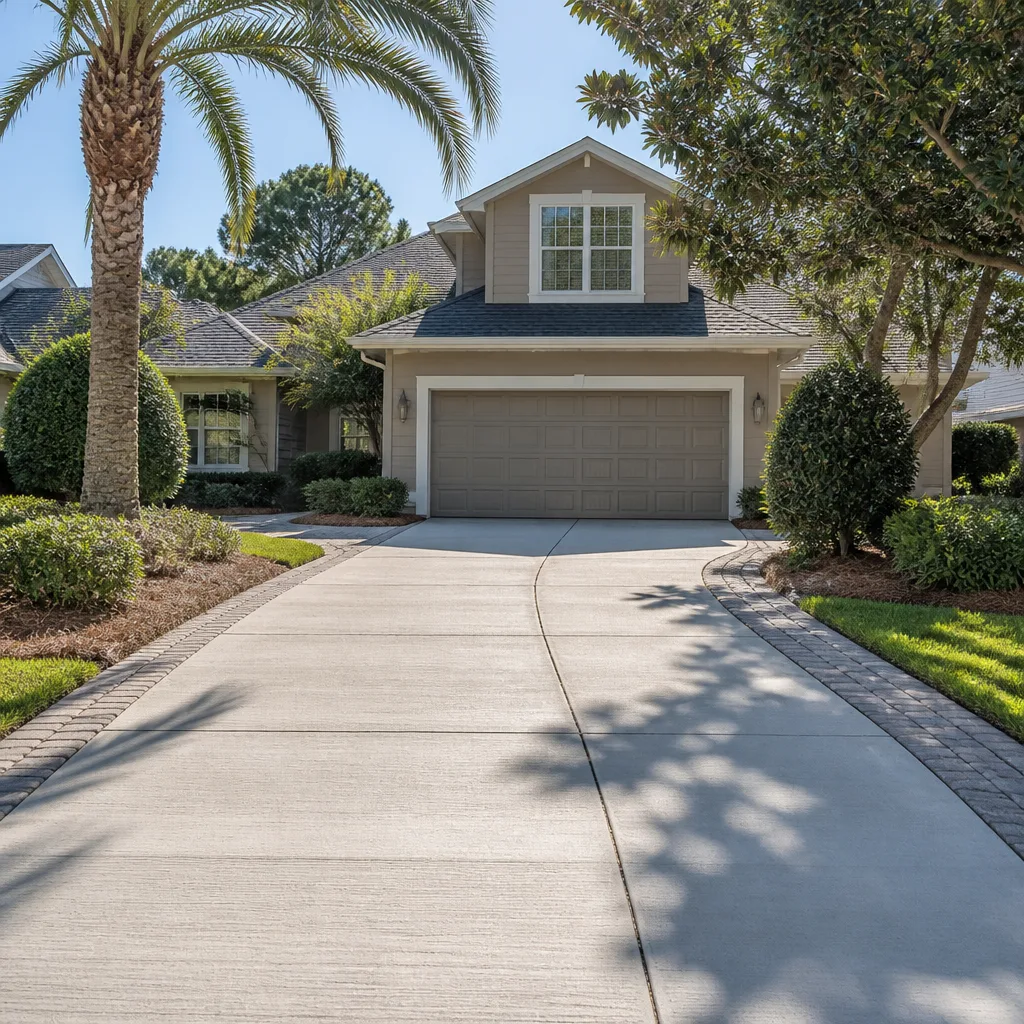
- Driveway & pavers
- Fence
See the difference
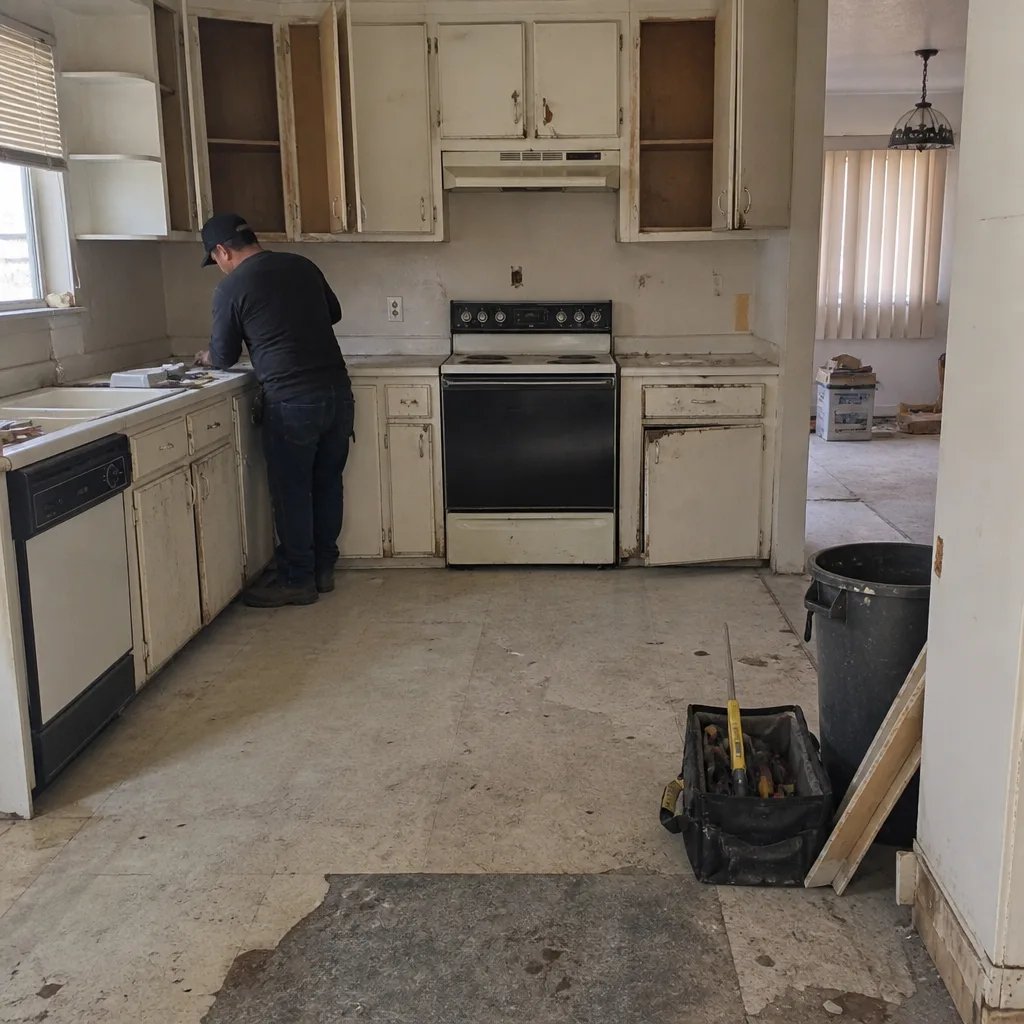 Before
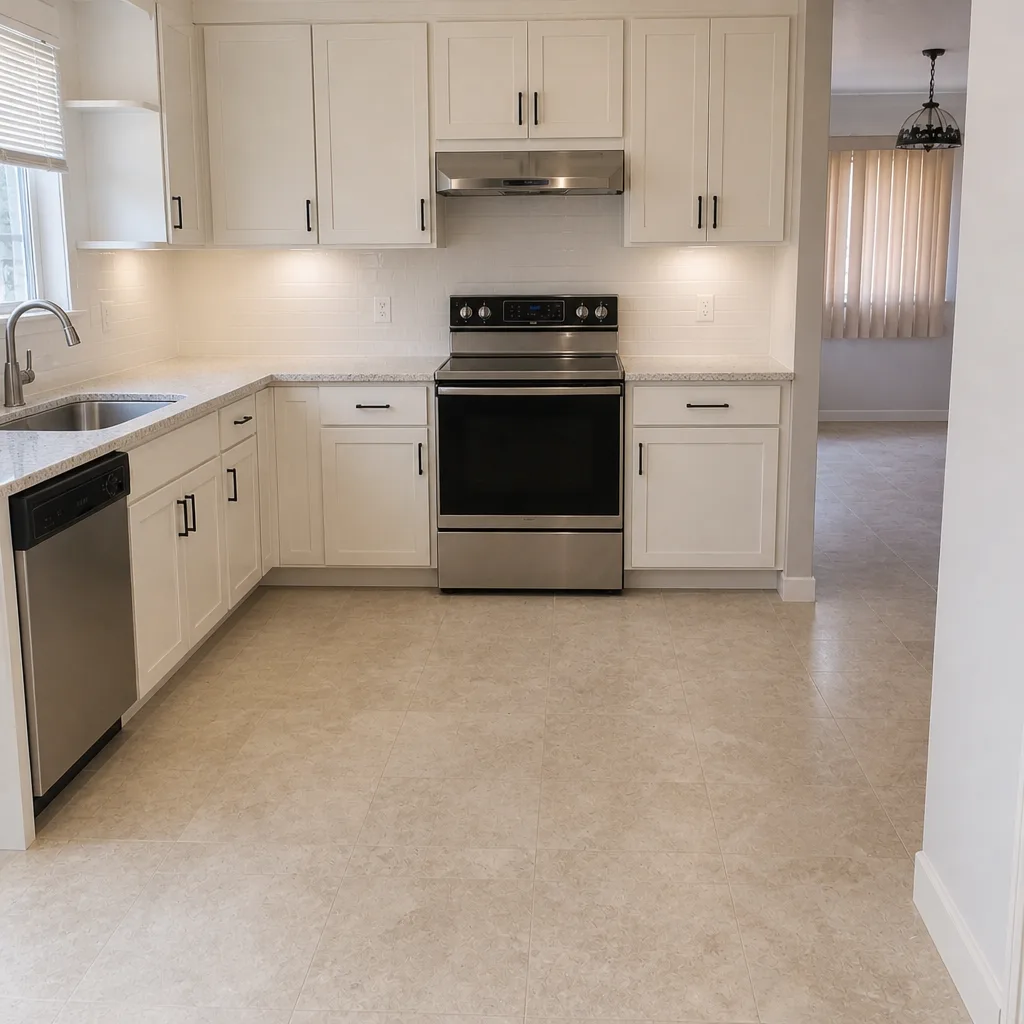 After
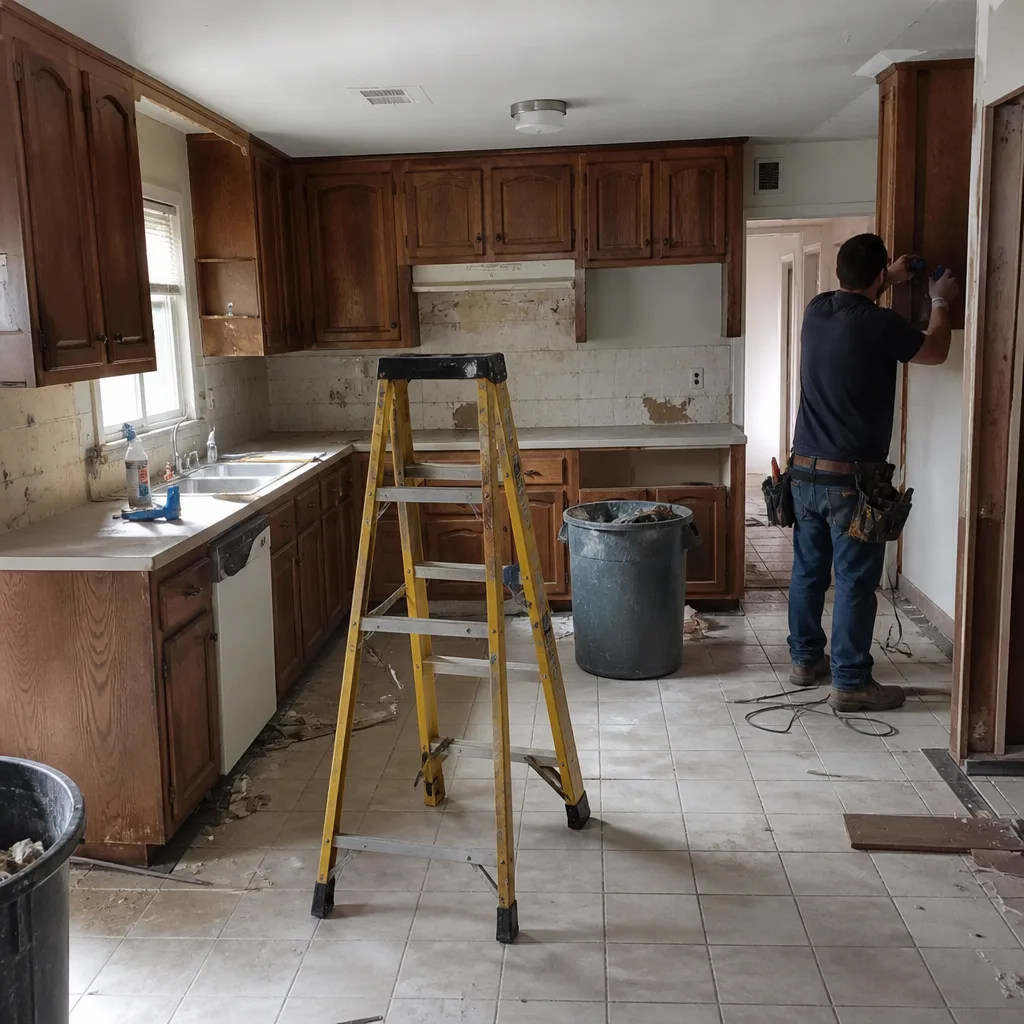 Before
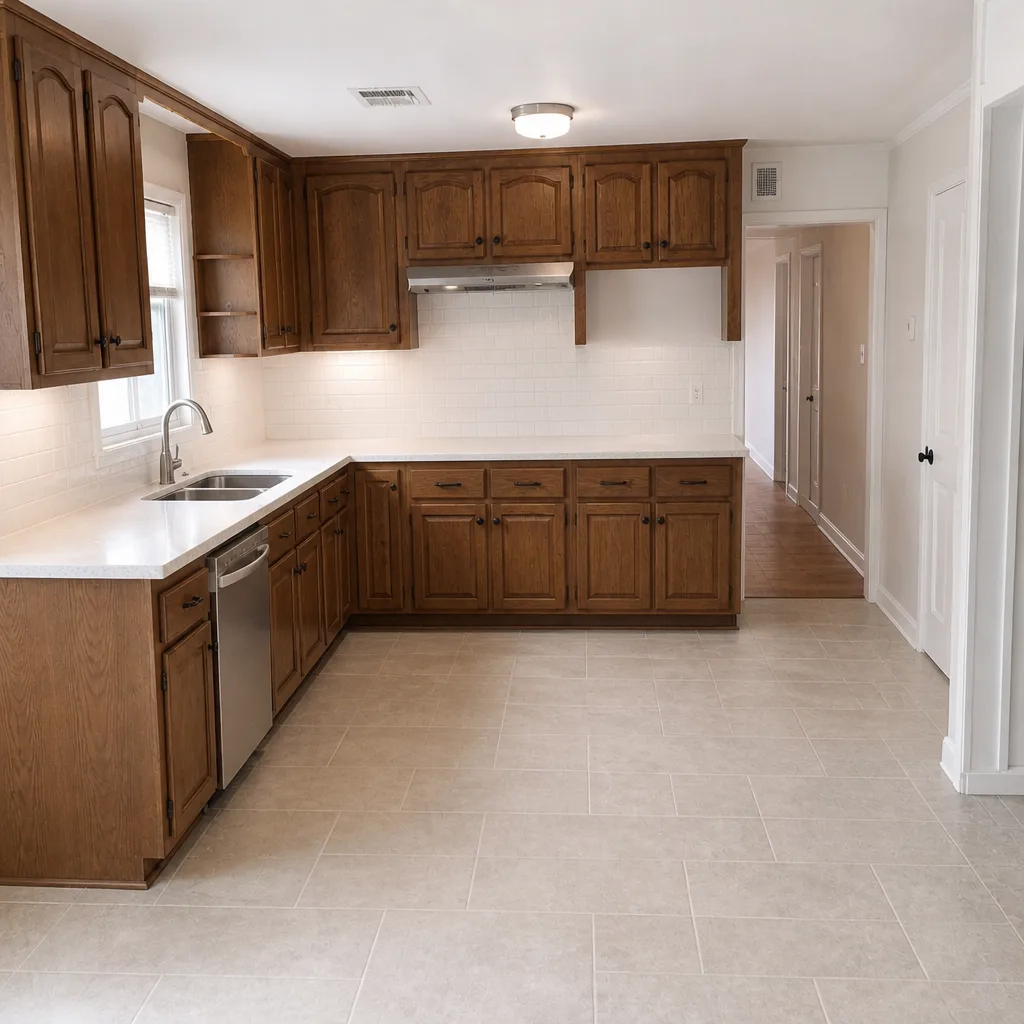 After
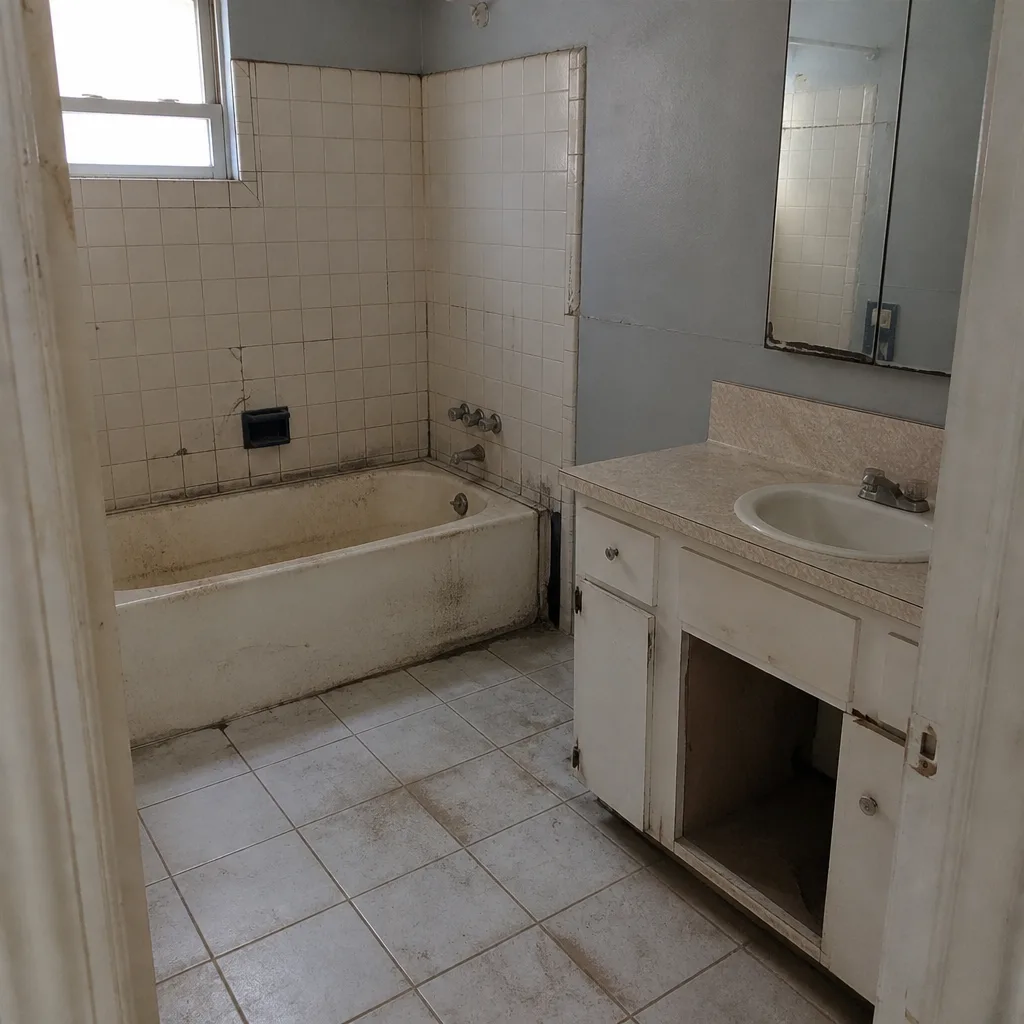 Before
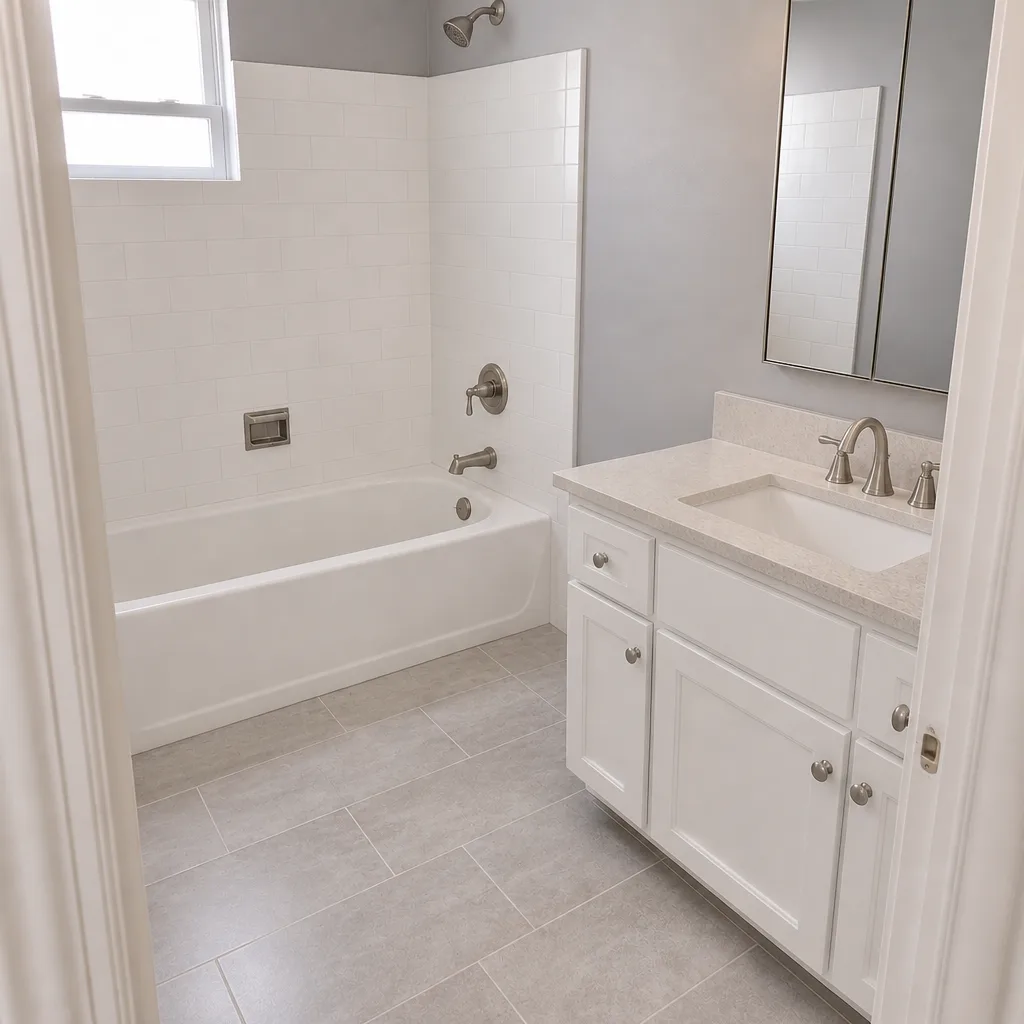 After
How to Measure a Window for Replacement in Spring Valley, NV (Stucco Returns and Rough Openings)
To measure a window for replacement, you measure the rough opening behind the stucco, not the visible glass or the interior daylight opening. That means taking width at the top, middle, and bottom of the opening and height at the left, center, and right, then recording the smallest width and the smallest height along with your existing unit’s nominal size. In Spring Valley, that third habit saves thousands of dollars in surprises. If your numbers don’t line up and you’d rather have it looked at, Groundwork Construction Co. of Spring Valley can send someone out – call (888) 329-9414.
Key Takeaways
- The rough opening is wider than the visible frame on Spring Valley’s stucco tract homes – often by 1 to 2 inches per side.
- Measure width and height at three points each and use the smallest figure. Never the largest.
- Pull your existing unit’s corner label if it’s still readable. That nominal size is a useful third number.
- An out-of-square opening by 1/4″ to 1/2″ is normal here after 25 years of soil movement, and it changes which replacement style fits.
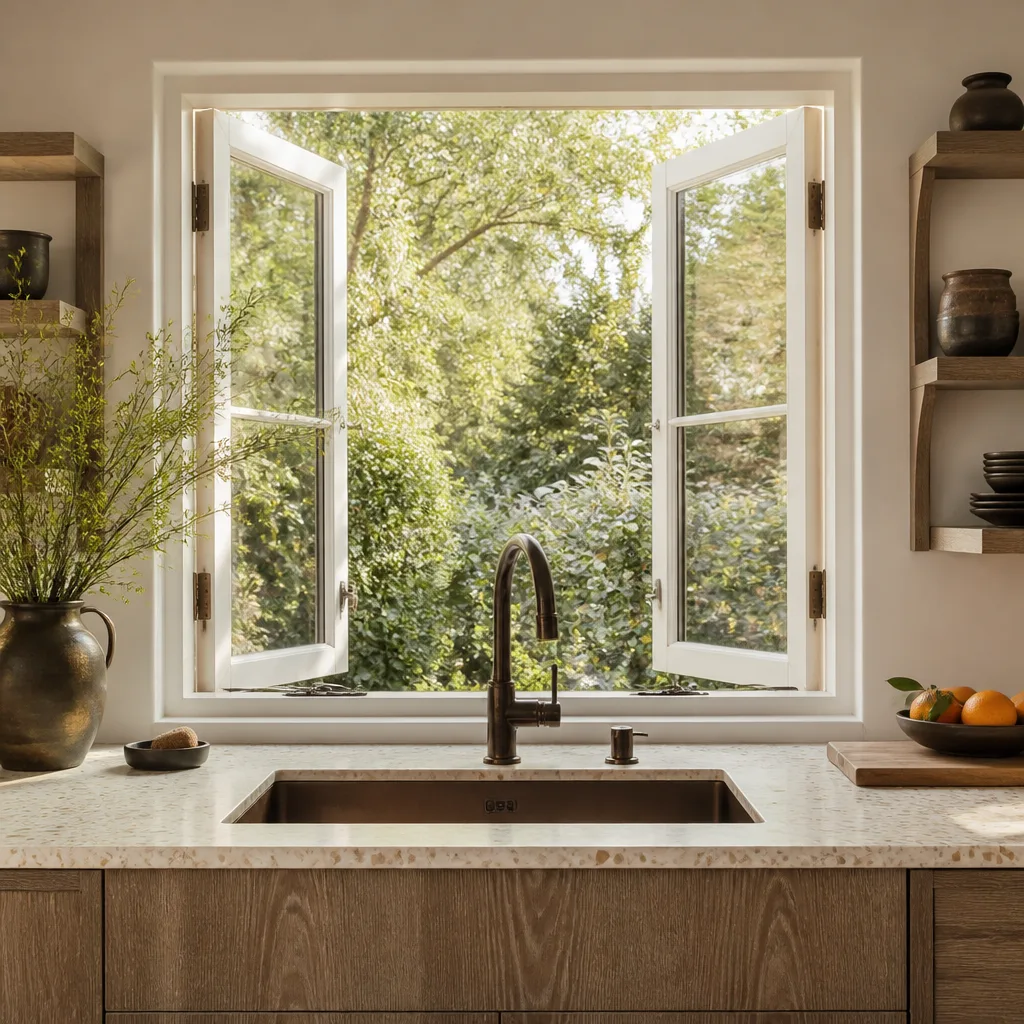
Why Stucco Changes the Measurement (This Is Where Most Spring Valley DIY Measurements Go Wrong)
Most replacement windows aren’t square. The stucco return is the reason. On a wood-framed sider, the exterior trim is roughly flush, so the visible frame and the rough opening aren’t far apart. On a Spring Valley stucco tract home, the exterior plaster wraps into the opening and covers part of the frame. What you see from the driveway is the finished daylight opening. What holds the window in place is the rough opening sitting behind that stucco. They’re two different measurements, and ordering from the wrong one causes a leak in monsoon season or a unit that physically can’t fit without expensive rough-opening work.
Spring Valley’s housing stock is mostly 1990-2000s stucco-and-tile tract subdivisions built at the edge of the Mojave, with slab-on-grade foundations and desert soils that push and settle through the seasonal swing between 110°F summers and near-freezing winter nights. That thermal cycling matters for windows. Original frames on this stock have often moved a little since the home was built, and the stucco return itself may have hairline cracking or a small chunk missing where the fin meets the finish. It’s worth a look before you measure, because a damaged return changes which replacement style makes sense.
The Three-Measurement Method
1. The rough opening width – top, middle, bottom
Measure the opening horizontally near the head (the top), at the midpoint, and near the sill (the bottom). Take the smallest of the three. Do the same thing if you’re sizing a slider or patio door. The smallest reading is the number a manufacturer needs, because a unit that fits the smallest spot can always be shimmed; a unit that only fits the largest won’t close.
2. The rough opening height – left, center, right
Measure vertically at the left side, near the center, and at the right side. Take the smallest. On Spring Valley’s slab-on-grade tract homes, rough openings frequently come back out of square by roughly 1/4″ to 1/2″ after two-plus decades of desert soil movement. That’s normal here, and it doesn’t mean anything is wrong with your house. It does mean the installer’s shim plan matters, and it may mean a custom unit is the safer call if you’re chasing a tight finished-opening look.
3. The existing unit’s nominal size
Look for the corner label – the manufacturer’s sticker on the sash, usually in the upper corner of the glass nearest the lock – and read off the nominal size. If it’s legible, jot it down. If it isn’t, that’s not a problem; the rough opening figures still work. Nominal size is a useful cross-check, because it confirms which era of stock unit the original installer used and whether a stock size off the shelf is likely to fit.
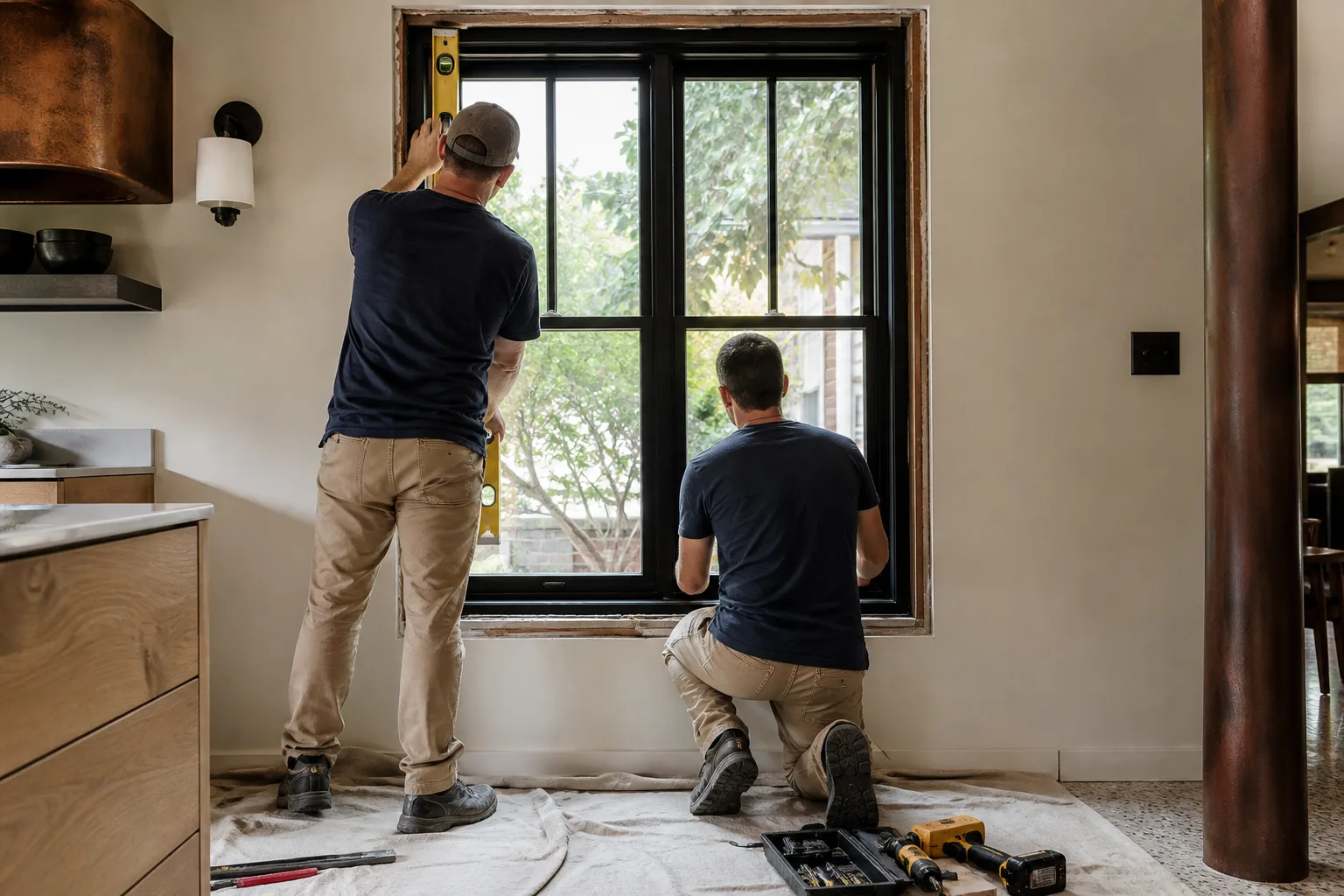
Which Replacement Style Do You Have? Probing the Nailing Fin
The nailing fin on 1990s stucco installations is embedded in the stucco wall system. A replacement window either has to match that original fin profile or use a retrofit insert style that fits into the existing frame. You can check which you have without pulling anything apart: take a stiff putty knife and gently press against the stucco edge at the side of the unit, right where the plaster meets the frame. If you hit a thin flange running back into the wall, you have a fin-embedded install. If the frame stops flush and the opening goes straight back into the stud bay, you’re likely looking at a frame-in-frame retrofit candidate.
Probe gently and don’t dig. You’re looking for the edge, not removing stucco. That said, if the plaster around the frame is loose, crumbly, or has visible gaps, leave it alone and let someone with the right tools take a look – opening a moisture path in stucco wall system is a bigger job than the window itself.
What to Write Down Before You Call Anyone
Three numbers are all a good estimator really needs to start scoping the job:
- Rough opening width – smallest of three horizontal readings.
- Rough opening height – smallest of three vertical readings.
- Existing unit’s nominal size – from the corner label, if it’s still legible.
We also ask for the opening style (single-hung, casement, slider), the approximate count of windows you’re replacing in that elevation, and whether you’ve had any water intrusion underneath the unit during summer monsoon storms. Those three extras tell us more about the wall assembly than a photo will.
Stock Size or Custom Unit? How We Decide
Most Spring Valley window replacements land on either a stock Andersen or Marvin size or a custom unit. The rough opening measurement decides which. If the smallest width and height both clear a stock size with enough room for shimming, a stock unit gets installed faster and at a lower cost. If the opening is tight, badly out of square, or the stucco return needs to be rebuilt, a custom size buys the tolerance needed to get a real seal.
For a sense of scale, window replacement in Spring Valley typically runs $4,500-$15,000 for a whole-house set, and impact-rated window installation – a real consideration for west-facing exposures near Rhodes Ranch and the western edge – runs $8,000-$25,000. The rough opening measurement is what drives that range. Order a window that doesn’t fit and you’re paying for rough-opening modification on top of the replacement.
| What you’re measuring | Where to read it | What to record |
|---|---|---|
| Rough opening width | Head, middle, sill (top / mid / bottom) | Smallest of three |
| Rough opening height | Left, center, right | Smallest of three |
| Existing nominal size | Corner label on glass | Whatever’s legible |
| Fin style | Putty-knife probe at stucco edge | Fin-embedded or retrofit |
The Step We Don’t Skip: A No-Cost Measurement Visit
We offer a no-cost measurement visit in Spring Valley. A background-checked technician documents the rough opening, checks squareness, assesses the condition of the stucco return, and notes anything that could change the scope – like a missing drip cap or a fin that’s already partly proud of the plaster. The written quote that follows comes with upfront pricing: the number you see is the number you pay, and 0% financing for 18 months is available if it helps the timeline. Projects over $10,000 get $1,000 off. Every job is covered by our 730-Day Done Right Promise, so if the install isn’t right, we make it right. Take a look at our Windows & Doors page for the full scope, and our home page for the other trades we handle.
Two more things worth knowing before you call: our technicians have up to 12 years of experience with stucco-clad replacement installs, and someone answers the phone 24/7. Not a voicemail, not a callback on Monday morning.
Spring Valley FAQs
Neither. You measure the rough opening behind the stucco, then take the smallest width and smallest height. In Spring Valley’s 1990s stucco tract homes, the visible frame is typically 1 to 2 inches narrower per side than the rough opening, so ordering from the visible size is the single most common measurement error here. If you’re not sure which number you have, call (888) 329-9414 and we’ll walk you through it.
You probe the stucco edge with a stiff putty knife at the side of the unit. If you hit a thin flange running back into the wall, you have a fin-embedded install. If the frame stops flush and the opening goes straight back, you likely have a retrofit candidate. That check takes a minute and saves an expensive surprise on order day. Not sure? We confirm it during the measurement visit – call (888) 329-9414 for a free estimate.
Window replacement in Spring Valley runs $4,500-$15,000 for a typical whole-house set, and impact-rated window installation runs $8,000-$25,000. The spread hinges on rough-opening condition, squareness, stucco return shape, and whether a stock size fits or a custom unit is needed. Call (888) 329-9414 for an exact quote – estimates are free.
Not on its own. A 1/4″ to 1/2″ of out-of-square is routine across Spring Valley’s slab-on-grade tract homes after 25 years of desert soil movement and thermal cycling. It matters for shim planning and sometimes pushes the job to a custom unit, but it doesn’t mean your wall is failing. If you’re seeing wide cracks, sticking windows that don’t shut, or water marks below the sill, have that looked at before you order. Call (888) 329-9414 – we’ll take a look.
Yes. We combine the measurement visit and the written quote into one appointment, and most Spring Valley homeowners get the numbers the same day. We check squareness, probe the fin, inspect the stucco return, and hand you upfront pricing before we leave. Call (888) 329-9414 to get it on the calendar.
If you’d rather have it measured and quoted by someone who does this in Spring Valley every week, Groundwork Construction Co. of Spring Valley offers a no-pressure, no-cost measurement visit – call (888) 329-9414. Explore our Spring Valley service area for the neighborhoods we regularly work in.
Written by the team at Groundwork Construction Co. of Spring Valley, serving Spring Valley, NV.