
Free written scope consultation - allowances, timeline, and change-order rules on paper before a single trade is scheduled
Styles & brands we work with
- Kitchen remodeling
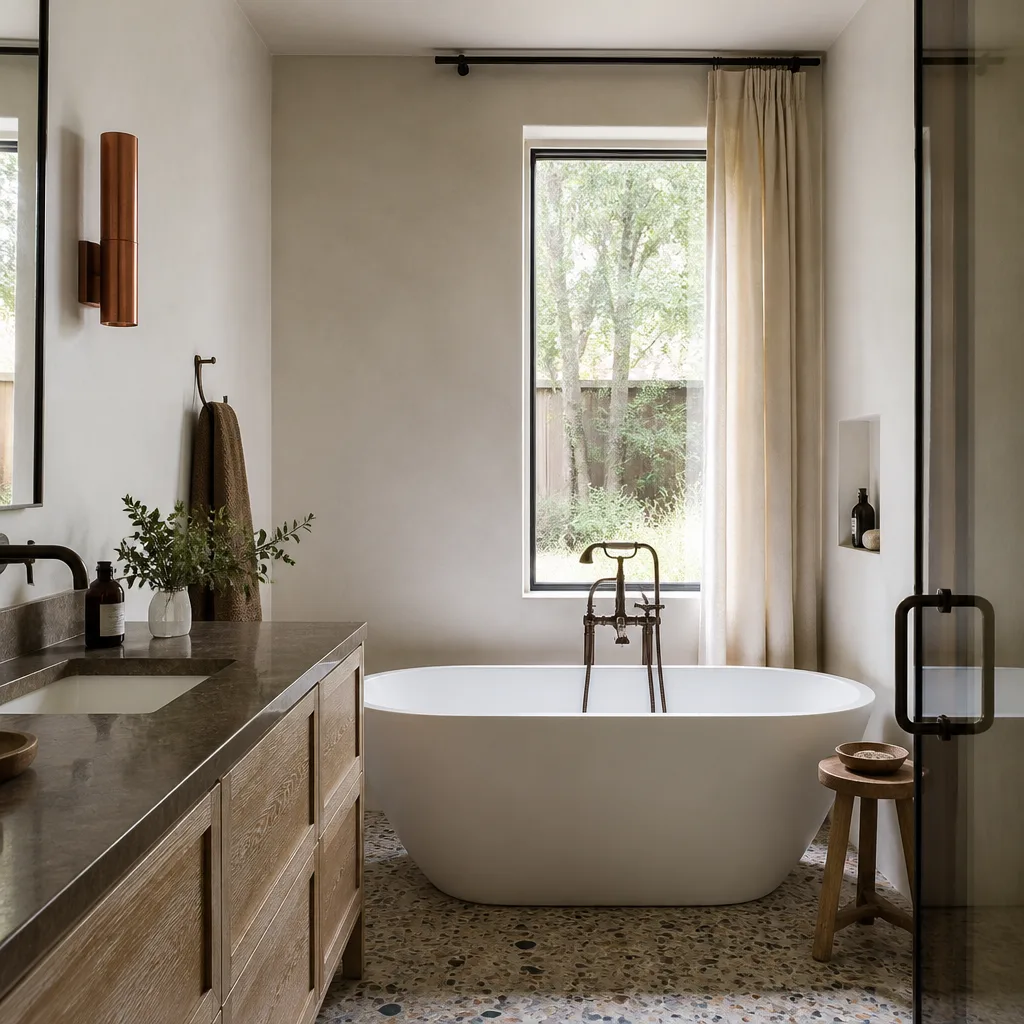
- Bathroom remodeling
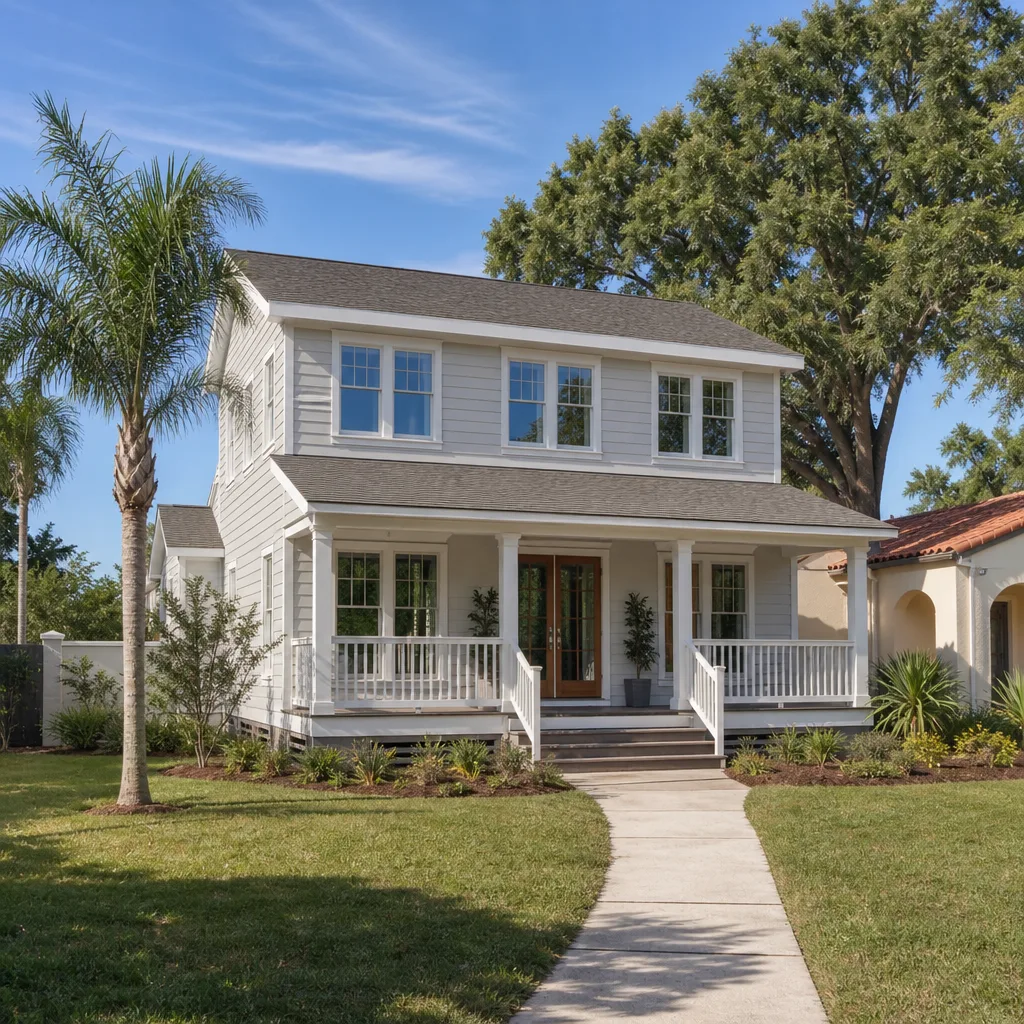
- Home additions & ADU
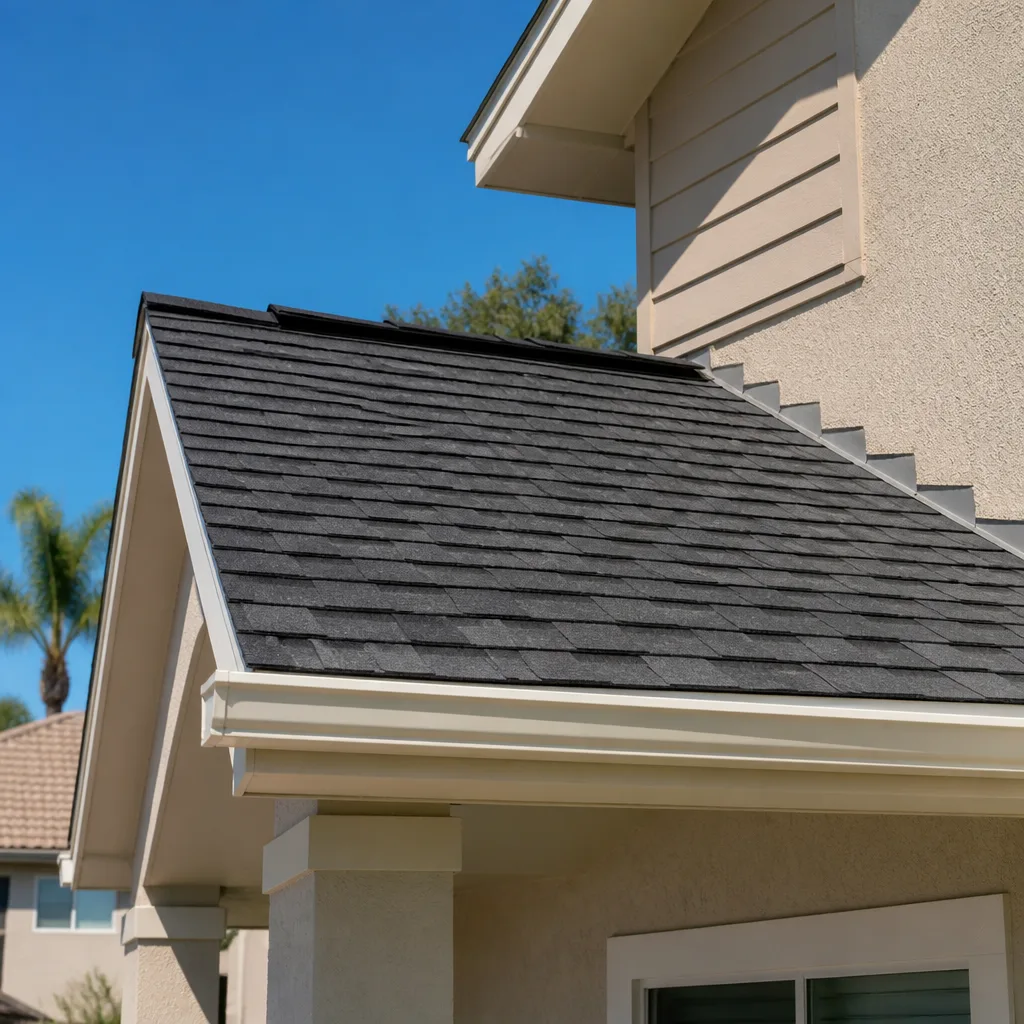
- Roofing
- Windows & doors
- Driveway & pavers
- Fence
See the difference
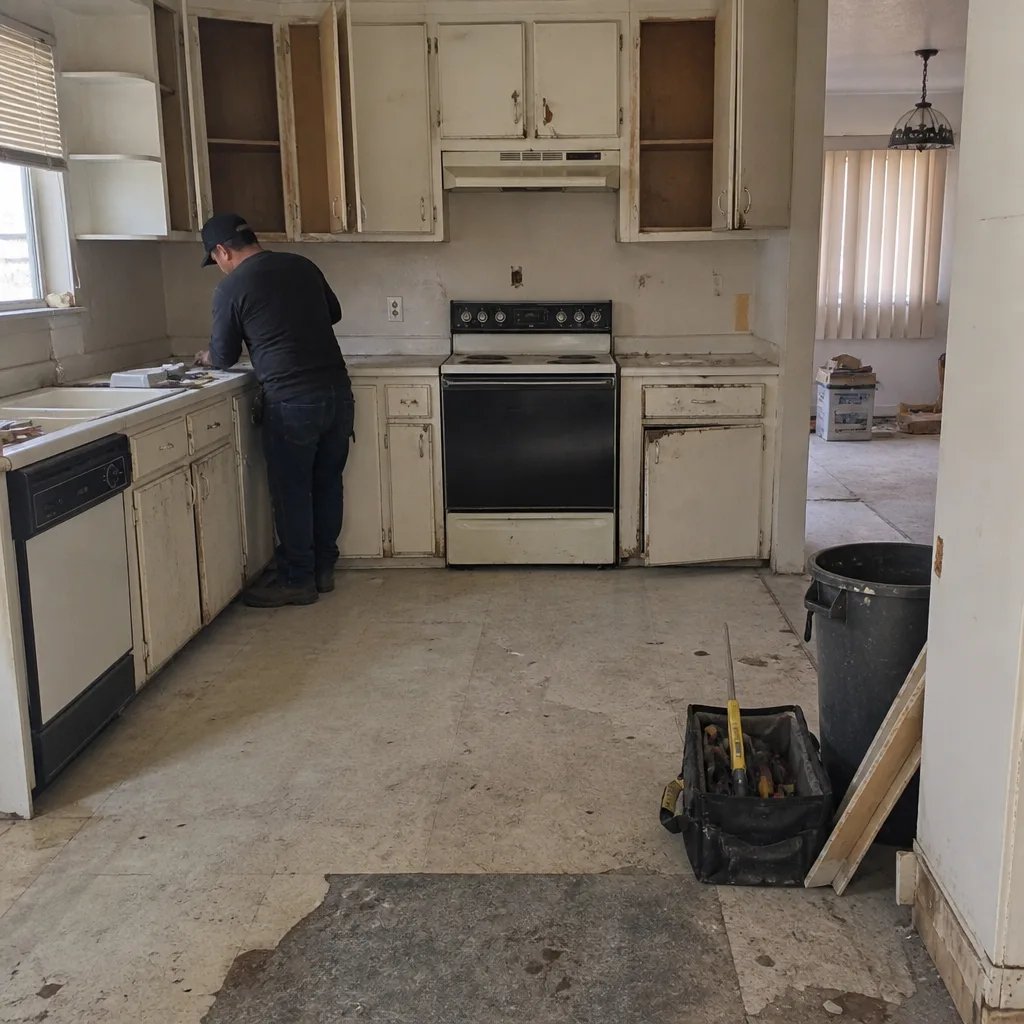 Before
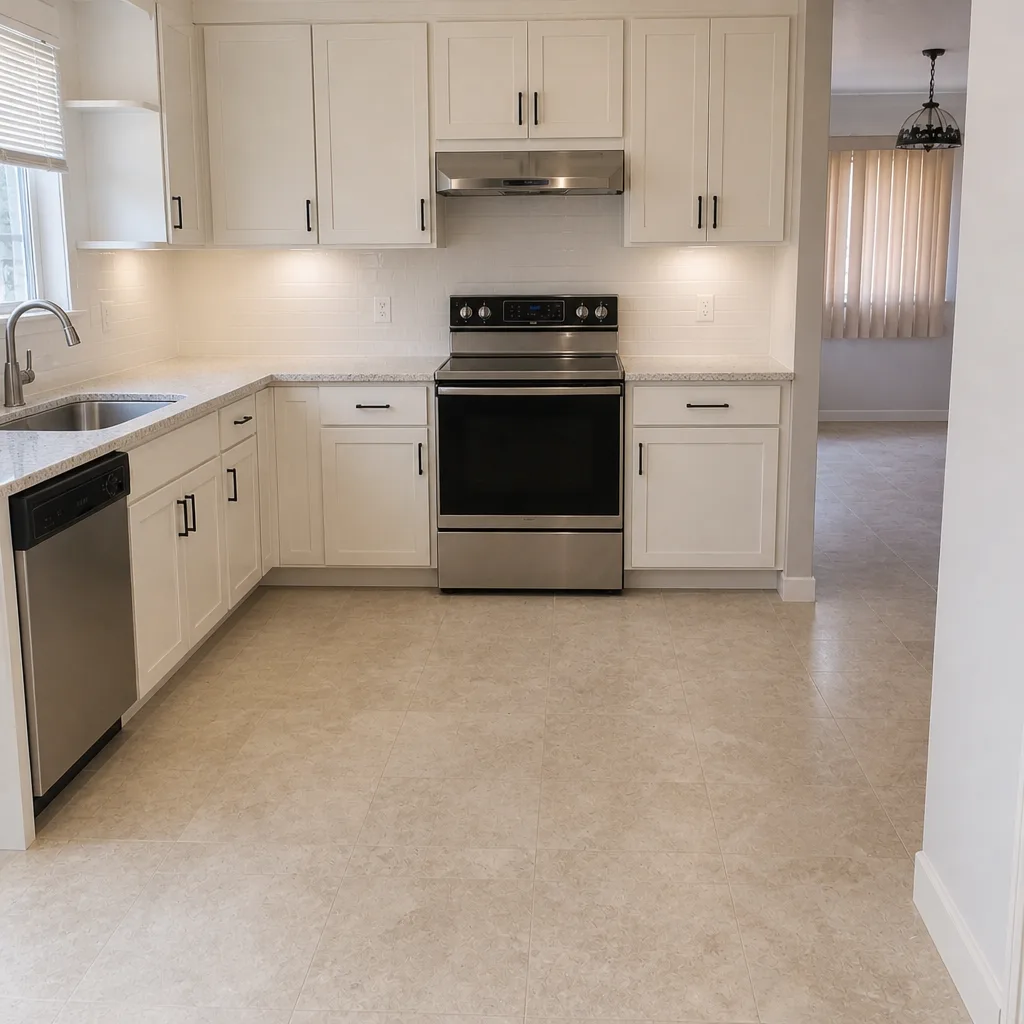 After
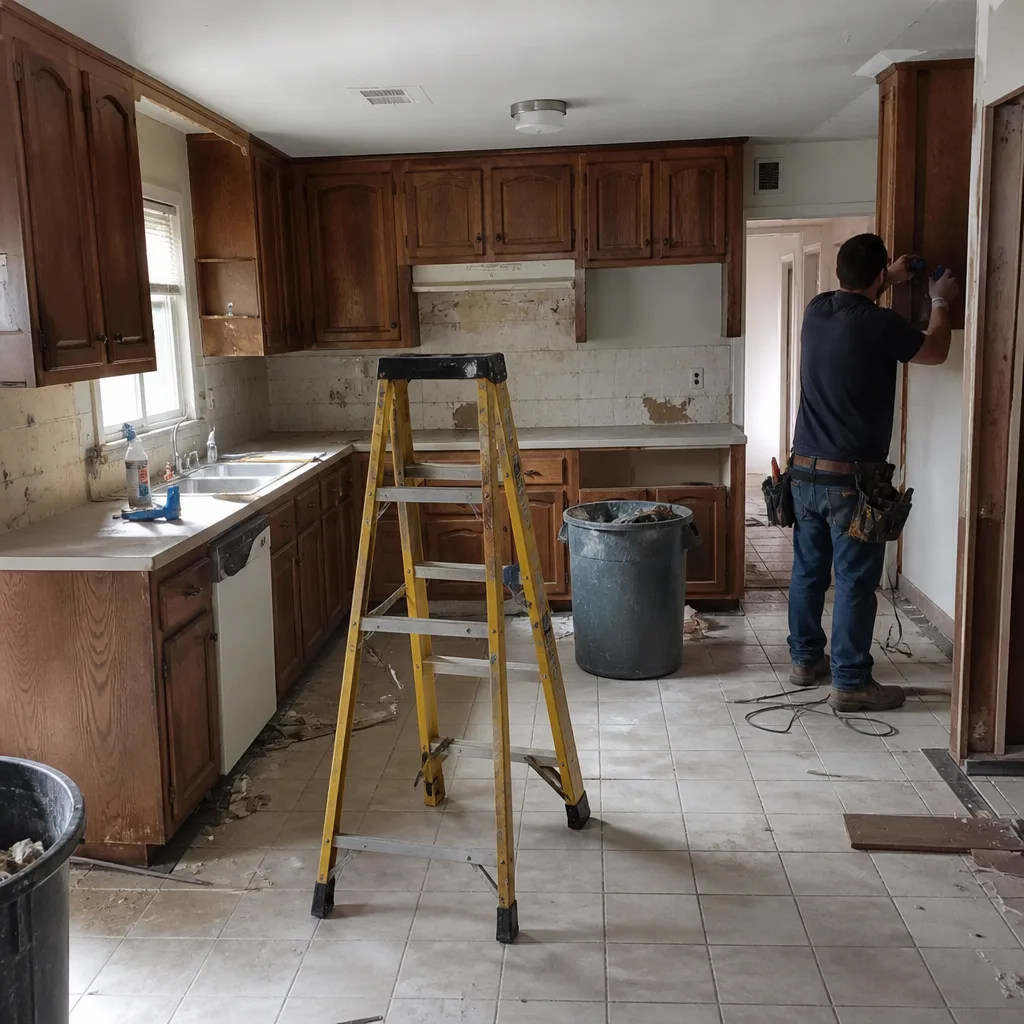 Before
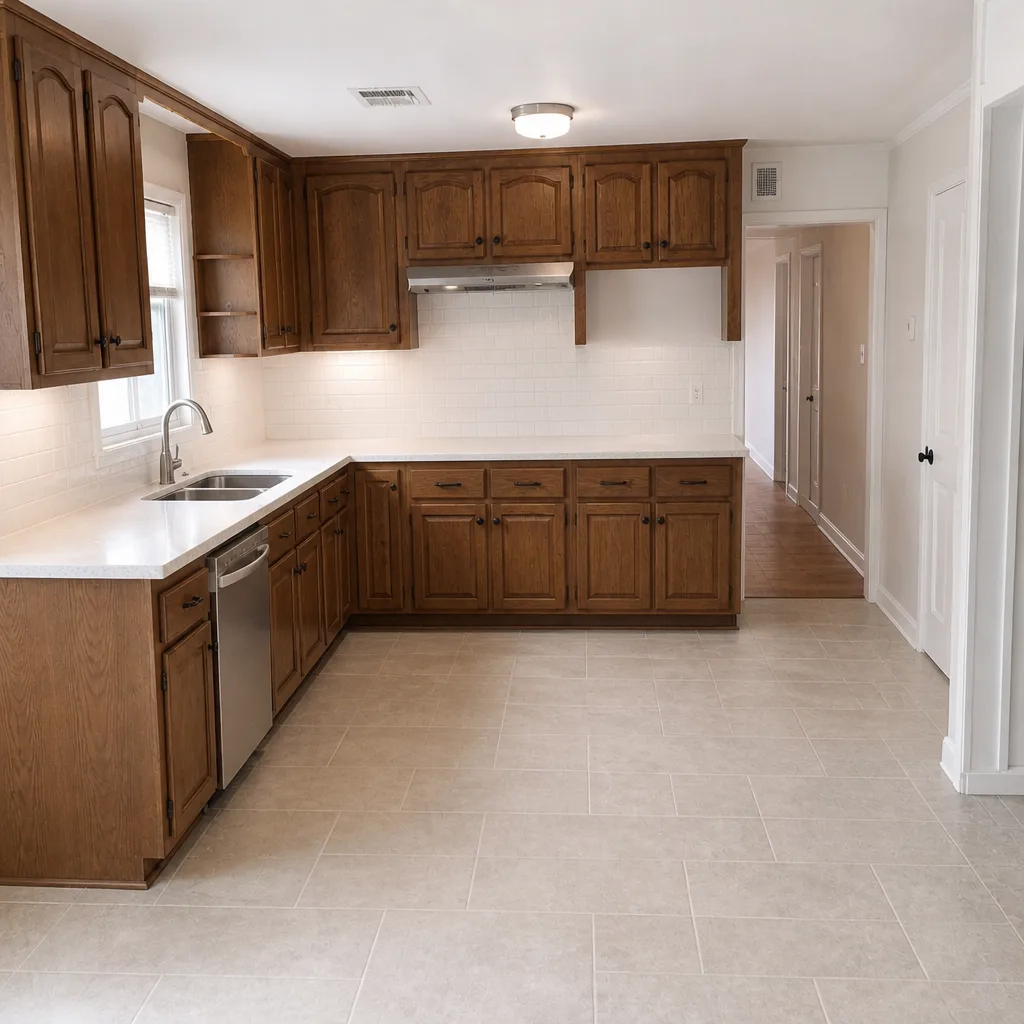 After
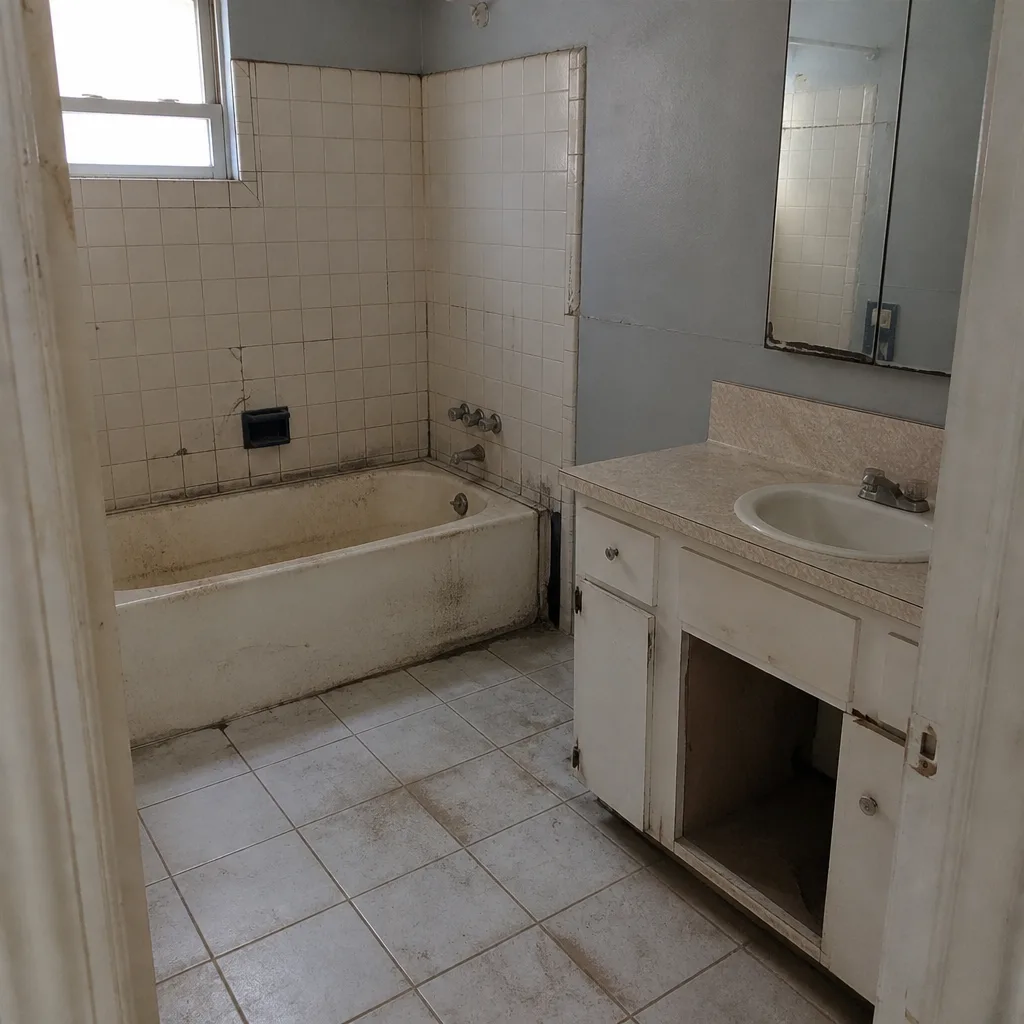 Before
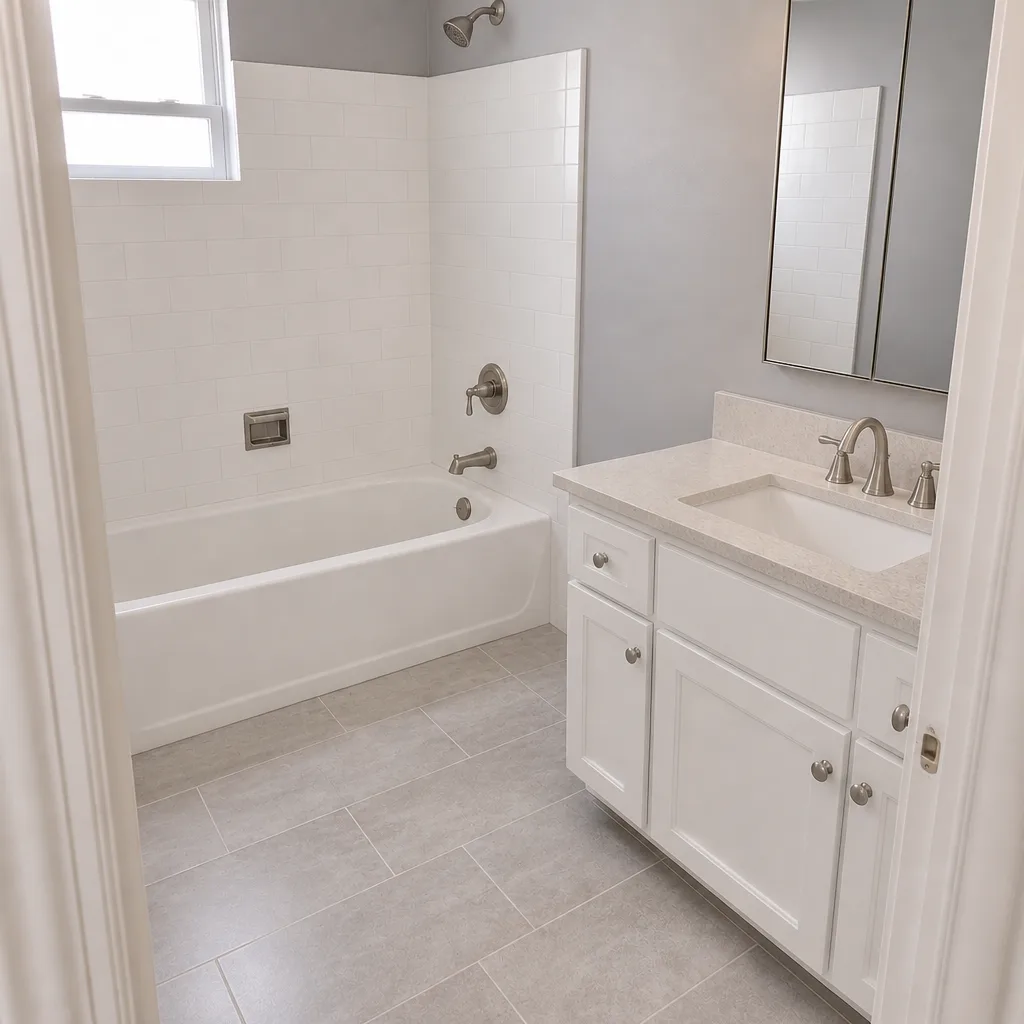 After
When to Seal a New Asphalt Driveway in Spring Valley, NV
In Spring Valley, seal a new asphalt driveway roughly 6 to 9 months after it’s paved, not the 12 months most guides suggest. That window is climate-specific: Mojave heat and relentless UV push new asphalt through its cure faster than in temperate zones, so the surface is ready sooner than the standard rule says. Seal too early and you trap oils still off-gassing, which bubble and peel under 110°F surface temps. If you’d rather have someone assess your specific driveway than guess from a calendar, call Groundwork Construction Co. of Spring Valley at (888) 329-9414 for a free, no-pressure look.
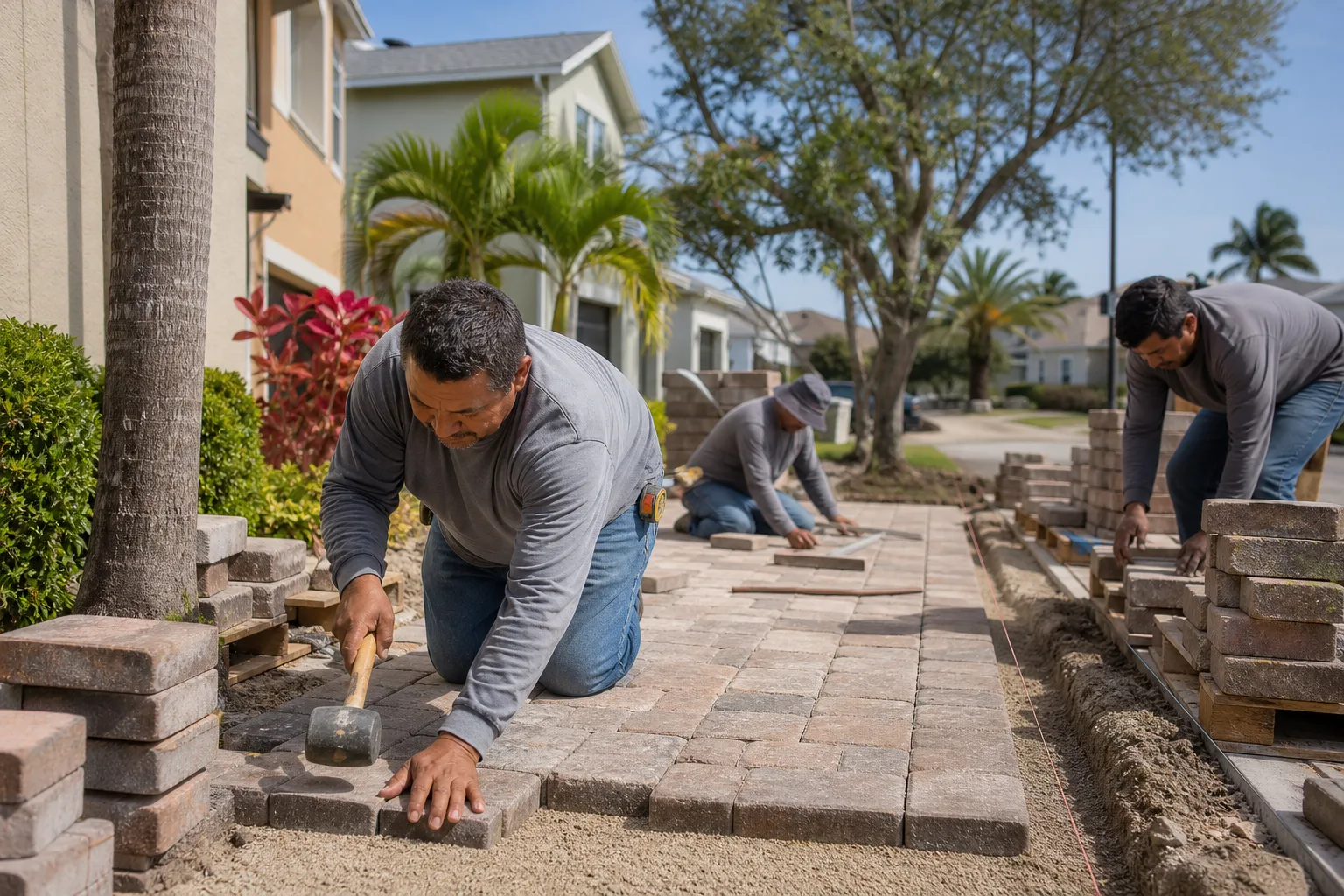
The 90-day rule was written for a climate Spring Valley doesn’t have
Most “when to seal a new asphalt driveway” articles are recycled from the Midwest and Northeast, where sealing at 90 days or a full year is close enough because the weather cooperates. Whoever wrote those never stood on black asphalt in July in Spring Valley.
Desert heat does two contradictory things at once. It speeds up curing, because the sun bakes off the light oils in the mix faster. And it speeds up oxidation, because unfiltered UV at this elevation chews through the binder almost from day one. The result: your driveway is ready to seal sooner than the generic rule allows, but if you wait the full year those first months of UV damage are already baked in. The ideal window here is narrower than either side of the generic advice, usually landing around 6 to 9 months post-install.
Get the timing wrong in either direction and it costs you. Under-sealed asphalt in Spring Valley starts raveling two to three years ahead of schedule. Over-sealed asphalt gets a fresh coat over contaminant trapped inside.
Why sealing a desert driveway too early causes bubbling and delamination
New asphalt is not inert. The petroleum binder keeps releasing light oils as it cures, and those oils need a path out. A sealer film laid down before that off-gassing finishes turns the driveway into a pressure cooker.
Surface temps on a Spring Valley driveway routinely hit 140°F on a 110°F day. Under that heat, trapped gases expand, push up against the sealed skin, and you get the classic symptoms:
- Blisters or bubbles that appear weeks after a seal job, usually in full-sun areas.
- Peeling or flaking film that lifts off in sheets near the edges and tire tracks.
- Delamination, where the seal coat separates from the asphalt entirely and takes a thin layer of aggregate with it.
Just as important: sealing an immature driveway can void your paving manufacturer’s warranty. Most mix producers and pavers specify a cure period before sealing, and a sealer applied at day 60 in June is a violation they’ll point to when you file a claim. Our technicians have up to 12 years of experience reading a driveway’s cure stage by look and feel, and we’ll tell you plainly if yours isn’t ready. The Driveway & Pavers team can also check the base and drainage while we’re out, since those matter as much as the surface timing.

The Spring Valley soil factor nobody mentions
Where your driveway sits in Spring Valley changes when you should seal it, not just how.
On the western slopes near Rhodes Ranch, driveways sit over expansive desert soils that swell and shrink with moisture. Those soils combine with the July-September monsoon to open hairline cracks in concrete and asphalt flatwork, sometimes in a single storm season. If you seal in June and the monsoon hits in July, you may seal over cracks that just opened, or worse, seal right before a week of downpours that gets under the fresh film.
This is why a straight 6-to-9-month countdown is only half the story. The other half is watching the soil and the season together.
Our seasonal recommendation for Spring Valley driveways
Schedule sealing for late September through October. Three reasons:
- Monsoon soil movement has settled, so any micro-cracks the season opened are visible and can be filled before sealing.
- Daytime highs fall into the 80s, giving sealer the right conditions to cure evenly rather than flash-drying in 110°F heat.
- You’re ahead of winter, when nights drop to near freezing and freeze-thaw cycling weakens adhesion on a fresh film.
You’ll find roughly 1,500 square feet of standard asphalt driveway sealing costs $250 to $700 in Spring Valley. For context, that’s a fraction of the $3,500 to $9,000 a new asphalt driveway costs, so getting the timing right protects a real investment. If you’re weighing asphalt against something with a longer surface life, our Driveway & Pavers in Spring Valley page covers pavers and the local installation ranges.
The scheduling reality in Spring Valley is that late-September slots fill first, because every homeowner who read the same generic guide waits until fall. Book the assessment in summer so you’re on the calendar, not calling around in October.
Common local scenarios we run into
New-build driveway finished in early spring. The paving crew finishes in March or April, and by the time August heat hits, the surface is curing fast. These driveways are usually ready to seal by October of the same year, not the following March. Getting in before the first winter freeze matters more than hitting an exact month.
A 20-year-old tract-home driveway that’s never been sealed. Most Spring Valley housing went up in the 1990s and 2000s with stucco-and-tile construction, and many of those original driveways have oxidized for two decades. That’s not a “when to seal” question anymore. It’s a “is there enough binder left to seal” question, and sometimes the honest answer is a patch or partial replacement first.
A driveway near the Rhodes Ranch slopes after a wet monsoon. Cracks appear in August, and the homeowner calls asking for a seal in September. We check whether the cracks are still moving before we touch a sealer, because sealing over active soil movement just hides the problem for one season.
What you get when Groundwork handles the timing
We’re not a sealcoating outfit that shows up, sprays, and vanishes. Groundwork Construction Co. of Spring Valley backs the work with the 730-Day Done Right Promise, which means if a seal fails inside two years because of timing or application, we make it right at no cost. That’s a guarantee most driveways-only contractors won’t put in writing, and it exists precisely because timing mistakes here are so common.
You’ll also get a live person on the phone any hour of the day, upfront pricing so the number you see is the number you pay, and background-checked, uniformed technicians on the property. If you’re planning a broader exterior project while we’re out, our full-service home team handles the rest. And to make a larger driveway or flatwork project easier on the budget, there’s $1,000 off projects over $10,000 plus 0% financing for 18 months.
FAQs
No, not safely. Ninety days is far too early in Spring Valley’s heat, because the binder is still off-gassing and a sealer applied that soon traps oils that bubble and delaminate under 110°F surface temperatures. Wait until the surface has finished curing, usually 6 to 9 months, and ideally book for late September or October. Call (888) 329-9414 and we’ll give you a straight answer on your specific driveway.
Driveway sealing in Spring Valley typically runs $250 to $700 for a standard residential driveway, depending on square footage and crack repair beforehand. A new asphalt driveway itself runs $3,500 to $9,000, so sealing is a small cost that protects a large one. Call (888) 329-9414 for an exact quote; estimates are free.
It can, yes. Many paving material warranties specify a minimum cure period before sealing, and a premature sealer application can be cited as the cause of bubbling, delamination, or surface failure. Keep your paving paperwork and let the surface cure on a climate-appropriate timeline. If you’re unsure whether yours is ready, call (888) 329-9414 and we’ll assess it.
Fall, and specifically late September through October, is the better window. The monsoon soil movement has settled, daytime temperatures allow even curing, and you’re sealing ahead of winter freeze-thaw cycles rather than during them. Spring sealing is possible but competes with hot, fast-approaching summer, which is a tougher window to cure evenly. Call (888) 329-9414 to get on the fall schedule.
If you’d rather have it looked at, Groundwork Construction Co. of Spring Valley offers a no-pressure assessment in Spring Valley. We’ll check the cure stage, look for monsoon cracks, and tell you the right month to seal. Call (888) 329-9414 for a free estimate.
Written by the team at Groundwork Construction Co. of Spring Valley, serving Spring Valley, NV.