Last updated November 17, 2026
Free written scope consultation - allowances, timeline, and change-order rules on paper before a single trade is scheduled
Choosing the Right Construction Brand: A Buyer’s Guide for Spring Valley
Most homeowners evaluate a construction bid by price and timeline. The number at the bottom and the weeks on the calendar get all the attention, while the line that actually decides whether the work holds up for five years or fifteen goes unread. That line is the material specification – the brand of concrete sealer, the paver line, the waterproofing membrane, the shingle system. In our experience reviewing bids across Spring Valley, the vague materials clause is the single most common place a project quietly loses value. This guide walks through how brand choices drive real performance in the desert, how to read a spec sheet and catch the holes, and the questions that separate a contractor who specifies with intent from one shopping purely on price.
Quick Answer
The right construction brand is the one specified by name, grade, and model in your contract – not the logo on the truck. In Spring Valley’s desert climate, materials chosen for UV and heat resistance outperform generic substitutions dramatically, and a contractor who names trusted manufacturers like GAF, James Hardie, or Belgard in writing is showing access to training, technical support, and manufacturer warranty backing that a “builder-grade” substitution won’t match. Ask for the spec sheet, read it line by line, and make sure every material is named before you sign.
Styles & brands we work with
- Kitchen remodeling
- Bathroom remodeling
- Home additions & ADU
- Roofing
- Windows & doors
- Driveway & pavers
- Fence
Table of Contents
- Why the Brand of Materials Matters More Than the Contractor’s Logo
- Which Materials Have Real Quality Variance in the Spring Valley Desert
- How to Read a Material Specification Sheet in a Construction Contract
- Manufacturer Warranty Registration: Getting It in Your Name, Not the Contractor’s
- What Industry-Leading Brand Partnerships Actually Signal
- Questions to Ask About Material Sourcing and Backorders
- How to Compare Competing Product Lines Without Spec Sheets in Hand
- Common Mistakes to Avoid
Why the Brand of Materials Matters More Than the Contractor’s Logo
A construction brand isn’t the sign in the yard. It’s the specific manufacturers and product lines a contractor puts into the build – the KraftMaid cabinet boxes, the Cambria quartz slab, the GAF Timberline shingle, the Andersen window unit. Two bids can carry identical line items (“re-roof,” “replace windows,” “install pavers”) and describe wildly different materials. One names a 30-year architectural shingle from a top-tier manufacturer; the other writes “shingles, as needed.” One specifies a polymeric joint sand and a proper base compaction; the other leaves those details unspoken.
That’s not just a paperwork difference. It’s the difference between work backed by a manufacturer’s warranty and work backed by whoever answers the phone. In the Las Vegas Valley, where summer surface temperatures routinely push past 150°F on exposed dark surfaces and where UV degrades cheap sealers and thin membranes within a few seasons, the quality of the specified material shows up in performance data – cracking, fading, delamination – long before you’d see it on a nicer-branded bid.
We’ve seen Spring Valley homeowners choose a lower bid on a paver driveway, only to reseal it every year because the sealer wasn’t formulated for the heat. They saved a few thousand upfront and paid it back in maintenance. The brand specified in the contract is what determines that outcome.
The flip side is also true: a strong brand logo alone doesn’t guarantee a good install. A premium paver laid on a shallow, poorly compacted base still fails. The brand is half the story; the install is the other half. Our point is that you can’t evaluate either half if the contract doesn’t name the materials.
Which Materials Have Real Quality Variance in the Spring Valley Desert
Not every product category carries the same quality spread. Some are commodities where installation technique matters far more than brand, and treating them all the same wastes your attention. Here’s where the meaningful variance lives in Spring Valley’s climate.
High-variance categories in the desert
- Roof underlayment and shingle systems. Cheap organic-mat underlayment dries and cracks fast in the dry heat; synthetic underlayments hold up. The shingle brand and grade matter less than the full system – underlayment, flashing, and ventilation made by the same manufacturer so the warranty holds together.
- Exterior fencing materials. In Spring Valley, ornamental steel and vinyl fence lines vary sharply. Brands like Master Halco, Ameristar, Jerith, and Bufftech build to different coating and color-thru specs, and the difference shows in sun fading and rust at the post joints after a handful of summers.
- Window glass and frames. Andersen and Marvin units carry multi-layer low-E coatings and argon fills tuned for the Southern Nevada sun. Builder-grade windows carry fewer layers, and the difference lands on your energy bill every July and August.
- Exterior siding and trim. James Hardie fiber cement holds its finish under UV far better than cheap alternatives that chalk and fade.
- Patio and driveway sealers. A sealer rated for high UV and thermal shock is a different product than a generic exterior sealer at half the price. In Spring Valley, cheap sealer turns cloudy and lifts at the joints within two summers.
Categories where installation technique matters more
- Concrete mix and finish. Brand matters much less than the mix design, cure time, and finishing technique. Ask about PSI and control joints, not the concrete brand.
- Paver base materials. Class II aggregate, proper compaction, and a uniform sand setting bed beat brand upgrades every time. The paver top course is where brands like Belgard matter; the base is technique.
- Interior drywall and framing lumber. Commodity materials where the brand rarely moves performance for a standard interior.
The takeaway for Spring Valley buyers: spend your brand-scrutiny on the exterior envelope and the sun-exposed surfaces. That’s where the desert punishes shortcuts hardest.
How to Read a Material Specification Sheet in a Construction Contract
A material specification – a spec sheet – is the section of your contract that lists each product to be installed, by manufacturer, product line, and grade. Many contracts bury it in an appendix, or leave it out entirely. Reading it well is the single most useful skill in this guide. Here’s the step-by-step.
- Find the materials schedule. Look for language like “Materials,” “Scope of Work,” or an attached “Specifications” page. If the bid never names specific products, that’s your first red flag.
- Check for three things per line item: manufacturer, product line, and grade or model. “Waterproofing membrane” is vague. “Schluter Kerdi membrane” is a specification. “Paver” is vague. “Belgard Catalina granite slab, 60mm” is a specification.
- Flag the word “or equal.” This phrase lets a contractor substitute a cheaper product later. Ask for “or equal, with homeowner written approval before substitution” so you approve any swap.
- Watch for “as needed,” “builder-grade,” “standard,” “or equivalent,” and “TBD.” These are substitutions waiting to happen. Ask each one to be spelled out in writing.
- Cross-check the spec against manufacturer warranties. If a warranty requires specific installation materials, make sure they’re on the sheet.
- Ask what happens if a specified product is unavailable. The answer should be “we call you before we substitute,” in writing.
We put full material specs on every written quote at Groundwork Construction Co. of Spring Valley home for exactly this reason. A name-brand, no-substitution spec is easier to hold a contractor to than a vague scope every time. When the materials are named, the number you see is the number you pay.
Manufacturer Warranty Registration: Getting It in Your Name, Not the Contractor’s
Here’s a quiet failure mode: a manufacturer’s 25-year shingle warranty or a lifetime window warranty gets registered under the contractor’s business license, not yours. If the contractor moves on and you later have a claim, you can find yourself fighting the manufacturer for proof that you owned the install. The fix is simple, but you have to ask for it before the job closes out.
Three steps make sure the warranty lands in your name:
- Request warranty registration paperwork at the final walkthrough. Anything with a “register within 30 days” tile should be handed to you, not held by the contractor.
- Confirm the installer is a factory-certified or preferred installer for that brand. Many extended warranties only apply to certified installers.
- Keep all documentation in one folder: the registration, the spec sheet, the invoice, and the manufacturer’s warranty terms. Do this in Spring Valley with your GAF or James Hardie materials the day the crew packs up.
We put a 730-Day Done Right Promise on top of manufacturer warranties for a reason. Manufacturer warranties cover material defects; a written workmanship warranty covers the install itself. Together they’re what you want the day the crew leaves. The 730-Day promise – if it’s not done right, we make it right – doesn’t replace a manufacturer’s warranty, it adds to it.
One more detail: ask the manufacturer’s customer service line if the installer is licensed as a certified pro for the product. It takes one call, and it settles the whole question. If the project involves your Home Additions & ADU in Spring Valley, warranty registration should be part of the closeout punch list.
What Industry-Leading Brand Partnerships Actually Signal
When a contractor names KraftMaid, Kohler, GAF, CertainTeed, Andersen, Pella, Belgard, and James Hardie across their service lines, what is that actually telling you? Not just that they can buy the product – anybody with a supply account can. It signals three things buyers rarely think about.
- Access to factory training. Major manufacturers train approved installers – on the specific system, the flashing details, the cure requirements. A certified installer has been taught how the product is meant to fail-proof. A contractor who buys whatever’s on the shelf hasn’t.
- Technical support during the build. If a roof hits an unusual detail or a window unit needs a custom frame, manufacturer reps show up to help a certified installer. That rep doesn’t show up for a contractor outside the network.
- Warranty backing. Many extended or labor warranties are only honored when the products were installed by a certified pro. A contractor without the partnership can’t offer that warranty coverage.
In our experience, a curated portfolio across every trade is a signal of stability, not just taste. There’s a solid, reliable pipeline of a specified brand instead of a supply-store special. It’s the reason we specify brand partners per trade at Groundwork Construction Co. of Spring Valley rather than defaulting to whatever the distributor sells at cost that week.
That’s also why the 24/7 live-person phone line matters here. When a material question comes up mid-build, you should be able to reach a person who can answer it, not leave a message at 6 p.m. Friday and wait until Monday. Calls answered around the clock – and technicians who arrive in uniform after a background check – are part of the same promise that the brand on the box will be the brand on your house.
Questions to Ask About Material Sourcing and Backorders
A perfect spec sheet still only works if the products actually show up. Backorders in construction are common, and how a contractor handles them tells you a great deal about their network. Here are the questions worth asking at the estimating stage, before you sign anything.
- “Where do you source your materials?” Regional distributors serving the Las Vegas Valley, or out-of-state suppliers? A regional distributor can restock a missed roll of underlayment in days; an out-of-state order can stall a project for weeks.
- “What happens if a specified product is backordered?” The right answer: “We tell you, and we don’t substitute without written approval.” The wrong answer: “We’ll figure something out.”
- “Do you verify stock before we sign?” For long-lead items like windows and cabinets, verify lead times in writing. A window order from Pella or Andersen can take weeks; the timeline should reflect it.
- “Who’s going to order the materials, us or you?” If you order directly, you might get a better price but also take on the risk of a wrong size. Either way, be sure who is responsible for what.
- “If a specified product is unavailable for the whole job, what’s the fallback?” The answer should name a specific acceptable alternative, agreed in writing before work begins.
For a job that centers on a long-lead product, like a window replacement or an ADU, this should be part of the estimate conversation, not a surprise two weeks into the build. A contractor with an organized sourcing process asks about lead times before signing; a contractor who doesn’t will pass the wait onto you. Get your Fence Installation in Spring Valley materials verified the same way – fence sections have longer lead times than most homeowners expect.
How to Compare Competing Product Lines Without Spec Sheets in Hand
Sometimes you’re inside a showroom and the spec sheets haven’t been written yet. How do you compare brands before the paperwork? Three fast, practical ways.
- Read the manufacturer’s published warranty on their website before you walk in. A lifetime limited warranty from one manufacturer can be 10 years in practice. The fine print is where the difference lives, and it’s free to read.
- Ask for the product’s technical data sheet (TDS). Not a sales brochure – the technical data sheet shows tested performance numbers: wind rating, impact rating, UV resistance in hours. Compare those numbers side by side.
- Check the certification network. Search the brand’s website for “certified installers” in your area. If the installer you’re considering isn’t on the list, ask why.
You’ll notice this is a lot of questions before a single board gets nailed up. That’s the point. The brand conversation – what’s specified, what’s warranted, what’s in stock – protects a five-figure investment. It’s the same reason we publish our brand partners up front, so you can cross-check before you call.
If your project includes pavers from Belgard or a fence from Ameristar or Jerith, bring the spec sheet to your estimator on day one and ask them to certify the product line and grade. If they can’t, you’ve learned something useful before you’ve signed anything. For a project on the exterior envelope, review the Driveway & Pavers in Spring Valley spec against what’s on the quote.
Common Mistakes to Avoid
- Accepting a bid that lists no materials at all. “Re-roof” with no shingle or underlayment named is an open invitation to substitute. Make sure the spec is written before you sign.
- Not asking for warranties in your name. The manufacturer’s warranty should be registered to you, not to the contractor’s business, at closeout.
- Assuming “builder-grade” means “standard quality.” In Spring Valley, builder-grade often means “the cheapest line that meets code,” and the desert will test it.
- Skipping the “or equal” trap. That one phrase lets a contractor swap a premium product for a cheaper one after signing. Add “with homeowner written approval” to any substitution clause.
- Comparing bids on price alone. A bid that names GAF shingles and a synthetic underlayment is not comparable to one that leaves it blank, even if the bottom-line numbers look close.
- Ignoring lead times on windows, cabinets, and fence panels. In Spring Valley, a window unit or a custom fence section can take weeks to ship; a timeline that doesn’t account for it will slip.
- Forgetting to ask what happens on a backorder. If the specified product is unavailable, the contractor should call before substituting, not after the job is done.
See the difference
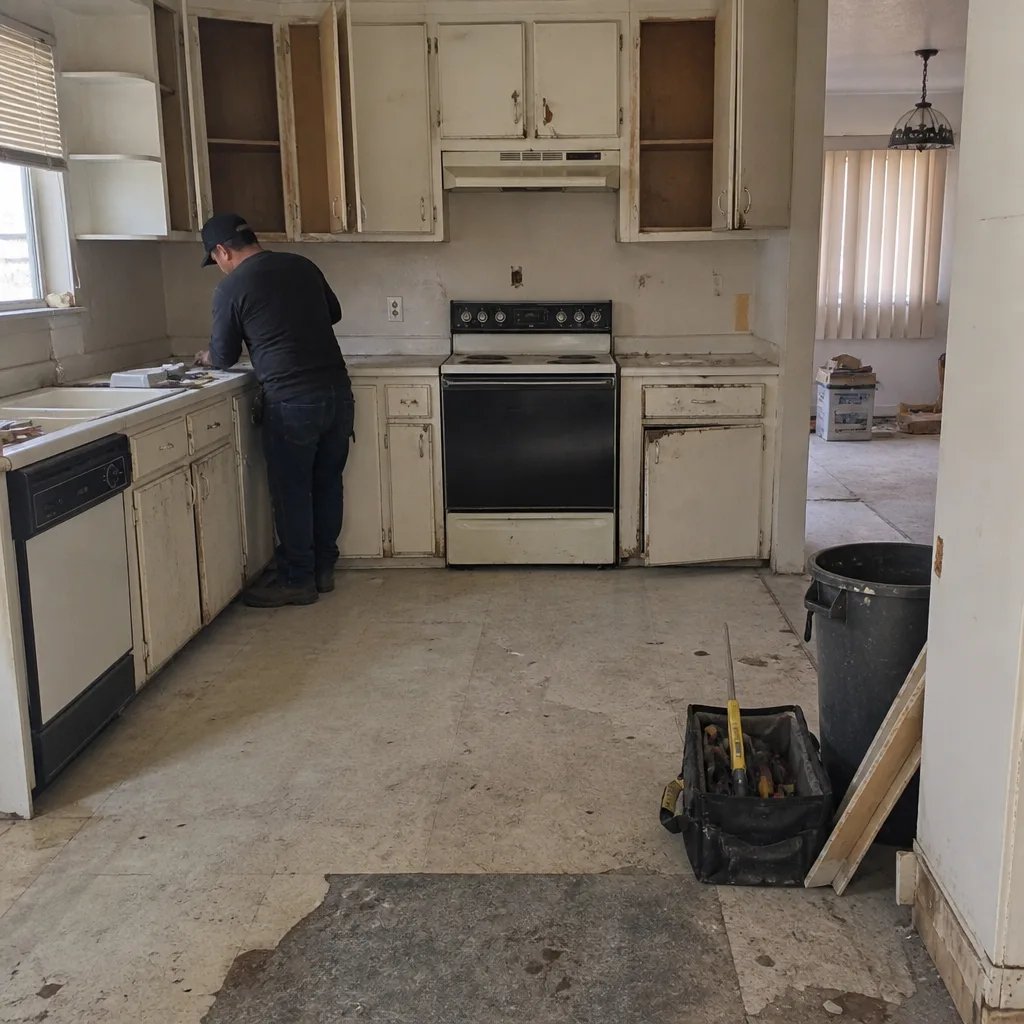 Before
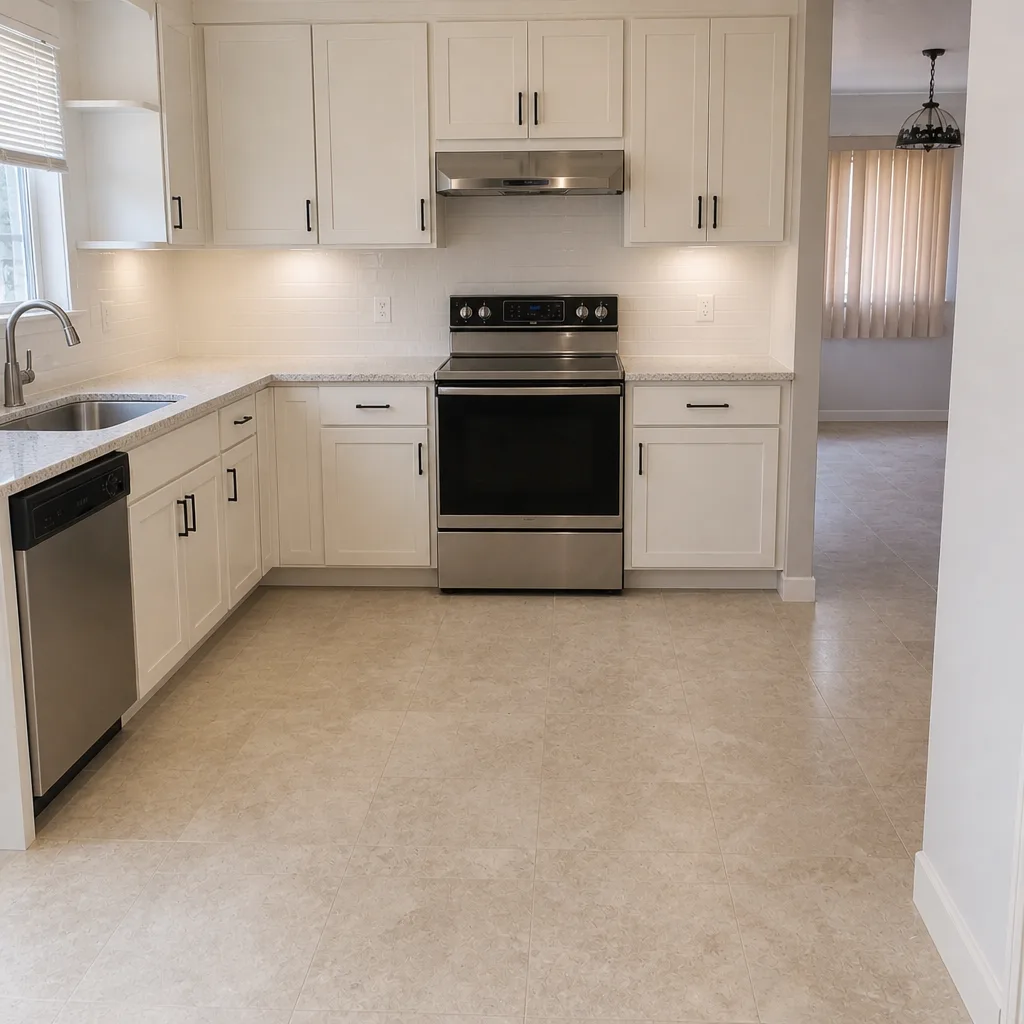 After
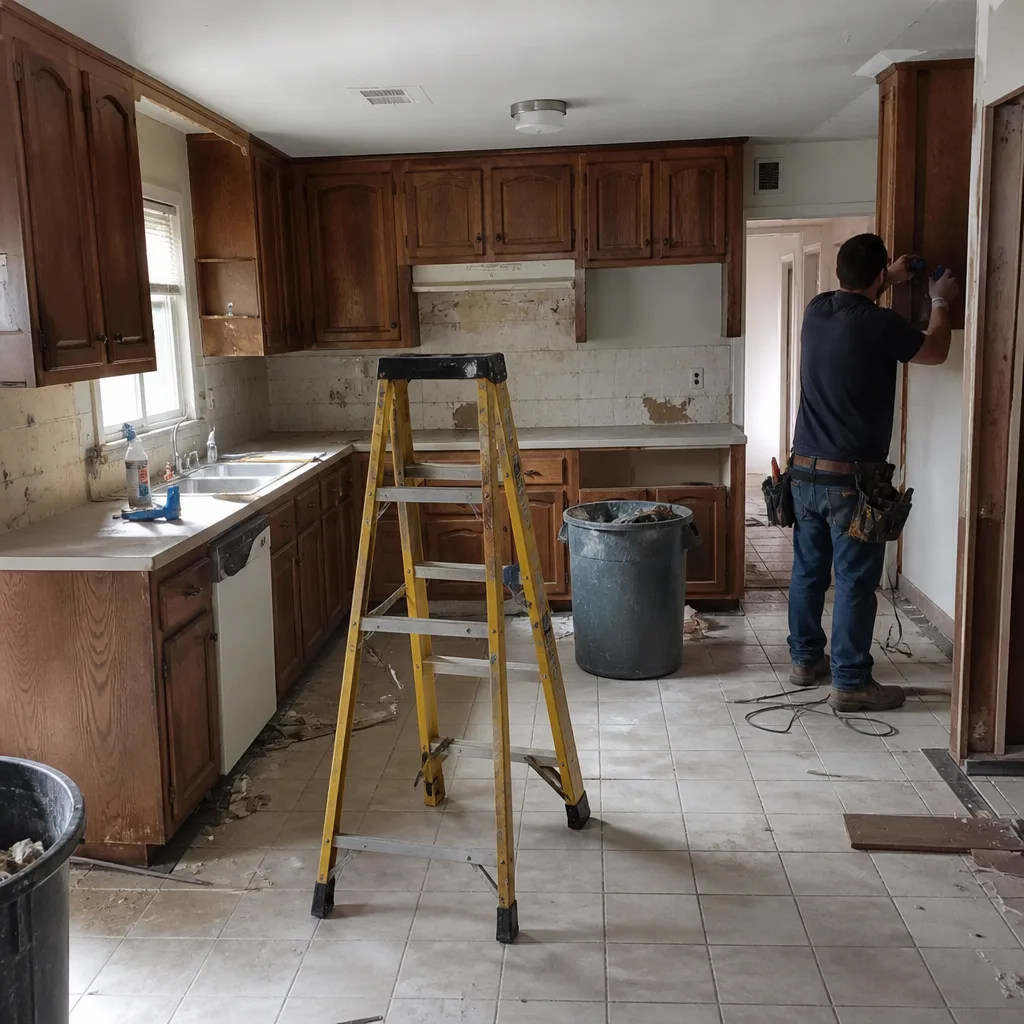 Before
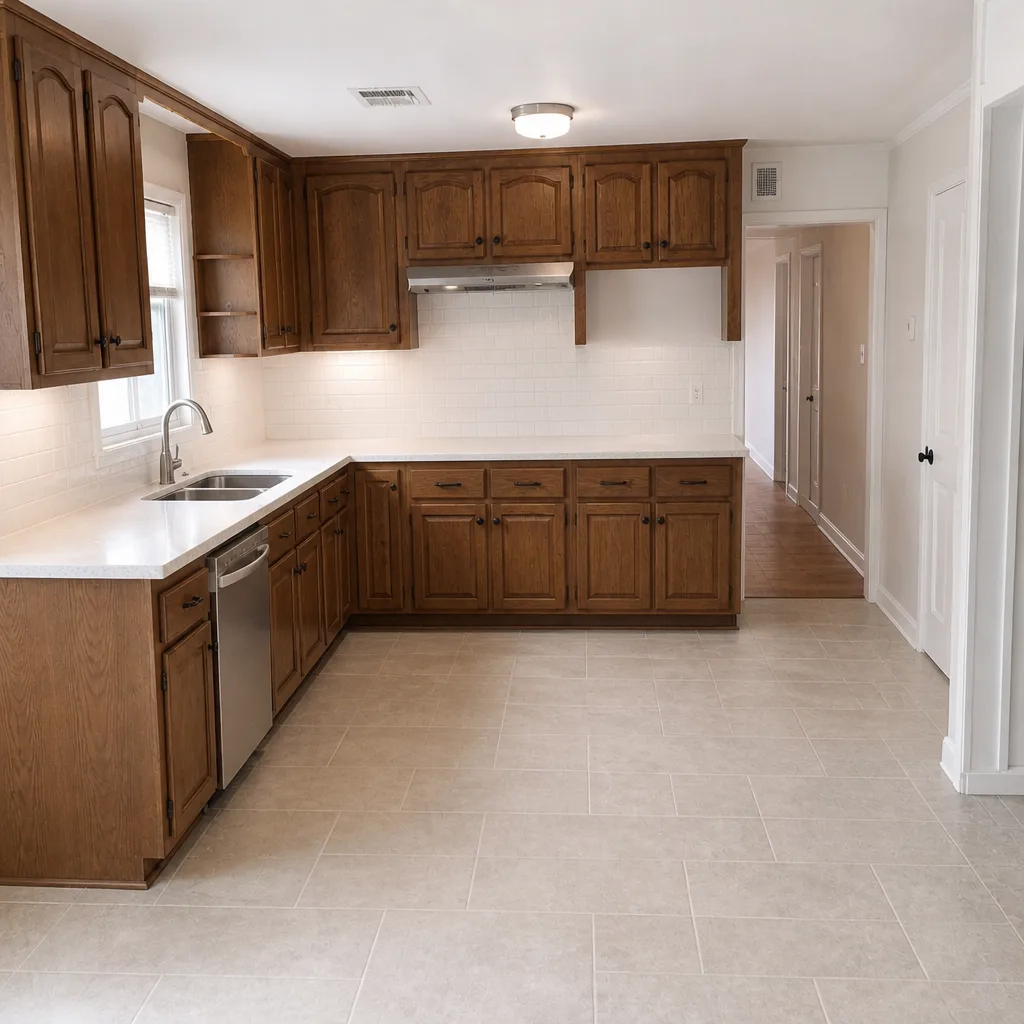 After
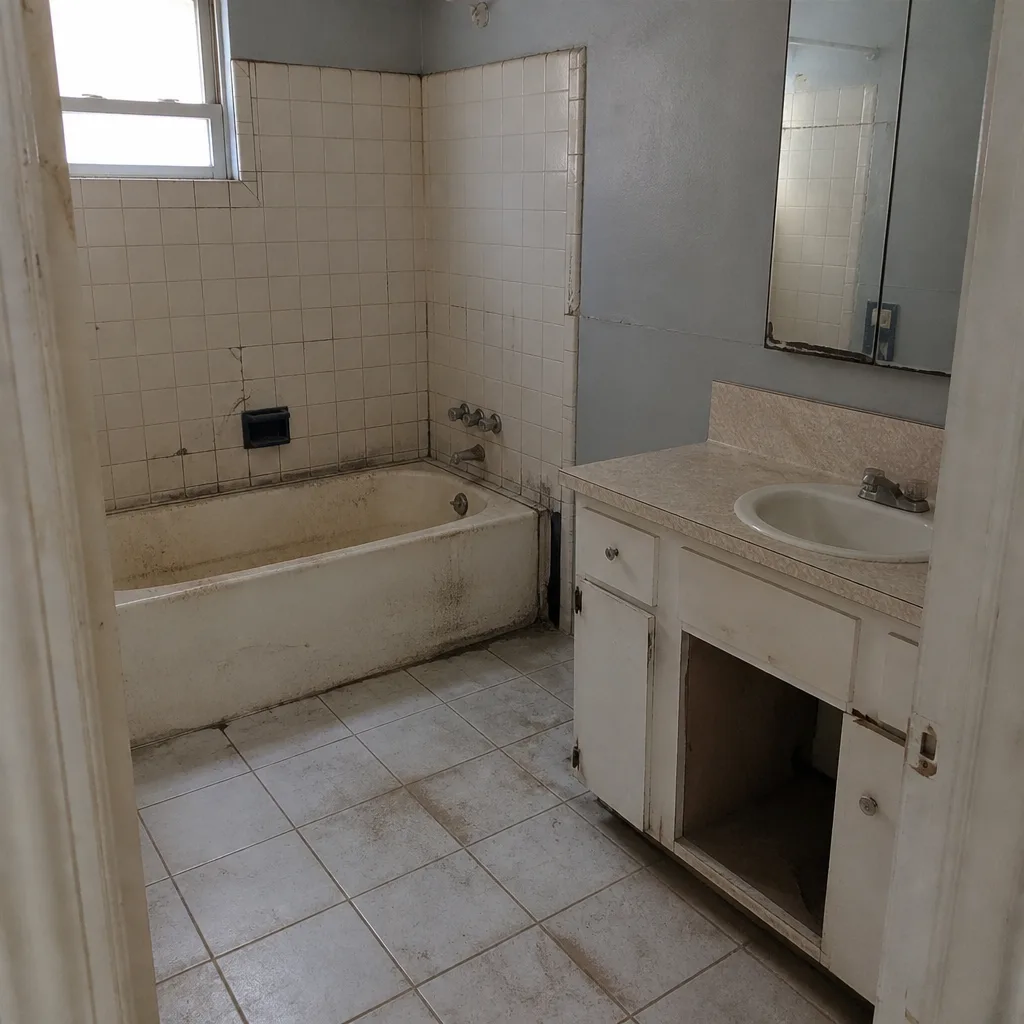 Before
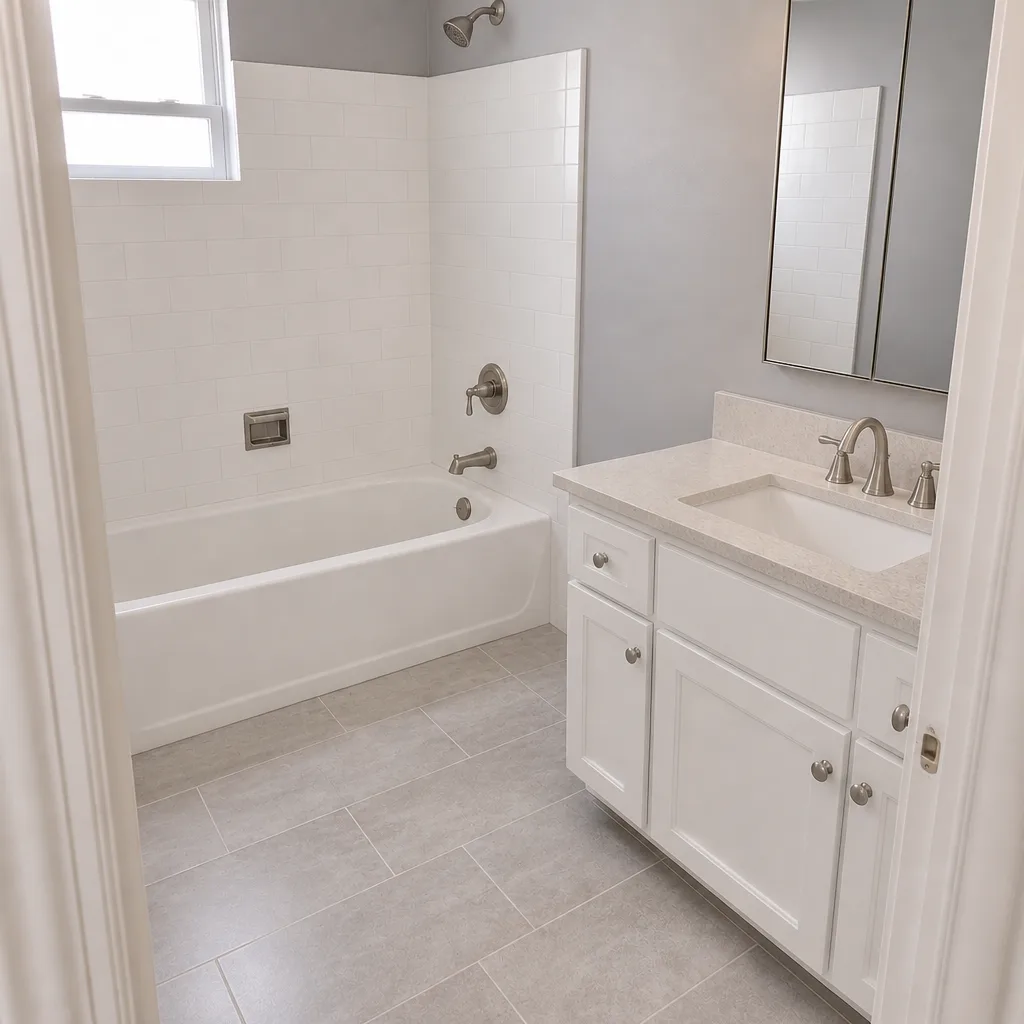 After
When to Call a Professional
Some brand questions are easy to answer from a spec sheet. Others – whether a specific paver line meets HOA standards in your Spring Valley community, how a manufacturer’s warranty works with your homeowner’s insurance, whether a window unit’s low-E rating qualifies for an energy rebate – belong in a conversation with someone who builds in this desert every week. If the project involves a full roof replacement, a window package, or a wrap-around hardscape, the material choice is worth a professional walkthrough before you commit. Groundwork Construction Co. of Spring Valley offers free estimates in Spring Valley – call (888) 329-9414 to schedule yours, and bring your current bid or spec sheet so we can walk through it with you.
Frequently Asked Questions
Usually yes, for exterior surfaces and envelope materials. In Spring Valley’s climate, UV exposure and 100°F-plus summer heat accelerate wear on cheap sealers, thin underlayments, and low-grade siding faster than the cost savings justify. For interior commodity materials like drywall and framing lumber, brand upgrades rarely matter. Call (888) 329-9414 for a free estimate and we’ll tell you which line items are worth the upgrade in your specific project.
“Or equal” is a substitution clause that lets the contractor install a different, cheaper product from the one specified, as long as they consider it functionally equivalent. In practice, it removes the brand protection you paid for. Ask for “or equal, with homeowner written approval before substitution” so no swap happens without your sign-off. Call (888) 329-9414 if you want a second set of eyes on your contract language.
Request the manufacturer’s registration paperwork at your final walkthrough, confirm the installer is a certified pro for that brand, and keep the registration, spec sheet, invoice, and manufacturer terms in one folder. Some brands only honor extended warranties when installed by a certified pro, so it’s worth asking. Call (888) 329-9414 to review your warranty paperwork before closeout.
For ornamental steel and aluminum, Master Halco and Ameristar make well-regarded lines; for vinyl and composite, Jerith and Bufftech are common choices. What matters more than the logo is the coating and color-through spec, and the install: high-sun exposure in Spring Valley fades cheaper vinyl fast. Call (888) 329-9414 to talk through fence specs for your lot.
Ask the contractor to name an acceptable substitute in writing before the job begins, and to notify you before any substitution actually happens. A contractor with a regional distribution network can usually source the specified product faster than one ordering from out of state. If a lead time threatens your schedule, the contractor should flag it early, not the morning the crew shows up. Call (888) 329-9414 to review your project’s sourcing plan.
Yes, on exterior surfaces. High-UV-rated sealers on pavers, synthetic roof underlayments, and fade-resistant vinyl fence lines need less maintenance over a decade than their cheaper counterparts. Over five to ten years, the savings often exceed the upfront upgrade. Call (888) 329-9414 for a free estimate and we’ll show you which upgrades pay back fastest on a Spring Valley lot.
The Bottom Line
The brand on a construction bid is not a logo; it’s the specific material specified in writing. Read the spec sheet, name the manufacturer and grade line by line, add written approval to any “or equal” clause, and register your manufacturer warranties in your name at closeout. In Spring Valley, spend your scrutiny on the exterior envelope – roof, windows, fence, pavers, siding – because that’s where the desert tests cheap materials hardest. A contractor who names trusted brands and backs the work with a 730-Day Done Right Promise is easier to hold to than a contractor who doesn’t. The brand conversation is the cheapest insurance you’ll buy on a five-figure job.
Groundwork Construction Co. of Spring Valley is a full-scope home construction partner for homeowners across the Las Vegas Valley, using a curated portfolio of industry-leading brand partners across every trade. Our technicians are background-checked and arrive in uniform, calls are answered by a live person around the clock, and every project is backed by our 730-Day Done Right Promise – if it’s not done right, we make it right. No-hassle upfront pricing, a free project estimate and design consult, 0% financing for 18 months, and $1,000 off projects over $10,000 are standing offers on any project we quote. Call (888) 329-9414 to schedule your free estimate and let’s talk about the brands that belong in your build.
Written by the team at Groundwork Construction Co. of Spring Valley.