Last updated November 17, 2026
Free written scope consultation - allowances, timeline, and change-order rules on paper before a single trade is scheduled
The Complete Windows & Doors Guide for Spring Valley Homeowners
A window rated for a mild Pacific climate can lose 40% of its solar performance spec within three years installed in the Mojave heat. That failure won’t show on the glass. It shows on your summer power bill, in the faded finish on your entry door, and in the draft you feel every July afternoon when the outside air hits 112°F. Windows and doors are the one building component where the spec sheet your salesperson hands you and the reality of Spring Valley’s climate have to agree. This guide covers what actually matters here: SHGC numbers, frame behavior under sustained heat, Clark County code and HOA rules, door construction, and how to read a performance label the way a builder does.
Quick Answer
For a Spring Valley home, the single most important window spec is Solar Heat Gain Coefficient (SHGC), and you should require SHGC of 0.25 or lower for west- and south-facing glass, with a U-factor of 0.35 or better and a low-E coating that holds up under desert UV. Fiberglass or thermally broken aluminum frames outperform standard vinyl in sustained 110°F-plus heat. Every replacement in Clark County must meet current energy code and, in many Spring Valley neighborhoods, clear an HOA architectural review before a single window is ordered.
Styles & brands we work with
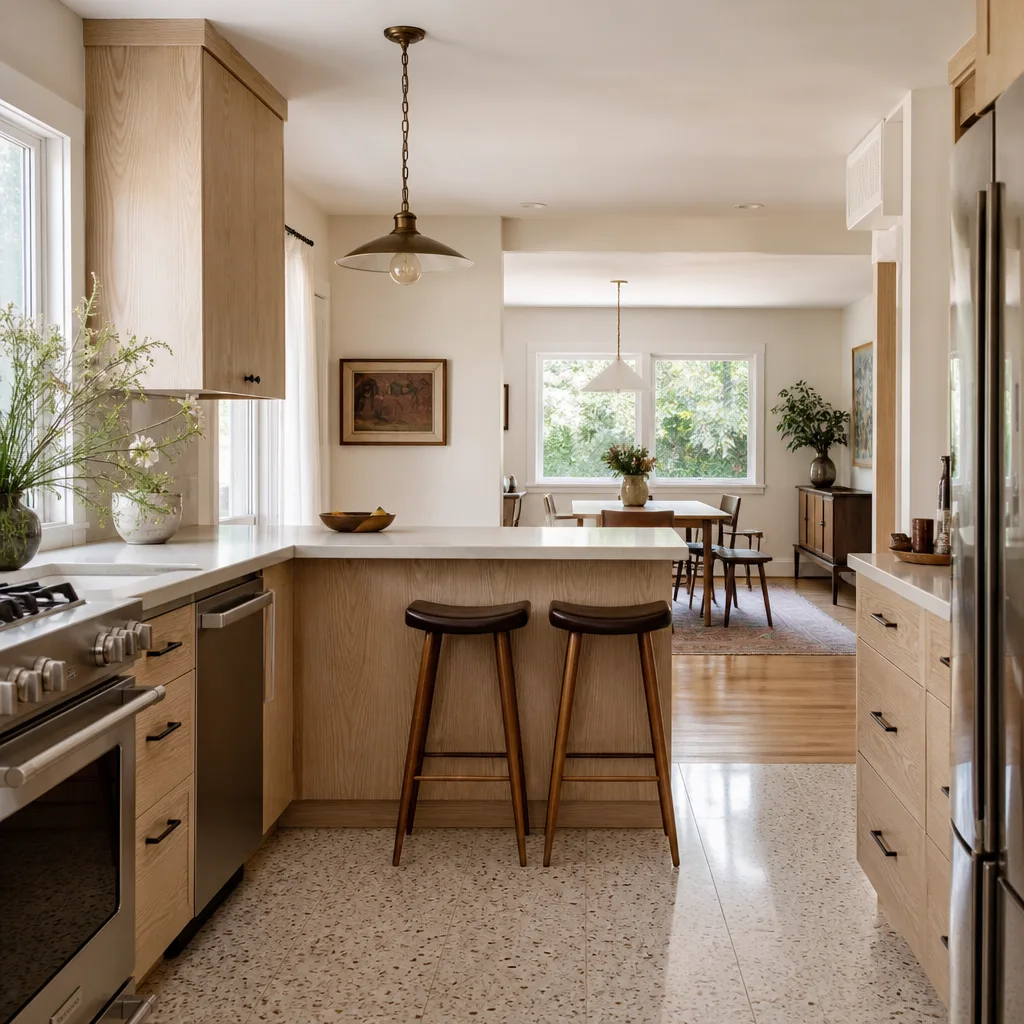
- Kitchen remodeling
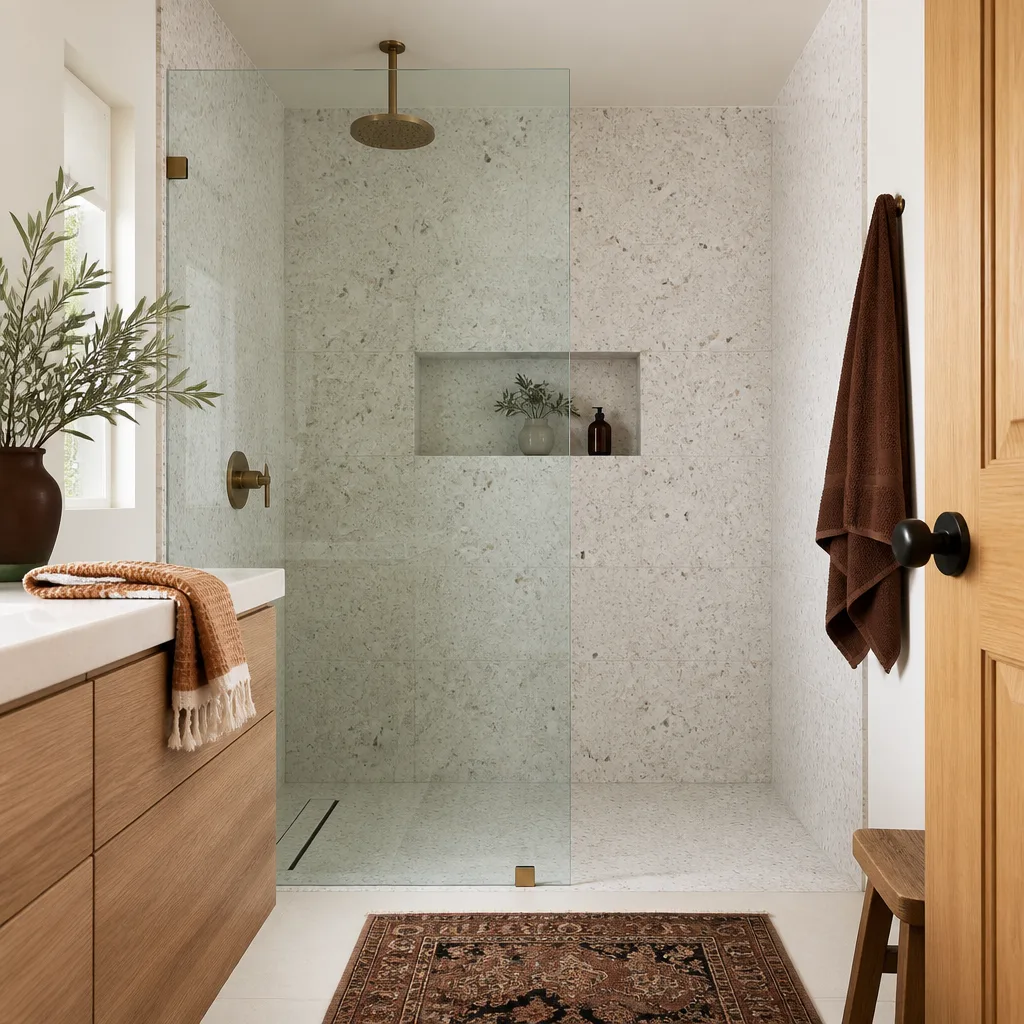
- Bathroom remodeling
- Home additions & ADU
- Roofing
- Windows & doors
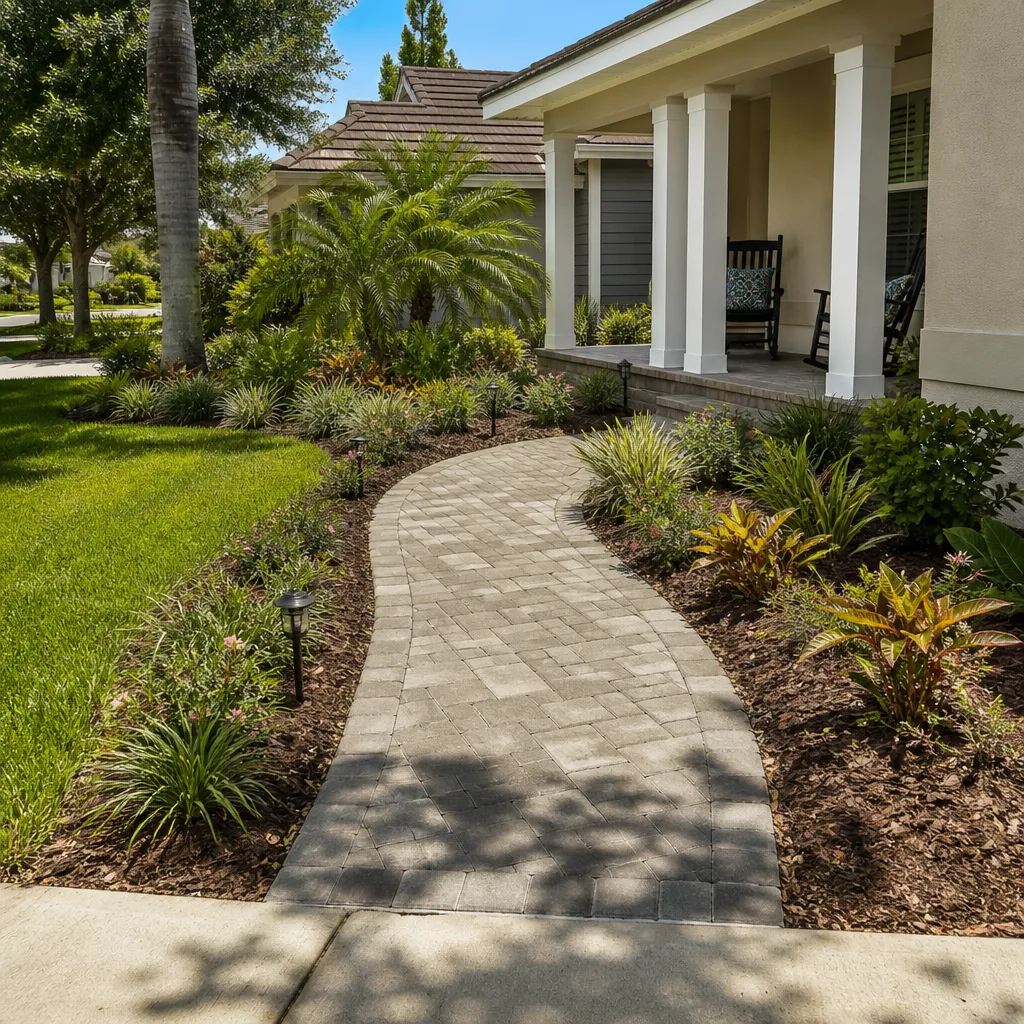
- Driveway & pavers
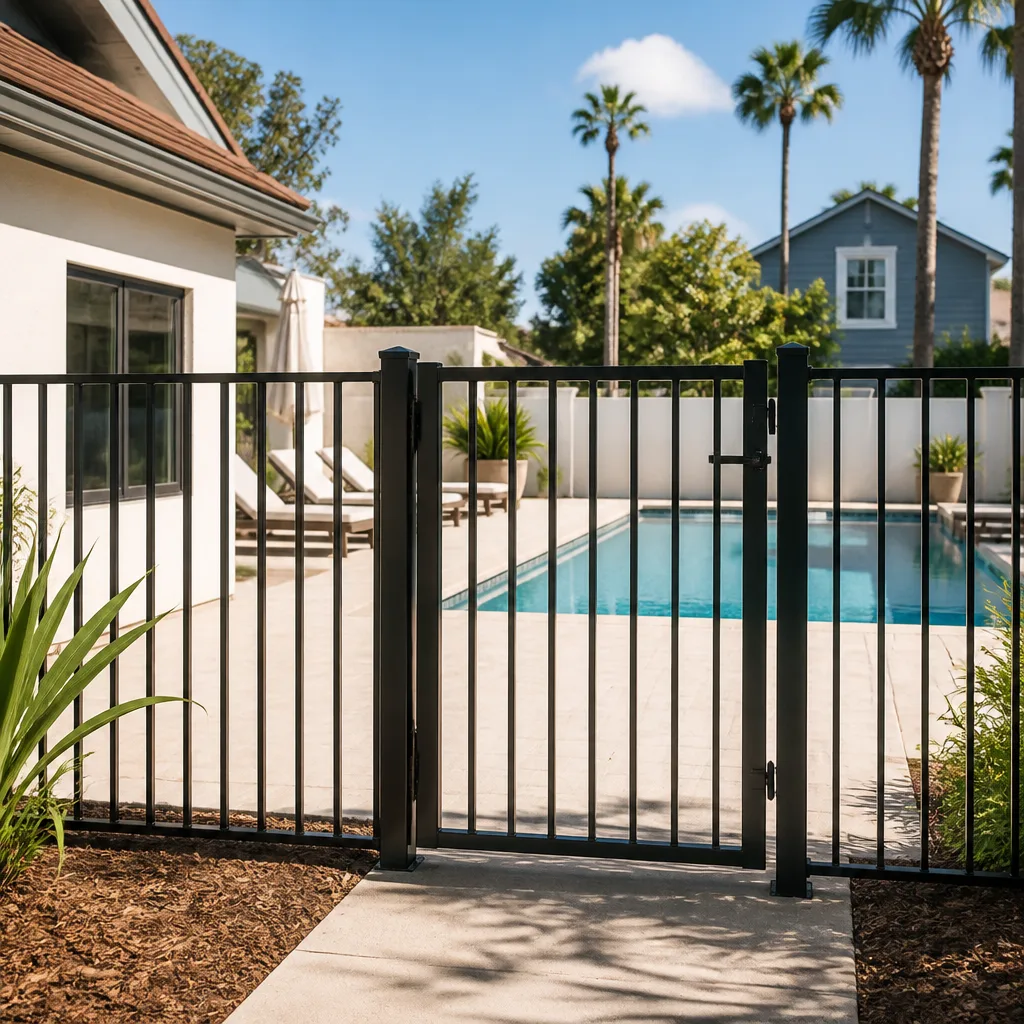
- Fence
Table of Contents
- Why SHGC Is the Number That Matters Most in Spring Valley
- Frame Materials in 110°F Heat: Vinyl, Fiberglass, and Aluminum
- Clark County Codes and HOA Overlay Rules for Spring Valley Replacements
- Entry Doors Under Desert UV: What Holds and What Degrades
- How to Read a Window Performance Label Honestly
- The Replacement Process, Step by Step
- What Windows and Doors Cost in Spring Valley
- Common Mistakes to Avoid
Why SHGC Is the Number That Matters Most in Spring Valley
Solar Heat Gain Coefficient measures how much of the sun’s heat passes through a window as compared to the total solar energy hitting it. A lower number means less heat gets inside. In a mild coastal climate, a window with an SHGC of 0.40 is completely reasonable. In Spring Valley, that same window turns your west-facing living room into a greenhouse from May through September, and your air conditioner spends the afternoon fighting a losing battle against a wall of glass that’s radiating heat inward.
We’ve seen the pattern repeatedly on Spring Valley homes built during the early 2000s boom: builder-grade dual-pane windows with an SHGC in the high 0.30s, still functioning as designed, still underperforming badly because they were never spec’d for this heat load. The glass isn’t broken. The spec was wrong for the location.
Here’s what to actually require on a Spring Valley window order:
- SHGC of 0.25 or lower on west and south elevations. East-facing glass can run slightly higher because morning sun is less punishing. North-facing windows are the least critical.
- U-factor of 0.35 or better across the board. This measures how well the assembly resists heat flow. For desert cooling-dominated climates, tighter is better.
- Low-E coating rated for high solar exposure. Not all low-E is the same. A coating that works beautifully in Seattle may degrade faster under the UV intensity of the Mojave. Ask specifically about the coating’s solar exposure rating and warranty backing.
- Visible transmittance (VT) at 0.40 or above so the room still gets natural light. Low SHGC shouldn’t mean living in a cave. Good products balance the two.
A properly spec’d window package for a typical Spring Valley single-family home cuts cooling demand noticeably in the first summer. That’s the measurable return. It’s why the conversation should always start with the numbers, never with the style of the grille.
Frame Materials in 110°F Heat: Vinyl, Fiberglass, and Aluminum
Frame material gets overlooked because it’s invisible in the marketing photos. It’s the thing that determines whether your window still seals tight after eight summers of 110°F afternoons and 40°F winter nights.
Vinyl is the most common residential window frame material in America, and it’s genuinely fine in moderate climates. In Spring Valley, standard vinyl expands and contracts more than any other frame material under thermal cycling. Over years, that movement can loosen the corner welds, compromise the weatherstripping seal, and create hairline gaps that leak air. Higher-end vinyl formulations with fiber reinforcement handle heat better, but you pay for the upgrade.
Fiberglass frames have a much lower coefficient of thermal expansion. They hold their dimensions through the sort of temperature swing Spring Valley sees between a July afternoon and a January morning. Fiberglass also takes paint and finish better and doesn’t chalk or yellow under UV the way some vinyl products do. It’s typically the right answer for west- and south-facing windows on a Spring Valley home.
Aluminum frames are strong, slim, and architecturally clean, but raw aluminum conducts heat straight through the frame. A thermally broken aluminum frame, with a non-conductive barrier between the interior and exterior sections of the profile, solves that problem and performs well. Non-thermally-broken aluminum in Spring Valley is a comfort problem disguised as a window.
The short version: fiberglass or thermally broken aluminum for the harshest elevations, high-grade vinyl for sheltered elevations where the budget matters. Whichever direction you go, look for a manufacturer with a real warranty and a track record in desert markets. When we source windows for Spring Valley projects, we work with partners whose products are spec’d for this climate specifically. Our Groundwork Construction Co. of Spring Valley home page lays out the brand partnerships behind that work.
Clark County Codes and HOA Overlay Rules for Spring Valley Replacements
Clark County enforces energy code requirements for window replacement, and those requirements have tightened considerably over the last decade. A replacement window that met code in 2010 may not meet code today. That matters because permitted work requires compliance with the code in effect at the time of the permit, not the code in effect when the original window was installed.
What this means in practice for a Spring Valley homeowner:
- Verify the current energy code requirement before ordering product. Confirm U-factor and SHGC thresholds for our climate zone with the county or your licensed contractor. A contractor who does this routinely will know the current spec off the top of their head.
- Pull the permit for the replacement. Like-for-like window replacement may or may not require a permit depending on scope and configuration. Anything that changes the rough opening, the header, or the structural configuration of the wall almost certainly does.
- Check your HOA’s architectural guidelines before you order. Many Spring Valley neighborhoods have HOA overlay rules that govern window color, frame profile, glass appearance, garage door style, and entry door material. Replacing a window with a product the HOA rejects puts you in the position of removing newly installed product. This is the most avoidable mistake in the entire category.
- Submit the HOA architectural review request with product specs and color samples. Most HOAs want the manufacturer spec sheet, the color swatch, and photos of the existing conditions. The review process typically takes two to four weeks. Build that into your timeline.
- Schedule the county inspection after installation and keep the documentation. If you sell the home later, buyers and their inspectors will ask for permit records. Having clean paperwork is worth real money at resale.
For door replacements, the same permit and HOA logic applies. Entry door material, color, and even sidelight configuration are frequently governed by HOA rules. We’ve watched Spring Valley homeowners learn this the hard way – a beautiful new mahogany-stained fiberglass entry door sitting in a garage because it wasn’t approved. Read the CC&Rs before you swipe a credit card.
Entry Doors Under Desert UV: What Holds and What Degrades
Entry doors face a harder life in Spring Valley than most other building components. They take direct sun exposure on the exterior face, full thermal cycling on both sides, and the mechanical stress of daily use. In eight to ten years, a poorly chosen door can go from new-looking to needing replacement.
Wood doors, even well-sealed ones, struggle here. The finish fails faster under UV intensity, moisture cycling at the joints causes checks and cracks, and the interior face can warp from the temperature differential between the sun-baked exterior and the air-conditioned interior. A wood door needs refinishing every two to three years in this climate. Skip a cycle and you’re looking at replacement.
Fiberglass doors are the strongest choice for Spring Valley entry doors. Modern fiberglass doors are molded to mimic wood grain convincingly, they hold their finish under UV, they don’t warp, and they last effectively indefinitely with minimal maintenance. High-end fiberglass from quality manufacturers comes with long warranty coverage on both the door slab and the finish.
Steel doors perform decently, though dents are a concern and the finish can fail under sustained UV over long periods. Aluminum doors for entries are uncommon but exist in contemporary designs.
The overlooked piece of every entry door is the weatherstripping. Even a great door leaks air if the weatherstripping degrades, and weatherstripping absolutely degrades faster in Spring Valley than in milder climates. Look for doors with compression-type weatherstripping on the frame (not just on the door edge), and plan to inspect the weatherstripping annually. If you can see daylight around the perimeter when the door is closed, you’re losing cooled air year-round.
Door hardware matters too. A well-sealed door with an adjustable strike and a multi-point locking system sits tighter against the frame than a standard single-point latch. Tighter fit means less air leakage, and in Spring Valley that translates directly to summer cooling dollars.
How to Read a Window Performance Label Honestly
Every window sold in the U.S. carries a National Fenestration Rating Council (NFRC) label. It’s the same format everywhere, but most homeowners skim it. Here’s how to actually read one and compare products honestly.
- Locate the U-factor. This is the first number on the label and it measures heat flow. Lower is better. In Spring Valley, aim for 0.35 or below.
- Locate the SHGC. This is the second number. Lower is better in a cooling climate. For most Spring Valley elevations, 0.25 or below.
- Locate the Visible Transmittance (VT). Higher is better, meaning more light gets in. For a good balance in Spring Valley, 0.40 or above.
- Locate the Air Leakage (AL). Lower is better, and 0.3 or better is a reasonable standard. Many high-quality products come in tighter.
- Locate the Condensation Resistance (CR). Higher is better. Less critical in Spring Valley than in cold climates, but an indicator of overall assembly quality.
- Check whether the product is certified by NFRC and whether the certification is current. A product labeled but with a lapsed certification is a red flag. The label should have a certification number you can verify.
The most common dishonest showroom trick we’ve seen is directing attention away from the SHGC by emphasizing a very low U-factor and implying the product is therefore the “best” choice. In a heating-dominated climate, that would be true. In Spring Valley, U-factor matters, but SHGC is what drives cooling performance, and a product with great U-factor but mediocre SHGC is a poor match for this market.
Ask for the NFRC label on every product you’re considering and compare them side by side. Good manufacturers are proud of their labels and happy to share them. If a salesperson resists showing you the label or says “the numbers don’t really tell the whole story,” that’s your answer about the product.
The other dishonest move is comparing installed prices between products without comparing the specs. A window that runs $200 less per unit and delivers 30% worse solar performance isn’t a bargain. It’s a pair of higher energy bills stretched out across the lifespan of the window.
The Replacement Process, Step by Step
Replacing windows and doors on a Spring Valley home follows a fairly predictable sequence if it’s done right. Here’s what a proper project looks like from first measurement to final walkthrough.
- Measure and document every opening. Not just width and height, but depth, wall construction, and sill level. Emphasize to anyone measuring on your behalf that commercial-grade measurements taken twice are cheap compared to a re-order.
- Specify products against the numbers. SHGC, U-factor, VT, and frame material chosen for each elevation based on sun exposure. West and south windows get the tightest specs.
- Order the products and pull any required permits. Lead times on custom windows run anywhere from six to sixteen weeks depending on manufacturer and customization. Permits for permitted work typically clear within two to four weeks.
- Submit and pass HOA architectural review. If your Spring Valley neighborhood has an HOA overlay, this is the gate. No installation until approval.
- Installation day. A typical single-story Spring Valley home has all exterior windows installed in one to three days depending on count and complexity. Doors are typically done in the same visit or a separate one.
- Seal, trim, and finish. Exterior caulking should be code-grade and UV-stable. Interior trim is customarily installed and painted to match. Head flashing is critical on Spring Valley homes because monsoon rain events deliver water fast and hard.
- Pass county inspection. Not optional on permitted work, and essential at resale.
- Walk through with the homeowner. Check every window for ease of operation, proper sealing, and finish quality. This is your list for any correction items before final payment.
If a project involves expanding an opening, adding a door where a wall previously existed, or integrating new glass into a larger structural change, the sequence overlaps with full construction work. Our Home Additions & ADU in Spring Valley page covers how that integrates when a window or door project is part of a bigger scope.
What Windows and Doors Cost in Spring Valley
Window and door pricing in Spring Valley varies considerably based on frame material, glass package, unit size, and whether the project involves structural changes. Here are the ranges we see in the current market:
- Standard vinyl replacement window (single unit, installed): $650-$1,100 per unit
- Fiberglass replacement window (single unit, installed): $850-$1,500 per unit
- Thermally broken aluminum window (single unit, installed): $900-$1,600 per unit
- Basic fiberglass entry door (slab replacement, installed): $1,800-$3,200
- Premium fiberglass entry door (with sidelights, installed): $3,200-$6,500
- Sliding glass patio door replacement (installed): $2,500-$5,800
- Full window package for a typical single-family home (12-18 units): $9,000-$22,000
- Permit and inspection fees: $150-$600 depending on project scope
Any structural changes – enlarging an opening, adding a new window where there wasn’t one, or integrating new glass into a wall system – add cost fast. A $1,200 window unit becomes a $3,500 project when it involves framing changes and header work.
The single biggest mistake on Spring Valley window budgets is comparing bids that don’t specify the same product. Two contractors quoting “fiberglass windows” can be quoting specs that are 30% apart in performance. Get line-item quotes that name the manufacturer, the model, the SHGC, the U-factor, and the frame material, and compare products before comparing prices. Upfront pricing, no surprises, means every line is spelled out before work begins.
Groundwork Construction Co. of Spring Valley also runs 0% financing for 18 months on qualifying projects, plus $1,000 off projects over $10,000, which brings a whole-home window package into a budget plan more homeowners can actually absorb. Ask about both when you get your estimate.
Common Mistakes to Avoid
- Choosing on style before performance. The grille pattern and the frame color are the last decisions, not the first. Get the SHGC and U-factor right for the elevation first, then choose finish options. Reversing this order produces beautiful windows that cook your house.
- Ignoring the HOA until after the order. Spring Valley HOAs reject window replacements more than you’d expect. The review can kill a project in week six if you submit late. Read the CC&Rs before you write the deposit.
- Comparing bids that don’t line up on specs. A window at $600 per unit with an SHGC of 0.40 isn’t comparable to a window at $950 per unit with an SHGC of 0.22. Compare products before comparing prices, even when it slows the decision down.
- Skipping the permit. Some Spring Valley homeowners try to save the $200-$400 permit fee on like-for-like replacement. If the work is permitted and you skip it, you own the code-compliance risk for the life of the home. It’s not worth it.
- Overlooking the entry door weatherstripping. A beautiful new entry door with bad weatherstripping loses as much energy as a bad window. Inspect the perimeter seal, not just the door slab.
- Using a mild-climate product for the west elevation. A window built for the Pacific Northwest loses its low-E performance under sustained desert UV. Every product choice should be calibrated to the elevation and the local heat load, not just the color and the price.
- Trusting a verbal warranty you can’t read. If the warranty documentation isn’t in writing and clearly stated, treat it as absent. Read the fine print on glass breakage, seal failure, and finish fade clauses before you sign.
See the difference
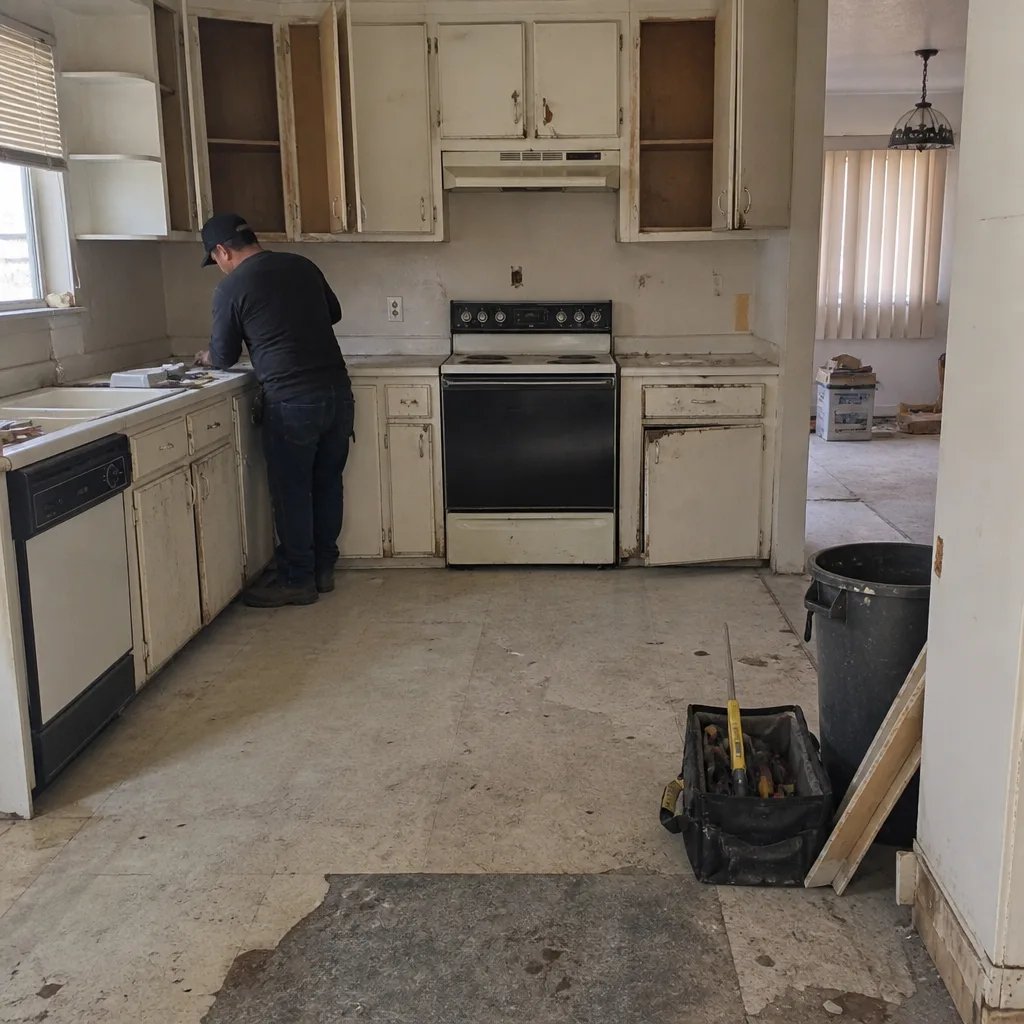 Before
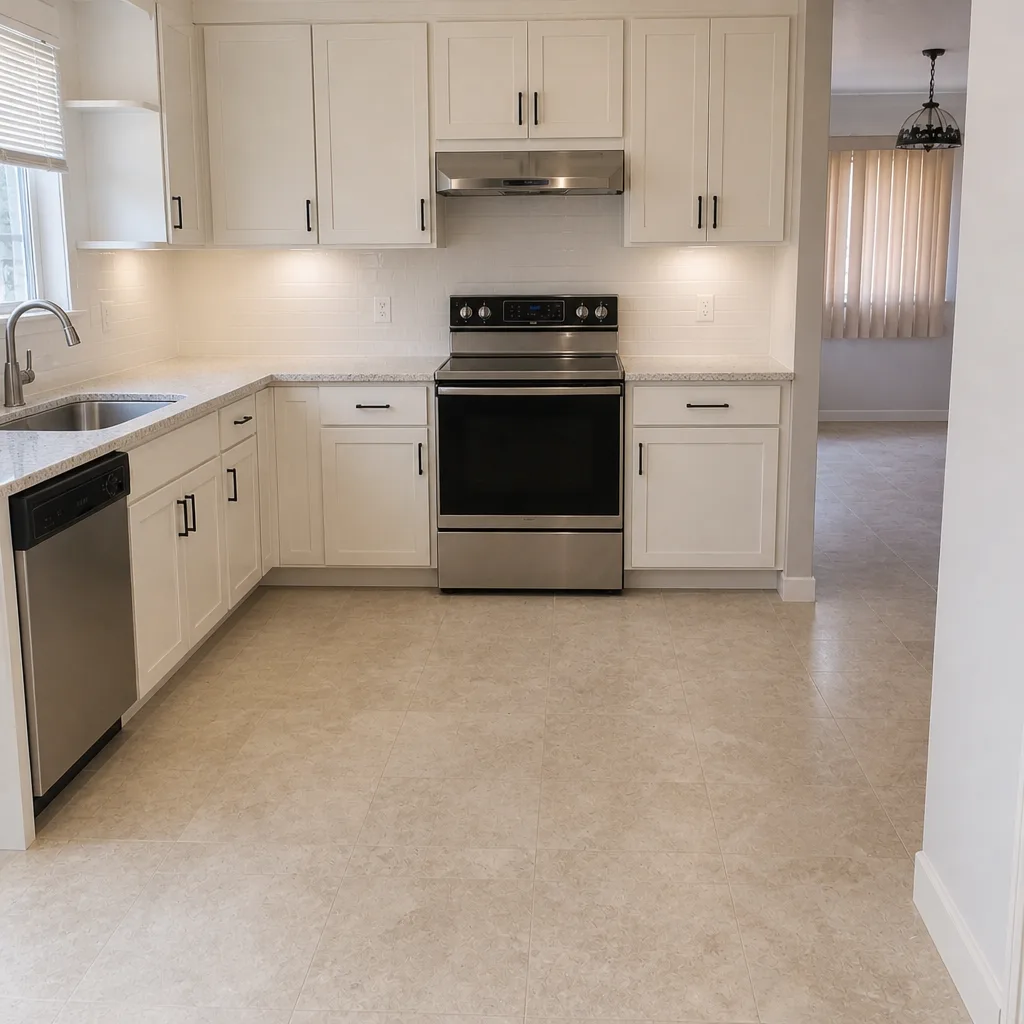 After
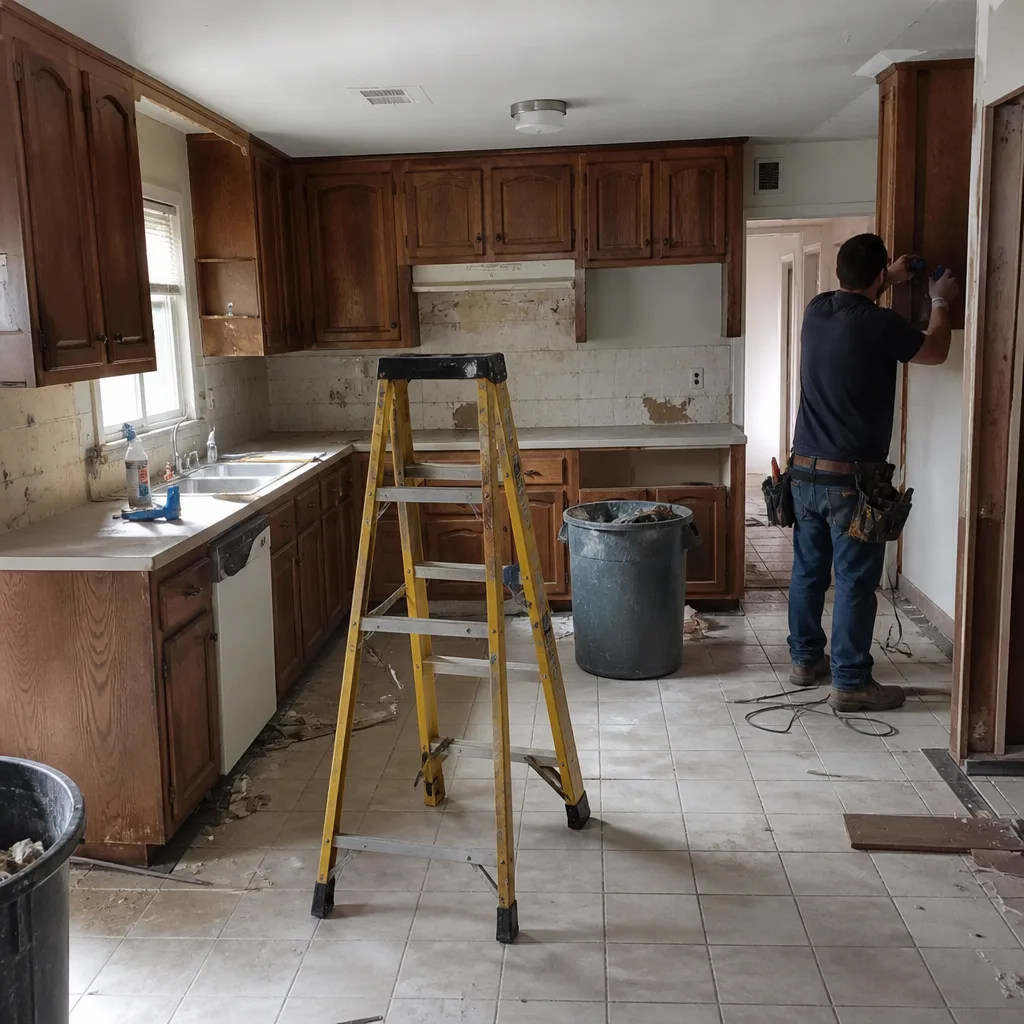 Before
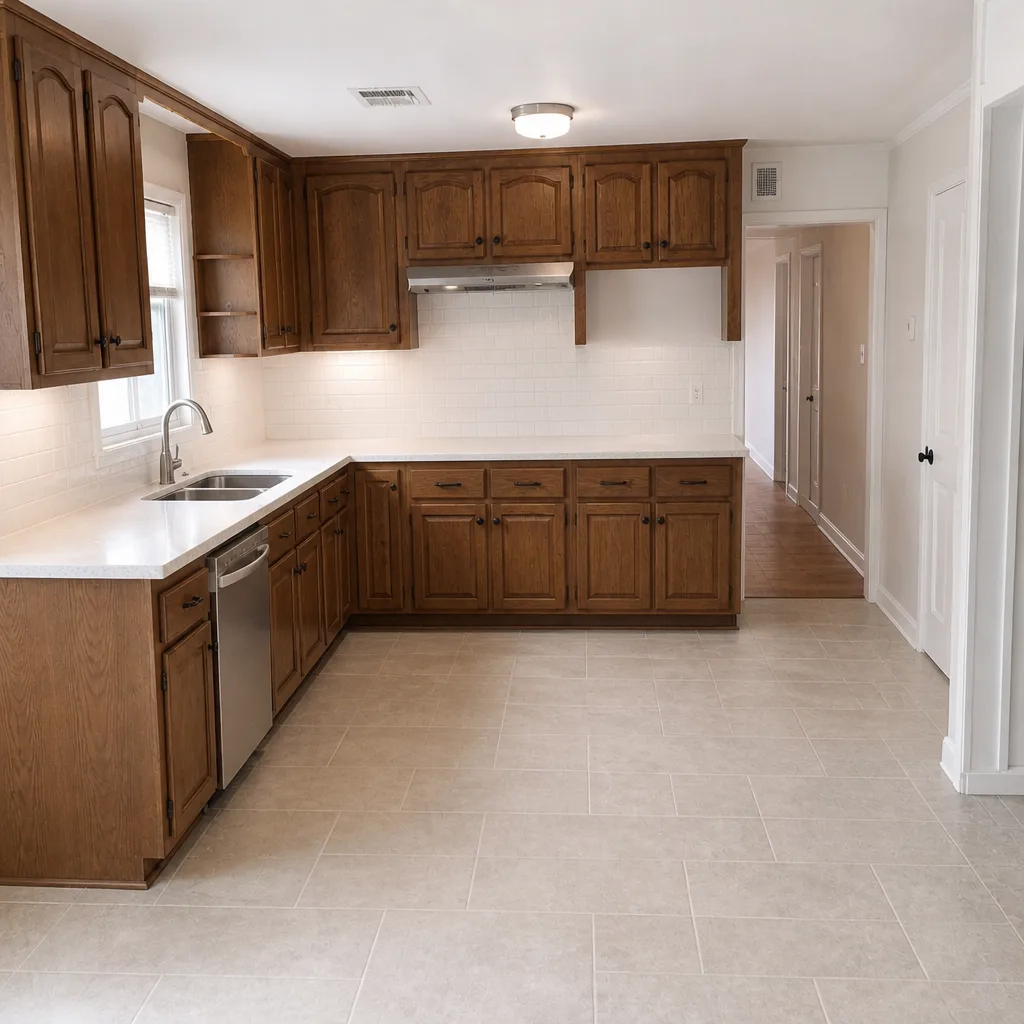 After
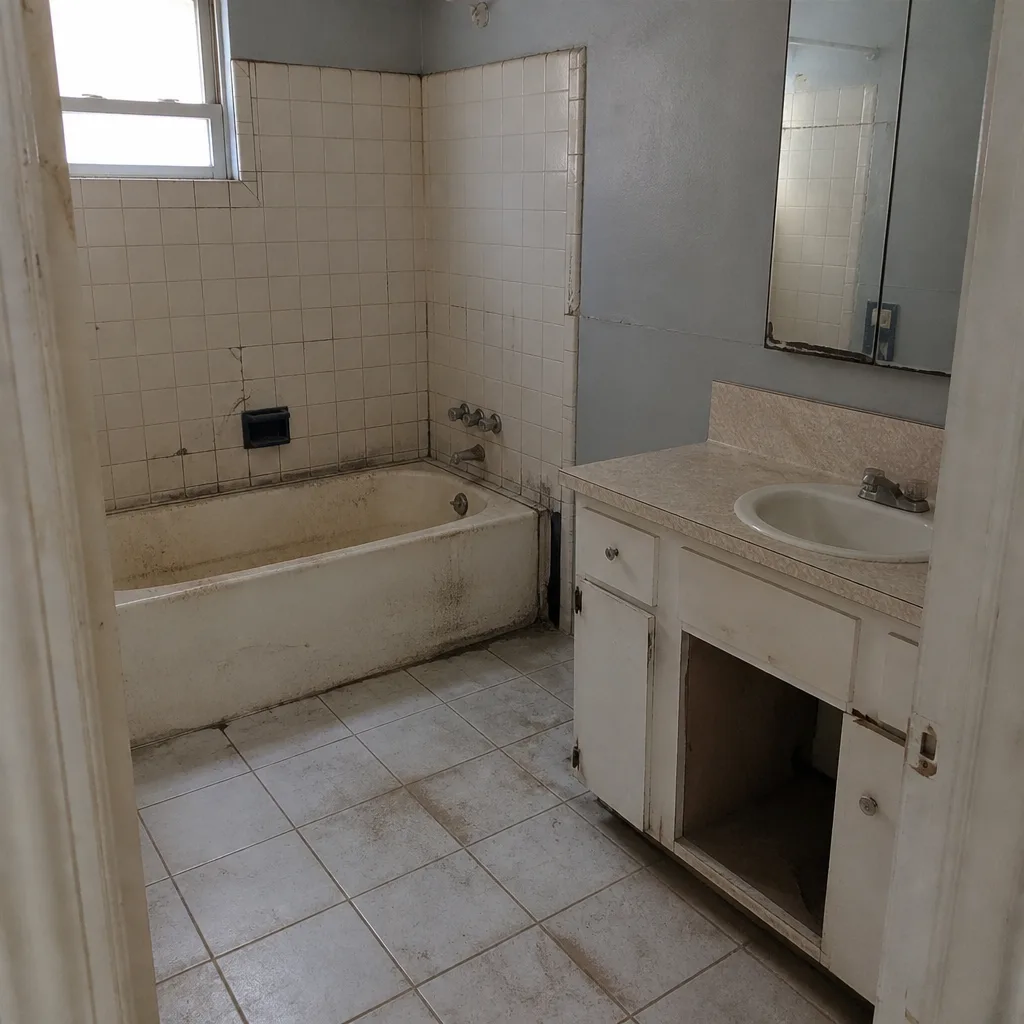 Before
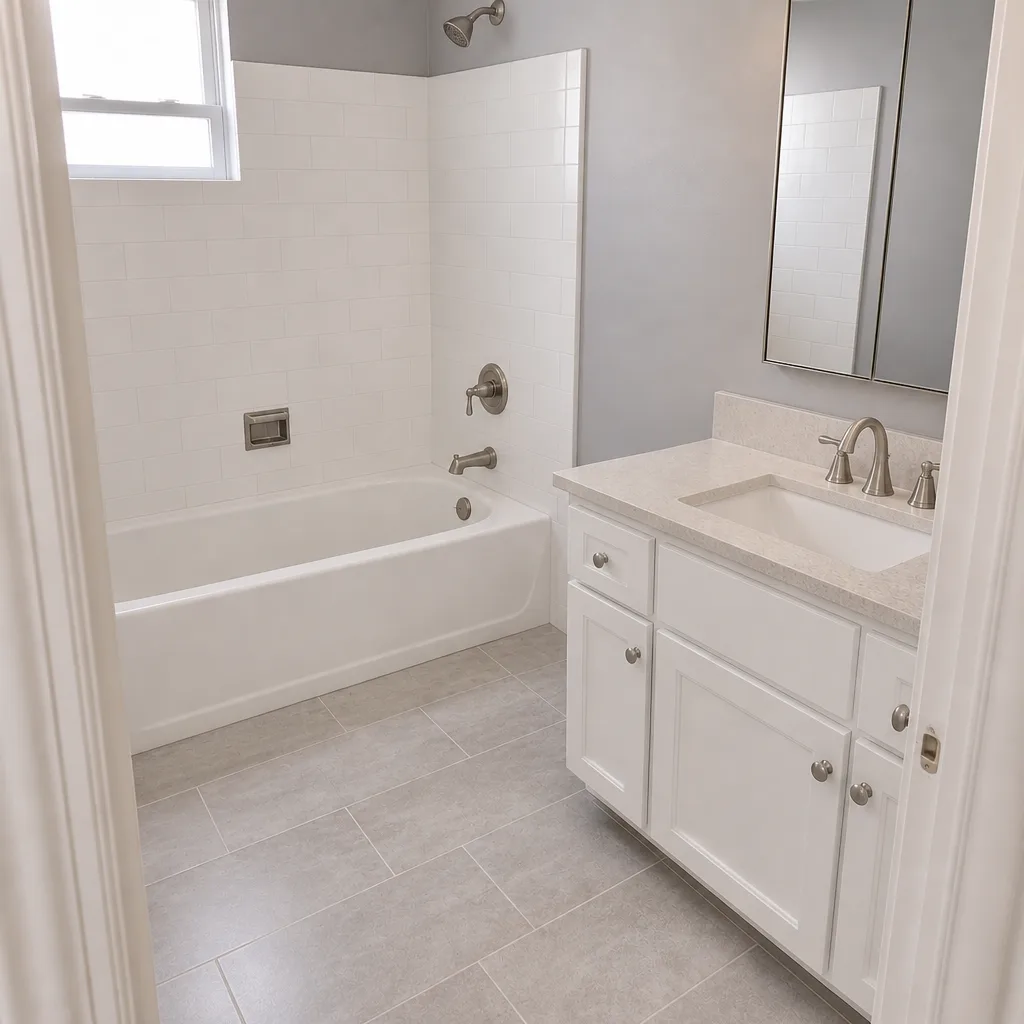 After
When to Call a Professional
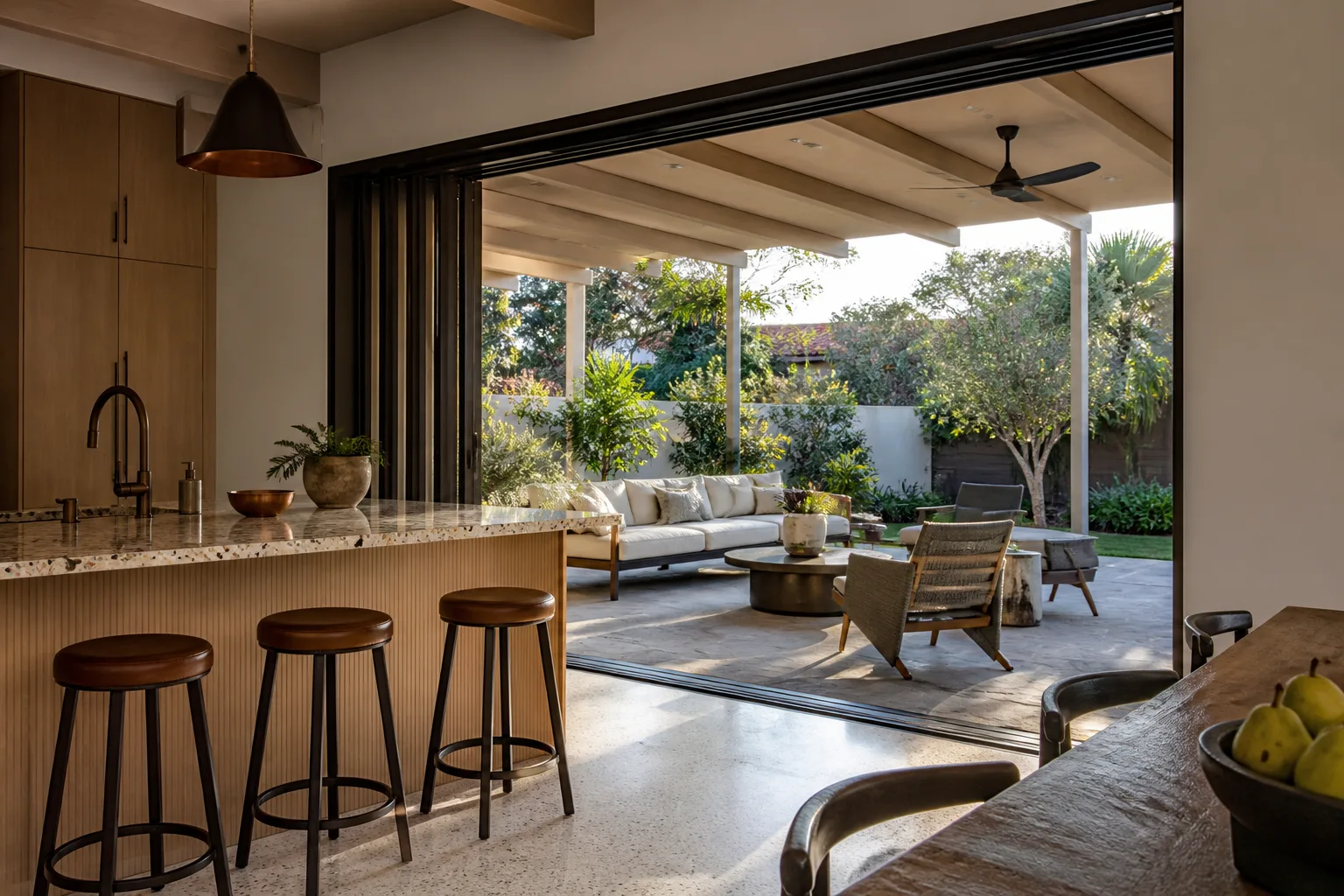
Window and door work is genuinely accessible to a skilled do-it-yourselfer in some cases, but the failure modes are expensive and the stakes are high. Call a professional when the project involves any of the following: enlarging a rough opening, adding a new window or door in an existing wall, replacing windows with any framing or header work, replacing an entry door where the frame is out of square, installing glass in a wall assembly that may have weather-resistive barrier issues, or any project that requires a permit. Proper sealing and flashing on a Spring Valley home is also trickier than it looks because monsoon rain comes in fast and hits the wrong angle. A window that laps correctly isn’t leaking; a window that doesn’t is a slow-motion disaster.
Groundwork Construction Co. of Spring Valley offers free estimates in Spring Valley – call (888) 329-9414 to schedule. Every technician who shows up is background-checked and arrives in uniform. The team can walk the exterior with you, quantify the specs you actually need for each elevation, and lay out a written quote with line-items before any product is ordered. All workmanship carries the 730-Day Done Right Promise, one of the longest in residential construction. If it’s not done right, we make it right.
Frequently Asked Questions
Aim for SHGC of 0.25 or lower on west- and south-facing windows, and 0.30 or lower on the rest of the home. SHGC is the single most important performance number for a cooling-dominated climate like Spring Valley’s because it measures how much of the sun’s heat passes through the glass. Lower equals cooler rooms and lower summer power bills. Call (888) 329-9414 for an exact quote on a full window package – estimates are free.
Standard vinyl replacement windows run about $650-$1,100 per unit installed, fiberglass runs $850-$1,500, and thermally broken aluminum runs $900-$1,600. A full package for a typical single-family Spring Valley home lands in the $9,000-$22,000 range depending on unit count and product specs. Get a written line-item quote specifying the SHGC and U-factor of every product so you can compare bids fairly. Call (888) 329-9414 to schedule a free estimate.
With a proper written quote that specifies products and quantities, the price should not change unless you change the scope. The line items that occasionally shift are hidden conditions – damaged framing, missing flashing, rot discovered behind trim – and those get addressed with a written change order before any additional work is done, never as a surprise invoice at the end. Call (888) 329-9414 for a free estimate with line-item pricing on the front end.
Yes. Per Miami-Dade and Clark County requirements, permitted work gets a permit pulled by the licensed contractor and an inspection passed after the work is done. Spring Valley homeowners get a copy of every permit and inspection record for their file, which matters at resale. Some like-for-like window replacements don’t require a permit, but the call should always be made deliberately, not assumed. Call (888) 329-9414 to talk through the scope of your project.
Installation itself for a typical single-story Spring Valley home takes one to three days. Lead time for the products runs six to sixteen weeks depending on whether you order stock sizes or custom units, plus two to four weeks for HOA architectural review if applicable. Booking early in the season matters because manufacturers’ lead times stretch in the spring. Call (888) 329-9414 to schedule a free estimate and get a realistic project timeline.
Replacing all windows at once usually delivers better efficiency and a lower installed cost per unit because mobilizing a crew once beats mobilizing it three times. The exception is when budget is a real constraint – a phased project by elevation is genuinely fine if the first phase targets the west and south elevations, which carry the most heat load. Call (888) 329-9414 to talk through phasing options against your budget.
The Bottom Line
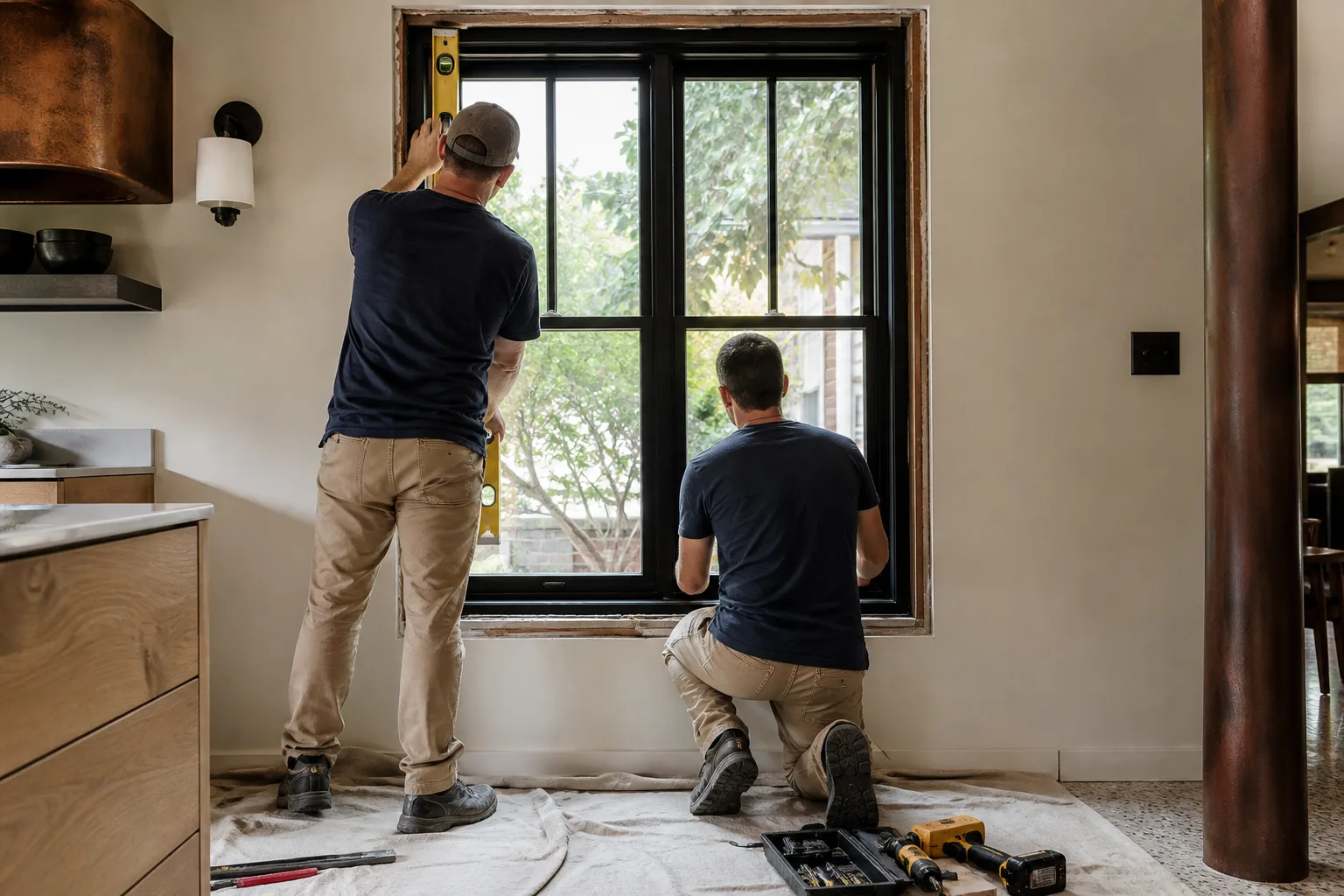
Spring Valley windows and doors have to be spec’d for the actual climate, not the showroom average. SHGC below 0.25 on the hottest elevations, fiberglass or thermally broken aluminum frames, low-E coating rated for high solar exposure, and an entry door with strong weatherstripping are the minimums. Add the permit, add the HOA architectural review, and choose products on the NFRC label rather than the style sheet. Done right, this is a fifteen- to twenty-year investment with measurable summer savings. Done wrong, it’s a project you are doing twice, and nobody wants that.
If you’re ready to price a window and door project on your Spring Valley home, call Groundwork Construction Co. of Spring Valley at (888) 329-9414 for a free estimate. Every call is answered by a live person around the clock, every quote is written line-item, every job is backed by the 730-Day Done Right Promise, and every project gets the standing Spring Valley promotions: 0% financing for 18 months, $1,000 off projects over $10,000, and a free design consult. Windows and doors are the one upgrade a Spring Valley homeowner sees on their power bill every single month. Worth getting right the first time.
Written by the team at Groundwork Construction Co. of Spring Valley.