Last updated November 17, 2026







Free written scope consultation - allowances, timeline, and change-order rules on paper before a single trade is scheduled
Construction Emergency Preparedness Guide for Spring Valley Homes
Most homeowners in Spring Valley think of a construction emergency as a roof leak or a burst pipe. What we see after a monsoon cell parks over the east valley is different: street ponding turns into garage intrusion, then into wet drywall, then into a mold problem, all inside a single afternoon. The homeowners who come out of it with a $3,000 cleanup instead of a $30,000 rebuild almost always made their decisions before the storm, not during it. This guide walks through the flash-flood response sequence, what to photograph before you touch anything, how to spot a structural emergency when a renovation opens a wall, and the May checklist every Spring Valley homeowner should have in place before the first big rain.
Styles & brands we work with
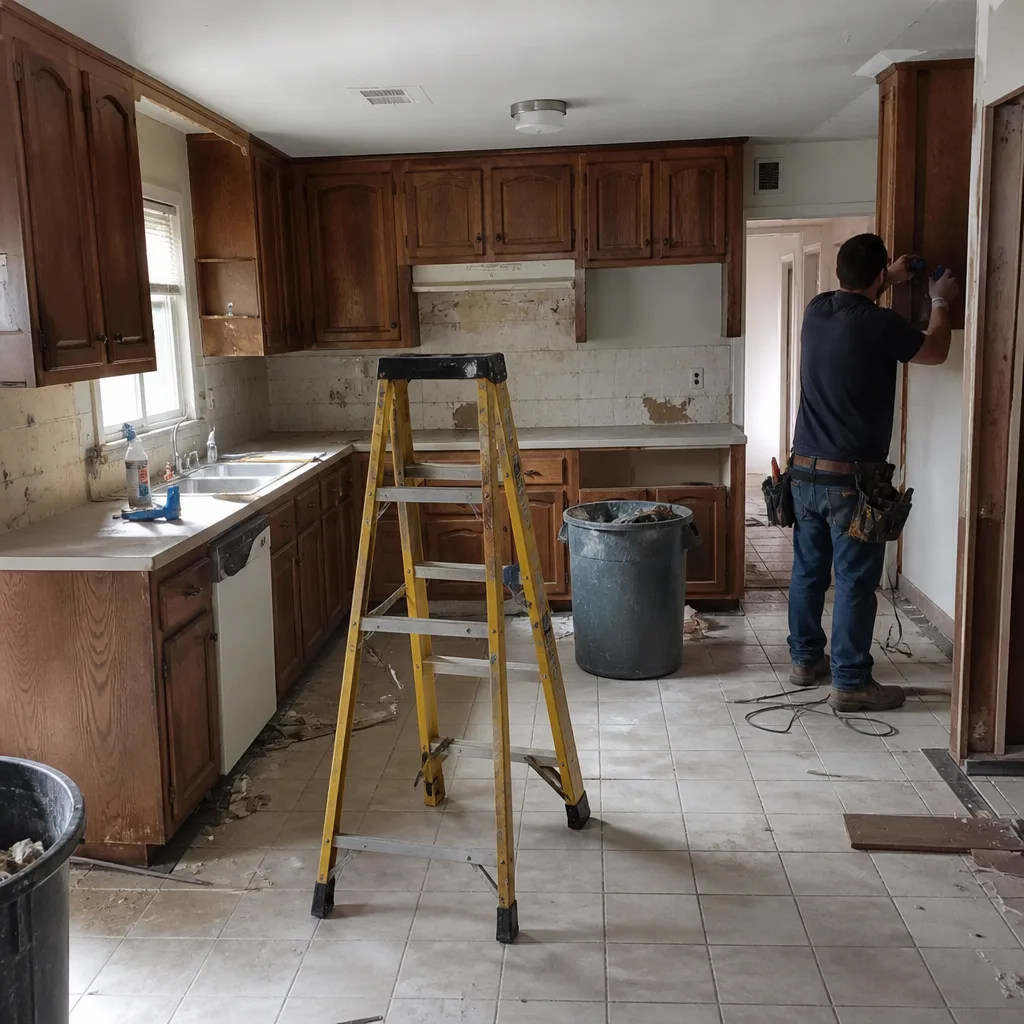
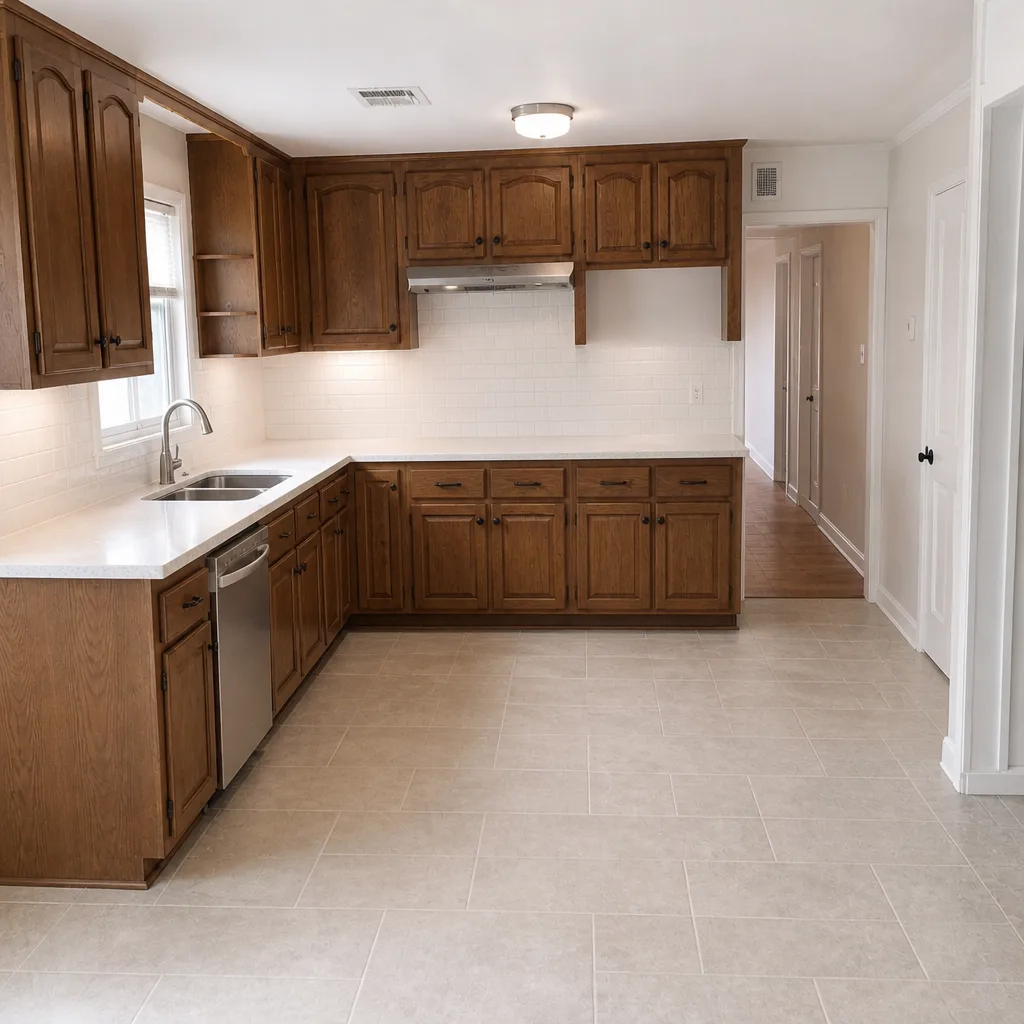
- Kitchen remodeling
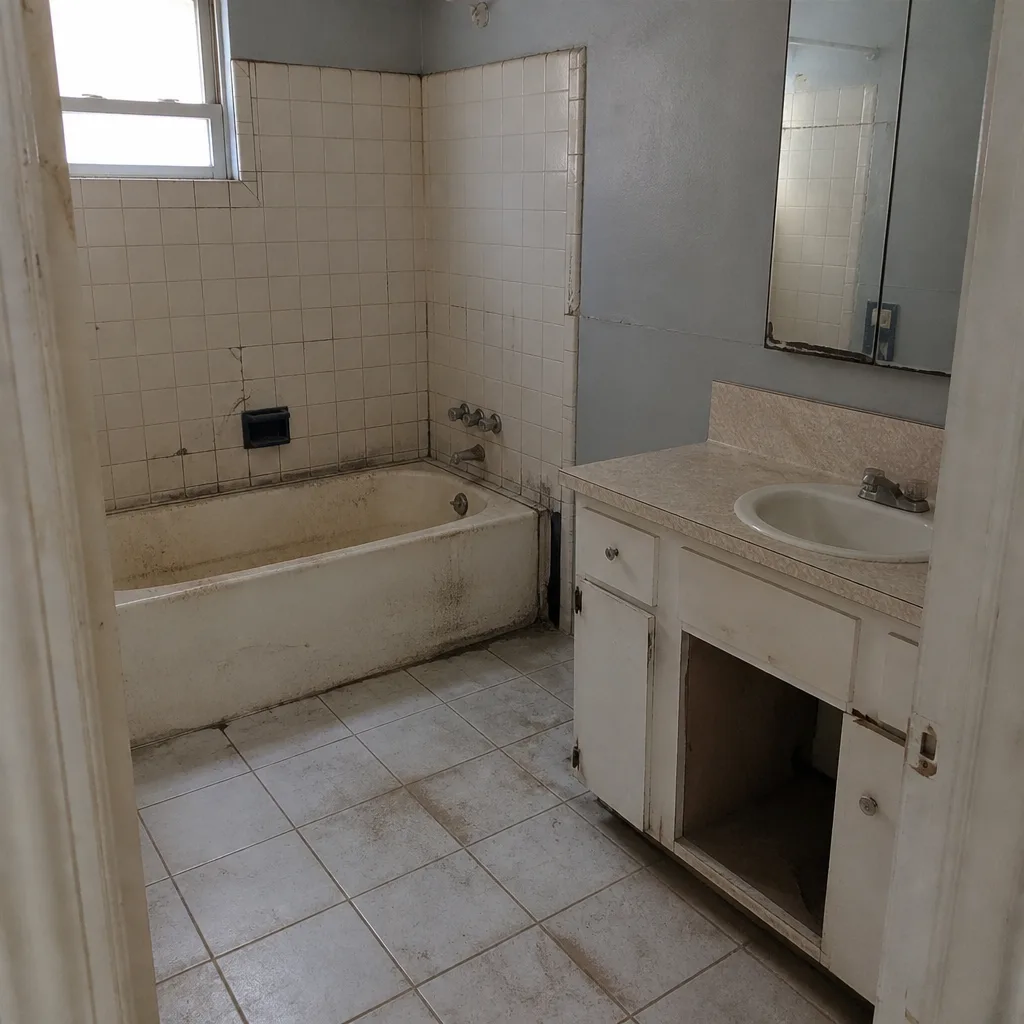
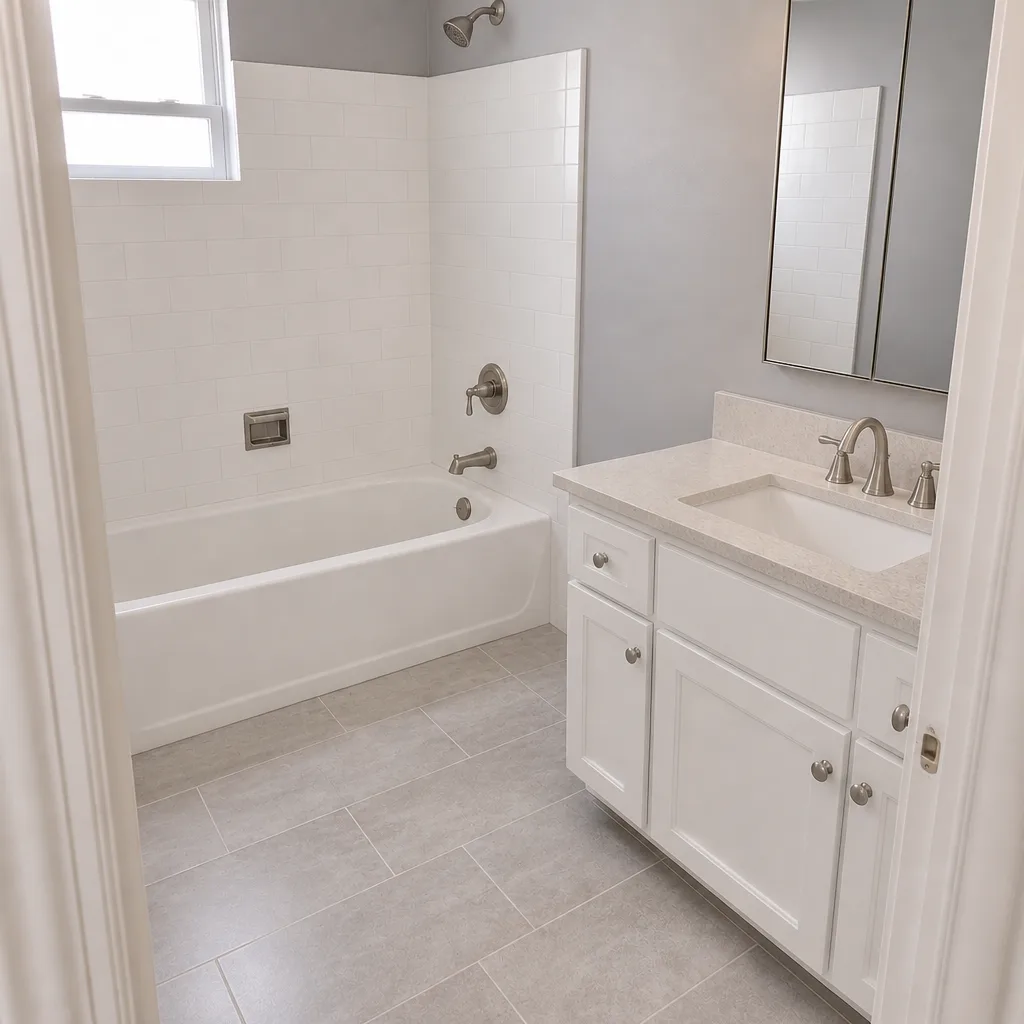
- Bathroom remodeling
- Home additions & ADU
- Roofing
- Windows & doors
- Driveway & pavers
- Fence
Quick Answer
A construction emergency in Spring Valley is best handled in a fixed order: stop the water or heat source, photograph everything before you move it, document damage with timestamps, then call your insurer and a licensed contractor. The first hour after a monsoon flood or a structural reveal determines whether you’re looking at a cleanup or a rebuild.
Table of Contents
- The First Hour: Flash Flood Response for Spring Valley Homes
- How Spring Valley’s Drainage Infrastructure Shapes Flood Risk
- What to Photograph and Preserve Before You Call Insurance
- Spotting a Structural Emergency During a Renovation
- Extreme Heat: The Summer Emergency Nobody Plans For
- Vetting a Contractor in an Emergency Without Normal Due Diligence Time
- Pre-Monsoon Preparedness Checklist: What to Have Ready by May
- Common Mistakes to Avoid
- When to Call a Professional
- Frequently Asked Questions
- The Bottom Line
The First Hour: Flash Flood Response for Spring Valley Homes
We’ve watched a single summer storm push water through garage doors on Spanish Trail and into ground-floor bedrooms off Warm Springs within 20 minutes of the first heavy band. The homeowners who moved that day in the right sequence kept their drywall. The ones who didn’t ended up replacing it.
Here’s the order that works, and it’s not the order most people instinctively use:
- Stop the source first. If water is still entering, sandbag or barrier the entry point. A folded tarp and a row of play sand bags beats a wet vac every time once water is actively flowing.
- Cut power to the affected zone at the breaker if water is near outlets, appliances, or the panel. Do not wade into standing water to reach a switch.
- Photograph before you move anything. We mean the puddle line on the wall, the damaged baseboard, the ruined furniture in place. Insurance adjusters care about the water line height and the pattern of intrusion.
- Start extraction within 30 minutes. Wet/dry vac, towels, mops. Move standing water out before it soaks into the slab edge and wall cavity.
- Get air moving. Every fan you own, positioned to push air across wet surfaces, not down into them. Open interior doors. If it’s not still raining, open windows.
- Call your insurer’s claims line and a licensed contractor in that order, same day. Most policies require prompt notice; delay is one of the top reasons claims get disputed in Spring Valley.
The single most expensive mistake we see is waiting until morning to start extraction because “it’s just a little water.” In Spring Valley’s dry climate, the walls wick moisture fast and dry slow. Water trapped inside drywall for 24 hours is a mold call. Water pulled out within two hours is usually a cleanup.
How Spring Valley’s Drainage Infrastructure Shapes Flood Risk
Spring Valley sits in a basin that drains east and north, and the storm systems that hit the valley don’t always fall evenly. A cell that dumps 1.5 inches in 45 minutes over the Spring Valley community can overwhelm street-level drainage before any of it reaches the regional channels. That’s the mechanism behind flash flood intrusion: the street fills, then the driveway apron takes the overflow, then the garage door does.
Where the risk concentrates, in our experience:
- Older tract neighborhoods built before the current drainage standards. The aprons and swales weren’t engineered for today’s peak-flow estimates.
- Homes on grade rather than raised slabs. Any step-down from street to garage floor is a funnel.
- Properties backing onto undeveloped desert. Sheet flow from the open wash comes at you with nothing slowing it.
- Cul-de-sacs and dead ends. Water has nowhere to go once it fills the bowl.
Two upgrades that matter more than most homeowners realize: a properly sloped driveway apron that sheds water away from the garage door, and a trench drain at the threshold. If your driveway slope drains toward the house, that’s a real problem you can fix proactively. Our Driveway & Pavers in Spring Valley work is often where we correct that – grading the apron to shed water away from the door and putting a proper drain at the low point.
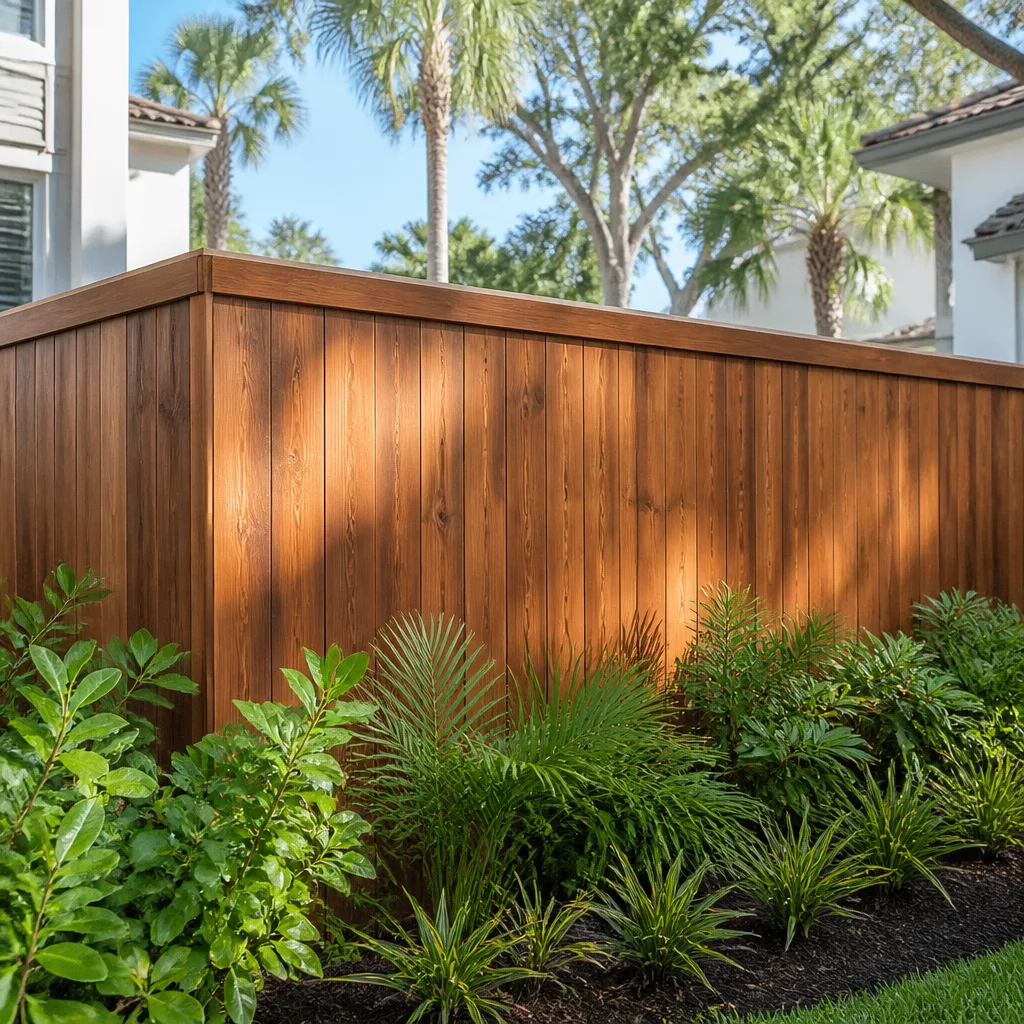
Perimeter fencing is the other half of the water story. A solid block wall at the property line redirects sheet flow rather than shedding it. If your wall is cracked, leaning, or has gaps at grade, water starts channeling through or under it during a heavy storm, and that’s a pre-monsoon fix, not an emergency one. Our Fence Installation in Spring Valley work regularly includes grading corrections at the wall base to keep water moving where it should.
What to Photograph and Preserve Before You Call Insurance
Adjusters are not on-site during your flood. They reconstruct the event from your documentation. A phone with a timestamp and a grid overlay does the job, and it takes 15 minutes to do right. We’ve seen claims approved in a week and claims dragged into a dispute for months, and the difference was usually this step.
Photograph in this order
- Wide shots of each affected room showing the water line against the wall and the extent of the intrusion.
- Close-ups of the water line itself with a tape measure visible so the height is unambiguous.
- Contents you removed or are about to remove in place, before they’re moved.
- Any appliance or system that’s water-damaged – water heater, HVAC air handler, washer, electrical outlets.
- Source-of-water evidence – the breached garage door, the failed threshold drain, the overflowing storm grate.
- Exterior shots of the street, the driveway, and the grading around the house.
What not to touch before documentation
- Don’t tear out drywall to “see what’s behind it.” You’ll destroy the water-line evidence the adjuster needs.
- Don’t discard damaged contents. Bag and label them.
- Don’t start repairs on anything the policy may cover. Repairs before an adjuster visit can void a portion of the claim in Spring Valley.
- Don’t sign anything from a contractor who knocks on your door during the storm.
Photograph the street context too, not just the house – it makes the flash-flood mechanism easier to explain and supports the claim that the intrusion came from an external source, not a plumbing leak.
Spotting a Structural Emergency During a Renovation
This is the emergency nobody talks about, and it’s most dangerous during a kitchen or bathroom remodel, or an addition. When the crew opens a wall and finds something that wasn’t on the plan, that’s not always a surprise to be worked around. Sometimes it’s a stop-work condition.
The structural situations that are genuinely dangerous:
- A wall you intended to remove is load-bearing, and you can see the framing carrying floor or roof loads above.
- Framing is visibly deteriorated – rotted studs from an old leak, termite damage at the sill plate, cracks running through the top of a door or window frame.
- A header or beam has been notched or drilled by a prior owner to run pipe or wiring, weakening the span.
- Floor joists are sagging or bouncing noticeably in the middle of the room.
- Foundation cracking that’s wider than a hairline, or diagonal cracks at the corner of door frames and windows.
- Bowing or cracking in a block wall or foundation stem wall, especially with cracks that step diagonally.
If any of those show up mid-renovation, stop work. Get a licensed structural professional to evaluate before any piece of framing is touched. We’ve walked onto Spring Valley jobs where an owner had already pulled a “wall” out only to see the ceiling show stress cracks within the week. That’s a fix that costs a multiple of what the evaluation would have.
During a renovation, the same holds for additions. When we expand a home for a Spring Valley family through our Home Additions & ADU in Spring Valley work, the connection between the new structure and the existing one is where surprises surface. We verify load paths before we frame, because whatever you find behind an existing wall has to be resolved before the new frame goes up.
Extreme Heat: The Summer Emergency Nobody Plans For
Spring Valley hits triple-digit heat routinely in July and August. The construction emergencies that come with that heat aren’t as visually dramatic as a flood, but they’re real and they’re expensive if ignored.
- Roof underlayment failure. If a shingle or tile has failed, UV exposure degrades the underlayment fast. A missing shingle in June is a $200 repair. In August, after a week of 110-degree sun, it’s a rotted deck and a full repair.
- Expansive soil movement. Spring Valley’s soil shifts with the seasonal heat, and cracks in the slab edge or patio get worse. Cracked pavers aren’t just cosmetic; they’re often a sign the base underneath has moved.
- HVAC condenser strain. Not a construction issue in isolation, but a failed air handler or refrigerant line under a heated attic adds heat to the structure and stresses the framing around it.
- Exterior paint and caulk degradation. On stucco especially, cracked caulk lines let water in during the first fall rain.
- Wood that dries and shrinks. Doors and windows installed in cooler months can show gaps a few weeks into summer. Those gaps are entry points during the next monsoon.
What we see in Spring Valley after a long heat wave is a wave of small construction issues that get ignored because they don’t look like emergencies. They become emergencies the first time water shows up. The pre-monsoon checklist later in this guide is the answer to that.
Vetting a Contractor in an Emergency Without Normal Due Diligence Time
In a true emergency, you can’t do the two-week vetting process you’d normally do before hiring. You need a licensed contractor on-site in the next 24 hours. That doesn’t mean you skip the checks; it means you compress them. Here’s the sequence that works:
- Confirm licensing and insurance on the spot. Ask for the license number and the certificate of insurance, and take a photo of both. A legitimate Spring Valley contractor will hand them over without hesitation.
- Ask for a written scope before any work starts. Even a two-page scope with line items and a fixed price is enough. No written scope, no business.
- Confirm the workmanship warranty in writing. The warranty is where emergency work goes bad. If a contractor tells you the warranty is “whatever the manufacturer covers,” that’s not a workmanship warranty.
- Ask what the contractor will not do. The honest answer to this question is often the most useful thing you’ll hear. A contractor who gives you five reasons they’re not the right fit for something is usually the one you want.
- Photograph the plate on the truck and the crew. Any contractor who objects to being photographed on your property is a red flag.
- Do not pay in full upfront. Deposits are normal. Full payment before work starts is not.
- Confirm they will pull permits if required. Emergency repairs that don’t need permits exist, but structural work almost always does.
Red flags that still apply in an emergency
- Someone who shows up uninvited immediately after a storm.
- “We can start right now, just sign here.”
- Cash-only, no receipt, no license.
- A price that’s a strong round number with no breakdown.
- Refusal to put the scope in writing.
- A warranty that’s verbal only.
Our standard for emergency work is the same as for planned work: background-checked, uniformed technicians on every job, an upfront written scope, and the 730-Day Done Right Promise in writing. If it’s not done right, we make it right, and two years gives a lot of time to notice.
Pre-Monsoon Preparedness Checklist: What to Have Ready by May
The best way to shorten your emergency response time in Spring Valley is to have the right materials and the right relationships in place before the first storm cell forms. Here’s what we recommend every Spring Valley homeowner assemble by the first week of May.
Material inventory
- At least 10 sandbags (the fillable burlap kind, plus a bag of play sand).
- Two or more heavy-duty tarps, 10×20 at minimum.
- A wet/dry shop vac with a fresh filter.
- Two industrial box fans and one floor blower.
- Rubber boots, gloves, and a flashlight that takes standard batteries.
- A moisture meter (cheap ones work fine).
- A tape measure and a notepad dedicated to documentation.
Contractor relationships
- Save a licensed general contractor’s number before you need it. Emergency work moves fastest when the relationship already exists.
- Save your insurer’s claims line.
- Save a water extraction company and a roofing company.
- Know which contractor will handle structural evaluation if you own an older Spring Valley home.
Documentation
- A walkthrough video of your home’s interior, every room, made once a year. This is your “before” evidence.
- A copy of your homeowners policy and your coverage limits saved as a PDF on your phone.
- A list of high-value contents with photos and receipts.
- License plates and copies of licenses for any contractor who has worked on your home.
- A written record of every improvement you’ve made, with dates.
The inventory is worthless if it’s not checked twice a year. Set a reminder for March and again for June – before monsoon, and after the first heat wave. Replace sandbags when they start to rot, replace tarps when they crack.
If you want to go one step further in advance, our Groundwork Construction Co. of Spring Valley home has the service breakdown we run across Spring Valley, and it’s the right starting point for a pre-monsoon walkthrough with our team.
Common Mistakes to Avoid
- Waiting until morning to start extraction. In Spring Valley’s dry climate, water wicks deep into drywall and the slab edge overnight – what was a two-hour cleanup becomes a drywall replacement and a mold remediation.
- Tearing out drywall before the adjuster sees it. You’re destroying the water-line evidence. Photograph first, then remove.
- Hiring the first truck that pulls up after the storm. The contractor who shows up uninvited right after a flood is almost never the one you want. Get licensing and insurance in writing before any work starts.
- Assuming the storm drain will handle it. Spring Valley’s street-level drainage was designed for a specific peak flow, and cells that drop more than that in a short window overwhelm it every time. Sandbag the garage door on the forecast, not on the first puddle.
- Ignoring small structural signs during a renovation. A cracked header, a notched beam, a sagging joist. Fixing them as they surface costs a fraction of fixing them after the ceiling shows stress cracks.
- Letting heat damage ladder into fall flood damage. A missing shingle in July is a leak in September. A cracked caulk line in August is a wet wall in October. Repair in the shoulder months, not in the crisis.
- Skipping the annual documentation video. It takes 10 minutes. Without it, the adjuster has no “before” to compare the damage against, and the claim runs into delays.
When to Call a Professional
Any of the following is a call-a-professional-in-the-next-hour situation, not a weekend project:
- Water intrusion that has reached a wall cavity, electrical outlet, or the HVAC system.
- Any sign of structural movement – diagonal wall cracks, sagging floor joists, a bowed block wall, a notched beam you found during a renovation.
- A roof breach that goes beyond a missing shingle.
- A failed garage door spring or a door that won’t fully close, letting water in.
- Foundation cracks that are wider than hairline, especially with a stair-step pattern.
- Any plumbing or gas line issue.
Groundwork Construction Co. of Spring Valley offers free estimates in Spring Valley and answers calls with a live person, 24/7. Call (888) 329-9414 and we’ll get a licensed professional out to evaluate, write a scope, and put the workmanship guarantee in writing before anything starts.
Frequently Asked Questions
Water damage repair in Spring Valley typically runs $3,000-$8,000 for a single-room intrusion with minor drywall and flooring damage, and $15,000-$30,000 or more if the damage has reached framing, an HVAC system, or multiple rooms before extraction starts. The gap comes down almost entirely to response time in the first hour, which is why extraction beats every other action you can take. Call (888) 329-9414 for a free estimate in Spring Valley; we’ll write a line-item scope so you can see the cost before any work is authorized.
Standard homeowners policies in Spring Valley typically cover water damage from a storm-driven intrusion through a roof, wall, or door, but usually exclude rising groundwater and outside surface water – which means coverage often depends on how the water entered. Photograph the entry point and the water line before you move anything, document with timestamps, and call your insurer’s claims line the same day. Get a licensed contractor on-site to write a scope, because the insurer will want one, and don’t authorize repairs before the adjuster has seen the damage.
Stop the source, cut power to any affected zone at the breaker if water is near electrical, and photograph everything before you touch it. Then extract the water (or remove the failed material), get air moving, and call your insurer and a licensed contractor the same day. Doing those in that order limits secondary damage and preserves the evidence your claim depends on.
A licensed contractor should be on-site within the same day for any water intrusion that has reached a wall cavity or the electrical system, and extraction should begin within the first hour. Our team answers calls with a live person, 24/7, so you’re not waiting until a Monday morning to reach someone. Call (888) 329-9414 and we’ll coordinate the response.
A renovation reveal is an unexpected condition that requires a design change; a structural emergency is a condition that requires stopping work until a licensed professional evaluates the load path. Notched beams, severed floor joists, load-bearing walls marked for removal, and significant foundation cracking fall into the second category. If work is underway and one of those shows up, stop framing and get an evaluation before anything else goes in.
Ask four things on the first call: license number, certificate of insurance, a written scope before work starts, and the workmanship warranty in writing. Take photos of the license plate and crew. Do not pay in full upfront. If any of those four requests gets pushback, walk away – that pushback is the answer. Groundwork Construction Co. of Spring Valley gives you all four as a matter of course, and every project is covered by the 730-Day Done Right Promise.
The Bottom Line
Construction emergencies in Spring Valley follow patterns, and the patterns are predictable enough to prepare for. The homeowners who come out of a monsoon with a $3,000 cleanup instead of a $30,000 rebuild are the ones who sandbagged on the forecast, kept the shop vac and tarps within reach, and called a licensed contractor in the same hour as the insurer. The mid-renovation structural reveals are the same story, just slower: stop work, get an evaluation, don’t try to frame around what you found. And the heat of summer is the quiet version of the same problem – fix the small things in the shoulder months, and they don’t become a crisis in October. If you want a Spring Valley team that answers the phone 24/7 and puts the guarantee in writing, call (888) 329-9414 for a free estimate with Groundwork Construction Co. of Spring Valley.
Written by the team at Groundwork Construction Co. of Spring Valley.
See the difference
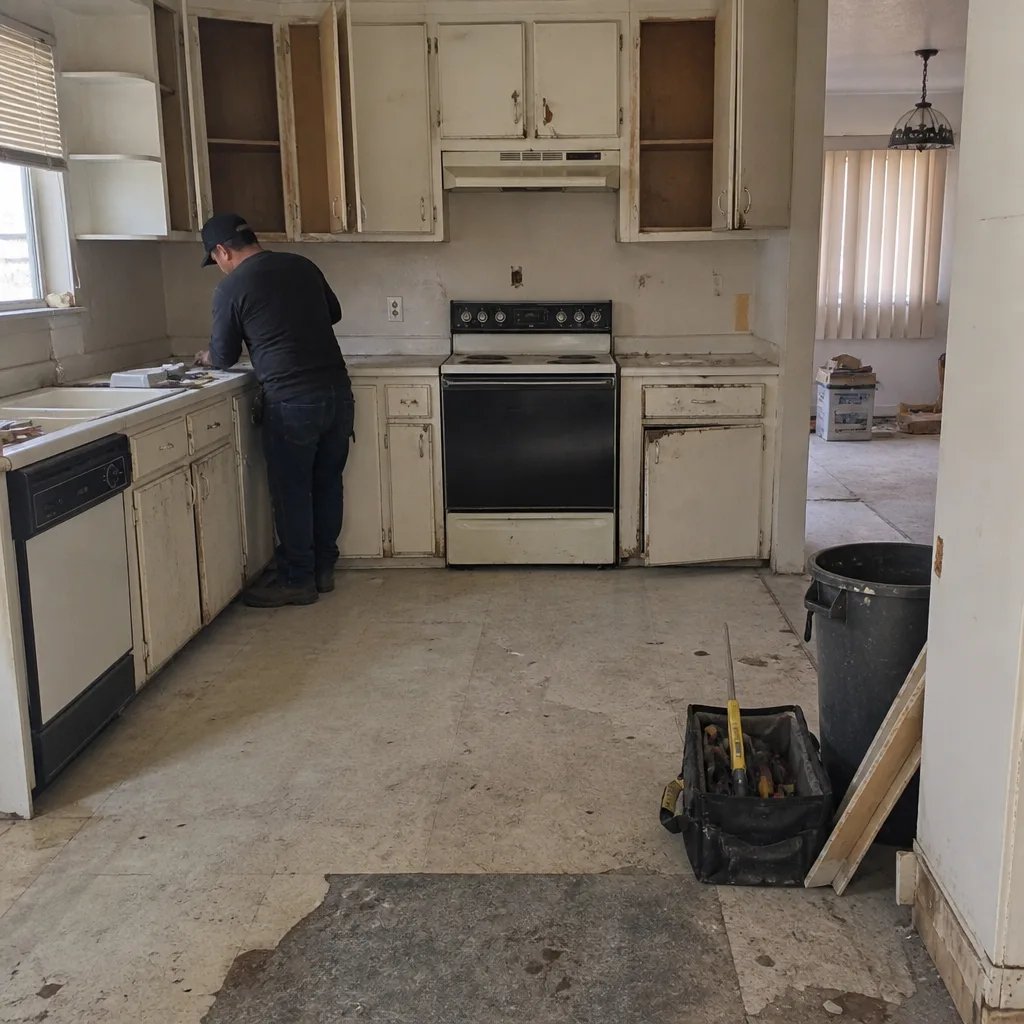 Before
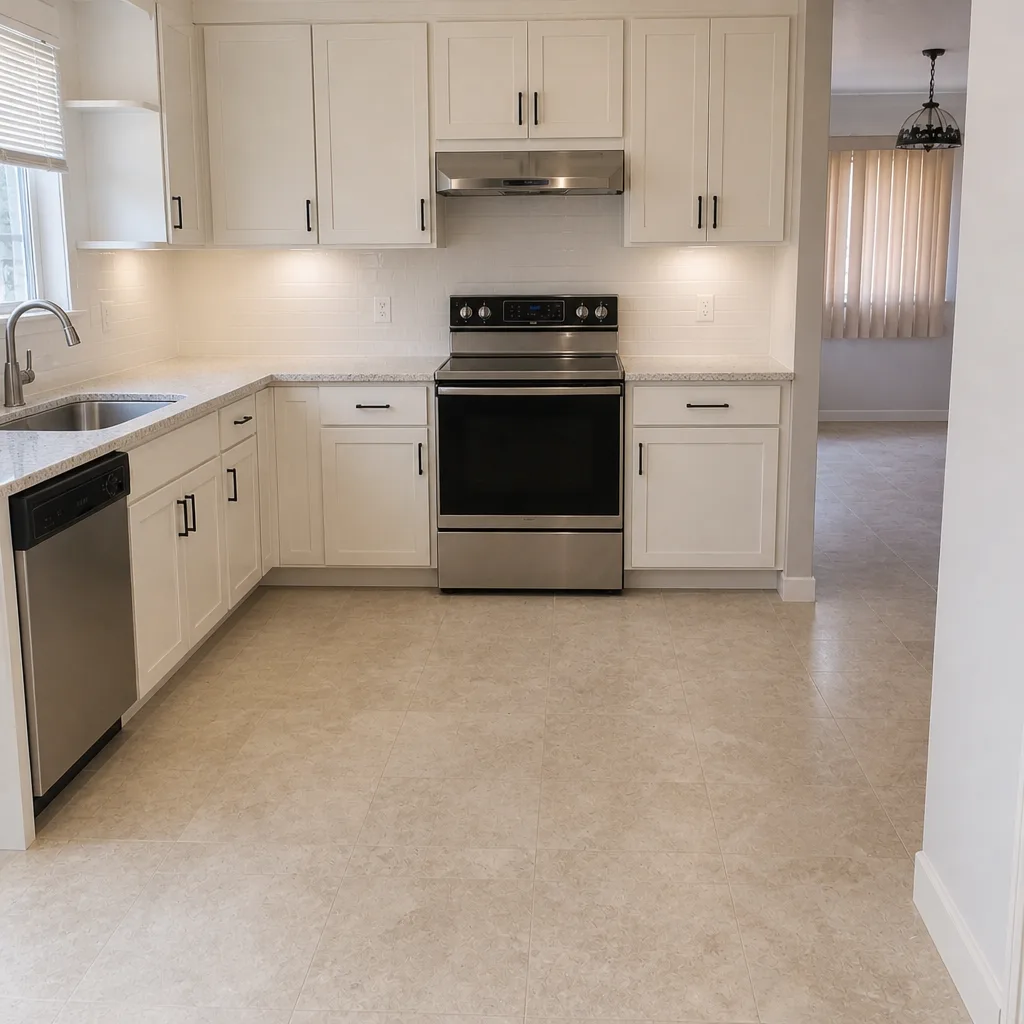 After
 Before
 After
 Before
 After