Last updated November 17, 2026





Free written scope consultation - allowances, timeline, and change-order rules on paper before a single trade is scheduled
Fence Installation Warning Signs Every Homeowner Should Know
The number-one warning sign of a bad fence installation isn’t a crooked post. It’s a contractor who skips the utility locate call before digging. That single shortcut can mean a ruptured gas line, a voided homeowner’s insurance claim, and a repair bill that dwarfs the original fence cost. In a Spring Valley subdivision where irrigation lines, gas mains, and communication conduit all share the same trench corridor, one careless dig is all it takes. This guide lays out the specific, observable red flags, from the first phone call to the ninetieth day after sign-off, so you can catch a problem before the posts go in the ground instead of after the check clears.
Quick Answer
The clearest warning signs of a bad fence installation are a contractor who doesn’t call 811 for utility marking, a bid that uses vague scopes or allowances instead of fixed material specs, posts set too shallow for local wind loads, and a payment schedule that front-loads most of the cash before work begins. Any one of these is a reason to walk away. Two or more together means the fence will likely lean, sag, or fail within a year, and the warranty that was supposed to protect you will turn out to cover almost nothing.
Styles & brands we work with
- Kitchen remodeling
- Bathroom remodeling
- Home additions & ADU
- Roofing
- Windows & doors
- Driveway & pavers
- Fence
Table of Contents
- Warning Sign #1: No Utility Locate Call Before Digging
- Contract Red Flags: Vague Scopes, Allowances, and Front-Loaded Payments
- On-Site Warning Signs During the Installation
- Post-Installation Warning Signs Within 90 Days
- What a Real Warranty Covers vs. “We’ll Stand Behind Our Work”
- Spring Valley-Specific Fence Problems Nobody Warns You About
- The 8-Point Checklist for Vetting a Fence Contractor
- Material Substitution: The Quiet Warning Sign
Warning Sign #1: No Utility Locate Call Before Digging
In Nevada, state law requires anyone who digs to notify the utility locate service (811) before breaking ground. That is not a paperwork technicality. It’s a safety law, and it gives you a free, no-obligation read on a contractor’s entire operating standard. A contractor who doesn’t mention 811 on their own, without you asking, is telling you something about how they’ll handle everything else on your property.
Why this is the tell that matters most
Utility lines in Spring Valley don’t run in neat, predictable straight lines. Irrigation, gas, electrical, and communication conduit can sit within inches of each other. A fencing crew that starts augering holes without flagged markings is gambling with a gas line, a water main, or the low-voltage lines feeding your home’s internet. The physical risk is severe. The financial risk is worse: if a contractor nicks a private utility line that 811 doesn’t mark (a private irrigation line, for example), your homeowner’s insurance may decline the claim because the work wasn’t permitted or properly located.
What a competent contractor does before the first post
- Calls 811 and waits the required waiting period for markings to appear.
- Walks the fence line with you and confirms where the flags and paint marks fall.
- Hand-dig test holes near marked lines rather than machine-augering blindly.
- Pulls the HOA or municipal permit if your Spring Valley property requires one.
- Documents the locate confirmation before equipment arrives.
If a contractor shrugs at the mention of 811, or says “we’ve never hit anything,” that is not experience. That is luck, and eventually luck runs out on somebody’s property. If you want a fence installed by a crew that treats the locate call as step one, start with Fence Installation in Spring Valley.
Contract Red Flags: Vague Scopes, Allowances, and Front-Loaded Payments
The bid is where most homeowners get hurt, and it usually happens before a single post is dug. A low number on a short page is not a bargain. It’s an unpriced problem waiting to surface in month three.
What a bad fence contract looks like
- Vague scope. “Install approximately 120 feet of fencing” with no mention of post depth, concrete specs, gate hardware, or material brand. The word “approximately” is doing a lot of work.
- Allowances instead of fixed material specs. An allowance is a placeholder number, not a price. When the actual material costs more, you pay the difference. Fixed specs mean the number is the number.
- Front-loaded payment schedule. A contractor asking for 50% down before material arrives, or a large deposit with no milestone tied to it, is shifting all the risk to you.
- No permit line item. In Spring Valley, certain fence heights and HOA standards require permits and inspections. A bid that skips this is a bid that will fail inspection later.
- No warranty language at all. If workmanship isn’t spelled out in writing, there is no warranty. There is only a verbal promise.
What a fair payment schedule looks like
A reasonable structure ties money to progress: a modest deposit to schedule and order material, a second payment when the posts are set and inspected, and the balance on your final walkthrough. The number you see should be the number you pay. Upfront pricing, no surprises, is the only kind of bid worth signing. When the scope is fixed, the material is specified by brand, and the schedule is milestone-based, you’ve removed the biggest single source of fence disputes before the work starts.
On-Site Warning Signs During the Installation
You don’t need to be a builder to spot a crew cutting corners. You need to know what to watch for, and how to check it without getting in the way.
The five things to look for while the crew is on your property
- Posts set too shallow. Spring Valley sits in a wind corridor. Posts need to be set to a depth and diameter matched to the fence height, soil conditions, and local wind load requirements, typically well below the frost-free line and anchored with a proper concrete collar. A post tapped in with a driver rather than set in concrete is already failing.
- Concrete mixed too thin. Fast-setting bag mixes should be mixed to the manufacturer’s water ratio. A crew pouring soupy, over-watered concrete is weakening the one thing holding your fence upright.
- Panels installed before concrete cures. Setting pickets and panels before the post concrete has cured stresses the posts before they’ve set. This is the single most common cause of posts that lean within the first year.
- Gates hung too close. A gate needs clearance for the frame to swell and settle with temperature and moisture. Gaps that look too tight on install day become a gate that won’t latch by summer.
- No line strings or level. A crew eyeballing post alignment is a crew that will hand you a wavy fence line.
What proper post setting actually involves
The right sequence is a hole augered to the required depth, a post set plumb, concrete poured and vibrated to remove air pockets, and time allowed for curing before any load goes on it. That curing window is non-negotiable, and any crew that pushes past it to speed up the day is shorting you. Our technicians have up to 12 years of experience setting posts in Spring Valley soil, and they know the difference between a fence that passes a walkthrough and a fence that passes a two-year wind season. Built to last, backed in writing, is the standard we hold ourselves to.
Post-Installation Warning Signs Within 90 Days
Most bad fence work telegraphs itself within the first three months. If you signed off and then noticed any of the following, the problem is structural, not cosmetic.
The five signs that show up after sign-off
- Leaning posts. A post that tilts away from vertical within 90 days is either too shallow, under-concreted, or set in soft soil without reinforcement.
- Gate sag. A gate that drags, won’t latch, or dips at the outer corner is a gate hung without a proper frame, hinge placement, or diagonal brace.
- Panel gaps that weren’t there at sign-off. Gaps opening between pickets or between panels and posts mean the posts are shifting, not that the wood is “settling.”
- Wobble test failure. Push firmly on a post at rail height. A well-set post shouldn’t move. A post that flexes is a post that will lean.
- Concrete crumbling at the base. Chalky, fractured concrete around the post means the mix was thin or the pour happened in improper conditions.
When to escalate, and when to demand a fix
Wood moves a little. It swells and shrinks with moisture, and a Spring Valley summer will show you what your fence’s seams look like under dry heat. But movement in the posts themselves is not normal. If two or more posts have shifted in the first 90 days, do not wait for the warranty window to close. Document the condition with dated photos, and put the fix request in writing. This is exactly the moment a real warranty matters, and exactly the moment a bad one disappears. A genuine 730-Day Done Right Promise means that if it’s not done right, the contractor makes it right, and you have plenty of runway to hold them to it.
What a Real Warranty Covers vs. “We’ll Stand Behind Our Work”
The phrase “we’ll stand behind our work” sounds reassuring and protects you from nothing. It has no term, no scope, and no stated remedy. A real warranty is written, specific, and gives you a path to enforcement.
What a legitimate workmanship warranty includes
- A clear term, in months or years, not “as long as you own the home” or “whenever you need us.”
- What it covers: post stability, gate operation, panel attachment, and concrete in proper condition.
- What it excludes: acts of nature, vehicle damage, and normal wood movement, spelled out plainly.
- How to file a claim: a phone number, a timeline, and who performs the repair.
- Remedy language: repair, reinstall, or replace, and who covers the materials.
The specific language that flags a weak warranty
Watch for terms like “workmanship guaranteed for one year from substantial completion with exclusive remedy limited to repair at the contractor’s sole discretion.” That kind of language shifts all the power to the contractor. A stronger warranty is one with a longer term and simpler remedy language. The 730-Day Done Right Promise is one of the longest workmanship guarantees in the residential construction space, and it applies across our seven service lines, from fence to Driveway & Pavers in Spring Valley. A guarantee you can’t get out of by reading the fine print is the only one worth having.
Spring Valley-Specific Fence Problems Nobody Warns You About
Fence problems that are routine in other markets turn into failures in Spring Valley because of climate, soil, and HOA standards that vary neighborhood by neighborhood.
Wind load and spring failures
Spring Valley’s spring wind gusts routinely top what a fence built to a mild-climate standard can carry. We regularly see fence failures in March and April that were installed the previous fall, and nearly all of them trace back to under-set posts or a missed wind-load requirement. A contractor who doesn’t ask about your wind exposure before quoting is a contractor who doesn’t build for Spring Valley.
Dry heat, clay soils, and post movement
Local soil has a high clay content in much of the valley. Clay expands when wet and contracts when it dries, and that cycle works looseness into any post that wasn’t set with a proper concrete collar. That’s why depth and concrete quality matter more here than in softer soils. A fence built to a generic spec will pass a walk-through and fail a two-year cycle.
HOA and permit standards vary by neighborhood
Fence height, material color, and even picket style can be governed by your HOA, and some properties also require municipal permits and inspections. Two lots on the same street can have different rules. A contractor who doesn’t ask to see your HOA guidelines before quoting is a contractor who has never been called back to fix a fence the HOA rejected. If you’re planning broader exterior work at the same time, our Groundwork Construction Co. of Spring Valley home page covers the full scope of what we build on a property.
The 8-Point Checklist for Vetting a Fence Contractor
Before you sign anything, run the candidate through these eight checks. Any single failure is a reason to ask harder questions. Two or more failures is a reason to move on.
- They bring up 811 unprompted. Utility locate notification should be in their process, not in your worries.
- The bid is fixed, not an allowance. Material brand, post specs, gate hardware, and concrete type are all in writing.
- They pull the permits and schedule the inspection. The permit is their job, not yours.
- The payment schedule is milestone-based. No large deposit with nothing tied to it.
- They ask about your HOA. They’ve reviewed or requested your HOA guidelines before quoting.
- The workmanship warranty is written and specific. Term in months or years, remedy language, and a filing process.
- Technicians are background-checked and arrive in uniform. A crew that shows up looking professional tells you how they’ll treat your property.
- They answer the phone. Calls answered by a live person, 24/7, means the number on the contract still works after the job starts.
Material Substitution: The Quiet Warning Sign
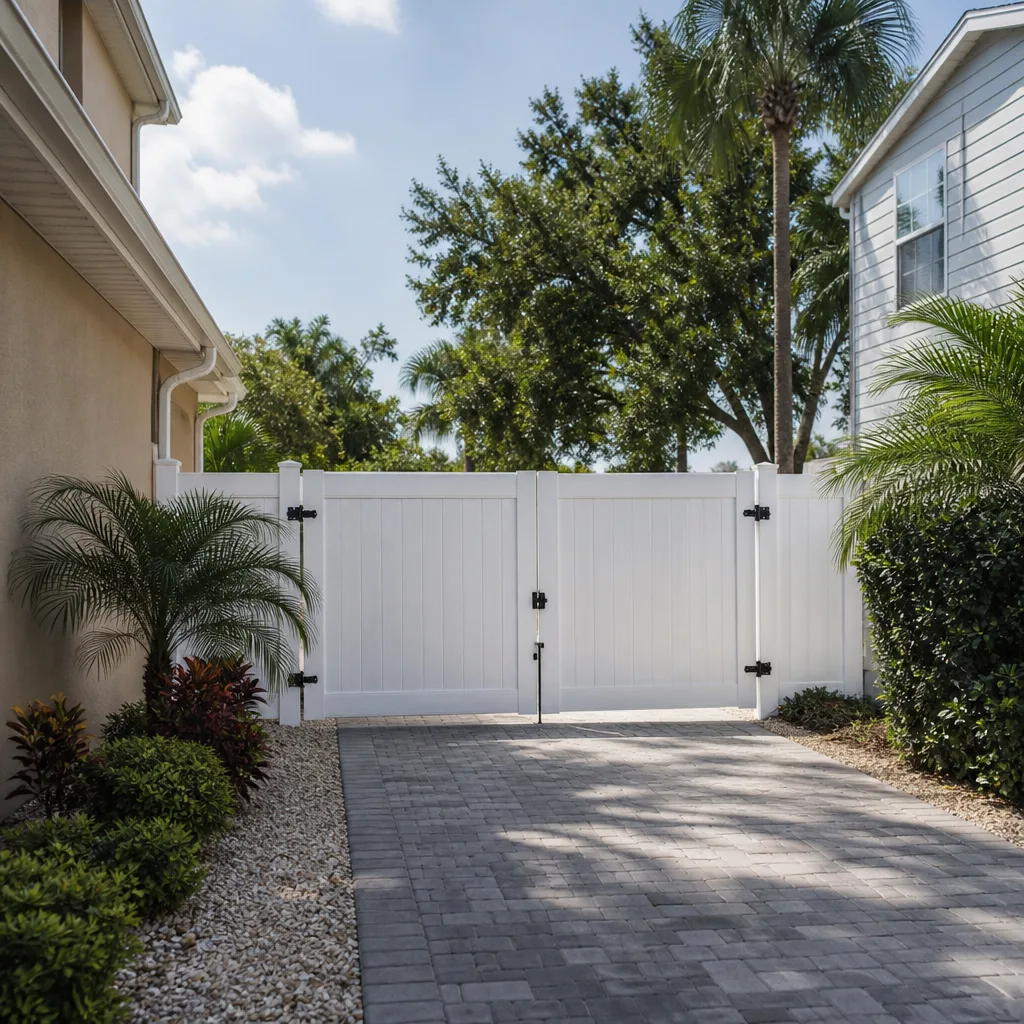
The most common way a fence underperforms its bid isn’t a bad crew. It’s a different material. A bid that says “vinyl privacy fence” without naming the manufacturer leaves the door open for a lower-grade product with less UV resistance, thinner pickets, or less reinforcement at the rails. In Spring Valley sun, thin vinyl chalks and cracks faster than a spec-grade product.
Why named materials matter
Brand partners exist for a reason. When a fence is specified by brand, you can verify the product, compare it to the standard, and hold the installer to it. Curated brand partners across our service lines, from James Hardie siding to Belgard pavers, keep material selection tied to verified quality rather than whatever’s on the truck that morning. That logic applies to fence materials too. If the bid can’t tell you who makes the material, ask. If it can’t tell you after you ask, that’s the warning sign.
What to ask before you sign
- Which manufacturer makes the panels and pickets?
- What’s the post material and gauge or thickness?
- What’s the warranty on the material itself, separate from workmanship?
- Will the material on install day match what’s specified in the contract?
Get the answers in writing. A contractor who can’t put them in writing can’t be held to them. From foundation to finish line, our brand partners span every trade we work in, and a named material is a material you can hold someone accountable for.
Common Mistakes to Avoid
- Choosing the lowest bid without reading the scope. A low number on a vague page is not a discount. It’s an unpriced liability that shows up later, in Spring Valley often as a failed inspection or a leaning fence line.
- Paying too much too early. A deposit above a modest scheduling amount, with nothing tied to material delivery or post-setting progress, hands the contractor all the leverage and leaves you with none.
- Skipping the HOA check before signing. Your HOA can require a specific fence height, color, or picket style, and it can be enforced retroactively. Confirm the standard before the first post is ordered.
- Accepting “we’ll stand behind our work” as a warranty. That phrasing has no term and no remedy. Ask for the written workmanship warranty before signing, and read what it actually covers.
- Ignoring small post movement in the first 90 days. A post that moves early is a post that fails later. Document it and put the request in writing while the warranty window is still open.
- Letting the crew set panels before the concrete cures. Speed on install day is not a virtue if it means stressing posts before they’ve set. Ask about the curing schedule before the work starts.
- Not confirming the material on delivery. Compare what arrives to what’s specified in the contract. A substitute material is the quietest and most expensive warning sign on this list.
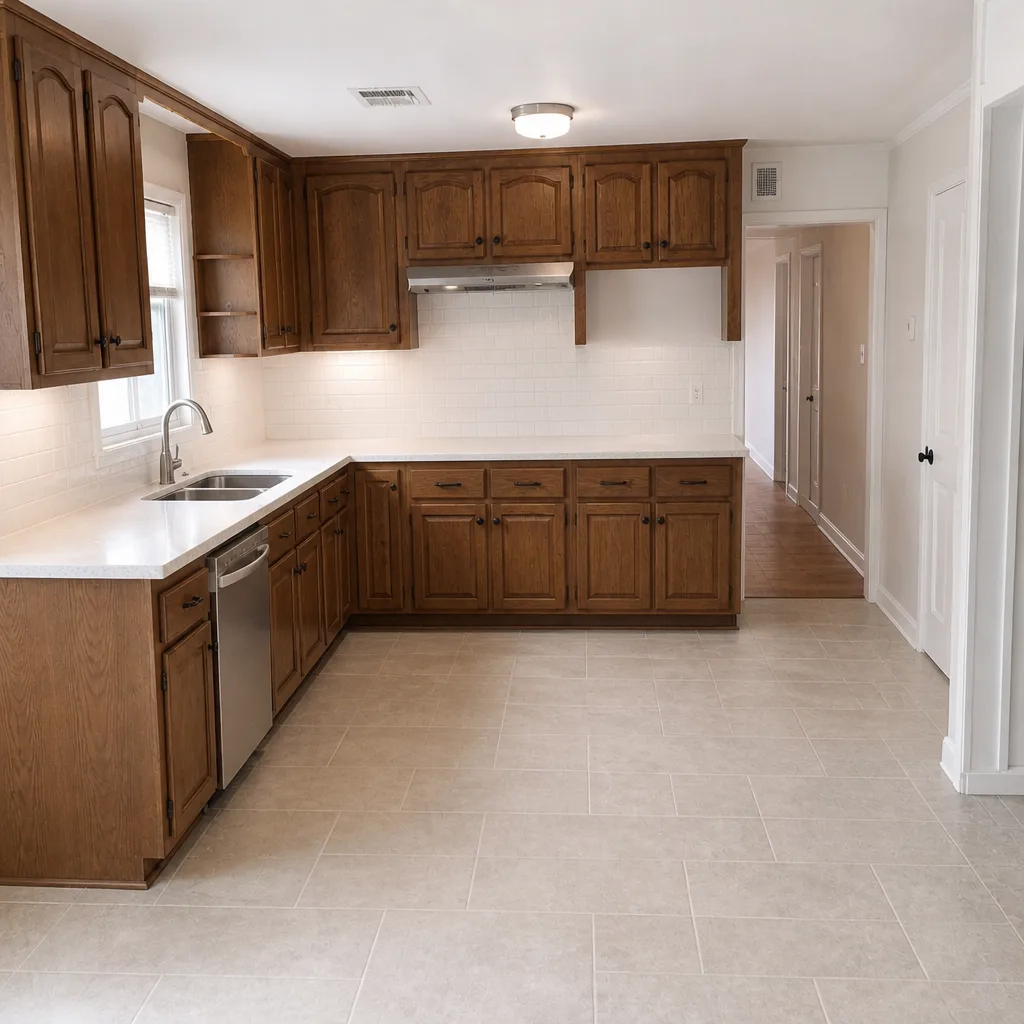
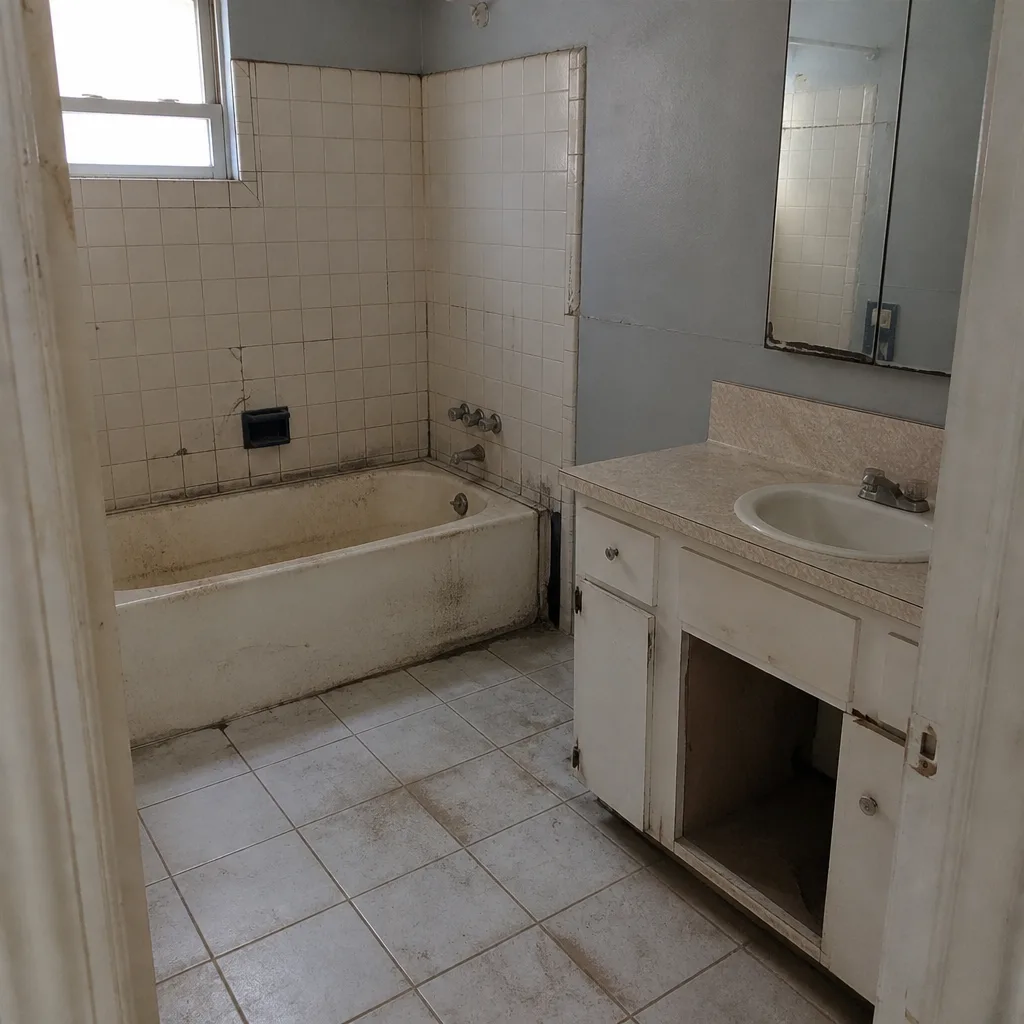
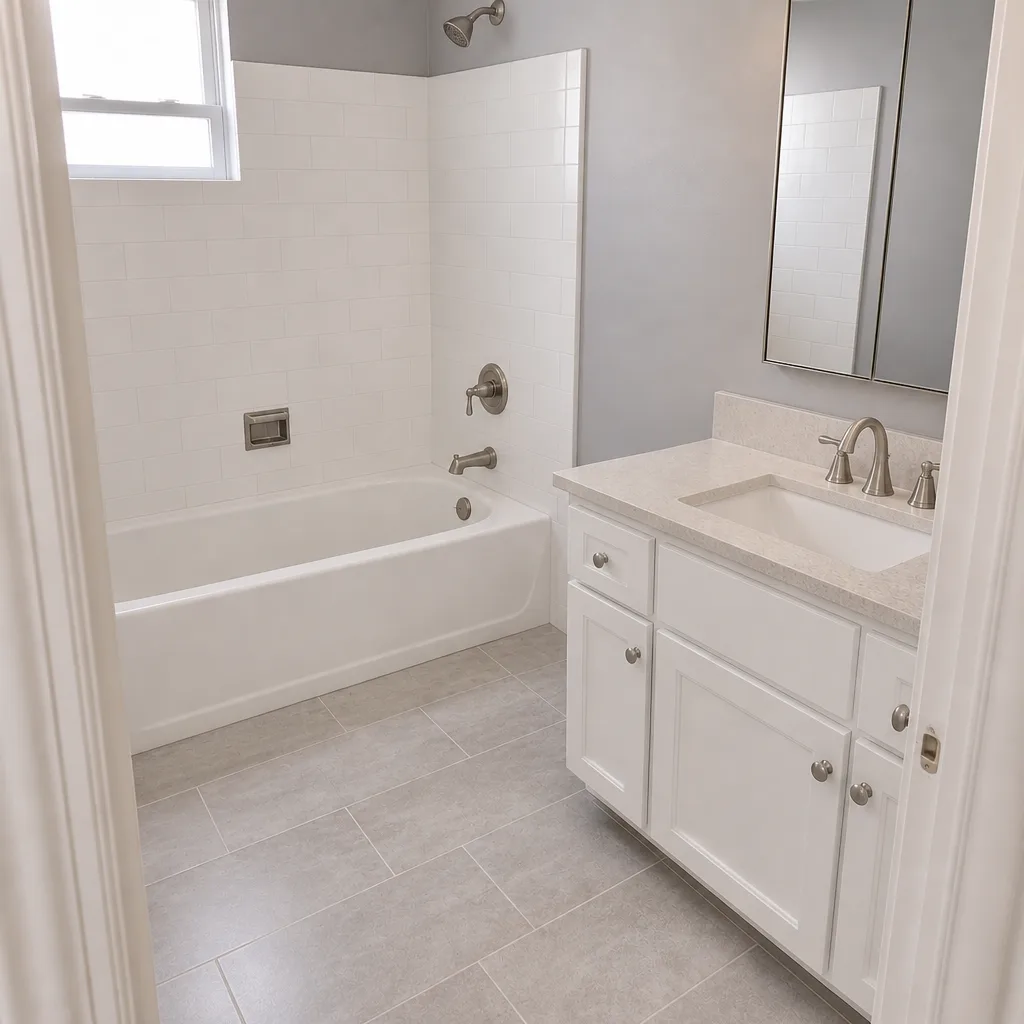
See the difference
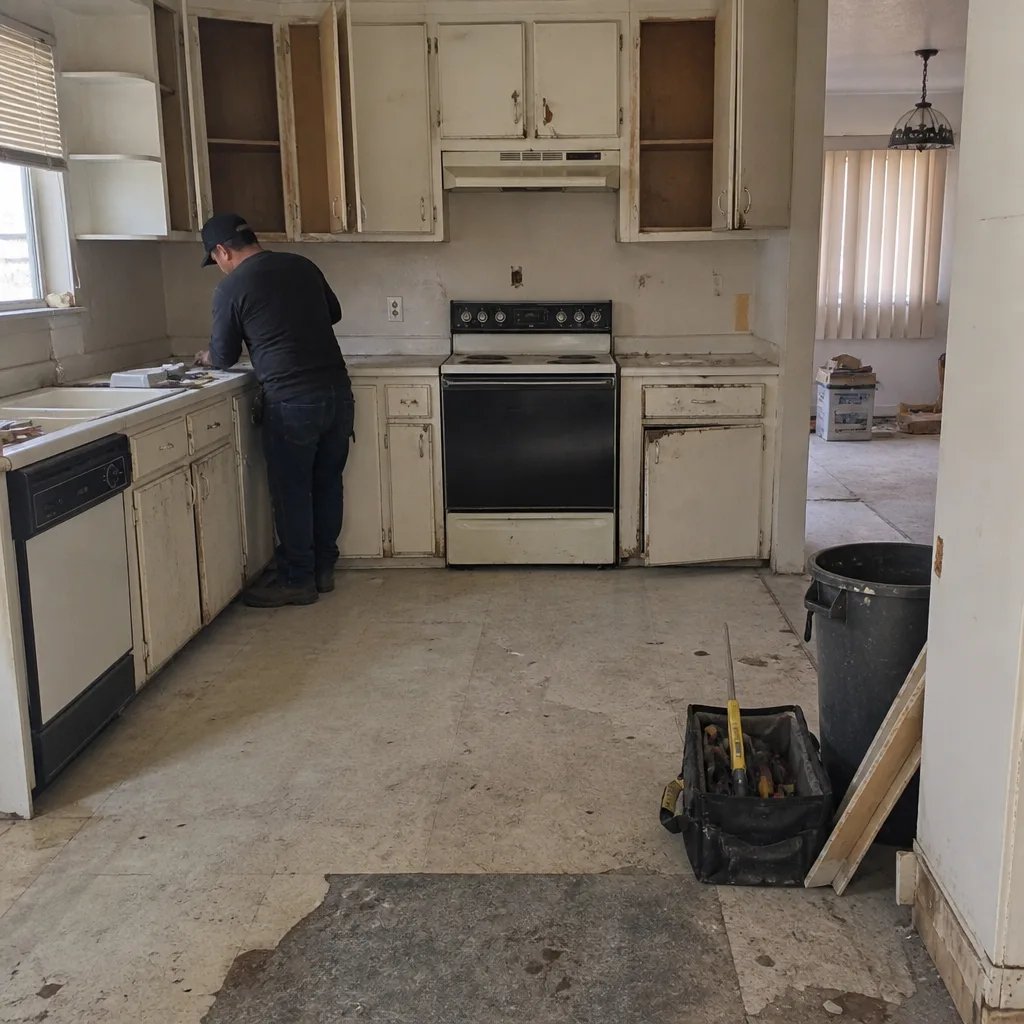 Before
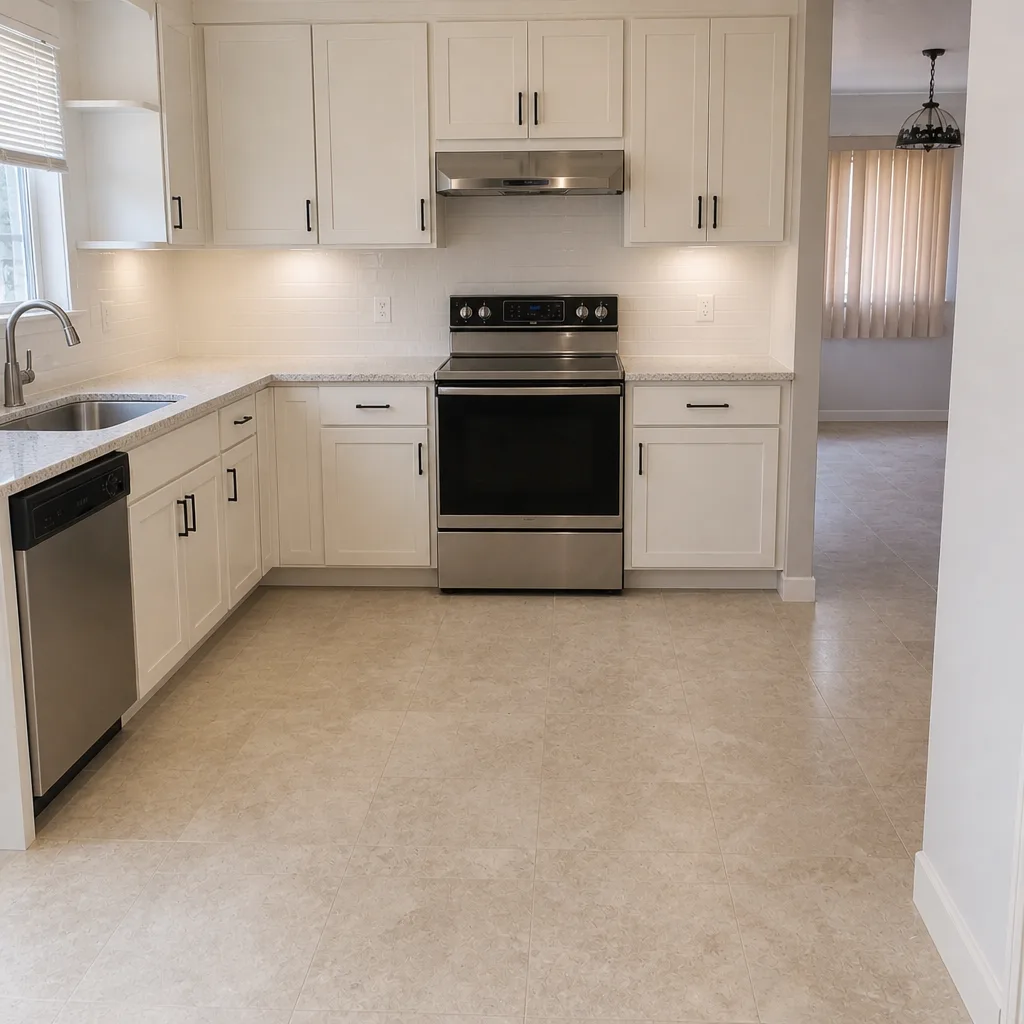 After
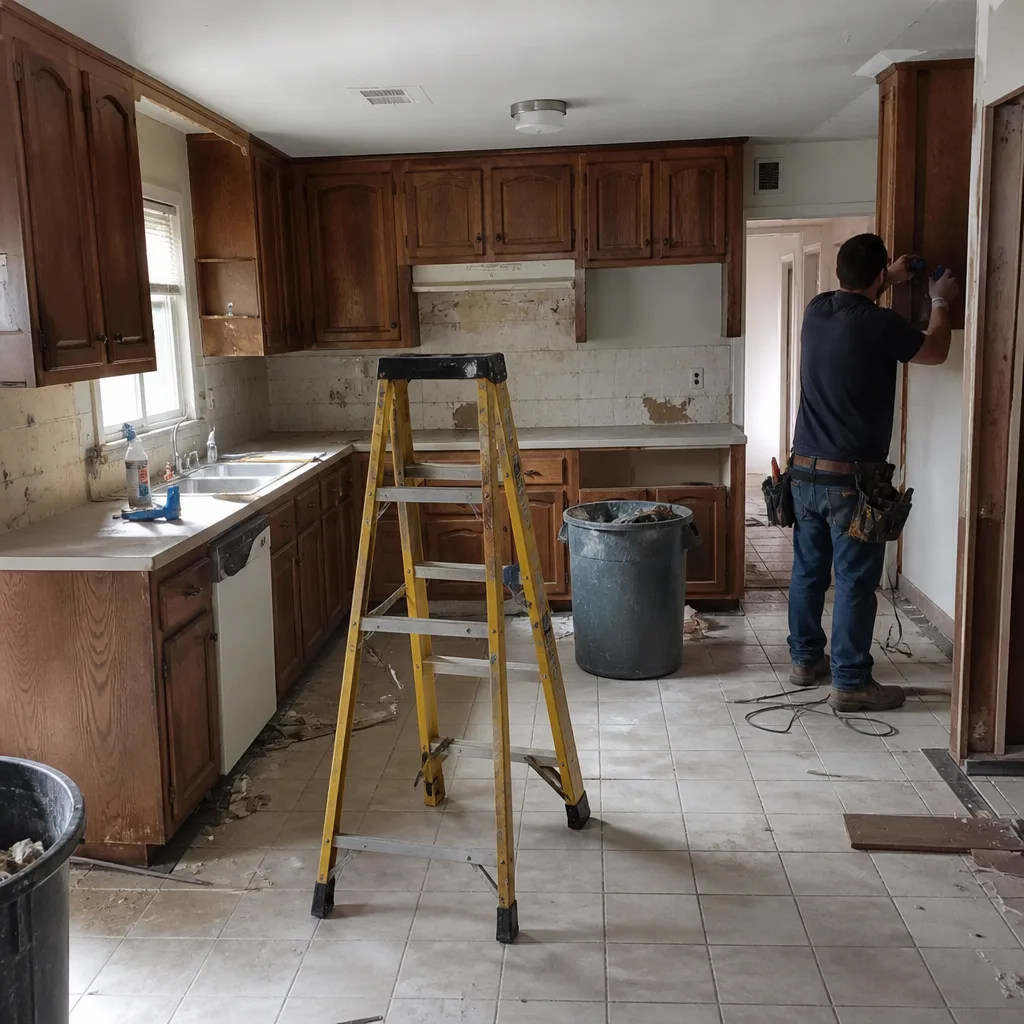 Before
 After
 Before
 After
When to Call a Professional
Some fence work is genuinely a professional job and worth the call: any fence line that crosses a utility corridor, any installation that requires an HOA approval or municipal permit, any post that needs setting more than 24 inches deep, and any gate that carries a screen or heavy panel. If a post is already leaning, a gate has sagged, or a crew has walked off a half-finished job, call before you dig anything yourself. Spring Valley soil and wind load requirements make a self-installed fence a risk to both your property and your insurance coverage. Groundwork Construction Co. of Spring Valley offers free estimates in Spring Valley. Call (888) 329-9414 to schedule yours, and we’ll walk your fence line with you before anyone touches a shovel. We answer the phone 24/7 with a live person, not a voicemail system.
Frequently Asked Questions
A typical residential privacy fence in Spring Valley runs about $28 to $55 per linear foot installed, depending on material (wood, vinyl, composite, or ornamental), fence height, and site conditions like slope and soil. Gates add $350 to $900 each, and HOA-compliant styles can add a modest premium. Call (888) 329-9414 for an exact line-item quote. Estimates are free and there’s no obligation.
A contractor who doesn’t call 811 for utility marking before digging is the single biggest warning sign. It’s a legal requirement, and skipping it means the contractor is cutting a safety corner before the first post is set. If they skip that, they’ll skip post depth, concrete specs, and the curing window too. Call (888) 329-9414 for a free estimate from a crew that treats the locate call as step one.
A well-installed wood fence with proper post setting and maintenance should last 12 to 20 years; vinyl and composite commonly reach 20 to 30 years; ornamental metal can exceed 30. The material matters less than the install: posts set to the right depth, in properly mixed concrete, and allowed to cure before load is applied. Call (888) 329-9414 to talk through materials and lifespan for your property.
It depends on fence height and your HOA’s rules. Many Spring Valley properties require a permit for fences above a certain height, and most HOAs have their own height, color, and style standards. Ask your contractor to pull the permit and confirm HOA approval before work starts. If a bid skips both, that’s a red flag. Call (888) 329-9414 and we’ll help you sort through what applies to your lot.
A workmanship warranty covers the labor and installation, including post stability, gate operation, and panel attachment. A material warranty covers the fence components themselves. A strong contract carries both, in writing, with a clear term and a remedy. The 730-Day Done Right Promise is our workmanship guarantee, and it holds for two years from the day of completion, plenty of runway to catch anything the first season misses. Call (888) 329-9414 to review the coverage before you sign.
You can, but it’s risky and often more expensive than it looks. Spring Valley’s wind load requirements, clay soils, and utility lines mean a self-installed fence frequently fails the first post-wobble test, and damage to a buried utility may not be covered by homeowner’s insurance if the work wasn’t permitted. For fences above about 100 linear feet, or any fence crossing a marked utility line, bring in a professional. If you’re also planning a larger exterior project, our Home Additions & ADU in Spring Valley page covers how site work gets sequenced before framing starts.
The Bottom Line
The warning signs of a bad fence installation are specific and observable, and most of them show up before the check clears. Los Angeles-style insurance gaps, shallow posts, thin concrete, front-loaded deposits, and vague warranties are all avoidable if you know what to look for. The utility locate call is the single sharpest tell: any contractor who skips it is flagging their own standards before the first post is dug. Read the scope, name the material, demand a written workmanship warranty, and check the posts yourself at the 90-day mark. Do that in Spring Valley and you’ll catch a problem in month one instead of year three.
Groundwork Construction Co. of Spring Valley is a full-scope home construction partner with a curated set of verified brand partners across every service line and a 730-Day Done Right Promise on every project. Our technicians have up to 12 years of experience, arrive in uniform, and every call is answered by a live person, 24 hours a day.
Call (888) 329-9414 to schedule your free estimate in Spring Valley. The number you see is the number you pay, and the quote is yours to keep either way.
Written by the team at Groundwork Construction Co. of Spring Valley.