Last updated November 17, 2026

Free written scope consultation - allowances, timeline, and change-order rules on paper before a single trade is scheduled
How Long Does Home Additions & ADU Take? Timelines and What to Expect
Clark County’s residential addition permit review averages 8 to 14 weeks for plan check on projects that require structural drawings. Most contractors quote “2 to 3 weeks” because they’re hoping for the best case. That single gap between the quoted and real timeline causes more homeowner frustration than any construction problem we’ve seen. In this guide we map the full project timeline the way it actually runs in Spring Valley: design, HOA review, plan check and correction cycles, procurement, and the build itself, with honest time ranges for each phase and a backward-planning method so you can pick a start month that gets you into the space when you need it.
Quick Answer
A typical home addition in Spring Valley takes 9 to 16 months from first design meeting to move-in day, and a detached ADU takes 10 to 18 months. Only about 3 to 6 of those months are actual construction for a room addition, and 5 to 8 months for a detached ADU. Design, permitting, and material procurement fill the rest, and those are the phases that get misquoted most often.
Styles & brands we work with
- Kitchen remodeling
- Bathroom remodeling
- Home additions & ADU
- Roofing
- Windows & doors
- Driveway & pavers
- Fence
Table of Contents
- The Five Phases of an Addition, Mapped
- Phase 1: Design and Architectural Drawings
- Phase 2: Clark County Plan Check and Corrections
- Phase 3: Material Procurement and Long-Lead Items
- Construction Timelines by Project Type
- Legitimate Delays vs. Contractor Failures
- What to Put in Writing Before You Start
- Working Backwards: When to Start Design
The Five Phases of an Addition, Mapped
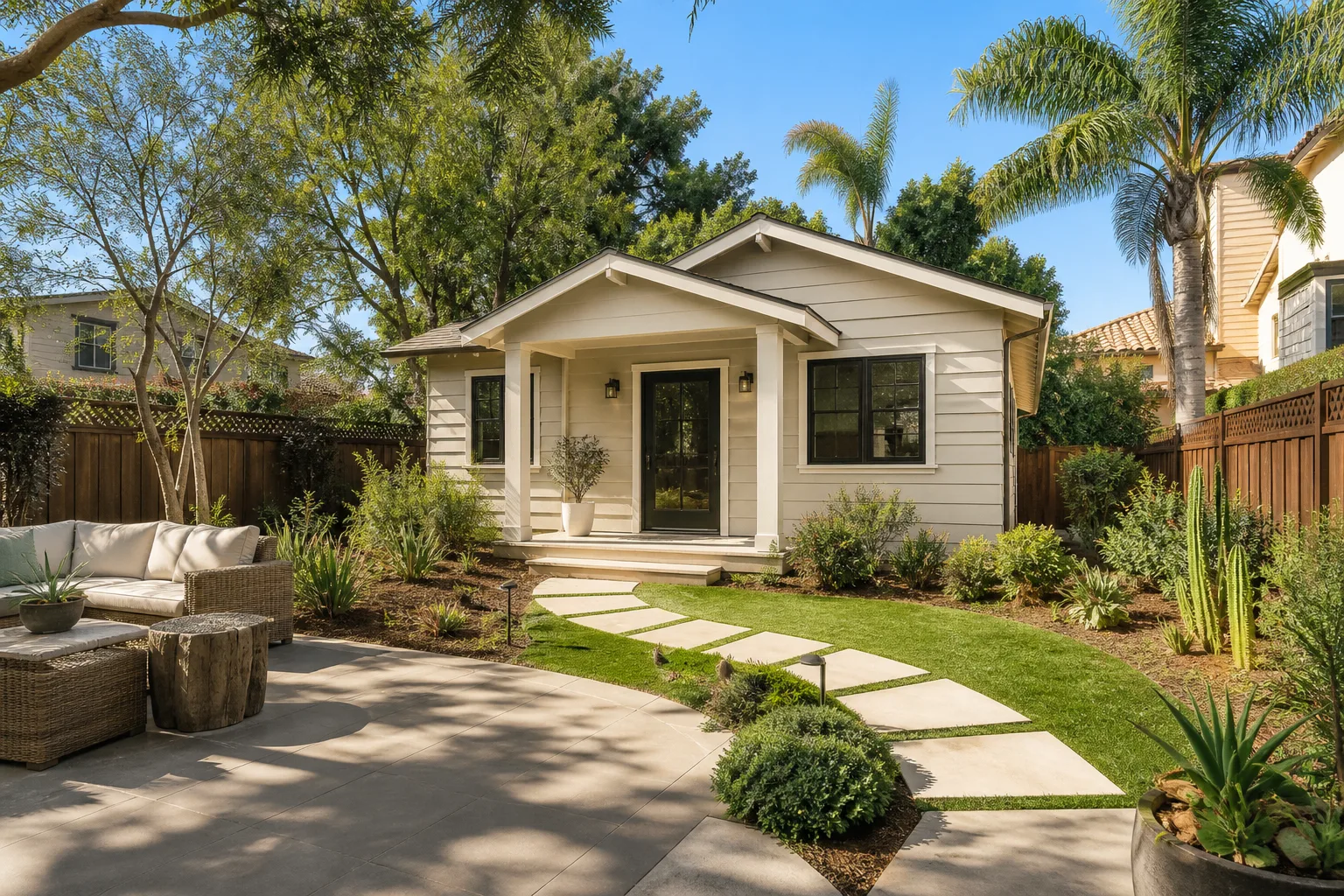
Every addition or ADU in Spring Valley moves through five phases, in this order. The mistake homeowners make is comparing timelines only on phase five, because that’s the only number most bids include. Here’s the full map, with realistic ranges for our market.
- Design and architectural drawings: 4 to 10 weeks, longer if you’re starting from scratch with an architect rather than a design-build team.
- HOA architectural review (if applicable): 2 to 8 weeks. Spring Valley has a meaningful number of HOA-governed neighborhoods, and some require full submittal packages before anything reaches the county.
- Clark County plan check and corrections: 8 to 14 weeks for first review on a project with structural drawings, plus 4 to 8 weeks per correction cycle if the plans come back with comments.
- Material procurement: 2 to 6 weeks for standard materials, 8 to 16 weeks for long-lead items like custom windows, specialty doors, or certain cabinetry lines.
- Construction: 3 to 6 months for an attached room addition, 5 to 8 months for a detached ADU, depending on scope, site conditions, and inspection scheduling.
Add those together honestly and the 9 to 16 month figure for an addition in Spring Valley stops looking pessimistic. It’s just arithmetic. The build is real work, but it’s rarely the reason your project takes as long as it does.
Phase 1: Design and Architectural Drawings
Design is where you set the ceiling on everything downstream. A complete, well-coordinated drawing set is the single biggest lever on how fast your project moves through Clark County plan check. A thin set with missing structural details is what generates correction rounds, and correction rounds are what push additions from a 10-month project into a 14-month project.
What a complete set typically includes for a Spring Valley addition:
- Site plan showing setbacks, lot coverage, and existing structures, drawn to current Clark County requirements
- Architectural floor plans, elevations, and building sections
- Structural drawings stamped by a Nevada-licensed engineer, covering foundations, framing, and connections
- Energy compliance documentation for the Nevada climate zone
- Mechanical, electrical, and plumbing drawings coordinated with the architectural set
- Title 24-equivalent energy calculations and, for ADUs in some cases, utility connection details
In our experience, homeowners who bring a design-build team the project early tend to save weeks here, not because the design is faster but because the structural engineer, the architect, and the builder are all working from the same assumptions. When those three trades work in sequence rather than in conversation, details get missed and the county finds them.
Expect 4 to 10 weeks for design on a straightforward room addition. A detached ADU with a full kitchen, bathroom, and separate utilities sits at the top of that range and sometimes beyond it. This is also the phase where you lock finish selections that affect the structure: window sizes, door swings, and whether the addition needs its own electrical panel. Cambria or Silestone counters in an ADU kitchenette don’t change your permit timeline, but a late window-size change can.
Phase 2: Clark County Plan Check and Corrections
Plan check is where the quoted timeline and the real timeline split hardest. First review on a residential addition with structural drawings runs 8 to 14 weeks in Clark County. That’s review time, not your total permitting time. If the plans come back with comments, you’re in a correction cycle, and that cycle has its own review window once you resubmit.
What plan check corrections actually are
A correction is a written comment from the county reviewer identifying something in your plans that doesn’t meet code or isn’t clear enough to approve. They show up as a formal correction letter, and each round requires your designer or engineer to revise the drawings and resubmit.
How common are corrections on first submission?
More common than most contractors will tell you. On first submission, a substantial share of residential additions come back with at least one correction letter. The number of rounds depends almost entirely on drawing quality. Common correction items we see on Spring Valley projects:
- Incomplete structural connections or missing load calculations
- Setback or lot coverage calculations that don’t match the plat
- Energy compliance documentation that doesn’t match the window and insulation selections
- Missing or mislabeled smoke and carbon monoxide alarm locations
- Incomplete utility connection details on detached ADUs
A designer who has submitted to Clark County before knows what the reviewers flag and builds those details into the first submittal. That’s the practical difference between a 10-month project and a 16-month project. It isn’t glamorous, and it’s the part of the timeline we spend the most time explaining to homeowners.
Phase 3: Material Procurement and Long-Lead Items
Procurement overlaps with permitting, which is one way to compress the schedule. Order what you can while the county reviews, so the materials land as the permit is issued rather than 12 weeks after.
Typical lead times for Spring Valley additions:
- Standard framing lumber and sheathing: days to 2 weeks
- Windows and patio doors (Andersen, Marvin): 4 to 12 weeks depending on line and configuration
- Custom entry doors: 6 to 14 weeks
- Semi-custom cabinetry (KraftMaid): 4 to 8 weeks, longer for specialty finishes
- Plumbing fixtures (Kohler): 2 to 6 weeks, longer for special-order finishes
- Countertops (Cambria, Silestone, Caesarstone): templated after cabinet install, then 1 to 3 weeks fabrication
The single biggest procurement trap on a Spring Valley addition is ordering windows after framing is done. Windows determine the rough openings, and if the lead time is 10 weeks, you’ve stopped construction for two months waiting on a product you could have ordered during plan check. Order the windows at permit issuance at the latest.
Construction Timelines by Project Type
The construction phase looks very different depending on what you’re building. Here’s how each Spring Valley project type breaks down once the permit is in hand and materials are on site.
Attached room addition
3 to 5 months. Foundation and slab, framing, roofing tie-in, rough-in inspections, insulation, drywall, finished trades. Because it’s tied into the existing house, the roofing and exterior tie-in work needs to match the existing structure, which is sometimes the slowest part. If your home has a roof line that’s anything less than simple, budget toward the top of the range.
Detached ADU
5 to 8 months. A detached ADU is effectively a small house: its own foundation, its own utility trenching from the main house or street, its own panel, its own inspection schedule. Utility trenching and connection is where ADU schedules most often slip in Spring Valley, because it involves coordination with the utility provider on top of the county inspections.
Garage conversion ADU
3 to 5 months. A garage conversion is generally the fastest ADU path because the shell, foundation, and roof already exist. The work concentrates on insulation upgrades, utilities, egress, and interior finishes. But conversions still need a full permit and inspection cycle, and some garages need structural or egress adjustments that push toward the high end.
Second-story addition
5 to 7 months. This is the most technically demanding addition type. The existing structure needs to carry the added loads, which means structural reinforcement work in the existing house before the new floor goes up. The inspection sequence is longer because you’re working around occupied living space below the build.
Legitimate Delays vs. Contractor Failures
Not every schedule extension is a red flag. Some are weather, some are county, some are supplier. Others are contractor failures hiding behind a polite excuse. Getting the distinction right is important, because an honest schedule with a written extension beats a fake schedule that quietly drifts.
Legitimate extensions:
- County plan check takes longer than projected on first review, or a correction letter arrives
- Long-lead material delays from the manufacturer, documented in writing
- Site conditions uncovered during excavation, like unexpected rock or old utilities
- Adverse weather, primarily winter roof and exterior work in the Spring Valley climate
- Owner-directed changes during construction, which always require a written change order
Contractor failures:
- A schedule that assumed a 2-week plan check when the county’s published review window is 8 to 14 weeks
- No date for material order or delivery in the contract
- Subcontractors arriving on a rolling basis rather than a scheduled sequence
- Silence when a milestone slips, rather than a written notice and revised schedule
The tell isn’t whether the schedule slips. It’s whether you hear about it from the contractor or by watching the crew not show up.
What to Put in Writing Before You Start
A timeline is only as enforceable as the contract behind it. Before signing on a Spring Valley addition, make sure the agreement covers these items.
- Full-scope schedule. Design, permit, procurement, and construction dates in writing, not just the construction phase.
- Permit responsibility. Who pulls the permit, who submits to the county, who handles corrections, and who pays for resubmittals.
- Owner-supplied items. If you’re buying any fixtures or appliances, they’re specified with a date and the schedule is written around them.
- Change order procedure. No work outside scope without a signed change order showing exact cost, and pricing that doesn’t change mid-job.
- Written workmanship warranty. The work should be backed in writing for a defined period. Our 730-Day Done Right Promise covers the workmanship for two years from completion: if it’s not done right, we make it right.
- Completion definition. A clear definition of substantial completion and final inspections passed, not just “done.”
It’s the boring part, and it’s the part that keeps your project from becoming the horror story on your neighborhood group chat.
Working Backwards: When to Start Design
The most useful thing you can do with the timelines above is reverse them. If you want to be in the addition by a specific date, here’s when to start.
Work backwards from move-in day with realistic phase windows:
- Construction: subtract 4 to 6 months for an attached room addition, 6 to 8 for a detached ADU
- Procurement overlap: subtract 2 to 4 months (overlapping permit review)
- Plan check and corrections: subtract 3 to 5 months (8 to 14 weeks first review, plus one correction cycle)
- Design: subtract 2 to 3 months
- HOA review, if applicable: subtract 1 to 2 months
Total from first design meeting to move-in: 9 to 16 months for a standard addition, and 10 to 18 months for an ADU.
Practical examples for Spring Valley homeowners:
- Want to be moved in by next August? Start design this spring.
- Want to host Thanksgiving next November in the finished space? Start design this March or April.
- Want an ADU rented before the next school year? Start design this winter.
What we don’t recommend is starting design in October and expecting to be in by spring. That’s a schedule built on best-case plan check, zero correction rounds, and short lead times all lining up. Spring Valley’s permitting cycle doesn’t reward optimism.
Common Mistakes to Avoid
- Comparing bids on construction months only. A bid that quotes 4 months of construction and nothing on plan check isn’t a shorter timeline, it’s an incomplete one.
- Choosing the cheapest architect. A drawing set that misses details saves you a few thousand dollars upfront and costs you 3 months of correction cycles. The math rarely works out.
- Ordering windows after framing. Windows determine the rough openings. Order them at permit issuance or during plan check, never after.
- Starting a detached ADU in late fall. Exterior framing, roofing, and utility trenching in a Spring Valley winter can cost you weeks. Start the site work when the weather supports it.
- Buying fixtures without a delivery date. If your cabinets or appliances don’t have a delivery date in the contract, the schedule can’t be written around them.
- Forgetting the HOA submittal. An HOA architectural review can run 2 to 8 weeks, and it sometimes has to happen before the county review begins. Skipping it means discovering it later.
- Signing a contract without a written completion definition. “Done” is subjective. Substantial completion plus final inspections passed is not.
See the difference
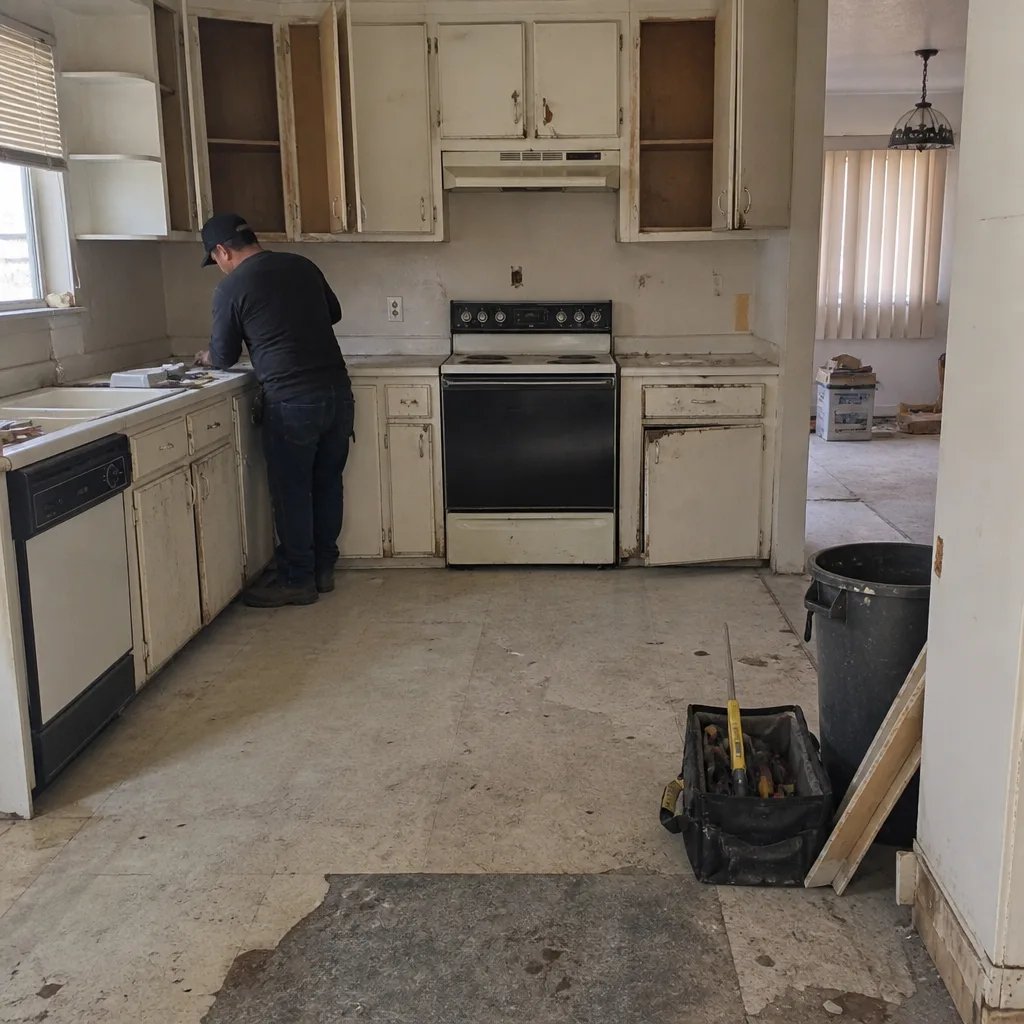 Before
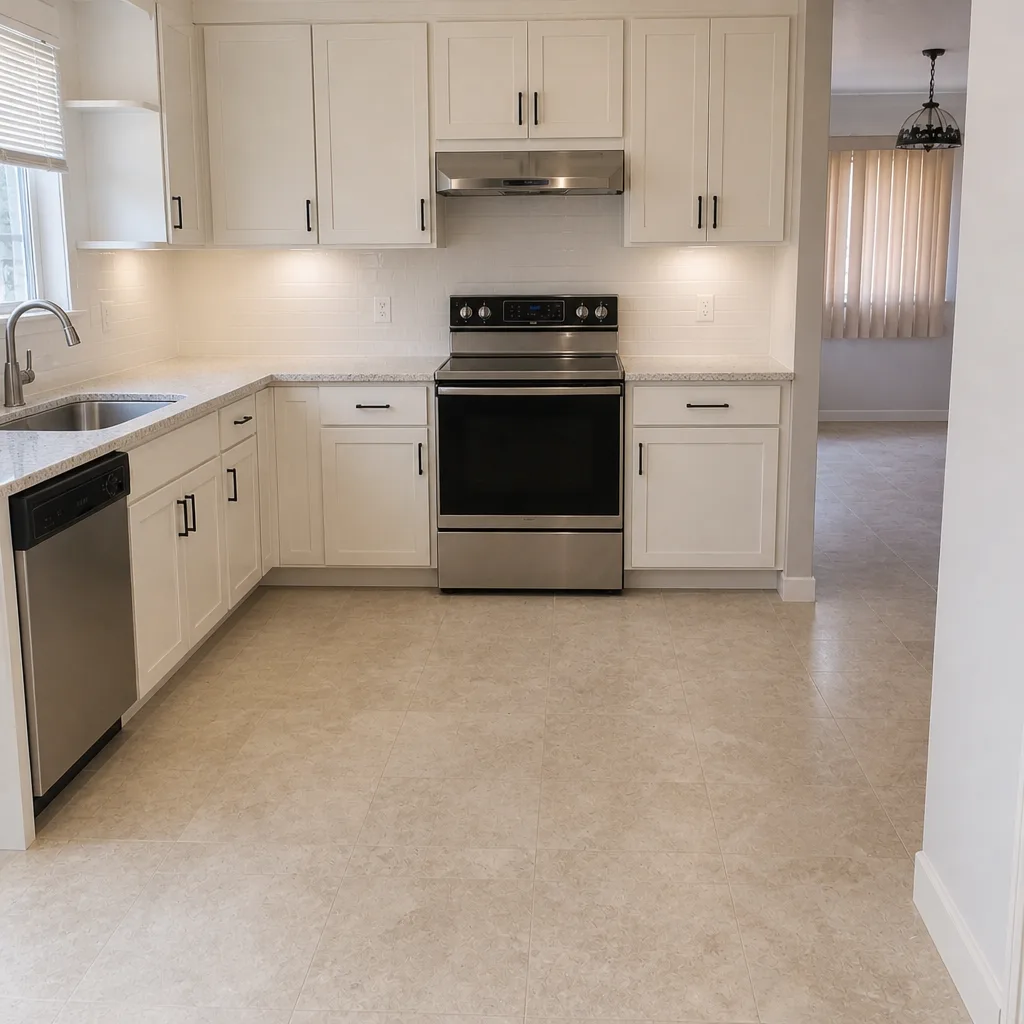 After
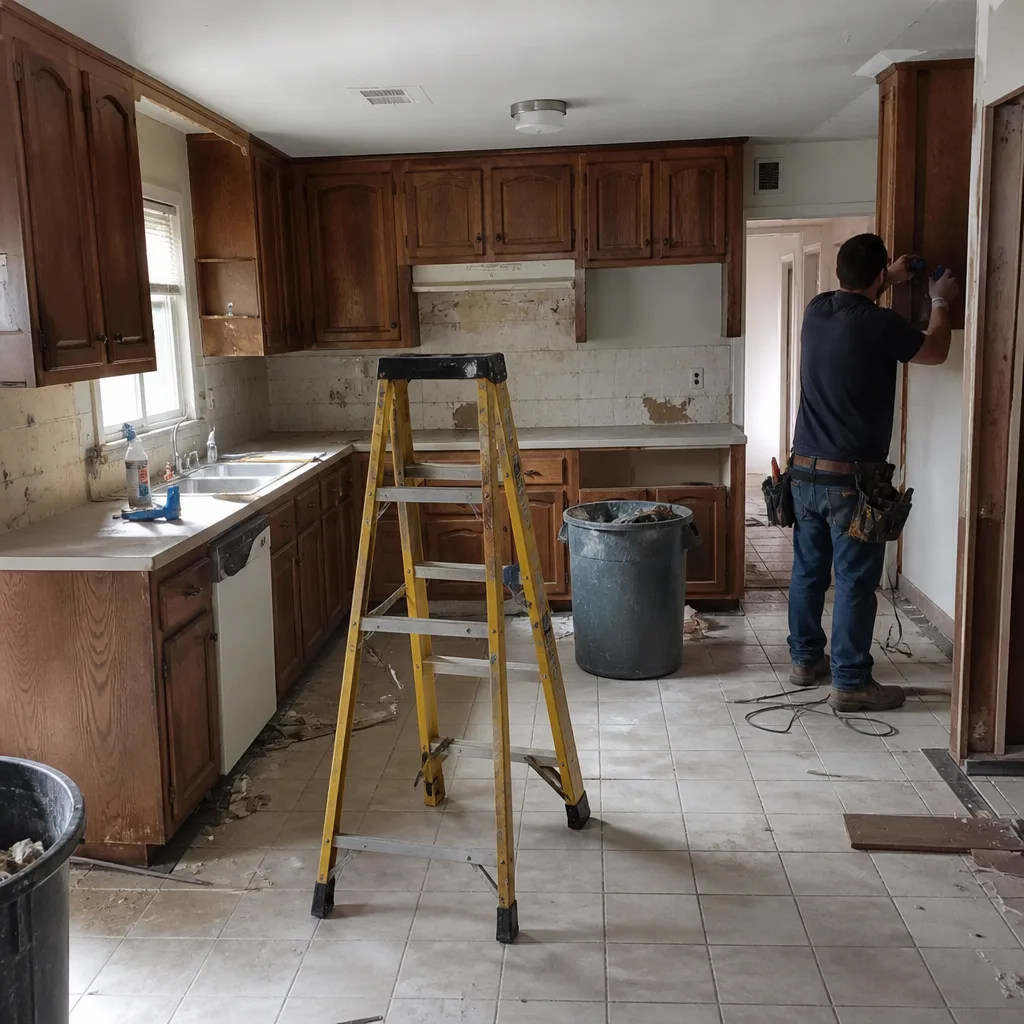 Before
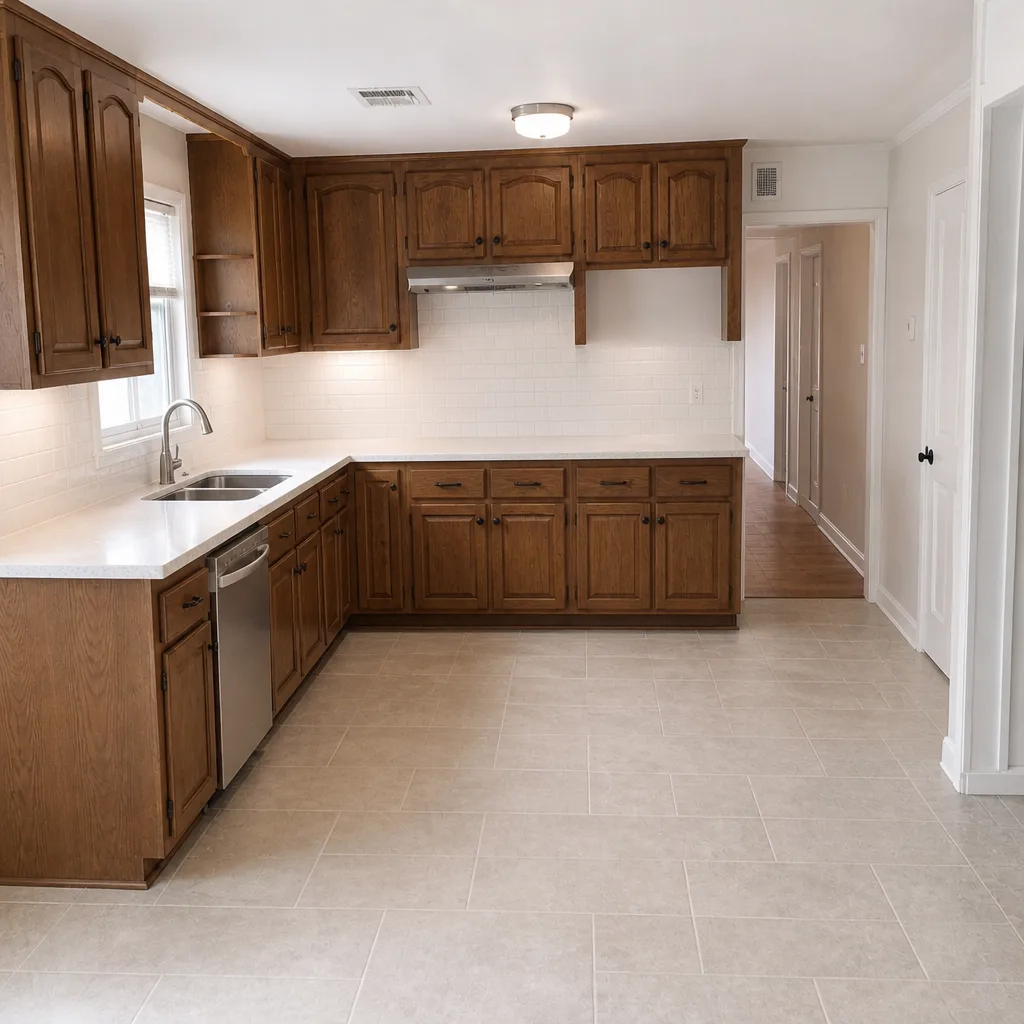 After
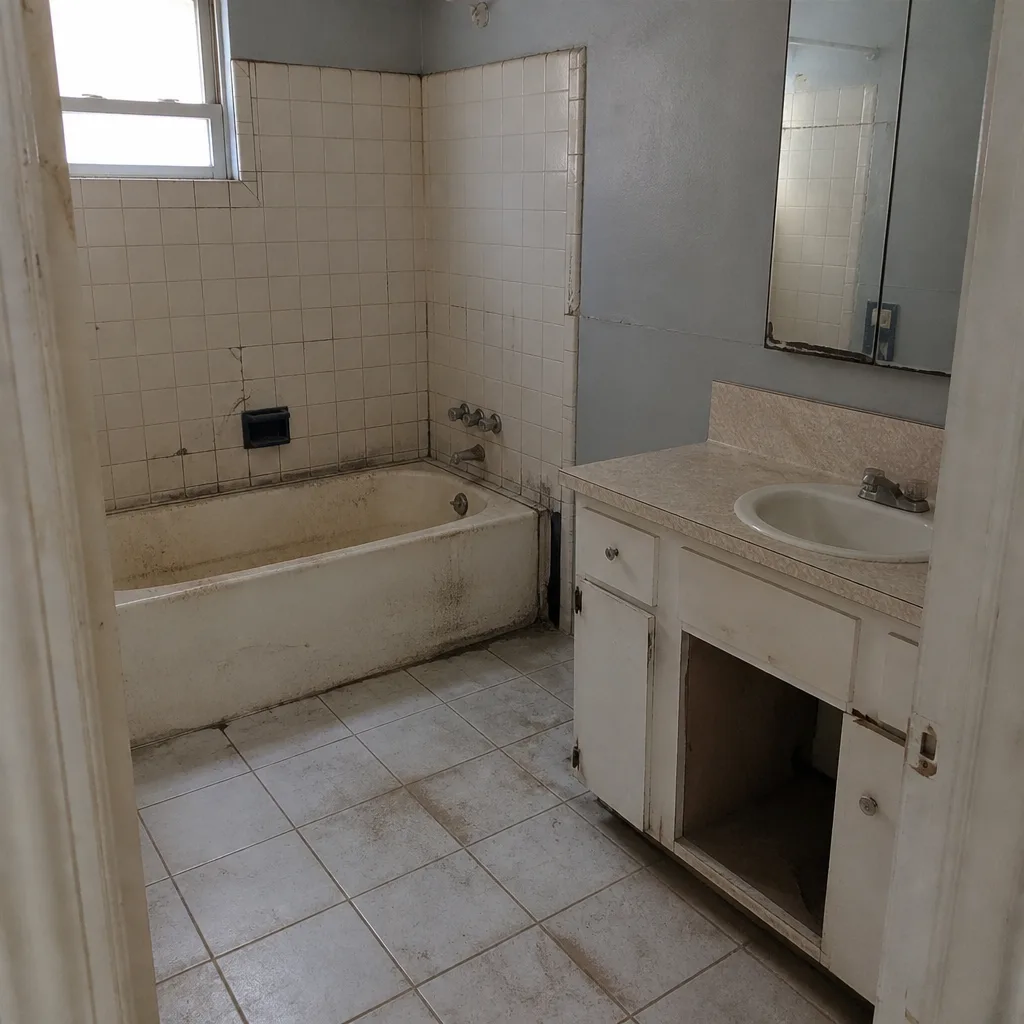 Before
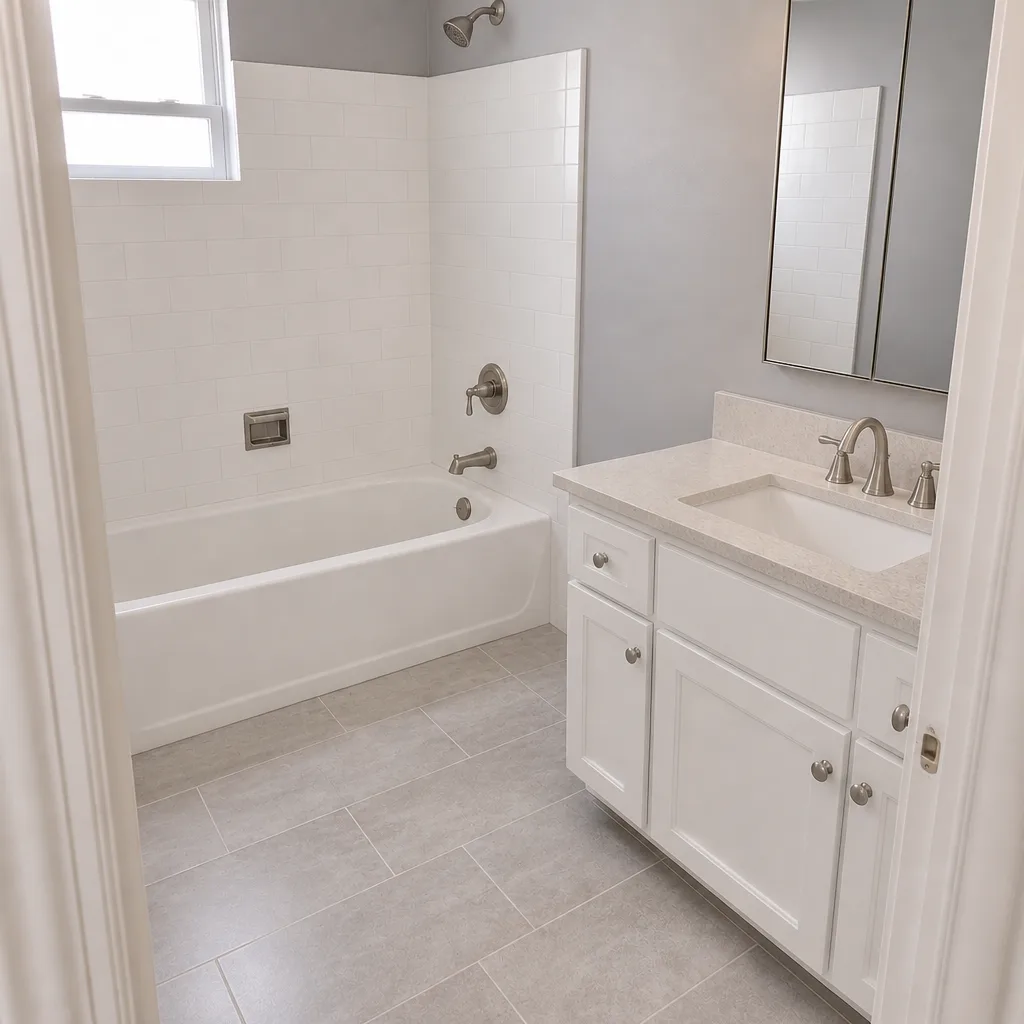 After
When to Call a Professional
If you’re planning an addition or ADU in Spring Valley, the right time to call is before you hire an architect. A builder who has submitted to Clark County dozens of times will tell you what the reviewers look for and what your design needs to include, which saves weeks on the back end. You should also call a professional if you’ve already got drawings and want a realistic construction estimate, if you’re weighing an attached addition against a detached ADU and aren’t sure which fits your lot and budget, or if you’ve been quoted a timeline that doesn’t match the phase windows in this guide and want a second opinion. Groundwork Construction Co. of Spring Valley offers free estimates in Spring Valley. Call (888) 329-9414 to schedule yours.
Frequently Asked Questions
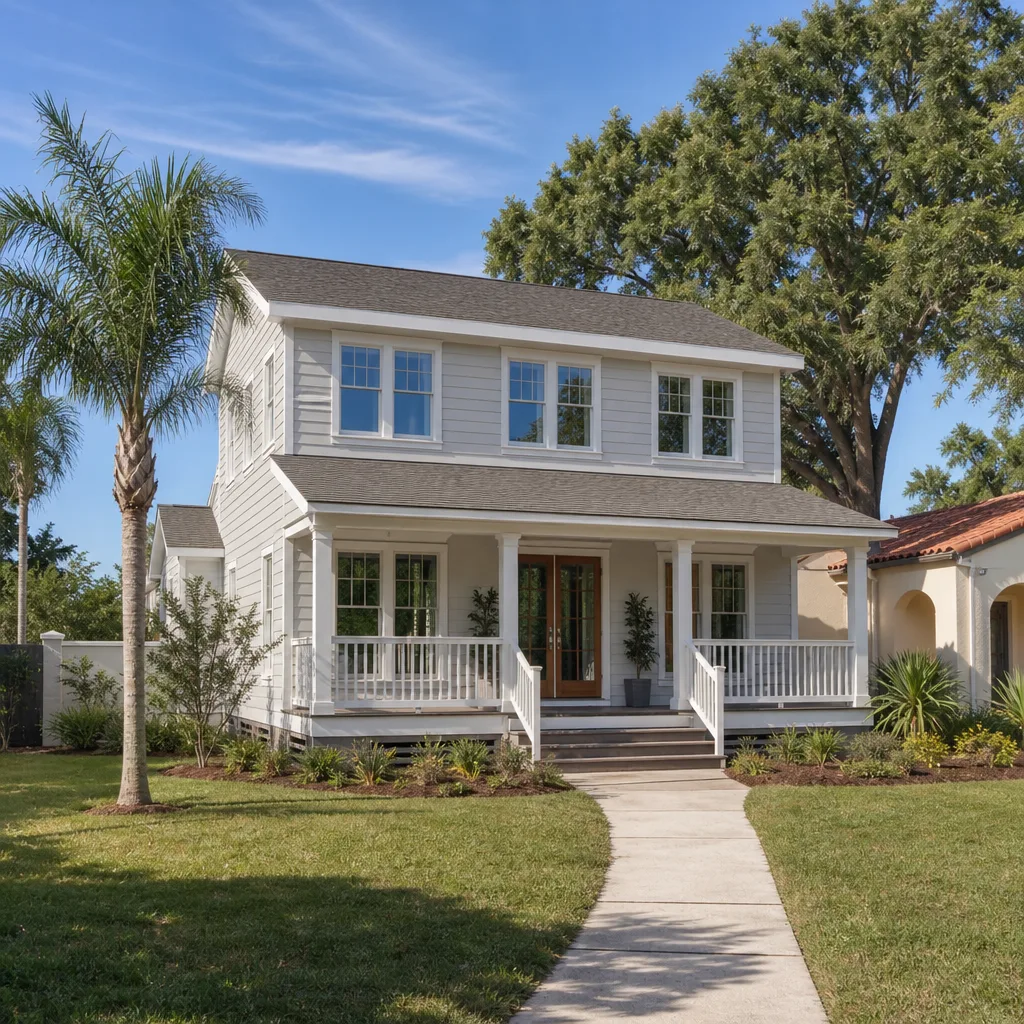
Plan on 9 to 16 months from first design meeting to move-in for an attached room addition in Spring Valley. That includes 4 to 10 weeks of design, 8 to 14 weeks of Clark County plan check on the first review, and 3 to 6 months of construction. If you only count construction, you’ll underestimate the real schedule by more than half.
Because they quote the construction phase only, and sometimes the best-case version of it. Plan check, correction cycles, HOA review, and long-lead material procurement get left out because those phases are harder to defend in a bid. Ask for a full-phase schedule in writing before signing, not just a construction duration.
First review on a residential addition with structural drawings runs 8 to 14 weeks in Clark County. Correction rounds add 4 to 8 weeks each. The number of rounds depends on drawing quality and how much detail your designer built into the first submission.
Costs vary by scope, finish level, site conditions, and whether the project includes utility upgrades. We provide free estimates with line-item pricing, and we do not change the number after the work starts unless you direct a change in scope. Call (888) 329-9414 for a free estimate and we’ll walk you through the numbers for your project.
Usually yes for an attached room addition, though the construction zone is contained with a barrier and utilities to the build area are managed. Second-story additions in Spring Valley are the hardest to live through because the work happens above occupied rooms. Detached ADUs are the easiest, since the build happens outside the house.
Spring and fall starts work well for exterior phases in the Spring Valley climate, because they let site work, foundation, and framing land in moderate weather. That said, your start date is set more by when the permit is issued than the calendar. Working backwards from your move-in target is more useful than picking a single season.
The Bottom Line
The honest timeline for a home addition in Spring Valley is 9 to 16 months; for an ADU, 10 to 18 months. Only the last 3 to 8 months are construction. The phases that get misquoted are design, plan check, and procurement, and those are the ones that decide whether your project finishes on the schedule. Better drawings mean fewer correction rounds. Earlier procurement means fewer waits. A contract that includes all four phases in writing means fewer surprises. Work backwards from your move-in date, and pick a design start that gives you the schedule you actually want. Then call Groundwork Construction Co. of Spring Valley to talk through your project with a builder who’ll give you the real numbers.
When you’re ready to move forward, Groundwork Construction Co. of Spring Valley offers a free project estimate and design consult, upfront pricing with no surprises, and the 730-Day Done Right Promise on every build. We’re reachable by a live person 24 hours a day, 7 days a week. Call (888) 329-9414 to schedule your free estimate.
Written by the team at Groundwork Construction Co. of Spring Valley.