
Free written scope consultation - allowances, timeline, and change-order rules on paper before a single trade is scheduled
Styles & brands we work with
- Kitchen remodeling
- Bathroom remodeling
- Home additions & ADU
- Roofing
- Windows & doors
- Driveway & pavers
- Fence
See the difference
 Before
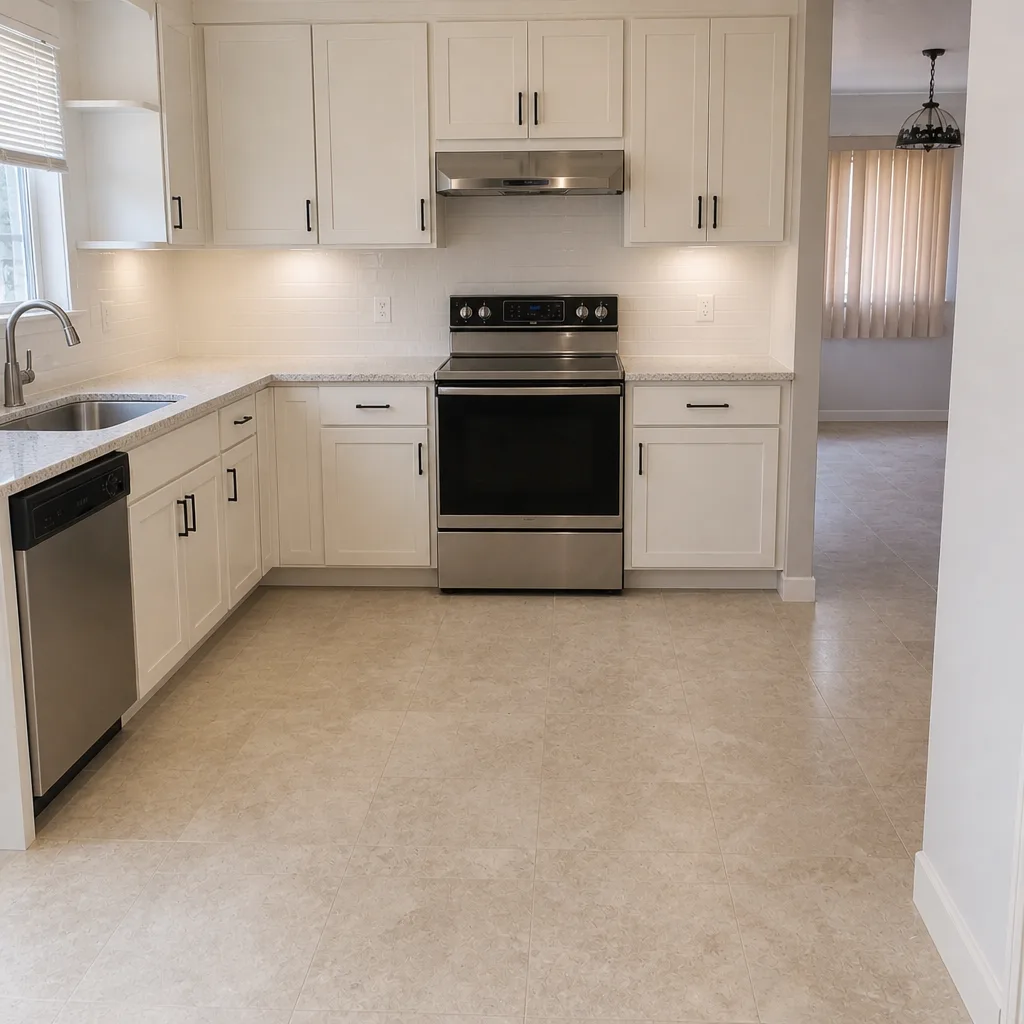 After
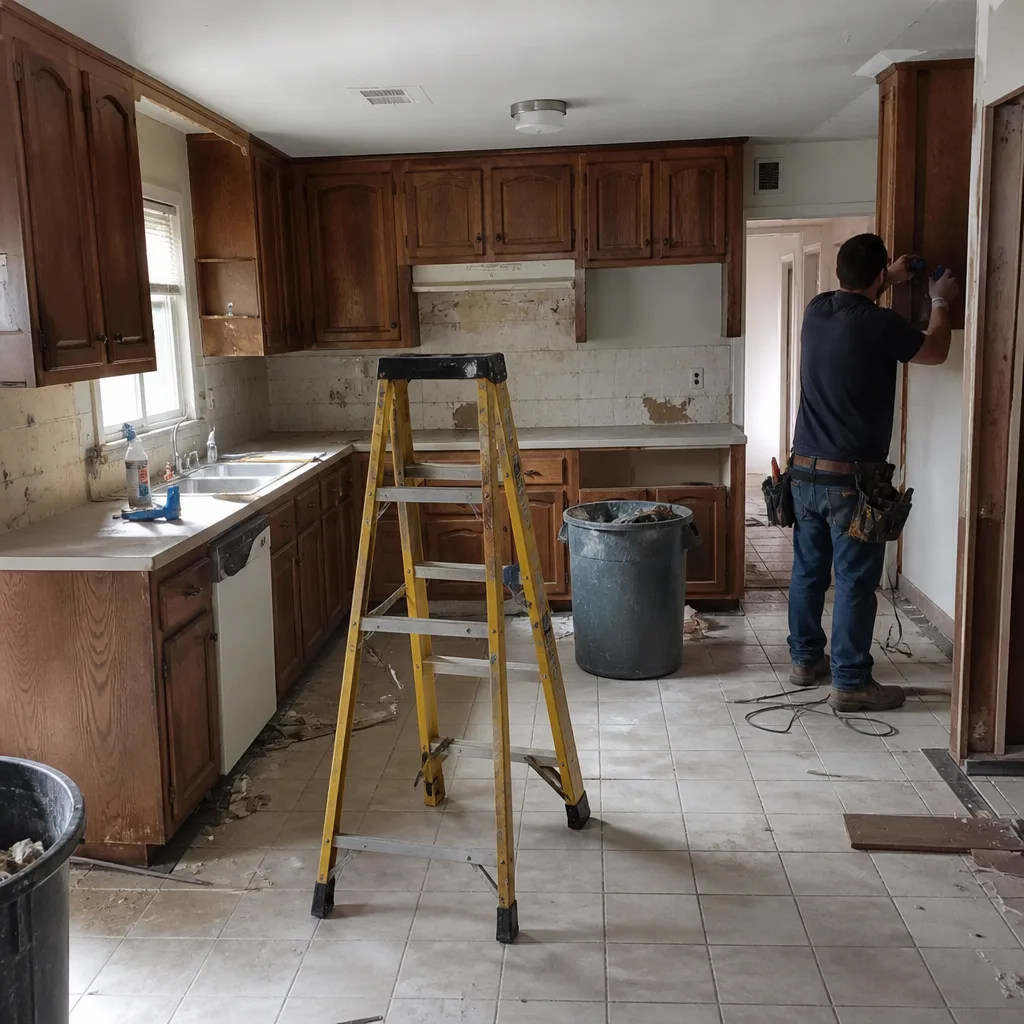 Before
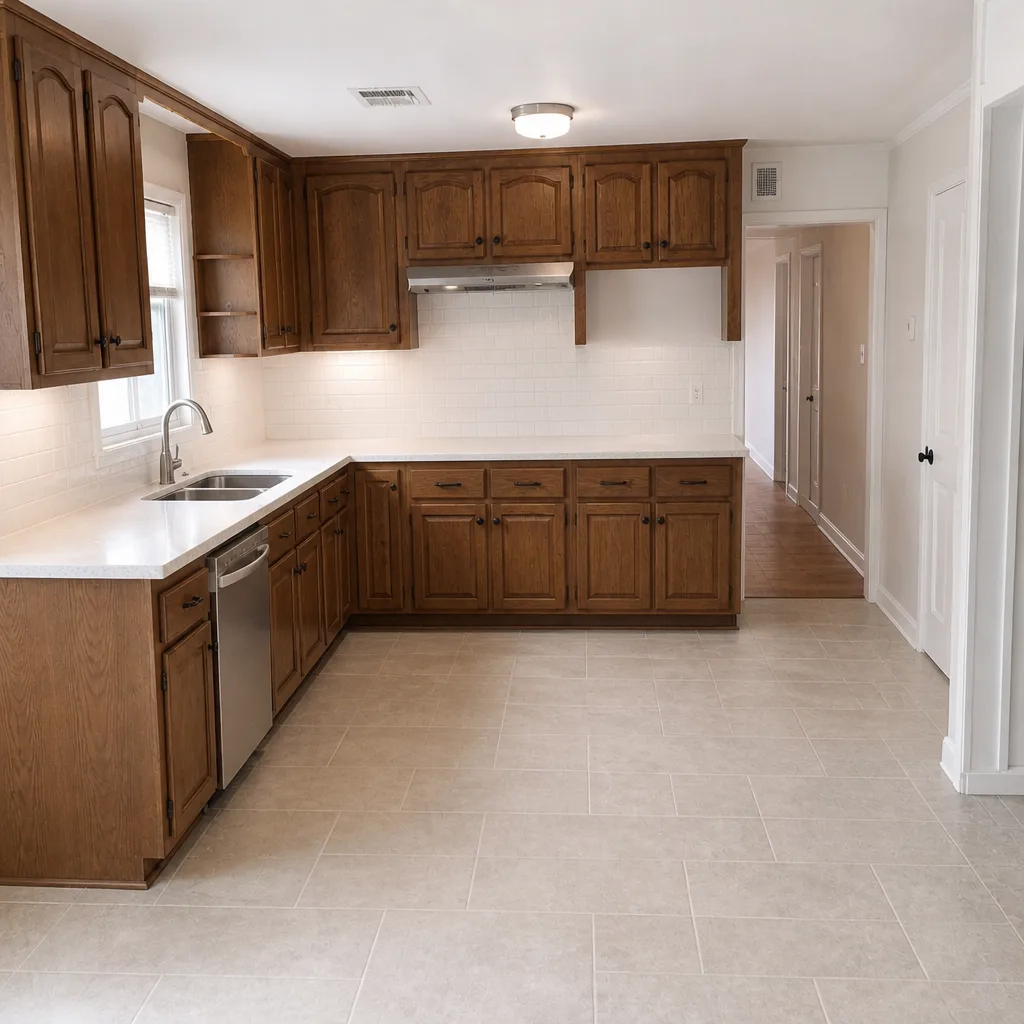 After
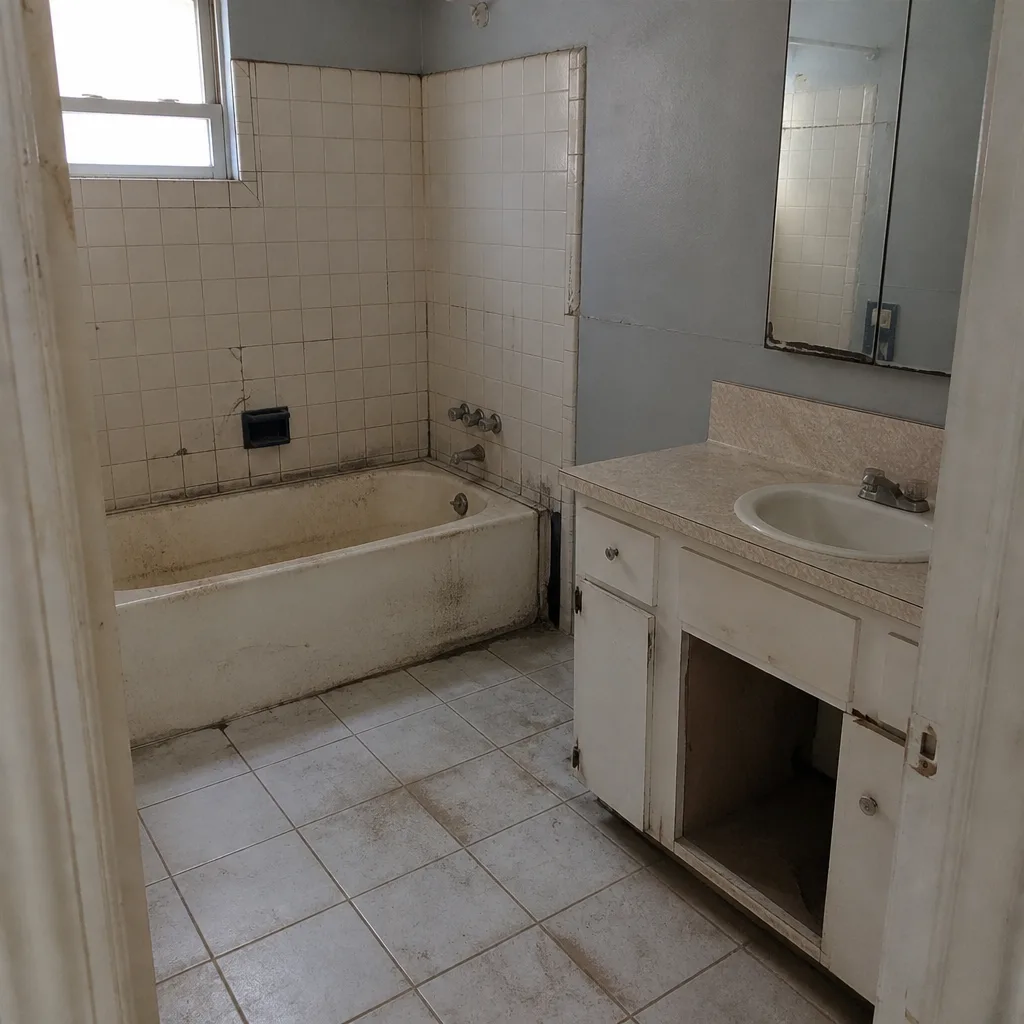 Before
 After
How Long Does a Roof Last in Spring Valley, NV? The Honest Answer for Mojave Conditions
The short answer: in Spring Valley, a concrete tile roof lasts 40-50 years on the tile itself but only 20-25 years on the underlayment beneath it, asphalt architectural shingles run 15-22 years instead of the 25-30 they advertise nationally, and standing seam metal holds past 40. That gap between the spec sheet and the actual roof over your head is what this page is about. Call (888) 329-9414 and we’ll tell you where your roof sits in that range.
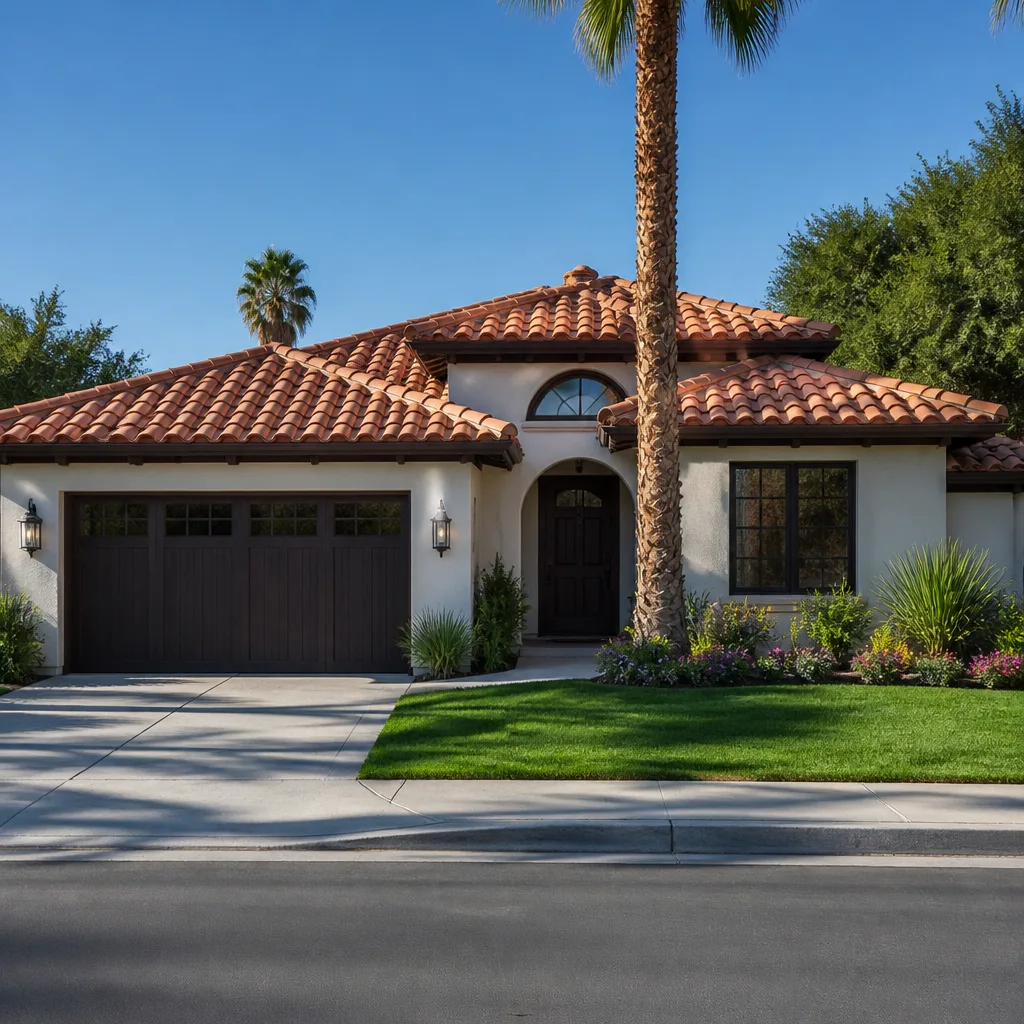
Spring Valley’s tract homes went up in the 1990s and 2000s with stucco walls and concrete tile at the edge of the Mojave. Most are now right at the age where the roof is entering its second act. We see it constantly on the western side of the valley near Rhodes Ranch, where summer highs top 110°F, winter nights drop near freezing, and the ground itself moves.
Why Every Material Ages Faster in Spring Valley Than Its Rating Suggests
National lifespan figures get tested in places where the weather gives materials a break. Spring Valley doesn’t offer one. Three degradation mechanisms run at the same time here, and no single standard captures all three together.
- UV intensity: Mojave sun pounds roofing surfaces at roughly 2,300 feet elevation. Shingle granules, sealants, and flashing caulk break down on a clock that runs faster than a temperate-climate test room.
- Sustained heat: Roof decks bake through weeks above 110°F. Asphalt gets soft and loses granule adhesion. Sealants cure out and crack.
- Diurnal thermal swing: A Spring Valley roof can swing 40°F between afternoon and the following dawn. Every cycle moves materials a little. Over a decade, “a little” becomes a crack.
That third one is the quiet killer. Mortar joints at ridge caps, valley flashing, and pipe boots are rigid. Rigid things don’t like to flex. In Spring Valley they flex thousands of times over a roof’s life, and the joints are usually where a leak first shows up, not in the field of the roof.
Real-World Lifespans by Material in Spring Valley
Here’s how each material actually performs on Spring Valley housing, adjusted for our heat, sun, and swing. These are the numbers we plan around, not the ones on the brochure.
| Material | Observed lifespan in Spring Valley | National rating |
|---|---|---|
| Concrete tile (tile surface) | 40-50 years | 50+ years |
| Concrete tile (underlayment) | 20-25 years | Often not rated separately |
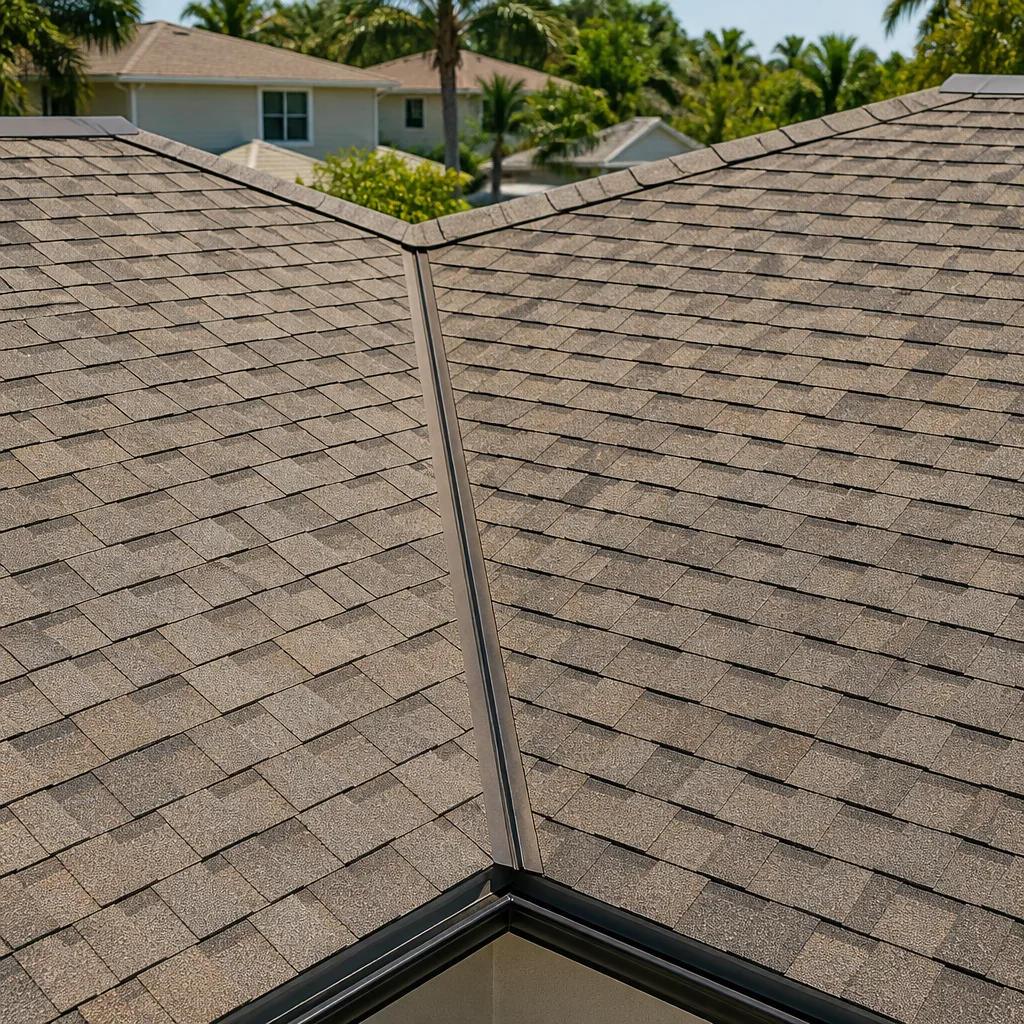
| Asphalt architectural shingle | 15-22 years | 25-30 years |
| Standing seam metal | 40+ years, minimal degradation | 40-70 years |
| EIFS/stucco roof interface flashing | 10-15 years before resealing | Varies widely |
The tile-versus-underlayment split matters more than any other line on that table. You can have 20 years of tile life left and a roof that’s already taking on water. If you’ve noticed ceiling stains after a monsoon, this mismatch is usually the reason. Our Roofing team checks the underlayment and flashing separately from the tile so you know which clock is actually running out.
The Underlayment Problem in Spring Valley’s 1990s Housing Stock
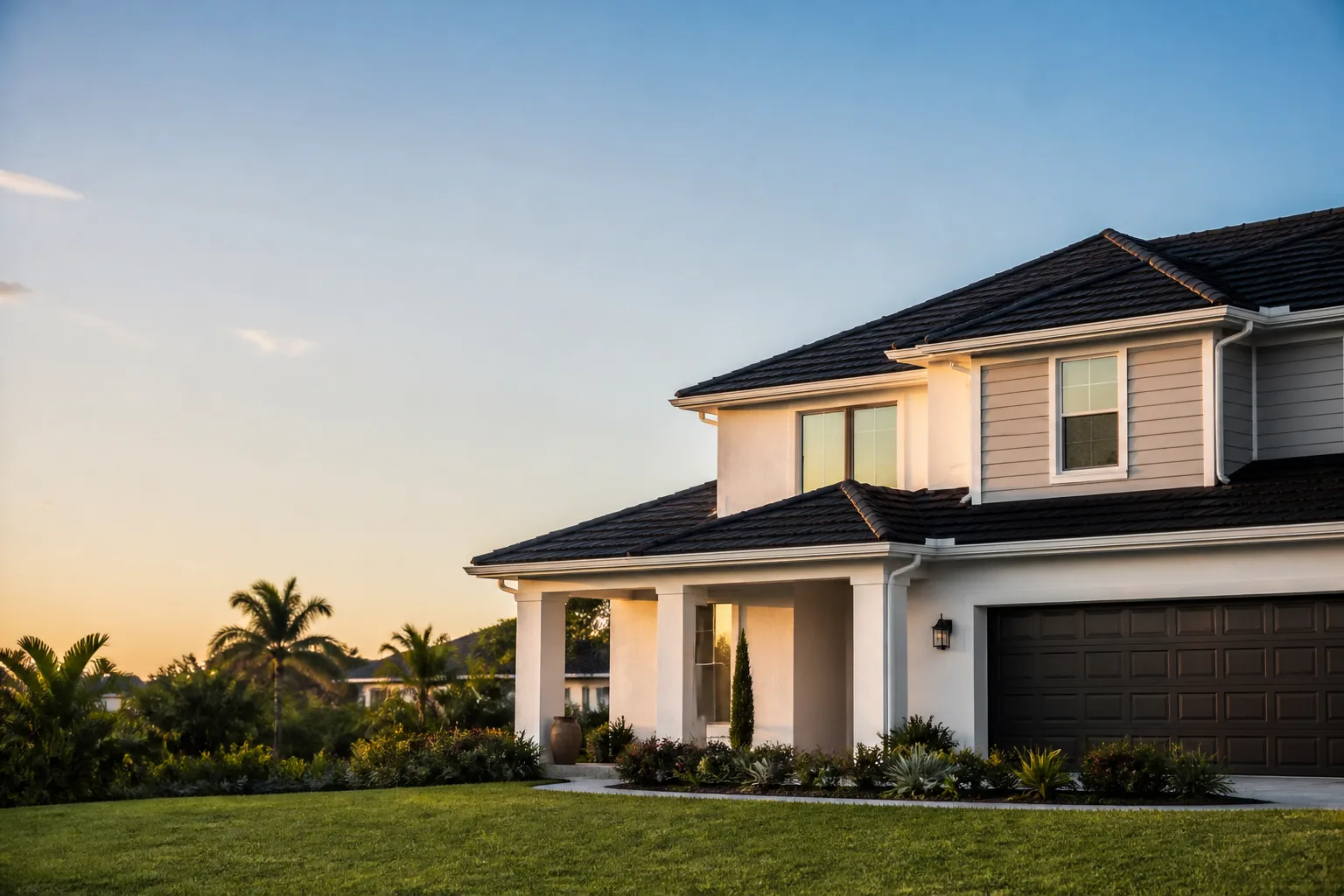
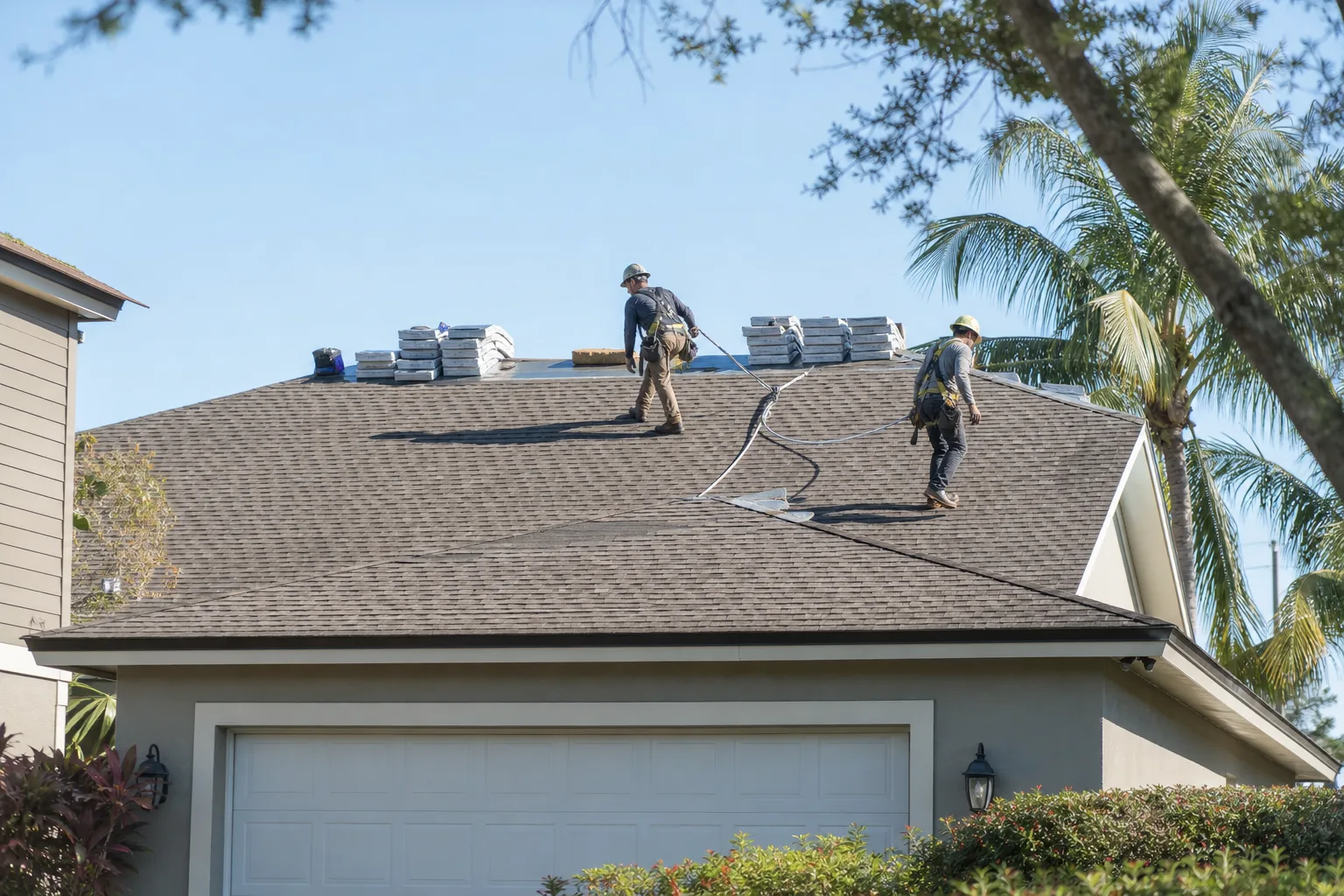
Walk through a Spring Valley subdivision built in 1996 and you’ll see tile roofs that look nearly new from the street. They often are nearly new on top. Beneath them, a 25-year-old synthetic or felt underlayment has likely spent its life cooking at 150°F-plus deck temperatures. It dries out, cracks, and stops shedding water.
That’s the trap. Homeowners budget for tile replacement and then learn the tile was never the problem. The smarter money in most Spring Valley cases goes to underlayment replacement under the existing tile, which is a different scope and a different line on the invoice than a full tear-off. A roof that fails early usually fails at the underlayment, the flashing, or a valley, not in the middle of the field.
What “Desert-Rated” Actually Means When You Read a Warranty
GAF and Owens Corning both sell high-heat or desert-rated lines, and the language is worth reading closely. Manufacturer warranties on shingles commonly exclude or prorate damage tied to extreme temperature exposure or installation over inadequate ventilation. A Spring Valley attic that hits 160°F in July can void coverage if the ventilation isn’t right, and that’s a detail most bids skip.
Read the warranty’s temperature and ventilation clauses before you sign a quote, and ask the installer how they’re addressing attic airflow. If a bidder can’t walk you through that, the 30-year warranty on the paper isn’t the warranty you’ll have in ten years. We use GAF and Owens Corning products precisely because their desert-rated documentation is specific enough to hold up when a claim comes up.
How We Test a New Roof for Spring Valley’s Climate
Here’s the operator detail that matters: two years is the real proving ground for any roof installed in Spring Valley. Within that window a new roof sees two full summer heat cycles, two monsoon seasons, and some of the widest day-to-night swings of the year. If flashing was set wrong, or a valley was underlapped, it usually shows up in that span.
That’s the logic behind the 730-Day Done Right Promise. If a roof we install fails to perform within two years in this climate, we make it right. It’s one of the longest workmanship guarantees in the residential construction space, and it’s written for exactly the kind of thermal and monsoon stress Spring Valley throws at a roof. Upfront pricing means the number you see is the number you pay.
Common Local Scenarios We See in Spring Valley
Tile looks great, ceiling stains after monsoon. Almost always an exhausted underlayment or a failed valley flashing, not the tile. Tile roof repair runs $600-$2,500 depending on scope; full roof replacement lands $8,000-$20,000. Fix the flashing before you consider the tile.
Shingle roof at 18 years with bald patches and granule loss in the gutters. At that age in Spring Valley, repair rarely pays. The surface is gone. Standing seam metal at $15,000-$40,000 is the long-horizon move; metal degrades very little here compared to asphalt.
Stucco-to-roof transition leaking at the flashing. EIFS and stucco interfaces typically need resealing by 10-15 years in this climate. Left alone, water gets behind the stucco and the repair grows into a stucco job, not a roofing job.
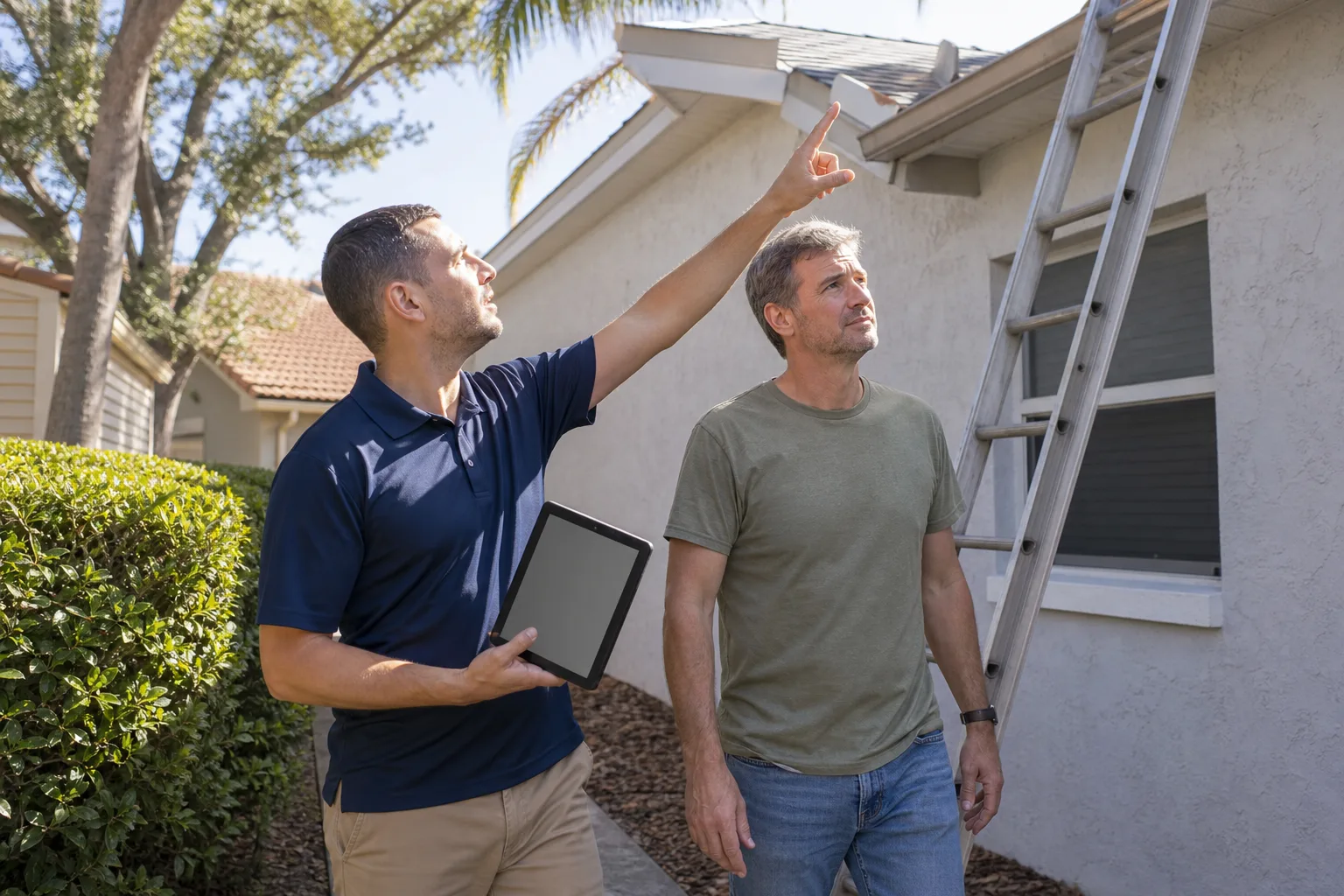
If you’re not sure which scenario you’re in, a quick inspection tells you. Roof repair runs $400-$1,800 and often saves the roof; waiting usually doesn’t. You can also learn more about how we handle the broader Spring Valley service area.
FAQs
Concrete tile lasts 40-50 years on the tile but 20-25 on the underlayment, asphalt shingles run 15-22 years, and standing seam metal holds 40+ years. The heat, UV, and daily thermal swing all shorten lifespan compared to national figures. Call (888) 329-9414 for a free assessment of where your roof sits.
In most Spring Valley homes built in the 1990s, replacing the underlayment under sound tile costs far less than a full tear-off and solves the leak. The tile rarely fails first. Replacement runs $8,000-$20,000 when the tile itself is done. Call (888) 329-9414 and we’ll tell you which one your roof actually needs.
Roof replacement in Spring Valley typically runs $8,000-$20,000, tile roof repair $600-$2,500, and metal roof installation $15,000-$40,000. Financing at 0% for 18 months and $1,000 off projects over $10,000 make the bigger jobs easier to plan. Call (888) 329-9414 for an upfront quote.
Our calls are answered by a live person around the clock, so you can reach us any time. Most Spring Valley roof inspections get scheduled quickly, and a repair often starts the same visit. Call (888) 329-9414 to get on the schedule.
If you’d rather have it looked at, Groundwork Construction Co. of Spring Valley offers a no-pressure assessment in Spring Valley. We’ll tell you how much life your roof has left and what the fix costs. Call (888) 329-9414. The estimate and design consult are free.
Written by the team at Groundwork Construction Co. of Spring Valley, serving Spring Valley, NV.