Last updated November 17, 2026




Free written scope consultation - allowances, timeline, and change-order rules on paper before a single trade is scheduled
The Complete Guide to Construction in Spring Valley
Spring Valley is one of the fastest-growing unincorporated communities in Nevada, yet most construction guides treat it like generic Las Vegas suburbia. That mistake costs homeowners real money. A homeowner in Rhodes Ranch can spend four months waiting on a permit the City of Las Vegas would have turned around in six weeks, because Spring Valley answers to Clark County instead. Another in Spanish Trail gets a fence installed without HOA architectural review, then fields a violation letter and an order to tear it down.
This guide maps the actual terrain: how Clark County permitting works here, which projects trigger HOA review, how caliche soil changes foundation and grading decisions, how the summer heat reshapes the construction calendar, and where full-scope contractors beat trade-only subs. If you’re planning a kitchen remodel, a roof replacement, an ADU, or a driveway redo in Spring Valley, this is the planning document to read before you sign anything.
Quick Answer
Construction in Spring Valley, NV runs through Clark County (not the City of Las Vegas) for permits, which typically adds review time compared to city jurisdictions, and most projects in the community’s common subdivisions also require mandatory HOA architectural review before work starts. Caliche-heavy Mojave soil affects grading and foundation costs, summer heat over 110°F constrains concrete work and crew scheduling, and because Spring Valley projects routinely cross multiple trades under one contract, full-scope contractors finish them more reliably than single-trade subs.
Styles & brands we work with
- Kitchen remodeling
- Bathroom remodeling
- Home additions & ADU
- Roofing
- Windows & doors
- Driveway & pavers
- Fence
Table of Contents
- Why Spring Valley’s County Status Changes Your Whole Timeline
- Which Projects Trigger Mandatory HOA Architectural Review
- Caliche, Grading, and What the Mojave Soil Means for Your Foundation
- Seasonal Construction Windows: Building Around 110°F Summers
- Full-Scope Contractors vs. Trade-Only Subs
- How to Plan a Spring Valley Project Step by Step
- What Construction Costs Look Like in Spring Valley
Why Spring Valley’s County Status Changes Your Whole Timeline
Spring Valley is an unincorporated town. It sits inside Clark County but outside the City of Las Vegas and outside Henderson, which means building permits, inspections, and code enforcement run through Clark County’s Department of Building & Fire Prevention rather than a municipal building department. This one fact reshapes everything about scheduling a project here.
County review queues behave differently from city queues. Plan review turnaround depends on which review group your project lands in, how complete the submittal is, and how many correction cycles you generate. In our experience, a residential remodel plan that comes back with corrections can add weeks, not days, because the resubmittal goes back into the review stream. A submittal that’s complete on the first pass moves much faster.
What that means for you in practical terms:
- Build permit time into the schedule before you order materials. Homeowners routinely buy cabinets or windows before the permit is issued, then sit on boxes for a month waiting on approvals.
- Verify your exact jurisdiction before you assume. Some addresses at the Spring Valley edges fall into different jurisdictions. Confirm with Clark County before your contractor pulls anything.
- Expect inspection scheduling to follow county availability, not your contractor’s calendar. A missed inspection slot can cost several days.
- Choose contractors who know the county process. A contractor who files incomplete submittals costs you time and money in resubmittals.
The good news: county permitting is straightforward when it’s done right the first time. If you’re weighing a major structural change like an addition, this matters even more, which is why our guide to Home Additions & ADU in Spring Valley walks through the county submittal side of adding living space.
Which Projects Trigger Mandatory HOA Architectural Review
Spring Valley’s most common subdivisions, including the master-planned communities and gated neighborhoods that make up a large share of the housing here, enforce architectural review through their HOA. HOA architectural review is separate from the county building permit, and you need both. Skipping the HOA step can lead to a violation, a stop-work order, or a requirement to remove and rebuild work you already paid for.
Projects that almost always trigger architectural review in Spring Valley subdivisions:
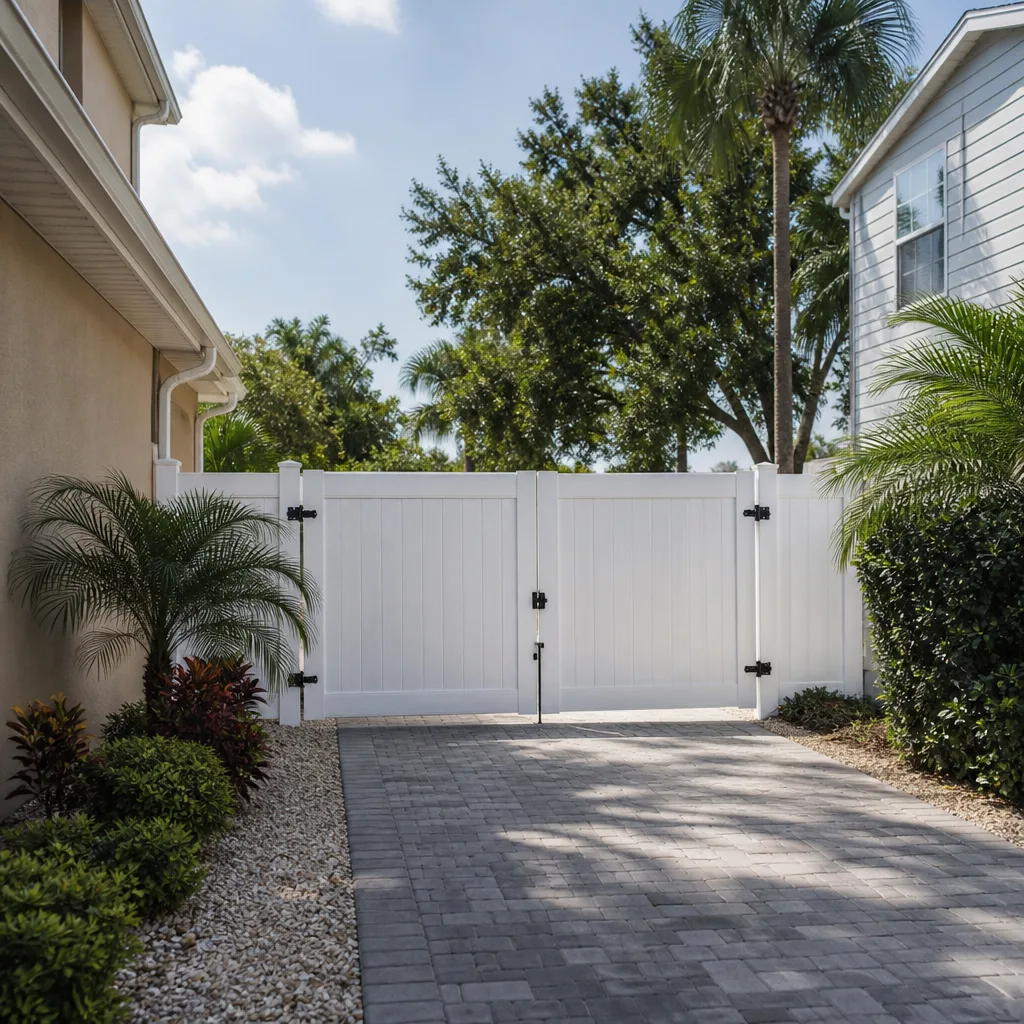
- Fence installation or replacement. Height, material, color, and style are typically governed. A six-foot block wall in the wrong finish gets flagged. See our Fence Installation in Spring Valley guide for how review typically plays out.
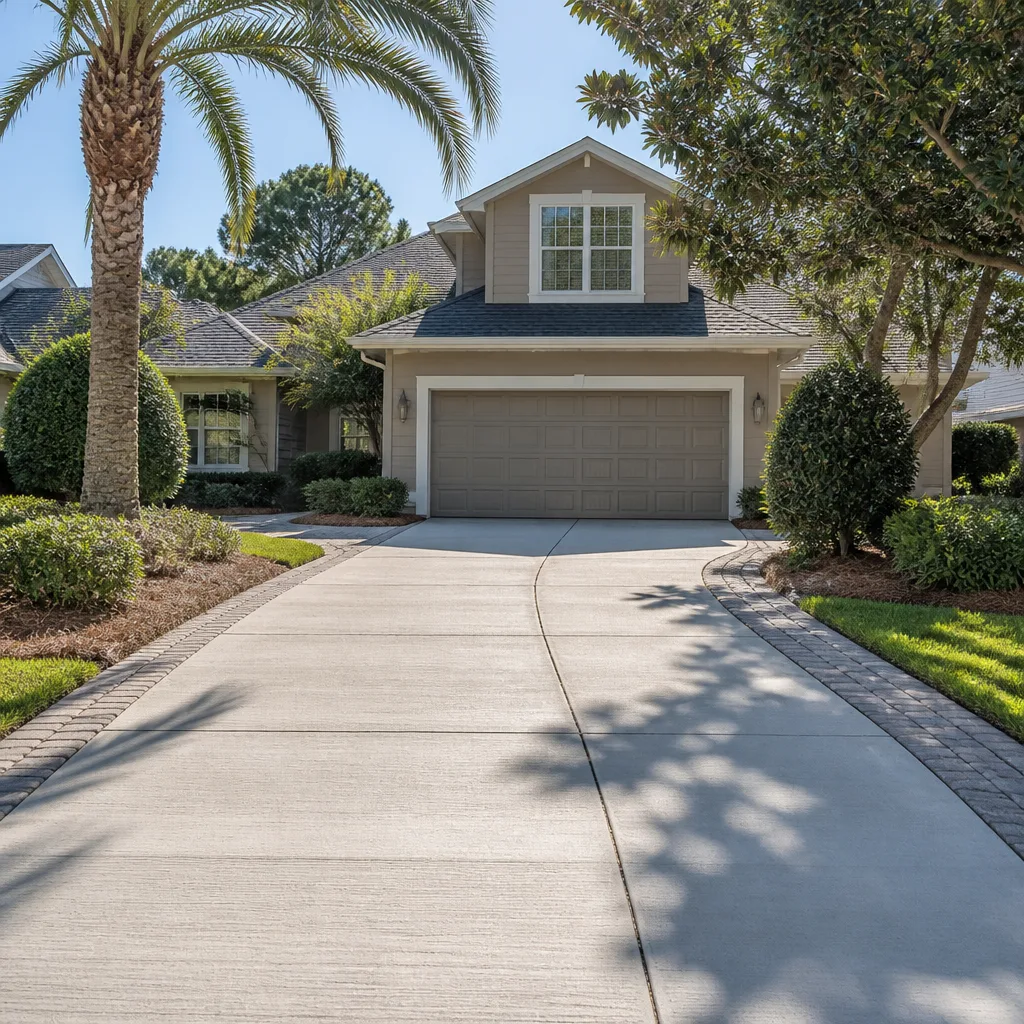
- Driveway replacement, widening, or paver conversion. Surface material, color, and footprint are commonly restricted. Our Driveway & Pavers in Spring Valley page covers what reviewers look for.
- Home additions, ADUs, and any change to the roofline or exterior footprint. Setbacks, height, and exterior finishes fall under review.
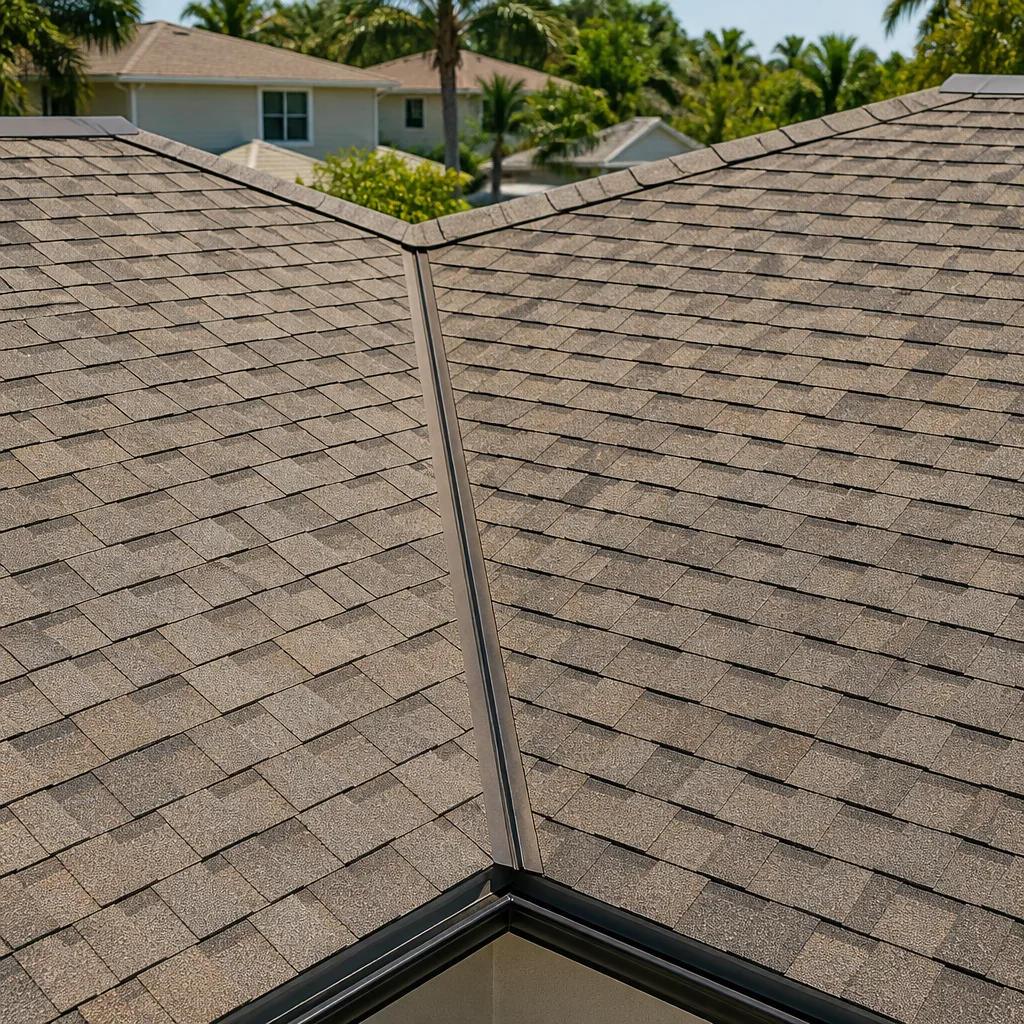
- Roof replacement where the color or material changes. A like-for-like asphalt shingle swap may be simpler, but a color change often isn’t.
- Window and door replacements that change the exterior appearance, including frame color or window style visible from the street.
- Any exterior structure, including pergolas, patio covers, sheds, and pool equipment screening.
The practical rule: get your HOA architectural application in early, in parallel with the county permit, not after. Review boards typically meet on a schedule, and some meet monthly. A submittal that misses a meeting date can push your project an entire month. Ask your contractor to prepare the drawings and specs the architectural committee needs in the same package as the permit submittal.
Caliche, Grading, and What the Mojave Soil Means for Your Foundation
Spring Valley sits on Mojave Desert ground, and that ground has caliche. Caliche is a natural cementation of calcium carbonate that forms hard, rock-like layers in the soil, sometimes near the surface and sometimes deeper. It is not unusual to hit it while excavating for a foundation, a pool, an addition footing, or even a paver base.
Caliche changes costs in concrete ways:
- Excavation is slower. Caliche layers often require heavier equipment or specialized breaking rather than simple digging. A footing excavation that would take a day on softer soil can stretch longer.
- Grading and drainage need real attention. Caliche can impede water percolation, which means drainage design has to account for how water actually moves on your lot. Poor drainage around a foundation is a long-term problem.
- Bids that ignored soil conditions come back as change orders. This is exactly the kind of surprise that upfront pricing is meant to eliminate. Ask any contractor whether their bid accounts for caliche.
- Paver and driveway base prep is affected. Proper base preparation over hard or uneven soil is what keeps pavers from settling. Cutting that corner shows up within a couple of seasons.
If you’re planning a driveway or hardscape, base preparation over this soil is a big part of the job, and it’s worth understanding before you compare quotes. For a foundation-level look at how grading decisions affect a full project, our Groundwork Construction Co. of Spring Valley home page lays out the full-scope, foundation-to-finish process.
Seasonal Construction Windows: Building Around 110°F Summers
Spring Valley summers routinely push above 110°F. That heat is not just uncomfortable for crews; it actively affects materials and scheduling. Planning around it is one of the most overlooked parts of building here.
How summer heat changes the construction calendar:
- Concrete curing. Concrete placed in extreme heat sets too fast and can lose strength or crack. Placement often happens early morning, and in some stretches, exterior concrete work slows or pauses until temperatures moderate.
- Material delivery and storage. Adhesives, sealants, paint, and some flooring products have temperature limits. Delivering and storing them in the heat can compromise performance. Good contractors plan deliveries and storage around the temperature.
- Crew scheduling. Exterior work like roofing, fence setting, and paver installation typically shifts to early starts. Roofing in particular is done with attention to surface temperature. This is why spring and fall are the heaviest exterior construction windows and why summer exterior jobs are planned carefully.
- Interior work is friendlier in summer. Kitchen and bathroom remodels are interior projects and can proceed through the summer with climate control inside the house.
The practical takeaway for Spring Valley homeowners: if you want a roof, fence, or paver project done in comfortable weather, book it in late winter or early spring. Summer isn’t impossible, but the schedule has to respect the heat.
Full-Scope Contractors vs. Trade-Only Subs
A Spring Valley project rarely stays inside one trade. A kitchen remodel touches demolition, framing, plumbing, electrical, drywall, tile, cabinetry, countertops, and finish work. A roof replacement may uncover decking issues that pull in carpentry. An addition touches everything. That’s the core reason a single full-scope contractor usually finishes a Spring Valley project more reliably than a stack of trade-only subs.
Here’s the difference in how the two models behave:
- Accountability. With trade-only subs, when something’s wrong, each trade points at another. With one full-scope contractor, one party owns the result, and one warranty covers the work.
- Scheduling. A full-scope contractor sequences trades against the county permit and HOA timeline. Trade-only subs schedule against their own availability, which is often the source of gaps and delays.
- Warranty coverage. Our work is covered by the 730-Day Done Right Promise, one of the longest workmanship guarantees in residential construction. If something isn’t done right, we make it right. Coordinating five separate trade warranties is a different experience.
- Material selection. A full-scope contractor works with a curated set of top-tier brand partners across trades. For a bathroom, that means fixtures from names like Delta or Toto and waterproofing systems like Schluter handled by the same team that sets the tile.
- Pricing clarity. One contract, one number, one line-item quote beats reconciling five separate bids with five different assumptions about what’s included.
Trade-only subs work well for a narrow, single-trade job, such as a standalone fence. But when a project crosses two or more trades and needs to clear county permitting and HOA review, the single-contractor model saves real time and, in our experience, real money.
How to Plan a Spring Valley Project Step by Step
Planning a construction project in Spring Valley follows a fairly predictable sequence. Working the steps in order keeps you out of the most common delays.
- Define scope and budget first. Decide what you want and a realistic budget range before you call anyone. Include a contingency line.
- Confirm your jurisdiction and HOA rules. Verify whether your address is under Clark County permitting and get your HOA’s architectural guidelines in hand.
- Get a written, line-item estimate. The number you see should be the number you pay. Ask what’s included and what triggers a change order.
- Submit the HOA architectural application and the permit package in parallel. Don’t run them in sequence. Most delays come from treating HOA review as an afterthought.
- Order long-lead materials once permits and HOA approval are in hand. Cabinets, custom windows, and specialty fixtures have lead times that can dominate the schedule.
- Schedule around the season. Exterior work in spring or fall, interior work through the summer heat.
- Confirm site prep for caliche. Make sure grading and excavation plans account for the ground you’re actually on.
- Build in inspection checkpoints. County inspections follow the work sequence; plan for them and don’t compress them out.
- Do the final walkthrough against the written scope. Then hold the contractor to the warranty if anything’s off.
If you’re comparing offers, our guide to driveway and paver work and our fence guide both walk through how a written scope protects you, and the same discipline applies to every project type.
What Construction Costs Look Like in Spring Valley
Construction costs in Spring Valley track the wider Las Vegas Valley market, with county permitting and caliche excavation as local cost factors. Every project is individual, so treat these as ranges for planning, not quotes. A written, upfront estimate is the only number that matters for your specific home.
- Bathroom remodel: a range from a cosmetic refresh up through a full gut-and-rebuild, with tile, waterproofing, and fixture upgrades driving the top of the range.
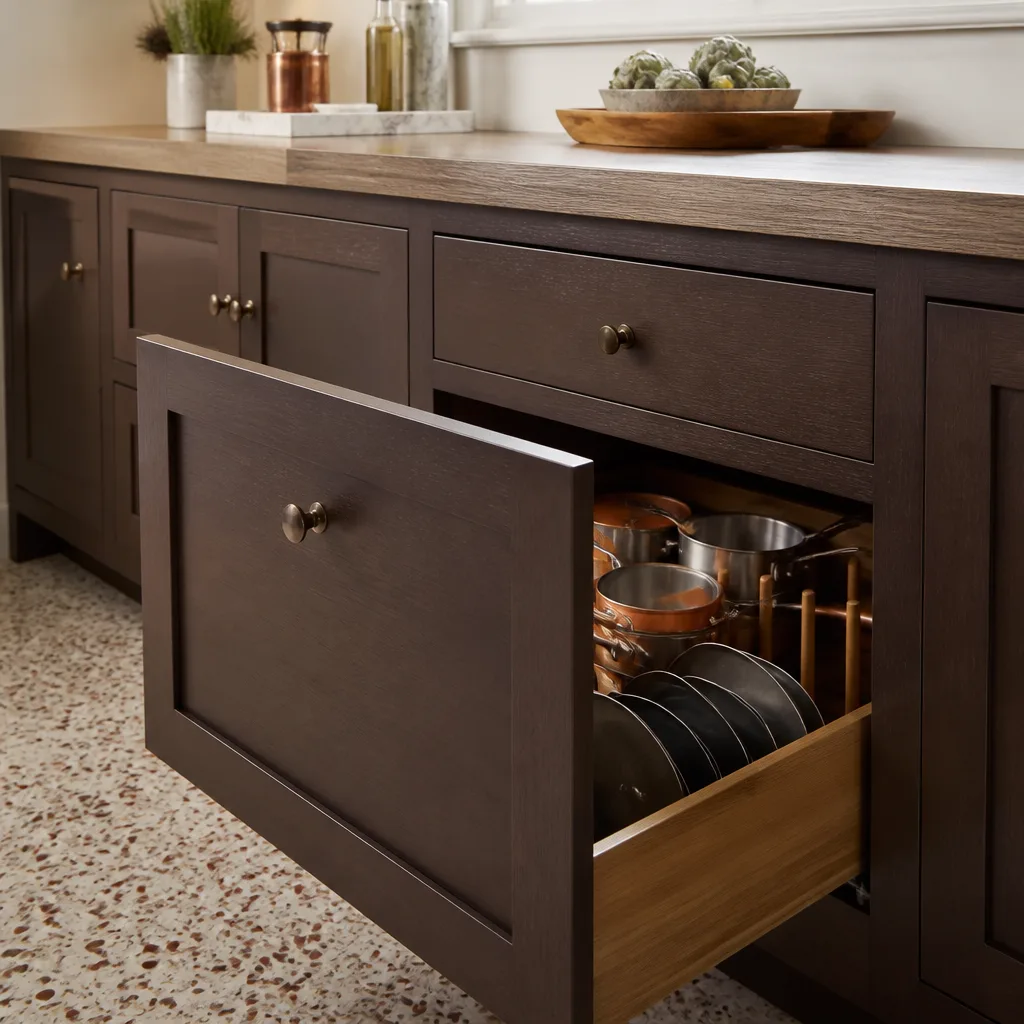
- Kitchen remodel: cabinetry, countertops, and layout changes are the big levers. Brand-tier choices in cabinets and stone move the number.
- Roof replacement: material choice, roof complexity, and any decking repair discovered during tear-off drive the range.
- Fence installation: material, linear footage, height, and whether a wall is being replaced all matter. HOA-approved styles can narrow the options.
- Driveway and pavers: base prep over caliche and surface area are the main cost factors.
- Home additions and ADUs: the widest range, driven by size, foundation conditions, and how much custom finish work is involved.
One advantage of a full-scope contractor here is financing. We offer 0% financing for 18 months to make a larger project manageable, plus $1,000 off projects over $10,000. That plus a free project estimate and design consult means you can get a real number before committing.
Common Mistakes to Avoid
- Assuming City of Las Vegas permitting. Spring Valley is Clark County. Filing with the wrong jurisdiction wastes time, and your project stalls.
- Ordering materials before permits or HOA approval. Homeowners in Spring Valley subdivisions who buy windows or cabinets early end up storing them for weeks and sometimes discovering the HOA required a different style.
- Skipping HOA architectural review because the county permit was approved. These are separate approvals. One doesn’t cover the other, and the violation letter is expensive.
- Taking the lowest bid that ignored caliche. Cheap estimates that assumed easy excavation come back as change orders once the crew hits the ground.
- Scheduling exterior work for peak summer. Concrete, roofing, and pavers in 110°F-plus heat can mean delays and compromised materials. Plan those for spring or fall.
- Splitting a multi-trade job across trade-only subs. When trades don’t coordinate, every trade blames the next, and you end up managing the project instead of the contractor.
- Accepting a verbal promise on warranty. A short or vague warranty is a red flag. A 730-Day Done Right Promise in writing means something.
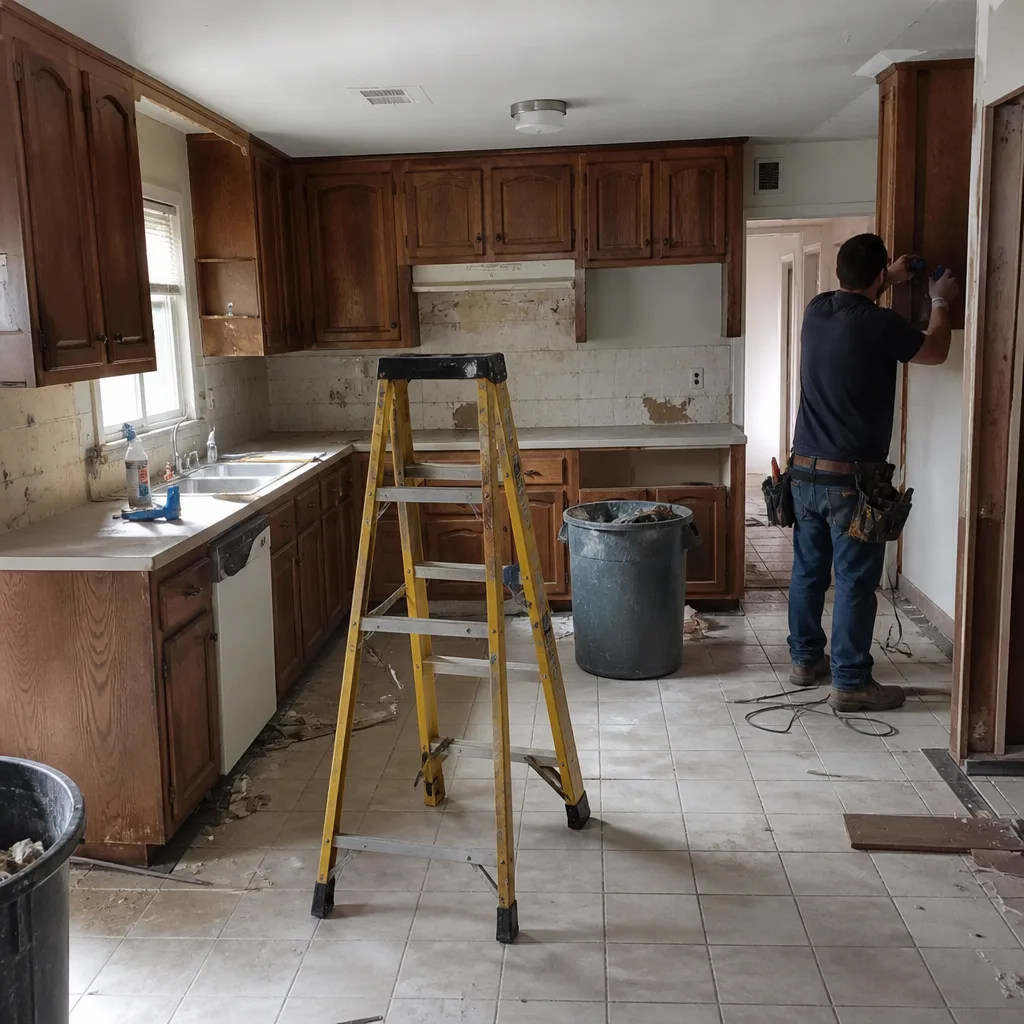
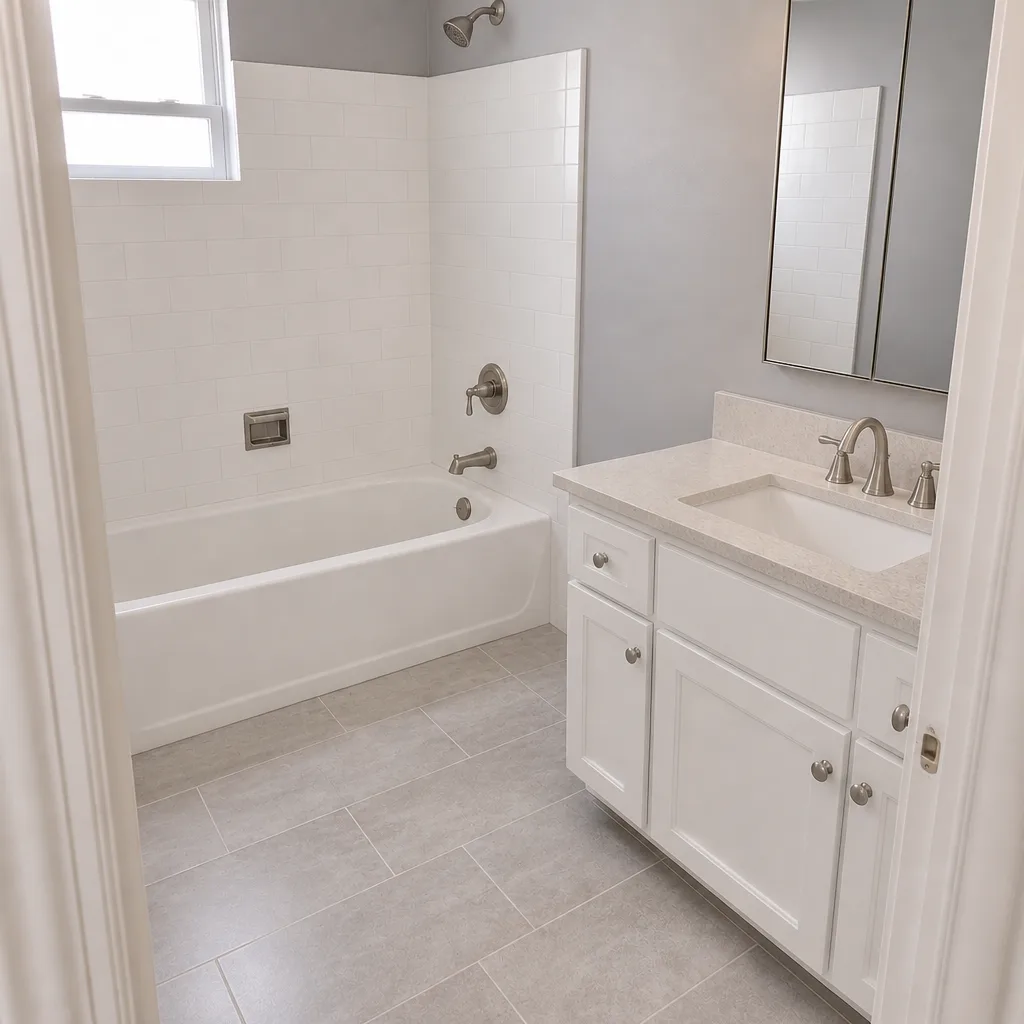
See the difference
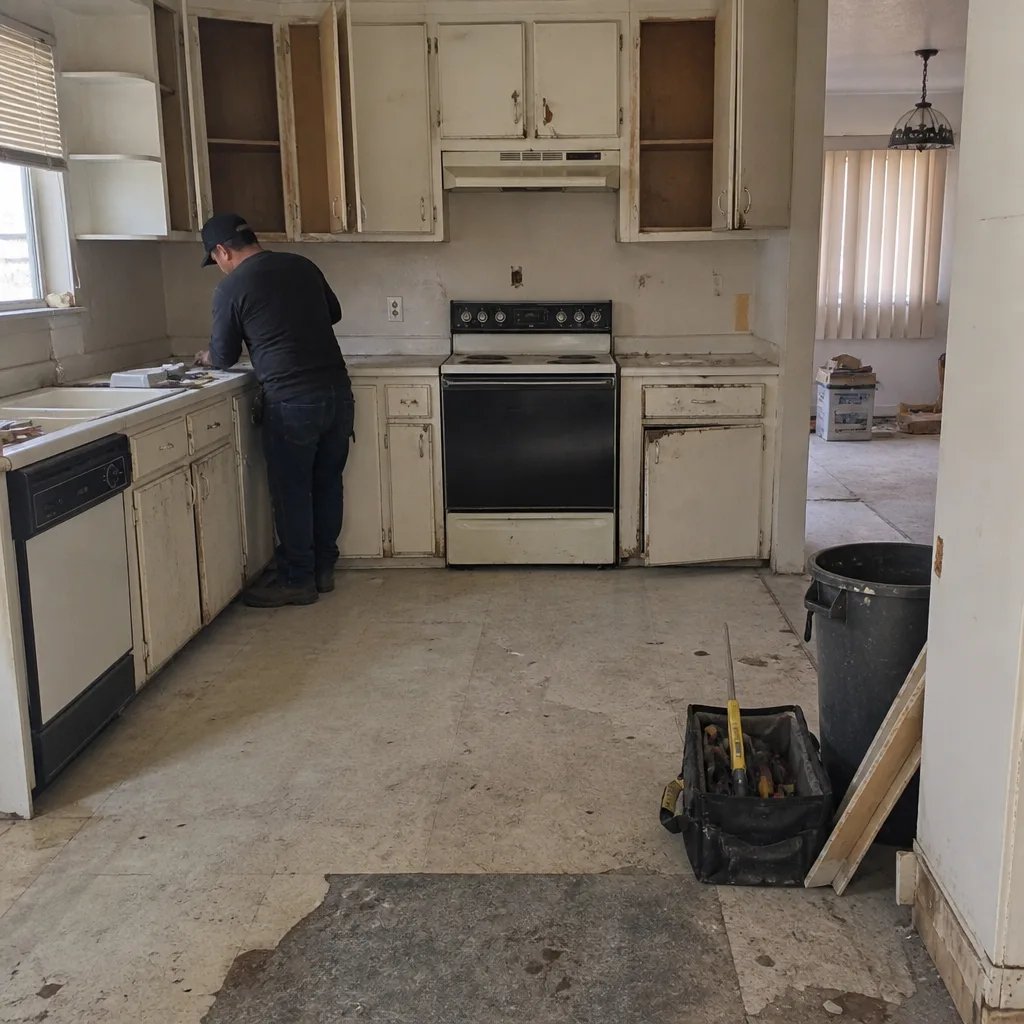 Before
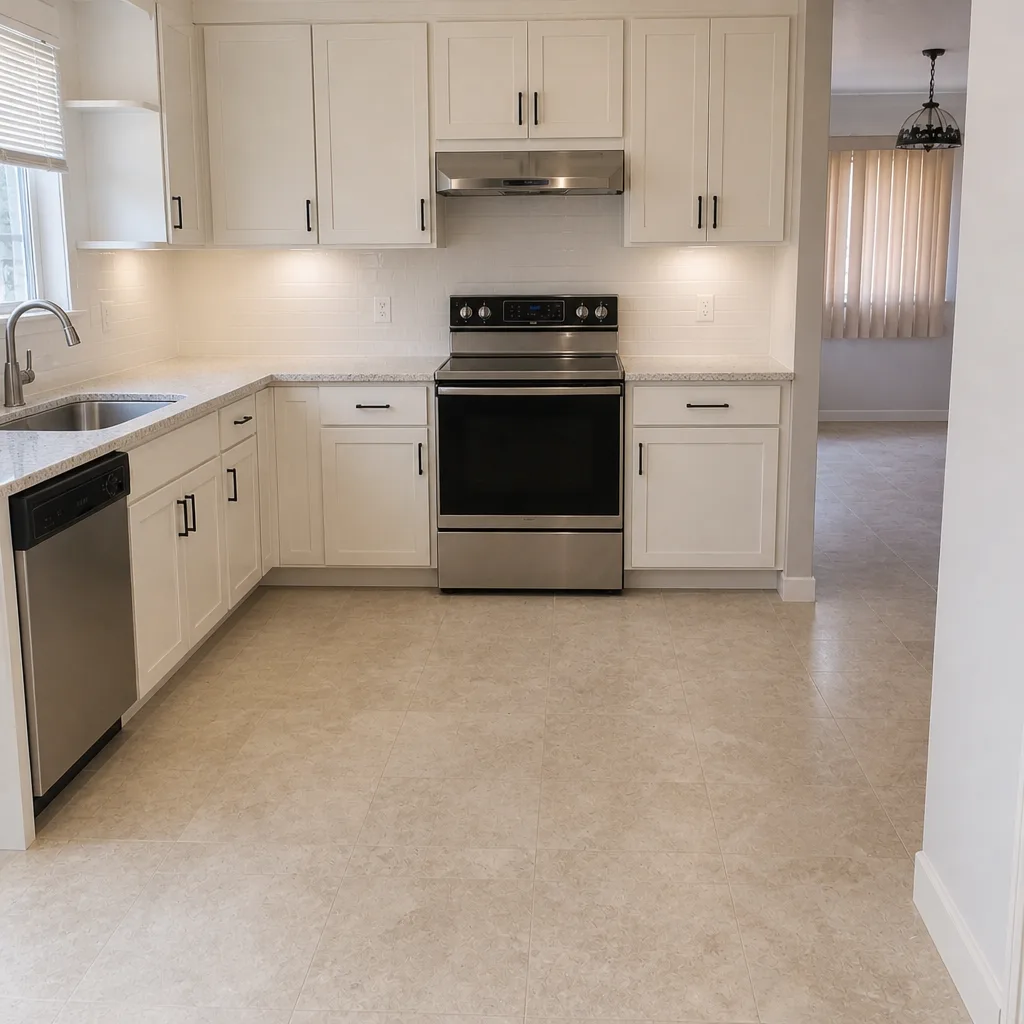 After
 Before
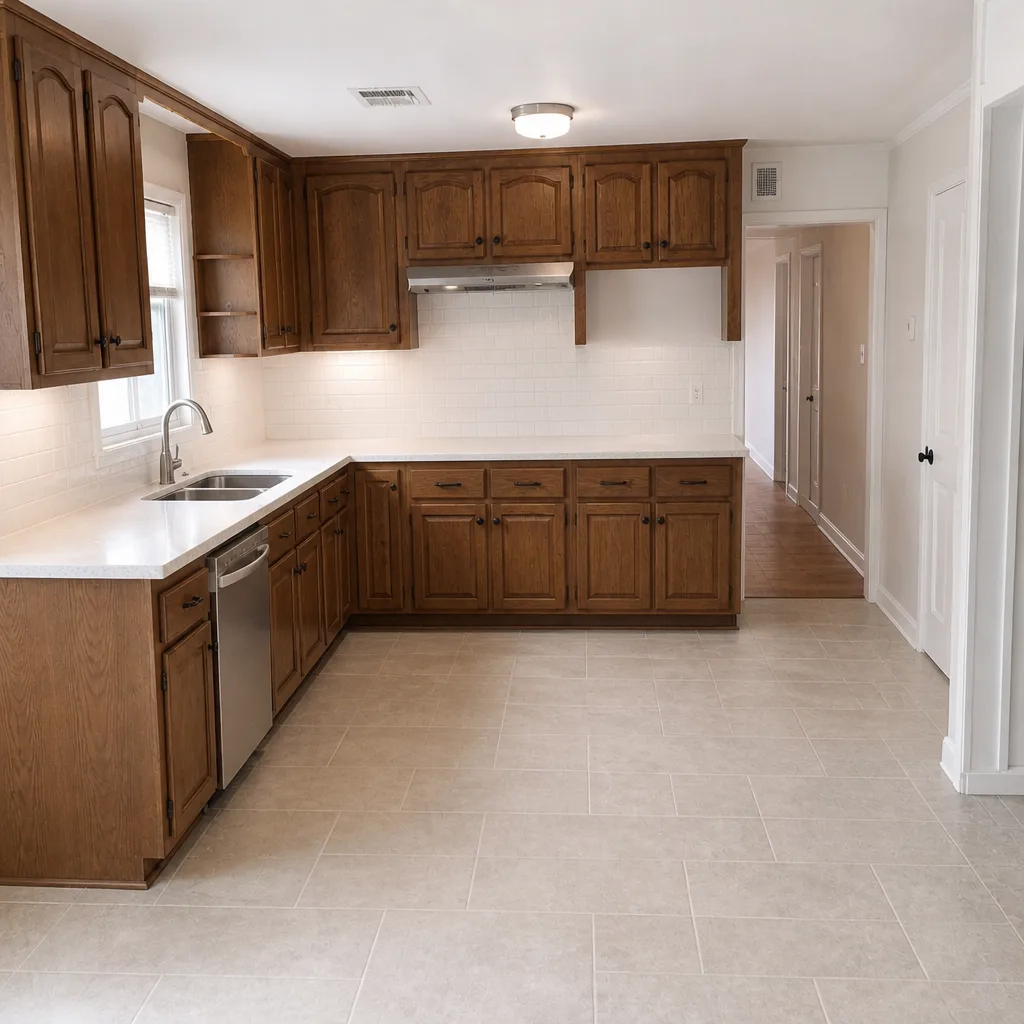 After
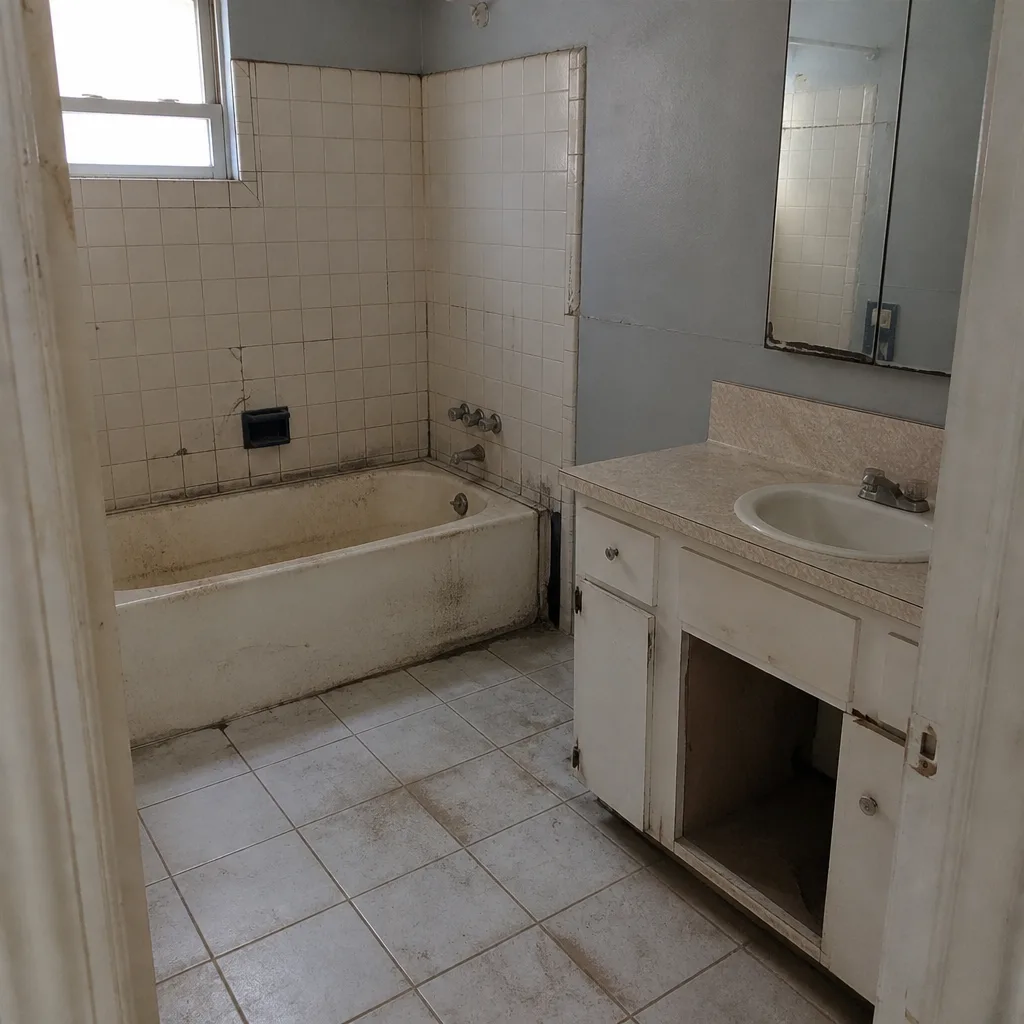 Before
 After
When to Call a Professional
Some projects genuinely need a licensed, full-scope professional. Call us when your project crosses multiple trades, when county or HOA approval is required, when you’re changing the footprint or roofline, when foundation or grading conditions are uncertain, or when a previous contractor left work incomplete or poorly done. Electrical, gas, and structural work should always go to a trained professional, and the most expensive mistakes we correct are the ones homeowners made trying to handle dangerous work themselves.
Groundwork Construction Co. of Spring Valley offers free estimates in Spring Valley – call (888) 329-9414. Calls are answered by a live person 24/7, our technicians have up to 12 years of experience, and every job is covered by the 730-Day Done Right Promise.
Frequently Asked Questions
Spring Valley is an unincorporated town, so permits, inspections, and code enforcement run through Clark County, not the City of Las Vegas. That distinction matters because county review queues behave differently than city queues. Call (888) 329-9414 for a free estimate and we’ll help you confirm your jurisdiction.
In most Spring Valley subdivisions, yes. Fences, driveways, and pavers typically require HOA architectural review in addition to any county permit, and the two approvals are separate. Get the architectural application in early and in parallel. Call (888) 329-9414 for a free estimate.
Caliche is the hard, cement-like layer in Mojave soil, and it slows excavation and complicates grading. That affects foundation, driveway base, and addition footing costs. A credible bid accounts for it upfront instead of surprising you mid-project. Call (888) 329-9414 for a free estimate with real pricing.
Spring and fall are the most reliable exterior windows. Concrete curing, roofing, and paver work are all affected by summer heat over 110°F, so those projects go smoother in milder months. Interior remodels can proceed year-round with climate control. Call (888) 329-9414 for a free estimate and scheduling help.
With upfront, no-hassle pricing, the number you see is the number you pay, and a written, line-item quote spells out what’s included. Structural surprises in old walls can happen to anyone, but a good contract defines how those are handled before the first hammer swings. Call (888) 329-9414 for a free estimate.
Yes. A full-scope contractor pulls the county permit and coordinates the inspection schedule, and handles the HOA architectural submission alongside it. One contractor, one point of accountability. Call (888) 329-9414 to schedule your free estimate.
The Bottom Line
Construction in Spring Valley rewards planning and punishes assumptions. Confirm you’re under Clark County permitting, not Las Vegas. Get HOA architectural review running in parallel with the permit, not after it. Account for caliche in grading and excavation bids. Schedule exterior work around summer heat instead of fighting it. And choose a full-scope contractor who owns every trade under one written scope and one warranty. Do those things and your project finishes on schedule and on budget. Skip them and you’ll spend months fixing what should have been done right the first time. Call Groundwork Construction Co. of Spring Valley at (888) 329-9414 for a free estimate.
Written by the team at Groundwork Construction Co. of Spring Valley.