
Last updated November 17, 2026






Free written scope consultation - allowances, timeline, and change-order rules on paper before a single trade is scheduled
Seasonal Construction Care for Spring Valley: Year-Round Homeowner’s Guide
Spring Valley’s monsoon season drops moisture on surfaces that have been baked and contracted by months of dry heat. That combination, not the rain itself, is what splits grout lines, buckles pavers, and damages exterior coatings. Rain falling on a cool roof is a different event from rain hitting stucco that’s been sitting at 150°F for eight weeks. The material stress comes from the swing, not the water. This guide walks through what each part of the Spring Valley year actually does to a house, when to inspect, what to fix before the next season starts, and how to keep records that protect you when you file a warranty claim or an insurance claim. It’s built for homeowners who want to get ahead of the problem instead of reacting to it.
Quick Answer
Spring Valley homes need four distinct seasonal checkpoints, not one annual inspection: a pre-monsoon pass in May-June (drainage, grading, sealant, concrete joints), a post-monsoon assessment in September (foundation drainage, stucco, flatwork), winter checks focused on the 28-38°F overnight lows that crack materials homeowners assume are desert-proof, and a spring UV and wind prep before the dry season stresses everything again. Skipping any one of these windows lets the damage from the previous season compound into the next.
Styles & brands we work with
- Kitchen remodeling
- Bathroom remodeling
- Home additions & ADU
- Roofing
- Windows & doors
- Driveway & pavers
- Fence
Table of Contents
- Why Spring Valley Seasons Break Homes Differently
- The Pre-Monsoon Checklist (May-June)
- The Post-Monsoon Assessment (September)
- Winter Care for Spring Valley’s Overnight Lows
- Spring UV, Wind, and Freeze-Damage Detection
- Building a Maintenance Log That Holds Up
- Which Trades to Call for Which Season
- Common Mistakes to Avoid
- When to Call a Professional
- Frequently Asked Questions
Why Spring Valley Seasons Break Homes Differently
Spring Valley sits in a high-desert basin where humidity averages in the teens for most of the year and then spikes fast during the July-September monsoon window. That’s the core problem. Materials in a Spring Valley home spend nine months shrinking in dry heat and three months absorbing water and swelling. Wood, stucco, sealant, concrete, and even paver joint sand all respond to that cycle. Most of the damage we see on Spring Valley homes isn’t from a single catastrophic event. It’s from repeated expansion and contraction that opens a hairline crack in year one and becomes a real leak in year three.
The temperature swing between November and February is the second factor. Spring Valley routinely drops to the high 20s and low 30s overnight and climbs back into the 50s and 60s by afternoon. That freeze-thaw cycling, repeated dozens of times per winter, is what pops exterior tile, opens grout lines, and cracks poorly mixed stucco. Homeowners who moved here from cooler climates assume “desert” means “nothing freezes.” It does freeze, and it freezes in a way that’s more punishing than a long, steady cold because the material never gets a chance to stabilize.
The third factor is UV load. Spring Valley gets roughly 290 sunny days a year, and the spring and fall sun is just as intense as summer. Any exterior coating, sealant, or finish that isn’t UV-rated will chalk, fade, and fail faster here than almost anywhere else in the country. When we assess a Spring Valley home’s exterior, we’re looking for three things on every surface: how it handled last dry season, how it handled last monsoon, and how it handled last winter’s freeze-thaw. Each one leaves a different signature.
The Pre-Monsoon Checklist (May-June)
The pre-monsoon window is the most important maintenance period on the Spring Valley calendar. Once the first real monsoon cell moves through in early July, anything you haven’t fixed becomes a water-intrusion problem. The goal here is to make sure water goes where you want it and nothing it hits is compromised.
Drainage and grading
Walk the perimeter of the house and look at how the ground slopes away from the foundation. Spring Valley code requires a minimum slope away from the foundation, and in practice we want to see roughly six inches of drop over the first ten feet. If a planting bed or a paver edge has settled over the past year, that slope may now run flat or back toward the wall. Regrade those areas before the monsoon arrives, not after. On homes with a shared wall or an HOA-maintained slope, check where the neighbor’s runoff actually lands.
Sealant integrity
Every exterior penetration is a candidate for sealant failure: window frames, door thresholds, hose bibs, dryer vents, AC line entries, and the joint where stucco meets a different material. Run a finger along each joint. If the sealant is cracked, pulled away from one side, or feels brittle, it needs to be cut out and replaced before rain arrives. UV degrades sealant faster in Spring Valley than most homeowners expect, so plan on redoing exterior sealant joints every two to three years on south- and west-facing walls.
Concrete joint inspection
Expansion joints in driveways, walkways, and patios need to stay clean and filled. If the joint filler has dried and pulled out, water gets underneath during a monsoon storm, sits against the slab base, and softens the subgrade. That’s how you get a settled slab three seasons later. Check the joint at every 8-10 feet on flatwork and refill anything that’s failed.
If the flatwork needs more than a refill, our Driveway & Pavers in Spring Valley page covers repair-versus-replace options and what proper base prep looks like. If you’re noticing settlement that runs to the fence line, our Fence Installation in Spring Valley guide walks through what’s happening to the posts and footings when drainage runs wrong.
The Post-Monsoon Assessment (September)
The September post-monsoon walk-through is the second critical checkpoint. Things that looked fine in June may now be showing water damage, and the earlier you catch it, the less expensive the fix. The core question is simple: where did water get in, and what did it touch?
- Foundation drainage. Look for standing water within 24 hours of a storm, damp soil against the slab, or a visible moisture line on the stem wall. Any of these means water is pooling against the foundation instead of draining away. Check the base of the downspouts, the transition from paver patio to soil, and the trench line of any French drain or surface drain.
- Stucco and exterior walls. Look for hairline cracks wider than a credit card edge, patches that sound hollow when tapped, or any area that stays damp after other surfaces have dried. Hairline cracks that weren’t there in May suggest thermal movement during the dry season and need elastomeric patching, not just paint.
- Flatwork and paver surfaces. Check for new cracks, raised lips at joints, or settling along an edge. Paver joint sand that has washed out needs to be refilled before the spring wind season starts blowing under the pavers.
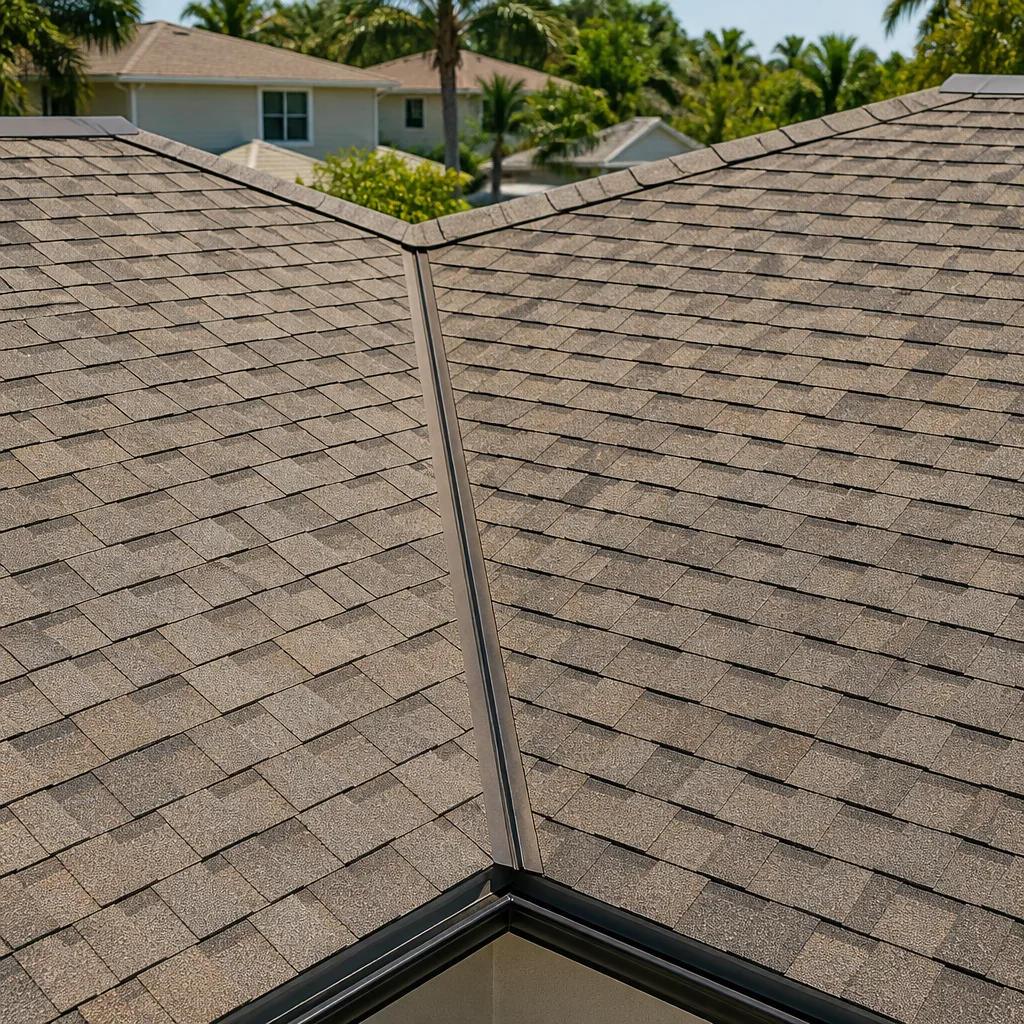
- Roof and flashing. Look at the ceiling inside every room after a hard storm, especially under valleys and around the chimney. Check the attic for damp insulation or staining on the underside of the roof sheathing. If shingles are already at 15+ years, monsoon season is when aging shingles fail first.
- Windows and doors. Open and close every exterior window and door. If a frame has swollen from moisture, it’ll bind or feel tight in the last inch. That’s a sign the sealant failed somewhere upstream, or the glass unit has lost its seal.
Winter Care for Spring Valley’s Overnight Lows
Homeowners in Spring Valley often assume the desert climate means nothing here freezes. It does – overnight lows in the high 20s and low 30s between November and February are common, and freeze-thaw cycling on exterior surfaces is one of the biggest drivers of premature failure. The materials that cause the most damage aren’t the ones you’d expect.
- Exterior tile and grout. Grout absorbs a small amount of water and holds it. When that water freezes overnight and thaws by midday, the grout surface expands and flakes off. This is why outdoor tile on Spring Valley patios and entryways fails at the grout lines a few years earlier than it should. Seal grout before the first freeze and use an efflorescence-resistant grout on any new install.
- Stucco on the shaded side. North-facing stucco stays wet longer after a storm and freezes at a lower overnight temperature because the wall has less sun exposure. If you see fine, branching cracks on a north or east wall in December, that’s freeze damage starting. It doesn’t look urgent now, but it accelerates water intrusion next monsoon.
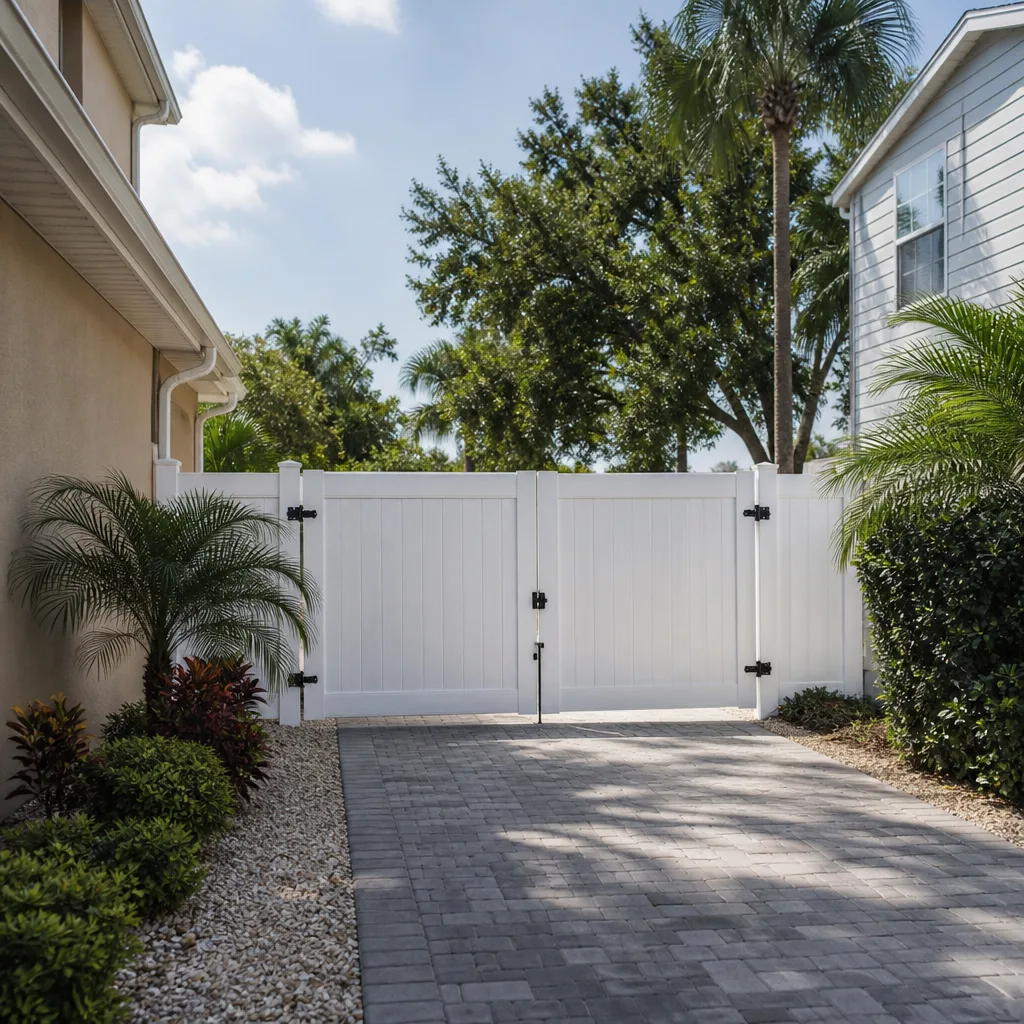
- Wood fencing and gates. Wood swells in the monsoon, then shrinks in the winter dry cold and opens check lines at the surface. A gate that swung fine in October may drag on the ground by January. Check hinges and gate hardware before the first freeze and tighten anything loose; a sagging gate pulls the post out of alignment and causes a much bigger repair.
- Irrigation and hose bibs. Drain and shut off exterior irrigation lines before the first freeze, and put an insulated cover on any exterior hose bib. A burst line is cheap to prevent and expensive to find after the wall has already soaked.
- Windows and door frames. Aluminum frames and vinyl frames expand and contract throughout the winter swing. If you notice frames pulling away from sealant lines in late December, re-seal those joints. The right frame and glass package matters here – that’s why we work with manufacturers like CWS and ES Windows on Spring Valley projects, because the thermal expansion rates actually hold up over the season swing.
Any home addition or enclosed patio framed after October needs the same winter scrutiny. Our Home Additions & ADU in Spring Valley page covers how we sequence framing and finish work to avoid exposing new construction to freeze-thaw cycles.
Spring UV, Wind, and Freeze-Damage Detection
The spring prep window, roughly March through April, is your last chance to catch winter freeze damage before the UV season starts making it worse. Spring Valley’s spring sun is intense, and wind gusts in March and April regularly push 30-40 mph. Any surface that winter cracked will only widen under those conditions.
- Inspect the winter’s cracks before resealing anything. Walk every exterior surface and photograph the cracks you see. A hairline crack that has gotten wider since November is freeze damage. A crack that’s the same width is thermal or settling. They get different repairs.
- Protect newly sealed surfaces from the first UV wave. If you re-sealed concrete, pavers, stucco, or a wood deck in the winter, confirm the sealer is actually UV-rated for the exposure. Sealers that aren’t rated for this level of sun will chalk and fail by June.
- Check roof edges, fascia, and wind-exposed corners. Wind is the failure trigger on anything that’s already loose. Look at the ridge cap, the fascia along the prevailing wind side, and any corner trim that could peel.
- Test every exterior spray nozzle and drip line. Winter-freeze irrigation lines often split inside the wall and don’t show a leak until the system pressurizes in spring. Run each zone manually and look for soggy spots.
- Confirm drainage slope hasn’t been damaged by winter settling. Regrade any low spots before the pre-monsoon window, not during it.
Window and door seals take a beating from both the winter cold and the spring wind. Homeowners replacing frames or glass this spring should look at options from manufacturers like ES Windows and Mr-Glass, both of which build for the swing range in this part of Nevada. Replacement windows on a Spring Valley home out of the 1990s often haven’t been designed for a 40°F temperature swing between morning and afternoon.
Building a Maintenance Log That Holds Up
The single highest-return thing you can do for your Spring Valley home is keep a maintenance log that records seasonal conditions alongside material performance. This isn’t a nice-to-have. When a warranty claim or insurance claim comes up, the log is what separates “we can show exactly when this started” from “we don’t remember.” It’s also the difference between a roofer who has to guess at shingle age and one who can see the install date, the year of the last storm that caused a leak, and the photo of the surface right after.
Keep the log in a physical binder or a shared cloud folder. What matters is that it exists and that you actually add to it at each seasonal checkpoint.
- Date and condition. Every entry gets a date and a one-line weather summary (for example, “post-monsoon, 3 hard storms in August, one overnight low of 31°F at month end”).
- Photographs. One wide shot and one close-up of every crack, stain, or new issue you’ve noted. Photo files should have a date in the filename.
- Material performance notes. Which paver sealer, which window brand, which roof shingle, which sealant. When something fails early, you want to know exactly what product failed and when it went on.
- Service records. Every maintenance call, repair, and inspection with the company name, the work performed, and the invoice.
- Warranty documents. The original install warranty for every trade, plus the current contact info for each contractor. This is where a written guarantee matters – for example, our 730-Day Done Right Promise means if it’s not done right, we make it right, and it’s a lot easier to invoke when the paper is in the log.
The log also protects you if a contractor sells the business or the manufacturer discontinues a product line. When the shingle company wants to know the install date and the warranty number, you have both. When the insurance adjuster wants to know when a leak started, you have the photo from the last post-monsoon assessment. The record is the asset here.
Which Trades to Call for Which Season
Not every seasonal issue belongs to the same trade. Getting the right specialist out in the right window saves you both money and the annoyance of getting a roofer out for something that’s really a drainage problem. Here’s how we’d map the Spring Valley seasonal calendar to the trades.
- Pre-monsoon (May-June): landscaping and grading, driveway and paver crews for joint refills and settlement, roofing for shingle and flashing inspection, and any contractor who can re-seal exterior joints.
- Post-monsoon (September): roofing for storm damage assessment, stucco for crack patching, foundation drainage specialists if you’re seeing water against the slab, and window crews if frames have swollen.
- Winter (November-February): irrigation technicians, fencing crews for gate hardware and post inspection, and finish carpenters for anything that’s exposed to the freeze cycle and needs a deferred repair.
- Spring (March-April): window and door replacement, exterior sealant and coating, and any major project that needs to break ground before the summer heat – home additions, kitchen and bathroom remodels, and roof replacements that will benefit from the cooler install window.
For planned remodels, spring is the smart season because the work happens before the monsoon and before the worst of the summer heat. If you’re considering a kitchen, a bath, or a full addition, our main Groundwork Construction Co. of Spring Valley home page covers how we stage projects across the seasonal calendar so trades aren’t fighting the weather.
Common Mistakes to Avoid
- Treating the annual inspection as enough. One inspection a year looks efficient, but it will miss the pre-monsoon window or the post-monsoon window every single time, and those are the two moments where the fix is cheap. The four-checkpoint calendar exists for a reason.
- Assuming “desert” means “nothing freezes.” We see winter damage on Spring Valley homes every single March that a homeowner swears “couldn’t have happened here.” The overnight lows are real. The freeze-thaw cycling on stucco and grout is real.
- Sealing over a failed joint without cutting it out. A new bead of sealant laid over old, cracked sealant will fail within one season. Cut it out, clean the surfaces, and reapply to the correct depth so it can actually flex when the wall moves.
- Ignoring paver joint sand washout until spring. Once the joint sand is gone, wind gets under the pavers, and the surface starts shifting. Refill within two weeks of a heavy storm. Waiting until spring means you’re replacing pavers instead of refilling sand.
- Skipping the drain and grading check before the monsoon. The single most expensive water damage on Spring Valley homes is water that touches the foundation. Regrading ten feet of soil is a weekend project. Fixing the foundation is not.
- Using non-UV-rated sealers on concrete, pavers, or stucco. Spring Valley’s UV load will chalk and fail a low-grade sealer inside a year. Confirm the product is rated for high-UV exposure, or it’s wasted money.
- Not documenting. A home without a maintenance log is a home where every warranty claim becomes an argument. Photographs and service records are the difference between getting a repair covered and paying for it twice.
When to Call a Professional
Some seasonal work is fine to handle yourself: replacing a hose bib cover, checking joint sand, running a zone of irrigation. Other issues need a licensed trade, and the ones we’d flag for Spring Valley homeowners are water against the foundation after a storm, any stucco crack wider than a pinky nail or larger than a dinner plate, a roof leak that has touched the interior ceiling or attic sheathing, a door or window frame that has visibly pulled away from the wall, a settled section of driveway or paver patio, or any electrical or gas work in the course of adding an exterior feature. We also tell homeowners firmly not to touch exterior panel work or any wiring themselves; the safety margin isn’t worth it. For high-roof inspections, hire someone trained for it.
Groundwork Construction Co. of Spring Valley offers free estimates in Spring Valley – call (888) 329-9414 to schedule. We pull permits where the project requires it, we walk every bid line by line before work starts, and every project is covered by our 730-Day Done Right Promise. Calls are answered by a live person around the clock, and our technicians are background-checked and arrive in uniform.
Frequently Asked Questions
The pre-monsoon drainage and grading check in May or June is the single most important task. If water is running toward the foundation when the monsoon starts, every other repair becomes an emergency. Regrading takes a weekend; foundation water damage doesn’t. Call (888) 329-9414 for a free assessment if you’re not sure your slope is right.
Small repairs typically run a few hundred to a couple of thousand dollars depending on scope, and full replacements (roof, windows, driveway, fence) run into the tens of thousands. Because Spring Valley pricing varies by neighborhood, material, and season, we only quote after we’ve walked the property and written a line-item bid. Upfront pricing, no surprises – the number you see is the number you pay. Call (888) 329-9414 for your free estimate.
Yes. Overnight lows between November and February drop into the high 20s and low 30s, and the repeated freeze-thaw cycle is what cracks exterior grout, stucco, and old sealant. The fact that Spring Valley warms up during the day is exactly why the damage accelerates: the material never stabilizes. Protect exterior hose bibs, drain irrigation, and reseal exterior joints before the first hard freeze.
No. The post-monsoon assessment is a different inspection than the spring one. Spring checks catch winter damage; the September check catches water intrusion and drainage problems that start during monsoon season. Skipping the September check means those problems sit through the winter and compound with freeze damage before you see them. Schedule it before October.
Photograph every crack, stain, and new issue with a dated filename, note the weather conditions at the time of each inspection, and keep every service record and warranty document in one place. Our 730-Day Done Right Promise is written and enforceable in part because the record exists – the same principle applies to insurance. If your adjuster needs to know when a leak began, the log answers it. Call (888) 329-9414 if you want help understanding what’s covered before work starts.
Not on our projects. We quote every job with a line-item bid before work begins, and the number you see is the number you pay. Larger projects can qualify for 0% financing for 18 months, and projects over $10,000 get $1,000 off when you book through our standing offers. Call (888) 329-9414 for a written quote on your repair.
The Bottom Line

Spring Valley homes don’t fail because of one bad season – they fail because a small issue from last monsoon was never caught, so this monsoon it becomes a real repair, and next winter it compounds with freeze damage. Four checkpoints (May-June, September, November-February, March-April), a working maintenance log, the right trade called at the right window, and honest documentation are what separate a home that holds up from one that keeps you on the phone with insurance. Start with the pre-monsoon check and build the log from there. If you want a pro’s eye on the list, our team is a free estimate away.
Groundwork Construction Co. of Spring Valley handles the full scope – from foundation to finish line – across kitchens, bathrooms, roofing, windows and doors, fencing, driveway and pavers, and additions. We work with a curated set of brand partners, including CWS, ES Windows, and Mr-Glass for windows, so homeowners are choosing quality, not just availability. Every project is covered by the 730-Day Done Right Promise: built to last, backed in writing. Call (888) 329-9414 for your free project estimate and design consult.
Written by the team at Groundwork Construction Co. of Spring Valley.
See the difference
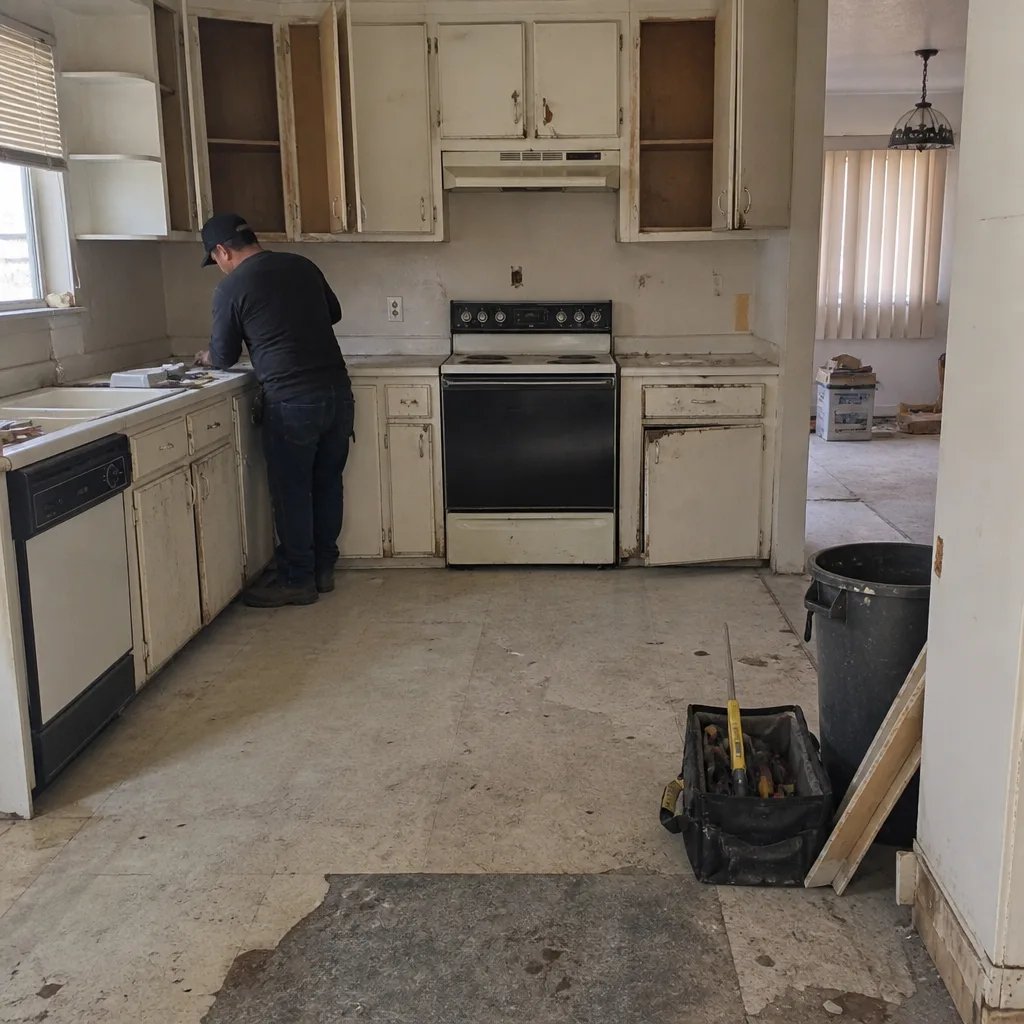 Before
 After
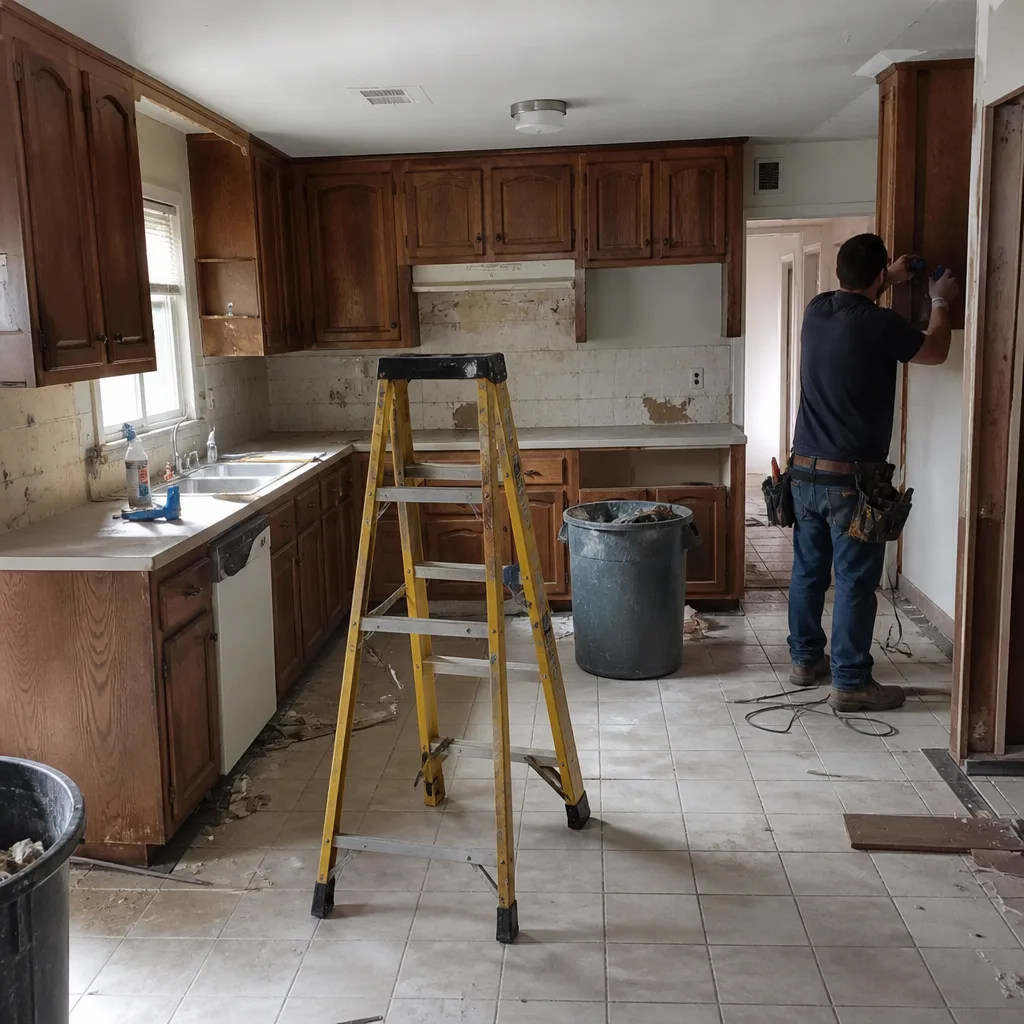 Before
 After
 Before
 After