Last updated November 17, 2026





Free written scope consultation - allowances, timeline, and change-order rules on paper before a single trade is scheduled
Windows & Doors Troubleshooting: Common Problems and How to Fix Them
Most windows and doors problems homeowners blame on bad products are actually installation failures. In our experience across Spring Valley, a drafty window is almost never a glass failure. It’s roughly a 90% chance of frame settlement, failed weatherstripping, or an installation gap that’s been there since day one.
That matters because the fix is usually a $15 adjustment, not a full replacement. This guide walks through how to tell the difference: draft diagnosis with a candle versus a thermal camera, sticking doors that trace back to foundation movement, fogged double-pane glass, and the water entry points desert homes get hit by most. We’ve seen all of it in Spring Valley, and we’ll show you what’s worth checking before anyone quotes you a new unit.
Quick Answer
Most window and door problems come from installation defects or normal wear, not failed products: drafts almost always trace to weatherstripping, frame gaps, or settling; sticking doors point to hinge, frame, or foundation issues; and fogged double-pane glass is a genuine seal failure that needs replacement, not resealing. Diagnose the source first (candle test for drafts, hinge and frame inspection for sticking doors, moisture check for fogging) because that determines whether you’re looking at a simple adjustment or a real installation problem the installer should answer for.
Styles & brands we work with
- Kitchen remodeling
- Bathroom remodeling
- Home additions & ADU
- Roofing
- Windows & doors
- Driveway & pavers
- Fence
Table of Contents
- Why is my window drafty? Candle test vs. thermal camera
- Why do doors stick and misalign?
- Fogged double-pane glass: reseal or replace?
- Where does water get in? Entry points ranked
- What’s an adjustment vs. an installation defect?
- Spring Valley climate and what it does to windows and doors
- What you can safely check yourself
Why Is My Window Drafty? The Candle Test vs. A Thermal Camera
Drafts are the most common windows and doors problem we hear about, and also the most misdiagnosed. Homeowners in Spring Valley call us convinced their glass has gone bad. Nine times out of ten, the draft isn’t coming through the glass at all. It’s coming around it.
The candle test is the fastest way to find out. Light a candle, shut off your HVAC and fans, and slowly move the flame around the perimeter of the window frame: the top, the sides, the sill, and where the sash meets the frame. A flickering flame tells you air is moving at that exact spot. That points you to weatherstripping that’s compressed or pulled away, a sash that isn’t sealing against the frame, or a gap between the frame and the rough opening.
A thermal camera shows you something different. It reads temperature, so it will pick up a cold patch wherever insulation is missing or a seal has failed, even if air isn’t visibly moving in that moment. That’s useful for spotting where heat is leaking, but it won’t tell you whether the leak is weatherstripping, a frame gap, or missing insulation on its own.
Here’s the practical split, based on what we’ve found on Spring Valley homes:
- Candle test – Use it to find the exact point of air movement. Best for locating weatherstripping and sash seal issues you can fix for a few dollars.
- Thermal camera – Use it to find cold spots where insulation or a seal is missing. It shows you where, not what.
- Both together – A cold spot plus air movement at the same place usually means a frame gap: the unit wasn’t sealed to the rough opening correctly. That’s an installation problem, not a window problem.
One Spring Valley specific note: our summer heat makes gaps read differently than in cold climates. An air gap that leaks cool air out in July might barely flicker a candle on a cool morning. Test on a windy day or when the temperature swing between inside and out is largest, and test the same spot twice before you draw conclusions.
If you can push a piece of paper through the gap at the frame-to-wall seam, you have an installation gap, and it’s worth documenting. That’s a conversation with whoever installed the window, not a new window. When you are ready to price a replacement or a fresh install, our Windows & Doors in Spring Valley page lays out the options and offers a free estimate.
Why Do Doors Stick and Misalign? Hinge, Frame, Or Foundation
A door that suddenly won’t close is one of the most telling problems in a home, and the cause matters more than the symptom. There are three main sources, and they climb in order of seriousness:
- Hinge issue. The top hinge loosens or wears out, and the door sags on that corner. The tell is that the door rubs at the top and the hinges have play if you lift the door. This is the cheapest fix and usually a screw or hinge replacement.
- Frame shift. The door jambs have moved out of square, often because the framing settled or the opening got wet. The tell is a consistent gap pattern on one side, clear light showing along the full length of the jamb. This can mean resetting the frame, not just adjusting the door.
- Foundation movement. In Spring Valley, expansive soils are a real factor. The ground moves with moisture swings, and a door that sticks at the top corner in one season and frees up in another is telling you the structure is shifting. The tell is a door that sticks inconsistently, plus cracks at the corners of the frame, or other doors nearby doing the same thing.
That third one is the one we’d flag hardest. Adjusting a hinge on a door that’s binding because the foundation is moving just hides a problem you’ll see again. Before you plane a door edge or shim a hinge, check whether the symptom comes and goes with the seasons. If it does, get the foundation looked at before anyone touches the door.
A quick way to rank your own suspicion: a door that rubs at one consistent point, all year, is a hinge or frame issue. A door that binds in one corner and frees up weeks later is worth a foundation inspection. Our Home Additions & ADU in Spring Valley work regularly turns up door alignment problems on original openings after a new addition shifts load – and every one gets a straight answer before we touch the door.
Fogged Double-Pane Glass: Reseal Or Replace?
Fogged double-pane glass is the one problem on this list where the culprit really is the product, not the installation. The tell is a cloudy, milky, or moisture-beaded look between the two panes. A factory seal has failed, and because they’re sealed and filled at manufacture, the moisture is now trapped in the gap.
Here’s where honesty matters. Resealing isn’t a real fix. Some window companies advertise a “defog and reseal” service, but the seal you’re breaking to clean out the moisture can’t reliably be rebuilt to factory spec in the field. Warm summer temperatures plus a resealed cavity will find a way to fog again, usually within a year or two. We’ve been called out to redo resealed windows that fogged up again faster than the original.
A few things to keep straight:
- Moisture between the panes – seal failure, replace the insulated glass unit or the window. Resealing is temporary at best.
- Moisture on the room side – condensation from indoor humidity, not a failed seal. Run exhaust fans and check your humidity; the window is fine.
- Moisture on the outside of the outer pane – usually normal. It’s condensation, not a leak.
On many units you can replace just the glass unit inside the existing frame instead of the whole window. That’s often cheaper than a full replacement and keeps the frame you already have. For a full unit replacement, we work with Andersen, Pella, Marvin, and Therma-Tru, so you’re choosing quality, not just whatever’s available.
The practical rule: one fogged pane in an otherwise sound window is worth replacing. Fogged glass across every window in the house is a sign the units are aging together, and a full window replacement may make more sense than a dozen individual glass swaps. Price both before you decide.
Where Does Water Get In? Entry Points Ranked By Frequency
Water infiltration is the problem that does the most damage while you’re least likely to notice. In desert climates, and Spring Valley specifically, rain comes hard and fast when it comes, and it finds weak spots quickly. After years of service calls, here’s how these entry points rank.
- Sill pan failures. The sill is the bottom edge of the window where water sheds. If the pan wasn’t sloped correctly or the sealant was wrong, water pools there and works into the wall. It’s the top cause we see in Spring Valley homes, and the hardest to spot because the damage shows up inside the wall first.
- Door sweep and threshold failures. The sweep at the bottom of an exterior door wears down fast between the heat and dust. Once it’s torn or gaping, water gets in behind the door and under the threshold.
- Weephole and flashing issues. Missing or blocked weepholes trap water that should drain, and flashing installed wrong sends water backward into the frame instead of out.
- Failed perimeter sealant. The caulk joint between frame and wall dries and cracks with the UV and heat cycles in Spring Valley. This is the easiest to spot and the cheapest to fix, once you know to look.
- Frame-to-wall gaps. When the frame isn’t sealed to the rough opening, water and air both get through. This one goes back to installation.
On your exterior doors, a simple push test works: with the door closed, run your fingers under the sweep and along the corners of the threshold. If you can feel a draft, or the sweep is stiff and cracked, water and air are both getting through. This same class of problem shows up on gates and fencing around sliding doors – we cover the details in Fence Installation in Spring Valley.
Look for water damage inside before you look outside. Staining, bubbling paint, or soft drywall under a window or along a door frame is usually the first visible sign, and the actual entry point is often six inches to a foot away from the stain. For window and door work in Spring Valley, our free estimate includes a real look at seals, flashing, and drainage, not just a quote for new units.
What Can Be Adjusted Or Repaired vs. What’s An Installation Defect
This is the core question in windows and doors troubleshooting, and the one that decides who pays. Products fail on their own occasionally, but installation defects are far more common than most homeowners expect. Here’s how to tell them apart.
Adjustable or repairable:
- Weatherstripping that’s compressed, torn, or gone (replace it; this is a few dollars per window)
- Loose or worn hinges (tighten or replace, same for a sagging door)
- Door sweeps and thresholds (wear item, replace as needed)
- Perimeter sealant that’s cracked (clean and reseal)
- Sash or lock that needs adjustment so the window seats properly
Installation defects worth holding the installer accountable for:
- A consistent gap between the frame and the rough opening, showing light or passing air from day one
- Water getting in at the sill pan or flashing within the first year or two
- A frame out of square or plumb from install
- Doors that never closed cleanly and have only gotten worse
The pattern matters. An adjustment problem gets worse slowly, over years. An installation defect is there from day one and just gets worse with each season. If you can trace the problem back to that first month of the install, document it with photos and the date, and take it to the installer before you contract a repair. If the original installer is gone or won’t make it right, that’s exactly the kind of job we take on: we look at the whole opening, fix the real cause, and back it in writing with our 730-Day Done Right Promise.
The same accountability logic applies across trades. When a window install has to work around an existing opening, or a door swings into a new build, we check drainage and framing as part of the scope, the same standard we hold to in our Driveway & Pavers in Spring Valley work and every project that starts at the Groundwork Construction Co. of Spring Valley home.
Spring Valley Climate: What It Does To Windows And Doors
Spring Valley is hard on exterior openings in specific ways, and knowing them makes your troubleshooting faster. The heat and dry air drive most of the failures we see.
Summer temperatures push exterior caulk, sweep rubber, and weatherstripping through hundreds of hot-to-cool cycles every year. That thermal expansion rides hardest on the frame-to-wall joint, which is why perimeter sealant failures and door sweep failures show up at the top of our list. The dry air dries out wood frames and warps sash edges, so a wood window in an older Spring Valley home will need more frequent adjustment than vinyl or fiberglass.
When the rain does come, our ground shifts with the moisture. That’s the expansive soil problem that turns a door sticking into a foundation question, and it’s the reason we never assume a misaligned door is only a hinge fix. If the door is on an exterior wall facing the yard, that’s where the moisture swings hit first.
The practical takeaway for Spring Valley homeowners: check your exterior seals every spring and every fall, before and after the worst heat. Caulk and sweep replacement is cheap and buys years. Catching it late is how you end up replacing a sill pan and a stretch of drywall.
What You Can Safely Check Yourself
We respect a homeowner who wants to check the problem before calling anyone. Here’s a safe, no-risk routine that narrows things down without getting near anything that can hurt you.
Check yourself:
- Run the candle test around a drafty window with HVAC off.
- Look at your door sweeps and weatherstripping for cracks or tears.
- Check exterior caulk at window and door frames for cracking or gaps.
- Look for staining or bubbling paint under and beside openings, inside the house.
- Note whether a sticking door changes with the seasons.
- Note which windows have fogging between the panes, not on the surface.
Leave to a pro: anything that requires getting on a ladder to inspect or seal an upper-story window, removing a window sash or door that’s part of the structural opening, chasing water damage inside a wall, and anything that touches a sill pan or flashing. Those are the jobs where a small mistake turns into a bigger leak, and they’re the ones where getting it right the first time is worth the call.
Common Mistakes to Avoid
- Blaming the glass for a draft. In Spring Valley homes, that draft is almost always weatherstripping or a frame gap. Buying a new window because of a draft you haven’t diagnosed wastes money.
- Resealing fogged glass and calling it fixed. A field reseal fogs again, usually within a year or two. Replace the glass unit or the window; don’t pay for a reseal and expect it to hold.
- Adjusting a door hinge on a foundation problem. If the door sticks inconsistently and the season changes it, plane the door and you’re back in three months. Find out if the ground under it is moving first.
- Skipping the exterior seal check. Caulk and sweeps fail quietly in Spring Valley heat, and the damage shows up inside the wall before it shows up at the opening.
- Assuming a new install covers the old defect. If the installer left a gap at the rough opening, a new unit over the same gap won’t fix it. The opening gets diagnosed and sealed, or you’re paying twice.
- Testing a draft on a calm day. A candle test on a still 70-degree morning can miss a real gap. Test when the temperature swing is biggest, or on a windy day.
- Hiring without a written scope. For any nontrivial repair, get a line-item quote with the specific fix. A vague “adjust and seal” hides whether the sill pan gets checked at all.
See the difference
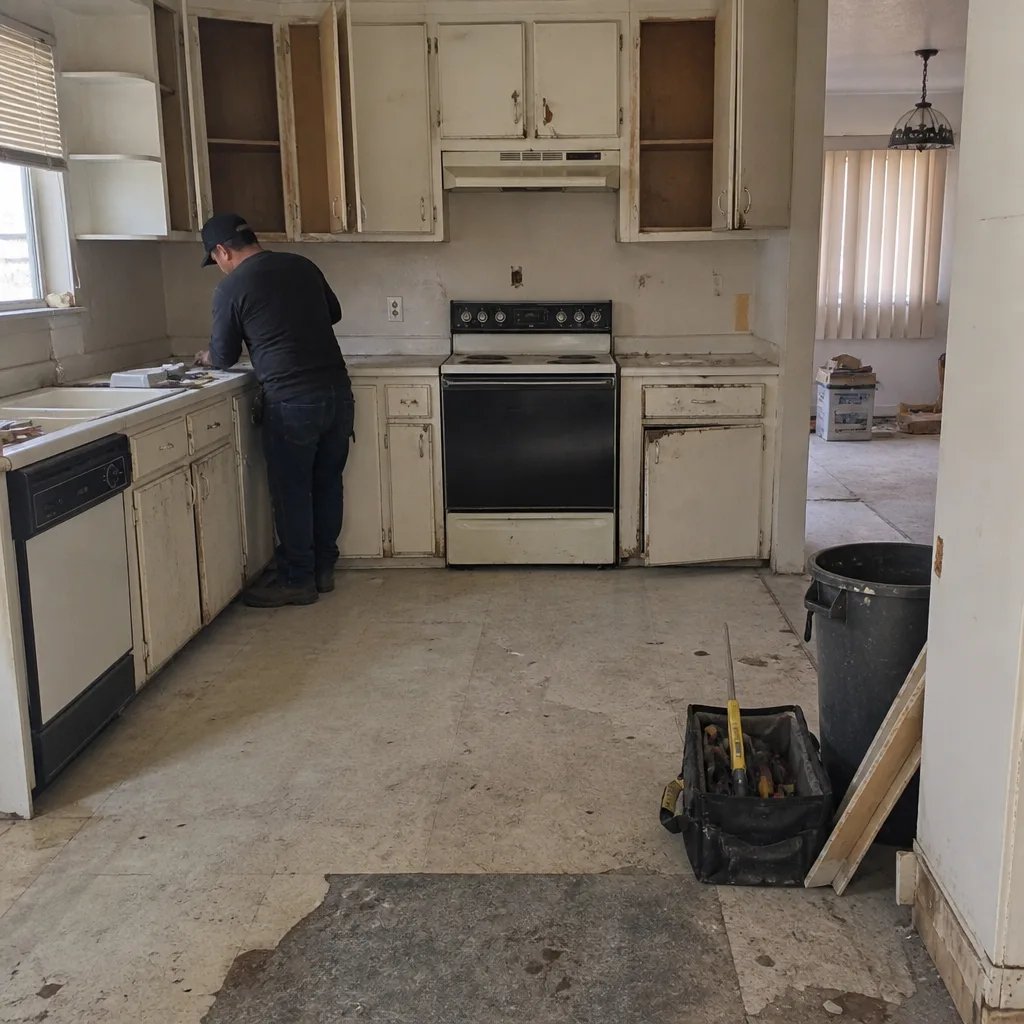 Before
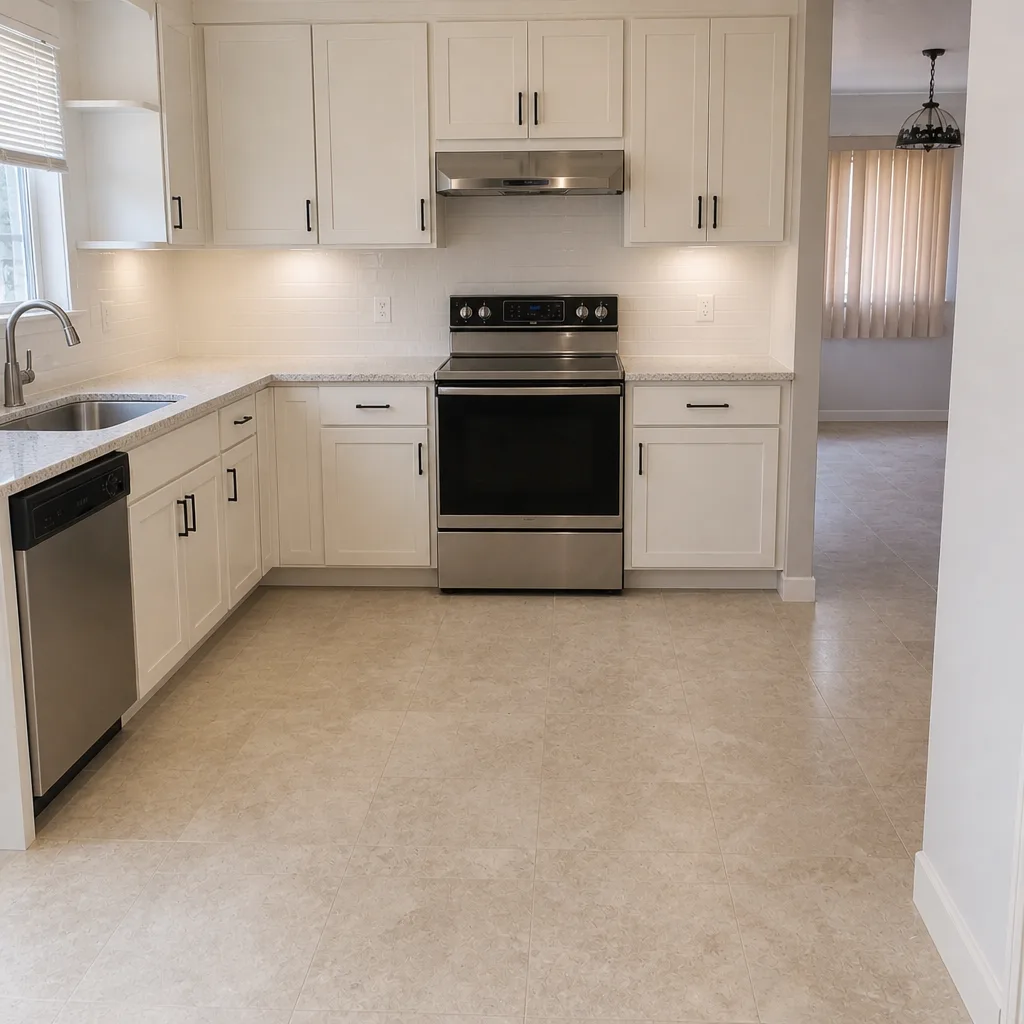 After
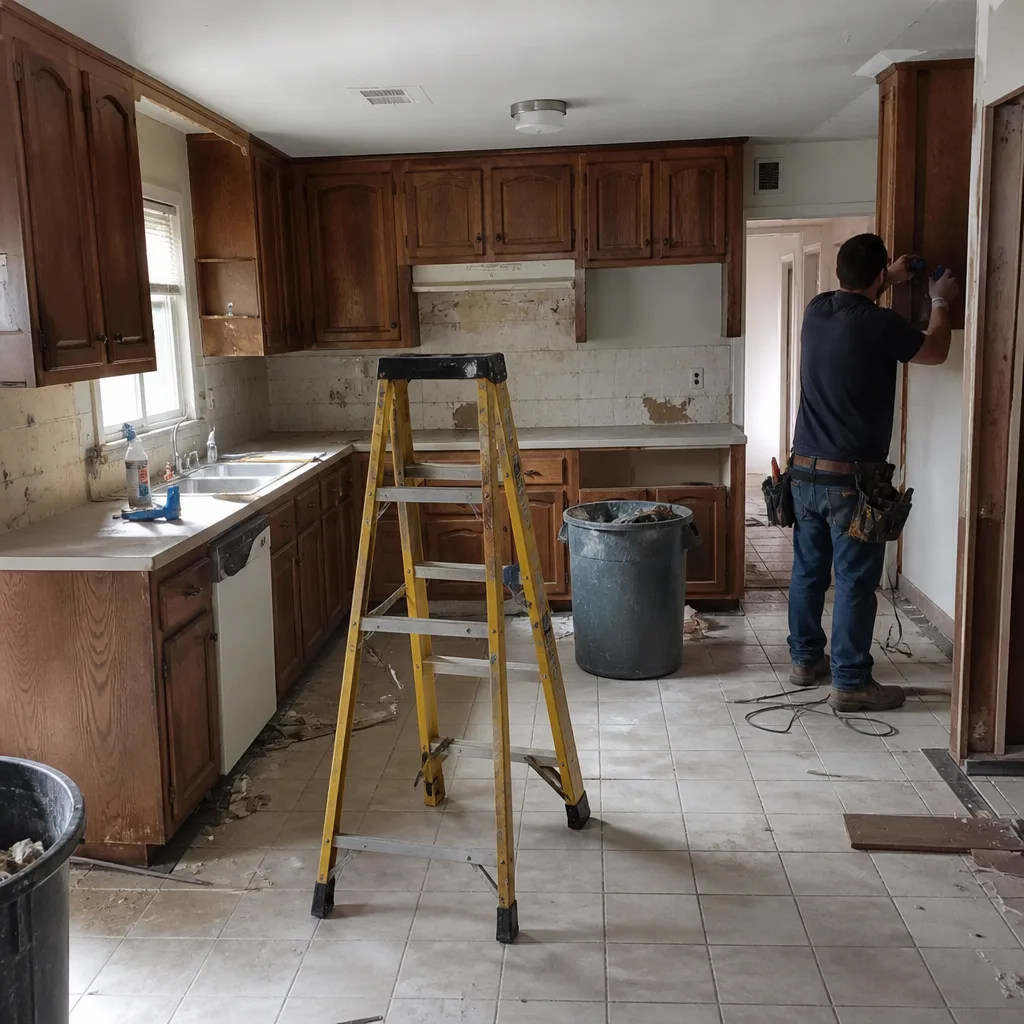 Before
 After
 Before
 After
When to Call a Professional
Call us when the fix involves putting eyes on something you shouldn’t climb to, when water is getting inside the wall, when a door’s binding traces back to the foundation, or when fogged glass means a real replacement decision. We handle windows and doors in Spring Valley as a full-scope job: the opening gets examined, not just the unit. Groundwork Construction Co. of Spring Valley offers free estimates in Spring Valley – call (888) 329-9414. Our calls are answered by a live person, around the clock, and every project is backed by our 730-Day Done Right Promise and upfront pricing, no surprises.
Frequently Asked Questions
Most window repair in Spring Valley is a weatherstripping or sealant fix in the low hundreds per opening, and a fogged glass unit replacement usually runs more per window than a seal/weatherstrip repair. A door sweep or hinge adjustment is typically the cheapest visit on the list. Call (888) 329-9414 for an exact quote – estimates are free.
No. Our quotes are line-item and fixed, and the number you see is the number you pay. We check the full opening before we quote, not after, so there’s no change order waiting behind a loose hinge. Call (888) 329-9414 for a free estimate.
For work that requires a permit, we pull it and pass the inspection before the job closes out – that’s part of our standard scope. Minor repairs like weatherstripping and sweeps typically don’t need one, and we’ll tell you which side of the line your job is on when we quote. Call (888) 329-9414 to discuss your project.
No, and you shouldn’t try a field reseal. The seal is set at the factory, and a do-it-yourself reseal usually fogs again within a year or two. Replacing the insulated glass unit or the window is the honest fix. Call (888) 329-9414 for a free estimate on glass and window replacement.
A seasonal stick is usually foundation movement, not a door problem. Desert soils expand and contract with moisture, and a door that binds in one corner in summer and frees up in winter is telling you the structure is moving. Our technical team, with up to 12 years of experience, checks the opening before touching the door. Call (888) 329-9414 to get it looked at.
No. Most drafts in Spring Valley trace to weatherstripping, a sash that isn’t seating, or a frame gap at the rough opening – all fixable without replacing the window. A candle test tells you which. Call (888) 329-9414 if you want an expert to read the result, and we’ll give you a free estimate.
The Bottom Line
Windows and doors problems come down to one question: did the product fail, or did the install? Drafts and water entry usually trace back to weatherstripping, sealant, and frame gaps, all cheap repairs once you find the source. Sticking doors can be a hinge, a frame, or a foundation – and the seasonal pattern is what tells you which. Fogged double-pane glass is the one real product failure on the list, and resealing is never the honest fix. Diagnose first, then price. In Spring Valley, check your exterior seals twice a year, and you’ll catch the cheap fixes before they turn into the expensive ones.
When it’s time to price a repair or replacement, Groundwork Construction Co. of Spring Valley lives by the 730-Day Done Right Promise, answers calls with a live person 24/7, and backs every job with upfront pricing and our standing offers: a free project estimate and design consult, 0% financing for 18 months, and $1,000 off projects over $10,000. Call (888) 329-9414 for your free estimate.
Written by the team at Groundwork Construction Co. of Spring Valley.