Last updated November 17, 2026



Free written scope consultation - allowances, timeline, and change-order rules on paper before a single trade is scheduled
Windows & Doors Warning Signs Every Homeowner Should Know
A 15% spike in your summer cooling bill is one of the earliest and most reliable signals that your window seals are failing. Most homeowners blame the HVAC unit and spend thousands replacing equipment that was never the problem. In Spring Valley, where July afternoons push past 105°F and the sun hits west-facing glass for six hours straight, that mistake gets expensive fast. The truth is that windows and doors tell you they’re failing long before you see a crack, a fogged pane, or a draft you can feel by hand. This guide covers the performance signals that come first, what each one actually means, and how to tell a minor repair from a replacement you can’t put off.
Quick Answer
The most important windows and doors warning signs are a sudden rise in energy bills, condensation in the wrong place (between panes means a failed seal), frames that peel, warp, or separate at the corners, and doors or windows that stick, bind, or won’t latch flush. In Spring Valley’s desert climate, UV damage and thermal cycling drive most of these failures, and catching them early usually separates a $200 repair from a $2,000 replacement.
Styles & brands we work with
- Kitchen remodeling
- Bathroom remodeling
- Home additions & ADU
- Roofing
- Windows & doors
- Driveway & pavers
- Fence
Table of Contents
- Your Energy Bill Is the First Diagnostic Tool
- Condensation Location Tells You What’s Actually Failing
- Frame and Sill Warning Signs in Desert Climates
- Sticking, Binding, and Misalignment: Frame Movement vs. Hardware
- When the Problem Is Installation, Not the Product
- Glass, Glazing, and Seal Failures
- Door-Specific Warning Signs Most Homeowners Miss
- Common Mistakes to Avoid
- When to Call a Professional
Your Energy Bill Is the First Diagnostic Tool
Before you call an HVAC technician about a climbing power bill, do the math on your windows. A failed window seal doesn’t announce itself. It lets conditioned air escape and radiant heat in, and your air conditioner works harder to hold the setpoint. That shows up as a percentage increase on your bill, not as a visible defect.
Here’s how we walk Spring Valley homeowners through the correlation:
- Pull the last three summers of bills. Compare the same months year over year, not month to month. A steady 10-18% climb on cooling costs with no rate increase is a window and door signal.
- Isolate the room. If one bedroom or the west-facing living room runs 4-6°F warmer than the rest of the house, the glass and frames on that wall are the likely culprit, not the whole system.
- Check the door seals. A worn sweep or weatherstrip on an exterior door leaks more conditioned air than most people realize. Run a hand along the bottom and sides on a hot afternoon and you’ll feel it.
- Rule out the obvious. A clogged filter, a dirty condenser coil, or a refrigerant issue will also spike a bill. A qualified HVAC check confirms which side of the equation is losing.
In our experience across Spring Valley, homeowners replace HVAC equipment when a handful of failed window units were doing the damage. If your system is healthy and your bill still climbs every July, look at the glass before you look at the compressor. The same diagnostic habit applies to heat loss in winter, which you can read more about in our guide to Groundwork Construction Co. of Spring Valley home services.
Condensation Location Tells You What’s Actually Failing
Where the moisture shows up matters more than whether it shows up. A foggy window can mean three completely different things depending on which surface is wet. Homeowners who understand this distinction save themselves a lot of guesswork.
Condensation on the interior surface
Water beads on the inside of the glass. This usually points to indoor humidity meeting a cold pane, not a failed window. In Spring Valley it’s less common than in humid climates, but a bathroom window or a kitchen window near a range can fog in winter. Fix the humidity source first; the window is probably fine.
Condensation between the panes
This is the serious one. Fog, haze, or water droplets trapped inside a double- or triple-pane unit mean the sealed insulated glass unit has failed. The seal that held the argon or krypton gas has broken, and the insulating value is gone even though the glass looks intact. A failed seal doesn’t always fog immediately, but once moisture is inside, the unit is done. This is a repair-or-replace decision, and the answer often depends on the age of the whole window, not just the glass.
Condensation on the exterior surface
Fog on the outside of a good window is actually a sign the insulation is working. The outer pane stays cool, and morning dew condenses on it. This is normal and expected, especially in a dry climate where nights cool off fast. Don’t mistake it for a problem.
The simple rule: inside surface is often a humidity issue, between the panes is a failed seal, exterior is normal. That single distinction is one of the most useful diagnostic tools in the whole guide.
Frame and Sill Warning Signs in Desert Climates
Spring Valley’s climate is brutal on frame materials in a way that coastal or northern climates aren’t. High UV index, 100°F-plus summers, and wide day-to-night temperature swings all attack the same joints. Thermal cycling is the mechanism: material expands in the afternoon heat and contracts overnight, thousands of times over a window’s life. The damage concentrates at the seams, corners, and sills.
Watch for these frame and sill warning signs:
- Paint peeling or chalking. On wood or older aluminum frames, peeling paint is a UV signal, not just a cosmetic issue. Once the coating fails, moisture and sun reach the substrate.
- Warping and bowing. A frame that no longer sits flat against the wall has absorbed heat and moisture stress. Vinyl frames in particular can warp when installed with too little expansion allowance in desert heat.
- Corner separation. Gaps opening where frame sections meet are a strong sign the assembly is failing. This is one of the clearest indicators that a window is nearing replacement.
- Sill rot or soft spots. On wood sills, press a screwdriver into the wood near the corners. If it sinks easily, the sill has taken on water and the whole opening may be compromised.
- Discoloration or fading. Chalky, faded frames point to long-term UV exposure. It’s often the earliest cosmetic sign of underlying material fatigue.
When Spring Valley homeowners call us about windows that “look fine but feel wrong,” frame stress at the corners is one of the first things we check. Product lines like PGT and CGI build for high-UV climates, but even good units have a service life, and desert conditions compress it.
Sticking, Binding, and Misalignment: Frame Movement vs. Hardware
A door that sticks in summer and swings free in winter is telling you something specific. Most homeowners assume it’s a hardware problem and reach for WD-40. That’s often the wrong diagnosis. Operation resistance falls into two families, and the fix is different for each.
Signs the problem is frame or structural movement
- The door or window binds at the same spot every season, getting worse in heat.
- The gap around the door is uneven, wider at the top or one side.
- The latch doesn’t line up with the strike plate without force.
- Windows slide with difficulty on one side but move freely on the other.
- You notice cracks in drywall at the corners of the opening.
These point to the frame shifting, settling, or moving with thermal expansion. In Spring Valley, expansive clay soils move with moisture cycles, and homes built on slabs still see movement transmitted to openings. If the frame is out of square, no amount of hardware adjustment will fix it for good.
Signs the problem is hardware
- The door swings easily but the handle or lock is stiff.
- A window crank turns but the sash doesn’t move, or grinding is audible.
- Rollers or hinges show visible wear or rust.
Hardware failures are usually a straightforward repair. Frame movement is the more serious diagnosis because it often signals a bigger problem and, sometimes, an installation that was never right to begin with. When we look at sticking openings in Spring Valley, checking the frame for square comes before touching a single screw.
When the Problem Is Installation, Not the Product
This distinction matters more than any other in this guide, because it decides who pays for the fix. A window that fails in year three because the seal was never right is a product warranty issue. A window that fails in year three because it was installed without proper flashing, shimming, or sealing is an installation defect, and the product warranty won’t cover it.
Here’s how to tell them apart:
- Look at where the failure originates. Fog between the panes starting from the edges and working inward points to the glass assembly. Air and water leaks around the perimeter of the frame point to installation.
- Check for water intrusion at the opening. Staining, efflorescence, or soft framing around the window means water got behind the unit. That’s a flashing and sealing problem, almost always installation.
- Note the pattern. If one window on a wall fails while the identical model next to it is fine, suspect installation. If every unit on a sun-baked wall fails together, suspect product or climate exposure.
- Review the original paperwork. A written scope that names flashing, sealing, and shimming is the mark of a careful installer. A vague one-line bid is a red flag before work even starts.
In our experience in Spring Valley, a large share of “failing” windows are failing at the perimeter, not the glass. That’s why the number you see is the number you pay matters as much on an installation as it does on a full remodel. Andersen and Marvin units are excellent products, but even the best unit leaks if the flashing is wrong.
Glass, Glazing, and Seal Failures
The insulated glass unit, or IGU, is where most energy performance lives. It’s also where subtle failures show up first. Beyond the between-panes fog covered above, watch for these glass and glazing warning signs:
- Haze or a cloudy film that doesn’t wipe off. This is moisture damage inside the unit or a coating that’s breaking down.
- Distortion or waviness when you look through the glass at an angle. Normal for some older units, but a sign of glass fatigue on newer ones.
- Heat you can feel on the inside surface. On a properly performing unit, the inner pane stays closer to room temperature. If it feels hot to the touch on a July afternoon, the low-E coating or gas fill has degraded.
- Visible chips or edge damage. Small edge cracks spread under thermal stress, and in Spring Valley’s temperature swings they spread faster.
A failed IGU can sometimes be replaced without replacing the whole window, which is the budget-friendly answer when the frame and opening are sound. When the frame is also failing, replacement makes more sense. Architects specify glazing products from lines like CWS and ES Windows precisely because thermal performance is where the cheapening shows up first.
Door-Specific Warning Signs Most Homeowners Miss
Doors fail differently than windows, and because they’re used daily, the signs are easy to dismiss as normal wear. They usually aren’t. Here’s what to watch:
- A gap of daylight around the edges or under the door. You shouldn’t see light. If you do, the weatherstrip or sweep has failed and you’re losing conditioned air year-round.
- The door no longer latches without a push or a lift. That misalignment usually means the frame has moved, not that the latch is broken.
- Exterior doors that swell and stick in the heat. Wood and some composite doors swell with heat and humidity. In Spring Valley, this is a seasonal signal that the seal and finish are degrading.
- Rust or bubbling on steel doors near the bottom. Water is getting in. Once steel rusts, the door loses its insulation and the problem spreads.
- A door that closes but doesn’t seal flush. A door can latch and still leak air. Run your hand around the perimeter on a windy day.
Exterior doors are also your home’s biggest single air-leak point per square foot of opening. When we replace a door, sealing the perimeter properly is as important as the door itself. If you’re already thinking about the exterior of the home, it’s worth reading up on Fence Installation in Spring Valley to plan exterior work together and avoid a second round of disruption.
Common Mistakes to Avoid
- Blaming the HVAC first. A rising bill sends most homeowners to the air conditioner. If the system checks out healthy and the bill still climbs, the glass and seals are the next suspect, and skipping that step wastes money on equipment you didn’t need.
- Wiping between-panes fog and calling it fixed. Fog inside a sealed unit can’t be wiped away because the seal is already broken. Treating it as a cleaning problem lets the unit degrade further and hides the real issue.
- Caulking over corner separation. A bead of caulk across a separating frame corner hides the symptom for a season. The gap returns because the frame is still moving, and the underlying installation or movement problem gets worse in Spring Valley’s heat cycles.
- Blaming the product when it’s the install. A leak at the perimeter of a sound window is an installation defect, not a warranty claim. Misdiagnosing it means paying twice: once for the original bad install and again for the correct one.
- Ignoring a door that sticks in summer. Seasonal sticking is a frame movement signal. Waiting until it sticks year-round means the problem has spread and a minor adjustment becomes a replacement.
- Choosing the cheapest quote on a replacement. A one-line bid that doesn’t name flashing, sealing, and shimming is the origin of most installation-defect failures down the road. Pay for the scope, not just the unit.
- Replacing windows one at a time. Matching models years apart is hard, and piecemeal replacement leaves you with a mixed set of performance levels. When several units are failing together, plan them together.
See the difference
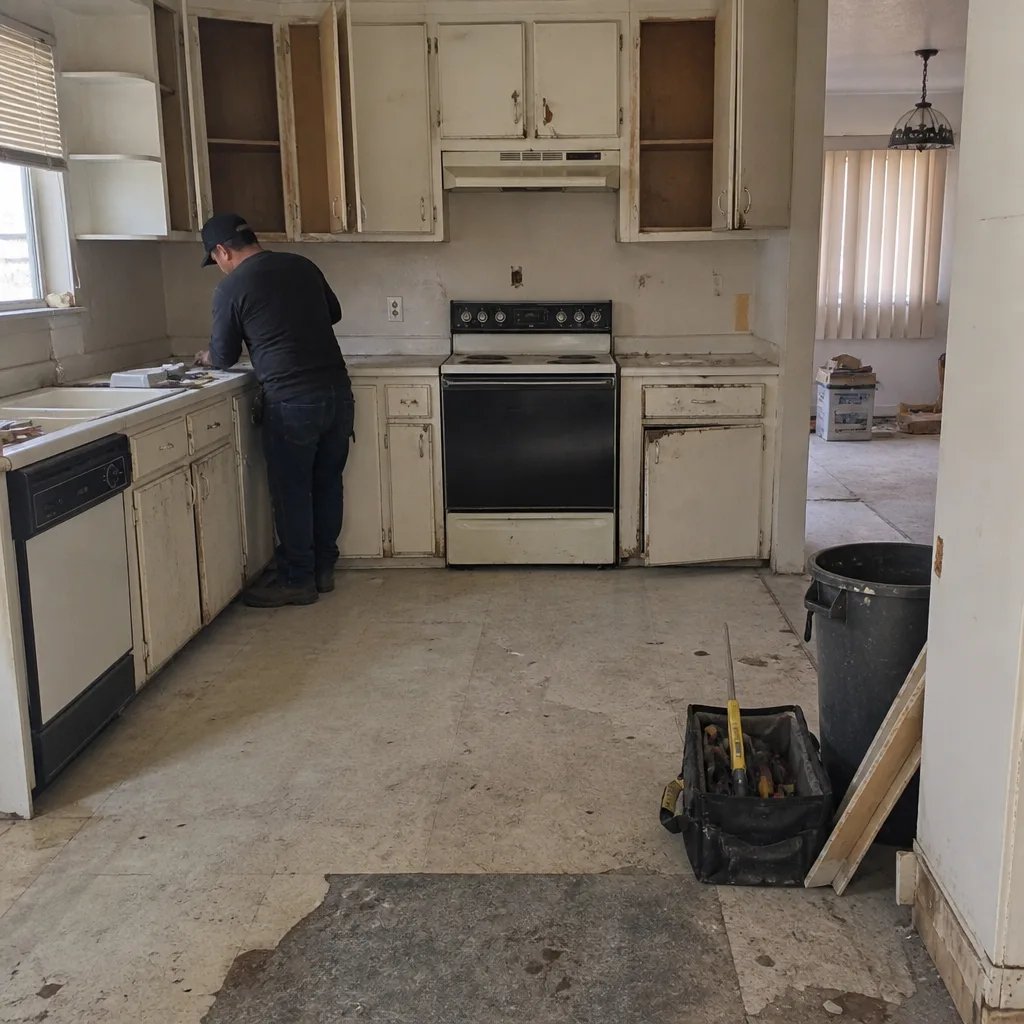 Before
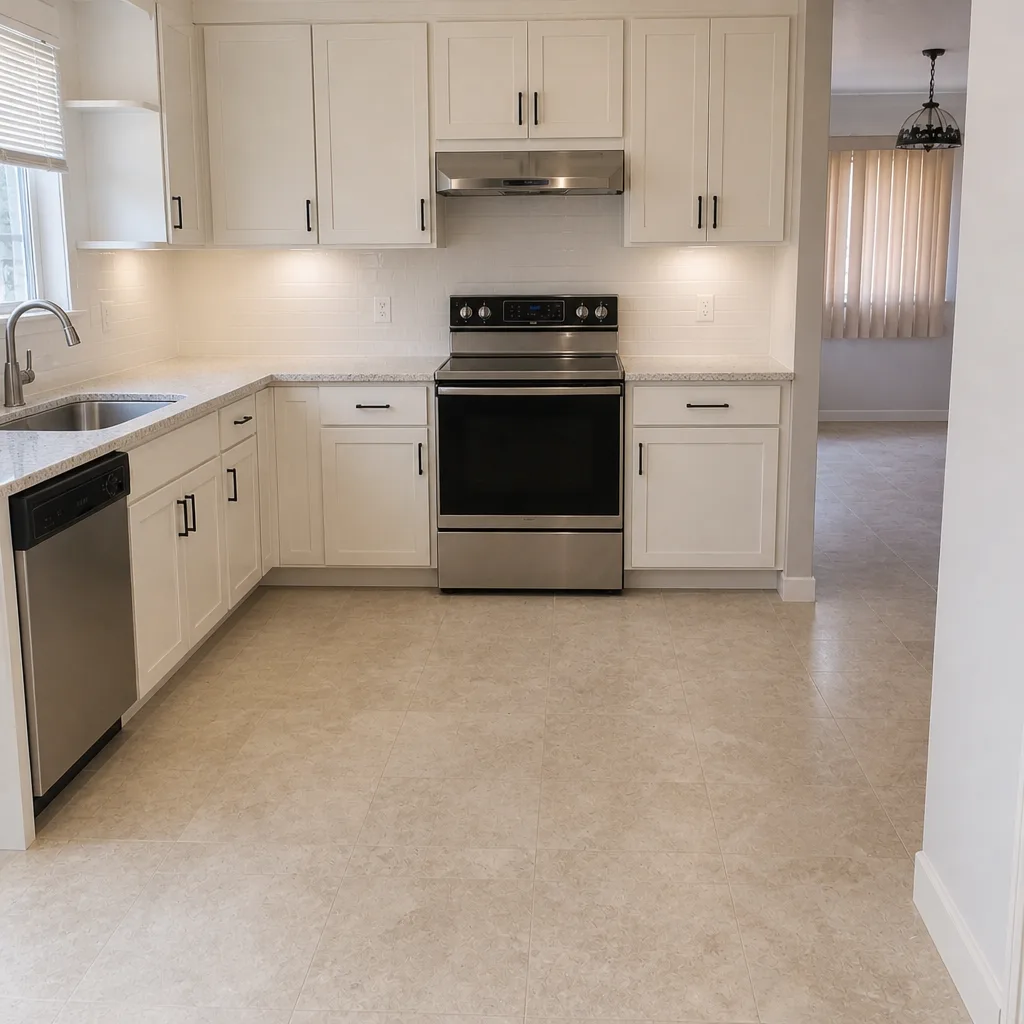 After
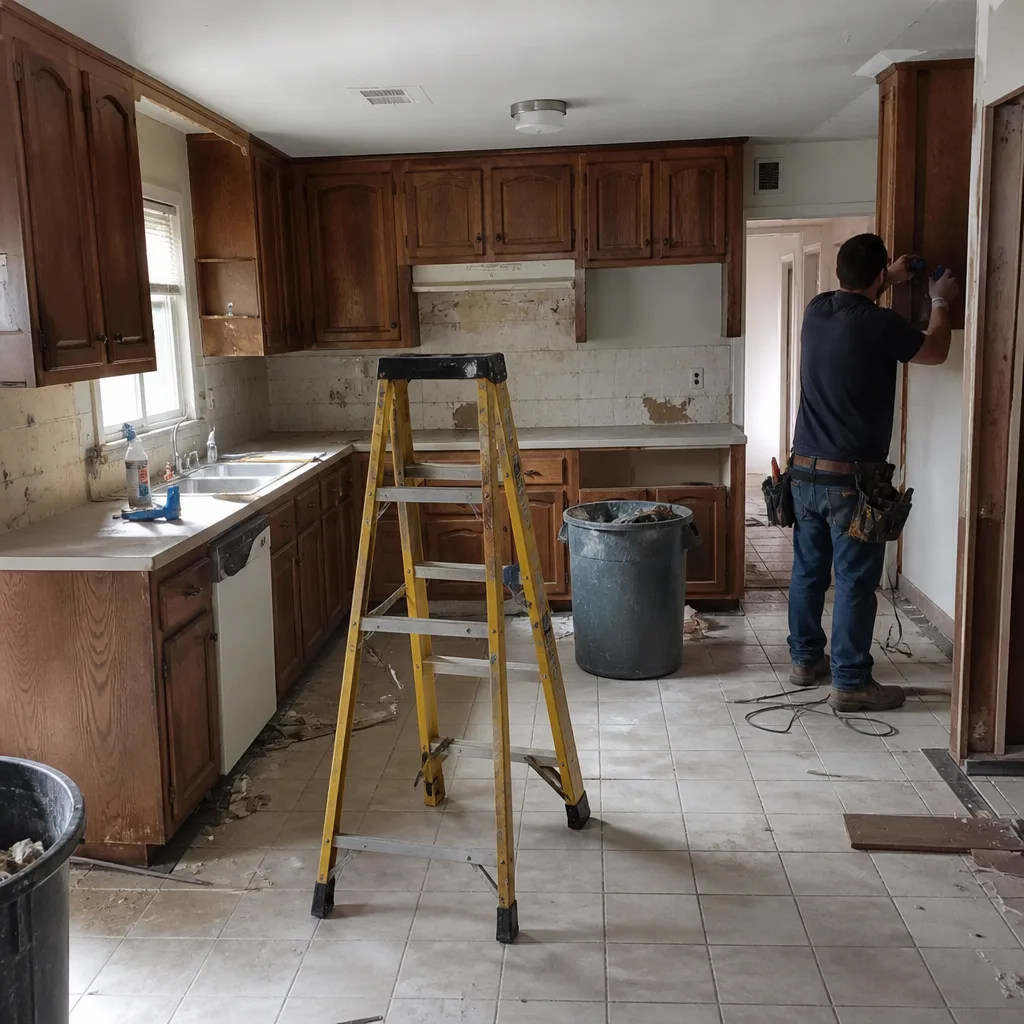 Before
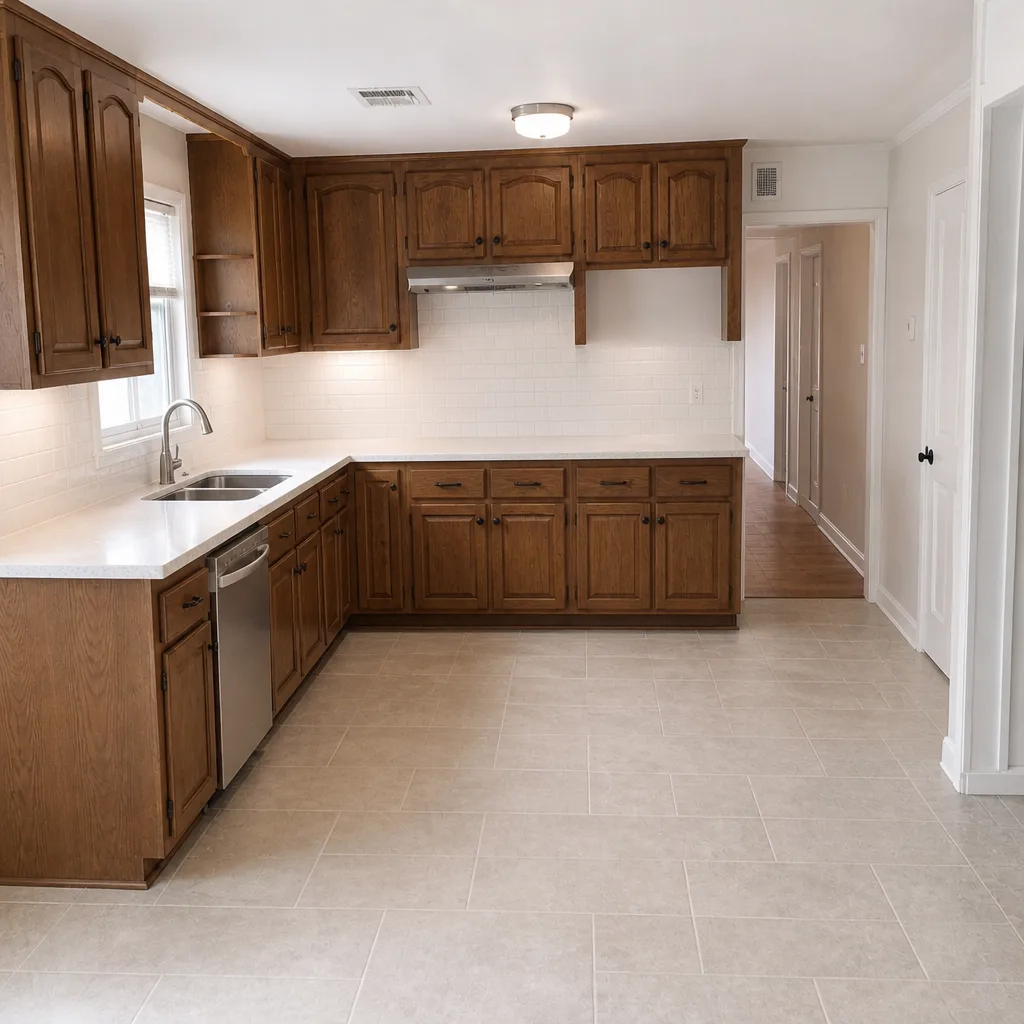 After
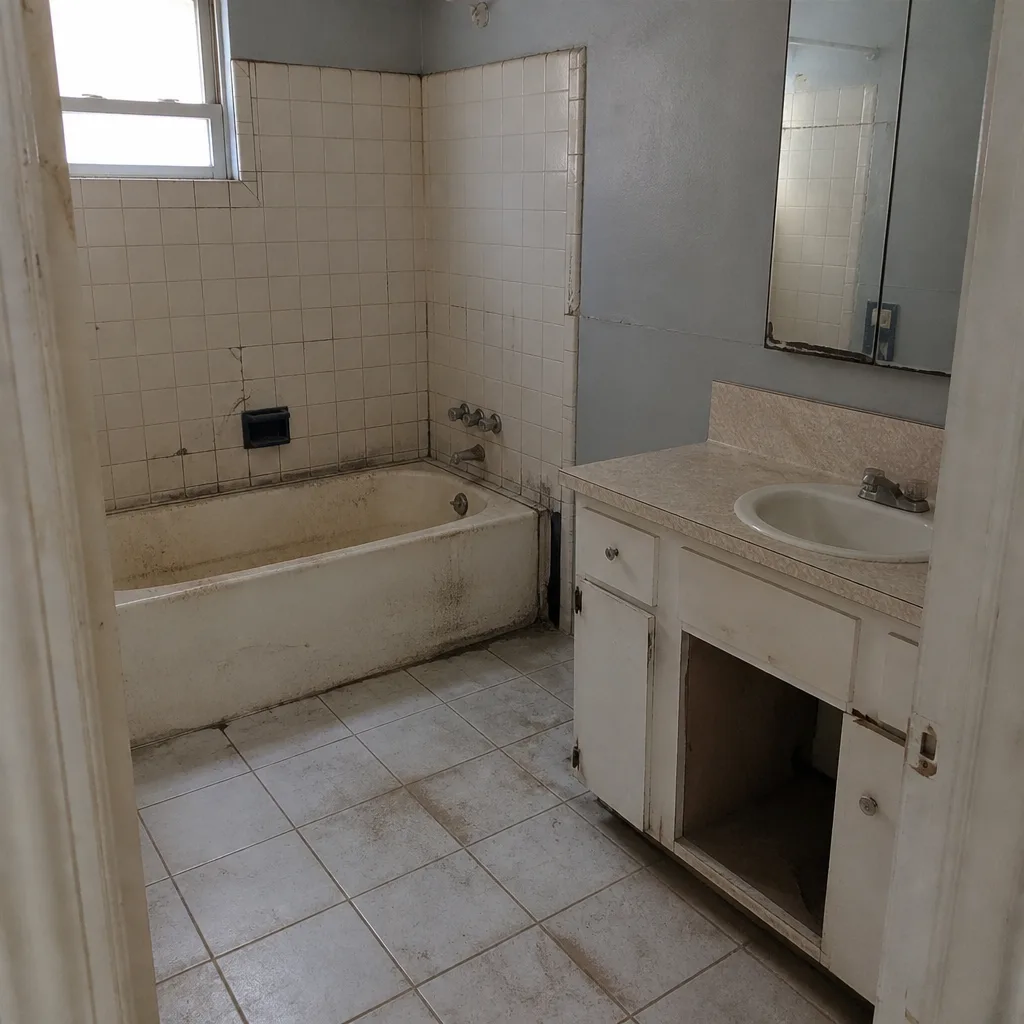 Before
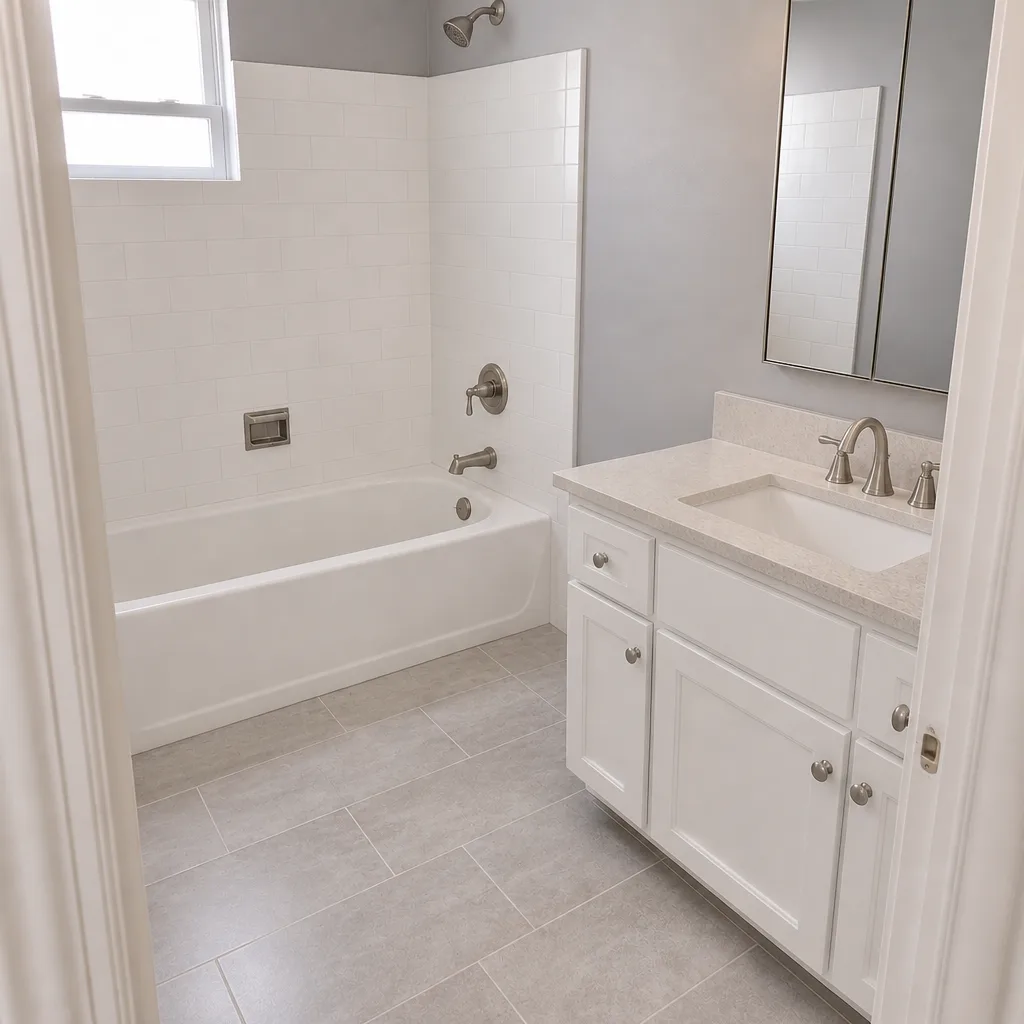 After
When to Call a Professional
Some warning signs you can inspect and reason through. Others need eyes on them, because the fix depends on details you can’t see from inside: flashing behind the frame, the true square of an opening, or whether a failed seal is a glass problem or a frame problem. Call a professional when you see between-panes fog on more than one unit, corner separation or sill rot on an exterior frame, water staining around an opening, a door that no longer latches flush, or a cooling bill that climbs two summers running with a healthy HVAC system. Groundwork Construction Co. of Spring Valley offers free estimates in Spring Valley with upfront pricing, so you get a written line-item scope before you commit, and every job is backed by our 730-Day Done Right Promise. Call (888) 329-9414 to schedule your free estimate.
Frequently Asked Questions
A rising energy bill is usually the earliest signal, often a 10-18% climb in summer cooling costs with no rate increase and a healthy HVAC system. It shows up before fog, drafts, or visible damage because a failing seal loses performance gradually. If your bill has crept up for two summers running, call (888) 329-9414 for an exact quote – estimates are free.
Yes. Condensation trapped between the panes means the sealed insulated glass unit has failed and its insulating gas is gone, so the window has lost most of its energy performance even though the glass looks intact. In Spring Valley’s heat, that means the unit can’t keep the sun’s heat out. Call (888) 329-9414 for an exact quote – estimates are free.
Window replacement in Spring Valley typically runs roughly $450 to $1,100 per window installed, depending on size, material, and glass package, with large or specialty units higher and full-home projects quoting lower per unit. A failed glass unit on its own sometimes costs far less to replace than the whole window. Call (888) 329-9414 for an exact quote – estimates are free.
Often it can be repaired. Seasonal sticking that points to frame movement is usually corrected by squaring and adjusting the opening, and hardware failures are straightforward fixes. Replacement makes sense when the door itself is rotting, rusting at the bottom, or badly warped. Call (888) 329-9414 for an exact quote – estimates are free.
You do, unless the original installer stands behind their work, because a manufacturer warranty covers the product, not installation defects like missing flashing or improper sealing. That’s why a written scope naming the install details matters before work starts. Call (888) 329-9414 for an exact quote – estimates are free.
Like-for-like window and door replacement generally doesn’t require a permit, while changes to the size of an opening or new construction usually do. The distinction depends on local codes and the scope of the job. Call (888) 329-9414 for an exact quote – estimates are free, and we’ll pull and pass the permits where they’re required.
The Bottom Line

The most expensive window and door problems don’t start with visible damage. They start with a rising energy bill, condensation in the wrong place, frame corners separating under desert UV, and doors that stop latching flush. Catching those performance signals early is the difference between a $200 repair and a five-figure replacement, and in Spring Valley’s climate, the timing matters more than almost anywhere. If you’ve noticed two or more of the warning signs in this guide, get eyes on it before the next summer heat cycle. Upfront pricing, a free estimate, and our 730-Day Done Right Promise make the decision easier, whichever way it goes.
When you’re ready to look at windows and doors alongside a larger exterior or interior project, our team at Groundwork Construction Co. of Spring Valley can plan it as one job, from Driveway & Pavers in Spring Valley to Home Additions & ADU in Spring Valley and everything between. Call (888) 329-9414 to schedule your free estimate – a live person answers, and upfront pricing means the number you see is the number you pay.
Written by the team at Groundwork Construction Co. of Spring Valley.