Last updated November 17, 2026

Free written scope consultation - allowances, timeline, and change-order rules on paper before a single trade is scheduled
Construction Cost Breakdown: The Spring Valley Homeowner’s Reference for 2026
Most Spring Valley homeowners get a construction bid that reads like a ransom note: one number, no breakdown, sign here. That’s the same as buying a car with no window sticker and trusting the dealer to be fair. In 2026, with labor running tight across the Las Vegas Valley and material prices still bouncing, the bid you sign matters more than it did five years ago. This guide gives you the actual numbers by project category for Spring Valley – labor rates, material benchmarks, Clark County permit costs, and the contingency line that separates a fair bid from a padded one. You’ll finish knowing how to read a bid before you authorize it.
Quick Answer
Construction costs in Spring Valley in 2026 run roughly $95 to $175 per square foot for most remodels, with kitchens landing between $28,000 and $85,000 and bathroom renovations between $15,000 and $45,000 depending on scope and finishes. Driveways and paver work typically fall in the $9 to $22 per square foot range, and a standard block wall runs $35 to $60 per linear foot. Clark County permit and inspection fees add another 1 to 3 percent of project value and should appear as their own line item on any bid you receive.
Styles & brands we work with
- Kitchen remodeling
- Bathroom remodeling
- Home additions & ADU
- Roofing
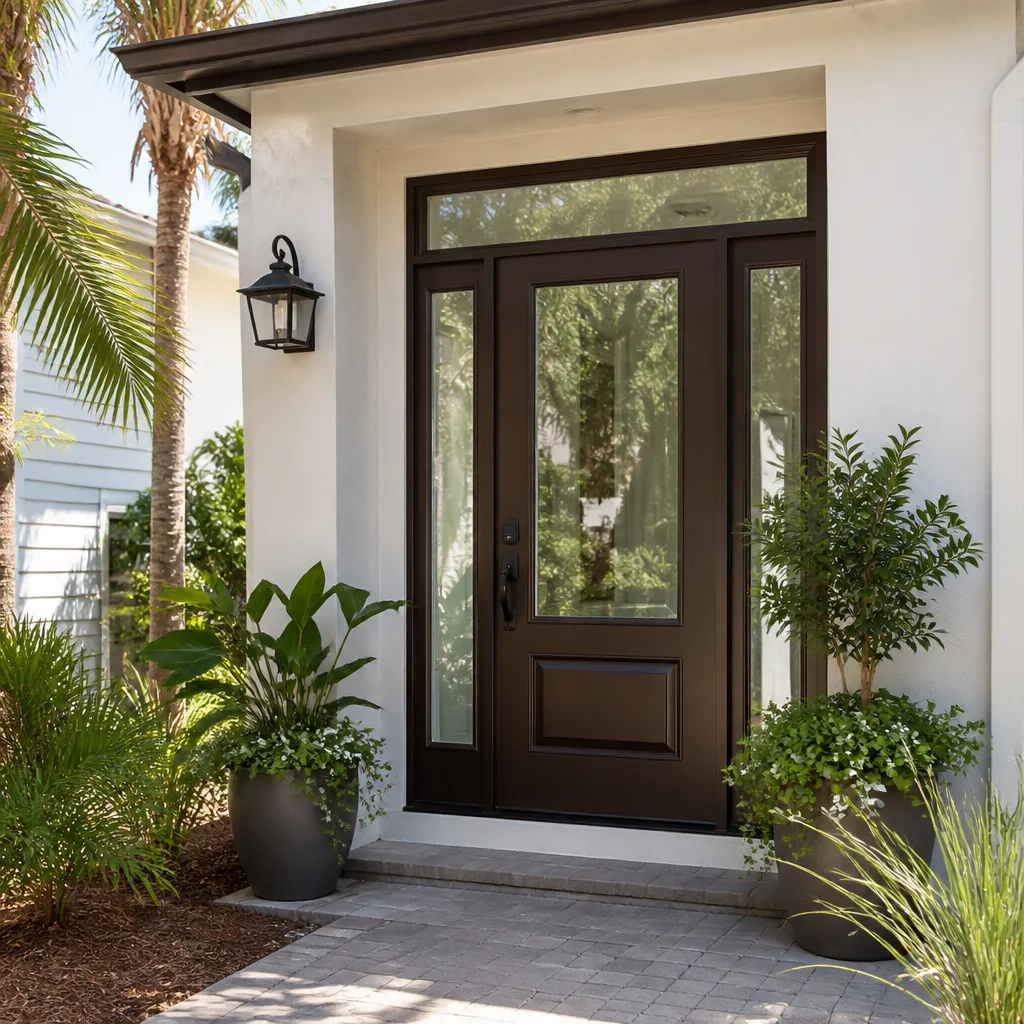
- Windows & doors
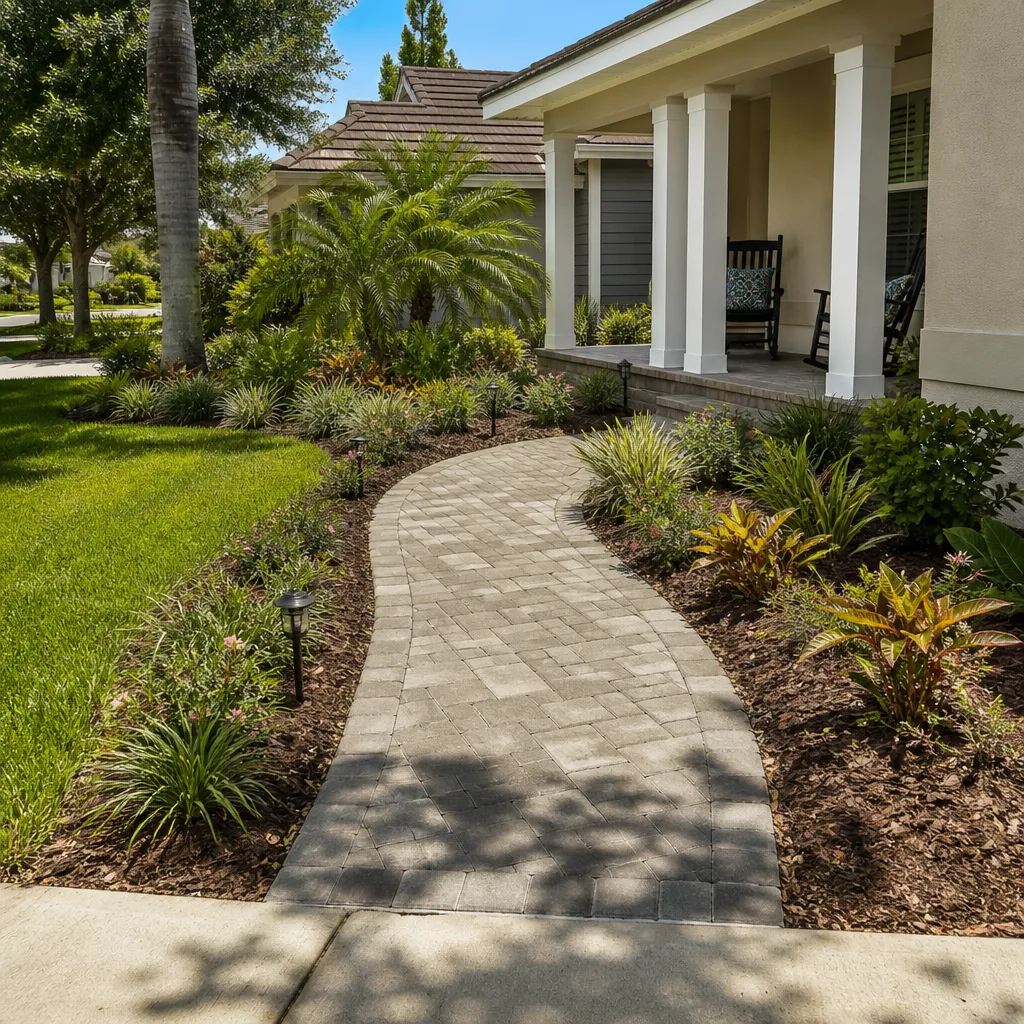
- Driveway & pavers
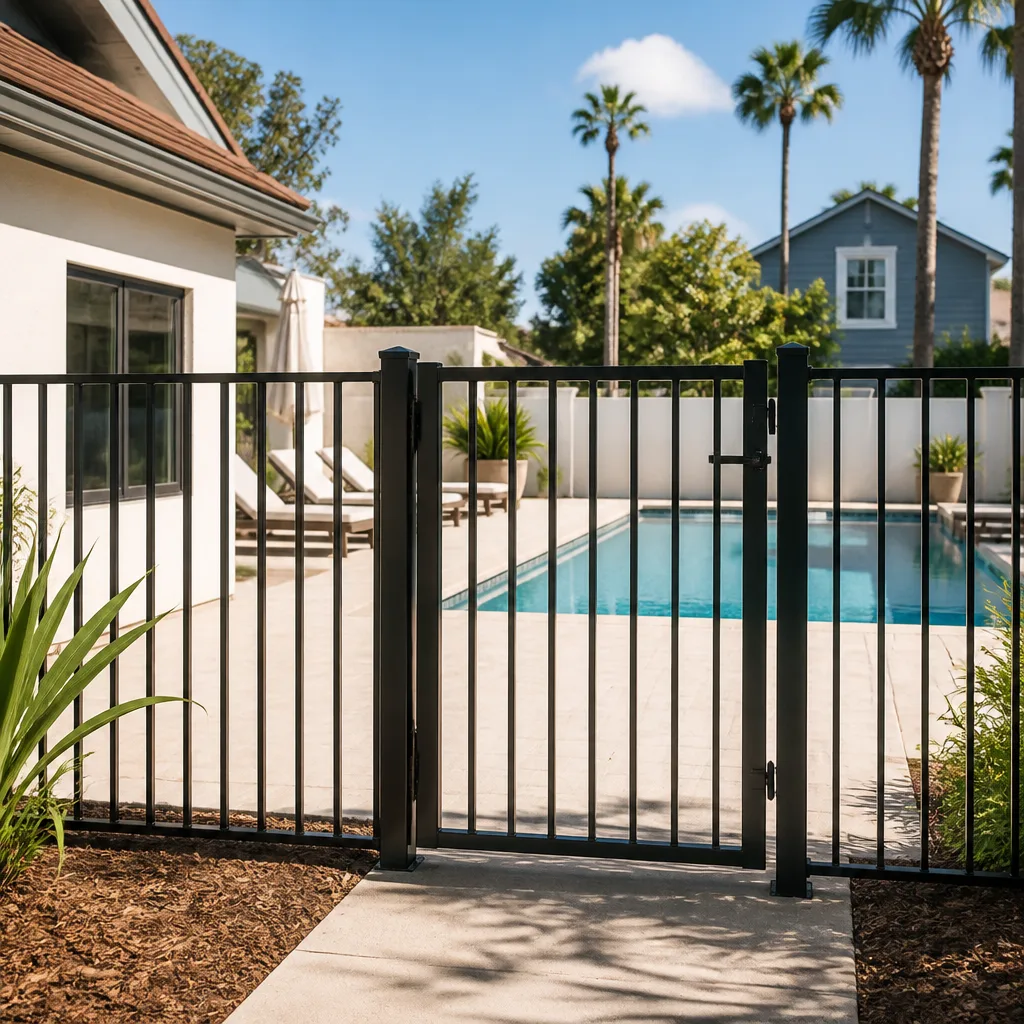
- Fence
Table of Contents
- What Are Licensed Trade Labor Rates in the Las Vegas Valley in 2026?
- Material Cost Benchmarks for Spring Valley Projects
- How Do Clark County Permit, Inspection, and Plan Check Fees Factor In?
- The Right Contingency vs. Hidden Profit Padding
- What Itemized Pricing Should Look Like Before You Sign
- Why Spring Valley’s Climate Changes Your Cost Math
- Project-by-Project Cost Ranges for 2026
- How to Compare Two Bids Without Getting Played
What Are Licensed Trade Labor Rates in the Las Vegas Valley in 2026?
Labor is the single largest driver of your Spring Valley construction cost in 2026, and it’s the line contractors hide most often. The valley is still short on licensed trades, and that shortage shows up in rates. A general laborer on a Spring Valley job site now runs $35 to $50 an hour. Skilled trades are higher. Here’s what we’ve seen across the market this year:
- Framers: $55 to $80 per hour, or $8 to $14 per square foot of framing
- Licensed electricians: $95 to $135 per hour for journeyman work; panel work runs more
- Plumbers: $90 to $130 per hour; rough-in for a bathroom addition runs $2,800 to $5,500
- Drywall and finish carpenters: $50 to $75 per hour
- Tile setters: $70 to $110 per hour, or $8 to $18 per square foot installed
- Concrete finishers: $65 to $95 per hour, plus equipment charges
- Stucco crews: $60 to $90 per hour, or $8 to $16 per square foot applied
Two things inflate labor in Spring Valley specifically. First, the summer heat. Crews working July and August through 110-degree afternoons lose productive hours, and some trades build a seasonal premium into bids for work scheduled then. Second, distance and access. Jobs in neighborhoods like Rhodes Ranch or the Spring Valley pockets off Tropicana and Rainbow have tighter lots and narrower driveways, which adds handling time for deliveries and equipment. A bid that ignores those factors either hasn’t thought it through or is planning to find the money later.
When a contractor quotes you a labor figure, ask for it as a line item with hours attached, not a lump sum. A fair bid breaks labor out. A padded one buries it. Our technicians have up to 12 years of experience and know what valley labor should cost. If a number looks low, someone is planning to cut a corner or ask you for more once the job is open.
Material Cost Benchmarks for Spring Valley Projects
Material pricing in the Las Vegas Valley moves with regional sourcing. Concrete and aggregates ship out of yards near the I-15 corridor, which keeps delivery short but adds fuel surcharges. Block is manufactured locally, which helps. Paver brands like Belgard, Tremron, and Unilock run different price tiers, and the difference between a standard paver and a premium one can swing your driveway cost by $4,000 or more. Here are the benchmarks we’re working from for common Spring Valley projects in 2026:
- Ready-mix concrete: $150 to $195 per cubic yard delivered, depending on mix and quantity; perimeter and stub work can price higher
- Standard pavers: $3.50 to $7.50 per square foot for material; premium Belgard and Unilock lines run $6 to $12
- CMU block for block walls: $2.50 to $4 per block, plus mortar, grout, and rebar; a 6-foot block wall material cost lands around $12 to $22 per linear foot before labor
- Stucco materials: $1.50 to $3.50 per square foot for three-coat applications
- Fence materials: ActiveYards vinyl runs $18 to $38 per linear foot for material; ornamental iron runs higher
- Roofing shingles: $90 to $160 per square (100 square feet) for architectural-grade asphalt; GAF and Owens Corning premium lines sit at the top of that range
Spring Valley’s heat and sun exposure matter here. Standard vinyl fencing that would last 20 years in a milder climate can chalk and crack earlier in full afternoon sun unless you buy a heavier-gauge product. Concrete paved surfaces need proper expansion joints and mix design or they’ll spall after a few summers. Ask your contractor what material spec they’re using and why it fits this climate. If the answer is vague, that’s a cost problem waiting for a bad summer.
How Do Clark County Permit, Inspection, and Plan Check Fees Factor In?
Permit fees are the most commonly excluded line on an initial bid, partly because contractors don’t want to explain them and partly because they vary by scope. In Clark County, permit fees are calculated against project valuation, so a $40,000 remodel pulls a higher fee than a $12,000 one. Plan check runs separately, inspection fees sometimes appear separately, and there’s often a technology or surcharge fee on top. For a typical Spring Valley residential remodel, permit costs usually land between 1 and 3 percent of project value. On a new addition or ADU, that percentage can climb.
Here’s what a fair bid does: it lists the permit and plan check fee as its own line, with a note that final cost depends on county valuation. Here’s what a padded bid does: it excludes permits entirely and mentions them only after you’ve signed. Then the “change order” arrives before framing starts.
- Ask whether permits are included, in writing. If the answer is “we’ll handle it later,” that’s a red flag.
- Ask who pulls the permit. The contractor should pull it, and the permit should list the licensed contractor doing the work.
- Ask what inspections are scheduled and who pays for re-inspection fees. Failed inspections that require return trips can add hundreds of dollars. That cost belongs on the contractor if the failure is their work.
- Confirm the final permitted scope matches the bid scope. Unpermitted work is a future headache when you sell, and Spring Valley homes change hands regularly.
Permits aren’t bureaucracy. They’re protection. A contractor who treats them as a nuisance is a contractor who cuts corners elsewhere. Groundwork Construction Co. of Spring Valley pulls permits and passes inspections as a standard part of the job, and we show the fee on every bid.
The Right Contingency vs. Hidden Profit Padding
Every honest construction bid includes a contingency line. The question is how big it is and what it covers. The rule of thumb for a well-scoped Spring Valley remodel is 10 to 15 percent of total project cost held in reserve for unknowns. On an addition or any project that opens walls in an older home, 15 to 20 percent is reasonable. That money covers what nobody can see until demo starts: rotted framing, an undersized panel, a drain line that doesn’t go where the drawing said.
The pad, by contrast, is contingency dressed up as safety. Signs to watch for:
- Contingency above 20 percent on a well-scoped job. That’s not contingency. That’s margin with a better name.
- Contingency with no draw schedule. If the contractor can’t tell you how unused contingency gets returned to you, it’s not a reserve, it’s a deposit.
- Contingency buried inside a line item. “Allowance” for tile at $8 per square foot when you’ve picked $14 tile is a setup, not a mistake.
- Repeated change orders drawing on the same reserve for items that should have been in the original scope. That’s not unknown, that’s unscoped.
A fair contingency is written down, tracked in writing, and reconciled at the end. Whatever isn’t used comes back to you. If your contractor can’t explain how that works in plain language before you sign, find another contractor. The number you see should be the number you pay, and any money held back should have a documented path home.
What Itemized Pricing Should Look Like Before You Sign
If your project is over $5,000, you should demand an itemized bid. Not a summary – an actual line-by-line breakdown. Here’s what a transparent bid includes, and what a Spring Valley homeowner should refuse to authorize without:
- Scope of work by room or area. Not “kitchen remodel” but “demo existing cabinets, install 30 linear feet of KraftMaid cabinetry with Cambria countertops, relocate sink plumbing 18 inches.”
- Material specifications with brand and model. KraftMaid, Kohler, GAF, CertainTeed, Andersen, Pella, Belgard, James Hardie – the brand should be on the bid, not promised verbally.
- Labor broken out by trade. Framing, plumbing, electrical, drywall, tile, finish carpentry. Each line separate.
- Permit, plan check, and inspection fees as their own items. With a note on which are estimates.
- Contingency amount and reconciliation terms. How much, what it covers, how unused money returns to you.
- Change order process in writing. Who authorizes, at what threshold, and whether markup applies.
- Payment schedule tied to milestones. Never a large deposit before work starts and materials arrive.
- Warranty terms. Workmanship warranty length, product warranties, and how claims get filed.
We use upfront pricing on every job – the number you see is the number you pay. That commitment only works if the bid is itemized in the first place. It’s why our estimates run with line-item detail and a written schedule, so you’re comparing apples to apples when the next contractor’s bid lands in your inbox.
Why Spring Valley’s Climate Changes Your Cost Math
Spring Valley sits in the Mojave basin with summer highs over 110 and a freeze-thaw shoulder season that catches a lot of homeowners off guard. Both extremes cost money, and a bid that ignores them is a bid that hands you the bill later.
Heat does three things to your project budget. First, it degrades certain materials faster than most product literature admits. Standard asphalt shingles lose service life faster here than in cooler climates, which is why roof bids in Spring Valley should specify either a heavier-weight architectural shingle or a reflective option. Second, concrete pours in summer need more water and careful curing, sometimes requiring night or early-morning placement, which adds labor. Third, exterior paint and stucco cure unevenly in extreme heat, so schedule and product choice both change.
The colder shoulder months bring the opposite problem. Freeze-thaw cycles crack unprotected hardscape, particularly porous concrete and paver joints. Grout in stucco fails sooner if it wasn’t mixed and cured properly. Irrigation and plumbing lines exposed to winter cold need insulation, and pool equipment needs winterizing. Spring Valley isn’t a mountain climate, but it gets cold enough to matter, and a builder who treats the valley as a hot desert only is a builder who’ll cost you repairs in three years.
When you get bids, ask what the contractor’s schedule looks like for your specific project month. A March roof replacement bid and a July one aren’t the same bid.
Project-by-Project Cost Ranges for 2026
Here’s the range of what Spring Valley homeowners can expect to spend across the categories we work in most. These figures reflect current valley labor and material pricing and include a reasonable contingency line. They assume permitted, inspected work with mid-grade materials unless otherwise noted.
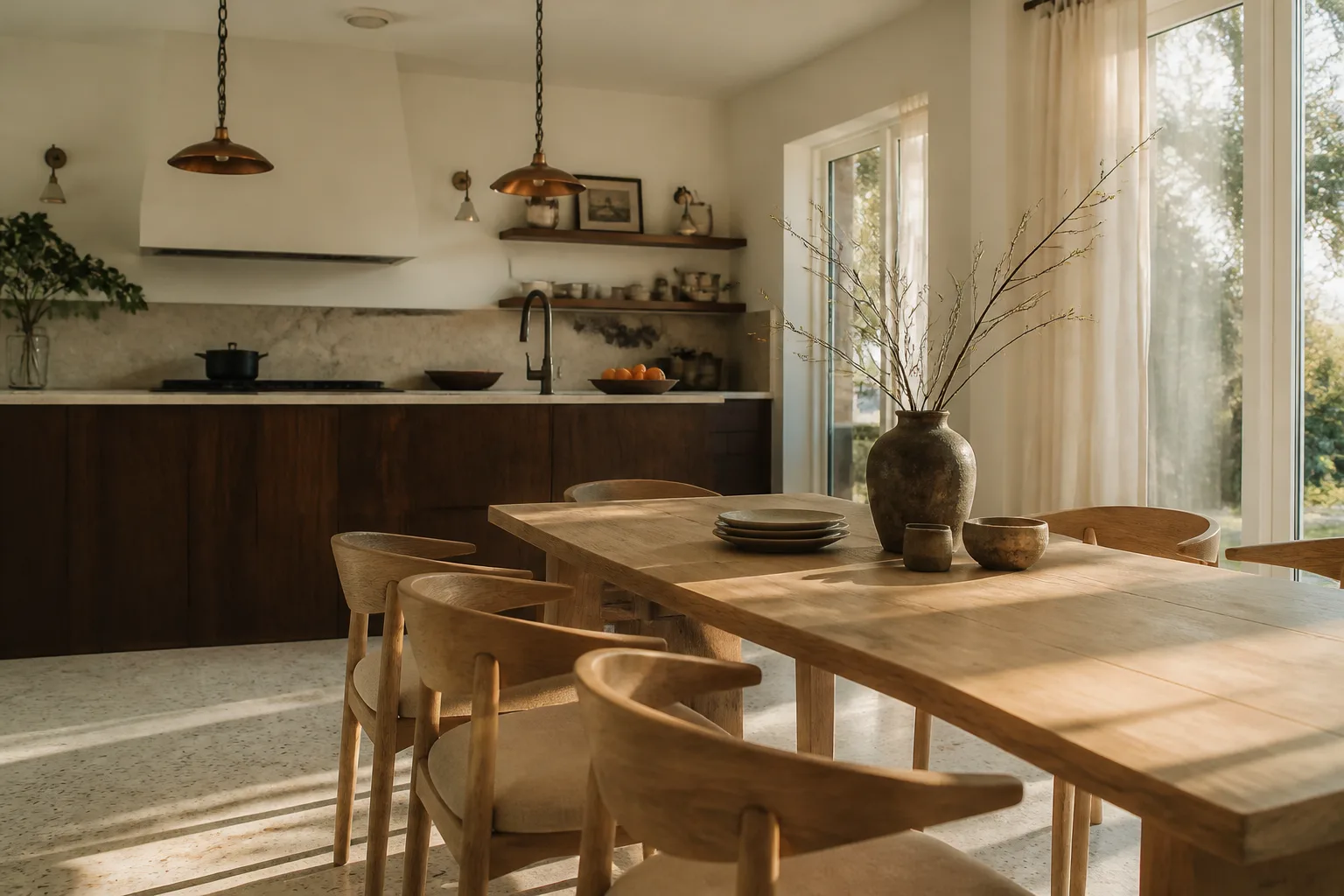
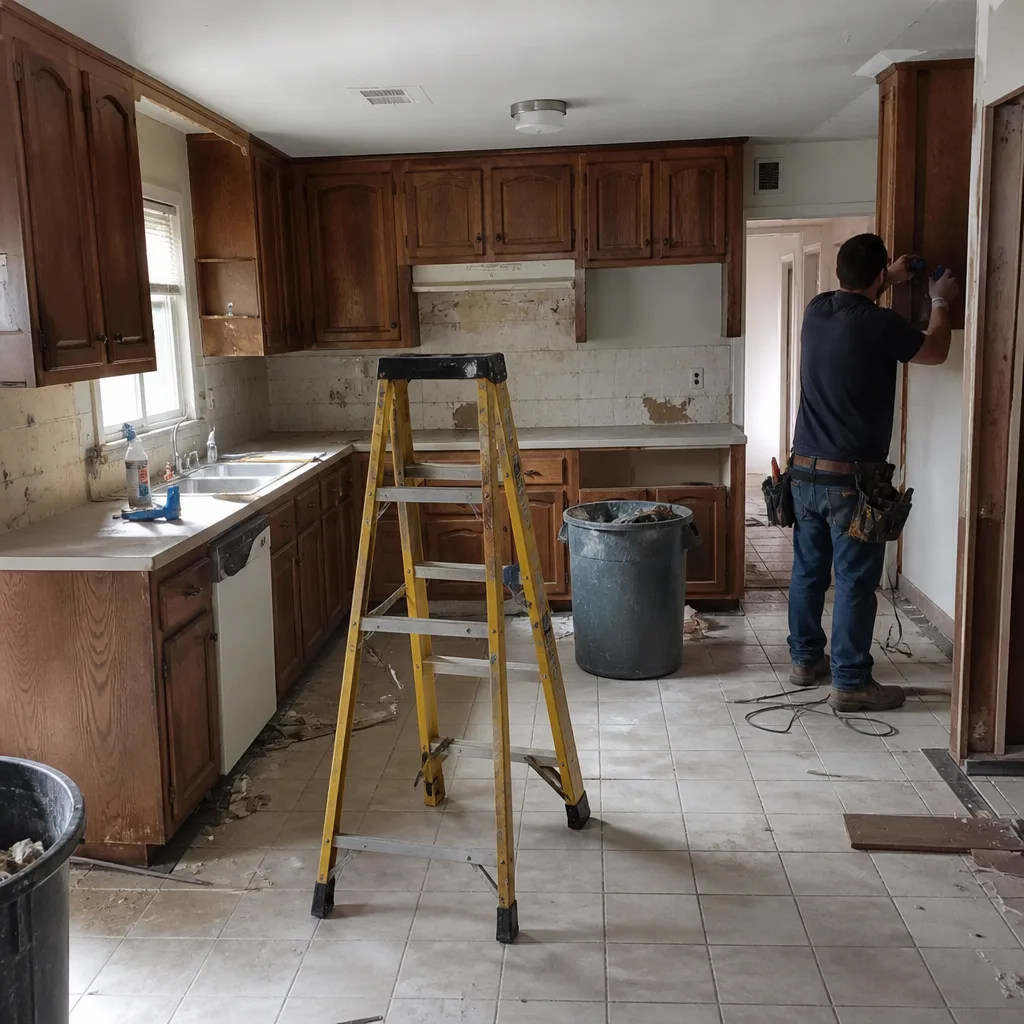
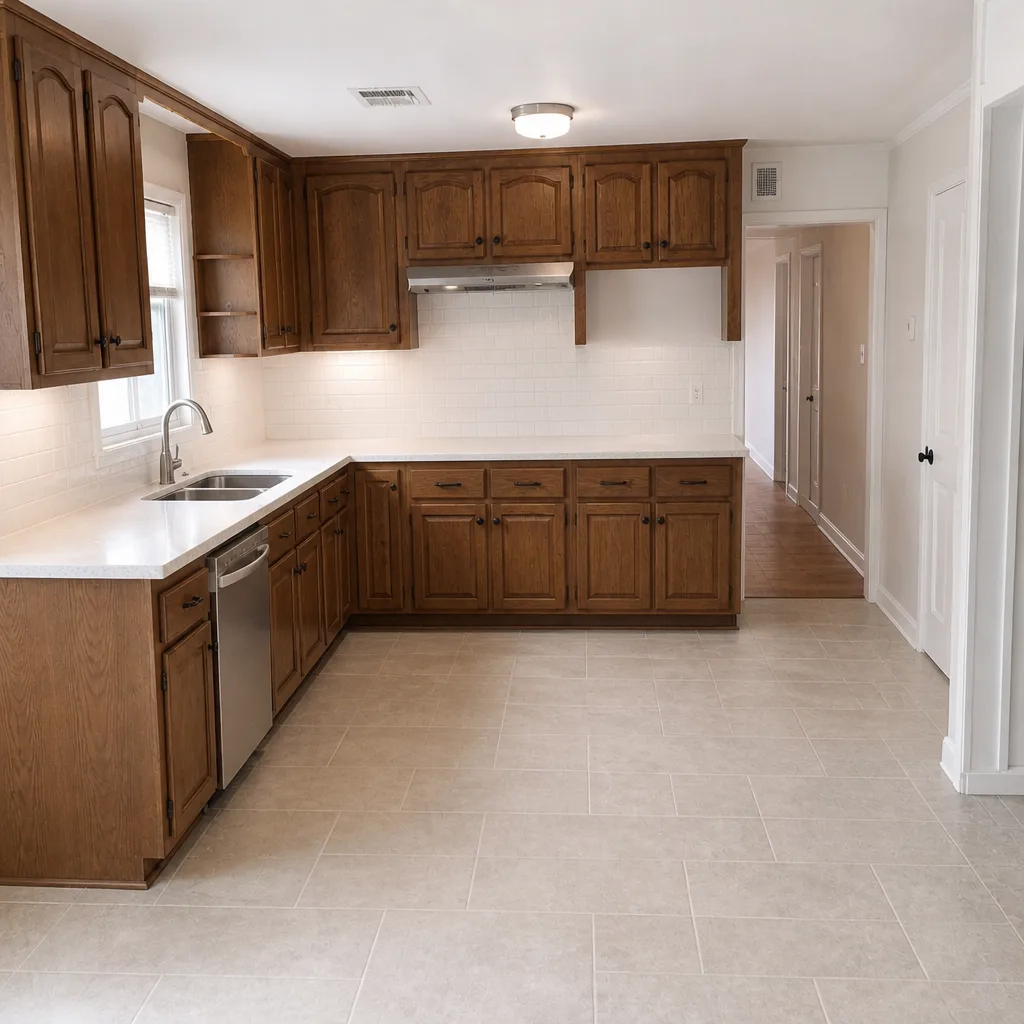
- Kitchen remodel: $28,000 to $85,000. Cosmetic-only work (cabinet refacing, countertops, paint) lands in the $18,000 to $32,000 range. A full gut with new cabinets, appliances, and layout changes runs $55,000 and up. Premium brand packages like KraftMaid and Cambria move you toward the upper end.
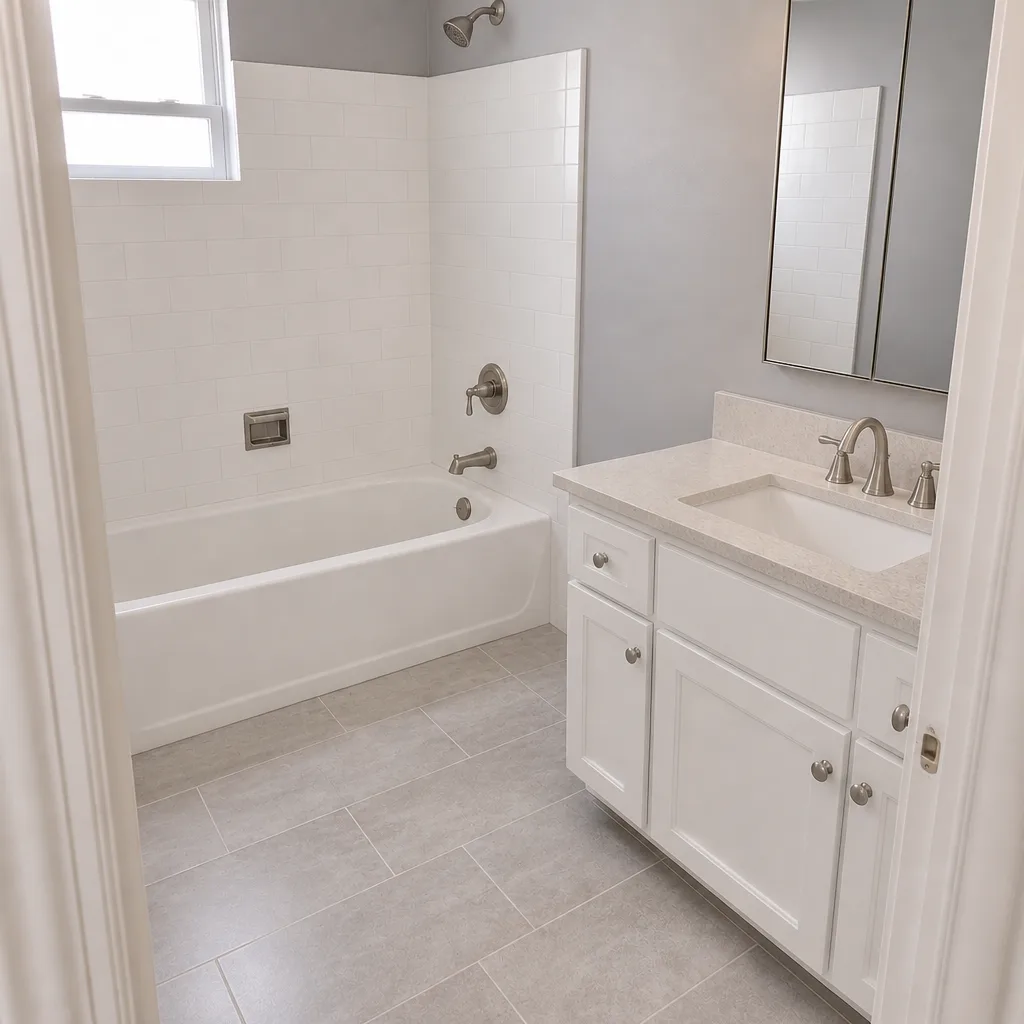
- Bathroom remodel: $15,000 to $45,000. Hall bath remodels in the $15,000 to $24,000 range. Master baths with wet-room layouts, upgraded tile, and fixtures from a Kohler-tier brand run higher.
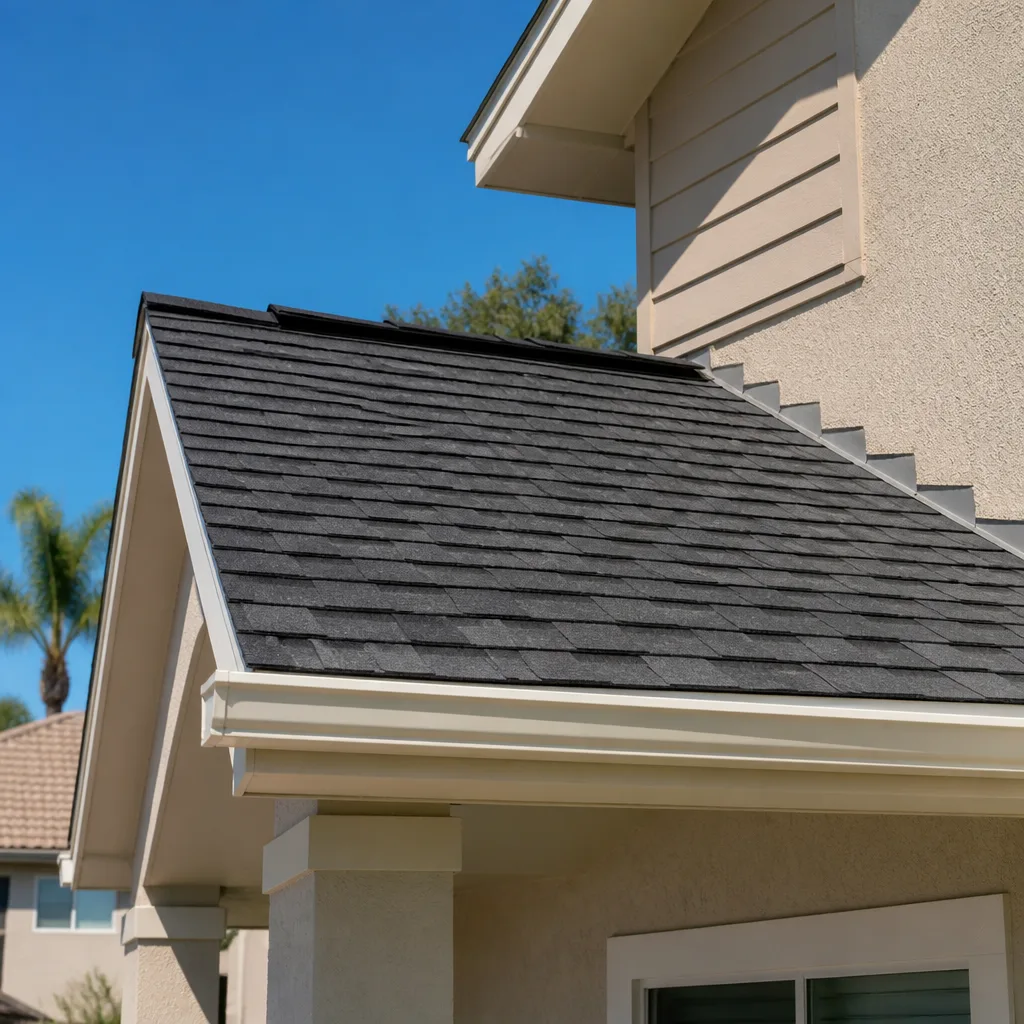
- Roof replacement: $10,500 to $28,000 for a typical Spring Valley single-family home. Price depends on pitch, story count, and shingle tier. Premium GAF or CertainTeed architectural lines move toward the top.
- Windows and doors: $650 to $2,400 per window installed, depending on frame material and glazing. Whole-house packages with Andersen or Pella premium lines often push above $20,000.
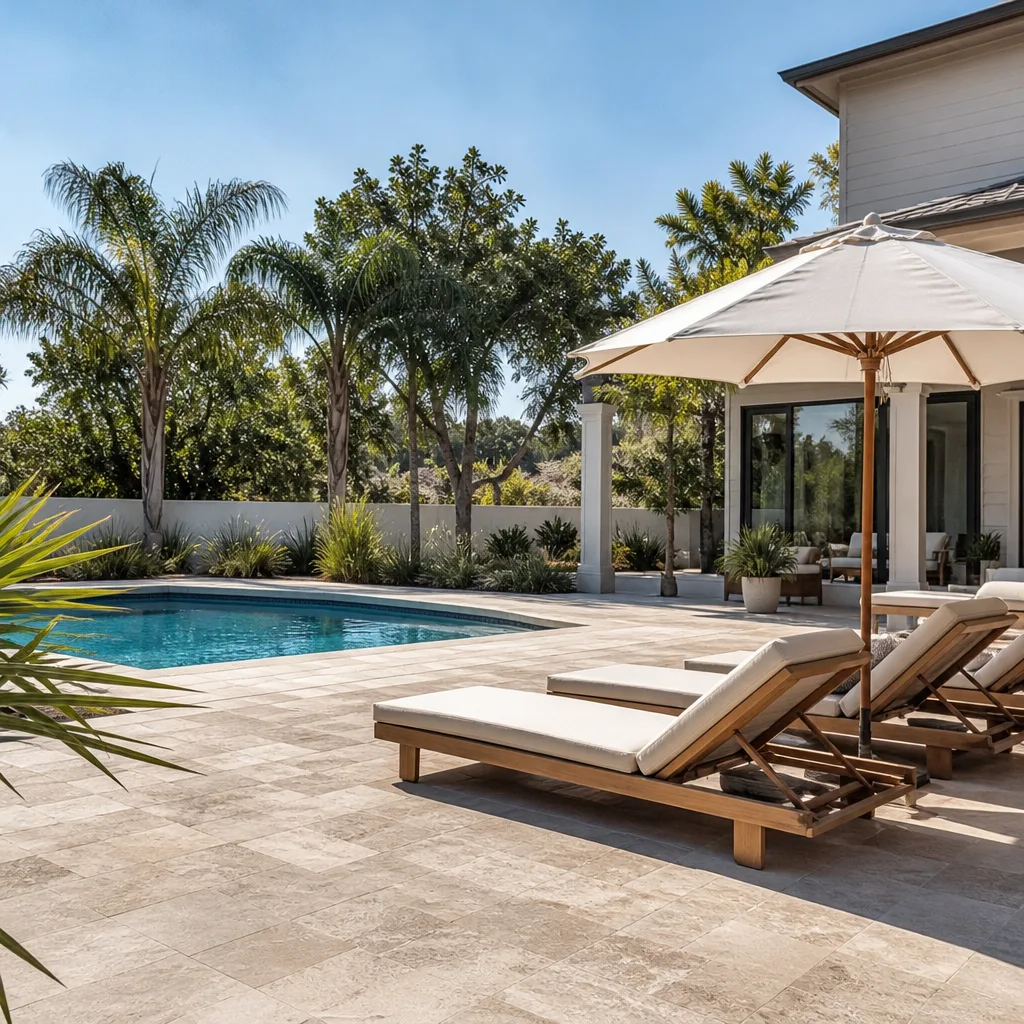
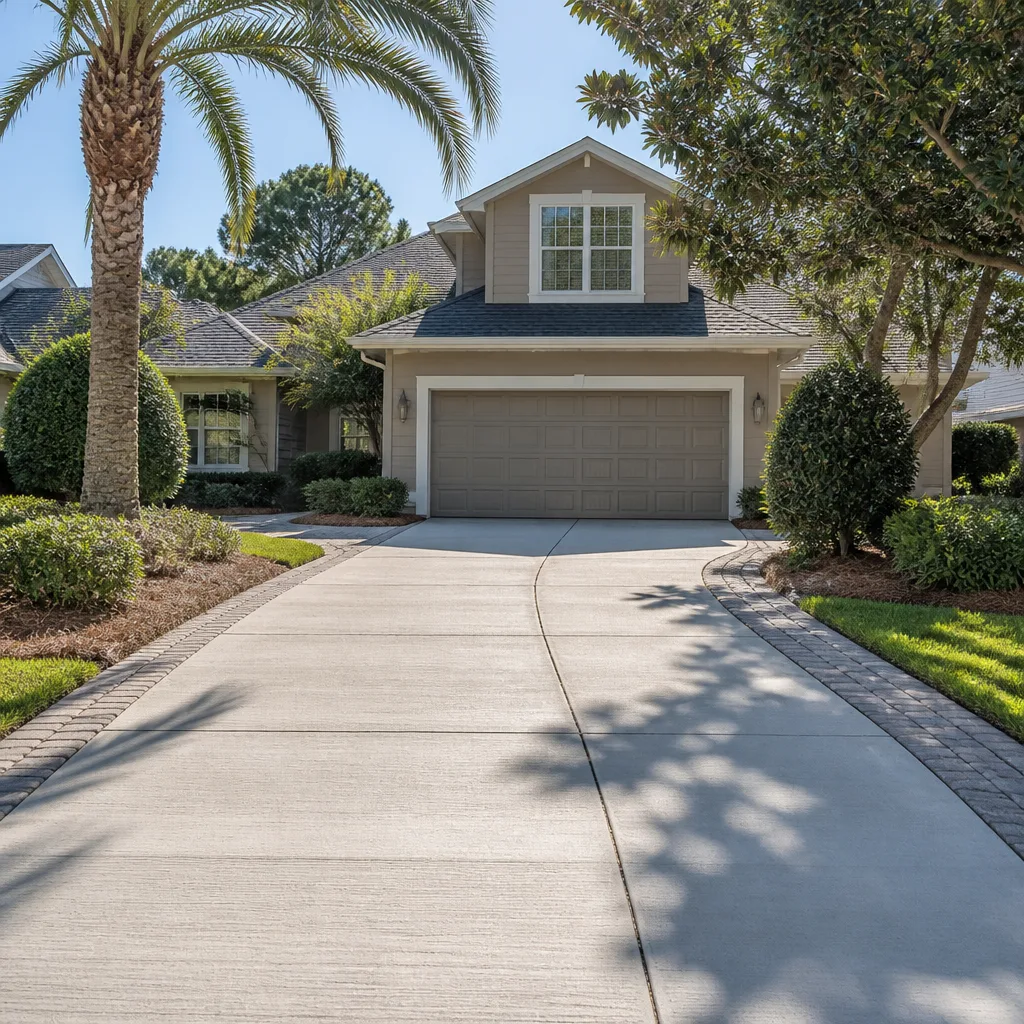
- Driveway and pavers: $9 to $22 per square foot installed. A standard three-car driveway at 800 square feet runs $7,500 to $17,000 with Belgard or Unilock premium pavers at the upper end.
- Fence installation: $28 to $65 per linear foot installed. Vinyl products like ActiveYards sit mid-range; ornamental iron and custom designs run higher.
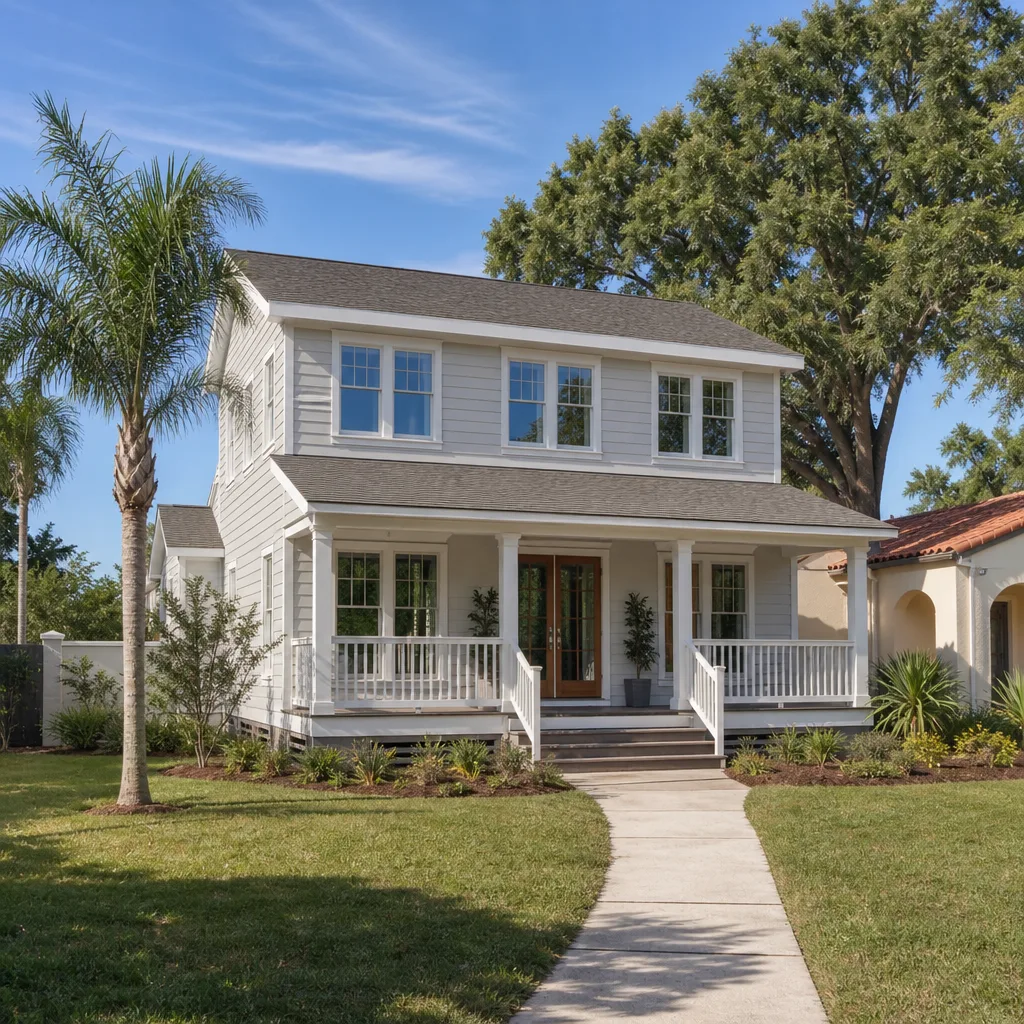
- Home addition or ADU: $185 to $320 per square foot for finished space. A 600-square-foot ADU runs $115,000 and up in the current market once permits, site work, and finish-out are in the total.
For a closer look at these categories and how we scope them, see our pages on Driveway & Pavers in Spring Valley and Home Additions & ADU in Spring Valley. Both walk through line-by-line cost structures specific to those project types.
How to Compare Two Bids Without Getting Played
Two contractors can bid the same Spring Valley job and produce numbers that differ by $30,000 – and both can be legitimate. The difference is scope, material spec, and what’s excluded. Here’s how to read them side by side.
- Line up every line. Print both bids and put them next to each other. If one contractor has a permit line and the other doesn’t, add the county’s plan check and permit fee to the second bid before comparing totals.
- Match the material specs. A bid using standard-grade shingles and a bid using premium GAF Timberline aren’t the same project. Normalize to the same tier before comparing.
- Check the contingency treatment. A bid with 8 percent contingency that reconciles to you beats a bid with 15 percent that vanishes into general overhead.
- Compare labor hours, not just labor dollars. A bid that says “framing: $8,500” tells you less than “framing: 120 hours at $70 per hour.”
- Ask each contractor for two recent jobs in Spring Valley. Not references across the valley – specific Spring Valley addresses you can drive past.
- Read the payment schedule. A bid that wants 40 percent down before materials arrive is a bid structured to protect the contractor’s cash flow, not your money.
Groundwork Construction Co. of Spring Valley offers a free project estimate and design consult with line-item detail, so you have a real bid to compare against the others. Our 730-Day Done Right Promise – if it’s not done right, we make it right – comes with every project, and it’s written into the contract, not verbal. Calls are answered by a live person, 24/7, so when a question comes up at 9 p.m. you’re not waiting until Monday.
Common Mistakes to Avoid
- Signing a bid with no itemization. If the bid is one number, you’re buying a promise with no window sticker. Demand line items before you sign.
- Assuming permits are included. Many Spring Valley bids quietly leave county permit and plan check fees off the total. Ask in writing who pulls the permit and who pays the fee.
- Accepting a contingency over 20 percent without reconciliation terms. High contingency without a written refund path is margin, not safety.
- Choosing on price alone. The lowest bid usually wins by excluding scope. Normalize the bids line by line and the “cheapest” bid is often the most expensive.
- Ignoring the climate spec. Shingles, pavers, and stucco all have Spring Valley-specific limits. A bid that doesn’t name the spec is a bid that will cut it.
- Paying a large deposit upfront. Any payment schedule that puts 30 to 40 percent down before materials arrive is protecting the contractor, not you. Milestone payments are the standard.
- Skipping the warranty read. A workmanship warranty is only as good as its fine print. Ask how claims get filed and how long the guarantee actually runs. A two-year promise is not a 730-day promise.
See the difference
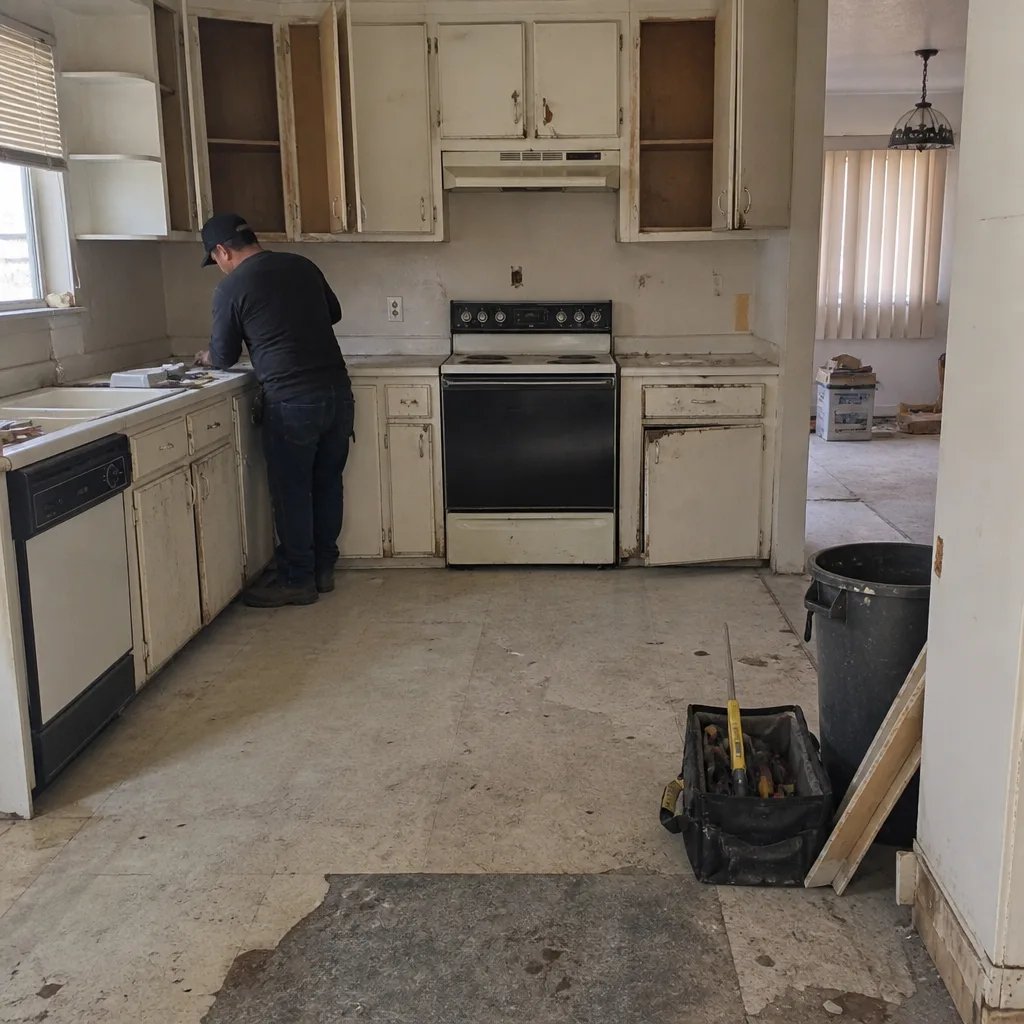 Before
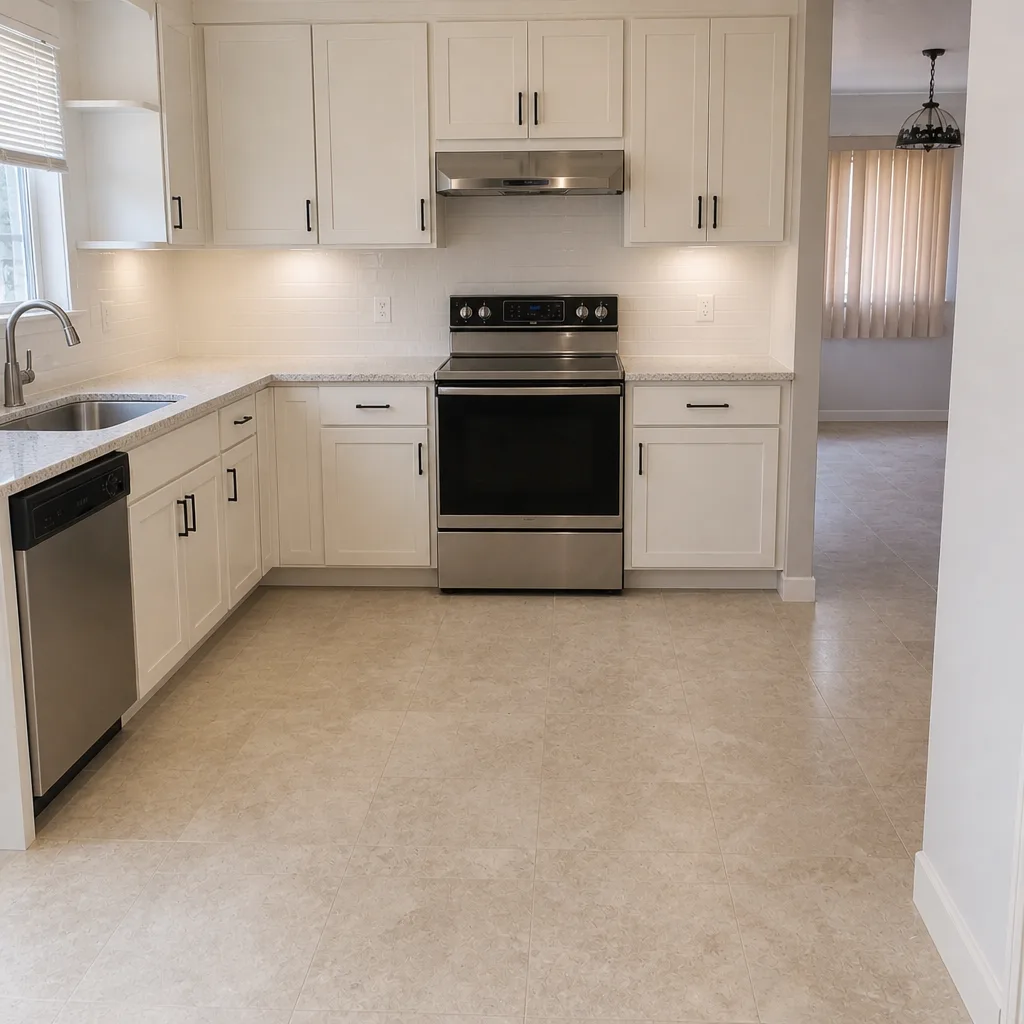 After
 Before
 After
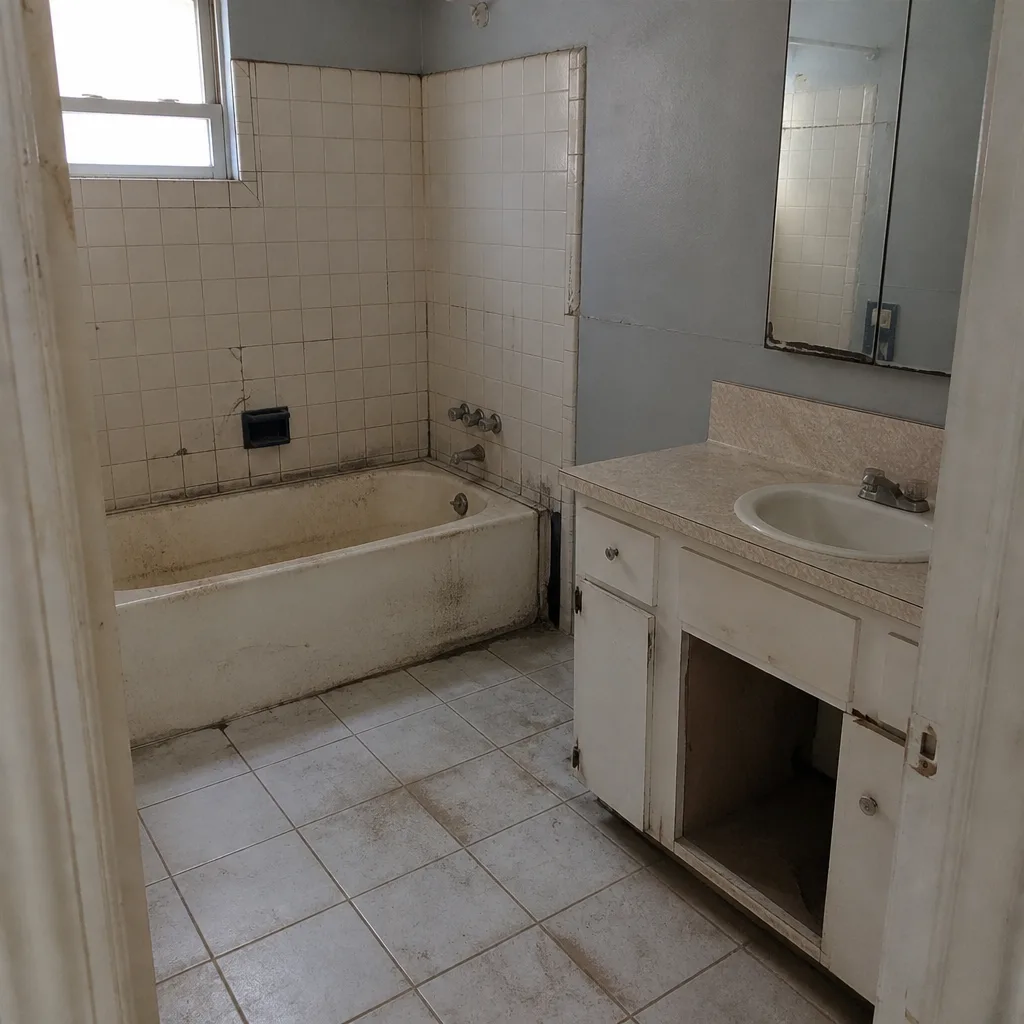 Before
 After
When to Call a Professional
Some work in a Spring Valley home genuinely doesn’t need a contractor – paint, trim, small drywall patches, landscaping. The work that does is the work that touches structure, systems, or value. If your project involves moving a wall, relocating plumbing, upgrading an electrical panel, adding square footage, replacing a roof, pouring concrete, or building a fence along a property line, that’s a professional job. Electrical and gas work especially warrants a licensed trade – mistakes there cause fires and carbon monoxide exposure, and Clark County won’t pass the inspection anyway. The same goes for anything three feet off the ground on a ladder or a roof. Fall injuries are among the most common home-improvement accidents, and nobody should be on a roof alone in July. Groundwork Construction Co. of Spring Valley offers free estimates across Spring Valley – call (888) 329-9414 to schedule one, and we’ll tell you honestly whether the work needs a full contractor or a smaller crew.
Frequently Asked Questions
A Spring Valley kitchen remodel runs $28,000 to $85,000, depending on whether you’re refacing cabinets or gutting the room. Cosmetic-level updates land toward the bottom; full gut with new cabinetry, appliances, and layout changes run toward the top. Call (888) 329-9414 for an itemized estimate – our free project estimate and design consult shows you exact numbers before you commit.
Not on a well-scoped job with upfront pricing. The only legitimate price change is a written change order for work nobody could see until demo started, drawn from a documented contingency line that reconciles back to you if unused. If your contractor’s “final price” arrives before framing with no documented cause, you’re seeing the pad, not an honest adjustment. Call us for an upfront number that holds.
Yes – permits are pulled by the contractor on every job we run, and the permit and plan check fee shows as its own line on the bid. The final permitted scope matches the bid scope, which is what protects your home’s resale value in Spring Valley. Skip a contractor who tells you permits are “handled later” or “not needed for this one.”
A driveway in Spring Valley runs $9 to $22 per square foot installed, with paver material selection driving much of the swing. A standard three-car driveway at 800 square feet lands between $7,500 and $17,000. Premium pavers from Belgard or Unilock push toward the top of that range. Call (888) 329-9414 to get a written per-square-foot number on your specific driveway.
10 to 15 percent for a well-scoped remodel and 15 to 20 percent for additions or older-home work where demo may reveal surprises. Anything above 20 percent without a written reconciliation process is margin padded as safety. Ask how unused contingency gets returned to you – that answer separates a fair bid from a padded one.
Timeline depends on scope: a bathroom runs 3 to 6 weeks, a kitchen 6 to 12 weeks, a roof 1 to 3 days, and an addition or ADU 4 to 9 months including permitting. Schedule matters too – summer heat shifts working hours on exterior jobs in Spring Valley. Call (888) 329-9414 for a written schedule with your bid; estimates are free.
The Bottom Line
Construction pricing in Spring Valley in 2026 is not mysterious. It’s labor, materials, permits, and contingency, and every one of those lines should be visible on your bid before you sign. Labor runs $35 to $135 an hour depending on the trade. Materials like concrete, pavers, block, and stucco have known per-unit benchmarks. Clark County permit and inspection fees run 1 to 3 percent of project value and belong on the bid as their own line. Contingency should sit at 10 to 20 percent with a written path back to you, not into the contractor’s pocket. Any project over $5,000 deserves itemized pricing with brand specs, labor by trade, and a payment schedule tied to milestones. Whether you’re budgeting for a kitchen, a roof, a new driveway, or a home addition in Spring Valley, knowing these numbers is what protects you from the bid that looks cheap and costs the most.
If you’d rather skip the guesswork entirely, we do it the straightforward way. From foundation to finish line, transparent pricing, brand partners across every trade from KraftMaid to GAF to ActiveYards, and our 730-Day Done Right Promise in writing on every job. Explore what we do at Groundwork Construction Co. of Spring Valley home or read our guides to Fence Installation in Spring Valley and the driveways page linked above. When you’re ready, call (888) 329-9414 for a free estimate – calls are answered by a live person, 24/7. Ask about $1,000 off projects over $10,000 and 0% financing for 18 months, and we’ll show you the numbers before you commit to anything.
Written by the team at Groundwork Construction Co. of Spring Valley.