Last updated November 17, 2026






Free written scope consultation - allowances, timeline, and change-order rules on paper before a single trade is scheduled
DIY vs Professional Construction: The Spring Valley Homeowner’s Decision Guide
Nevada law draws a hard line at $1,000 in combined labor and materials for unlicensed residential work. Most Spring Valley homeowners have never heard of it, and almost no contractor volunteers to explain it. That single number decides which projects you can legally and safely tackle yourself, and which ones cross into territory that can cost you far more than you’d save. This guide lays out the actual rules, the projects where DIY reliably backfires in Spring Valley, and the ones that genuinely sit within reach of a motivated homeowner.
Quick Answer
In Spring Valley, you can legally handle most cosmetic and finish work yourself, but any single project combining labor and materials over $1,000 generally requires a licensed contractor under Nevada Revised Statutes 624.031. Projects involving structural work, grading, flatwork, block walls, roofing, electrical, or gas almost always cost more in total when done by an amateur than when hired out, because Spring Valley’s soils, summer heat, and inspection requirements punish shortcuts.
Styles & brands we work with
- Kitchen remodeling
- Bathroom remodeling
- Home additions & ADU
- Roofing
- Windows & doors
- Driveway & pavers
- Fence
Table of Contents
- What Nevada Law Actually Allows You to DIY
- The Projects Where DIY Costs More in Spring Valley
- The Honest DIY-Viable Project List
- How DIY Work Affects Your Homeowner’s Insurance
- The Hybrid Model: Reduce Cost Without Cutting Corners
- What Triggers a Permit in Spring Valley
- Common Mistakes to Avoid
- When to Call a Professional
What Nevada Law Actually Allows You to DIY
Nevada Revised Statutes 624.031 sets the boundary. The law allows a homeowner to act as their own contractor on their own primary residence, but the exemption hinges on a threshold: once combined labor and materials exceed $1,000, the work falls outside the owner-builder exemption and needs a licensed contractor. The statute exists to protect homeowners from unlicensed “handymen” who take deposits and vanish, but it also means a homeowner who hires a friend or unlicensed helper for a $4,000 bathroom tile job is technically on the wrong side of the line.
Here’s what the law covers when you work on your own home:
- Owner-builder exemption: you can pull permits and build on your own primary residence without a contractor’s license, within the statutory limits.
- The $1,000 line: combined labor and materials above that figure, done by anyone other than a licensed contractor or you personally, is generally prohibited.
- No unlicensed subcontracting: hiring an unlicensed helper to do the work for you does not preserve the exemption. That’s the trap most Spring Valley homeowners fall into.
- Licensed trades stay off-limits: electrical, plumbing, and gas work nearly always require a licensed professional regardless of the dollar amount.
In our experience working across Spring Valley neighborhoods like Rhodes Ranch and the communities off Fort Apache, the $1,000 threshold catches people off guard on projects they assume are small: a bathroom refresh with tile, a deck repair, a chain-link fence section. If you’re unsure where your project falls, get a free estimate and a written scope before you spend a dollar. It’s the fastest way to know whether you’re inside the safe zone or about to cross a line you didn’t know existed.
The Projects Where DIY Costs More in Spring Valley
Some projects don’t fail loudly. They fail slowly, by a fraction of an inch, and by the time the damage shows up it’s already expensive. Spring Valley’s soil and climate make three categories especially unforgiving.
Flatwork and Concrete
Concrete is not a forgiving material. A driveway or patio poured by someone without form-work experience will crack, heave, or settle unevenly within a few seasons. In Spring Valley, the caliche-laced soils and summer thermal swings accelerate that. A DIY pour that fails means demolition, disposal, and re-pour, which often runs 2.5x the cost of a pro job done right the first time. Our team at Driveway & Pavers in Spring Valley sees this constantly: cracked amateur slabs replaced within three or four years.
Grading and Drainage
Improper grading is the quietest expensive mistake a homeowner can make. A yard sloped toward the house instead of away sends monsoon rain into your foundation and under your slab. By the time you notice the staining on the drywall, you’re looking at foundation piers or slab injection. Grading is not intuitive, and getting it wrong costs more than the grading itself ever did.
Block and Masonry Walls
Spring Valley has thousands of block walls built for privacy and dust control, and they’re one of the most commonly DIY’d structures that fail. The problem is footing depth, mortar mix, and control joints. Nevada’s expansive soils move, and a wall without proper footings and joints will crack and lean. A leaning wall is also a liability: if it falls on a neighbor’s car or a contractor working nearby, your insurance may not cover it if the work was unpermitted. Permitted block walls done by a licensed crew using quality materials like those from Belgard are the standard for a reason.
The pattern across all three: DIY cost is measured in months, pro cost is measured in decades. If you want the honest math on what a replacement costs in Spring Valley, a free estimate gives you a real number instead of a guess.
The Honest DIY-Viable Project List
We’re not going to tell you to hire a contractor for everything. Some projects genuinely sit within reach of a motivated homeowner with the right tools and the patience to read code. Here’s the honest list, with realistic requirements.
- Interior paint: the most forgiving DIY project you can take on. Realistic skill level: low. Required tools: rollers, brushes, drop cloths, painter’s tape. Realistic time: a weekend per room. Small mistakes are hidden by trim and touch-ups.
- Fence repair on existing posts: replacing pickets or re-attaching panels on sound posts is genuinely doable. Replacing whole fence lines, however, is a different story, and the quality of Fence Installation in Spring Valley depends on the original post-set depth. If a Barrette or Master Halco panel is failing because the original posts were set shallow, an amateur patch just moves the problem. Realistic skill: moderate. Add a post-hole digger, a level, and a helper to your list.
- Interior trim and baseboard: miter cuts, caulk, and paint. Realistic skill: moderate. A miter saw and a coping saw cover 90% of it.
- Cabinet hardware and shelving: drilling and anchoring. Realistic skill: low. Buy a stud finder, and don’t hang a loaded shelf into drywall anchors.
- Landscaping and sod: low risk as long as you don’t modify grading or drainage. Keep the yard sloping away from the house and you’re safe.
- Tile backsplashes: small enough to be forgiving. Larger tile jobs, especially wet areas like a shower, demand waterproofing skill that most homeowners don’t have. Realistic skill: moderate to high, depending on dimensions.
What doesn’t belong on this list: anything structural, any roof penetration, any electrical panel work, any gas line, any concrete pour, and any project requiring a permit that triggers inspection. Those live in the pro column, not because we want your money, but because the failure cost isn’t a refund. It’s a hospital visit or a foundation repair.
How DIY Work Affects Your Homeowner’s Insurance
Here’s the part almost nobody talks about. If a loss event happens and the adjuster finds that unpermitted or non-code-compliant DIY work was involved, the claim can be reduced or denied entirely. That’s not a scare tactic; it’s how most policies are written.
Common scenarios we’ve seen in Spring Valley:
- An amateur bathroom re-tile that skipped the waterproofing membrane behind the shower wall. Two years later, water intrusion rots the framing, and the insurer asks for permits and inspection records. Without them, the claim gets disputed.
- A DIY electrical addition (a new outlet in a garage, for example) that isn’t up to code. If a fire starts there, the entire claim can be at risk.
- An unpermitted block wall that fails and damages a neighbor’s vehicle. The homeowner’s liability coverage may not apply cleanly if the wall was never inspected.
The fix is boring but simple: any project that requires a permit should be permitted and inspected. Any project that modifies a system (electrical, plumbing, gas, structural) should be done by a licensed professional. Cosmetic DIY doesn’t trigger this problem; system-touching DIY does. If you’re not sure what your project requires, that’s exactly the question to ask before you start. Calling (888) 329-9414 costs you nothing and gets you an answer that protects your coverage.
The Hybrid Model: Reduce Cost Without Cutting Corners
Here’s the model most Spring Valley homeowners never consider and should. You don’t have to choose between “all DIY” and “all pro.” You can split the scope: handle the parts that are legally and safely within your reach, and hire a licensed general contractor for the scope that needs permits, inspections, and trade licenses.
A practical hybrid breakdown looks like this:
- The contractor handles: permitted scope, structural work, trade rough-ins (electrical, plumbing, gas), final inspections, and any work that combines labor and materials over $1,000.
- You handle: demolition of non-structural finishes, site prep, moving materials, paint, trim, and landscaping.
- The contractor signs off: the permitted work is inspected, and your insurance has a clean record if a claim ever comes.
This approach works especially well on larger projects. On a Home Additions & ADU in Spring Valley, for example, the contractor pulls the permits and handles framing, MEP rough-in, and inspection, while you handle finish labor with the crew’s guidance. The total cost drops without putting the structural envelope at risk. Reputable contractors will work with you on this; the ones who won’t are usually the ones who don’t want you watching the job. If you’re a homeowner planning a full-scope build, the starting point is a written, line-item estimate you can compare against the scope you’re taking on yourself. That’s what Groundwork Construction Co. of Spring Valley home puts in front of every client before a hammer is lifted.
What Triggers a Permit in Spring Valley
Clark County issues permits through its Department of Building and Fire Prevention, and the trigger list is broader than most homeowners expect. Residential permits are generally required for:
- New construction, additions, and any structural changes (including removing or relocating a load-bearing wall)
- Electrical work beyond minor fixture swaps (panel changes, new circuits, service upgrades)
- Plumbing rough-in and gas line work
- Roofing replacements (shingle for shingle, generally no; structural or new roof deck, yes)
- Concrete flatwork above a certain size and block walls above a certain height (check with the county, the thresholds move)
- Decks, patios with roofs, and any accessory structure over the height or square-footage limit
Spring Valley-specific wrinkle: the county cares about dust control on any grading work, and if your project moves soil, you may hit a separate permitting requirement. The summer heat also affects scheduling. Concrete poured in July needs different curing protection than concrete poured in October, and a permit pulled in June might not pass inspection until the schedule catches up. This is why the timeline matters as much as the price. When a contractor tells you “we’ll pull the permit and get you on the inspection calendar,” that’s a real promise, not a marketing line. If they can’t tell you what inspections your project triggers, they haven’t done the homework.
For the projects we handle end to end, permits are pulled and inspections passed as part of the standard package, backed by our 730-Day Done Right Promise. That guarantee is one of the longest workmanship guarantees in the residential construction space, and it exists because the work is done to pass inspection, not just to look finished on the day of the walkthrough.
Common Mistakes to Avoid
- Hiring an unlicensed helper on a job over $1,000. The owner-builder exemption protects you when you do the work yourself, not when you hire someone unlicensed for a project that crosses the statutory threshold. It’s the single most common legal mistake in Spring Valley.
- Skipping the permit because “it’s just cosmetic.” Adding an outlet, moving a light switch, or building a fence section past the county’s threshold can all trigger a permit. Skipping it can void your insurance on a later claim.
- Pouring concrete in the summer without a cure plan. Spring Valley’s July temperatures can crack fresh concrete within days if it’s not cured correctly. A pro job that looks a few hundred dollars more expensive up front usually saves the cost of demolition and re-pour.
- Patching a fence without checking the post. Replacing a picket that keeps popping loose is a losing battle if the post was set shallow to begin with. A Master Halco or Ameristar panel needs a deep, properly set post to stay put.
- Accepting a lump-sum bid with no line items. When you can’t see how the numbers add up, you have no way to know what you’re actually paying for, and no defense when the mid-project “change” shows up.
- Choosing materials you can’t inspect. A contractor who won’t name the brands on the scope is a contractor you can’t compare. On a roof, GAF and Owens Corning aren’t interchangeable with an unbranded shingle, and on a fence, a Barrette or Jerith is not the same product as an unmarked panel.
- Doing a shower or tub surround without a waterproofing plan. Tile over greenboard is a leak waiting to happen. Waterproofing membranes are not optional and they aren’t obvious. If you don’t know the difference between a bonded and unbonded membrane, this is the project to hand off.
When to Call a Professional
Call a professional when any of the following applies to your project: the combined labor and materials exceed $1,000 and you’ll hire any part of it out; the work involves structural modifications, grading, concrete, block walls, roofing, electrical, plumbing, or gas; a permit will be triggered; the project touches a system your insurance will care about later; or there’s a wet area involved. In Spring Valley, the additional call-the-pro triggers are anything touching the soil or drainage, anything affected by summer heat curing, and anything that requires an inspection timeline. Groundwork Construction Co. of Spring Valley offers free estimates in Spring Valley. Call (888) 329-9414 to get a written line-item estimate, or to ask the “does this need a permit” question before you start. Calls are answered by a live person, 24/7.
See the difference
 Before
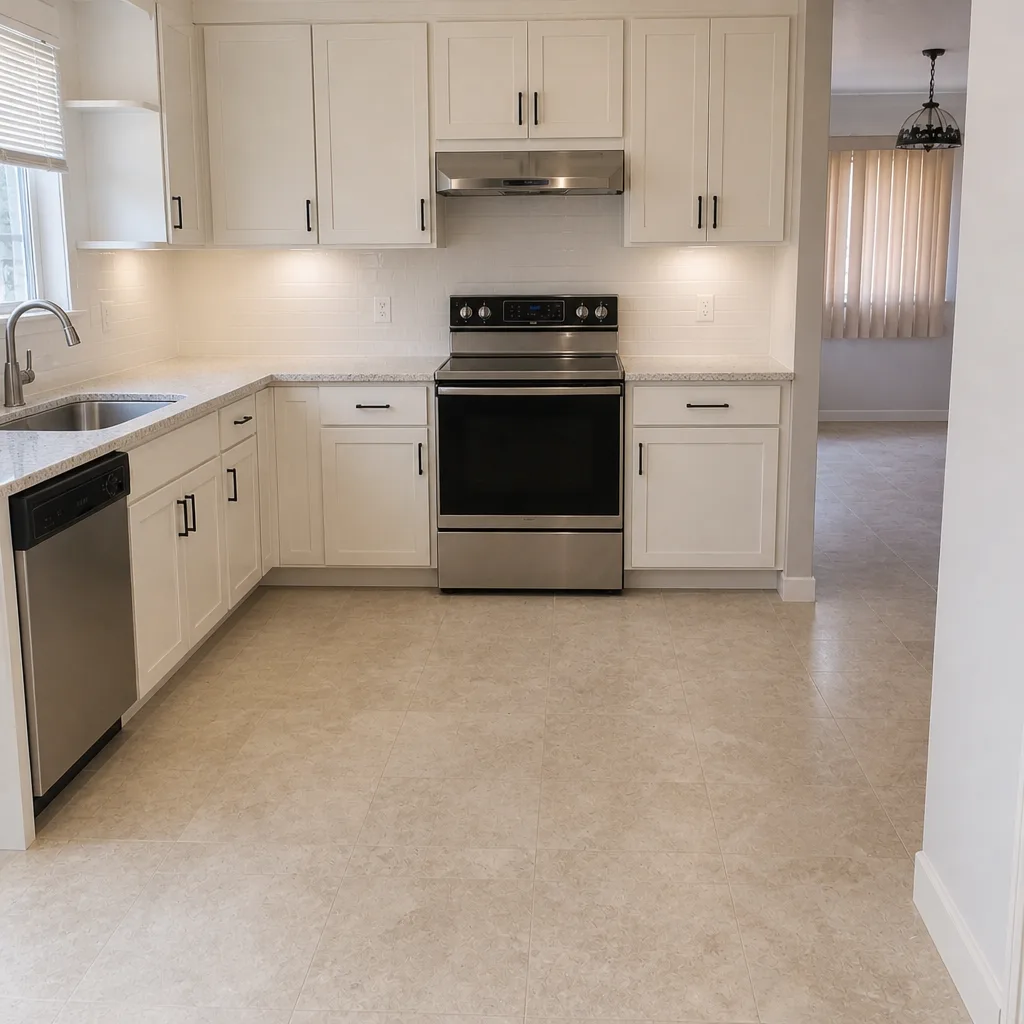 After
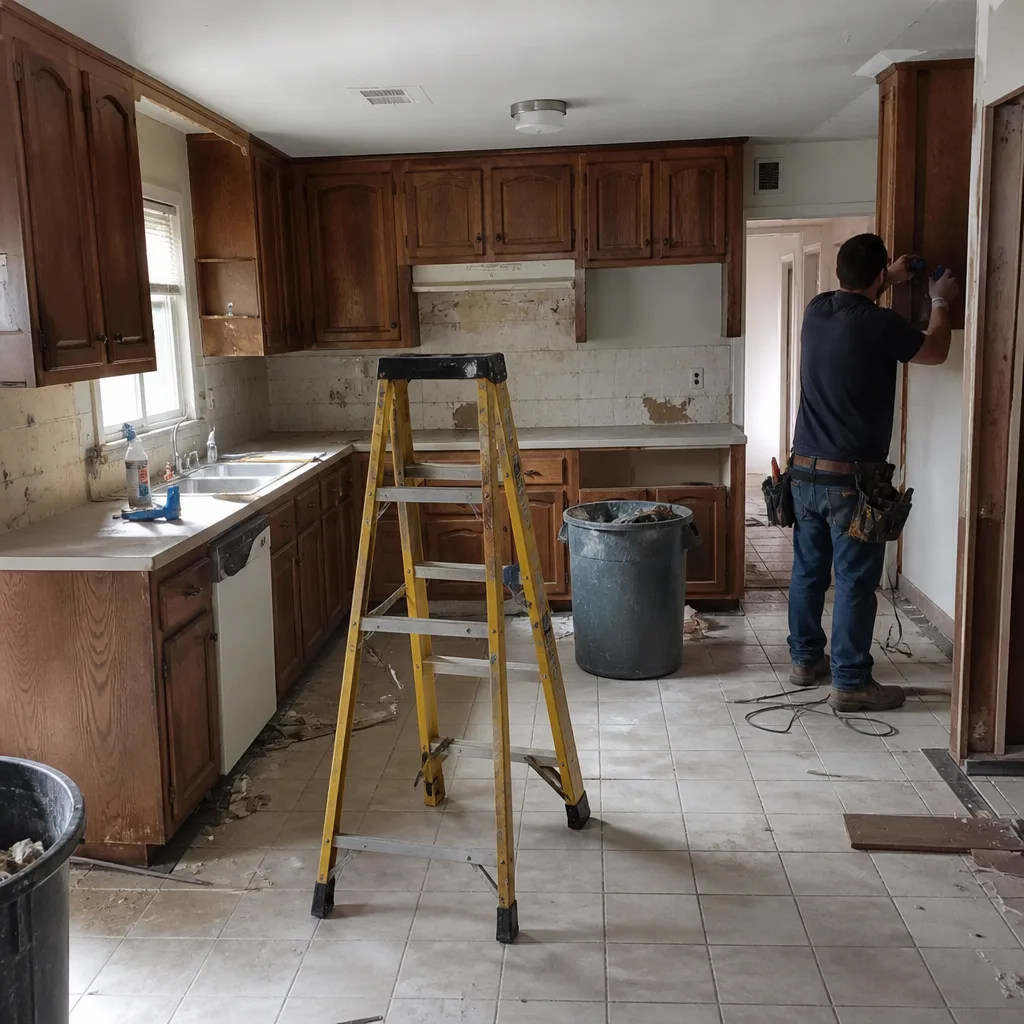 Before
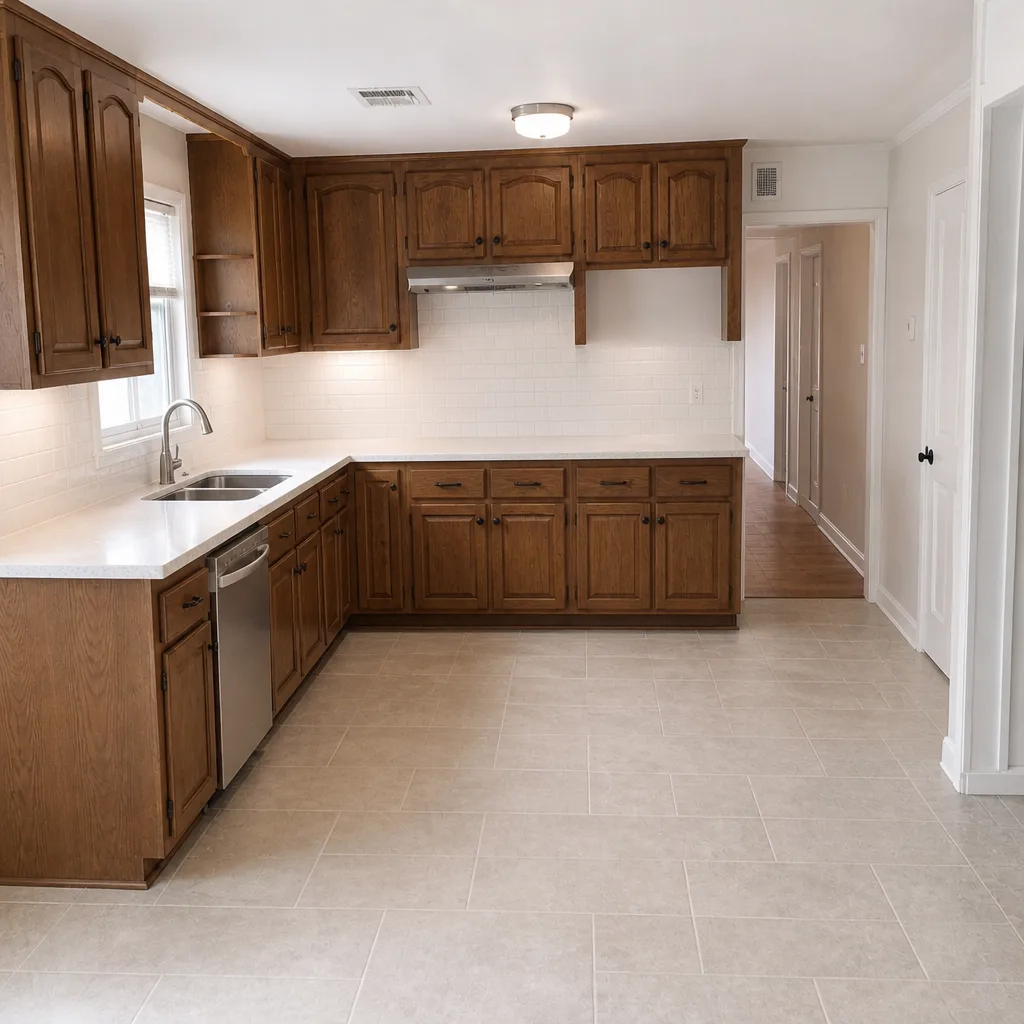 After
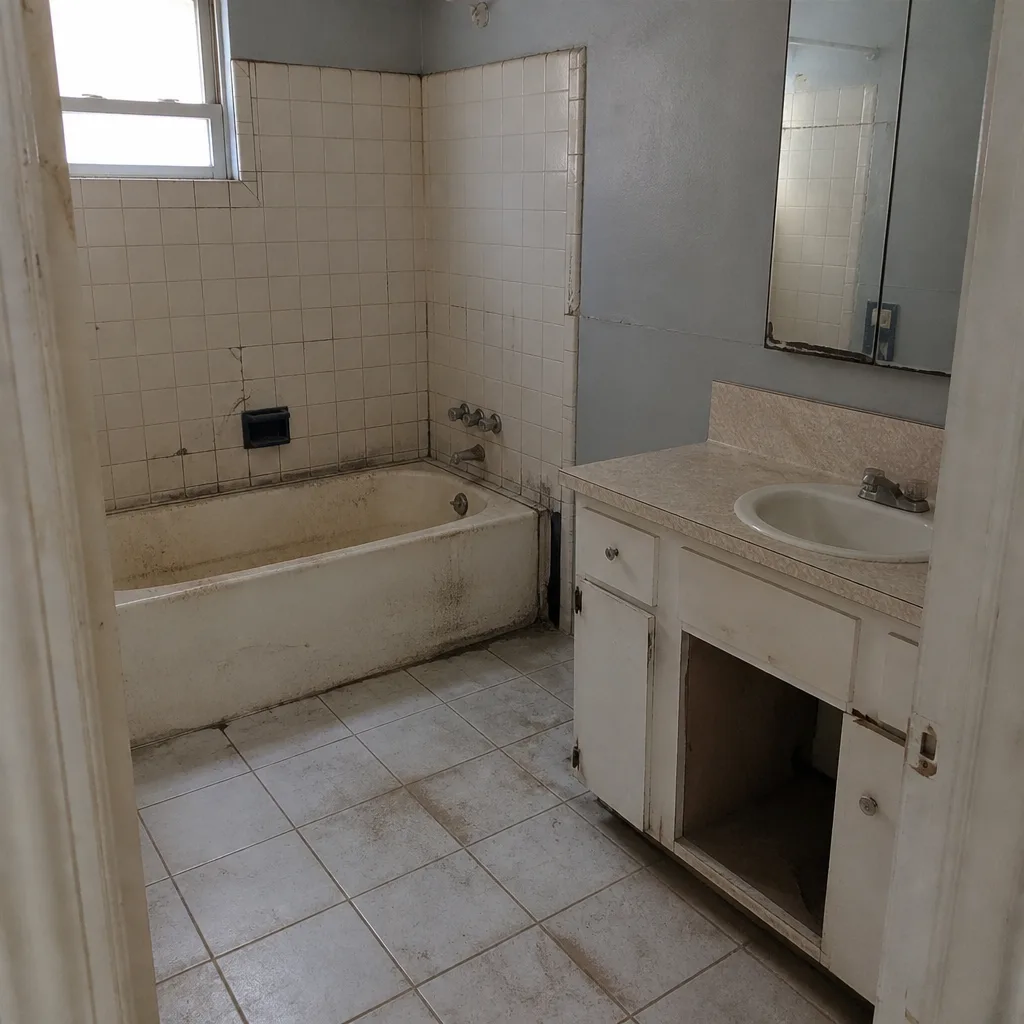 Before
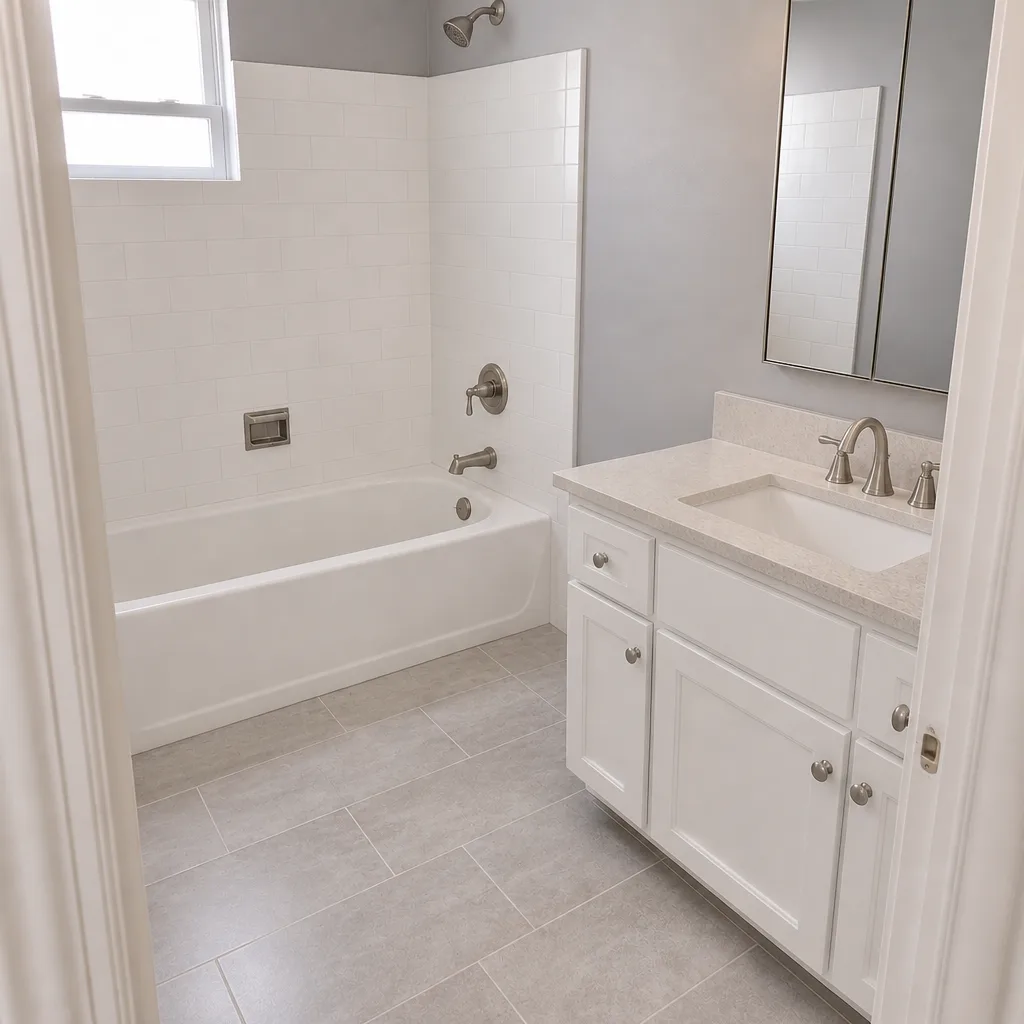 After
Frequently Asked Questions

Yes, under the owner-builder exemption in Nevada Revised Statutes 624.031, provided you’re working on your own primary residence and the combined labor and materials stay within the statutory limits. Once you hire anyone else for work over $1,000 in combined labor and materials, the exemption doesn’t apply and a licensed contractor is required. If you’re close to the line, the safest move is to get a free estimate so you know exactly what the scope would cost a licensed pro.
For cosmetic work like interior paint, trim, or landscaping, DIY typically saves 40-60% of the project cost with low failure risk. For flatwork, grading, block walls, and any permitted work, the “savings” frequently disappear within three to five years because amateur execution fails and requires re-work. In our experience, the true comparison is the DIY number versus the pro number plus the cost of a redo you didn’t budget for. Call (888) 329-9414 for a free estimate so you can compare real numbers, not guesses.
Sometimes, but not reliably. If the damage traces back to unpermitted or non-code-compliant work, most insurers will dispute or deny the claim. The fix isn’t to avoid DIY entirely; it’s to keep any system-touching or permit-triggering work in the hands of a licensed contractor and permit it, so the inspection record is clean. If you’re unsure whether your project triggers a permit, ask before you start, not after.
Interior paint, trim and baseboard, cabinet hardware, shelving, landscaping and sod, and fence repair on existing sound posts are all genuinely doable for a motivated homeowner. Tile backsplashes are in reach if you’re willing to learn waterproofing and layout. Anything structural, any concrete pour, any block wall, any roof penetration, and any electrical or gas work is outside reach for a reason. For the projects that sit in between, a hybrid scope with a licensed contractor is often the smartest path.
Often yes, depending on height and location. Clark County requires permits for block walls above certain heights and for fences that meet specific criteria, and grading work can trigger separate dust-control requirements. Block walls specifically need inspection because footing depth and control joints are what keep a wall standing through Spring Valley’s expansive soils. If you’re planning a block wall, a licensed crew with a permit is the standard, not the upgrade.
Timelines vary by scope, but permitting adds real calendar time in Clark County, and summer heat adds curing and scheduling constraints on concrete and roofing. A realistic rule of thumb: small permitted projects take a few weeks from permit approval to final inspection, and larger additions run longer. The right question to ask any contractor is what their inspection schedule looks like, not just their start date. Call (888) 329-9414 for a free estimate and a realistic timeline for your specific project.
The Bottom Line
The DIY-versus-hire question in Spring Valley isn’t about whether you’re handy. It’s about which projects carry hidden complexity that turns amateur savings into re-work, insurance disputes, or worse. The $1,000 threshold under Nevada law is a good starting filter: inside that line, you can often do the work yourself. Outside it, or anywhere system-touching or permit-triggering work is involved, the math leans toward a licensed contractor, especially on flatwork, grading, block walls, and anything the summer heat or the soil will punish. The hybrid model is the smart middle: hire for the permitted scope, do the finish and prep yourself, and get a written line-item estimate before you commit. That’s the model that protects your investment, your insurance, and your weekends.
If you’re planning a Spring Valley project and want an honest read on which scope is DIY-viable and which isn’t, call Groundwork Construction Co. of Spring Valley at (888) 329-9414. Free estimates and design consults, upfront pricing with no surprises, background-checked and uniformed technicians on every job, and every project backed by our 730-Day Done Right Promise. From foundation to finish line, built to last, backed in writing.
Written by the team at Groundwork Construction Co. of Spring Valley.