Last updated November 17, 2026

Free written scope consultation - allowances, timeline, and change-order rules on paper before a single trade is scheduled
The Complete Fence Installation Guide for Spring Valley Homeowners
Spring Valley sits in a wind corridor that regularly hits 50+ mph gusts. A 6-foot privacy fence built with 24-inch post depth will rack and lean, and it won’t be because the material was cheap. It’ll be because the fence was engineered for somewhere else. Walk through neighborhoods near Rhodes Ranch and Fort Apache after a March windstorm and you can spot the failures from the street: posts leaning like tired teeth, panels bowing, gates that drag on the concrete. Almost every one of them was installed working backward, starting with style and color instead of wind load, soil, and HOA rules. This guide flips that order. You’ll learn how Spring Valley’s sandy-caliche ground changes post depth, what Clark County inspections actually require, the material trade-offs specific to desert heat and UV, and how to read a survey before anyone sets a string line.
Quick Answer
Fence installation in Spring Valley starts with three engineering decisions, not a design catalog: how deep posts must go in sandy-caliche soil, how the fence will handle 50+ mph wind loads, and which HOA restrictions apply to your community. Homeowners who solve those first and pick materials second end up with a fence that lasts decades. Homeowners who do it backward are often replacing posts within five years, sometimes less after a single monsoon season.
Styles & brands we work with
- Kitchen remodeling
- Bathroom remodeling
- Home additions & ADU
- Roofing
- Windows & doors
- Driveway & pavers
- Fence
Table of Contents
- Why Wind Load Comes Before Fence Style in Spring Valley
- Post Depth and Spring Valley’s Sandy-Caliche Soil
- HOA Restrictions Across Spring Valley Master-Planned Communities
- Reading Your Property Survey Before Fence Placement
- Material Performance in Desert Conditions: Vinyl, Wood, and Aluminum
- Clark County Permits and Inspections for Residential Fences
- Common Mistakes to Avoid
- When to Call a Professional
- Frequently Asked Questions
Why Wind Load Comes Before Fence Style in Spring Valley
Nevada residential fencing has to handle wind exposure that surprises transplants from milder climates. A solid 6-foot privacy fence presents roughly 6 square feet of sail area per linear foot. When gusts cross the 50 mph line, a 100-foot run is holding back thousands of pounds of lateral force. Posts that were fine in a sheltered suburb aren’t fine here.
Wind load drives the whole installation plan. It determines post spacing, embedment depth, concrete volume per hole, and whether solid panels or semi-privacy designs are appropriate on exposed runs. Fence lines facing open desert or a wash take the most abuse because nothing slows the wind before it hits the panels.
Here’s what changes when wind load is the first decision:
- Post spacing. The national standard of 8 feet on center is too loose for exposed Spring Valley runs with tall panels. Pulling spacing to 6 feet on center is common on windward sides.
- Concrete volume. An 80-pound bag per hole is a mild-climate number. In Spring Valley, deep pours for full 6-foot privacy runs run closer to 2-3 bags per hole depending on diameter.
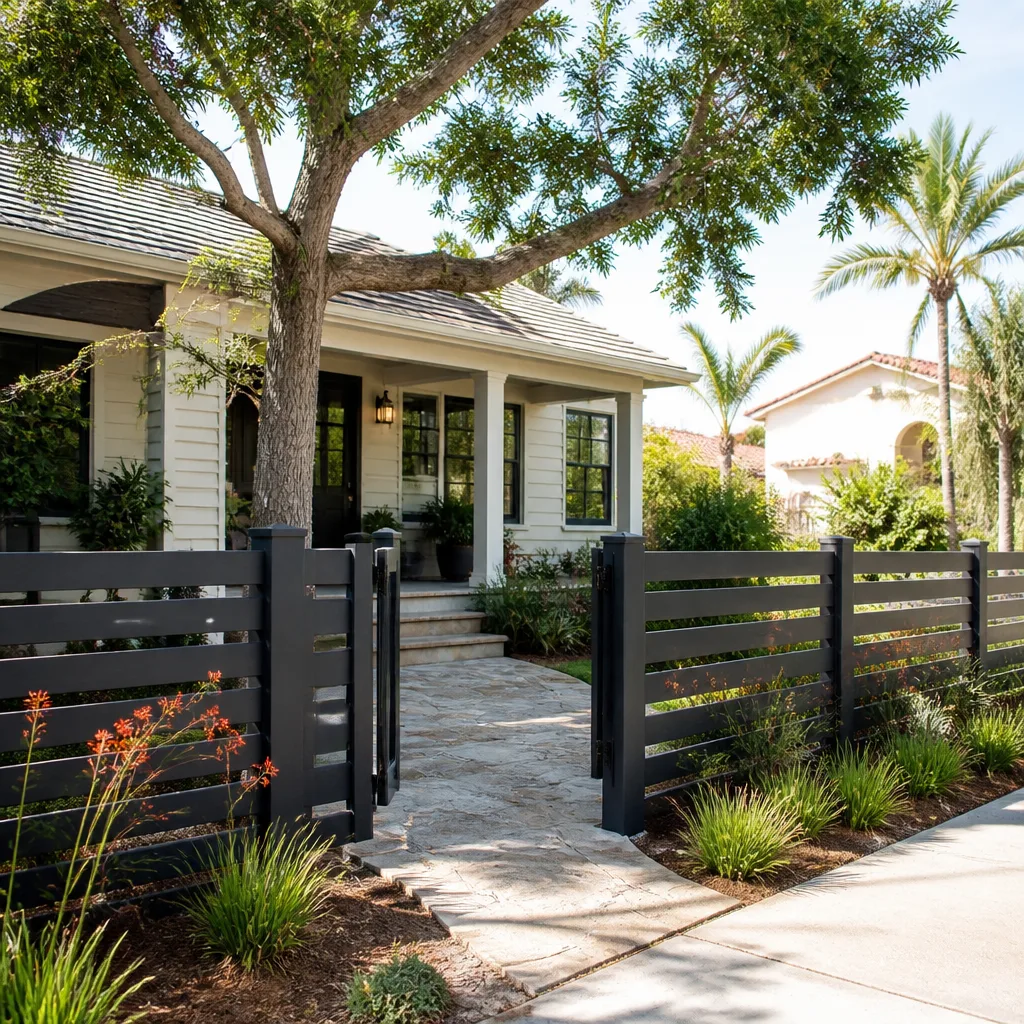
- Panel design. Semi-privacy panels with gaps, or horizontal slat styles with airflow, cut wind pressure noticeably on corner lots and lots backing to open space.
- Gate engineering. Gates are the weakest point. A 5-foot single gate on a windward side needs heavier posts and a proper frame, or it will sag within a season.
When we quote fence work around Spring Valley, the wind exposure of your specific lot changes the plan and the price before material selection even comes up. A fence on a protected interior lot can be built differently than one on a corner backing to the 215. That’s information a generic quote from a national checklist won’t capture.
Post Depth and Spring Valley’s Sandy-Caliche Soil
National fence guidelines call for posts set one-third of their above-grade height in the ground. For a standard 6-foot fence, that’s 24 inches. In Spring Valley, 24 inches is a starting point, not a finished answer.
The ground here is a mix of sandy soil and caliche, a calcium-carbonate layer that can be hard enough to stop a hand auger cold. Sandy soil drains well but holds a post poorly when wind pulls on it. Caliche holds a post so tightly that contractors sometimes resort to a post pounder or a mini-excavator with an auger bit, and running into a solid caliche shelf mid-hole changes the whole job timeline. Knowing how to read the ground is a skill, not a checkbox.
Field-tested depth guidance for Spring Valley conditions:
- Measure above-grade height first. A 6-foot privacy fence means 6 feet of panel plus rail clearance above grade.
- Set minimum depth at 30 inches for typical lots. That’s beyond the one-third rule because sandy soil offers less lateral resistance.
- Go to 36 inches on exposed, windward, or corner runs. Anything backing to open desert, a wash, or the 215 needs the deeper hole.
- Widen the hole, not just the depth. A 10-inch diameter hole holds more concrete than an 8-inch hole of the same depth, and concrete mass is what resists racking.
- Backfill with concrete, not soil. Tamping native sandy soil around a post is a shortcut that fails. Concrete to within a few inches of grade is the standard for full privacy runs.
Crown the concrete at the top so water sheds away from the post. Spring Valley gets sudden summer downpours, and standing water at the post base is one of the fastest paths to rot in a wood fence and to rust at the anchor point in a metal fence.
HOA Restrictions Across Spring Valley Master-Planned Communities
Most Spring Valley subdivisions are governed by an HOA, and the architectural review committee can reject a fence the county would approve. Getting this wrong is expensive, because once a fence is installed and the HOA objects, the fence comes out.
Common restriction patterns we see across Spring Valley master-planned communities:
- Maximum height. Most HOAs cap visible fence height at 6 feet, and some side and front-yard segments at 4 or 5 feet. Measure from finished grade, not from the concrete footing.
- Approved materials. Many communities publish an approved list and exclude chain link in front or side yards entirely. Vinyl brands such as Bufftech often appear on approved lists because color and finish are standardized.
- Color palettes. Even when vinyl is permitted, the HOA may restrict it to specific earth tones. That’s where a brand with a fixed color line like ActiveYards or a custom-tint vinyl product makes approval easier.
- Setback from property lines. Some communities require a setback beyond the county line, especially rear yards backing to common areas.
- Corner lots. Front-facing and street-facing fence sections often have separate, stricter rules than rear yards.
- Submittal requirements. Expect to provide a plot plan, elevation sketch, material spec sheet, and color sample. Some committees take 30-60 days to respond.
Start the HOA submittal before you buy materials, not after. In Spring Valley, the approval delay is the number one reason a fence project stretches from one month to three.
Reading Your Property Survey Before Fence Placement
A fence built six inches onto a neighbor’s lot is a legal problem, not a cosmetic one. The fix is usually relocate the fence, and relocation means new posts, new concrete, and a torn-up yard. The survey is the only reliable defense.
What to pull from your survey before placement:
- Find the property corner monuments. These are the physical markers, typically metal pins, that your surveyor identified. A fence should build off these, not off a neighbor’s existing fence line.
- Confirm every setback line. Front, side, rear, and any easement. A drainage or utility easement crossing your lot can limit where you can build and what you can build.
- Locate utility lines and irrigation. Call 811 before digging, and confirm your own irrigation and gas lines from your survey or as-built drawing.
- Note where the survey has changed since previous improvements. Additions, pools, and prior fences can shift the reference points. Trust the most recent survey, not a fence that’s been there 15 years.
- Identify shared fence lines. Where a fence runs on a property line rather than offset inside your lot, confirm ownership and cost-sharing terms in writing before work starts.
Spring Valley lots often sit close to each other with shared rear fence lines. Getting an accurate survey up front costs a few hundred dollars and prevents a very expensive fix. In our experience, the encroachment disputes that end up in HOA hearings almost always trace back to a decision to “just eyeball it.”
Material Performance in Desert Conditions: Vinyl, Wood, and Aluminum
Material choices that work great in a mild climate can perform poorly in Spring Valley’s combination of intense sun, dry air, and summer heat. The three dominant residential choices all have trade-offs worth understanding before you commit.
Vinyl: Thermal Expansion and Color Fade
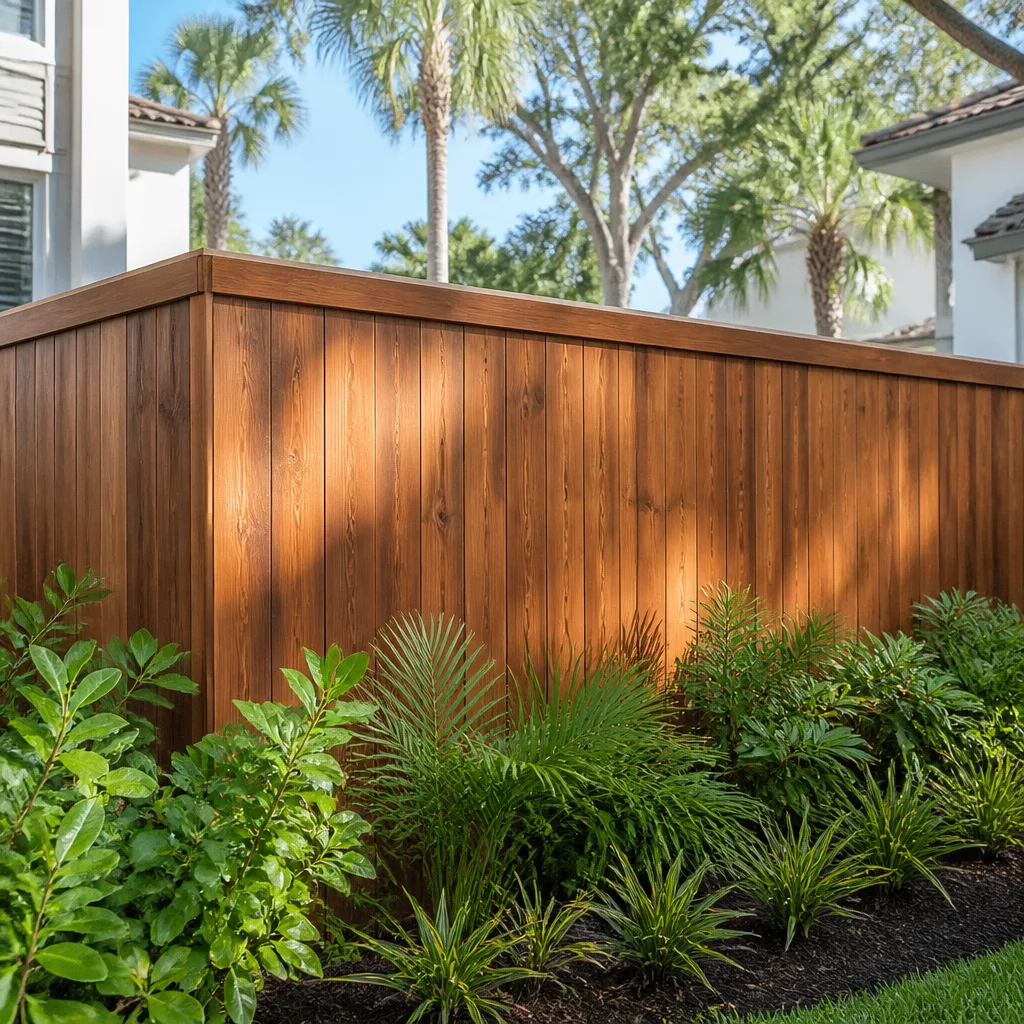
Vinyl is the most common pick in Spring Valley subdivisions, and it’s a good one if you plan for thermal movement. Vinyl panels expand and contract with heat, so installing tightly on a cool morning leads to bowing by July. Brand quality matters here. Products from Bufftech and ActiveYards are engineered with expansion-tolerant rout and rail systems, and their color lines are stable. Lower-grade vinyl can chalk and fade within four or five years on south- and west-facing runs.
Wood: UV Degradation and Sealing Cycles
Wood looks great on install day and looks tired within two summers without maintenance. UV exposure in Spring Valley bleaches and grays the surface, and the dry air opens checks and splits along the grain. A well-built cedar or pressure-treated pine fence can last 15-20 years in this climate, but it needs resealing every two to three years to get there. Factor that recurring cost into the decision. Wood also holds up better than vinyl in wind, because wood panels are heavy and flex without cracking.
Aluminum and Steel: Longevity and Low Maintenance
Powder-coated aluminum is the longest-lived option for a Spring Valley fence, especially on view fences and pool enclosures where you don’t need privacy. It won’t rot, split, or fade meaningfully with quality powder coat, and it handles wind load well because you can spec it with tighter picket spacing. The trade-off is that aluminum doesn’t give you privacy unless you add slats or a privacy screen.
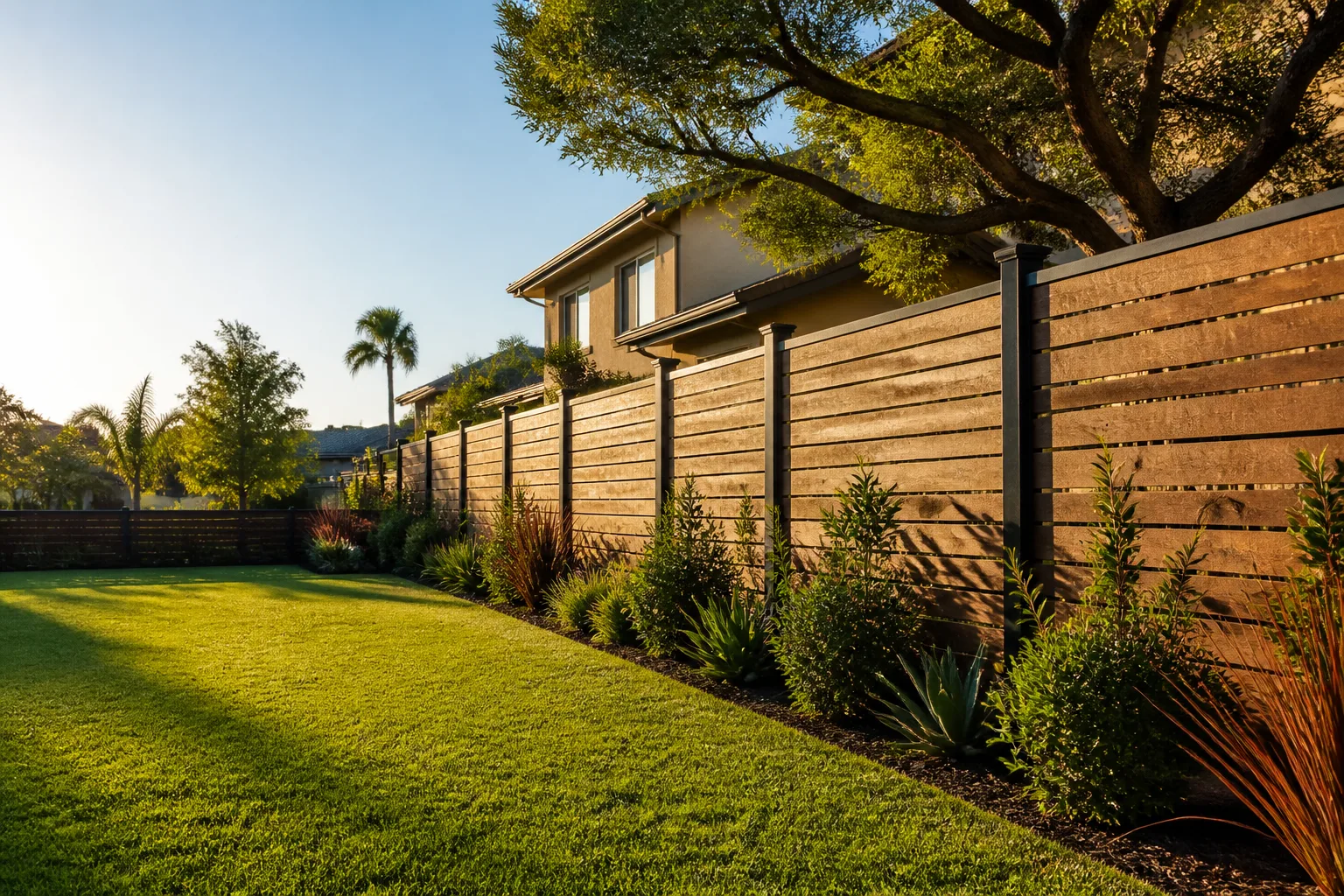
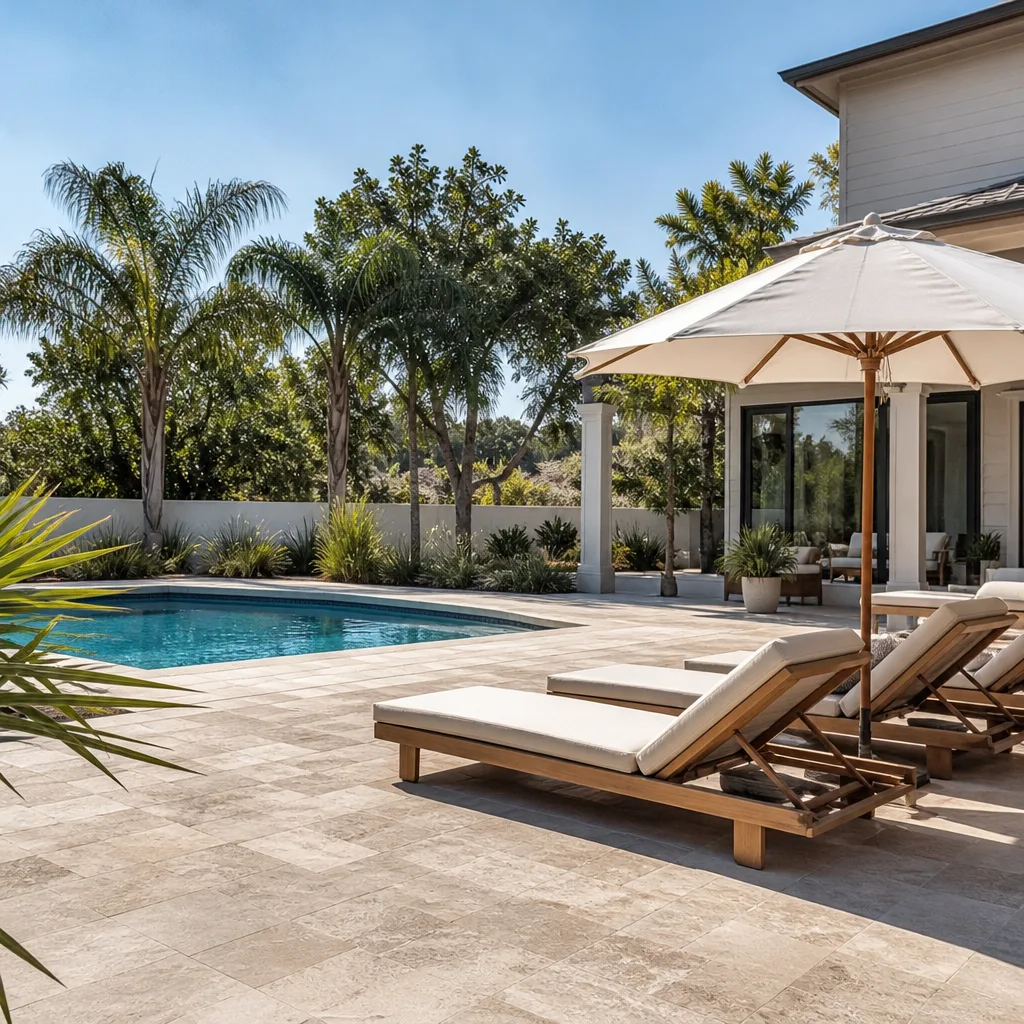
Mixing materials is a real strategy. Vinyl panels on side and rear runs with HOA-approved color, an aluminum gate, and wood sections facing an unfriendly exposure is common. Brands like Belgard also come up when the fence ties into a paver wall or column, which is often part of a broader yard plan and pairs naturally with our Driveway & Pavers in Spring Valley work.
Clark County Permits and Inspections for Residential Fences
Clark County permit rules for residential fencing depend on height, location, and whether the fence is a simple boundary fence or a structural screen wall. Getting this wrong can mean the county orders a change after the fact, which is a harder problem than getting a permit first.
What triggers a permit or inspection in most Clark County residential fence situations:
- Height above the county threshold. Typical residential boundary fences at or under standard height (often 6 feet) in the rear or side yard are commonly exempt, while taller fences or fences serving as a screen wall usually require a permit.
- Front-yard fences. Front and street-facing fences have tighter height and setback rules and are more likely to require a permit and inspection.
- Fences on or near property lines and easements. Any fence crossing a utility or drainage easement needs county review.
- Masonry columns and screen walls. A fence with structural masonry or block construction is a structural element and follows different rules.
- Pool barriers. Pool safety barriers have their own code requirements and inspections separate from the general fence rules.
Always confirm current requirements with Clark County before finalizing a plan, and always pull the permit if one is required. A crew that tells you “we don’t need a permit” without checking is telling you something about how they work, not about the code.
The parts of a residential fence project that genuinely stress homeowners are the permit line item and the HOA clock, not the digging. Knowing what triggers an inspection removes a big unknown from the budget. Our Fence Installation in Spring Valley team walks every customer through the permit and HOA sequence before anybody buys material, so there’s no surprise call to the county after a fence is up.
Common Mistakes to Avoid
The same handful of errors turn up again and again in Spring Valley fence projects. Watching for these saves real money.
- Choosing style before solving wind load and soil. The most common mistake. A beautiful fence on undersized posts in sandy soil fails in the first big gust event.
- Setting posts at the national one-third rule without checking local ground. Spring Valley’s sandy-caliche soil pushes minimum depth past 24 inches on most lots and past 30 inches on exposed runs. Skipping that step shortens the fence’s life by years.
- Buying materials before the HOA approves the plan. A rejected submittal with materials already delivered is a costly detour. Get the approval in writing first.
- Building off a neighbor’s fence line instead of a survey. Off-by-a-few-inches fences are a legal headache. Pull the survey before the string line goes down.
- Underestimating caliche. A plan that assumes easy digging runs into a caliche shelf and the timeline slips. Budget for the possibility of slower excavation on older Spring Valley lots.
- Tight-fitting vinyl on a cool morning. Panels bow as temps climb. Leave expansion room per the manufacturer’s spec, not per the installer’s habit.
- Skipping the gate inspection. Gates fail first, and they fail at the hinge posts. Overbuild the gate posts or the whole install gets judged by a sagging gate.
When to Call a Professional
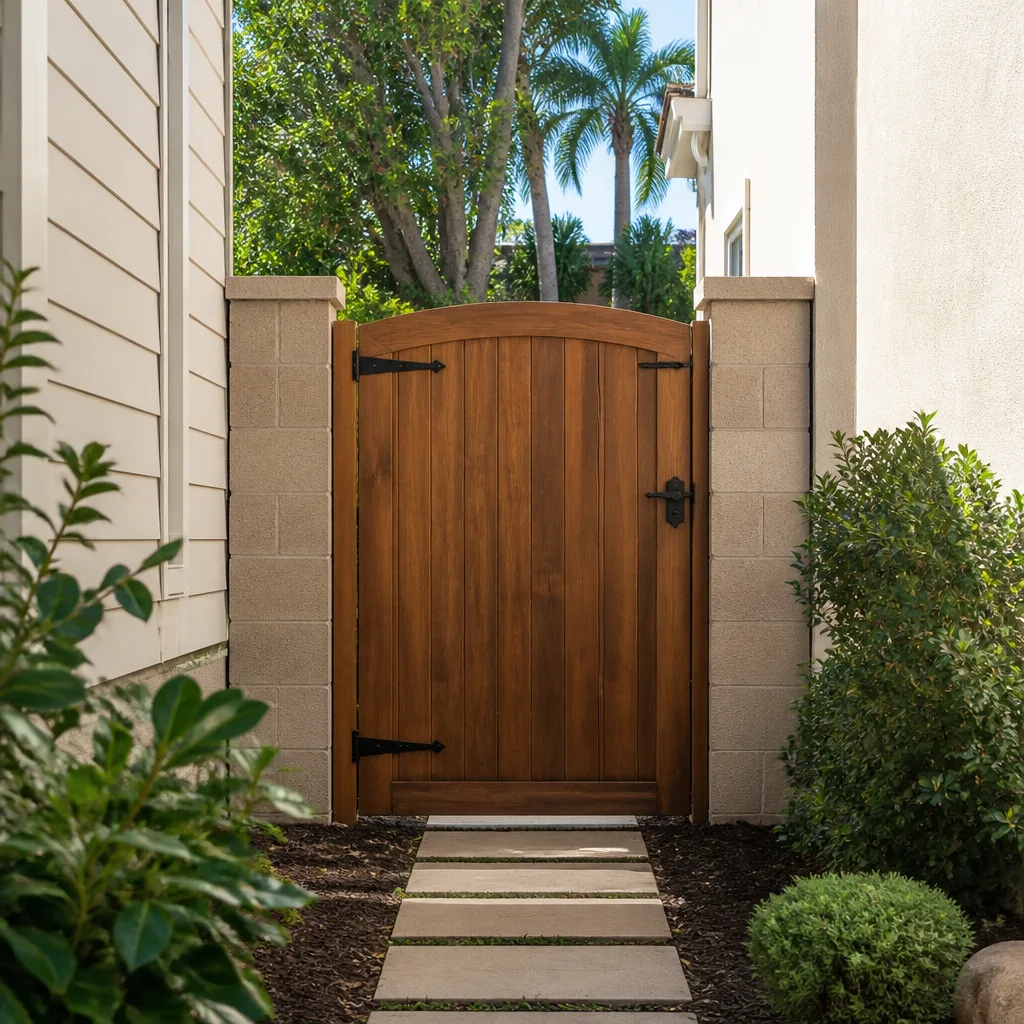
Some fence work is genuinely DIY-friendly. A short decorative run on flat ground, a simple repair, or a gate adjustment is well within reach for a handy homeowner. The Spring Valley combination of wind exposure, sandy-caliche soil, HOA submittals, and Clark County permits is where the calculus shifts. A freestanding boundary fence on an exposed lot with a 6-foot privacy design needs an experienced installer to get the post depth, concrete volume, and panel spec right. A fence with masonry columns, a pool barrier, or an installation that ties into a retaining wall is past the DIY line for most homeowners.
We also get called when a project involves coordination across multiple trades. A fence that ties into a paver patio, a new gate that closes off an ADU build, or a full backyard redesign is easier to manage with one point of contact. If you’re planning a broader project, our Home Additions & ADU in Spring Valley team coordinates fence and hardscape work together so the scheduling doesn’t fall between contractors. Groundwork Construction Co. of Spring Valley offers free estimates in Spring Valley. Call (888) 329-9414.
Frequently Asked Questions
A typical residential fence installation in Spring Valley runs roughly $35 to $65 per linear foot depending on material, height, and ground conditions, so a 150-foot yard fence commonly lands between $5,000 and $10,000. Wind exposure on the lot, caliche excavation, HOA-compliant materials, and gate count shift the number. Call (888) 329-9414 for an exact quote. Estimates are free.
Some residential fences in Clark County need a permit and others don’t, and the deciding factors are height, location on the lot, and whether the fence serves as a structural screen or pool barrier. Standard rear and side boundary fences under the county threshold are often exempt, while front-yard, taller, and structural fences usually need one. Confirm current rules with Clark County before you build. We check the permit requirement as part of every Spring Valley estimate, and that review is free. Call (888) 329-9414.
Spring Valley’s sandy-caliche soil and regular 50+ mph wind gusts push post depth past the national 24-inch guideline. Plan on a 30-inch minimum for typical full-height privacy runs and closer to 36 inches on exposed, windward, and corner lots. Widen the hole to hold more concrete, not just deepen it. Post depth is the single biggest driver of long-term fence life in Spring Valley, so don’t let it get negotiated downward to save a few dollars. Call (888) 329-9414 and we’ll walk through the plan for your specific lot.
Quality vinyl holds up well in Spring Valley heat if it’s installed with the right expansion allowance. Lower-grade vinyl can bow, chalk, and fade faster on south- and west-facing runs. Brands like Bufftech and ActiveYards are engineered with expansion-tolerant routing, and installing on a hot afternoon without room to move is a common cause of early failure. If you’re comparing vinyl against wood or aluminum for a sun-exposed line, call (888) 329-9414 and we’ll talk through the trade-offs for your particular yard.
Almost always, yes. Most Spring Valley master-planned communities require architectural review committee approval before installation, usually covering height, material, color, and setback from property lines. Submittals can take 30 to 60 days, and starting the submittal before buying materials is the single best way to keep a project on schedule. Call (888) 329-9414 to talk through what your HOA will likely require. The consultation is free.
A typical 150-foot residential fence in Spring Valley takes two to three working days for install once permits and HOA approval are in hand, plus the approval lead time. Caliche excavation can add a day. Upfront pricing with no change orders is how we quote, so the number you see is the number you pay. Groundwork offers a 730-Day Done Right Promise on workmanship and background-checked, uniformed technicians on every crew. Call (888) 329-9414 for a written line-item estimate.
The Bottom Line
In Spring Valley, a fence isn’t a materials decision first. It’s a decision about wind load, soil depth, and HOA rules, and the design comes after. Solve those three and you’ll pick a better fence, install it once, and skip the replacement cycle that catches so many homeowners inside five years. Confirm post depth for your exposure, pull the survey before anyone sets a string line, clear the HOA submittal before ordering materials, and confirm the Clark County permit requirement in writing. From there, material selection gets easier and the fence that ties into the rest of your yard starts to make sense. Our Groundwork Construction Co. of Spring Valley home connects you with the crews and brand partners we trust across every trade.
The core belief behind this guide is simple: spring Valley homeowners deserve to know how the fence actually goes in the ground before they commit. That’s why we answer the phone with a live person, day or night, and why we put our workmanship warranty into writing as a 730-Day Done Right Promise. Call Groundwork Construction Co. of Spring Valley at (888) 329-9414 to schedule a free estimate and design consult. The plan starts with your wind exposure and your survey, not a catalog.
Written by the team at Groundwork Construction Co. of Spring Valley.
See the difference
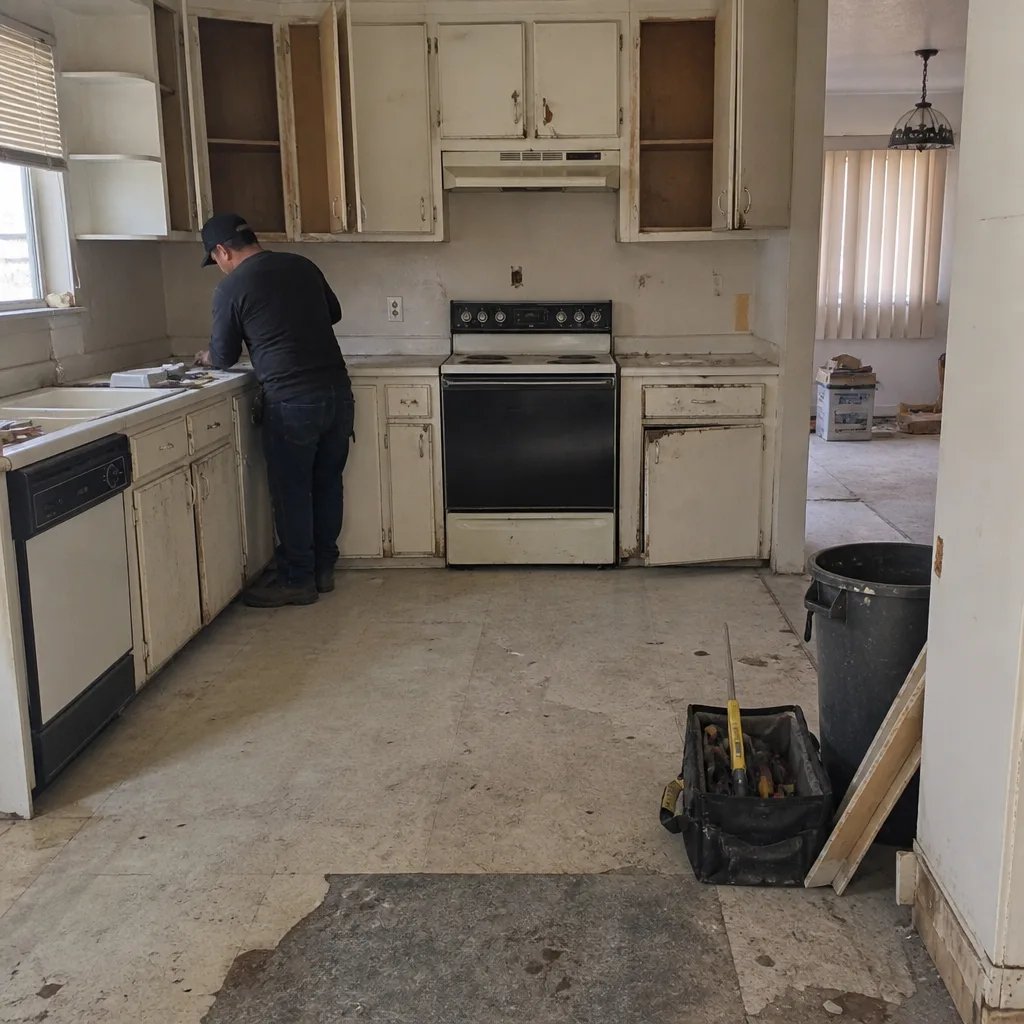 Before
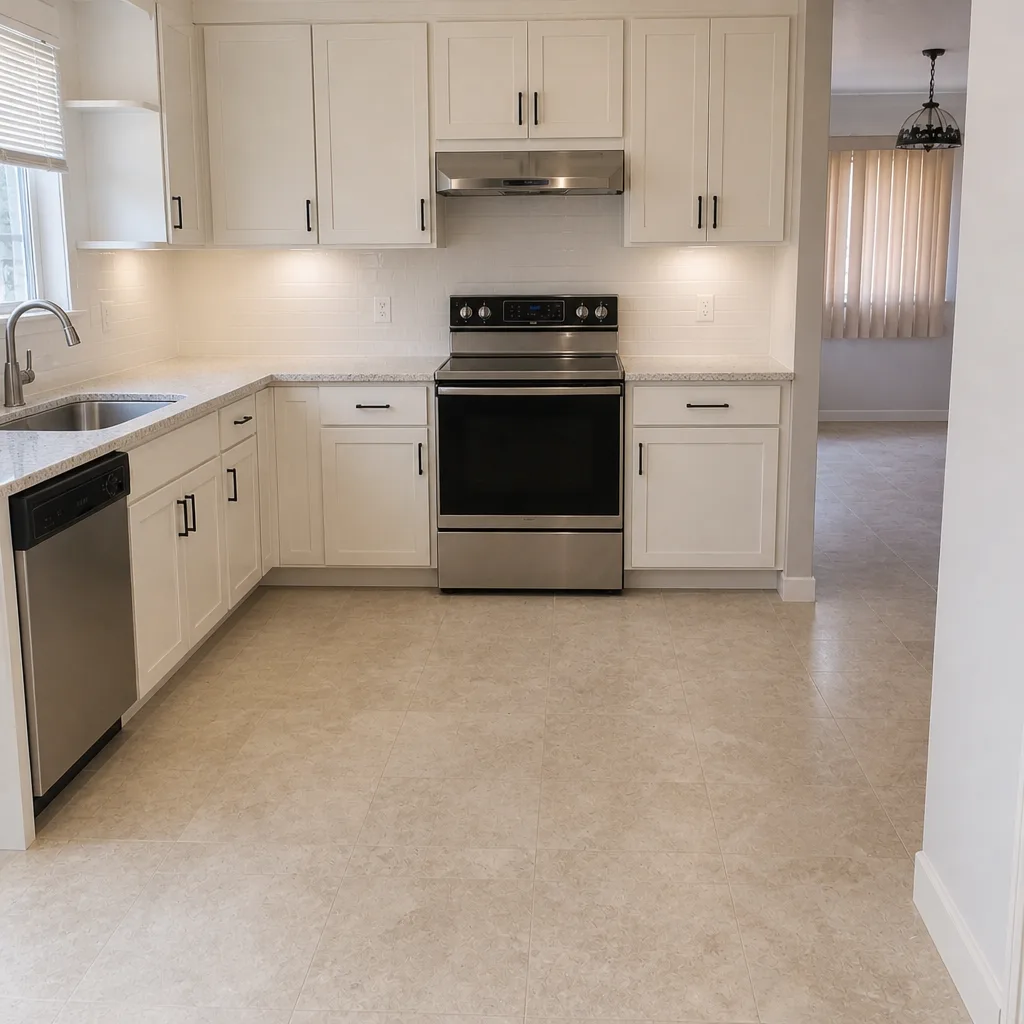 After
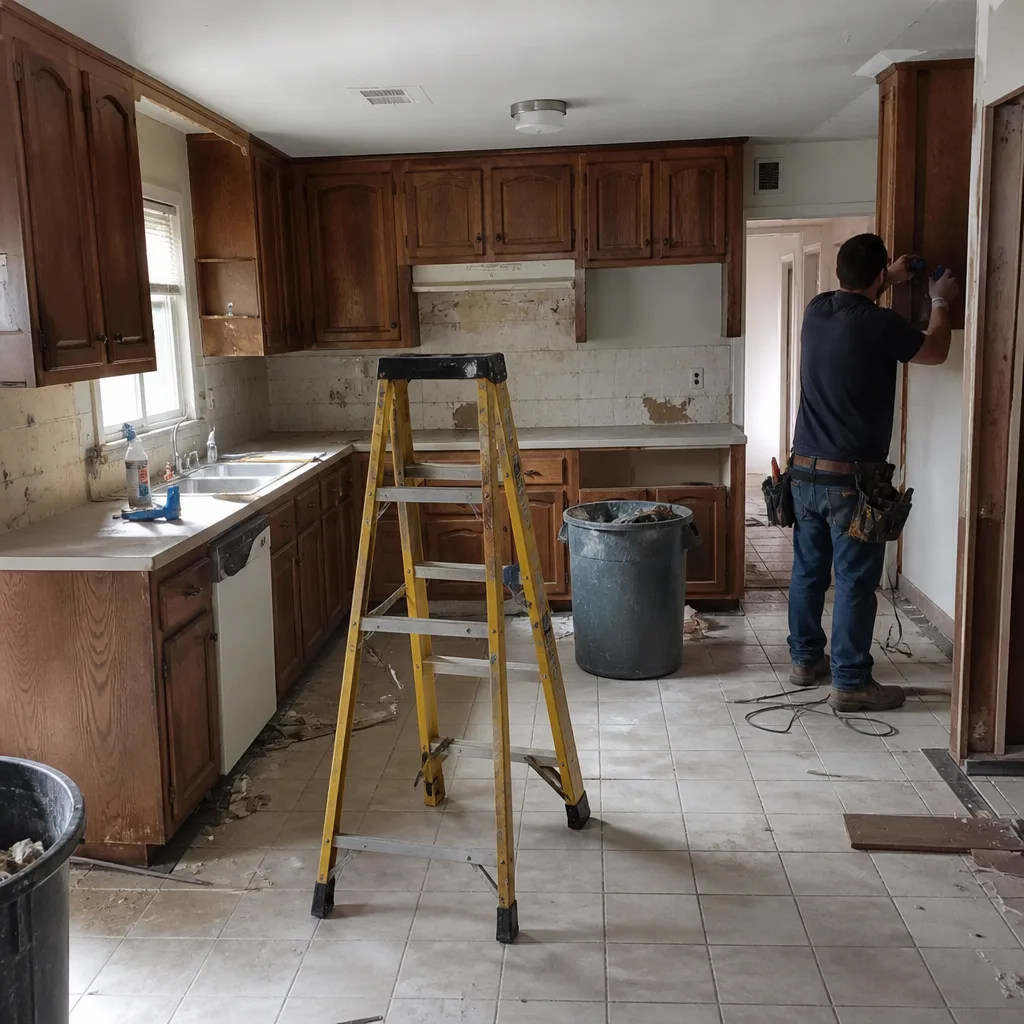 Before
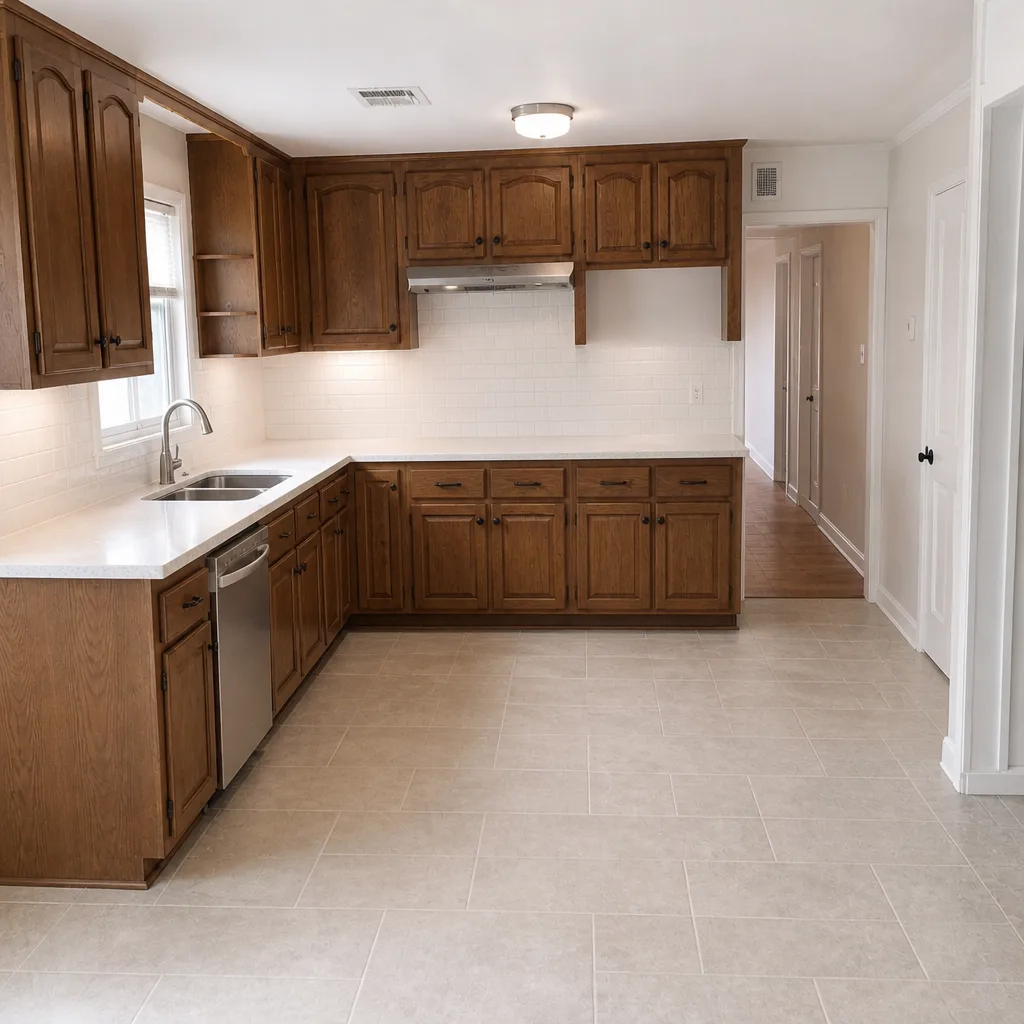 After
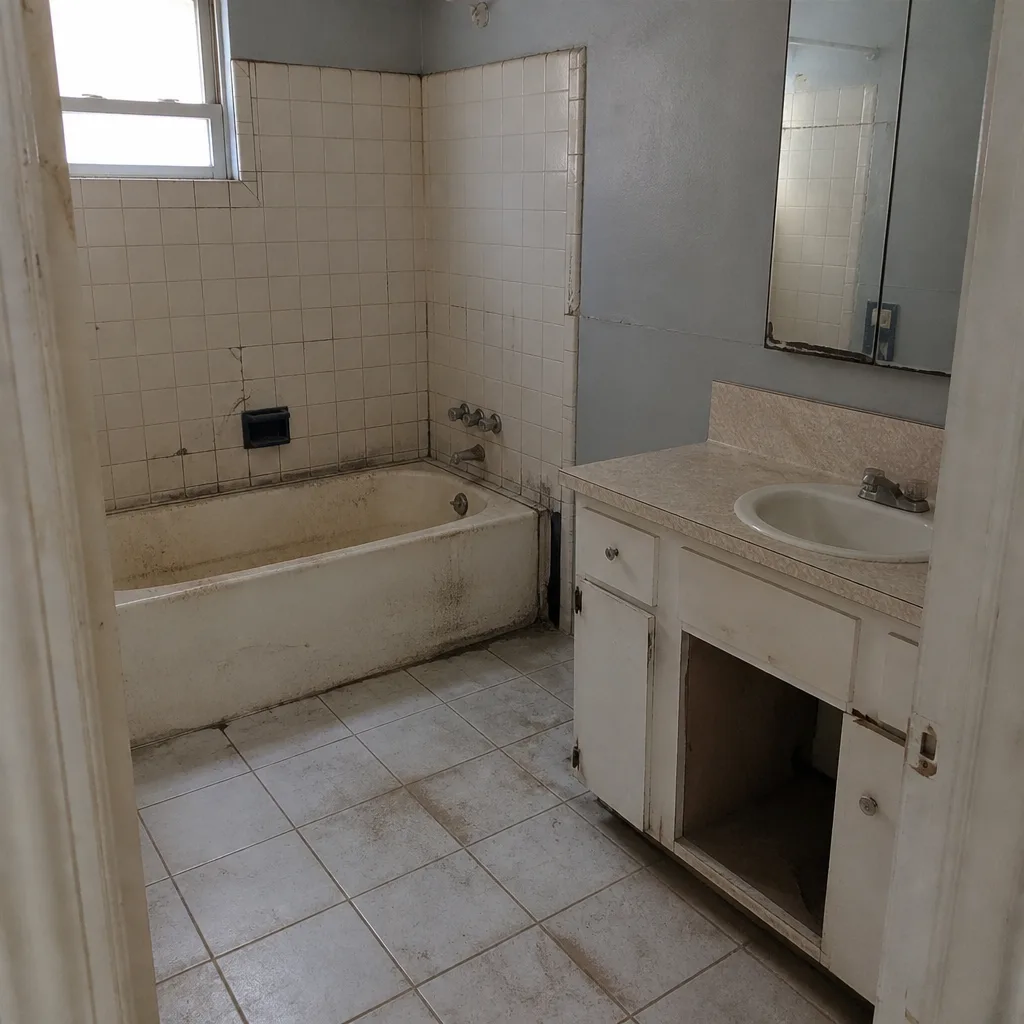 Before
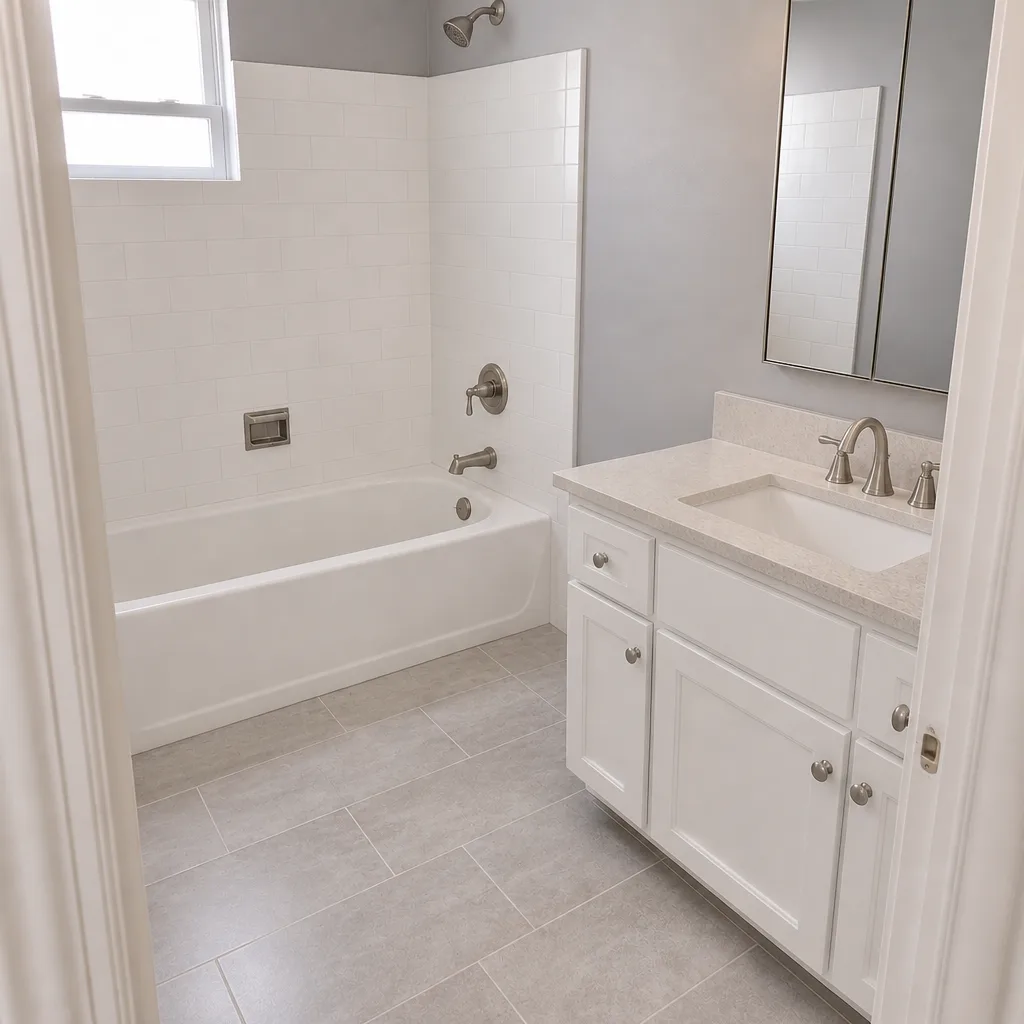 After