Last updated November 17, 2026




Free written scope consultation - allowances, timeline, and change-order rules on paper before a single trade is scheduled
Fence Installation Maintenance Schedule: What to Do and When
Most fence damage we inspect in Spring Valley didn’t happen in a storm or an accident. It accumulated quietly over 14 months of missed maintenance, and the homeowner only noticed when a post got spongy or a panel started leaning after the first heavy monsoon wind. The fix probably would have cost $50 two seasons ago. Now it’s a $500 job. Fence maintenance here runs on a clock most people don’t realize exists. This guide lays out exactly what to check and when, month by month, so the small stuff stays small.
Quick Answer
Wood fences in Spring Valley should be inspected in early winter, cleaned and resealed in the late-February-through-March window, re-checked after monsoon season in September, and hardware-lubricated on a quarterly schedule. Vinyl needs annual UV inhibitor treatment and expansion joint inspection, and concrete post footings should be probed every fall for movement before the ground shifts under winter freeze cycles.
Styles & brands we work with
- Kitchen remodeling
- Bathroom remodeling
- Home additions & ADU
- Roofing
- Windows & doors
- Driveway & pavers
- Fence
Table of Contents
- The Spring Valley Fence Maintenance Calendar
- Why the Late-February-to-March Window Matters Most
- Checking Post Concrete Integrity Without Excavation
- Vinyl Fence Maintenance Reality
- Gate Hardware and Alignment: The Most Neglected Task
- Documenting Fence Condition for Warranty and HOA
- Common Mistakes to Avoid
- Frequently Asked Questions
The Spring Valley Fence Maintenance Calendar
Spring Valley sits in a basin where winter overnight temperatures drop into the low 30s and summer surface temps on sun-exposed wood can hit 160°F. That range is brutal on a fence. It means the maintenance year breaks into four distinct work blocks, and each one catches a different problem before it becomes expensive.
Here’s the calendar we bring to every Spring Valley homeowner we work for:
- December to January: Post-winter-storm inspection. Walk the fence line after the first freeze event. Check for frost heave around post bases, loose pickets, and hardware that seized over the cooling months.
- Late February to mid-March: The primary maintenance window. Clean, stain, and seal wood. This is the only window where penetrating sealants will bond properly.
- April to May: Pre-summer hardware pass. Lubricate hinges, latches, and adjust gate alignment before thermal expansion starts stressing the frame.
- September to October: Post-monsoon assessment. Monsoon season in Southern Nevada runs roughly July through September. After the last big rain, inspect for water damage, checking post footings and soil erosion.
- November: Documentation and winter prep. Photograph the fence condition, log repair history, and tighten anything loose before freeze overnight temps arrive.
We see this pattern fail constantly in the neighborhoods north of Tropicana where lots back up against open desert wash corridors. The wind exposure is higher there, and fences that don’t get the February sealing window end up with UV-checked wood that starts splitting by May.
Why the Late-February-to-March Window Matters Most
The best time to stain or seal a wood fence in Spring Valley is a six-week window in late February through March, after the freeze risk passes and before surface temps make penetrating sealants flash too fast to bond. This is the single most misunderstood piece of fence maintenance in the valley.
Here’s why the window is so narrow. Penetrating wood sealants need to soak into the wood fibers and cure slowly. When they’re applied in April or May, the sun-heated surface can hit 120°F or higher by 10 a.m., and the sealer skins over before it penetrates. You get a surface coat that looks fine for a season, then peels in sheets. We routinely strip failing sealer off fences that were finished in April because the homeowner didn’t know the timing mattered.
Cold is the opposite problem. Any application before the last freeze window means the sealer cannot cure and turns cloudy or stays tacky through the spring. In the Spring Valley microclimates closer to the Spring Mountains foothills, that freeze risk extends roughly two weeks later than it does in the flatter neighborhoods near Rhodes Ranch. Adjust accordingly.
What the six-week window includes
- Deep cleaning with a wood-safe cleaner to remove desert dust, pollen, and oxidation
- Light sanding on any raised grain or failing areas from the prior year
- Application of penetrating oil-based sealant, not a surface film
- A second coat on end grains and bottom edges, where most moisture damage starts
- Rechecking hardware after the wood is dry and stabilized
If you’re considering new fence versus maintaining the old one, our Fence Installation in Spring Valley team can walk the line with you and give an honest call on repairable versus replaceable. Sometimes the maintenance is worth more than the replacement, sometimes it isn’t.
Checking Post Concrete Integrity Without Excavation
The soil probe method is the fastest way to check post footing integrity without digging anything up. You drive a stiff metal rod or a long screwdriver 6 to 8 inches into the soil right next to the post on all four sides and measure resistance. Loose, spongy, or inconsistent resistance on one side means the concrete has shifted or the soil has eroded around it.
This matters in Spring Valley because our soil is a mix of caliche, decomposed granite, and pockets of sandy loam. Concrete footings here can telegraph movement long before the post visibly leans, and by the time you see the lean, water has already been working at the footing for a season or more.
What movement thresholds matter
- Up to 1/4 inch of lean: Normal seasonal settlement, especially in clay-heavy pockets. Monitor at the next inspection.
- 1/4 to 1/2 inch: Early warning. Probe the footing. If it fails the probe check, plan a repair before the next monsoon season.
- Over 1/2 inch: Structural concern. The post is likely pulling loose from the surrounding concrete or the footing has cracked.
- Any visible cracking in the concrete collar: Investigate immediately, regardless of lean.
Fence installation crews here typically use Quikrete or Sakrete fast-setting mixes for post footings, and those do a good job when the hole is properly sized and drained. What they can’t do is fix a hole that was dug too shallow or not packed correctly. A probe check every fall catches those problems early.
We also see a distinct pattern in the older Spring Valley lots built before the 2000s density boom: footings poured at inconsistent depths, sometimes just 18 inches when local wind load really calls for 24 to 30. Those fences are the first to lean after a 50-mph gust out of the northwest.
Vinyl Fence Maintenance Reality
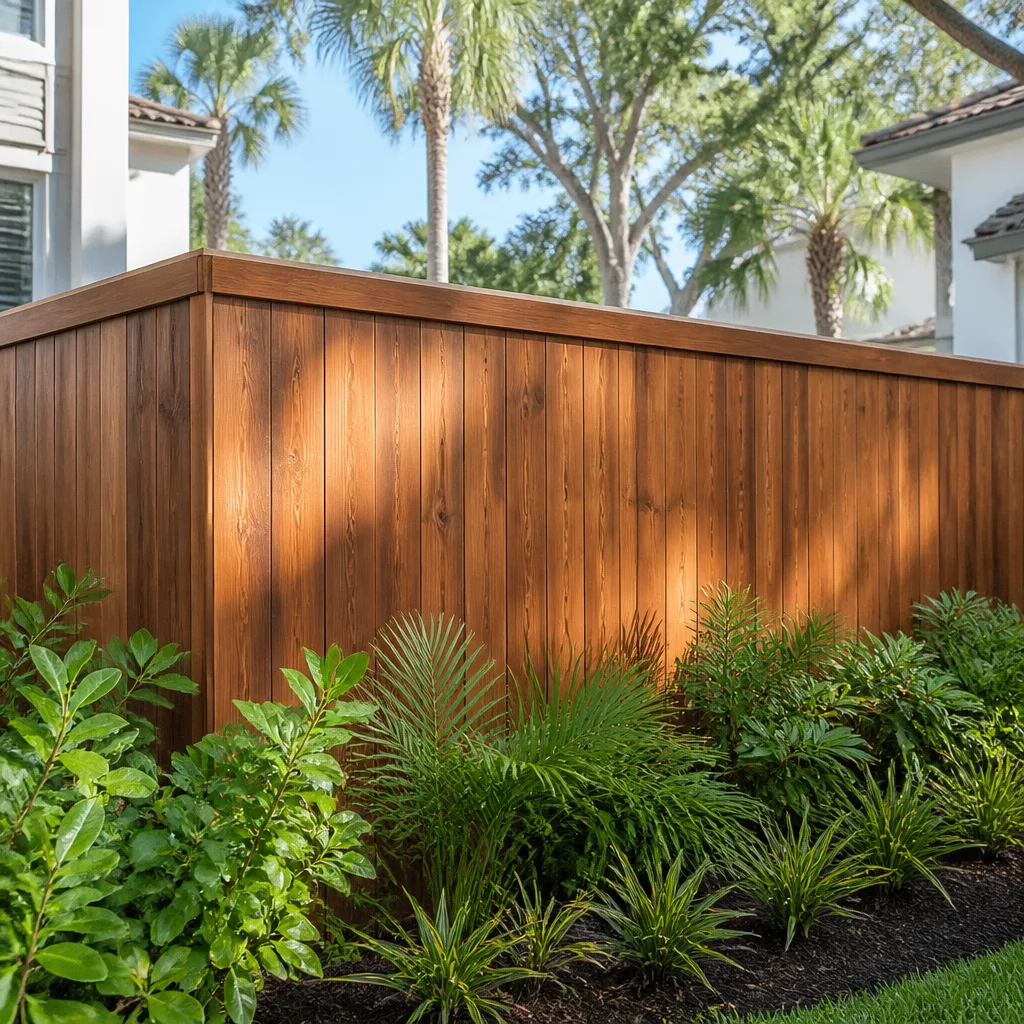
Vinyl doesn’t need staining, but the “never maintain it” sales pitch is misleading in Spring Valley’s UV environment. A vinyl fence here needs one UV inhibitor treatment per year and an expansion joint inspection after every monsoon season. Skip both, and a $3,000 vinyl fence can go chalky and brittle in five to six years instead of fifteen.
Homeowners hear “vinyl is maintenance-free” and stop looking at it. What we find on 10-year-old vinyl fences in Spring Valley is a predictable list:
What vinyl actually needs
- Annual UV inhibitor treatment on the sun-facing side. Spring Valley UV index runs 10 to 12 from May through September. That’s full-degradation territory for untreated vinyl.
- Expansion joint inspection each fall. Vinyl expands in heat and contracts in cold. Post joints and panel caps are the failure points.
- Cleaning twice per year with a mild soap solution, not a pressure washer on high. High-pressure washing drives water behind panels and can crack the surface.
- Hardware check on gate hinges and latches, same quarterly schedule as wood gates.
- Cap and trim inspection after wind events. Post caps blow off in monsoon gusts and leave the top of the post exposed to direct UV.
We’ve torn out more premature vinyl failures in Spring Valley than we’d like. Most of them never had a single UV treatment applied. The material was fine. The maintenance schedule wasn’t.
Gate Hardware and Alignment: The Most Neglected Task
Gate hardware lubrication and adjustment is the single most neglected fence maintenance task, and it has the most expensive failure consequence. A gate that catches, drags, or bangs eventually pulls the hinge post out of alignment, and suddenly you’re not lubricating a $15 hinge, you’re resetting a concrete footing.
The failure chain usually looks like this:
- Hinge starts stiffening from dust and oxidation (month 6 to 12 without service)
- Homeowner pushes harder to swing the gate
- Hinge loosens under repeated force
- Gate sags
- Sag pulls the post out of plumb
- Post footing starts to crack
- Repair goes from hardware swap to post reset
In Spring Valley, the dust load accelerates this timeline. We’re in a high-dust environment year-round, and fine grit works into every hinge, latch, and pivot. Quarterly lubrication is the minimum. For gates used daily, monthly is safer.
The quarterly gate checklist
- Apply dry or silicone-based lubricant to every hinge and latch point
- Test the swing both directions, look for drag or binding
- Check all hinge screws, tighten any that move
- Inspect the post for plumb using a level
- Confirm the latch engages cleanly without extra force
If you catch a gate issue early, it’s a 15-minute fix. If you miss it, it can become a half-day repair. We see this pattern constantly on Spring Valley properties where the gate sees daily kid or pet traffic.
Documenting Fence Condition for Warranty and HOA
Annual documentation protects both your warranty and your HOA compliance record. Most homeowners skip this step and only discover they needed it when they file a claim or get an HOA letter.
Here’s the documentation process we recommend to every Spring Valley homeowner:
- Photograph every panel once per year, ideally in late November. Include a dated file name or a note in the shot.
- Photograph each post base from two angles, close enough to show concrete condition.
- Note the maintenance performed with dates, product names, and any contractor involved.
- Log any repair work with before and after photos and receipts.
- Keep a copy of your HOA fence standards with the documentation file.
- Re-read the HOA rules annually, since many Spring Valley HOAs revise height, color, and material guidelines.
The 730-Day Done Right Promise means we warranty every fence installation we handle, and that warranty is easier to honor when the homeowner can show routine maintenance was performed. Warranties protect against defects, not neglect, and the documentation file proves the difference if it ever comes up. New fence, old fence, maintenance or replacement: having a yearly record is what separates a clean warranty claim from a fight.
HOA enforcement in Spring Valley HOAs like the ones governing Peccole Ranch and The Lakes has gotten more precise in recent years. Seasonal inspection reports make responding to any compliance letter fast and factual.
Common Mistakes to Avoid
- Sealing in April or May. Surface temps are already too high. The sealer skins over and peels within one season.
- Pressure washing wood at high PSI. Strips the grain, drives water into cracks, and shortens fence lifespan by years. Use a fan tip at low pressure or a garden hose and cleaner.
- Ignoring vinyl after installation. Vinyl in Spring Valley’s UV index goes brittle without inhibitor treatment. “Low-maintenance” doesn’t mean zero.
- Skipping the gate lubrication. The cheapest fix becomes the most expensive one when the post gets pulled out of alignment.
- Dropping the annual photo documentation. Spring Valley HOA compliance and warranty claims both depend on dated records. Without them, facts get subjective.
- Never probing footings. Visible lean means damage already happened. The probe check catches movement months earlier.
- Patching monsoon damage with the wrong material. Using interior-grade caulk or non-rated sealer after rain damage fails in the next heat cycle.
When to Call a Professional
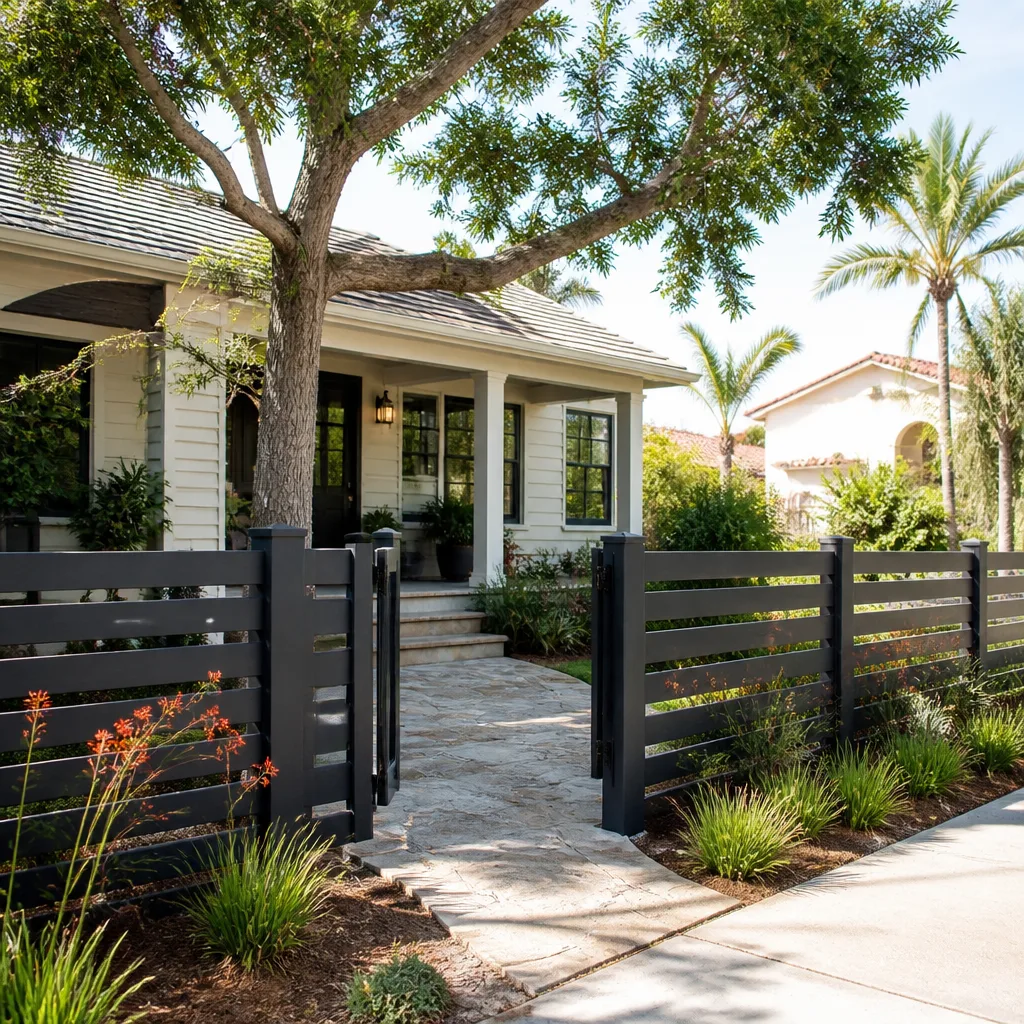
Call a fence pro when a post has moved more than half an inch, when footing concrete shows visible cracks, or when a repair requires resetting a post rather than replacing hardware. Wind and monsoon damage to multiple panels is also worth a professional look, since straightening misaligned sections can cause more movement than it fixes if the footings are already compromised. Spring Valley homeowners with pre-2000 fences should get an evaluation before any intensive repair, since original footing depth may need correction. If you’re considering a full replacement versus repair, the honest math matters. Groundwork Construction Co. of Spring Valley offers free estimates in Spring Valley. Call (888) 329-9414.
Frequently Asked Questions
The best window is late February through March, after overnight freezes pass and before the sun heats surfaces enough to make penetrating sealants flash. Aim to complete the job by mid-March for the strongest bond and longest sealer life. Call (888) 329-9414 for a free quote on professional sealing.
Quarterly is the minimum, and monthly for gates used daily. Dust in the Southern Nevada environment works into hinges fast, and dry hinges accelerate gate sag, which eventually pulls the post out of alignment. Call (888) 329-9414 if you want our team to inspect and service your gate hardware.
Yes. Vinyl needs one annual UV inhibitor treatment, an expansion joint inspection each fall, and regular cleaning with mild soap, not high-pressure washing. Skipping these steps reduces vinyl lifespan by years in Spring Valley’s UV conditions. Call (888) 329-9414 to schedule a vinyl inspection.
Use the soil probe method. Push a stiff metal rod 6 to 8 inches into the soil next to each side of the post and check resistance. Loose or inconsistent resistance, or more than 1/4 inch of visible post lean, means scheduling a professional footing evaluation.
Local hardware stores carry penetrating oil-based sealants, silicone lubricants, and vinyl UV inhibitors. Match the sealer to your fence species and age. Penetrating sealers are correct for older weathered wood, while surface sealers work on newer, smoother stock.
Photograph each panel and post base once a year, log every maintenance and repair with dates and products, and file copies of HOA fence rules alongside. This record supports warranty claims and makes HOA compliance responses fast and factual. Call (888) 329-9414 if you’d like us to review your fence warranty situation.
Cleaning, gate lubrication, and photo documentation are DIY-appropriate. Sealing, footing evaluation, and any repair involving a moving post are worth professional help, especially on a fence that’s carrying warranty coverage.
See the difference
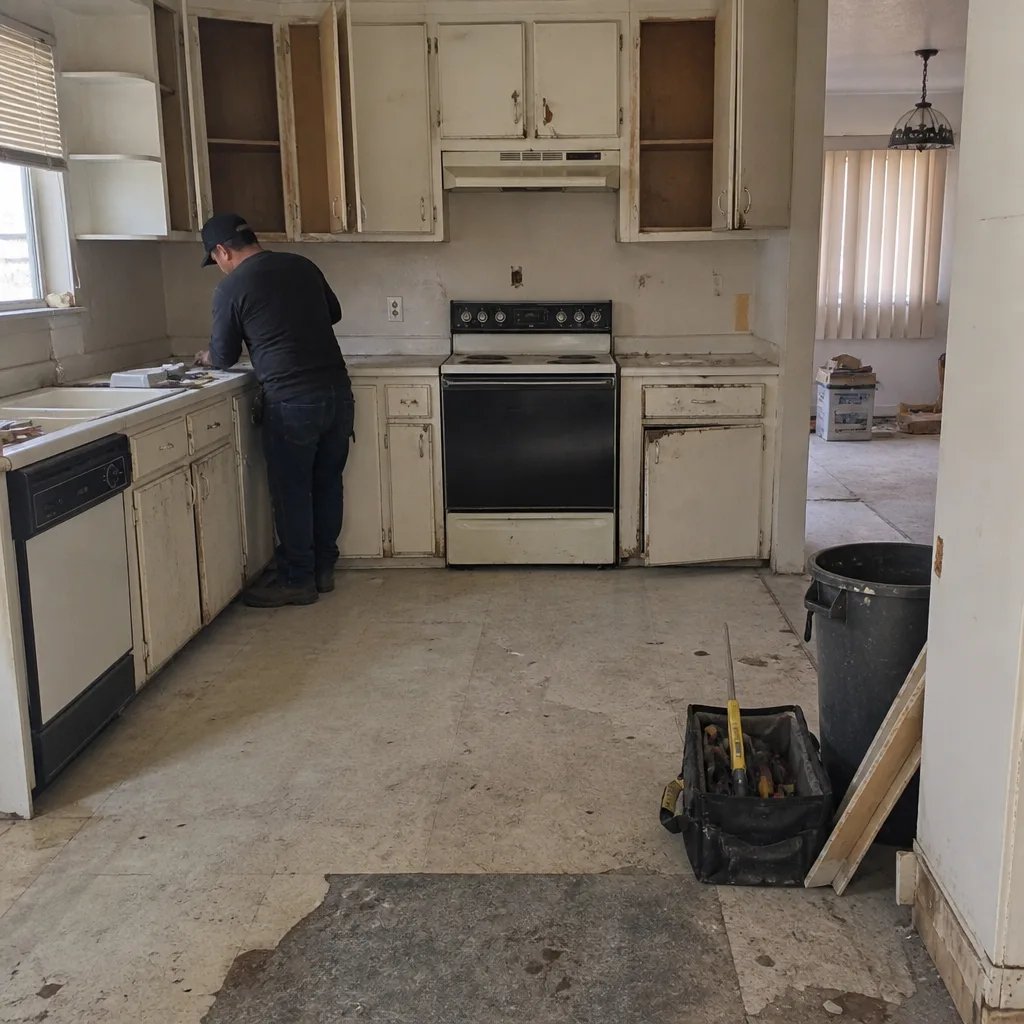 Before
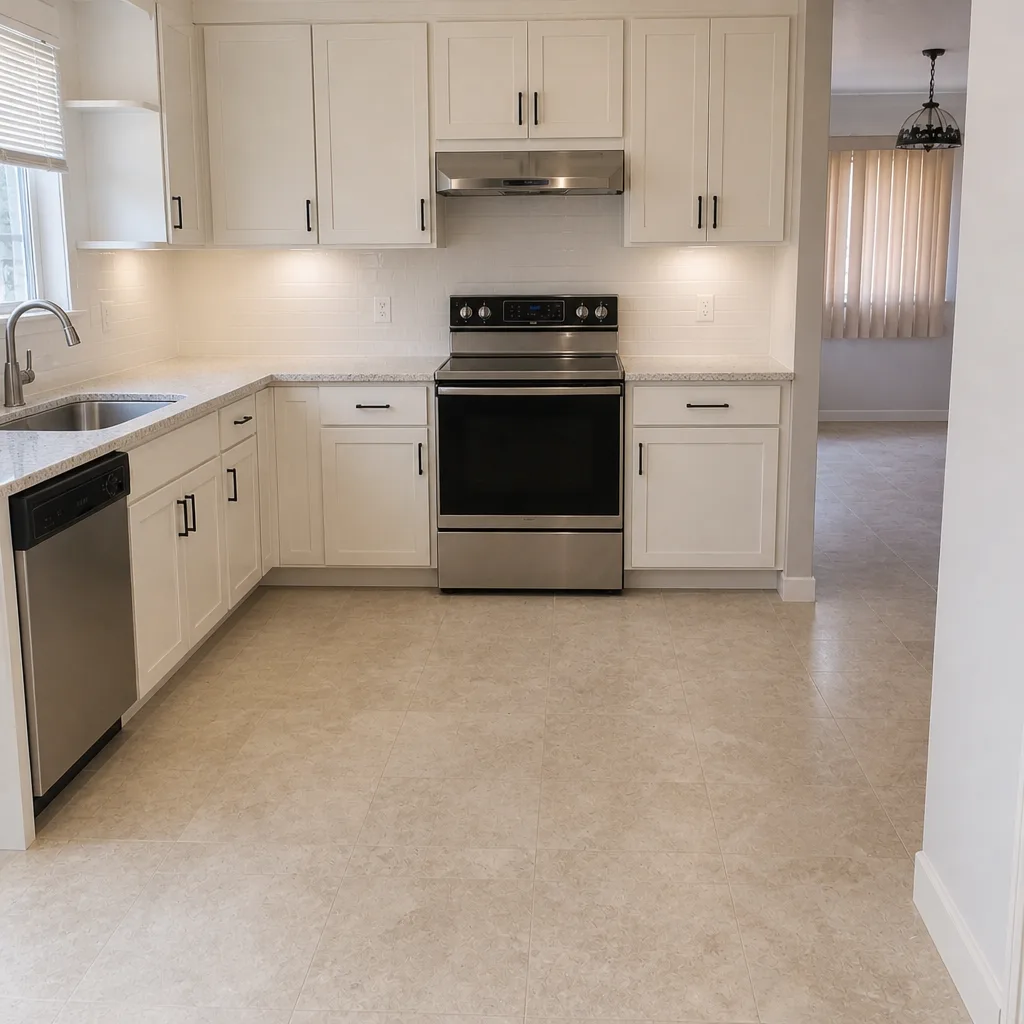 After
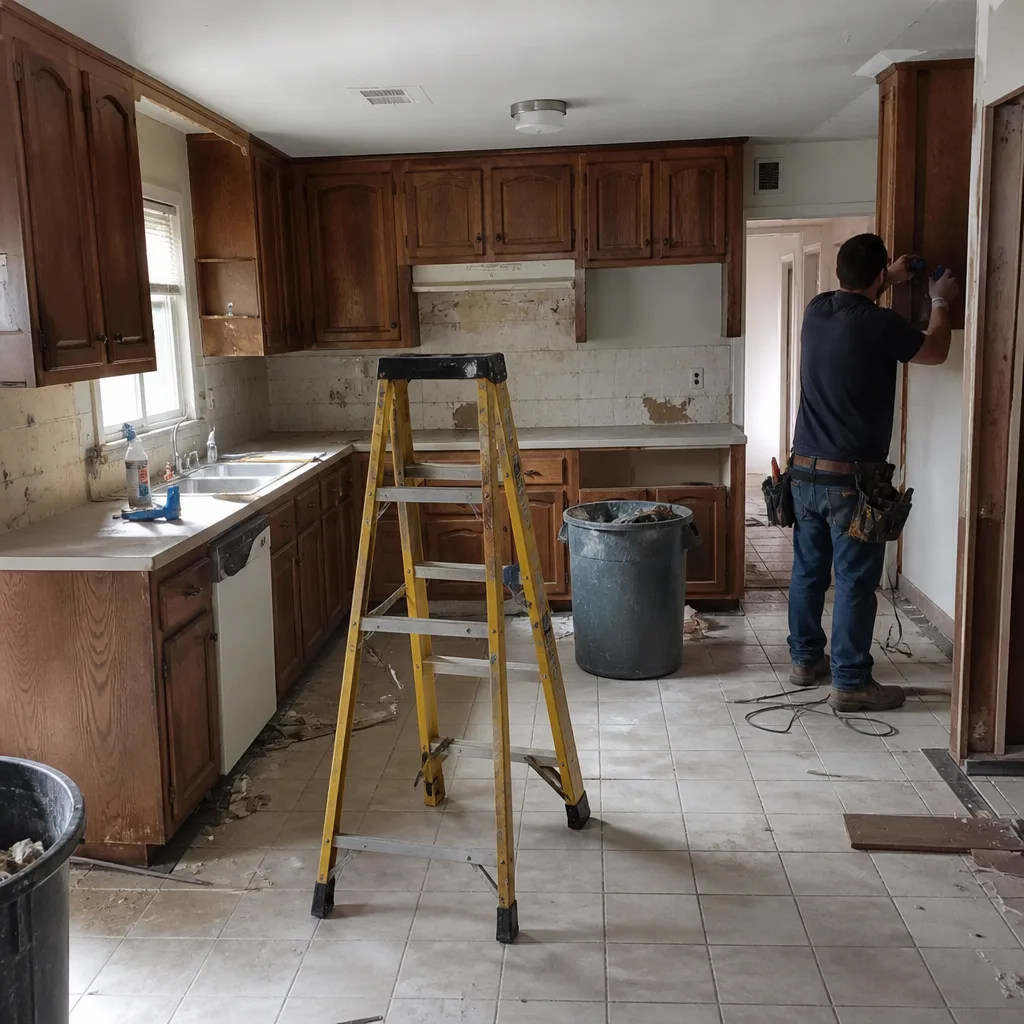 Before
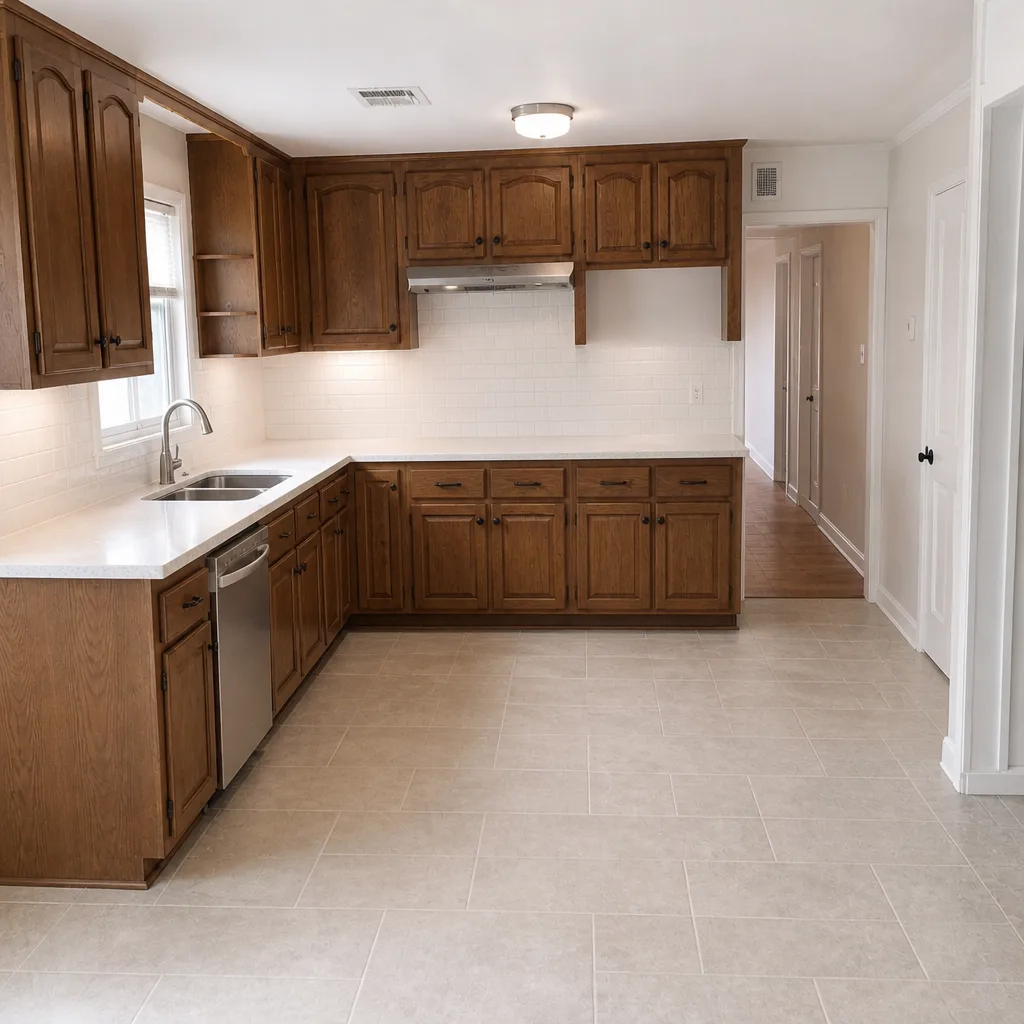 After
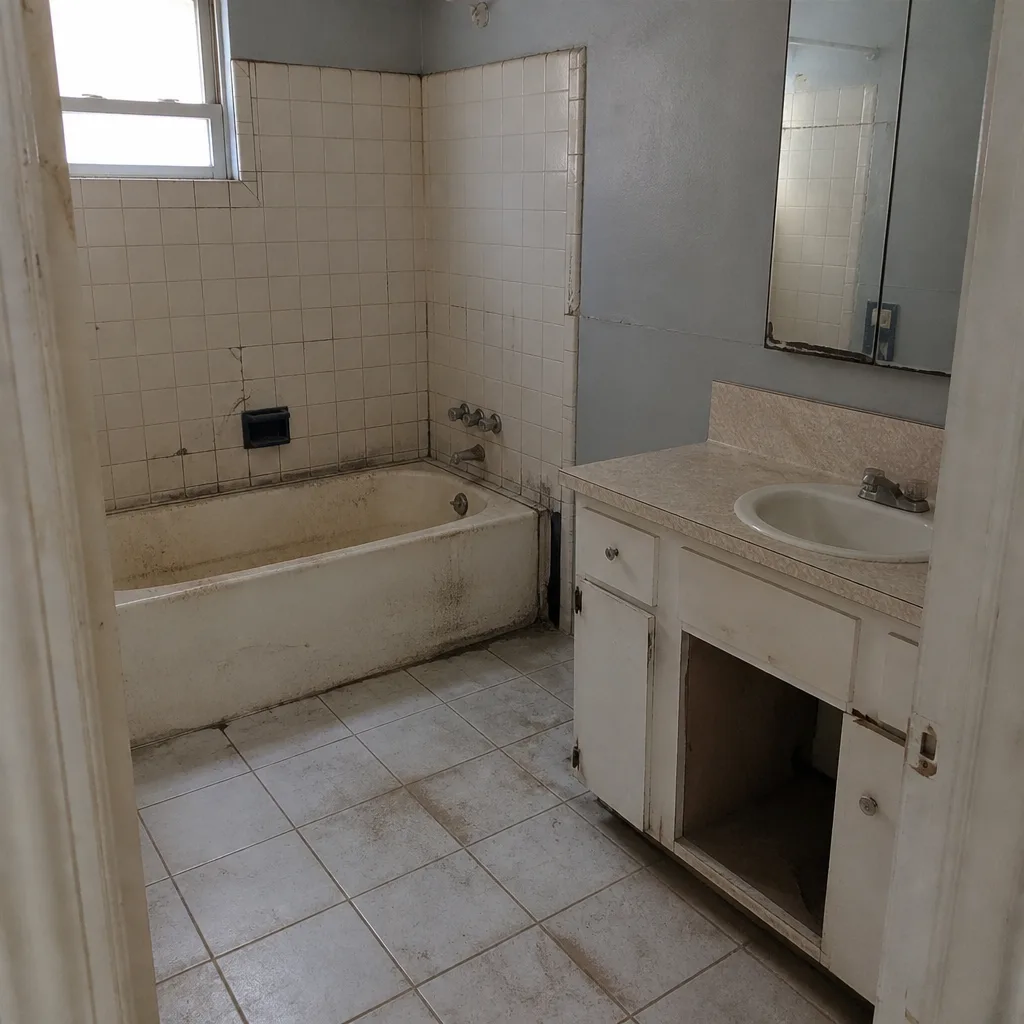 Before
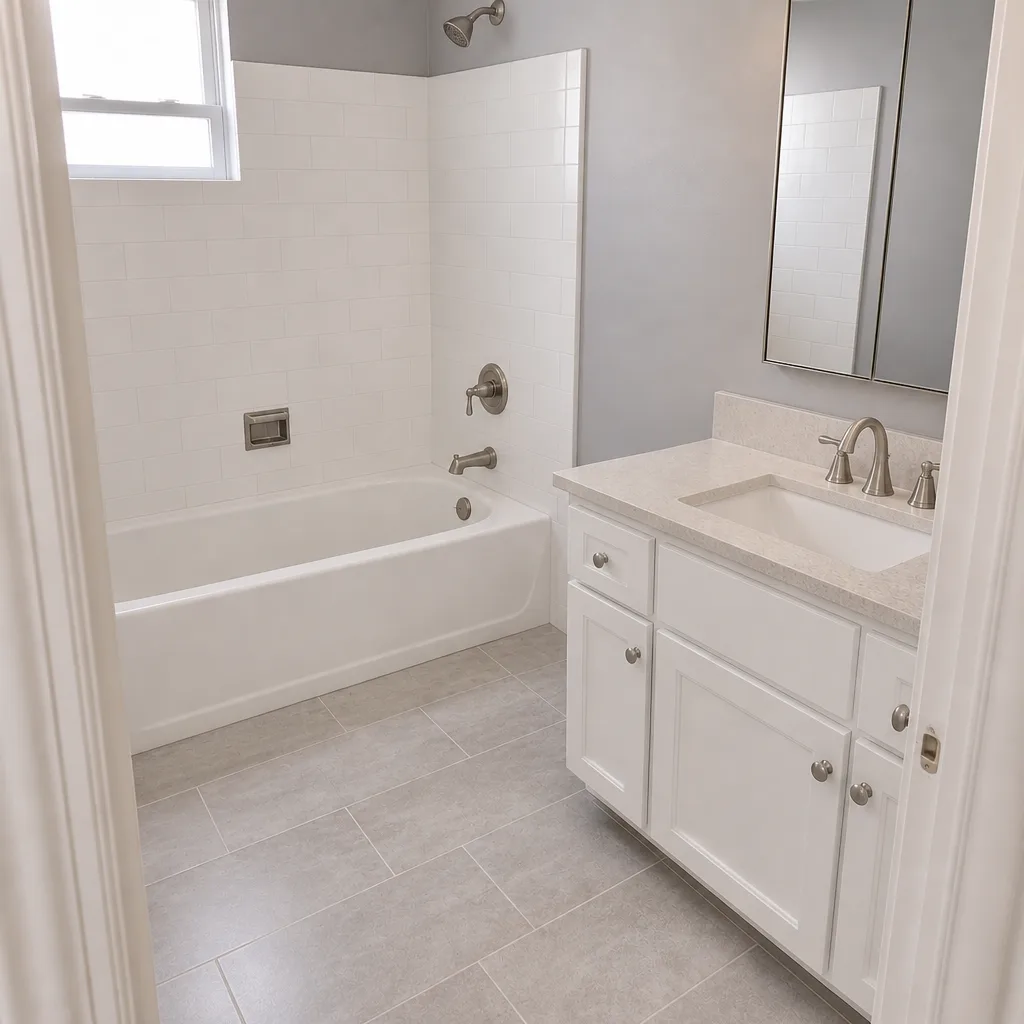 After
Helpful Background: Beyond the Fence Line
Several maintenance decisions around your fence schedule overlap with other exterior work. If you’re planning driveway work, coordinate the timeline with your fence staining so runoff from paving or cleaning doesn’t affect fresh sealer. Our Driveway & Pavers in Spring Valley team can help sequence the two. And if you’re considering a backyard structure – a detached office, an ADU, a pool house – fence condition and gate access get worked into the plan from day one, which our Home Additions & ADU in Spring Valley group handles regularly. You can see the full range of what we offer on our Groundwork Construction Co. of Spring Valley home page.
The Bottom Line
Fence maintenance in Spring Valley is a seasonal routine, not an annual touch-up. Hit the late-February-to-March sealing window for wood, run the fall soil probe on footings, apply UV inhibitor to vinyl every year, and service gate hardware quarterly. Document condition each November so warranty and HOA compliance both stay clean. Every one of those steps is cheap. Skipping them compounds into repairs that aren’t. Our technicians have up to 12 years of experience with the exact wear patterns this valley produces, and every install we handle is backed by the 730-Day Done Right Promise. Built to last, backed in writing.
Related Reading & Where We Work
If fence maintenance turns into fence replacement, our Fence Installation in Spring Valley guide covers material choices, HOA height rules, and what drives cost in the valley. For homes where the fence ties into a larger improvement plan, the Home Additions & ADU in Spring Valley page lays out how we structure those projects from permits to final walkthrough. Our Driveway & Pavers in Spring Valley page covers the paver work that often pairs with a backyard refresh. And the Groundwork Construction Co. of Spring Valley home page is where you’ll find the full lineup: kitchens, baths, roofing, windows, and additions, all under one contractor with the same warranty.
Still not sure whether your fence needs maintenance, repair, or replacement? Call (888) 329-9414 for a free estimate. A live person answers 24/7, our technicians are background-checked and arrive in uniform, and the number you see on the quote is the number you pay. No surprises.
Written by the team at Groundwork Construction Co. of Spring Valley.