
Last updated November 17, 2026






Free written scope consultation - allowances, timeline, and change-order rules on paper before a single trade is scheduled
Bathroom Remodeling Warning Signs Every Homeowner Should Know
By the time you see a cracked tile or a leaking fixture, the warning signs you should have caught were in the contract language and the job site behavior weeks earlier. That’s the uncomfortable truth we’ve learned watching bathrooms get torn apart and rebuilt across Spring Valley. Most failed remodels don’t announce themselves with a dramatic collapse. They whisper: a scope line that says “prep and install” with no measurements, a contractor who’s “ready to start Monday” but hasn’t filed a permit, a waterproofing step that got skipped while you were at work. The problems show up months later, long after the final check cleared. This guide walks you through the signals that matter before money changes hands, during construction, and at the walkthrough, so you can spot trouble while it’s still cheap to fix.
Quick Answer
The most reliable bathroom remodeling warning signs are vague contract scope with no line-item pricing, pressure to start before permits are pulled, skipped waterproofing inspections, rushed mortar and grout cure times, and material substitutions made without your written approval. Catching these early, before a single tile is set, is how homeowners avoid the cracked grout, mold, and rework that show up a year later. Physical defects are rarely the first sign of a bad remodel; the paperwork and site habits always come first.
Styles & brands we work with
- Kitchen remodeling
- Bathroom remodeling
- Home additions & ADU
- Roofing
- Windows & doors
- Driveway & pavers
- Fence
Table of Contents
- Pre-Contract Warning Signs in the Paperwork
- The Permit Question Nobody Asks Early Enough
- On-Site Behavioral Red Flags
- Waterproofing: The Step That Gets Skipped
- How to Catch Material Substitution Mid-Project
- What a Healthy Mid-Project Site Actually Looks Like
- Post-Install Inspection Points Before Final Payment
Pre-Contract Warning Signs in the Paperwork
The contract is where a bathroom remodel is won or lost, and it’s where the most dangerous warning signs hide because they look professional on the surface. A vague scope line is the single biggest tell. If your bid says “demo and install tile” or “plumbing rough-in per code” without square footage, fixture models, or line-item cost, the contractor has built in room to do less than you’re picturing and still be technically compliant. You want to see numbers: 42 square feet of floor tile, a specific Kohler model number for the vanity faucet, an allowance with a ceiling and a named brand.
A real line-item bid separates demolition, framing and blocking, plumbing rough-in, electrical, waterproofing, tile labor, fixture installation, and finish work. When a contractor hands you one lump sum, ask what happens if the subfloor needs repair. In Spring Valley’s older housing stock, we regularly find rot and out-of-square framing under bathroom floors, and a bid without contingency language becomes a fight later. Pressure to sign before you’ve read the scope is its own red flag. So is a “today-only” discount that expires in 24 hours. Good work doesn’t need manufactured urgency.
Three contract checks to run before you sign:
- Demand line-item pricing with allowances capped. A “tile allowance” of $4 per square foot sounds generous until you learn the tile you picked is $9. Cap it in writing.
- Confirm the payment schedule ties to milestones, not calendar dates. A draw due “on day 10” regardless of progress lets a crew collect for work not done.
- Get the warranty in writing. “Guaranteed workmanship” means nothing without a defined term. Our Groundwork Construction Co. of Spring Valley home program carries a 730-Day Done Right Promise in writing for exactly this reason.
The Permit Question Nobody Asks Early Enough
If a contractor tells you the permit isn’t necessary for a bathroom remodel, walk away. In Spring Valley and throughout Clark County, bathroom renovations that touch plumbing, electrical, or structural framing require permits and inspections. A contractor who offers to skip the permit to “save you time” is offering to build a permanent liability into your walls, and it can complicate a future sale or insurance claim. Ask for the permit number before work begins, and confirm it’s been pulled in your jurisdiction. A permit that gets pulled after demo has started is nearly as bad as no permit at all.
The pressure to start before permits is one of the clearest red flags we see. A legitimate contractor builds the permit timeline into the schedule and doesn’t ask you to let crews start “while we wait for approval.” If the crew is on-site swinging a hammer before the inspection card is posted, that’s a contractor telling you, in actions, that they don’t plan to pass inspection. In our experience across Spring Valley, permit wait times vary by scope, and a professional plans around them rather than around your patience.
Watch for these permit-specific warning signs:
- Verbal promises that “everything’s grandfathered” or “you don’t need a permit for that”
- Contract signed but no permit application filed within a reasonable window
- Crew starts demo before the inspection card or permit is visible
- Contractor asks you to pull the permit in your own name to speed it up
- No inspection callbacks scheduled even though rough-in work is done
Permits aren’t bureaucracy for its own sake. Each inspection is a required checkpoint, and the electrical rough-in inspection alone catches wiring problems a homeowner would never see until a fixture fails.
On-Site Behavioral Red Flags
You don’t need construction experience to read a job site. The warning signs are behavioral, and they show up long before the physical defects. The most telling one: a crew that never cleans up. If the demo debris sits in the hallway for days, the site is running on improvisation, not process. If the same workers show up in an unmarked van with no uniform and no introduction, you’re not dealing with a professional operation. Our technicians are background-checked and arrive in uniform for the simple reason that a crew you can identify is a crew that’s accountable.
Watch for the “we’ll be back Tuesday” problem. In a healthy remodel, the plumber, the tile setter, and the electrician each appear at their scheduled point in the sequence. If the same person is doing the framing, the drywall, the plumbing, and the electrical so the crew can avoid rental costs, that’s a warning sign that a specialist wasn’t brought in for the trades that matter. Watch how they treat the waterproofing membrane, the materials staging area, and the fixtures sitting in boxes. A bath fixture left unseated or unpacked before installation gets damaged and installed anyway.
Site behavior checklist, day one through completion:
- Is there a plan on-site? A written sequence of who comes when signals an organized project.
- Are materials staged safely? Boxes of tile stacked in the tub, not on the subfloor where they’ll bow.
- Does the crew clean daily? Debris tracked through the house tells you they don’t plan to protect your home.
- Are fixtures seated and protected? A vanity or tub installed without protective wrap gets scratched before you ever see it.
- Is anyone inspecting the work as it progresses? A supervisor who checks waterproofing and framing before the tile covers it is a professional who plans to stand behind the result.
One more behavioral sign: the crew who never asks you a question. A quality installer confirms fixture height, trim choice, and tile layout before committing. Silence during a remodel usually means assumed decisions, not avoided ones.
Waterproofing: The Step That Gets Skipped
Waterproofing is the single most skipped step in bathroom remodeling, and skipping it is the fastest way to guarantee a failure that shows up in a year. In Spring Valley, we regularly see shower failures traced to a missing pan liner or a membrane that never got inspected, because the dry desert climate invites the false comfort that moisture isn’t a threat. It absolutely is: every shower produces steam and standing water that finds the one unprotected seam. If you can, arrange to be present when the waterproofing goes in and ask the contractor to explain exactly what product is used, where the seams overlap, and whether the pan was flood-tested.
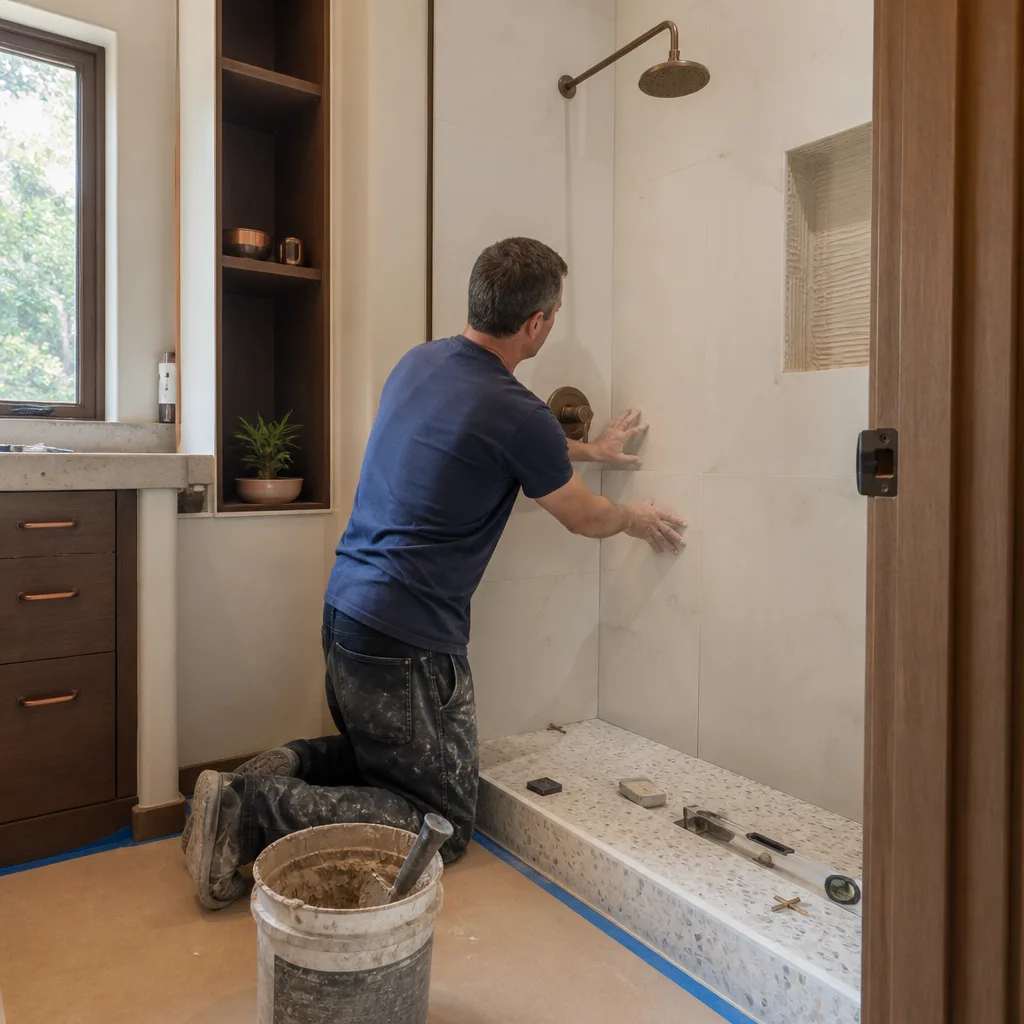
The correct sequence is specific. Cement backer board goes up, seams get taped and bedded with thinset, the membrane is applied with correct overlaps, and then the pan liner is flood-tested for 24 hours before any tile is set. Nobody sees this once the tile covers it, so verification has to happen now. If you can’t be on-site, ask for photos of the waterproofing stage with the liner clearly visible. A contractor who has this step down will happily provide them.
Waterproofing warning signs to look for before tile goes down:
- Greenboard or regular drywall used in the shower surround
- No membrane over seams at corners and curbs
- Tile being set the same day the membrane is applied
- No flood test on the shower pan
- Nail or screw penetrations through the membrane left unsealed
If the waterproofing inspection gets skipped, don’t accept “we always do it this way.” That’s a contractor asking you to trust the covering instead of the work.
How to Catch Material Substitution Mid-Project
Material substitution is quiet, and it’s the warning sign most homeowners miss because it happens after everyone has stopped paying attention. You agreed to KraftMaid cabinetry and a specific Kohler faucet, and weeks in, a cheaper equivalent appears in a box with no brand name. The switch usually happens at delivery or when a spec’d product is “back-ordered,” which is why it pays to know what you ordered and to be there when materials arrive. Keeping a spec sheet on the counter with model numbers and photos is the simplest defense. Compare the box, not the catalog.
Spring Valley’s supply chain around national brands is generally solid, so “back-ordered, here’s an equivalent” is often a substitution being dressed up as a delay. Ask for the substitute’s model number and get written approval before installation. If the substitution saves the contractor money without changing your price, you’re not getting equivalent value. Brand partners like KraftMaid, Cambria, and James Hardie appear in our contracts by name for a reason: what’s written is what gets installed. Same principle for your project, whichever brands you choose.
Substitution checklist for the materials delivery day:
- Match model numbers, not just brand names. KraftMaid makes multiple cabinet lines; the brand alone doesn’t tell you what grade you got.
- Check the spec sheet against every delivered box. Photos on your phone beat memory.
- Get any substitution in writing, with a credit if it’s cheaper. No exceptions.
- Reject damaged or opened packages. A scuffed vanity or a chipped tile gets installed anyway if you don’t flag it.
- Confirm the contractor’s quote includes the allowance coverage. Upgrades over the allowance should be your choice, in writing, before purchase.
One material to watch extra closely: the waterproofing membrane. A “brand X” substitute in a different color is often a lower-grade product, and it’s the one material with zero tolerance for compromise.
What a Healthy Mid-Project Site Actually Looks Like
A healthy bathroom remodel site looks organized and boring. That’s a compliment. You should see protective materials on the floor and doorways, a daily sweep, materials staged against walls and off the floor, and a written schedule that the crew actually follows. You should be able to name the person in charge, reach them by phone or text, and get an answer during business hours. If you call and get voicemail for two days, that’s a warning sign before you ever see the work. Calls answered by a live person, 24/7, is our standard for this reason: it’s not a courtesy, it’s a sign the contractor is running an operation you can reach.
The visual checkpoints matter. In a healthy site, a plumbing rough-in inspection sticker is posted and dated, the subfloor is protected during demo, and fixtures arrive and sit in labeled boxes. You can tell the stage of the job at a glance: framing and blocking visible, then rough-in plumbing and electrical done, then inspections passed, then waterproofing, then tile. If you walk in and see finished tile over a shower pan that was installed two days ago, ask how the pan was flood-tested. A healthy site lets the schedule breathe; a rushed one compresses cure times to chase a deadline or a crew slot elsewhere.
Compare the signs directly:
- Healthy: Debris swept daily and hauled in labeled bags. Warning: Demo debris sits for days and gets dumped in a shared dumpster out of sight.
- Healthy: Waterproofing inspected and photographed before tile. Warning: Tile goes up the day after membrane is applied.
- Healthy: Trades scheduled in sequence with specialist crews. Warning: One crew does everything to save mobilization costs.
- Healthy: Fixtures delivered, inspected, and protected. Warning: Boxes opened in the driveway and installed dirty.
- Healthy: A clear point of contact who answers. Warning: Radio silence between visits.
Post-Install Inspection Points Before Final Payment
The walkthrough is your last real chance to catch defects before signing off and releasing final payment, and it’s where an organized contractor wins your trust or a sloppy one gets discovered. Walk the bathroom with the project lead, not by yourself, and bring this list. Now is the time to catch the small things, because after final payment, momentum on getting them fixed drops fast. Our 730-Day Done Right Promise exists because we’ve seen how a five-minute fix becomes a six-month headache when nobody’s accountable.
Start with water. Run every fixture hot and cold, watch the drain, check for slow leaks under the vanity and around the toilet. Then check grout and caulk for consistency and gaps at every joint, especially the wall-to-floor seam. Open and close the shower door or curtain rod, test the exhaust fan, and look at the paint and trim for touch-ups. If the project included a new vanity with Kohler or KraftMaid components, confirm the doors and drawers operate cleanly. Take photos of everything you flag so the punch list is unambiguous.
Post-install walkthrough checklist before final payment:
- Run every fixture and check for leaks at supply lines, drains, and the toilet seal.
- Inspect grout and caulk at all joints, corners, and the shower floor.
- Check tile alignment and lippage by running a hand across the floor and walls.
- Test the exhaust fan and confirm it vents outside, not into the attic.
- Open and close every door and drawer on cabinetry, and check for chips or scratches.
- Confirm the water heater and shutoffs were left accessible and labeled.
- Get the punch list in writing and hold final payment until it’s completed.
Common Mistakes to Avoid
- Signing a bid with no line items. A lump sum with no breakdown lets the contractor decide what “install” means after you’ve paid. Get the scope written down.
- Letting the crew start before the permit is pulled. In Spring Valley, this is the fastest path to a failed inspection and an insurance headache. The inspection card should be posted before demo begins.
- Not confirming the waterproofing stage. Ask for photos of the membrane and the flood test. Tile hides everything, and that’s the point.
- Ignoring a material substitution. Because Spring Valley supply is usually reliable, a “back-order” swap deserves a call. Compare model numbers, not just brands.
- Paying final before the punch list is done. Hold a meaningful amount until every item is fixed. A healthy contractor won’t object.
- Assuming a crew in an unmarked van is normal. It isn’t. Uniformed, background-checked technicians arrive with a name, a schedule, and a point of contact.
- Skipping the 24-hour pan flood test. It’s the cheapest insurance against a shower that leaks into the ceiling below six months from now.
If your remodel touches other parts of the home, the same pre-contract discipline applies to a driveway and paver project in Spring Valley or a fence installation in Spring Valley. The paperwork rules don’t change from one trade to the next.
See the difference
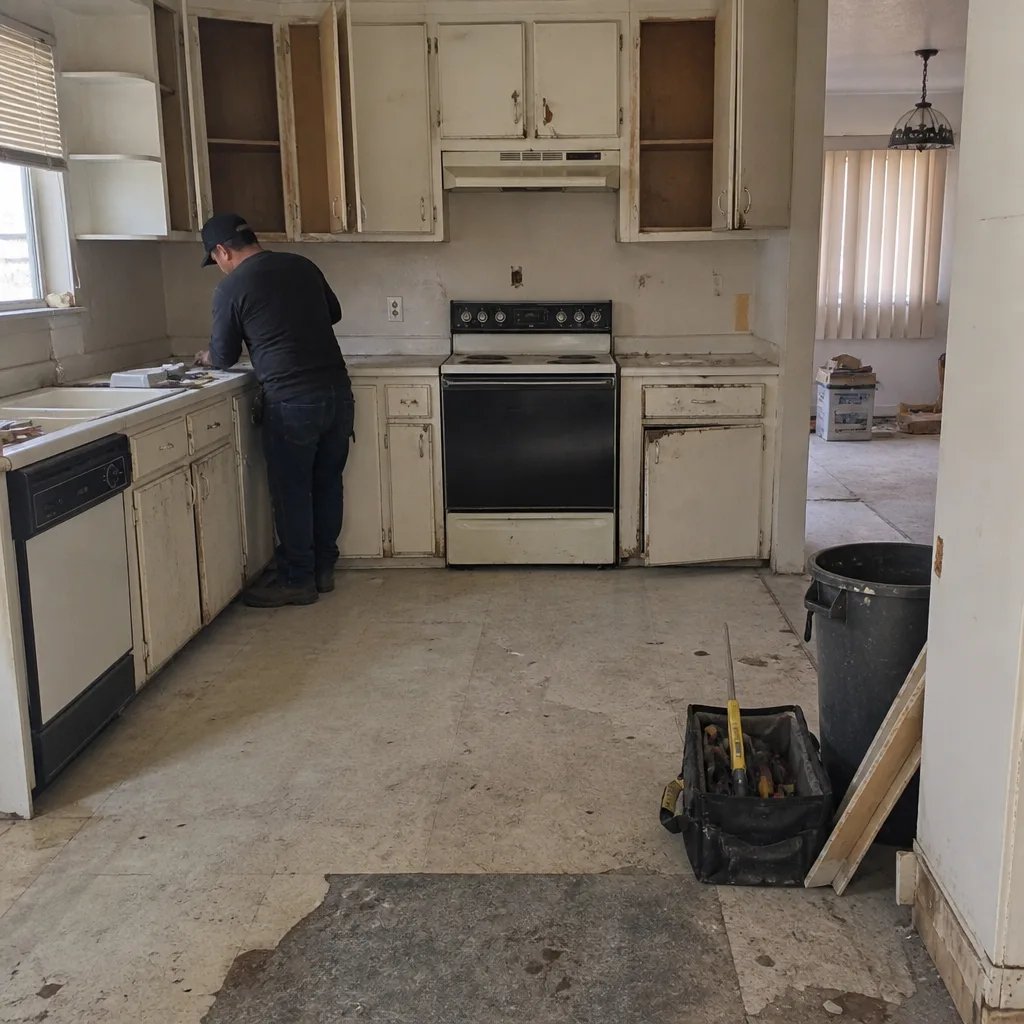 Before
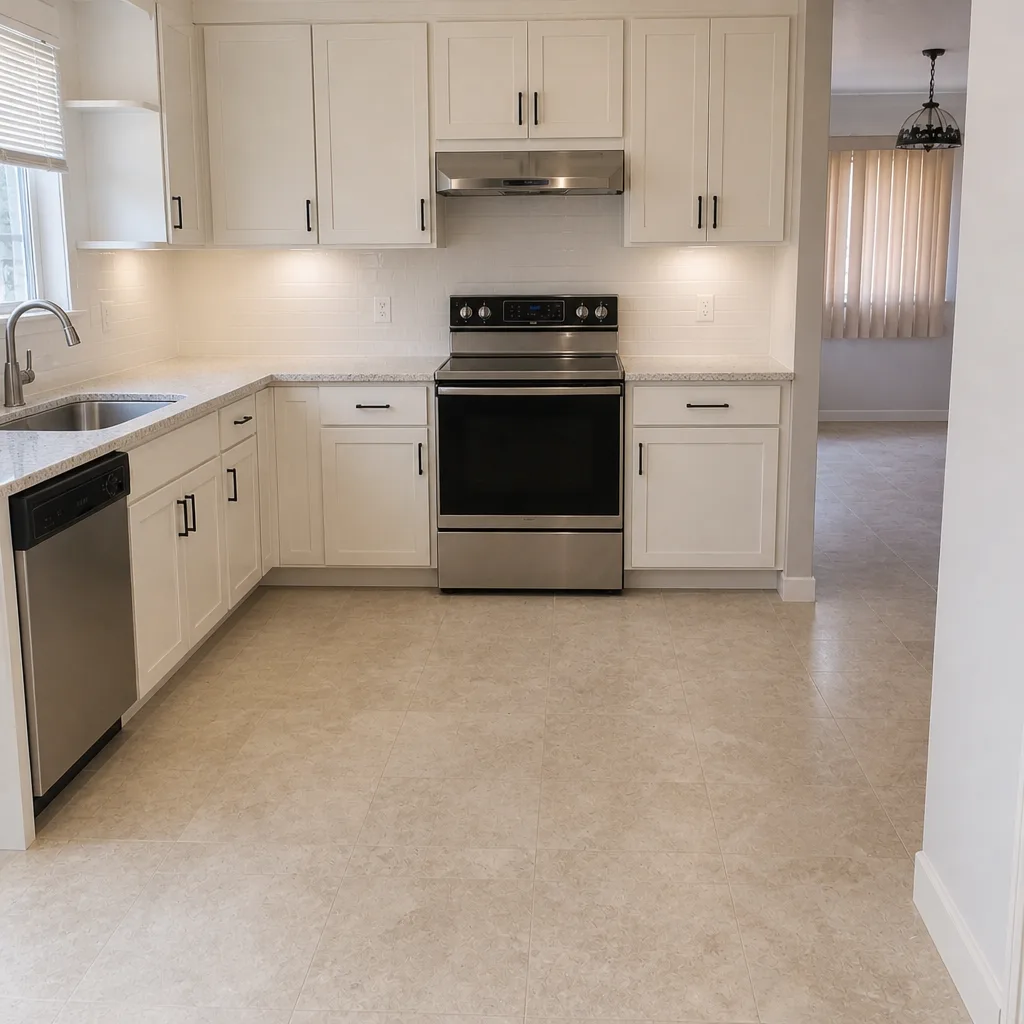 After
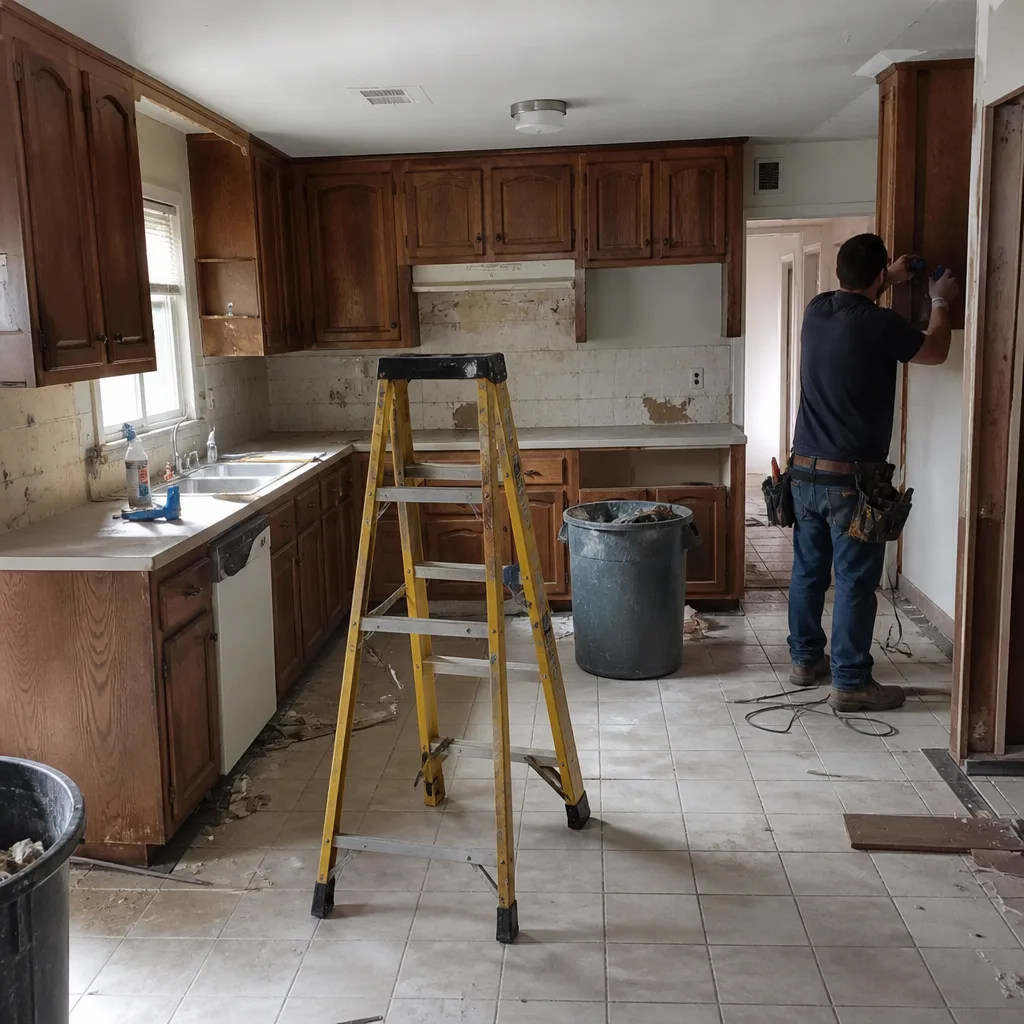 Before
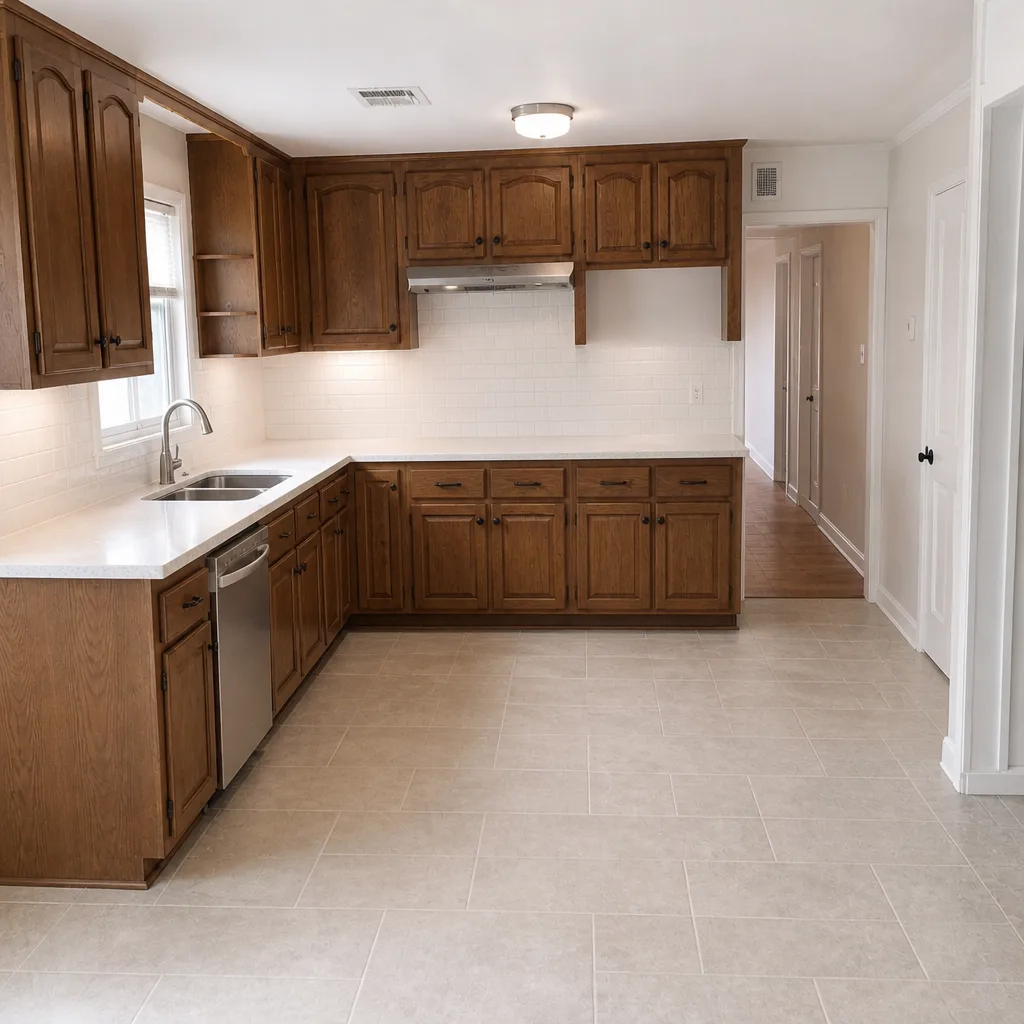 After
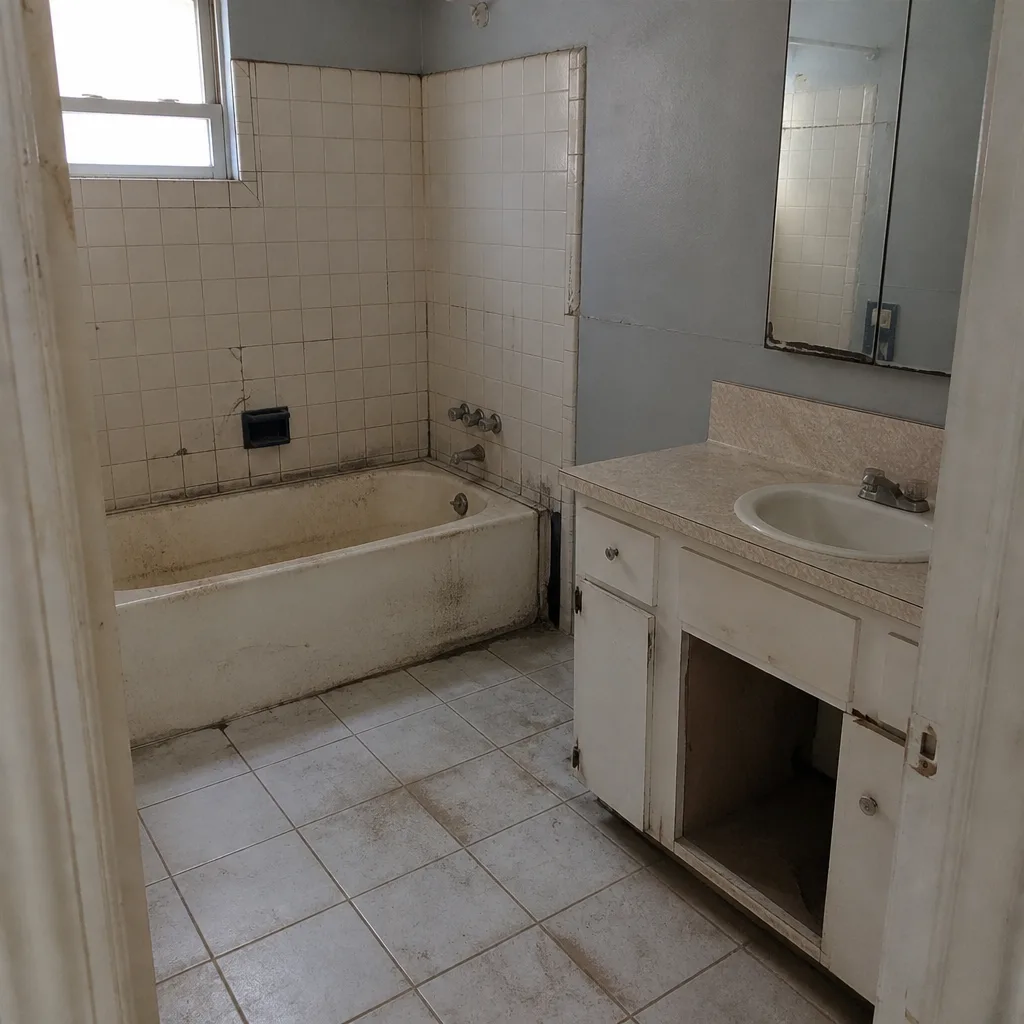 Before
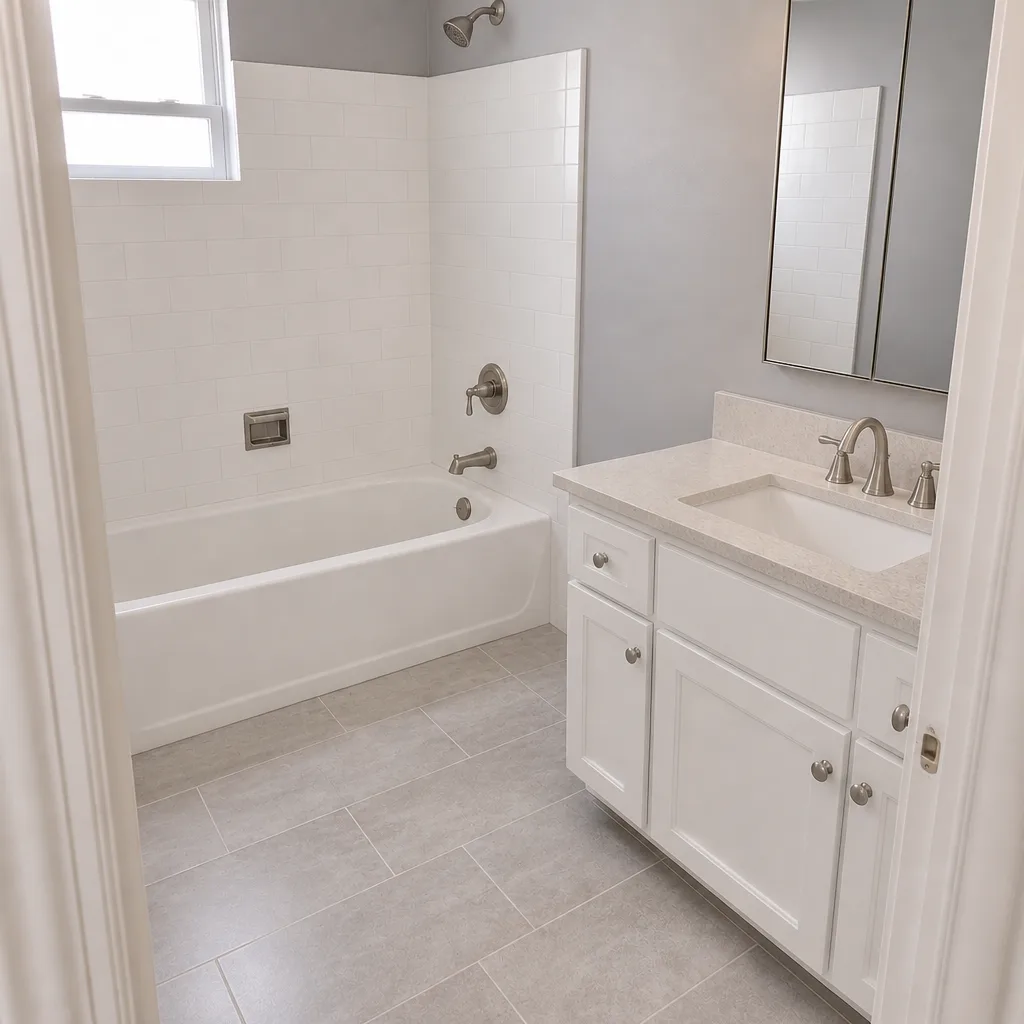 After
When to Call a Professional
Some bathroom projects belong in your hands: swapping a faucet, replacing a toilet seat, painting over a small patch. Others, like moving a drain line, rebuilding a shower pan, or rewiring a vanity circuit, cross into work that’s genuinely dangerous or permit-critical, and the risk of getting it wrong isn’t a crack in the tile, it’s a leak into the framing or a shock hazard. If your contractor’s plan skips the permit, skips the waterproofing inspection, or rushes a shower pan without a flood test, call us before you sign. Groundwork Construction Co. of Spring Valley offers free estimates in Spring Valley, and a second opinion costs nothing. Call (888) 329-9414 to schedule yours.
If you’re planning more than a bathroom, a full-scope partner covering renovations alongside a home addition or ADU in Spring Valley lets one contract and one warranty cover the whole project. Upfront pricing, no surprises, means the number you see is the number you pay.
Frequently Asked Questions
A vague contract with no line-item pricing and pressure to start before permits are pulled. That combination tells you the contractor has built in room to do less than you’re picturing, and neither problem is fixable once the tile is set. If either shows up, pause the project and ask for a written scope with model numbers and a permit timeline. Call (888) 329-9414 for a free second estimate before you commit.
Watch the order of work: if tile goes up the same day or the day after the membrane is applied, the waterproofing step is being rushed. A proper install shows a cement backer board, taped seams, a membrane with correct overlaps, a 24-hour flood test, and photos of the stage before tile covers it. Ask for those photos. It’s the easiest way to verify a step nobody sees once it’s finished, and a contractor with a process will provide them without hesitation.
Yes, when the project touches plumbing, electrical, or structural framing, which most meaningful remodels do in Clark County. A contractor who says you don’t need one is offering you a liability, not a shortcut. Ask for the permit number before demo starts and confirm the inspection card is posted. The permit timeline is predictable, and a professional plans around it instead of asking you to start early.
Compare model numbers, not just brand names, on every delivered box against the spec sheet in your contract. A “back-ordered” equivalent should be documented in writing with a credit if it’s cheaper. Be on-site or get photos at delivery, and keep the spec sheet on the counter. If a substitute shows up without your written approval, that’s a red flag worth stopping the job over, especially for the waterproofing membrane.
Run every fixture hot and cold, check for leaks at supply lines and drains, inspect grout and caulk at every joint, and test the exhaust fan. Run a hand across tile for lippage, operate every door and drawer on the vanity, and confirm the shutoffs are labeled and accessible. Get the punch list in writing and hold final payment until every item is done. A contractor backed by a real workmanship guarantee will not object to any of it. Call (888) 329-9414 to talk through a quote in Spring Valley.
Often, yes. A bid that’s far below the others usually leaves out waterproofing detail, allowance ceilings, or a real warranty, and those gaps get discovered after payment. Cheap isn’t the problem; unexplained cheap is. Ask for the line-item scope and the warranty in writing, and if the contract is still bare-bones at that price, be cautious. Our free estimate pairs upfront pricing with a 730-Day Done Right Promise, so the quote you compare is complete.
The Bottom Line
The warning signs that a bathroom remodel is heading for trouble show up weeks before the physical defects, in the contract language and the crew’s habits on-site. Vague scope, no line-item pricing, permit pressure, skipped waterproofing inspections, and quiet material substitutions are the five signals that matter most. If you catch them early, when it’s still cheap to walk away or reset, you avoid the cracked grout, the hidden mold, and the rework that shows up a year later. The cheapest fix is the one you make before the tile goes down. When you’re ready for a second set of eyes, we’re in Spring Valley and we take the call, live, around the clock.
Ready for a free estimate? Call Groundwork Construction Co. of Spring Valley at (888) 329-9414 and we’ll walk the bathroom with you before you commit. The number you see is the number you pay, and every project is backed in writing.
Written by the team at Groundwork Construction Co. of Spring Valley.