Last updated November 17, 2026


Free written scope consultation - allowances, timeline, and change-order rules on paper before a single trade is scheduled
How Long Does Driveway & Pavers Take? Timelines and What to Expect
The crew might be on and off your property in three days, but you won’t be parking on that driveway for two weeks. That gap is where most homeowners get blindsided. Paver installation is not a single task; it’s a chain of dependencies, each with its own clock. Excavation can’t start before utility locates clear. Base rock can’t be compacted wet. Sealant can’t go down in 105-degree heat. And in Spring Valley, the Clark County inspection calendar runs on its own schedule that no contractor can compress. This guide maps the real project clock from first shovel to the day you drive your truck onto the finished surface, so you know exactly what you’re paying for and when.
Quick Answer
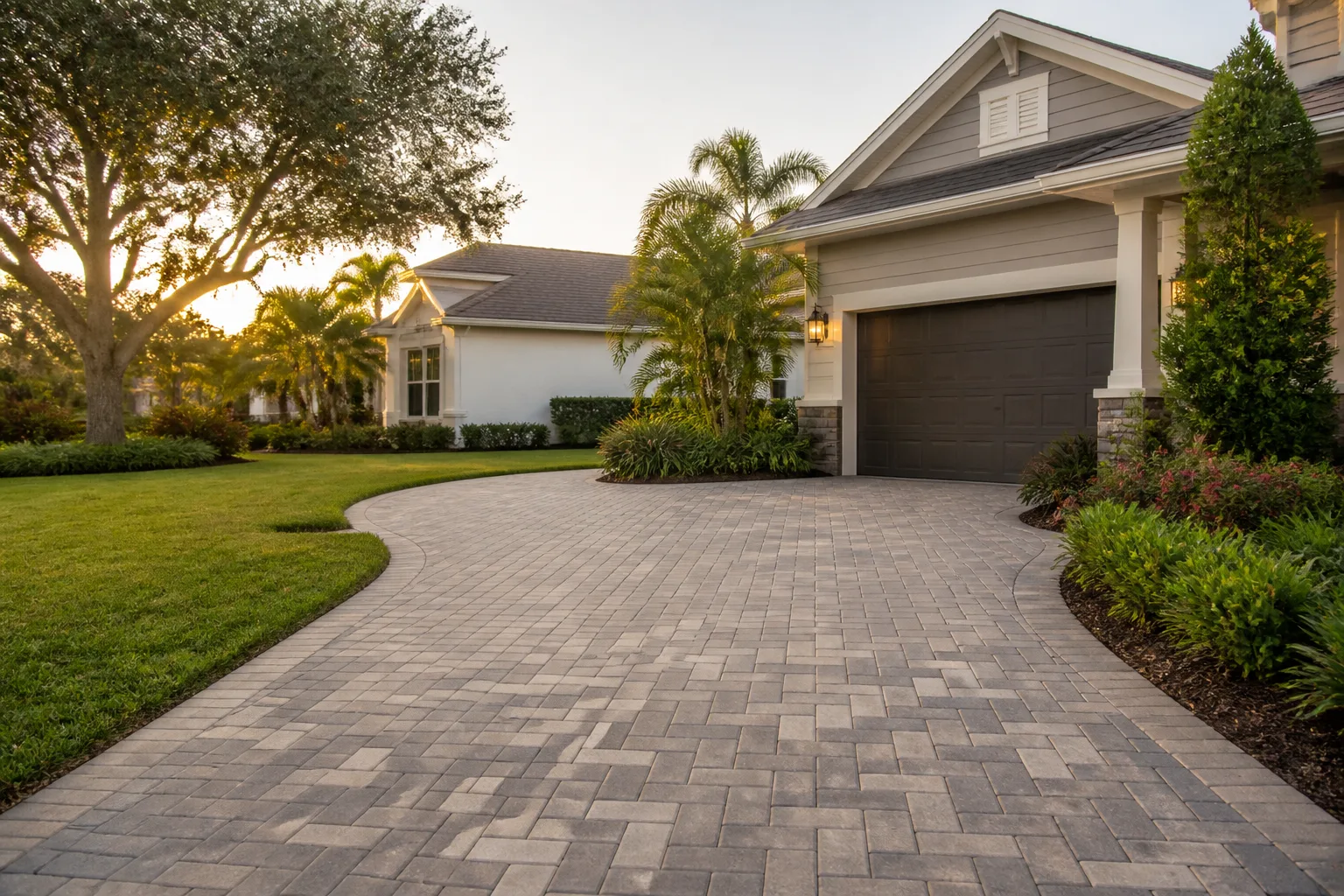
A standard 400 to 600 square foot paver driveway in Spring Valley takes 3 to 5 working days of active crew time, but plan for 10 to 14 calendar days from excavation to vehicle access. The extra days come from base curing, permit inspection windows, and a mandatory sealant cure before you drive on it. Larger driveways, complex patterns, or a wet monsoon week can push that to three weeks or more.
Styles & brands we work with
- Kitchen remodeling
- Bathroom remodeling
- Home additions & ADU
- Roofing
- Windows & doors
- Driveway & pavers
- Fence
Table of Contents
- The Real Project Clock: Phase by Phase
- Why Clark County Permits Add Calendar Days
- Southern Nevada Weather Holds: Heat and Monsoon
- What Fast-Track Installation Actually Looks Like
- Building a Contract Timeline with Milestones
- What Drives Cost and Time Together
- Common Mistakes to Avoid
- Frequently Asked Questions
The Real Project Clock: Phase by Phase
A paver driveway is a system, and every layer has to finish before the next begins. In our experience across Spring Valley neighborhoods like Rhodes Ranch and Southern Highlands, the biggest source of homeowner frustration is a contractor who quotes “three days” and means three days of crew labor, not three days until you can park. Here’s the honest sequence, with realistic time per phase for a typical 500 square foot driveway.
1. Layout and excavation (1 day). Before any digging, utility locates must be confirmed. Once cleared, the crew removes existing concrete or asphalt, grades the slope away from the garage, and excavates to a depth that accommodates 6 to 8 inches of base plus the paver thickness. In Spring Valley’s caliche-heavy soil, this can take longer than expected because that cemented layer doesn’t dig like ordinary dirt.
2. Base installation and compaction (1 to 2 days). Crushed aggregate goes down in lifts of 2 to 3 inches, each one watered and compacted to 95 percent density. Skipping the lifts is the most common shortcut we see, and it’s why some driveways rut within two summers.
3. Curing hold (24 to 48 hours). The compacted base needs to settle and drain before pavers go on. This is non-negotiable calendar time. A contractor who rolls pavers onto a fresh base the same afternoon is trading your warranty for their schedule.
4. Paver lay and edge restraint (1 to 2 days). Pavers are set in the chosen pattern, cut at the edges, and locked in with a concrete or plastic edge restraint. Cutting time depends on your pattern complexity.
5. Joint sand and compaction (half day). Polymeric sand is swept into the joints, then the surface is plate-compacted to lock everything together.
6. Sealing (half day, plus cure). If you’re sealing, it goes on after the joint sand cures. Then 24 to 48 hours of no foot traffic, and no vehicle traffic for up to 72 hours.
Add it up: roughly 5 working days plus 4 to 6 calendar days of holds and cures. That’s your two-week window. If you’re comparing this to a concrete pour, the curing reality is similar, which is why we walk every Driveway & Pavers in Spring Valley client through the calendar before signing anything.
Why Clark County Permits Add Calendar Days
Permit inspection scheduling is the part of the timeline nobody warns you about, and it’s the one that can add the most unpredictable days. In unincorporated Clark County, including most of Spring Valley, driveway work that connects to a public right-of-way or alters drainage often requires a right-of-way permit and inspection. That means the county has to sign off on the base prep before pavers go down.
Here’s the sticking point: you can’t schedule that inspection the same day you finish excavation. The county’s queue runs on its own clock. During peak building season, when the valley is processing hundreds of residential permits, a right-of-way inspection can take anywhere from 3 to 10 business days to land. And if the inspector flags the slope or drainage, you’re back in line after corrections.
- Allow 3 to 10 business days for a county inspection slot during busy months.
- Never let a crew lay pavers over an uninspected base if the permit requires base inspection. That’s a violation and a rebuild.
- Ask for the permit number in writing before work starts. A contractor who can’t produce it hasn’t pulled one.
- Ask who’s handling the inspection scheduling, the contractor or you. It should be the contractor.
Because Spring Valley sits mostly in unincorporated Clark County, the permit path here differs from inside Las Vegas city limits. A contractor who works mostly in Henderson may not know the county’s right-of-way process. Ask directly. We pull permits and pass inspections as standard practice, so this is baked into the timeline, not added at the end. If your project includes other exterior work, you may be coordinating several inspections at once, which is one reason a single full-scope partner keeps things moving. The team behind our Groundwork Construction Co. of Spring Valley home service is set up to run the whole sequence.
Southern Nevada Weather Holds: Heat and Monsoon
Spring Valley weather doesn’t follow a nice four-season pattern, and it dictates two separate hold windows that a generic “3 to 5 days” quote never accounts for.
The heat hold. Sealing is the trickiest step in Southern Nevada. Most sealer products need surface temperatures under about 90 degrees to cure properly. From May through September, afternoon pavement in Spring Valley can hit 140 degrees in direct sun. High heat makes sealant flash-cure too fast, leaving streaks, bubbles, and weak coverage. The practical fix is to seal early morning, or push the whole seal to a cooler week. A crew that seals at 2 p.m. in July is sealing for their schedule, not for a product that will last five years.
The monsoon hold. Late June through September brings the monsoon, when sudden afternoon storms dump more water in 30 minutes than the valley drains in a day. Wet base is the problem. Water on freshly excavated or freshly compacted base can wash out the grading and force the crew to redo work. If your base was watered and compacted one morning and a storm rolls through that afternoon, the safe move is to let it dry and recompact. That’s a real calendar day lost, and it’s the right call. March through May and October through November are the smoothest months to install in Spring Valley, because the weather windows are wide and the county inspection calendar is less congested.
We build 2 to 3 weather-hold days into every Spring Valley estimate between late June and early October. If you’re planning a project during monsoon season and your bid shows zero weather contingency, the number won’t hold.
What Fast-Track Installation Actually Looks Like
Legitimate fast-track installation is a scheduling discipline, not a shortcut. It’s the difference between a crew that shows up with a plan and one that shows up with excuses. Here’s the distinction that should decide who you hire.
Legitimate fast-track looks like this:
- Utility locates are ordered before the start date, so day one is real excavation, not waiting.
- Permits are pulled while materials are ordered, so the inspection slot is scheduled days ahead instead of discovered mid-job.
- The base is compacted in proper lifts but the crew works the grading, drainage, and edge work in parallel.
- Materials are delivered staged and prepped, so nothing waits on a truck.
- The sealing window is planned to hit the right temperature, morning or shoulder season, not crammed into an afternoon heat wave.
Shortcuts sold as efficiency look like this:
- Excavation, base, and pavers all in one day. There’s no curing hold; the base never sets up.
- Base lifted in one 8-inch pour with no compaction in between. This ruts within one spring.
- Pavers laid before the permit inspection. You pay for the rebuild.
- Sealer sprayed the same afternoon the pavers are set, in 105-degree heat.
- A bid that quotes “3 to 5 days” with no permit, hold, or cure line items. The number is fiction.
A real fast-track job still finishes at about 10 to 14 calendar days. What it saves you isn’t calendar time, it’s the wasted days from disorganization. If a contractor promises you a 5-day paver driveway in Spring Valley with permits and full curing, ask them to show you the hold schedule. There won’t be one.
Building a Contract Timeline with Milestones
The way to stop guessing when your driveway is actually done is to put milestones in the contract with dates attached. We recommend four checkpoints. Each one has a defined completion standard, so you and the contractor agree on what “done” means before money changes hands.
- Milestone 1: Excavation and grading complete (by date). Existing surface removed, grading verified, utility locates cleared. Photo documentation on file.
- Milestone 2: Base compacted and inspected (by date). Base at full depth, compacted in lifts, county inspection passed if required. This is the point where cheap jobs fall apart if the base was rushed.
- Milestone 3: Pavers laid, jointed, and edged (by date). Pattern set, edge restraint installed, joint sand applied. Walkthrough with you to check cuts and pattern alignment.
- Milestone 4: Sealing, final cure, and vehicle access (by date). Sealed to the manufacturer’s spec, cured for the manufacturer’s required window, then vehicle access released. Final walkthrough signed off.
Put these dates on paper. A contract that lists the start date but not the finish sequence is not a timeline; it’s a hope. And ask what happens if a milestone slips. Our 730-Day Done Right Promise exists for exactly this reason: if a step isn’t done right, whether it’s a slipped hold or a rushed cure, we come back and make it right, in writing. That’s the difference between a contract that protects the job and one that only protects the deposit.
What Drives Cost and Time Together
Time and cost move together on this job, and understanding which factors push both helps you plan a budget that holds. Here are the variables that matter most for a Spring Valley paver driveway in today’s market.
- Square footage. A paver driveway runs roughly $12 to $22 per square foot installed in the Spring Valley market, depending on paver choice and site access. A 400 square foot single-car drive is on the low end; a 1,200 square foot circular drive is on the high end.
- Paver style. Standard interlocking concrete pavers sit at the low end. Clay brick, travertine, or premium patterned pavers push both the per-square-foot price and the labor days up.
- Base depth and soil. Spring Valley’s caliche layer can require extra excavation time. A rocky or poorly draining site means deeper base and more compaction passes.
- Drainage. A slope that doesn’t shed water correctly needs re-grading or drainage channel work. This adds days and cost, and skipping it creates a ponding problem that shows up in the first monsoon.
- Sealing and joint sand. Polymeric sand and a proper seal add cost but protect the pavers and extend their life. Sealing is a line item, not a courtesy.
- Timing. Booking a shoulder-season install (spring, fall) sometimes opens scheduling flexibility and avoids the heat-seal hold. Booking during peak summer can push the completion date out by a week or more.
Full-scope contractor pricing means the quote is line-itemed and fixed, not a range that expands after excavation. If you’re bundling a driveway with exterior work such as a Fence Installation in Spring Valley, or adding a structure that affects the driveway approach like a Home Additions & ADU in Spring Valley project, sequencing those correctly saves days and money. On the material side, quality pavers from established manufacturers are worth the difference; that’s the “built to last, backed in writing” principle that governs everything we install.
Common Mistakes to Avoid
- Believing a “3-day” driveway quote. Three days of crew labor is not three days to vehicle access. If a contractor doesn’t mention base curing and sealant cure, they’re quoting you a fantasy, and the timeline will blow past their number.
- Skipping the permit and inspection. In unincorporated Clark County, a right-of-way permit is often required for Spring Valley driveway work that touches the public approach. A crew that lays pavers over an uninspected base is creating a rebuild you may pay for.
- Rushing the base cure. The compacted base needs a settle window. Rolling pavers onto a fresh base is the single most common shortcut in this trade, and it’s why some driveways rut in the first two summers.
- Sealing in the afternoon heat. Applying sealer above about 90 degrees surface temperature leaves streaks and weak coverage. In Spring Valley, that means sealing early morning or scheduling to a cooler week.
- Ignoring the monsoon storm window. A sudden July storm can wash out freshly excavated base. A crew that doesn’t plan weather hold days will force the work forward on wet ground and pay for it with a short-lived surface.
- No milestone dates in the contract. A start date without finish checkpoints leaves you guessing whether the job is late or done. Get the four checkpoints in writing.
- No written workmanship warranty. A paver driveway that ruts or settles in two years is a warranty problem, not bad luck. Make sure the guarantee period and the coverage terms are in the contract, not just a verbal promise.
See the difference
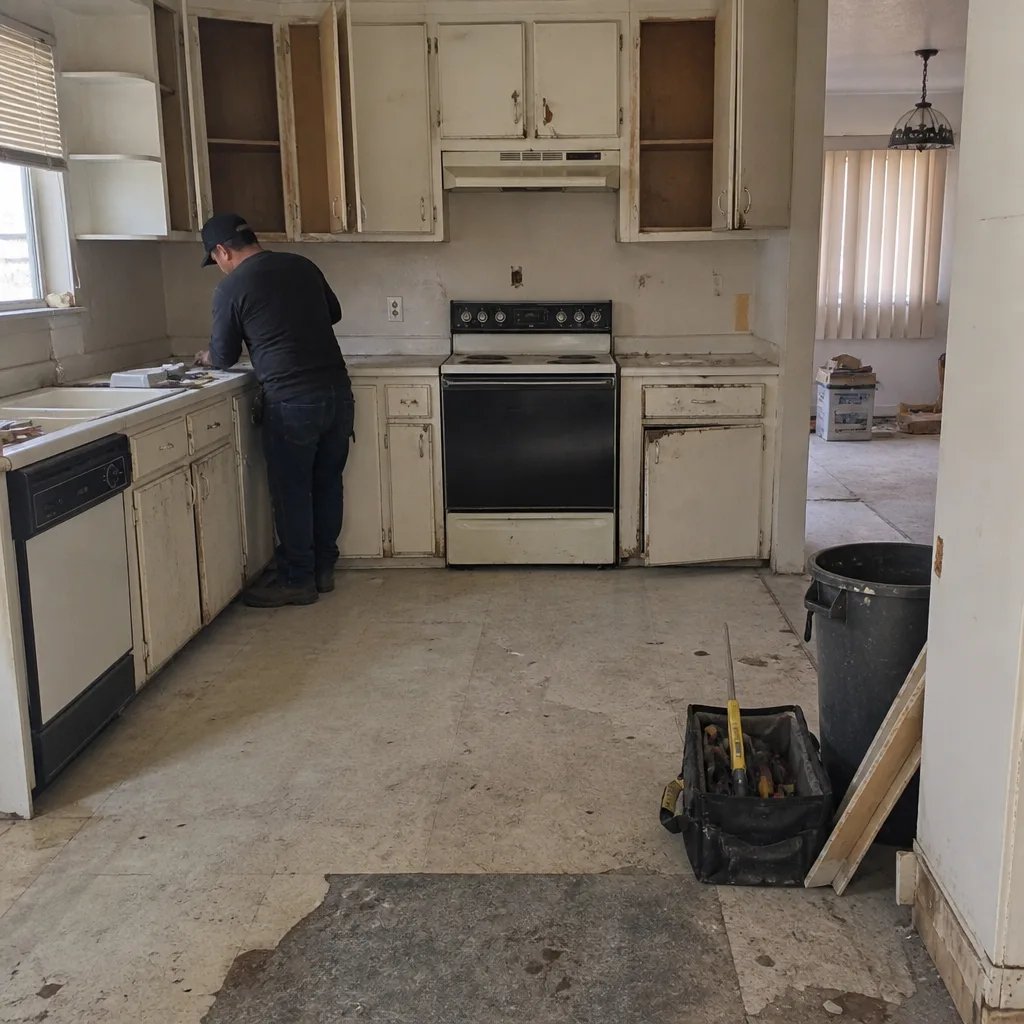 Before
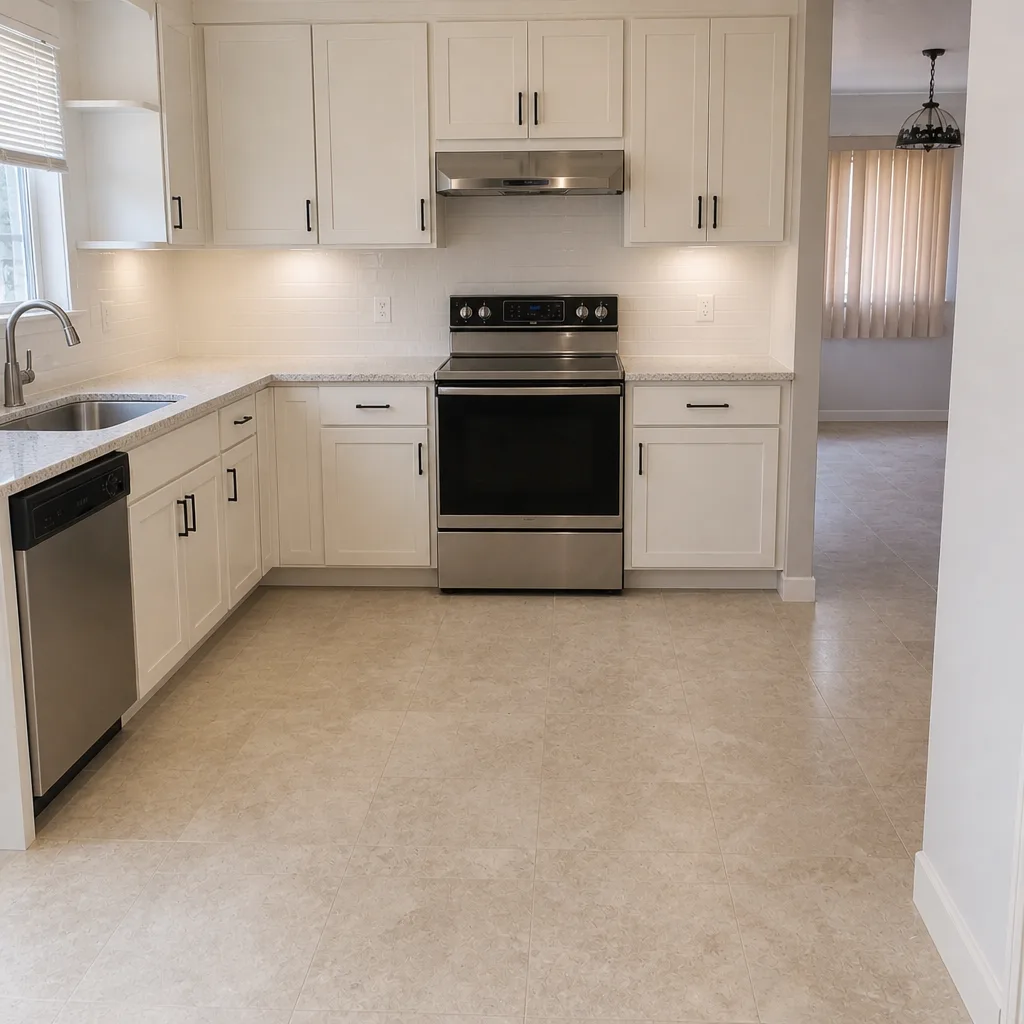 After
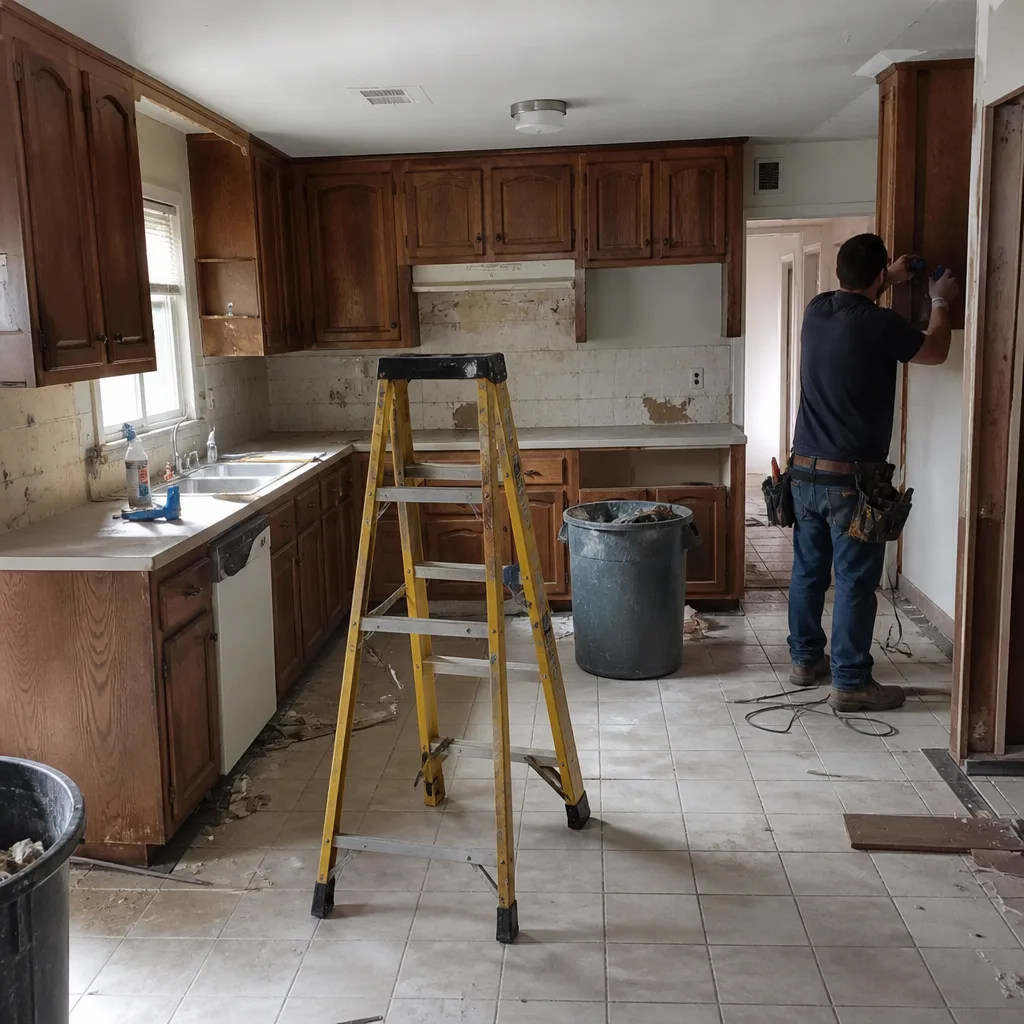 Before
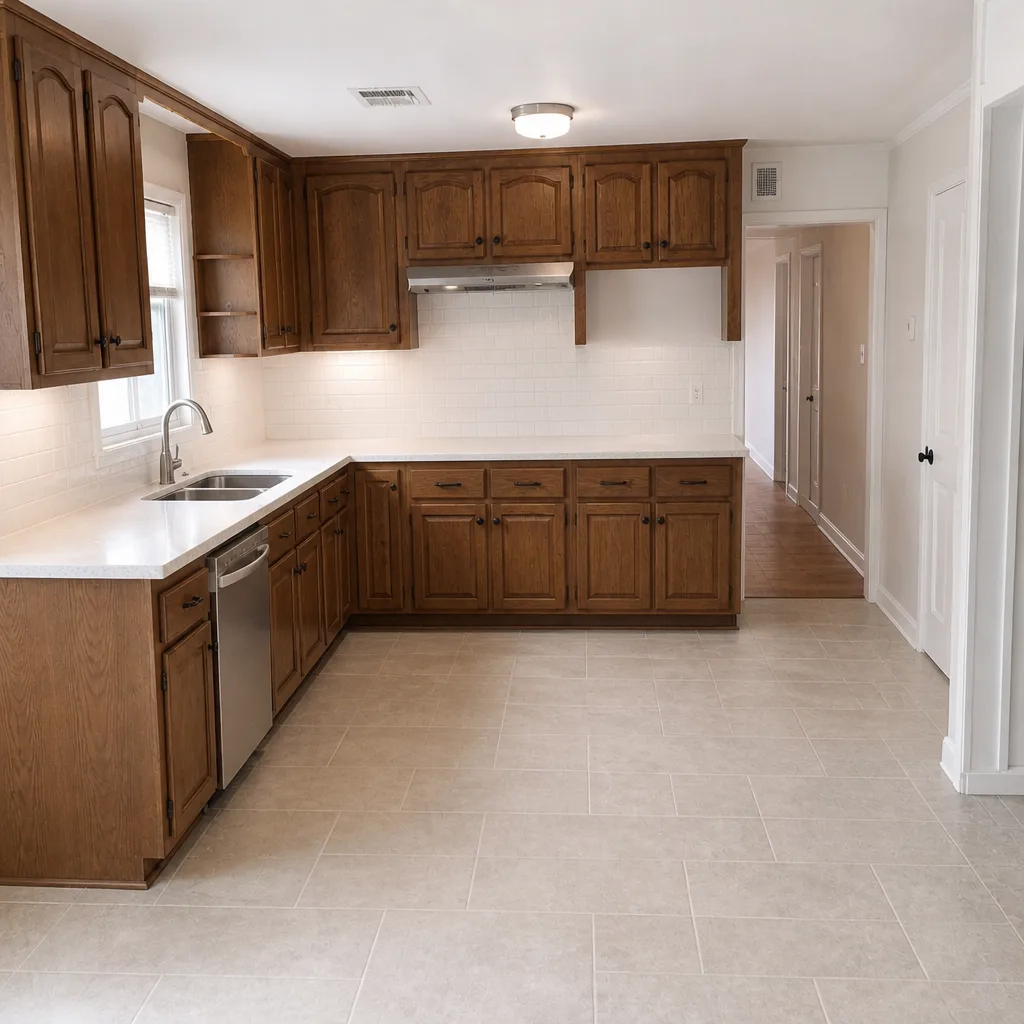 After
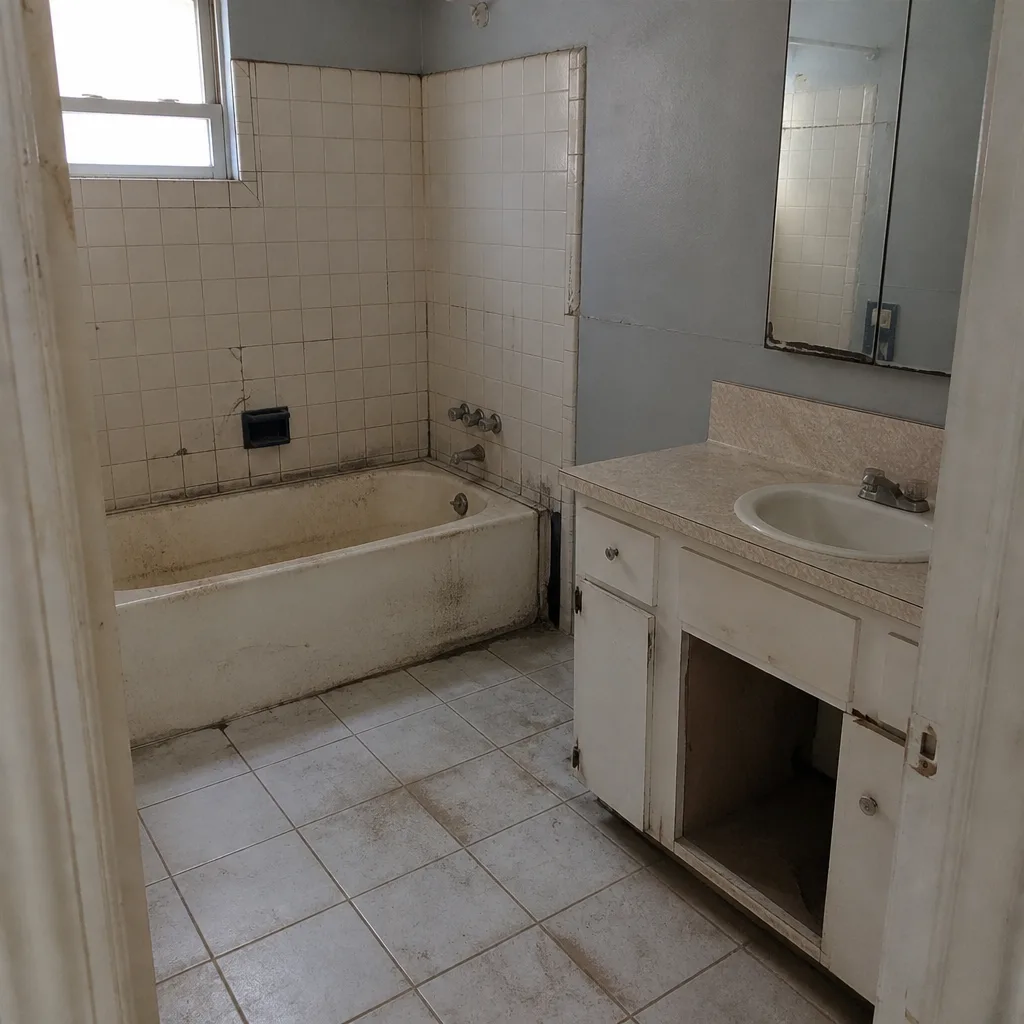 Before
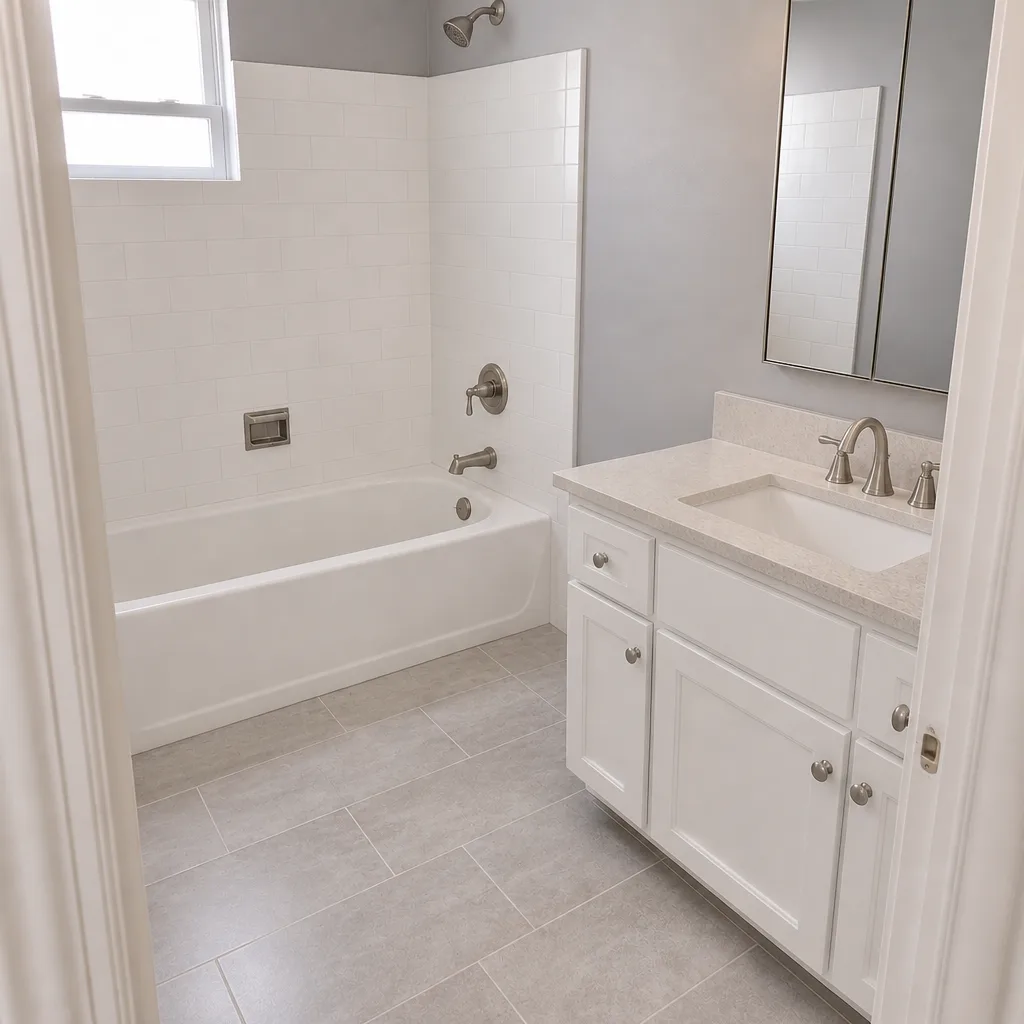 After
When to Call a Professional
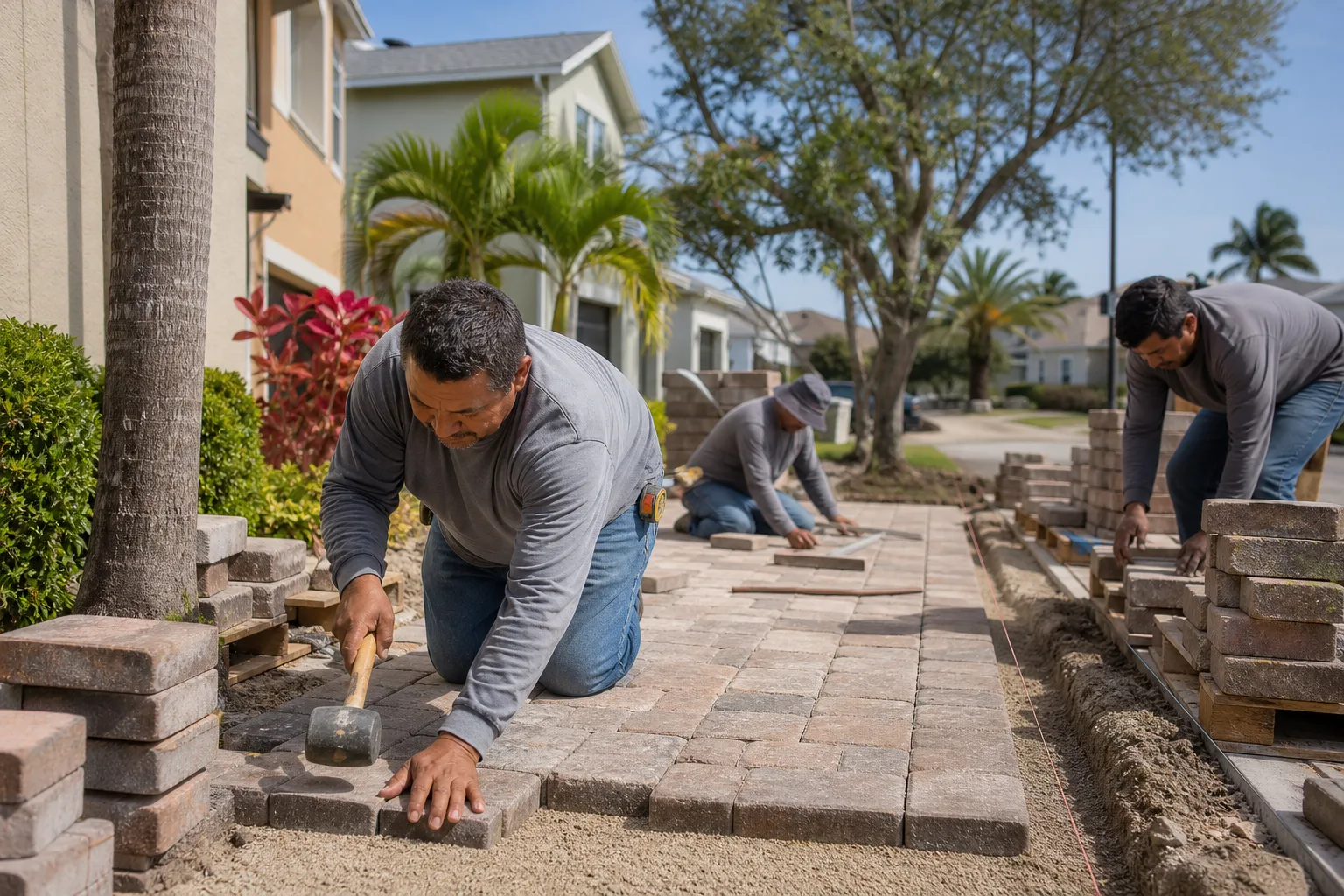
A paver driveway is a job where the base, the grading, the permit, and the cure schedule all have to line up. If your existing driveway is cracking, draining toward the garage, or settling in low spots, those are signs the sub-base is failing, and laying new pavers over it isn’t a fix. If your Spring Valley driveway approaches a public right-of-way, the right-of-way permit and inspection sequence needs a contractor who runs that process. And if you’re bundling the driveway with a new structure, fence, or other exterior project, sequencing matters more than a single-trade crew will account for. Groundwork Construction Co. of Spring Valley offers free estimates in Spring Valley, with line-item pricing and a calendar you can hold us to. Call (888) 329-9414 to schedule yours. Our technicians have up to 12 years of experience, and every project is backed by the 730-Day Done Right Promise.
Frequently Asked Questions
Plan for 10 to 14 calendar days for a standard 400 to 600 square foot paver driveway in Spring Valley. About 3 to 5 of those days are active crew work; the rest are base curing, permit inspection scheduling, and the sealant cure before vehicle access. Larger driveways or monsoon-season installs can run three weeks or more. Call (888) 329-9414 for an exact quote on your property; estimates are free.
No. You can walk on it after the joint sand sets, but the sealant needs its full cure before vehicle traffic. That’s typically 24 to 72 hours after sealing, depending on the product and the weather. A contractor who tells you to drive on it the same day is skipping the cure the sealant needs. We’ll give you a written vehicle-access date before we finish.
Often yes. Most of Spring Valley sits in unincorporated Clark County, and driveway work that connects to a public right-of-way or alters drainage usually requires a right-of-way permit and inspection. The exact requirement depends on your lot and the approach. A licensed contractor checks this before the bid, not after excavation. Call (888) 329-9414 and we’ll confirm what your property needs.
Because the calendar time is in the holds, not the labor. Base compaction needs to settle, permit inspections happen on the county’s schedule, and the sealant needs a temperature window plus a full cure. None of those can be compressed without risking the surface. Those holds are what make a paver driveway last 20 years instead of 5.
Yes, but weather holds are part of the plan. A monsoon storm can wash out freshly excavated base, which forces a re-do. We build 2 to 3 weather-hold days into every summer and early-fall estimate. Spring and fall are smoother windows, with wider temperature ranges and shorter inspection queues. Call (888) 329-9414 to talk through timing for your project.
Installed paver driveways in the Spring Valley market generally run about $12 to $22 per square foot, with the final number depending on paver style, base depth, site access, and drainage work. A written line-item quote gives you a fixed number with no change orders. Call (888) 329-9414 for a free estimate, and ask about the $1,000 off projects over $10,000 and 0% financing for 18 months.
The Bottom Line
“How long does a paver driveway take?” has an honest answer: 10 to 14 calendar days for a typical Spring Valley driveway, with the crew on site for only a fraction of that. The real clock is base curing, permit inspection scheduling, and sealant cure, plus weather holds for heat and monsoon. A contractor who quotes crew days and calls it the timeline is setting you up for a surprise. Ask for the four contract milestones, ask for the permit number, ask what happens to the schedule if it rains. Then call (888) 329-9414. We answer live, 24/7, and we’ll put the calendar in writing, backed by the 730-Day Done Right Promise.
Written by the team at Groundwork Construction Co. of Spring Valley.